One of the 10 shrews on WAnimals
Mammals · Macroscelidea · Macroscelididae
Four-toed Sengi
Petrodromus tetradactylus
The species is abundant and widely distributed; it faces no significant short-term risk. See full glossary
The four-toed sengi is a macroscelid mammal of the family Macroscelididae, the only species in the genus Petrodromus. It is native to Angola, the Democratic Republic of the Congo, Kenya, Malawi, Mozambique, South Africa, Tanzania, Zambia, Zimbabwe and possibly Namibia. Its natural habitats are tropical or subtropical forests, tropical or subtropical moist lowland forests, tropical or subtropical moist montane forests, and moist savanna.
Weight
160 g – 280 g
Size
16 cm – 22 cm
Lifespan
4 years
Diet
Insectivore
Feeds mainly on insects and other invertebrates.
Activity
Crepuscular
Active above all at dawn and dusk.
Social structure
In pairs
Usually lives in pairs, sometimes for life.
Sighting difficulty
Easy
Fun facts
- It spends a good part of the day sweeping its trails with its front feet: a dry leaf in the middle of the path can cost it its life when it flees at full speed.
- It is called four-toed because it has lost the first toe of the hind feet, unlike the other macroscelids, which keep five.
Life cycle & biology
- Skeleton type
- Vertebrate - internal bony skeleton (mammal)
- Habitat & environment
- Understorey with thick leaf litter in dry forest, dense scrub and coastal forest of Africa
- Gestation / incubation
- 2 months
- Litter / clutch size
- 1.2 (average)
Sources consulted: https://es.wikipedia.org/wiki/Petrodromus_tetradactylus
Where to find it
See its range on the interactive mapWhere to watch it
Parks and dive sites where this species has been documented.
Related species
Other species in the catalogue with the most in common with Four-toed Sengi — same habitat, park, country, tags or family.
Rufous Elephant Shrew
Elephantulus rufescens
Black and Rufous Sengi
Rhynchocyon petersi
Southern Tree Hyrax
Dendrohyrax arboreus
Crested Porcupine
Hystrix cristata
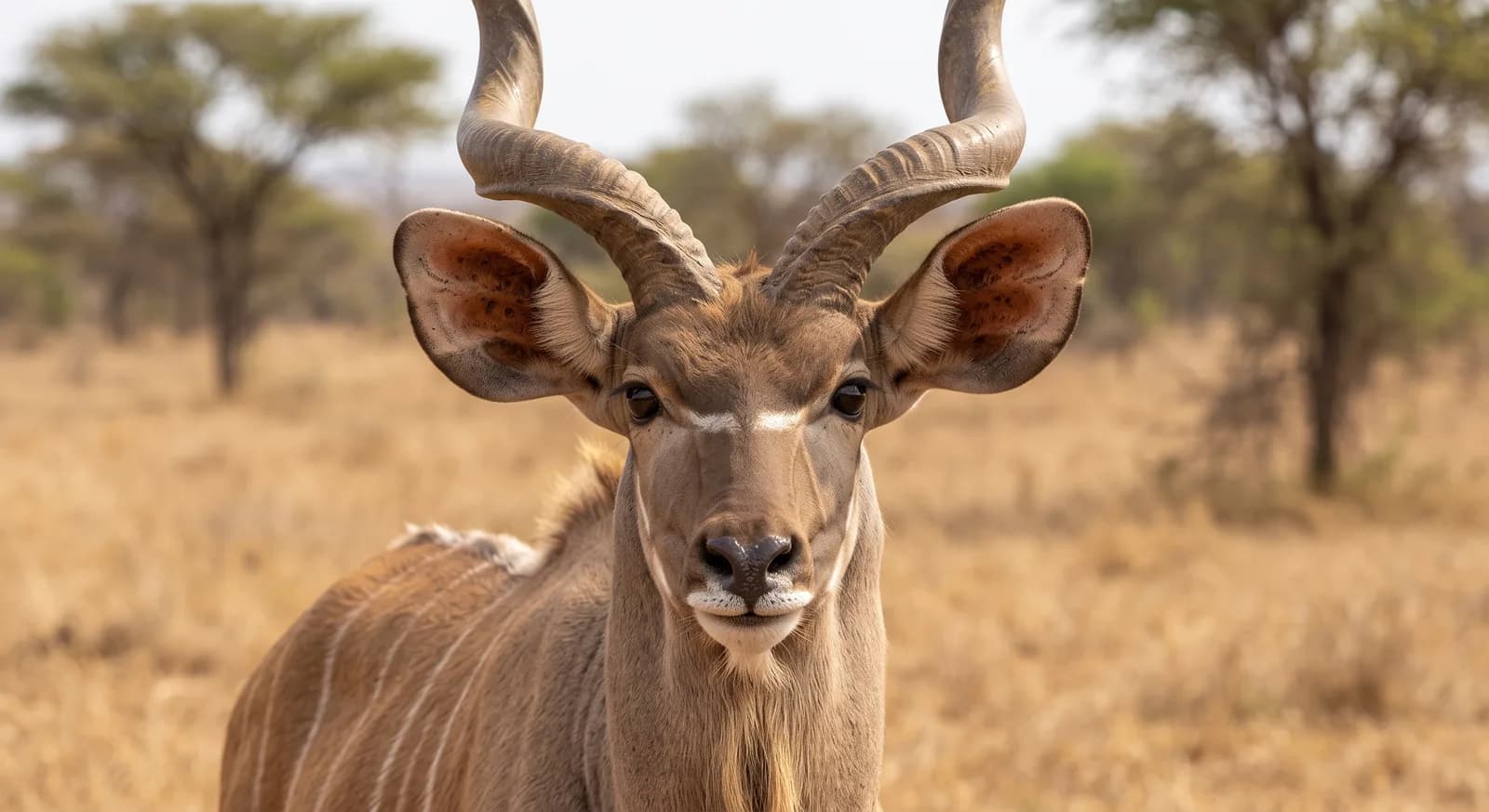 Least Concern
Greater Kudu
Tragelaphus strepsiceros
Narina Trogon
Apaloderma narina
Keep exploring
Based on what we already know about four-toed sengi.
Comments
Share an experience, a fun fact or a tip for seeing the four-toed sengi.
Be the first to comment.