Insects · Lepidoptera · Saturniidae
Great Peacock Moth
Saturnia pyri
It has not yet been assessed against the IUCN criteria. See full glossary
The great peacock moth — known in Spanish as pavón nocturno or gran pavón — is a ditrysian lepidopteran of the family Saturniidae. It is the largest moth and the largest insect in Europe, with a wingspan of between 12 and 16 centimetres. It is Palaearctic in distribution.
Size
10 cm – 16 cm
Lifespan
1 years
Diet
Herbivore
Feeds mainly on plants.
Activity
Nocturnal
Active mainly at night.
Social structure
Solitary
Lives and hunts alone, joining others only to breed.
Sighting difficulty
Unknown
Fun facts
- GeneralThe largest moth in Europe: a 15 cm wingspan and four eyespots.
- Jean-Henri Fabre carried out his celebrated experiments on chemical communication with this species: he shut a female in his house and dozens of males came in from kilometres away, which led him to postulate the existence of pheromones decades before any were isolated.
- The male's feathery antennae detect a few molecules of pheromone per cubic metre of air.
- The adult emerges with no functional mouthparts and lives barely a week on the reserves built up by the caterpillar.
- It is Europe's largest moth: up to 16 cm in wingspan, and somewhat more in exceptional individuals.
- The adult does not feed: like the atlas moth, it has an atrophied proboscis and lives for a few days on its reserves.
- The four eyespots on its wings, one on each, mimic vertebrate eyes and startle the birds that attack it.
- The male locates the female by pheromones from several kilometres away, guided by enormous feathery antennae; it is a classic case from Jean-Henri Fabre's early experiments on smell in insects.
- Van Gogh painted it in 1889 during his stay at the asylum of Saint-Rémy, in a painting he mistakenly titled death's head moth.
- The caterpillar is green with blue tubercles and reaches 10 or 12 cm before spinning a pear-shaped brown cocoon.
Life cycle & biology
- Skeleton type
- Invertebrate - chitin exoskeleton (insect)
- Habitat & environment
- Orchards, market gardens and open Mediterranean woodland
Sources consulted: https://es.wikipedia.org/wiki/Saturnia_pyri
Where to find it
See its range on the interactive mapBest time: April and May, on mild nights near fruit trees
Where to watch it
Parques y spots de buceo donde se ha documentado esta especie — se muestran 10 de 35 documentados.
Related species
Other species in the catalogue with the most in common with Great Peacock Moth — same habitat, park, country, tags or family.
Spanish Moon Moth
Graellsia isabellae
 Least Concern
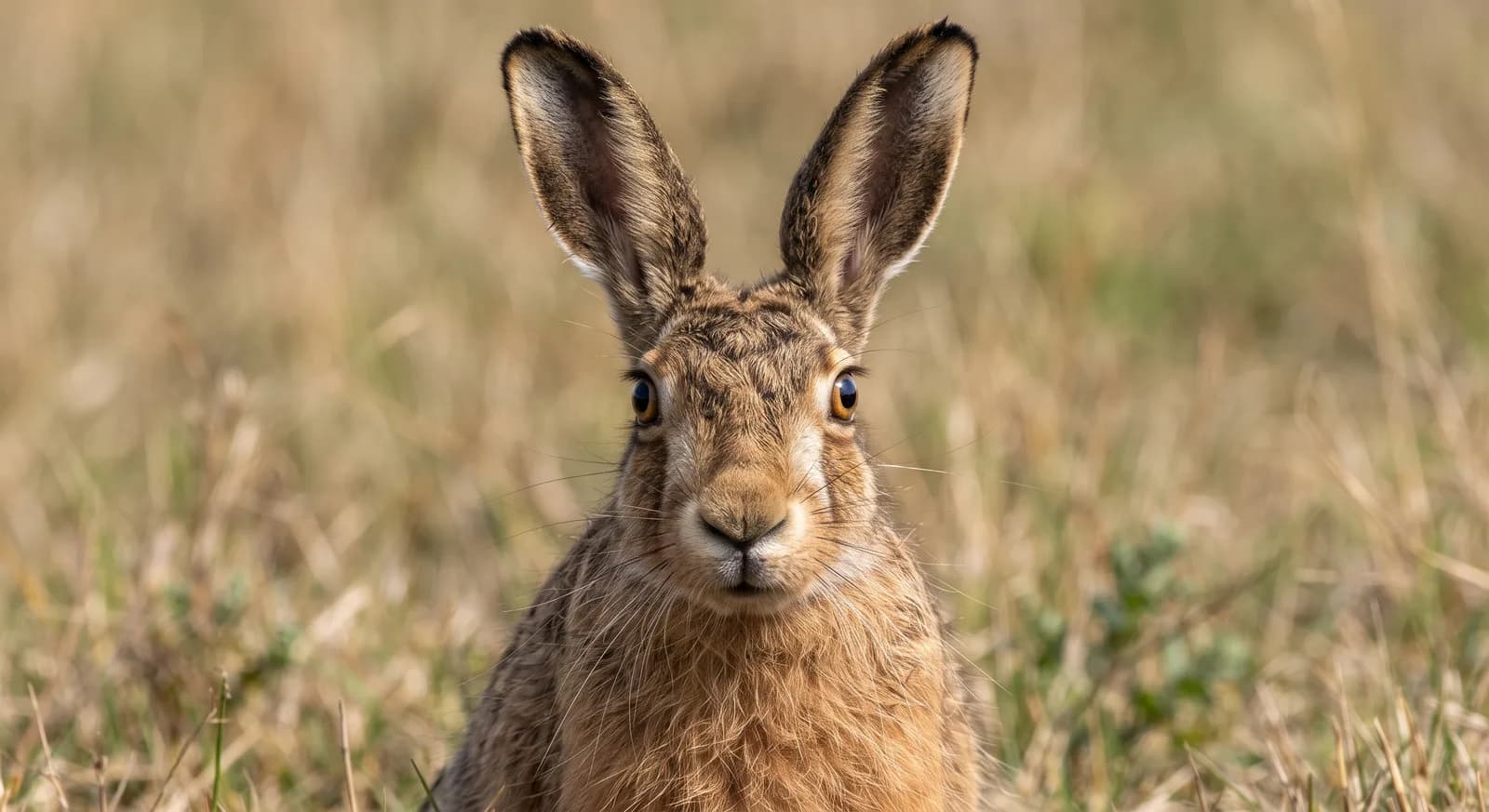
European Hare
Lepus europaeus
Common Cockchafer
Melolontha melolontha
Swallowtail
Papilio machaon
Great Green Bush Cricket
Tettigonia viridissima
Death's-head Hawk-moth
Acherontia atropos
Keep exploring
Based on what we already know about great peacock moth.
Comments
Share an experience, a fun fact or a tip for seeing the great peacock moth.
Be the first to comment.