Bony fish · Siluriformes · Loricariidae
Amazon Sailfin Catfish
Pterygoplichthys pardalis
The species is abundant and widely distributed; it faces no significant short-term risk. See full glossary
The pleco, or plecostomus, is an armoured Amazonian catfish covered in bony plates, with a sucker-like mouth underneath with which it rasps algae and detritus from the bottom and from submerged surfaces. It is sold in vast numbers as an aquarium glass cleaner.
Size
30 cm – 50 cm
Diet
Herbivore
Feeds mainly on plants.
Activity
Nocturnal
Active mainly at night.
Social structure
Solitary
Lives and hunts alone, joining others only to breed.
Sighting difficulty
Easy
Fun facts
- It breathes air by swallowing it and absorbing it in the stomach, which has almost entirely lost its digestive function and works as a lung.
- It digs horizontal burrows more than a metre long in riverbanks to spawn, and in the rivers where it has been introduced those tunnels speed up bank erosion.
- It is invasive in Mexico, Florida, the Philippines and much of South-East Asia, following releases by aquarists.
- It is covered in bony plates instead of scales, hence the name of armoured catfish.
- Its mouth is a sucker with which it scrapes algae off the substrate while anchoring itself against the current.
- It breathes air using a modified, highly vascularised stomach, which lets it survive for hours out of the water and explains its success as an invader.
- It has established itself as an exotic species in rivers in Mexico, the United States, the Philippines, Indonesia, Bangladesh and India, almost always through aquarium releases. Its burrows erode riverbanks and displace native fauna.
- Its flesh is tough and yields little, so wherever it proliferates it competes with the fishery without replacing it.
Life cycle & biology
- Skeleton type
- Vertebrate - internal bony skeleton (fish)
- Habitat & environment
- Rivers, channels and floodplains of the Amazon basin
Sources consulted: FishBase (Froese & Pauly, eds.); Lista Roja de la UICN; Nico y Schofield, USGS; Hoover et al.
Where to find it
See its range on the interactive mapRelated species
Other species in the catalogue with the most in common with Amazon Sailfin Catfish — same habitat, park, country, tags or family.
African Catfish
Clarias gariepinus
Electric Eel
Electrophorus electricus
Water Opossum
Chironectes minimus
 Vulnerable
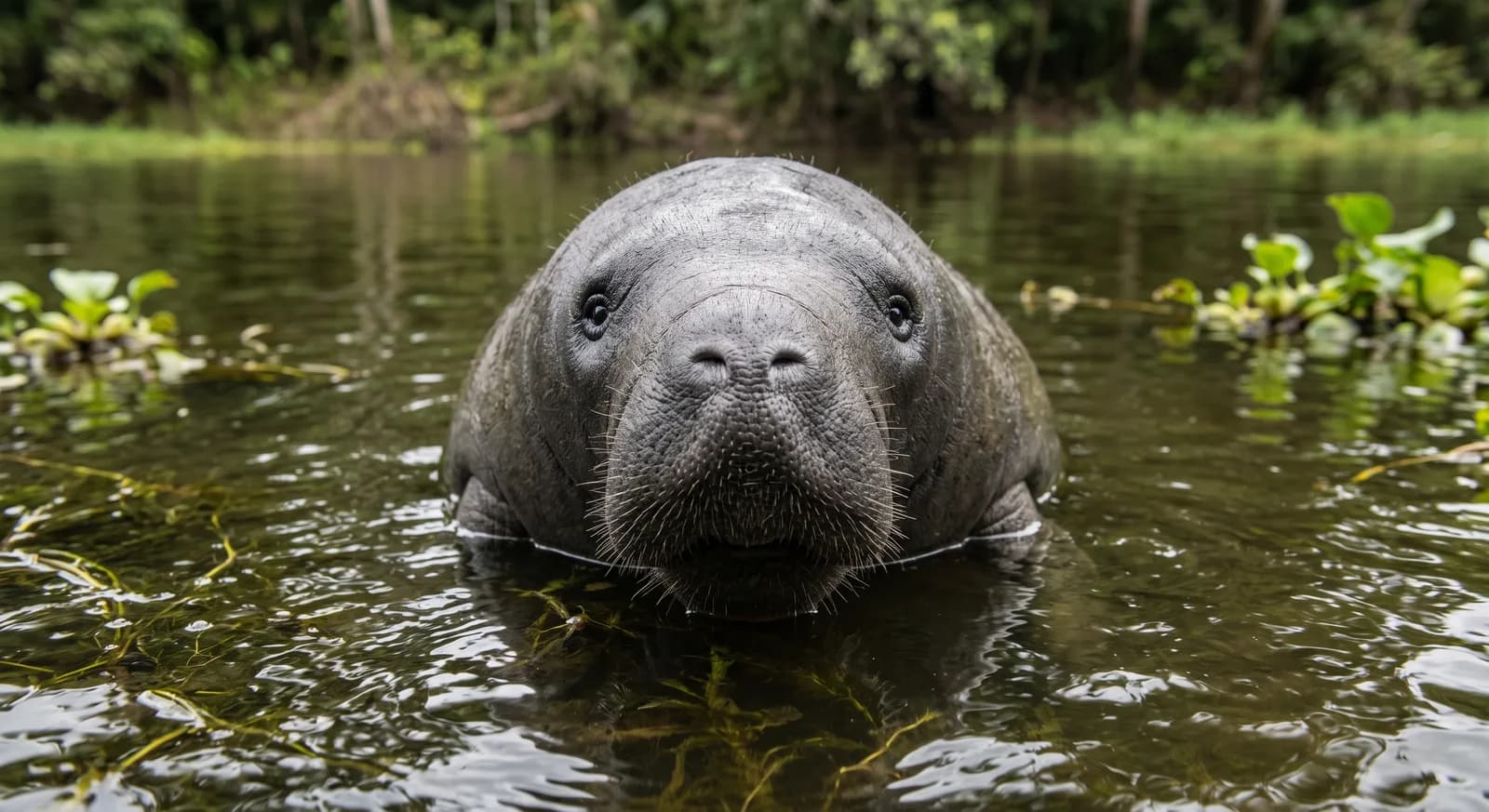
Amazonian Manatee
Trichechus inunguis
 Least Concern
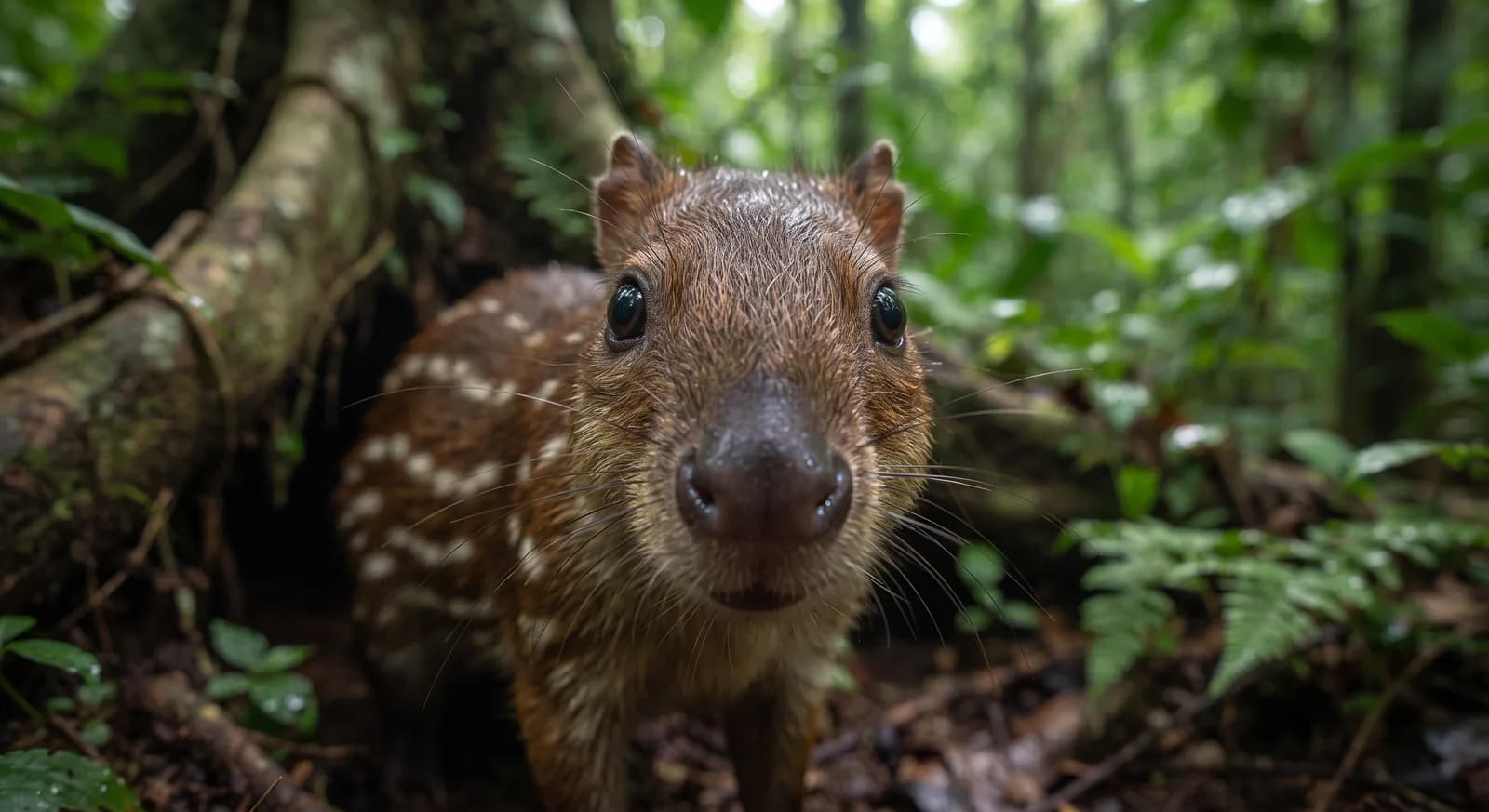
Lowland Paca
Cuniculus paca
 Vulnerable
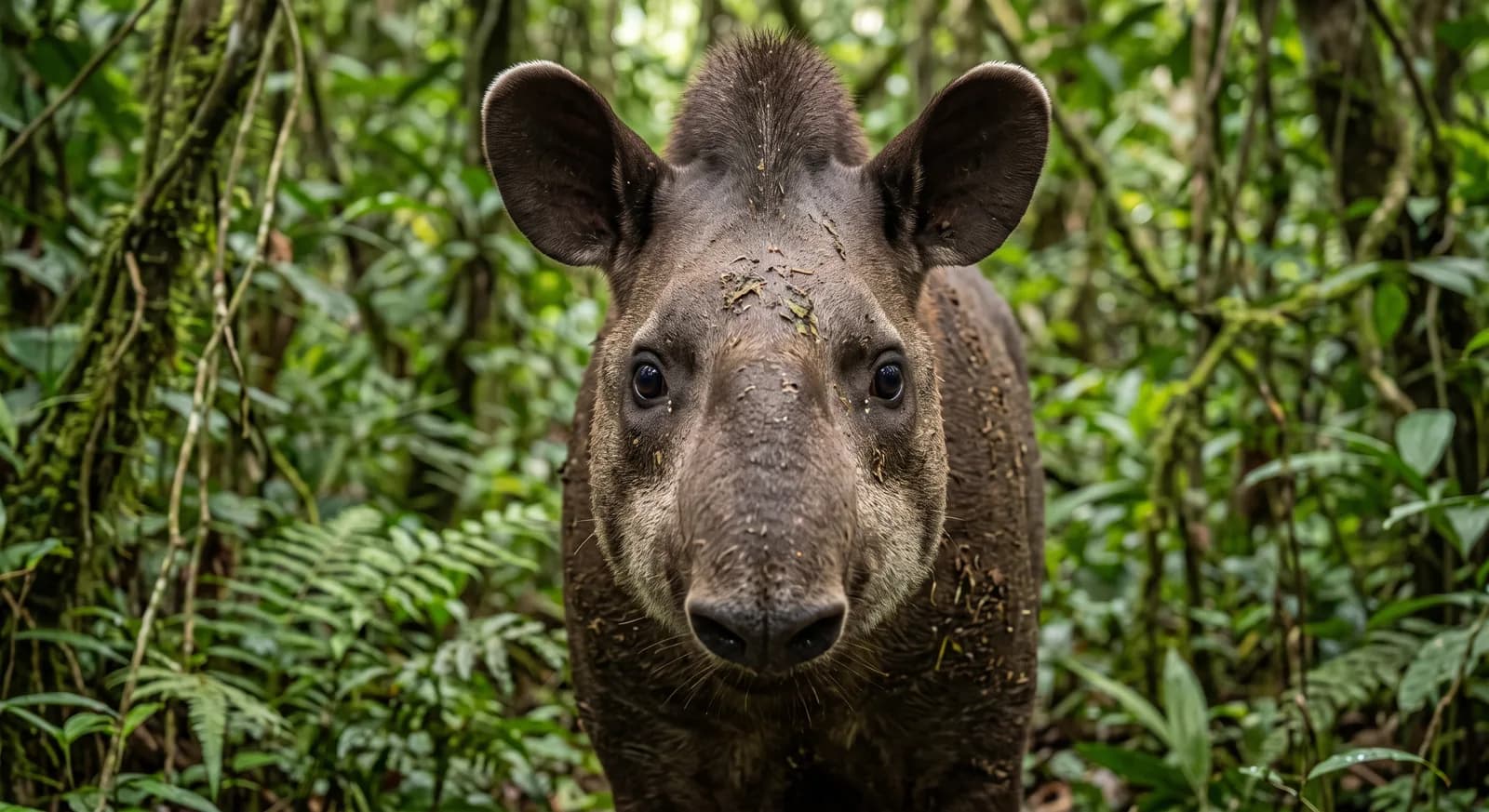
Lowland Tapir
Tapirus terrestris
Keep exploring
Based on what we already know about amazon sailfin catfish.
Comments
Share an experience, a fun fact or a tip for seeing the amazon sailfin catfish.
Be the first to comment.