One of the 6 swifts on WAnimals
Birds · Caprimulgiformes · Apodidae
Black Swift
Cypseloides niger
It faces a high risk of extinction in the wild over the medium term. See full glossary
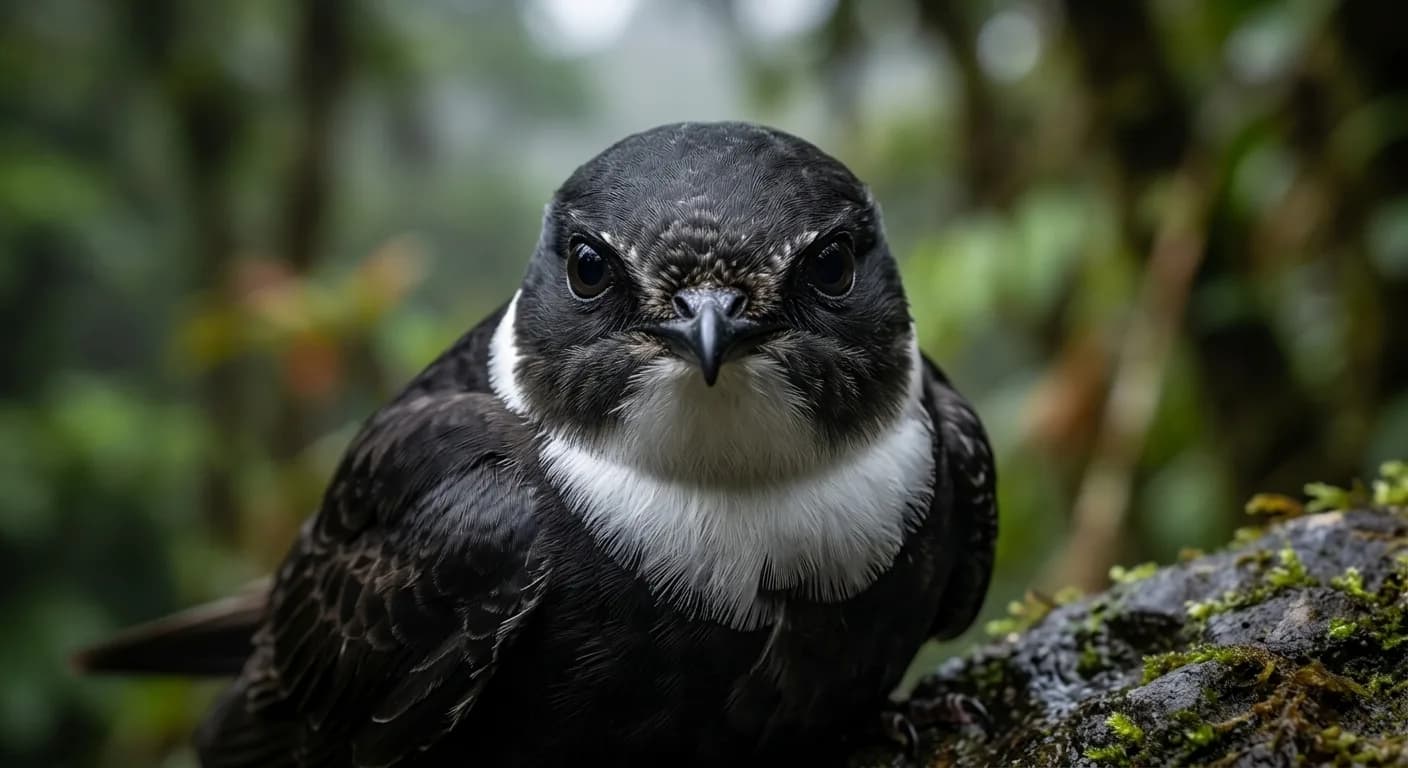
The black swift is an entirely dark swift that breeds on damp ledges of sea cliffs, canyons and behind waterfalls in western North America and the Caribbean. For decades where it spent the winter was unknown, until geolocators revealed in 2012 that the Californian populations cross the continent to the Brazilian Amazon.
Weight
40 g – 50 g
Size
15 cm – 18 cm
Lifespan
20 years
Diet
Insectivore
Feeds mainly on insects and other invertebrates.
Activity
Crepuscular
Active above all at dawn and dusk.
Social structure
Colony
Lives in large concentrations, often for breeding reasons.
Sighting difficulty
Moderate
Fun facts
- Its wintering destination was a mystery until 2012, when tiny geolocators revealed that the Californian populations fly to western Amazonia, more than seven thousand kilometres away.
- It nests on seeping ledges behind waterfalls and on sea cliffs, and lays a single egg per season: it is one of the slowest-breeding swifts.
- Its chick can survive several days without food by entering torpor, an adaptation needed when bad weather prevents the adults from catching insects on the wing.
Life cycle & biology
- Skeleton type
- Vertebrate - internal bony skeleton (bird)
- Habitat & environment
- Sea cliffs, canyons and waterfalls of North America and the Caribbean; it winters in Amazonia
- Sexual maturity
- 12 months
- Gestation / incubation
- 24 days
- Litter / clutch size
- 1
Sources consulted: https://en.wikipedia.org/wiki/American_black_swift
Where to find it
See its range on the interactive mapWhere to watch it
Parks and dive sites where this species has been documented.
Related species
Other species in the catalogue with the most in common with Black Swift — same habitat, park, country, tags or family.
 Least Concern
White-collared Swift
Streptoprocne zonaris
Chimney Swift
Chaetura pelagica
Turkey Vulture
Cathartes aura
Pallid Swift
Apus pallidus
Edible-nest Swiftlet
Aerodramus fuciphagus
 Least Concern
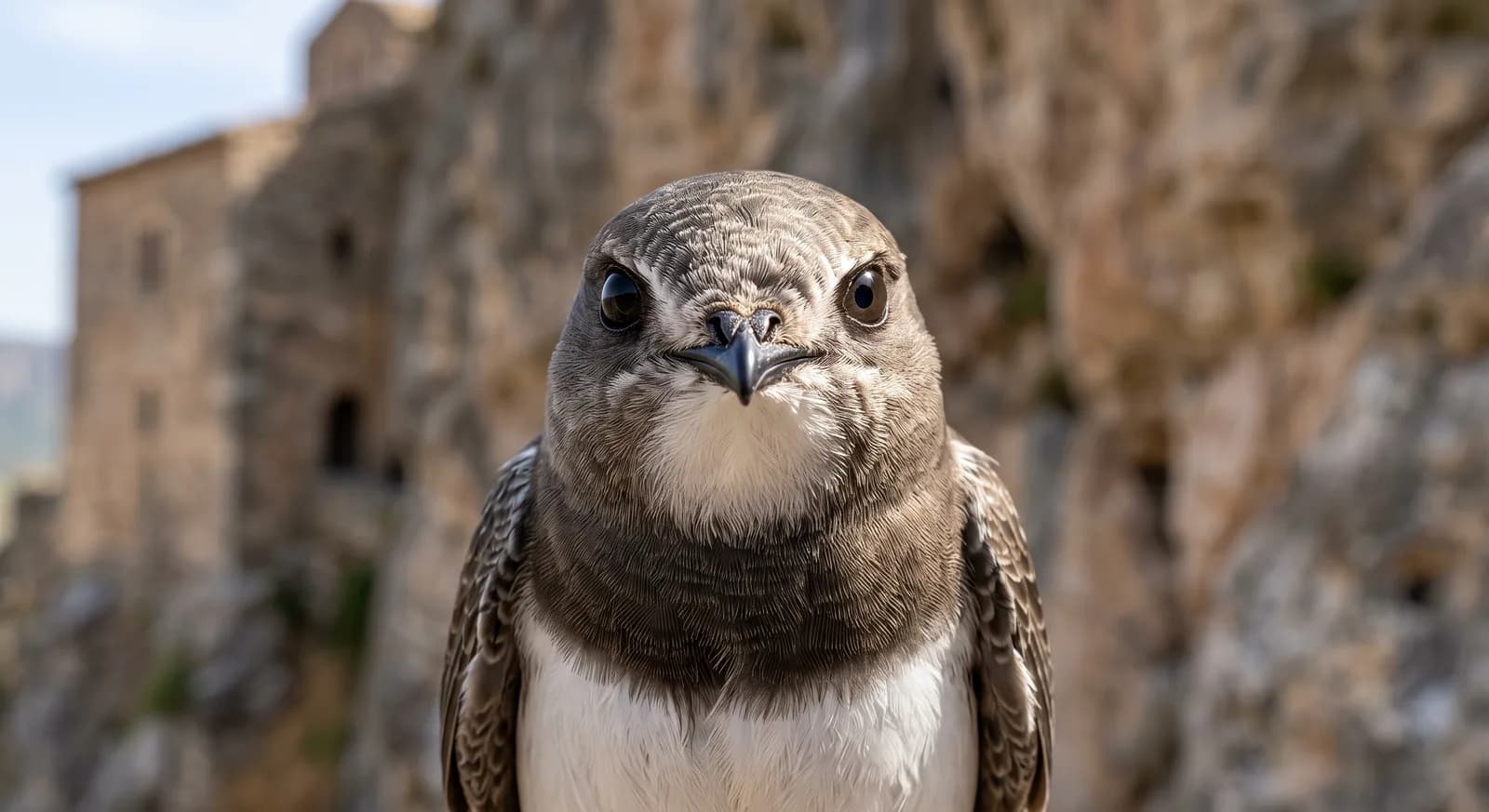
Alpine Swift
Tachymarptis melba
How to help
The black swift is classified as vulnerable. Organizations such as UICN, WWF y Wildlife Conservation Society work specifically on its conservation and that of its habitat; looking into their programs is a good starting point if you want to get involved.
It's documented in 1 real protected area — part of why protecting these places matters for its conservation.
Keep exploring
Based on what we already know about black swift.
Comments
Share an experience, a fun fact or a tip for seeing the black swift.
Be the first to comment.