Maldives
Asia
The Maldives is the flattest and lowest-lying country in the world, a string of almost one thousand two hundred coral islands grouped into atolls that stretch across the Indian Ocean for more than eight hundred kilometres. More than ninety-nine per cent of its territory is water, and all its natural life revolves around coral: the reefs build the islands themselves, protect them from the swell and sustain a community of more than a thousand fish species, as well as turtles, reef sharks and rays. There are no rivers and no relief, and the land vegetation is reduced to coconut palms, salt-tolerant shrubs and a few mangroves. The channels between atolls funnel plankton-laden currents that draw large filter feeders, which makes these waters one of the best places on the planet to watch mantas and whale sharks.
The nature of Maldives
National animal: The yellowfin tuna is the national fish; the white-breasted waterhen is the national bird
Did you know?
In Hanifaru bay, in Baa atoll, the coincidence of the lunar tide with the monsoon currents traps plankton inside a tiny inlet. When that happens, hundreds of reef mantas come in to feed and organise themselves into chains and circular formations that spin like a cyclone to concentrate the food, one of the most remarkable displays of animal behaviour in the ocean.
Biodiversity profile
Climate
- •Tropical oceanico calido y humedo (Af), pais mas bajo del mundo (99% de superficie oceanica)
Main biomes
- •Vegetacion de atolon coralino (predominantemente cocoteros)
- •Manglares presentes en aprox. 12% de las islas del archipielago
- •Arrecife de coral de atolón
- •Laguna de atolón
- •Canal de corriente entre atolones
- •Manglar insular
- •Playa de arena coralina
- •Pradera marina
- •Mar profundo del Índico
Marine and coastal ecosystems
- •Aprox. 4.500 km2 de arrecifes de coral (3% del total mundial), con mas de 250 especies de coral, 1.100+ especies de peces, 5 especies de tortuga marina y al menos 20 especies de mamiferos marinos
- •Octavo mayor sistema de arrecifes de coral del mundo
Flagship wildlife
- •Tiburon ballena
- •Manta raya
- •Tortuga marina verde y carey
- •Delfin mular y otras especies de cetaceos
- •Manta de arrecife
- •Tortuga carey
- •Tortuga verde
- •Tiburón de puntas blancas de arrecife
- •Delfín girador
- •Atún de aleta amarilla
- •Pez napoleón
- •Pez loro jorobado
- •Rabijunco colirrojo
Notable endemic species
- •Aprox. 20 especies de peces endemicas del archipielago segun estudios recientes
- •Murcielagos frugivoros y musarañas endemicas entre los pocos mamiferos terrestres nativos, junto a gecos y varias especies de serpientes
- •Zorro volador de Maldivas
- •Pez payaso de Maldivas
Notable threatened species
- •Tortugas marinas (varias especies amenazadas por perdida de playas de anidacion)
- •Tiburones en declive por la practica de aleteo pese a la prohibicion gubernamental de su pesca
- •Corales bajo presion severa de blanqueamiento por calentamiento oceanico
Notable protected areas
- •Multiples zonas marinas protegidas y sitios Ramsar en desarrollo dentro del archipielago
- •Reserva de la Biosfera del Atolón de Baa
- •Bahía de Hanifaru
- •Atolón de Ari Sur
- •Área Protegida de Rasfari
- •Atolón de Addu
- •Canal de Fuvahmulah
Main conservation threats
- •Subida del nivel del mar (amenaza existencial maxima, pais mas bajo del mundo, con discusiones activas sobre posible reubicacion poblacional futura)
- •Blanqueamiento coralino por calentamiento del Oceano Indico (0,4-0,5°C de aumento en 21 años)
- •Desarrollo turistico y pesquero intensivo sobre arrecifes y especies marinas
Notable natural phenomena
- •El tsunami del Oceano Indico de 2004 causo inundaciones de 3-4 metros en 39 islas habitadas, ilustrando la vulnerabilidad extrema del archipielago
- •Lanzamiento en 2022 de un proceso nacional de Lista Roja usando metodologia IUCN para reptiles marinos, corales y manglares
Conservation
The mass bleaching events of 1998 and 2016 killed much of the archipelago's shallow coral and its recovery is tracked as a global indicator. The country maintains one of the largest individual manta identification databases in the world, based on the pattern of spots on the belly.
Where and when to watch wildlife
Hanifaru between May and November for mantas and whale sharks. South Ari year-round for whale sharks. The coral sand beaches between March and November for turtle nesting.
Sources: IUCN - Maldives country profile | EBSCO Research Starters - Maldives ecosystems | Grokipedia - Wildlife of the Maldives | World Bank - Roadmap for Fostering Coral Reef Resilience Maldives
Parks and reserves
Diving and snorkelling
Atolón de Baa (Hanifaru Bay)
A funnel-shaped dead-end bay some 1,300 m long that acts as a scoop, gathering the plankton rising from deep water. The combination of that shape, the south-west monsoon current and the lunar tide concentrates a plankton soup that draws the manta rays in.
View dive siteReef/PelagicAtolón de Ari
One of the most famous atolls in the Maldives for swimming with whale sharks on a regular basis.
View dive sitePelagic plateau / Shark encounterFuvahmulah (Tiger Harbour)
Fuvahmulah is a unique island-atoll: it has no lagoon and no surrounding reef, so the drop into the open ocean begins right at the shore. Tiger Harbour, the horseshoe-shaped plateau at the harbour mouth, is dived between 5 and 10 m and is the site that has made the island famous for its tiger shark encounters. Beyond it, the plateaus and ledges to the south and east run to 40 m or more before falling away, with thresher shark cleaning stations and a constant passage of pelagics.
View dive siteCleaning stationNorth Male Atoll (HP Reef)
Hanifaru Point (HP Reef), a manta ray cleaning station with all but guaranteed sightings all year round.
View dive siteWall/PelagicRasdhoo Atoll (Madivaru)
One of the few places in the Maldives with regular hammerhead shark sightings in deep water at dawn.
View dive siteBioluminescence phenomenonVaadhoo (mareas bioluminiscentes)
An island famous for the Sea of Stars, where bioluminescent plankton lights up the waves at night.
View dive sitePinnacle/WallVaavu Atoll (Fish Head)
One of the first protected sites in the Maldives (since 1990), with the country's greatest concentration of grey reef sharks.
View dive sitePaíses similares
¿A dónde más podría interesarme viajar?
Misma región: Sur de Asia
Misma región: Sur de Asia
Misma región: Sur de Asia
Misma región: Sur de Asia
Especies documentadas en Maldives
132 species found
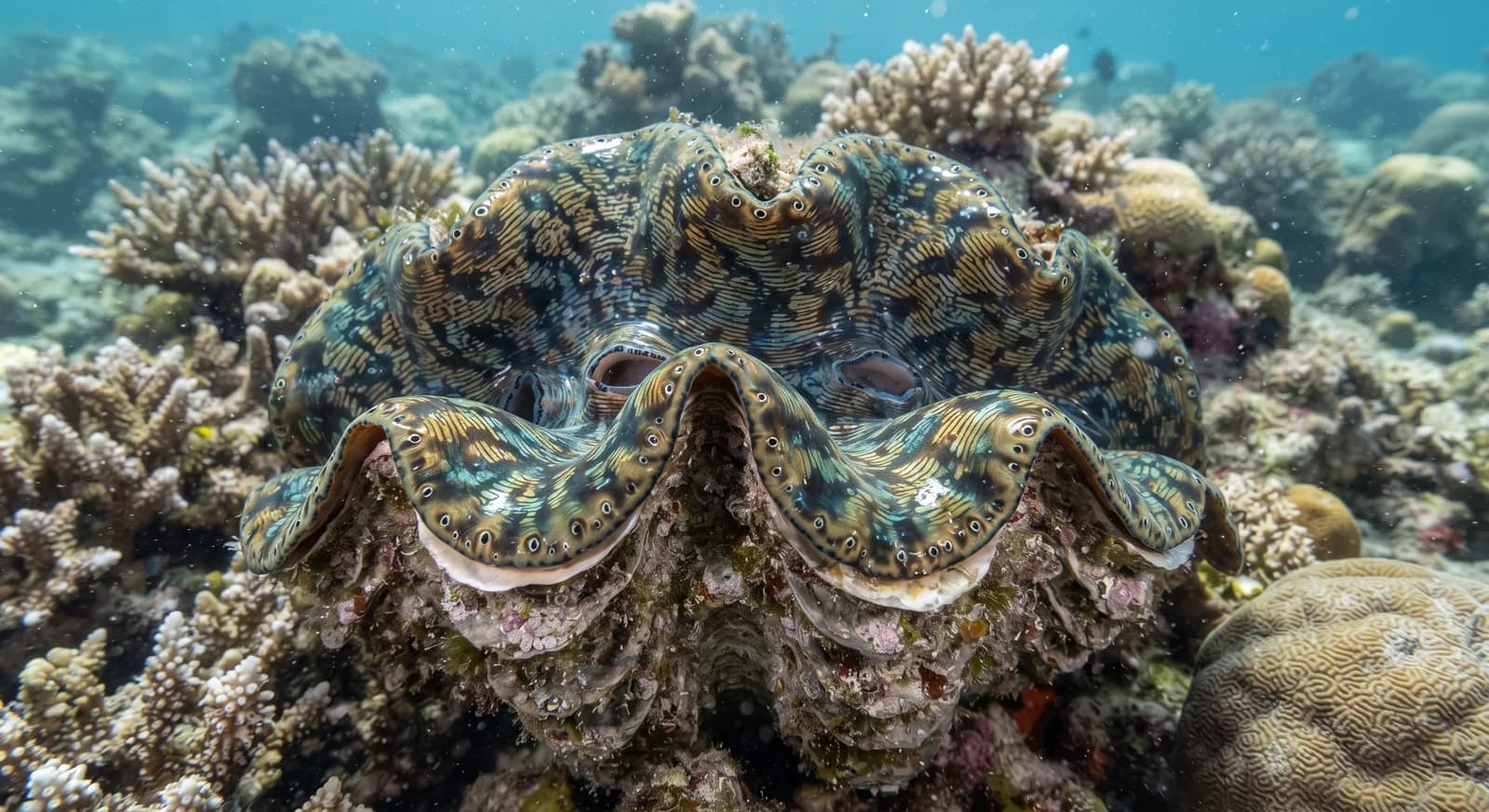 Critically Endangered
Giant Clam
Tridacna gigas
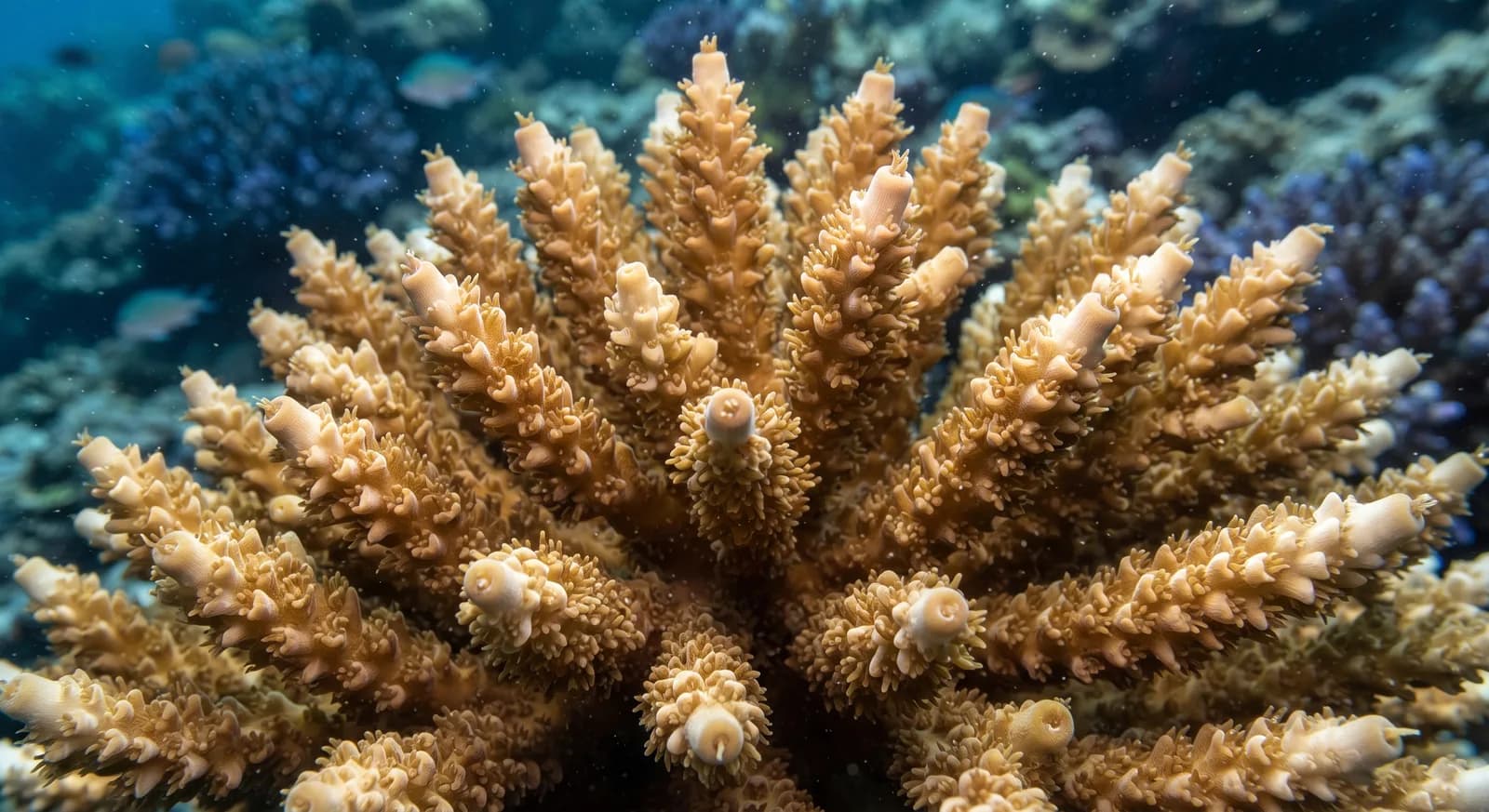 Critically Endangered
Staghorn Coral
Acropora cervicornis
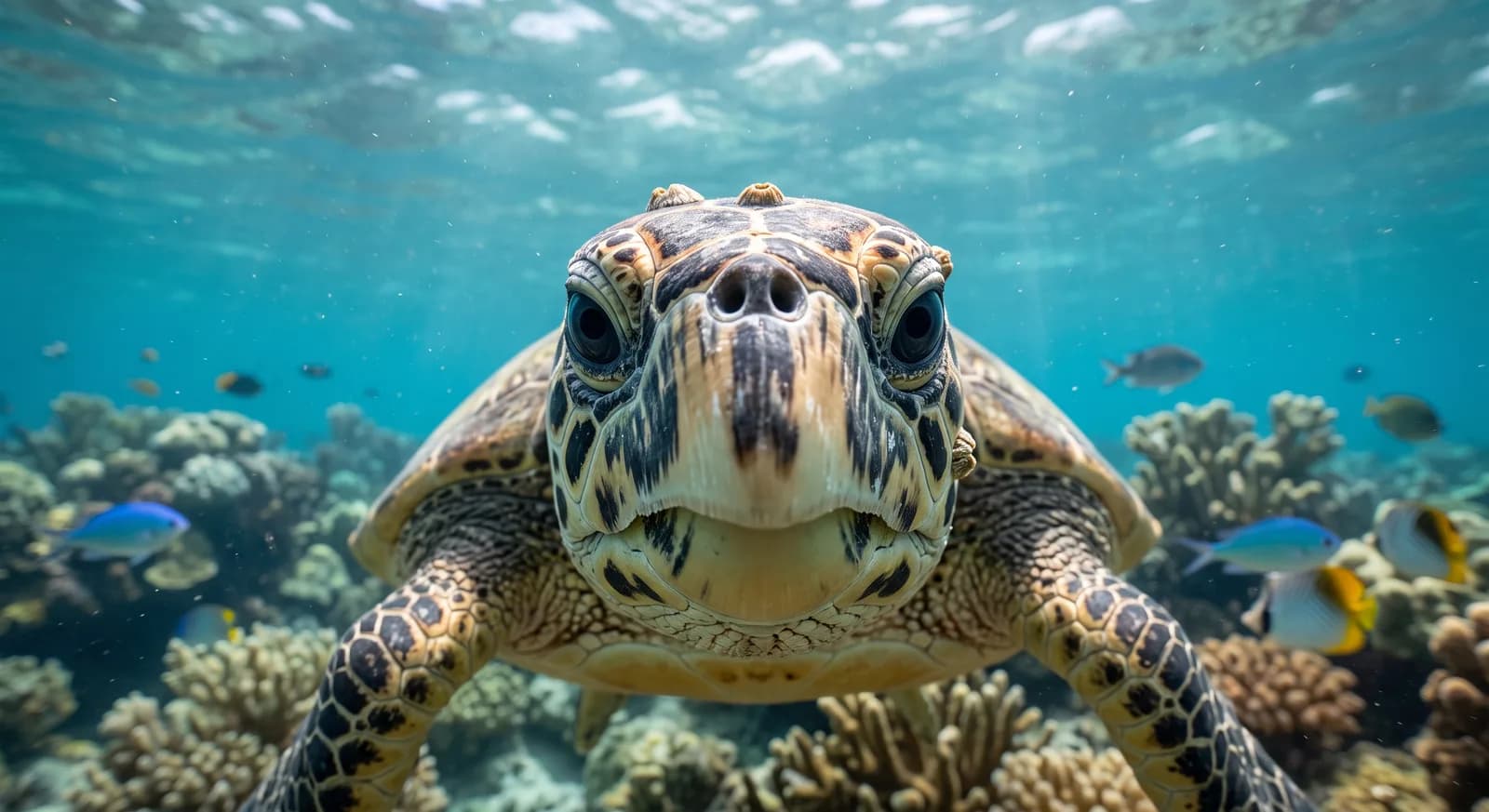 Critically Endangered
Hawksbill Turtle
Eretmochelys imbricata
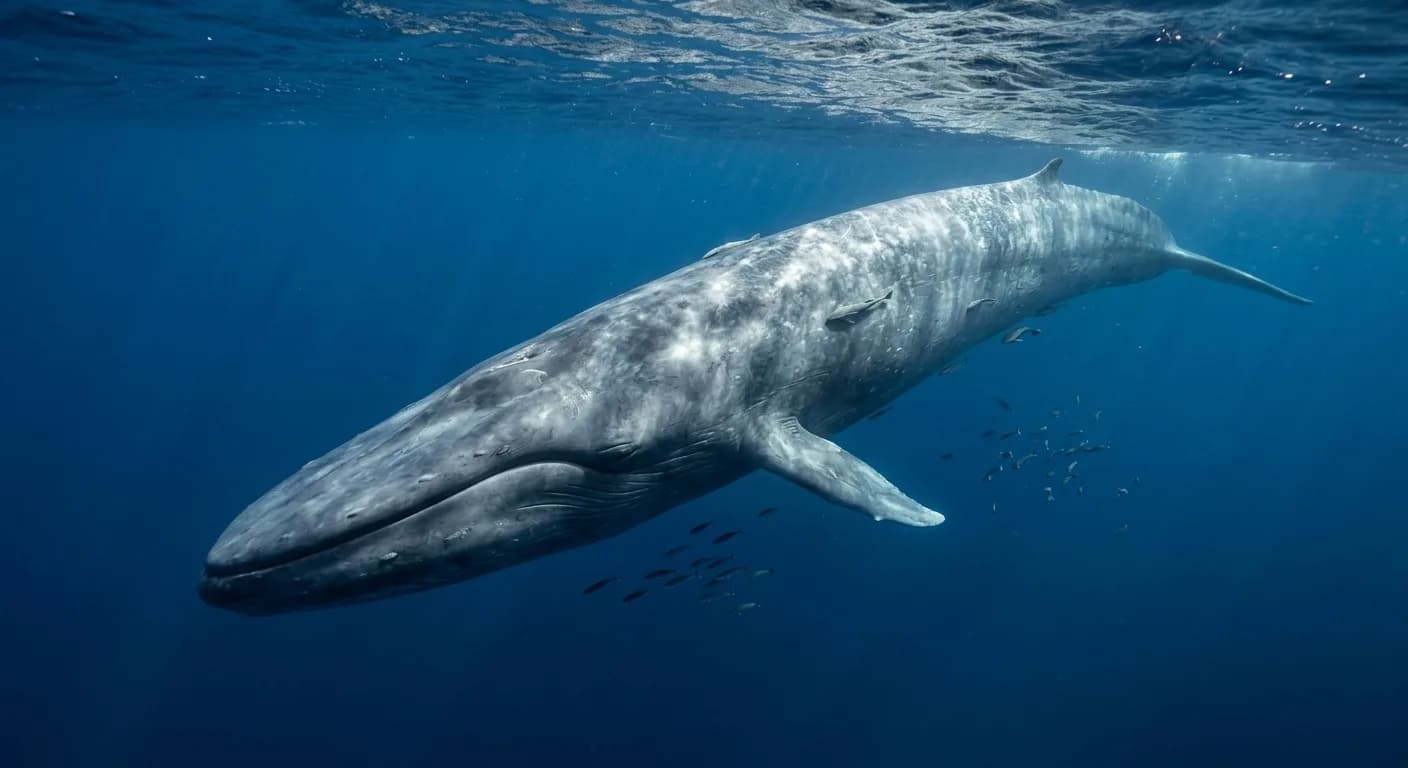 Endangered
Blue Whale
Balaenoptera musculus
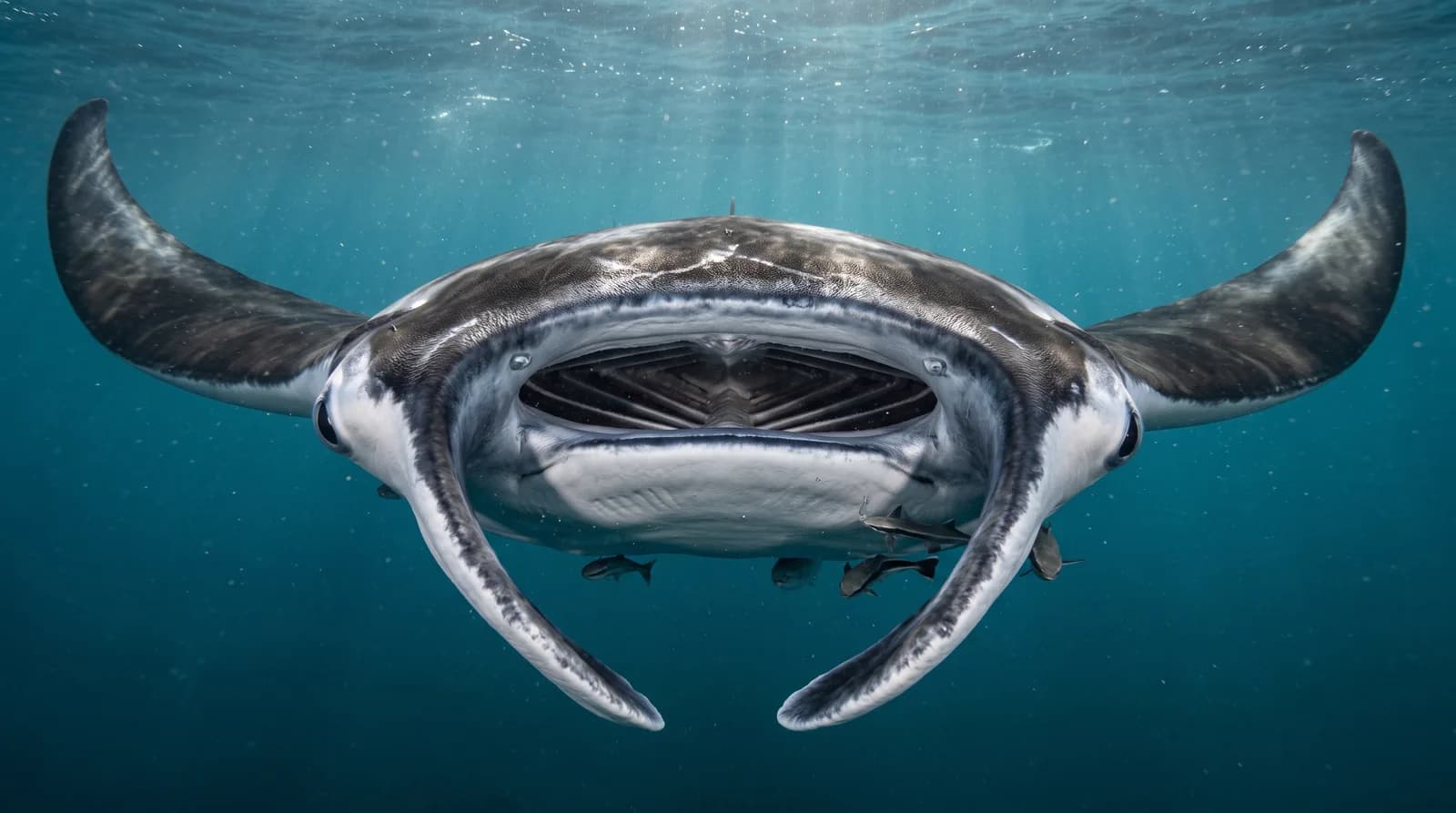 Endangered
Giant Manta
Mobula birostris
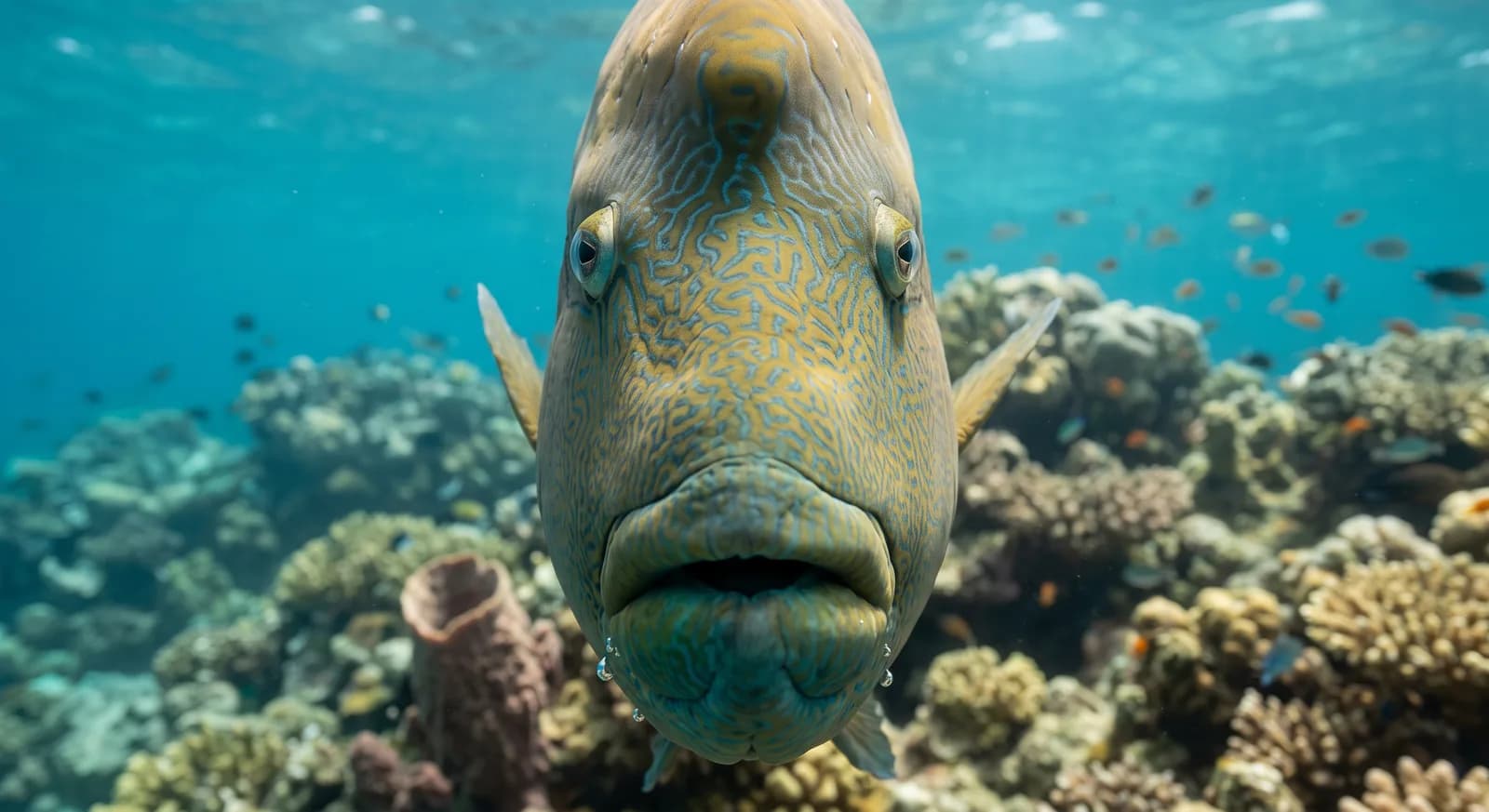 Endangered
Humphead Wrasse
Cheilinus undulatus
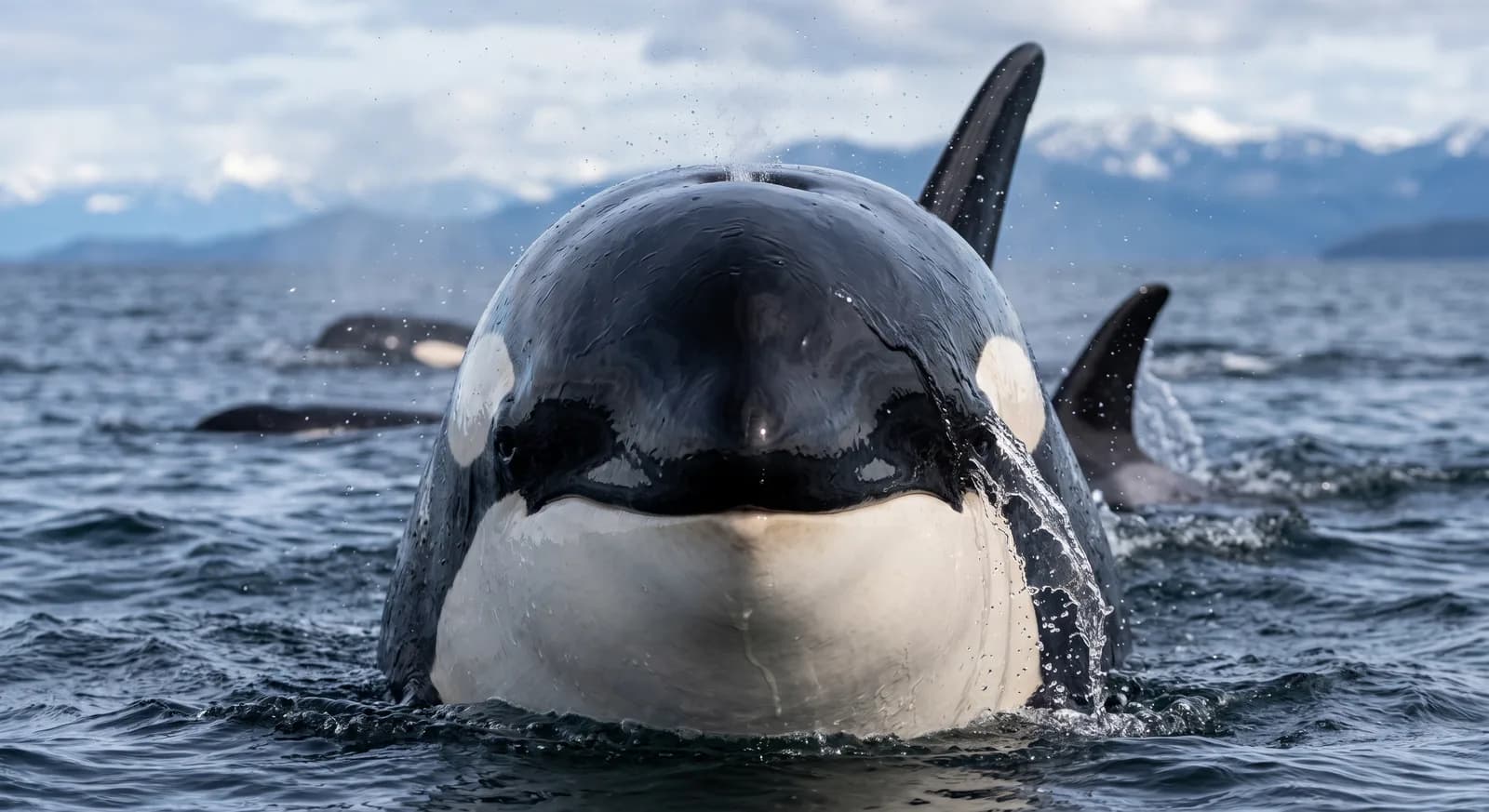 Endangered
Killer Whale
Orcinus orca
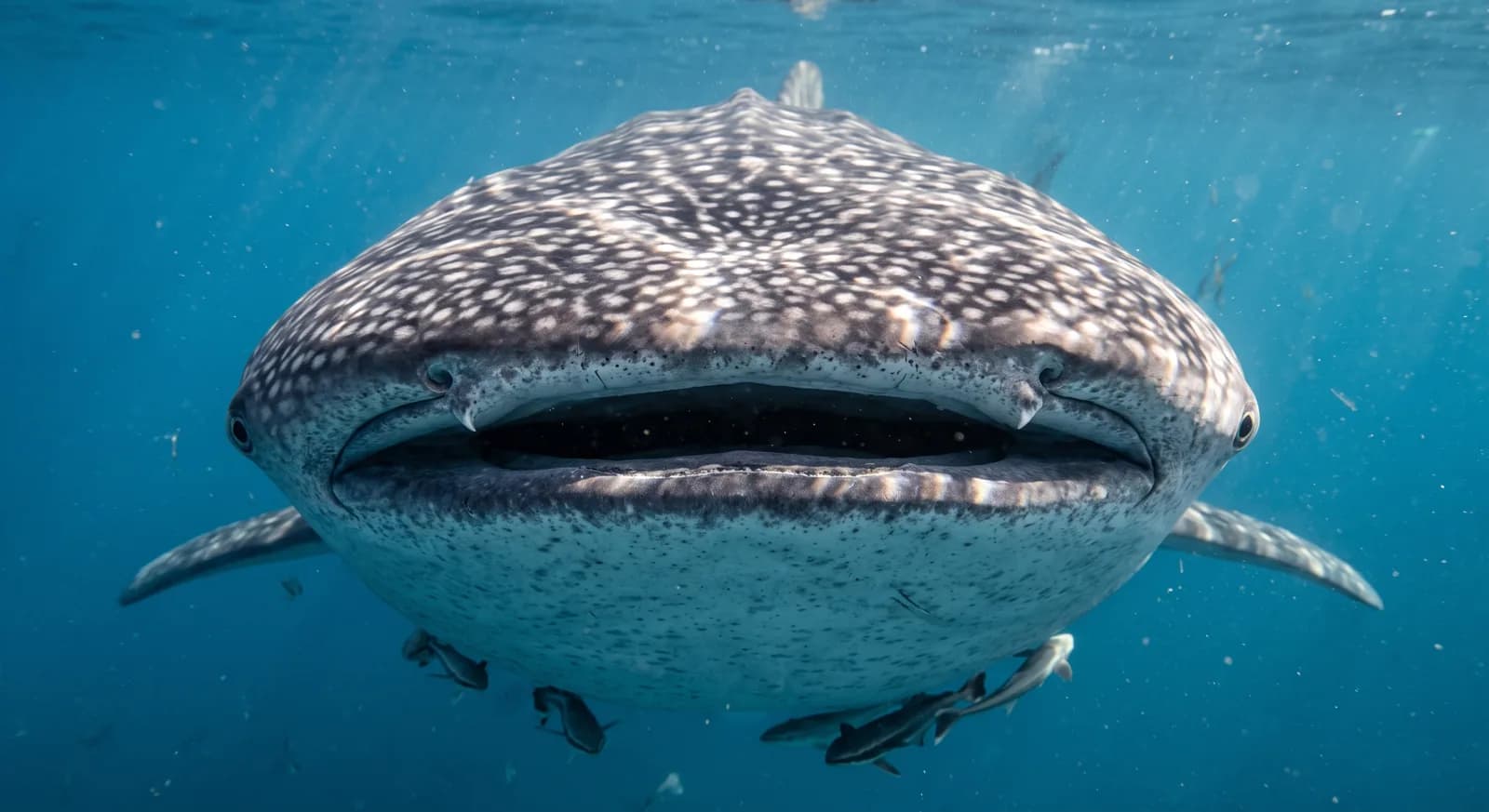 Endangered
Whale Shark
Rhincodon typus
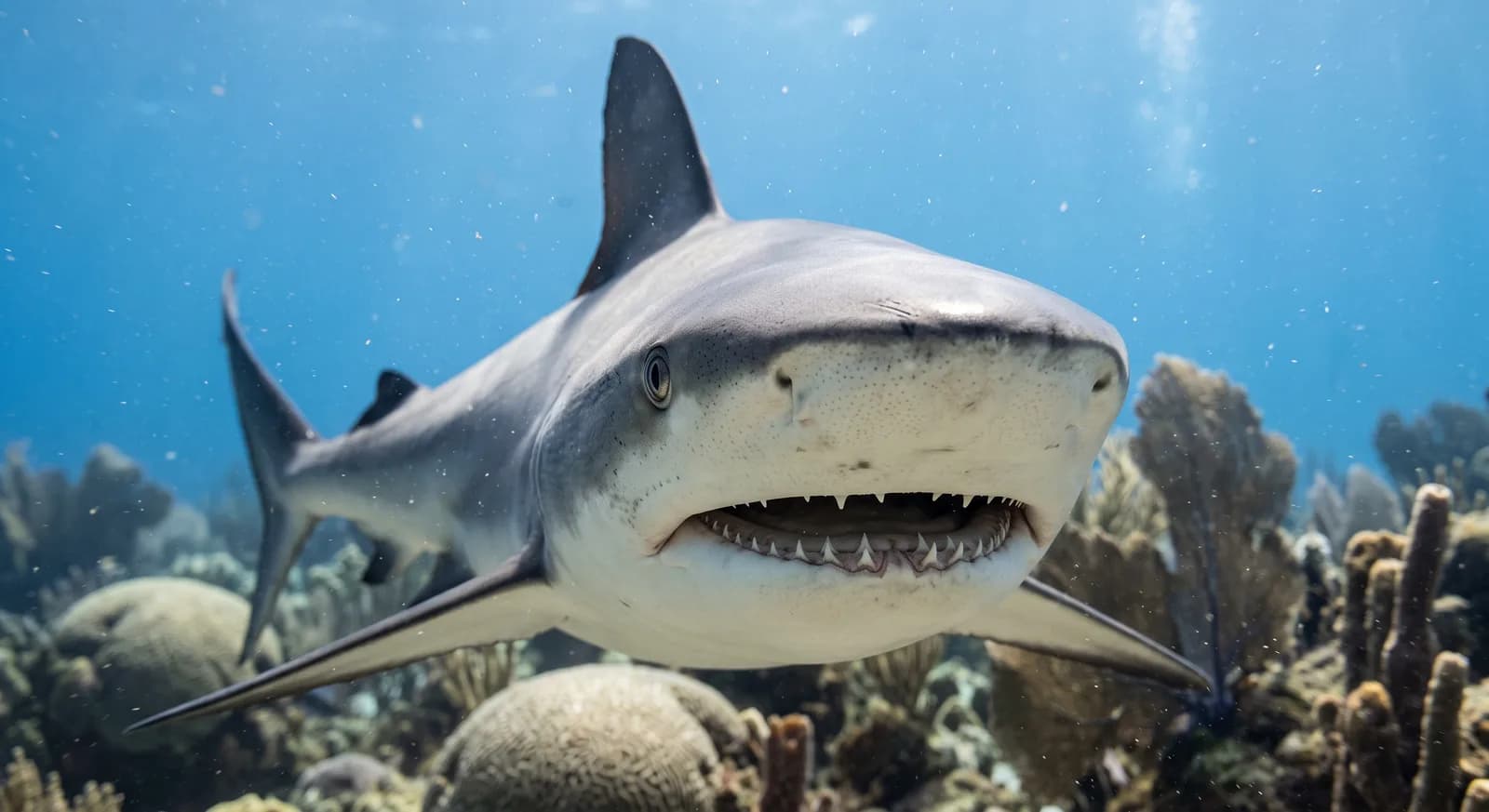 Endangered
Grey Reef Shark
Carcharhinus amblyrhynchos
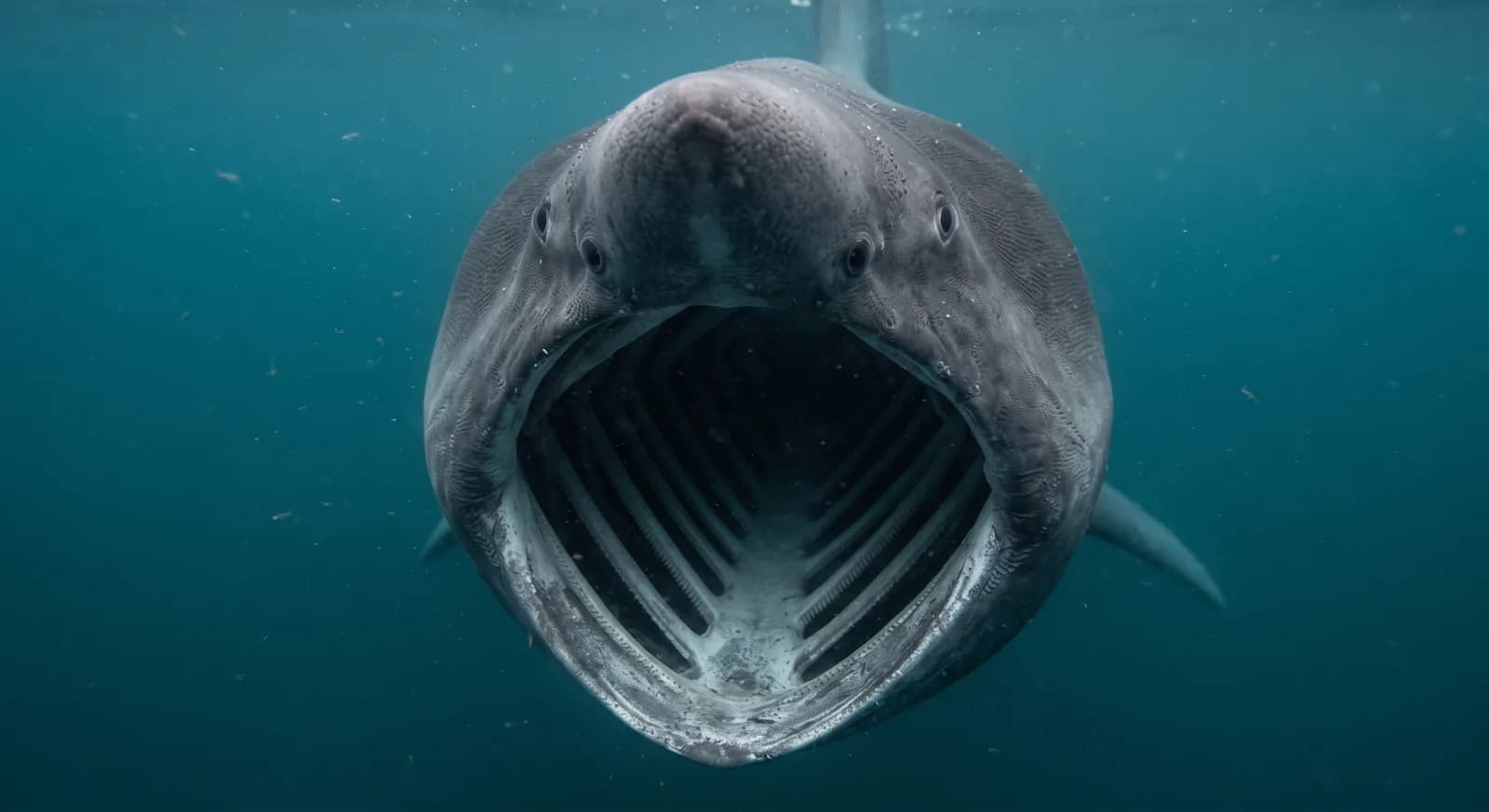 Endangered
Basking Shark
Cetorhinus maximus
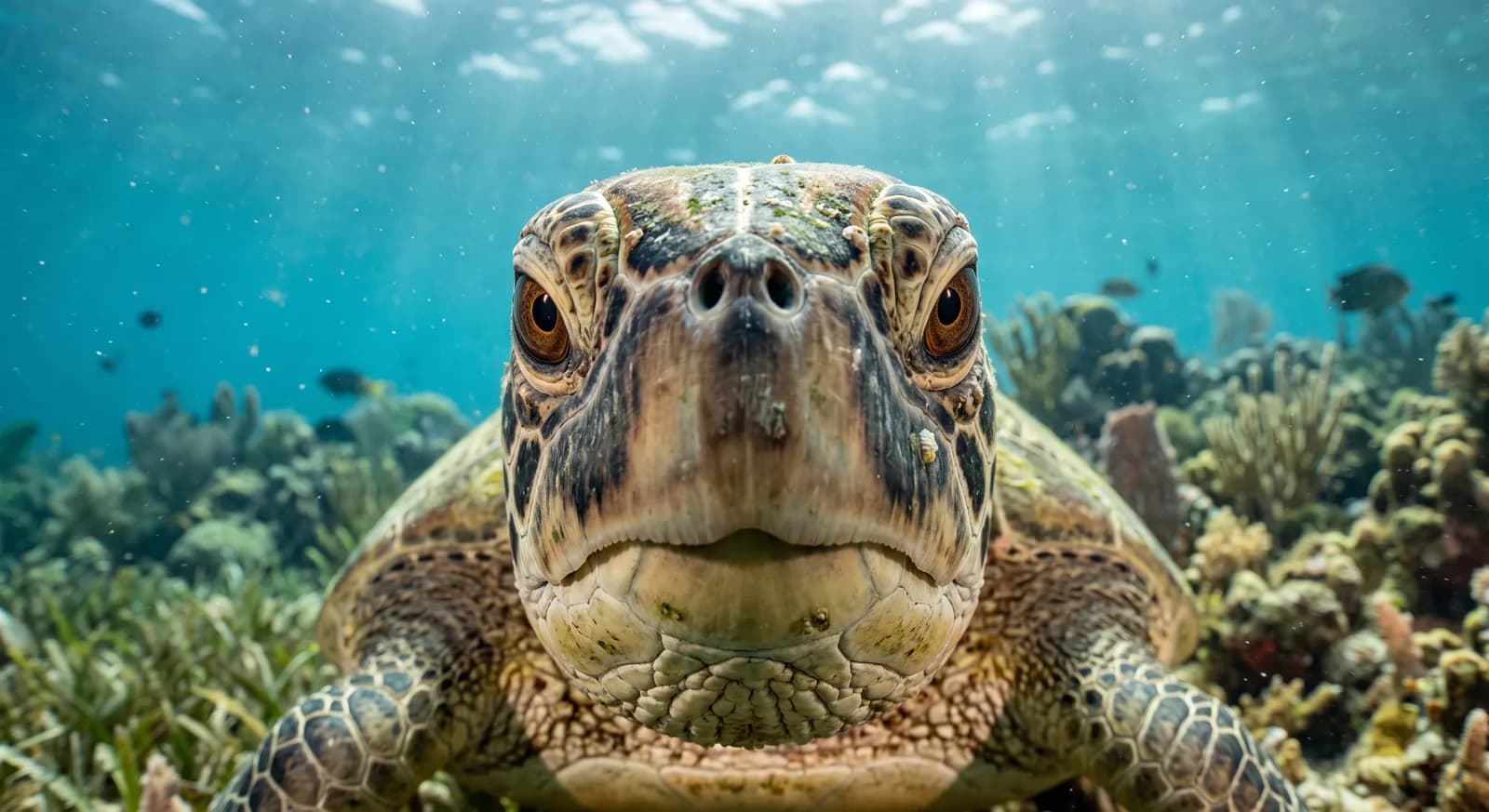 Endangered
Green Turtle
Chelonia mydas
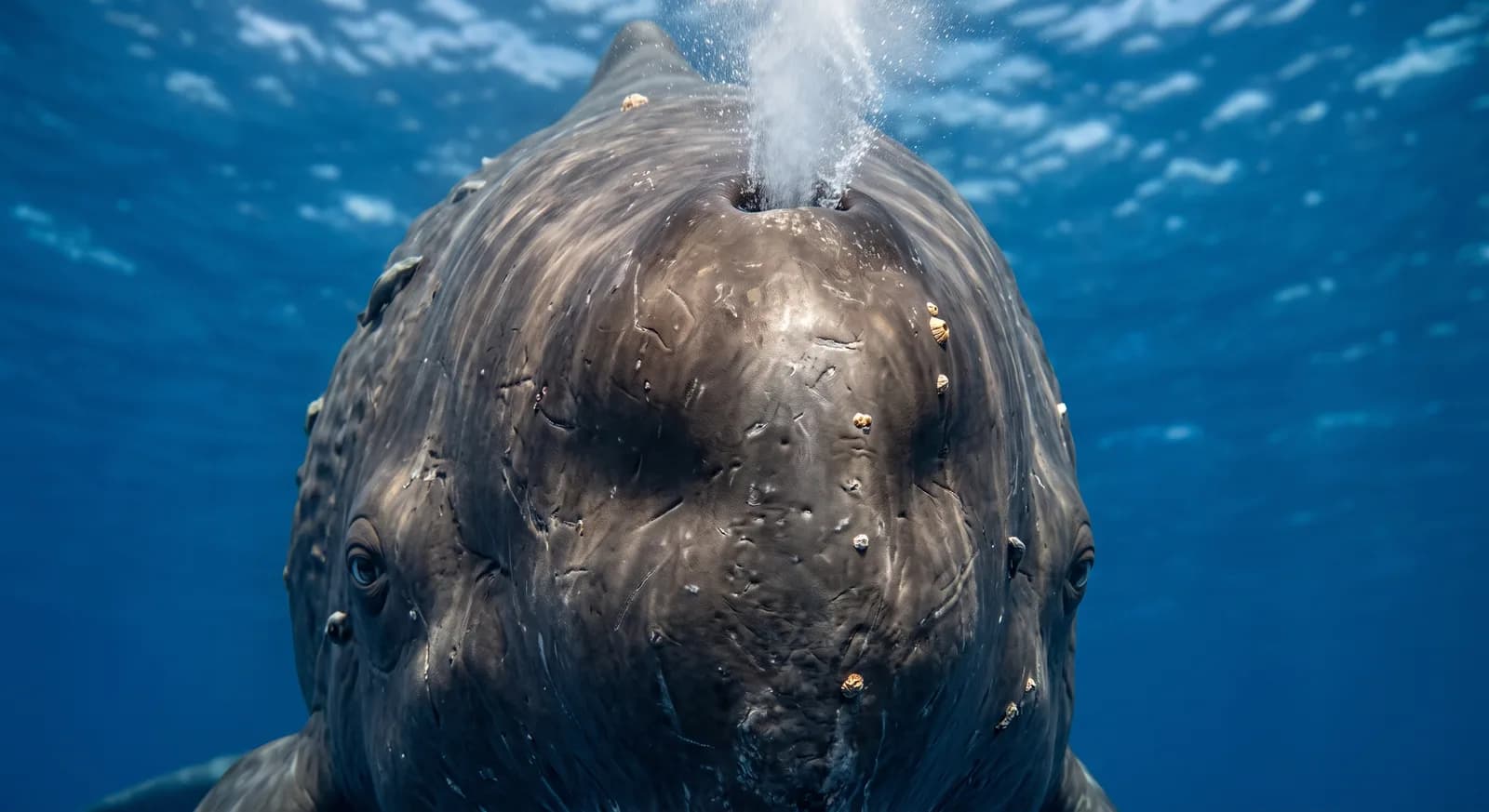 Vulnerable
Sperm Whale
Physeter macrocephalus
Keep exploring
Based on what we already know about Maldives.