Mauritius
África
Mauritius is a volcanic island in the Indian Ocean ringed by an almost continuous coral barrier, with an interior of plateaus, steep peaks and gorges. Its natural history is one of the most dramatic on the planet: when the Europeans arrived in the sixteenth century, the island was covered in endemic forest and inhabited by a fauna with no fear of human beings, which disappeared within a few decades through hunting and through the rats, pigs and monkeys that were introduced. The dodo, a giant flightless pigeon, became extinct barely a century after its discovery and turned into the universal symbol of extinction. Today fragments of native forest survive in Black River Gorges and on satellite islets that work as arks, where the original vegetation and fauna have been rebuilt step by step.
The nature of Mauritius
National animal: The dodo, an extinct bird and the national emblem, present on the country's coat of arms
Did you know?
In 1974 only four Mauritius kestrels were known to be alive in the whole world, which made it the rarest bird on the planet. A captive breeding programme that collected the eggs to incubate them and prompted the females to lay again managed to multiply the population to several hundred birds in the wild. It is one of the most extreme recoveries in the history of conservation.
Biodiversity profile
Climate
- •Tropical maritimo (Am/Aw), moderado por vientos alisios, con estacion ciclonica (noviembre-abril)
Main biomes
- •Remanentes de bosque tropical nativo (solo 2% del territorio conserva bosque nativo original)
- •Vegetacion costera y de arrecife
- •Bosques de niebla en zonas altas remanentes
- •Bosque húmedo insular
- •Arrecife de coral y laguna
- •Islote satélite restaurado
- •Garganta volcánica
- •Manglar costero
- •Matorral de tierras bajas
- •Marisma litoral
Marine and coastal ecosystems
- •Arrecifes de coral rodeando la isla principal y las dependencias (Rodrigues, San Brandon, Agalega)
- •Praderas marinas y manglares en zonas costeras
Flagship wildlife
- •Cernicalo de Mauricio (recuperado de solo 4 individuos en los años 1970 a una poblacion estable)
- •Paloma rosa (recuperada de estado critico)
- •Perico eco (unico loro superviviente de las islas Mascareñas)
- •Dodo (extinto, icono mundial de extincion humana)
- •Paloma rosada
- •Cotorra de Mauricio
- •Tortuga gigante de Aldabra
- •Zorro volador de Mauricio
- •Tortuga verde
- •Rabijunco colirrojo
- •Delfín mular
- •Ballena jorobada
- •Pez loro
Notable endemic species
- •39% de las plantas, 80% de las aves no marinas, 80% de los reptiles y 40% de los murcielagos son endemicos de Mauricio
- •Mas de 700 especies vegetales endemicas registradas
- •Centro de Diversidad Vegetal reconocido por la UICN, parte del hotspot de Madagascar e Islas del Oceano Indico
- •Cernícalo de Mauricio
- •Paloma rosada
- •Cotorra de Mauricio
- •Zorro volador de Mauricio
- •Boa de Round Island
Notable threatened species
- •Dodo (extinto, eliminado pocos años despues de la llegada de los primeros colonos, icono mundial de la extincion causada por el ser humano)
- •Cernicalo de Mauricio y paloma rosa (ambos recuperados de poblaciones criticamente bajas mediante programas intensivos de cria en cautividad)
- •141 especies de plantas con flor catalogadas En Peligro Critico
Notable protected areas
- •Parque Nacional de las Gargantas Negras (mayor remanente de bosque nativo)
- •Isla Redonda (santuario de restauracion ecologica)
- •Parque Nacional de Black River Gorges
- •Isla de los Aigrettes
- •Parque Marino de Blue Bay
- •Isla de los Ciervos
- •Reserva de Bras d'Eau
Main conservation threats
- •Perdida historica extrema de habitat nativo (solo 2% de bosque original remanente)
- •Especies invasoras, principal amenaza continua para la fauna endemica superviviente
- •Cambio climatico y ciclones tropicales recurrentes
Notable natural phenomena
- •El caso del dodo, extinto pocas decadas despues de la llegada humana a la isla, es el ejemplo mas citado a nivel mundial de extincion antropogenica insular; en contraste, el cernicalo de Mauricio y la paloma rosa son considerados exitos emblematicos de recuperacion de especies desde poblaciones criticamente bajas
Conservation
Mauritius is a world reference in island restoration: invasive species have been eradicated from several islets and plants, birds and reptiles have been reintroduced, even using Aldabra giant tortoises as ecological substitutes for the island's extinct tortoises.
Where and when to watch wildlife
Black River Gorges year-round for endemic birds. Île aux Aigrettes for giant tortoises and restored forest. The western waters between July and October for humpback whales.
Sources: CBD - Mauritius Country Profile | constructive-voices.com - Mauritius Biodiversity | CEPF - Madagascar and Indian Ocean Islands Species | BioDB.com - Mauritius
Parks and reserves
Diving and snorkelling
Países similares
¿A dónde más podría interesarme viajar?
Misma región: África Austral
Misma región: África Austral
Misma región: África Austral
Misma región: África Austral
Especies documentadas en Mauritius
129 species found
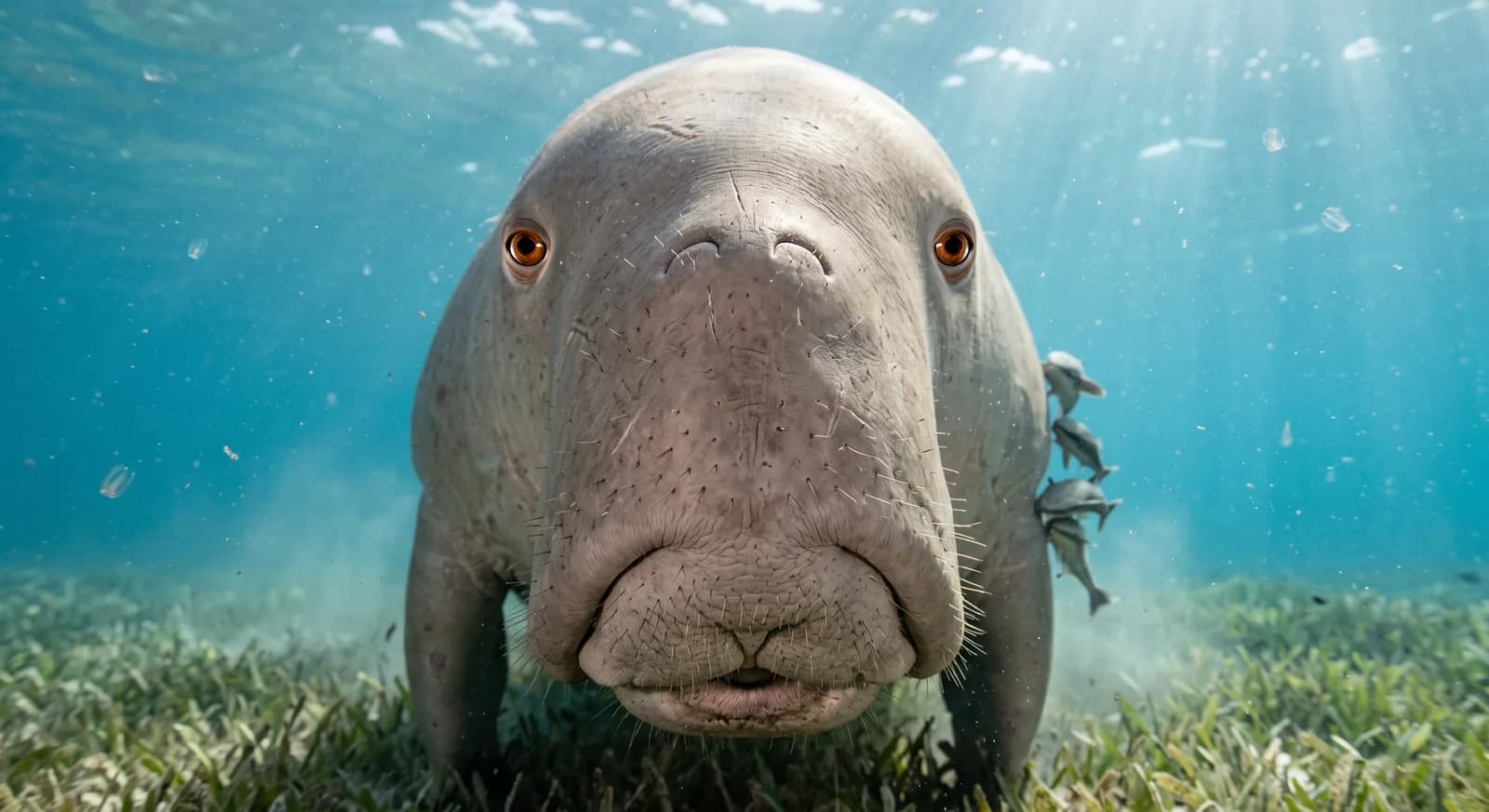 Vulnerable
Dugong
Dugong dugon
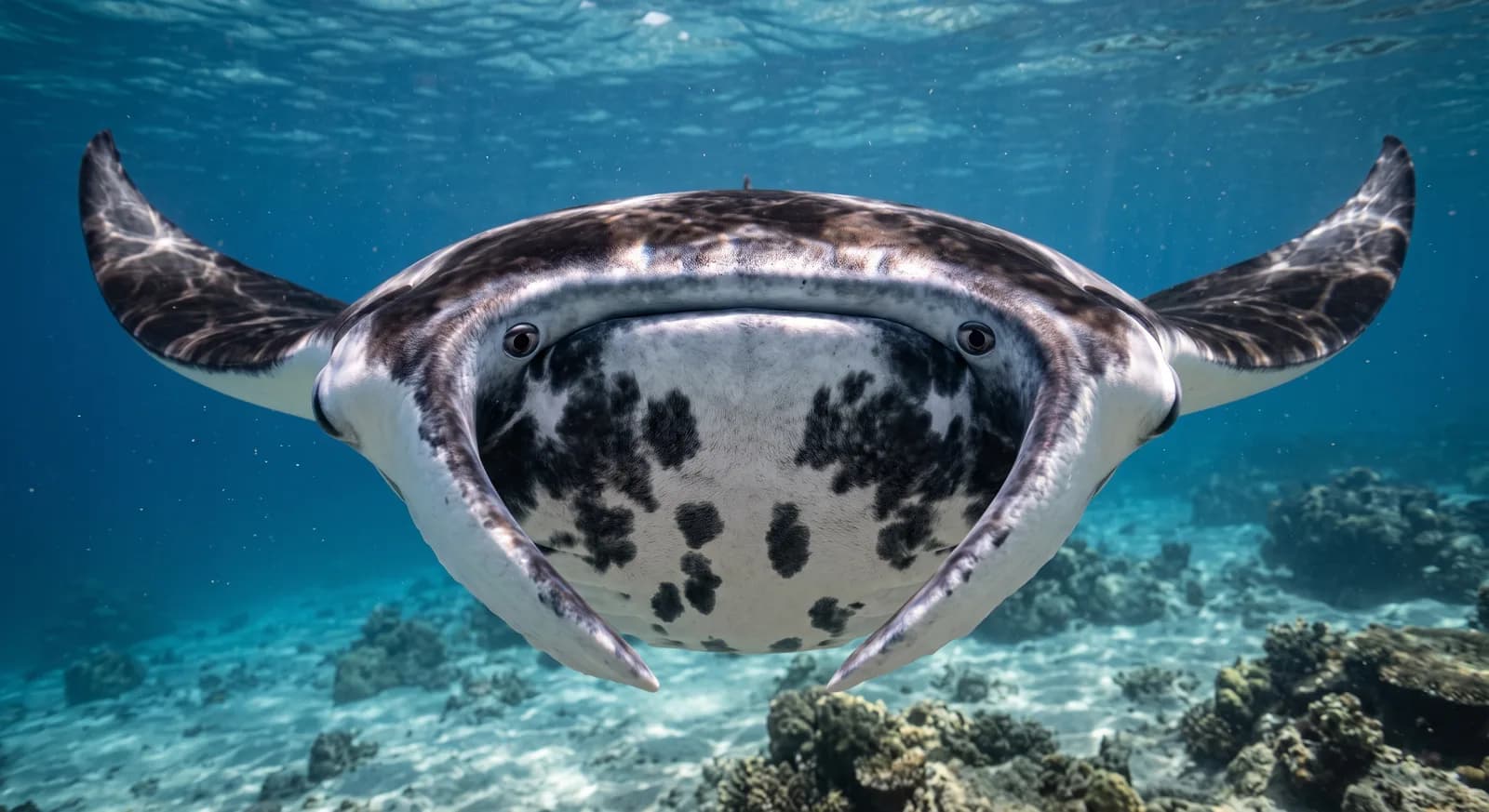 Vulnerable
Reef Manta Ray
Mobula alfredi
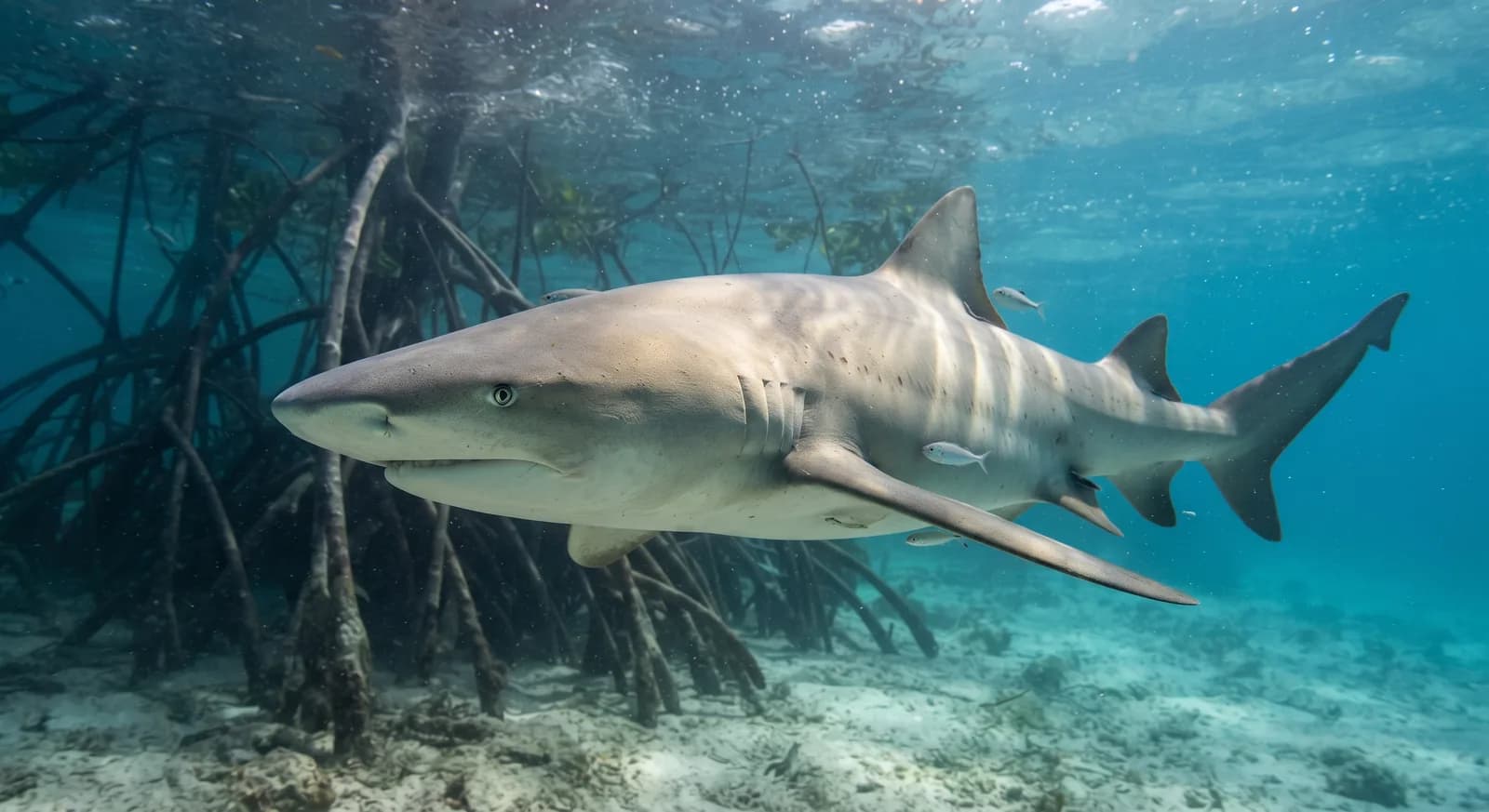 Vulnerable
Lemon Shark
Negaprion brevirostris
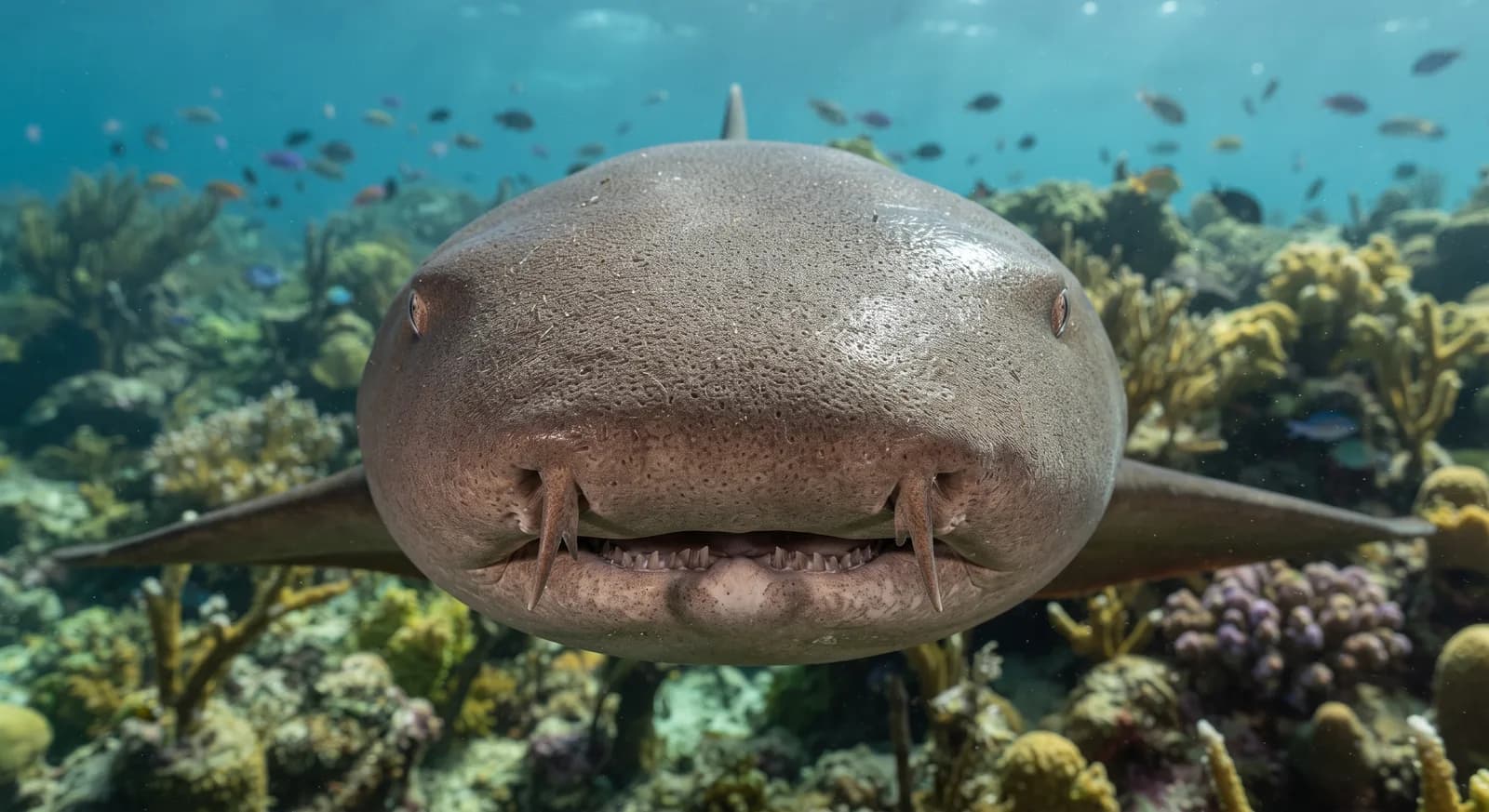 Vulnerable
Nurse Shark
Ginglymostoma cirratum
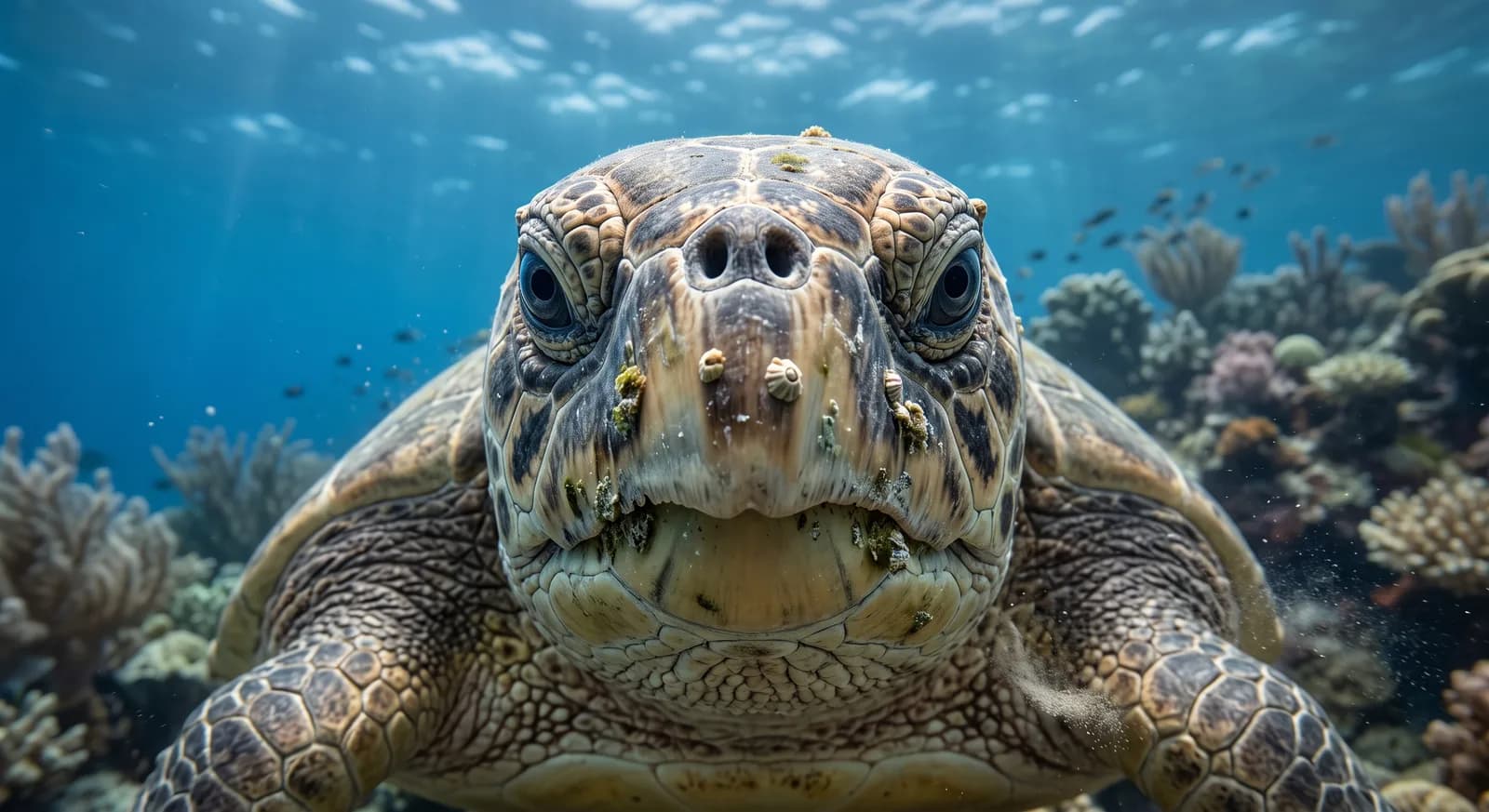 Vulnerable
Loggerhead Turtle
Caretta caretta
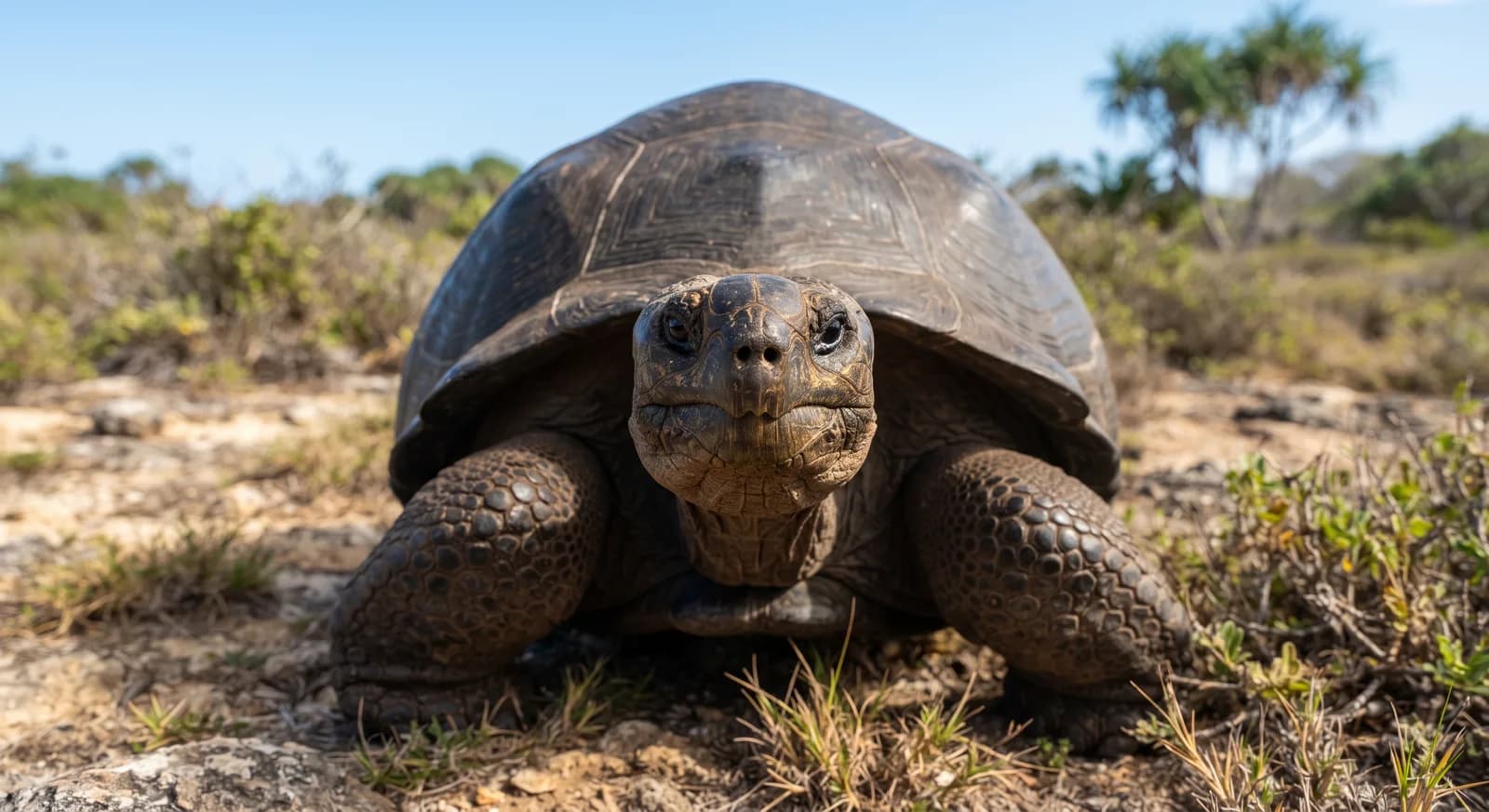 Vulnerable
Aldabra Giant Tortoise
Aldabrachelys gigantea
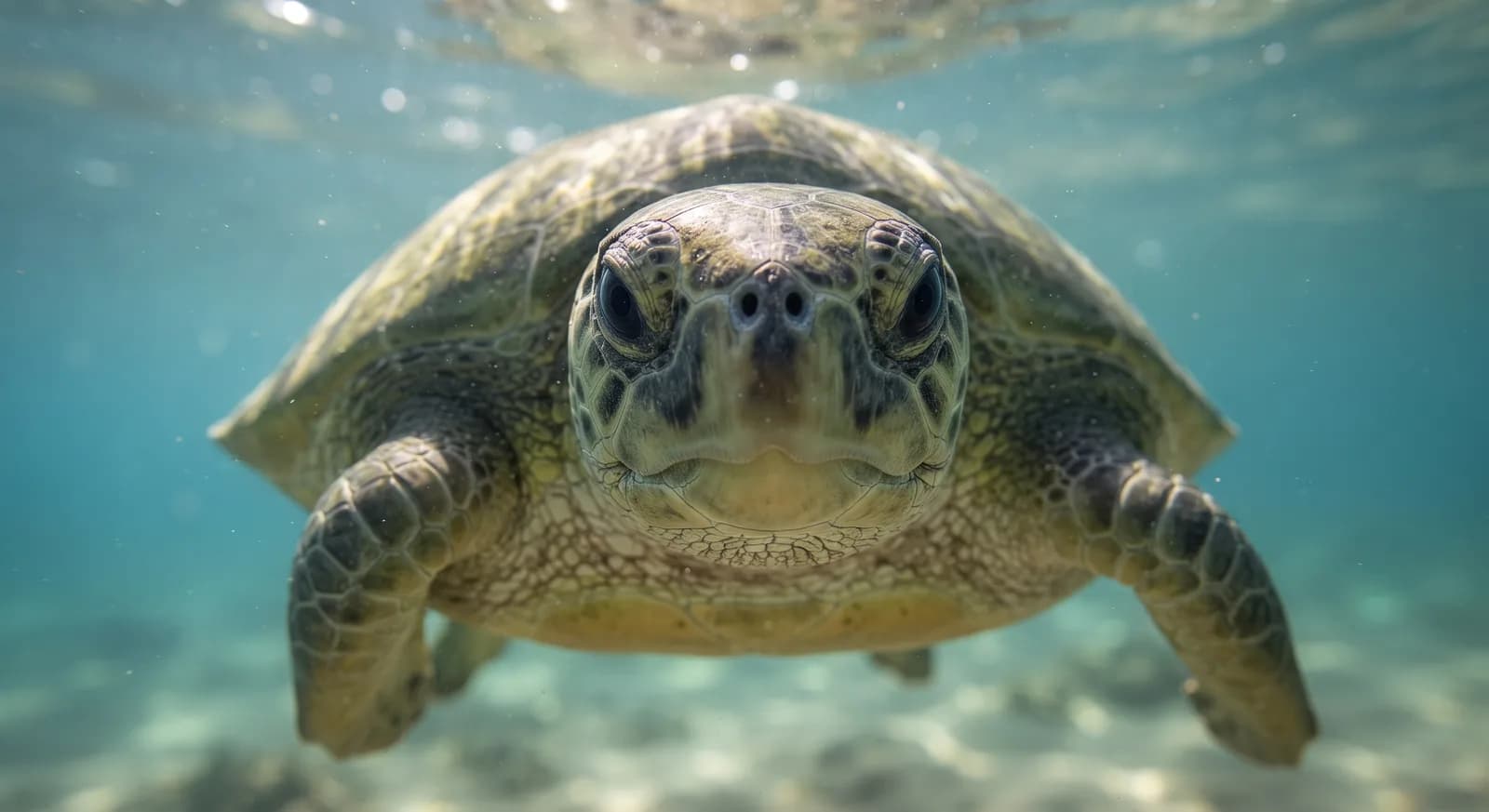 Vulnerable
Olive Ridley
Lepidochelys olivacea
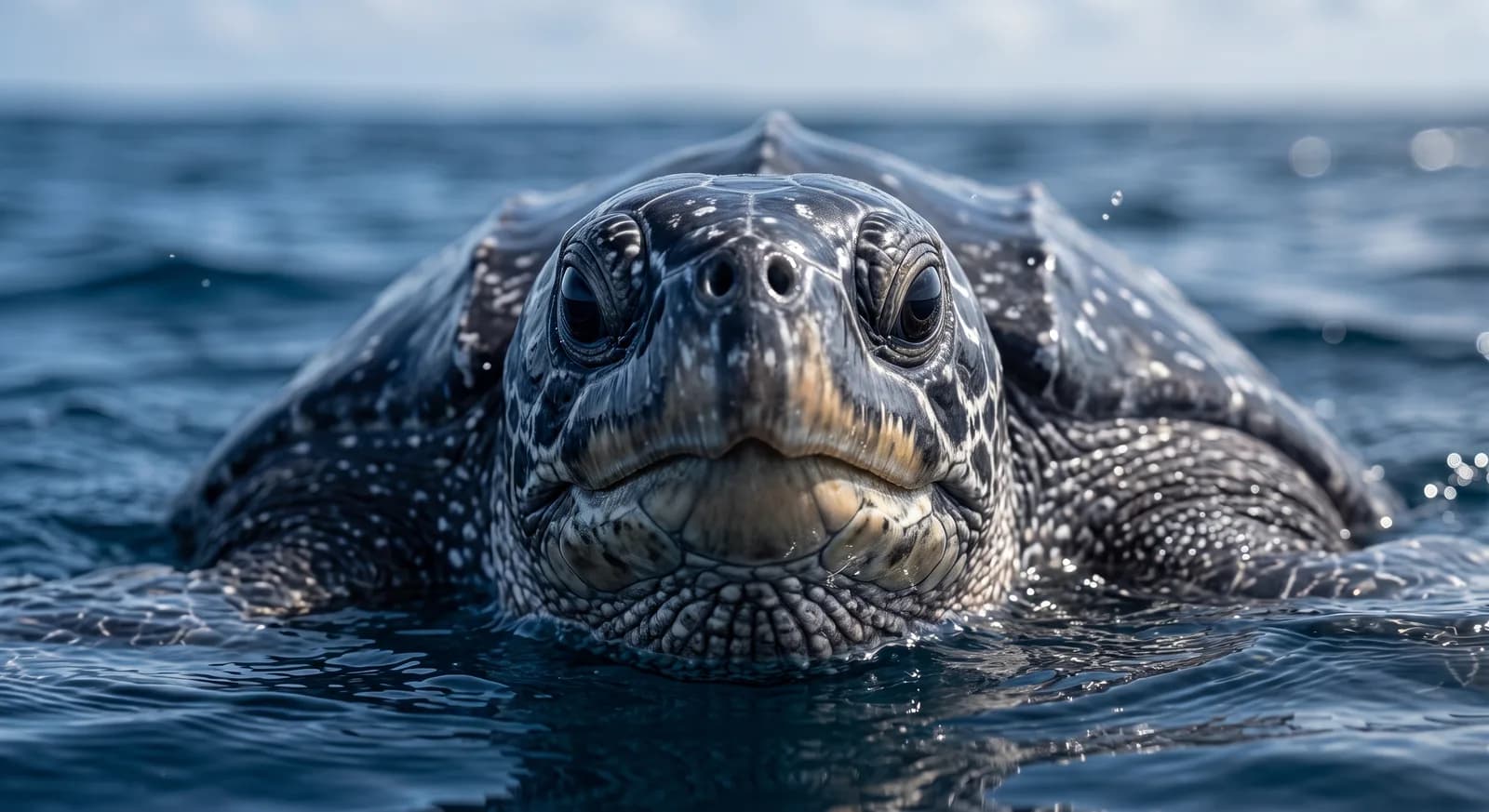 Vulnerable
Leatherback Sea Turtle
Dermochelys coriacea
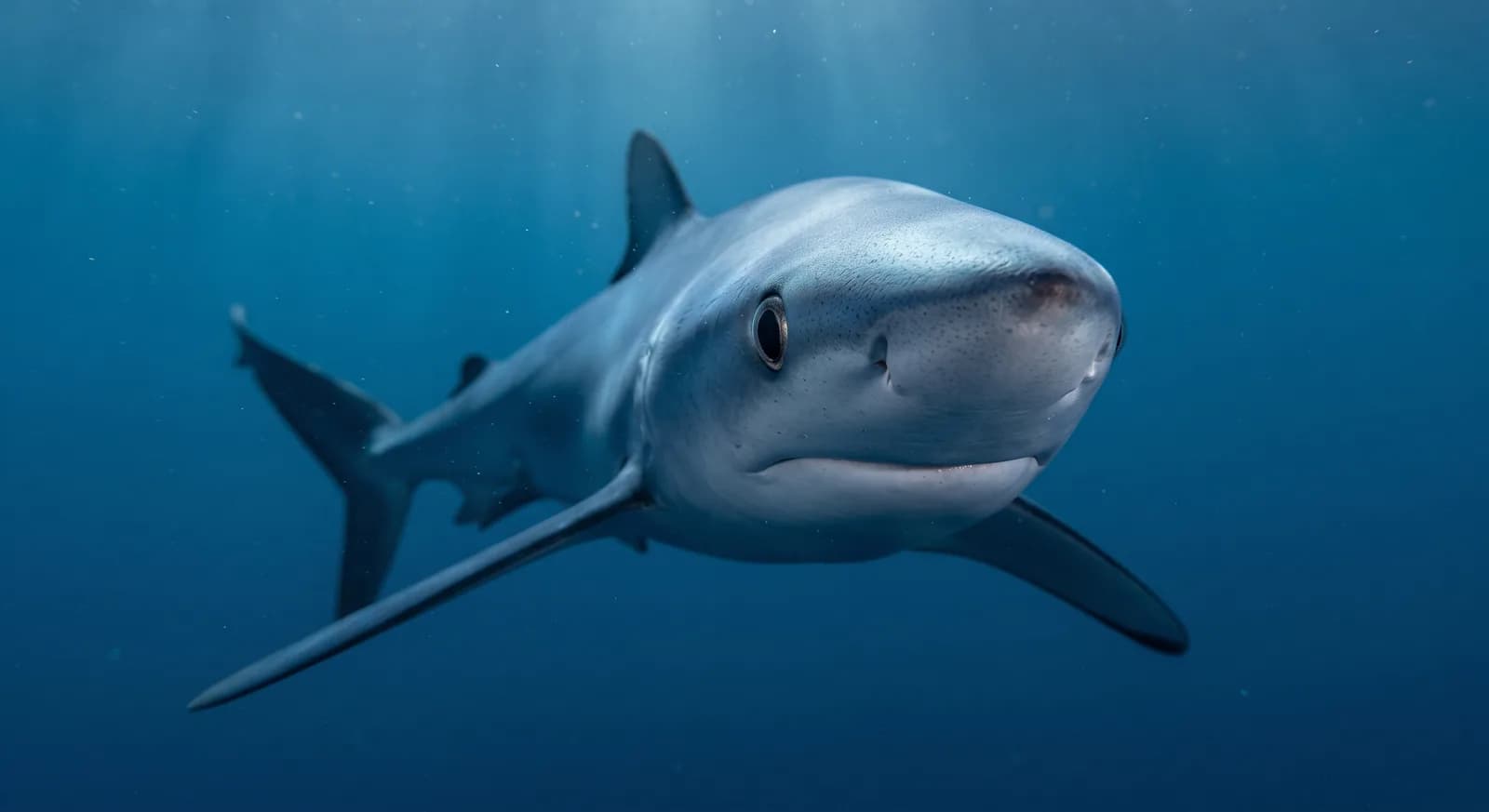 Near Threatened
Blue Shark
Prionace glauca
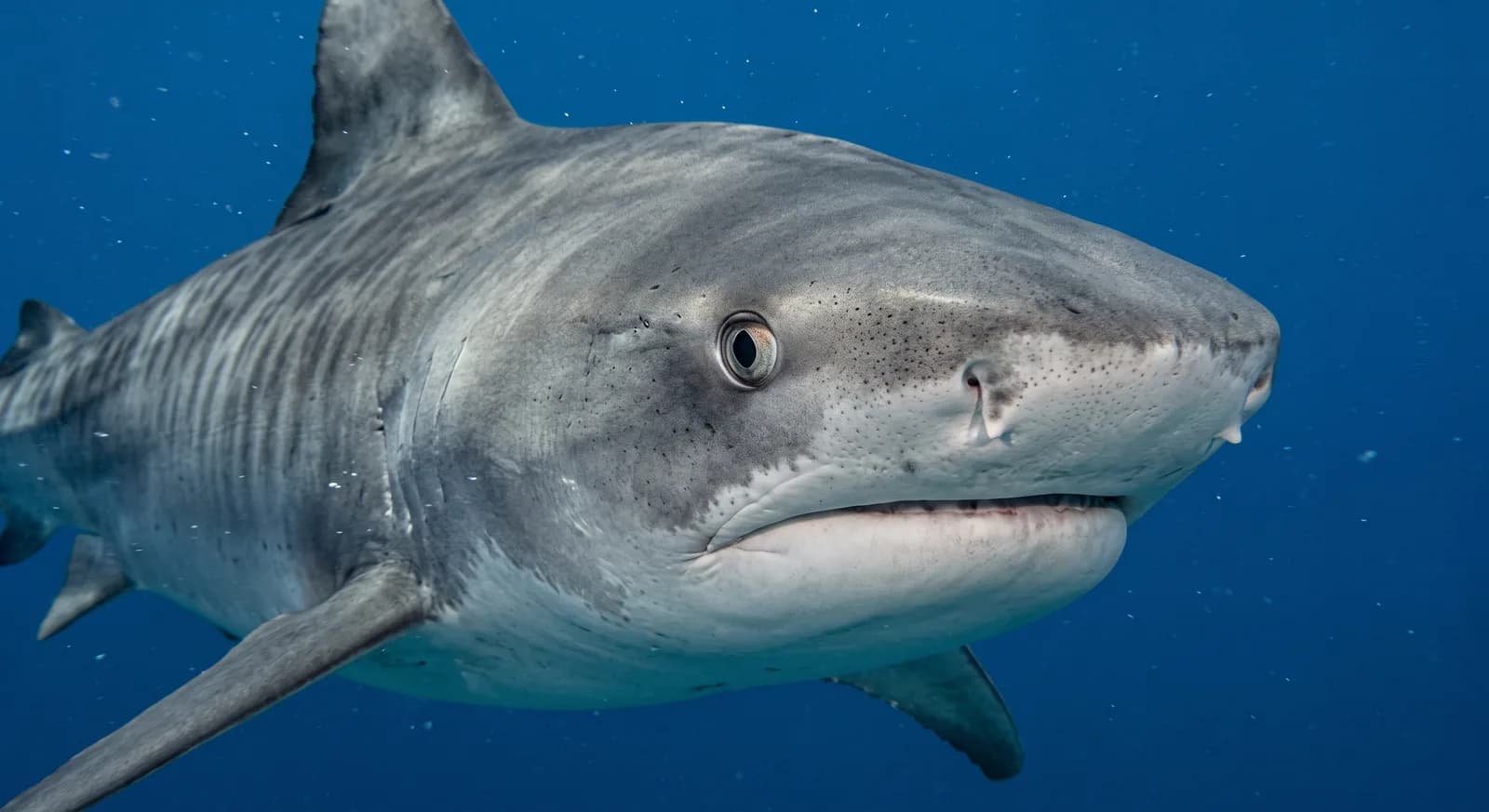 Near Threatened
Tiger Shark
Galeocerdo cuvier
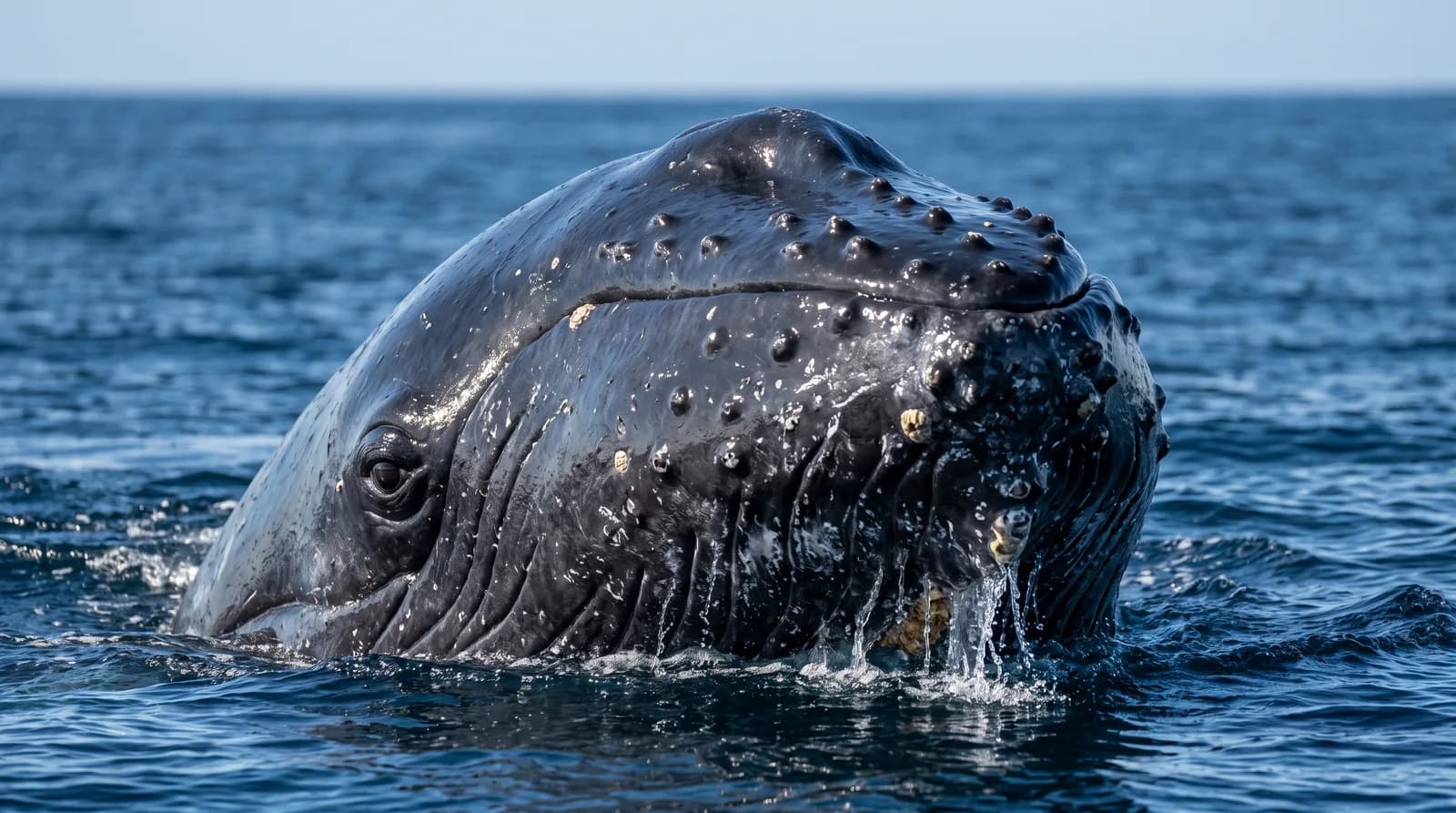 Least Concern
Humpback Whale
Megaptera novaeangliae
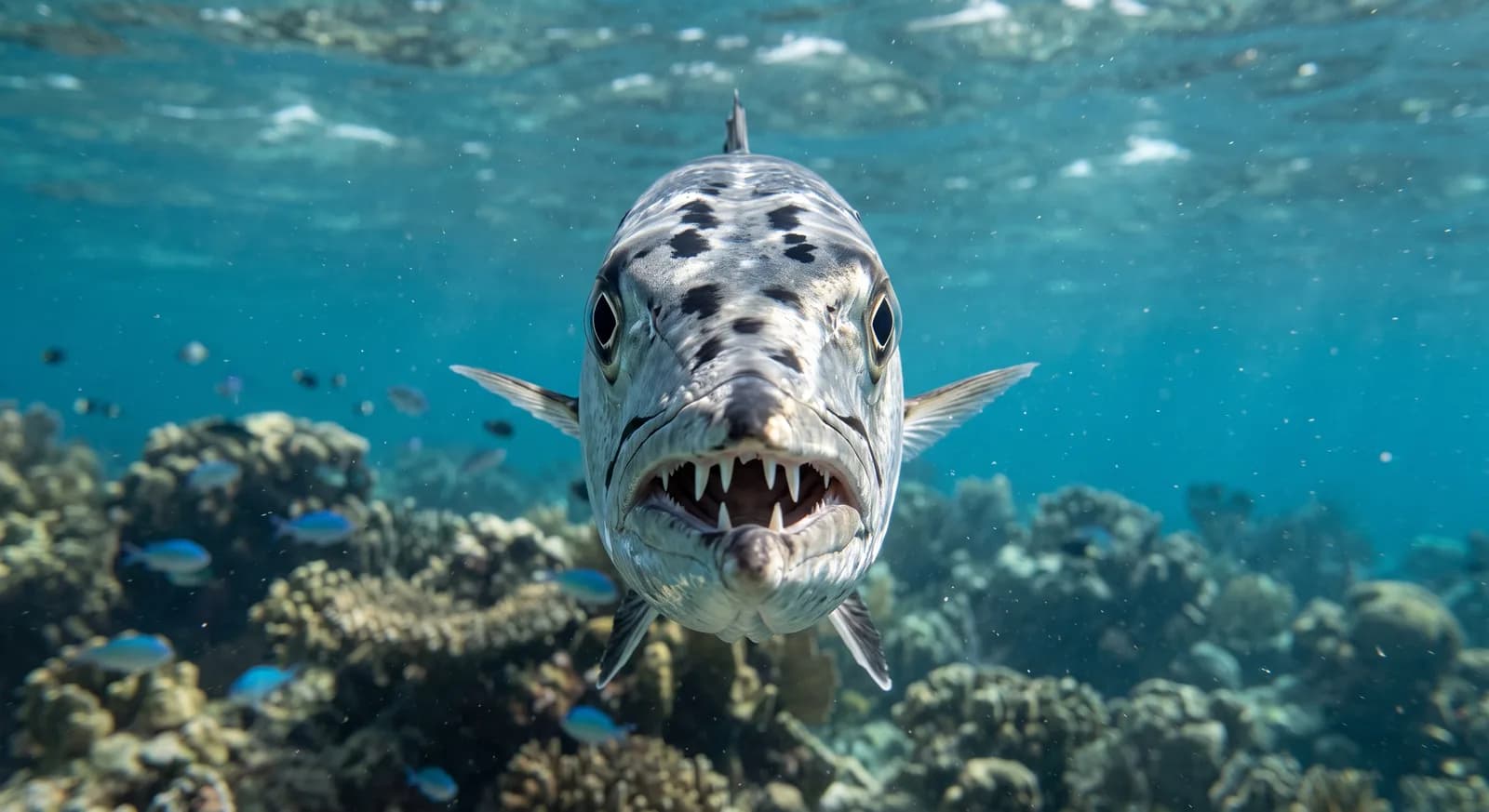 Least Concern
Great Barracuda
Sphyraena barracuda
Keep exploring
Based on what we already know about Mauritius.