San Marino
Europa
San Marino occupies the slopes and summit of Mount Titano, a limestone promontory that rises abruptly above the hills of the Romagnol Apennines, near the Adriatic. Its nature is that of the Apennine foothills: holm oak and marcescent oak on the sunny slopes, mixed woods of oak, hornbeam and ash on the shaded ones, and scrub and dry grassland on the summit rocks. The fauna is that of the northern Apennines, with wild boar, roe deer, foxes, badgers, beech martens and hedgehogs, and a community of cliff birds that makes use of the crags of the Titano, including the peregrine falcon and the crag martin. In spring, the territory works as a stopover for migrants crossing the peninsula from the Adriatic. The country's small artificial wetlands and streams sustain amphibians such as the Italian crested newt and the green frog.
The nature of San Marino
National animal: No official national animal
Did you know?
Through the woods of this part of the Apennines moves the crested porcupine, the largest rodent in Europe after the beaver. It is not native to the continent: it reached southern Italy probably at human hands from North Africa, and from there it has been spreading northwards. When it feels threatened it rattles its hollow quills to produce a loud clattering warning.
Biodiversity profile
Climate
- •Mediterraneo/submediterraneo (Csa), moderado por la altitud del Monte Titano
Main biomes
- •Bosque y matorral mediterraneo y submediterraneo (roble, haya, castaño)
- •Praderas y zonas agricolas tradicionales (viñedos, olivares, cereales)
- •Bosque mediterráneo de encinas
- •Bosque mixto submontano
- •Roquedo calcáreo
- •Pastizal seco
- •Arroyo apenínico
- •Matorral de ladera
Marine and coastal ecosystems
- •No aplica (pais sin litoral, enclavado en la peninsula italiana)
Flagship wildlife
- •Corzo
- •Zorro rojo
- •Jabali europeo
- •Halcon peregrino y busardo ratonero (aves rapaces)
- •Jabalí
- •Tejón europeo
- •Puercoespín crestado
- •Halcón peregrino
- •Cernícalo vulgar
- •Erizo europeo
- •Lirón careto
- •Salamandra común
Notable endemic species
- •Endemismo estricto no significativo dado el reducido tamaño del territorio (61 km2), enteramente contenido en la peninsula italiana y compartiendo su biodiversidad regional
Notable threatened species
- •Dato no disponible con precision especifica en fuentes verificadas consultadas; San Marino enfrenta amenazas similares a las de Italia en su entorno inmediato (urbanizacion, alteracion de cursos de agua)
Notable protected areas
- •Dato no disponible con precision en fuentes verificadas consultadas
- •Monte Titano
- •Parque Natural del Monte Cerreto
- •Reserva Natural de Ontaneto
- •Bosque de La Cerbaiola
- •Cañada de Fiorentino
Main conservation threats
- •Urbanizacion que genera perdida y fragmentacion de habitat, afectando la permeabilidad del suelo y el equilibrio hidrogeologico
- •Contaminacion organica de aguas residuales y alteracion de cursos fluviales
- •Ausencia de una estrategia formal de areas protegidas pese a la ratificacion del CDB
Conservation
In a territory of barely sixty square kilometres, conservation comes down to maintaining vegetation corridors between the Titano and the surrounding Italian hills and to protecting the small wetlands for amphibians.
Where and when to watch wildlife
The wooded slopes of the Titano at dawn for roe deer and wild boar. The summit crags year-round for peregrine falcon and crag martins. Spring for the passage of migrants.
Un estudio cientifico reciente (2025) ha comenzado a aplicar la Directiva de Habitats de la UE a San Marino pese a no ser miembro de la Union, generando el primer mapa formal de tipos de habitat del pais.
Sources: BioDB.com - San Marino | ScienceDirect - Towards the application EU Habitats Directive San Marino
Especies documentadas en San Marino
314 species found
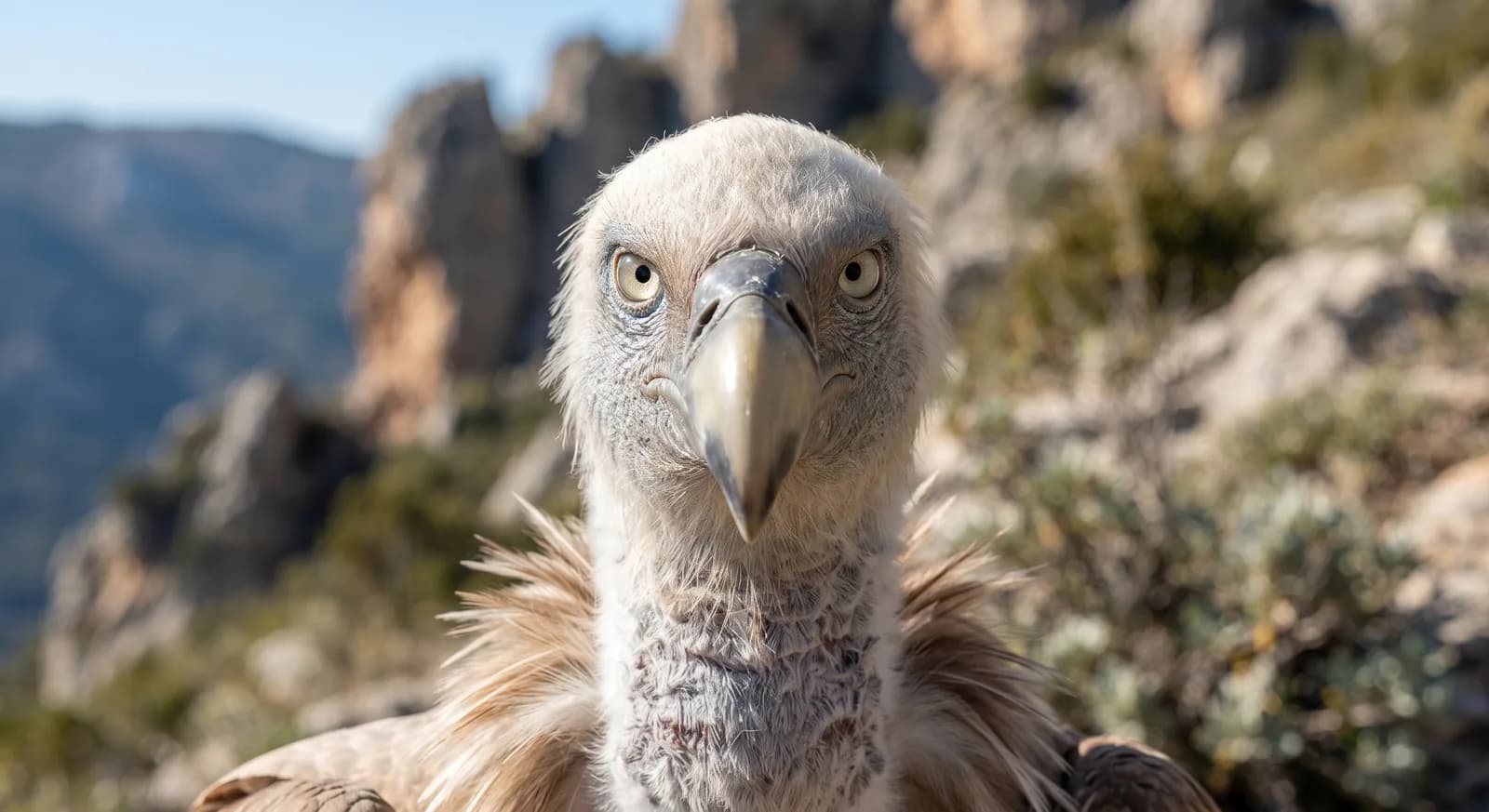 Least Concern
Griffon Vulture
Gyps fulvus
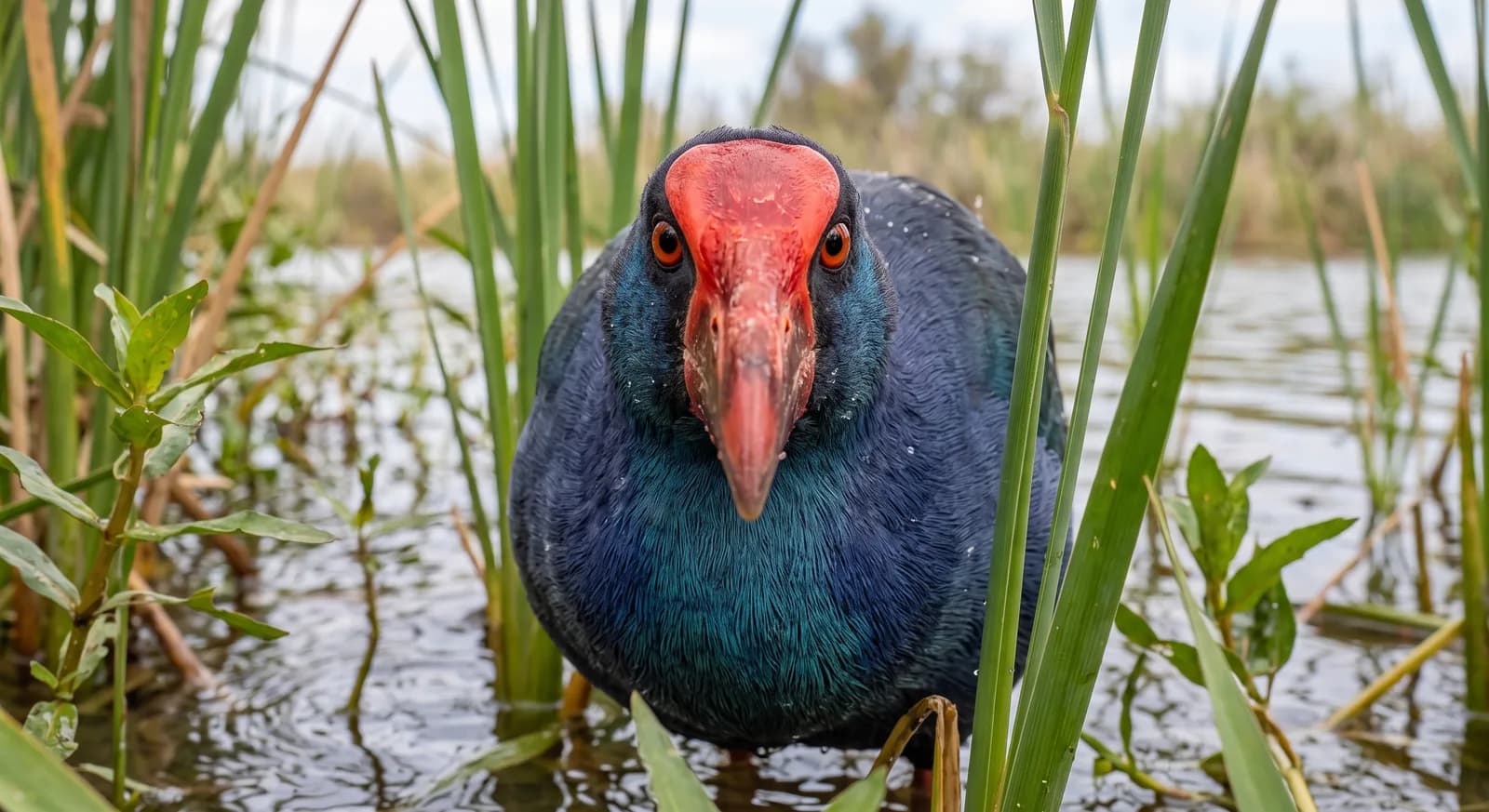 Least Concern
Purple Swamphen
Porphyrio porphyrio
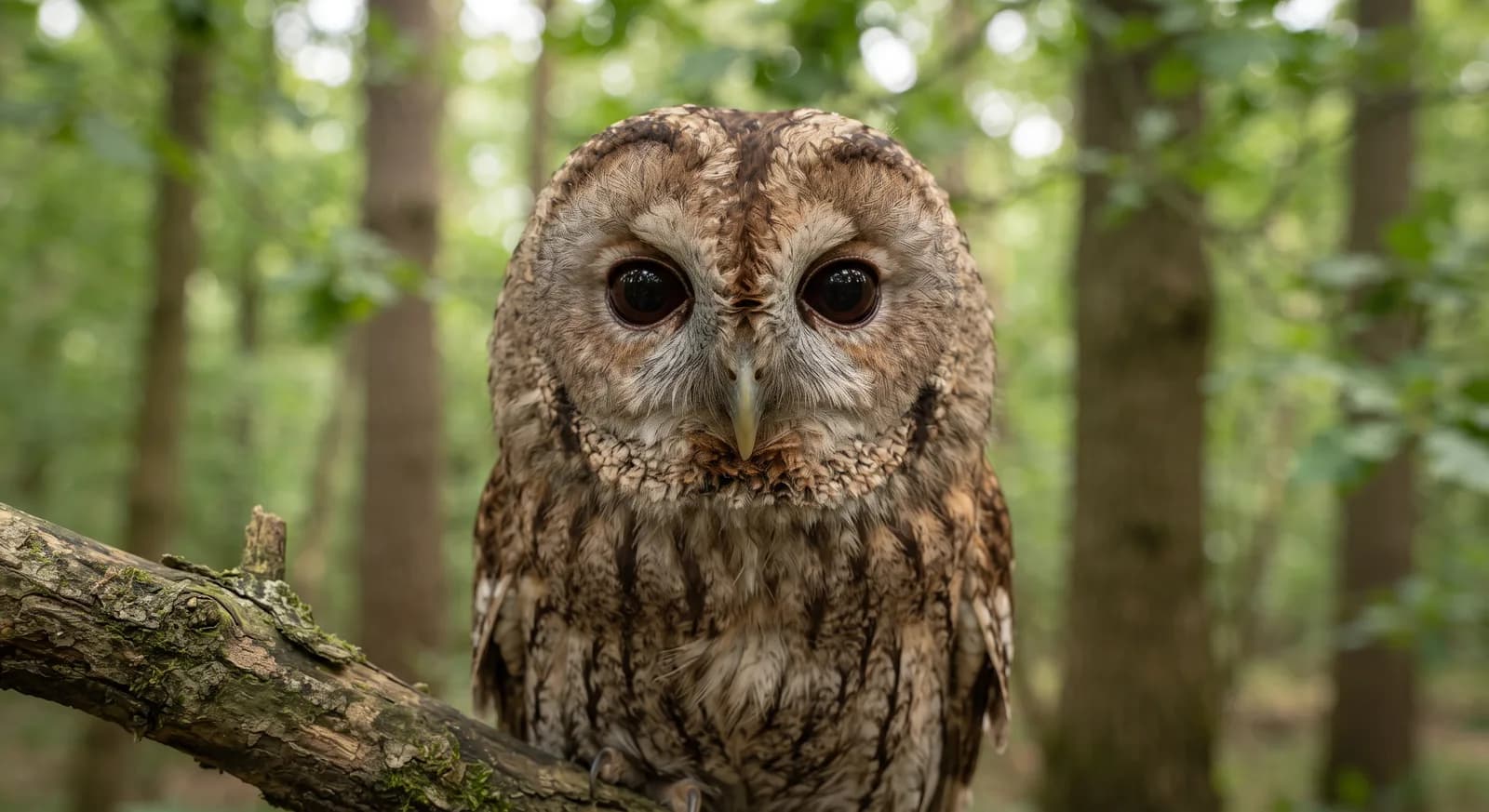 Least Concern
Tawny Owl
Strix aluco
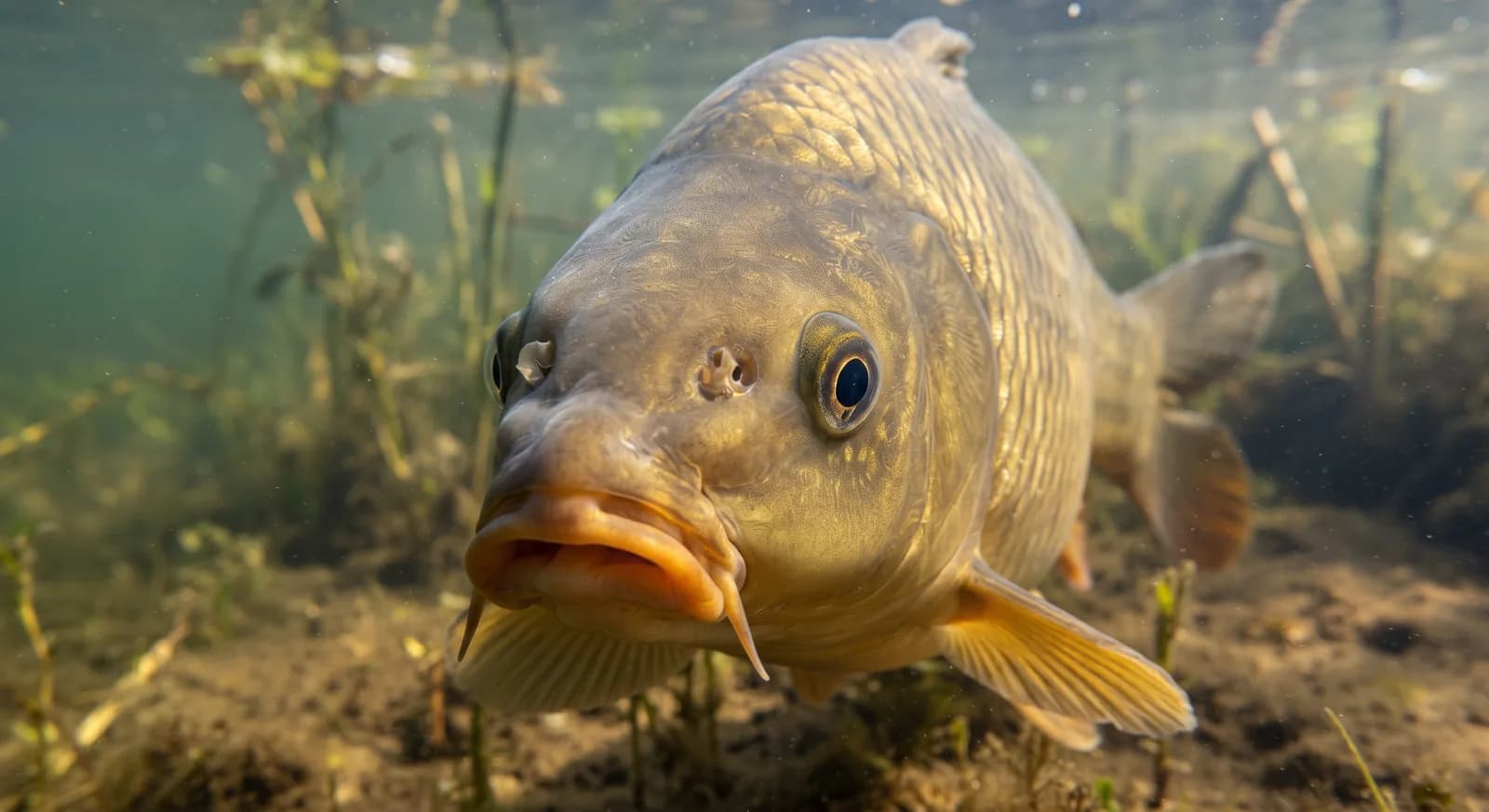 Least Concern
Common Carp
Cyprinus carpio
 Least Concern
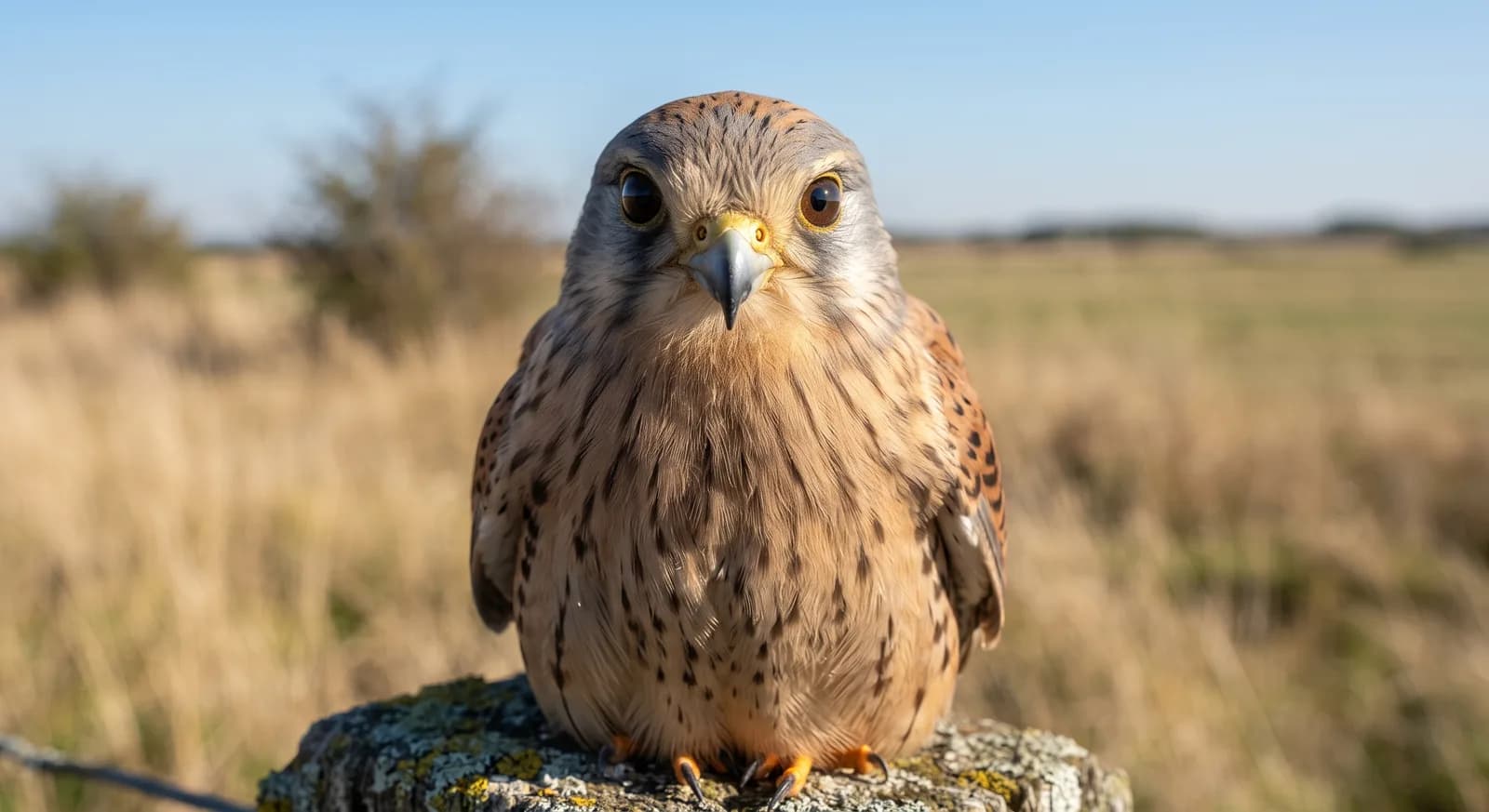
Common Kestrel
Falco tinnunculus
 Least Concern
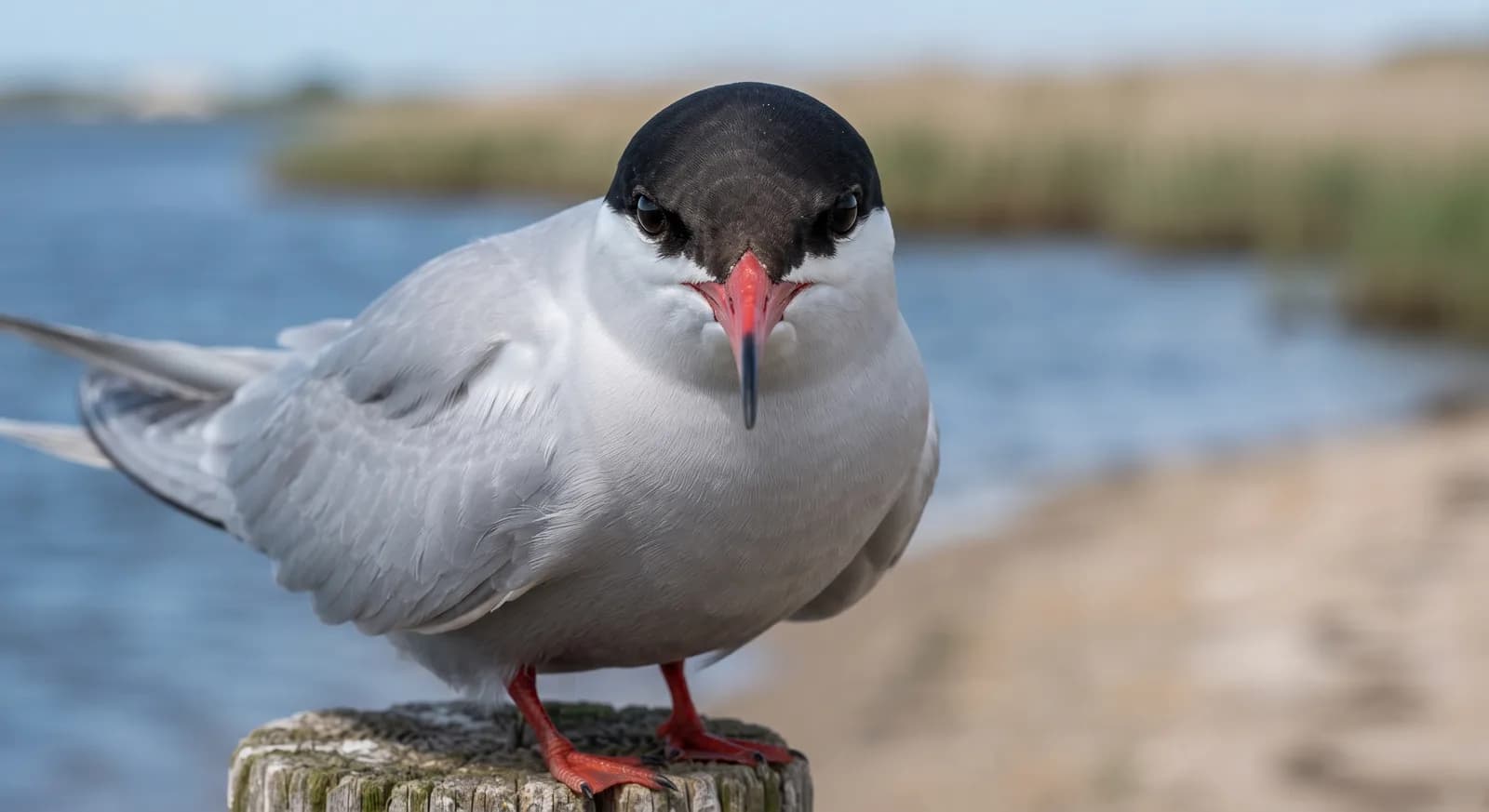
Common Tern
Sterna hirundo
 Least Concern
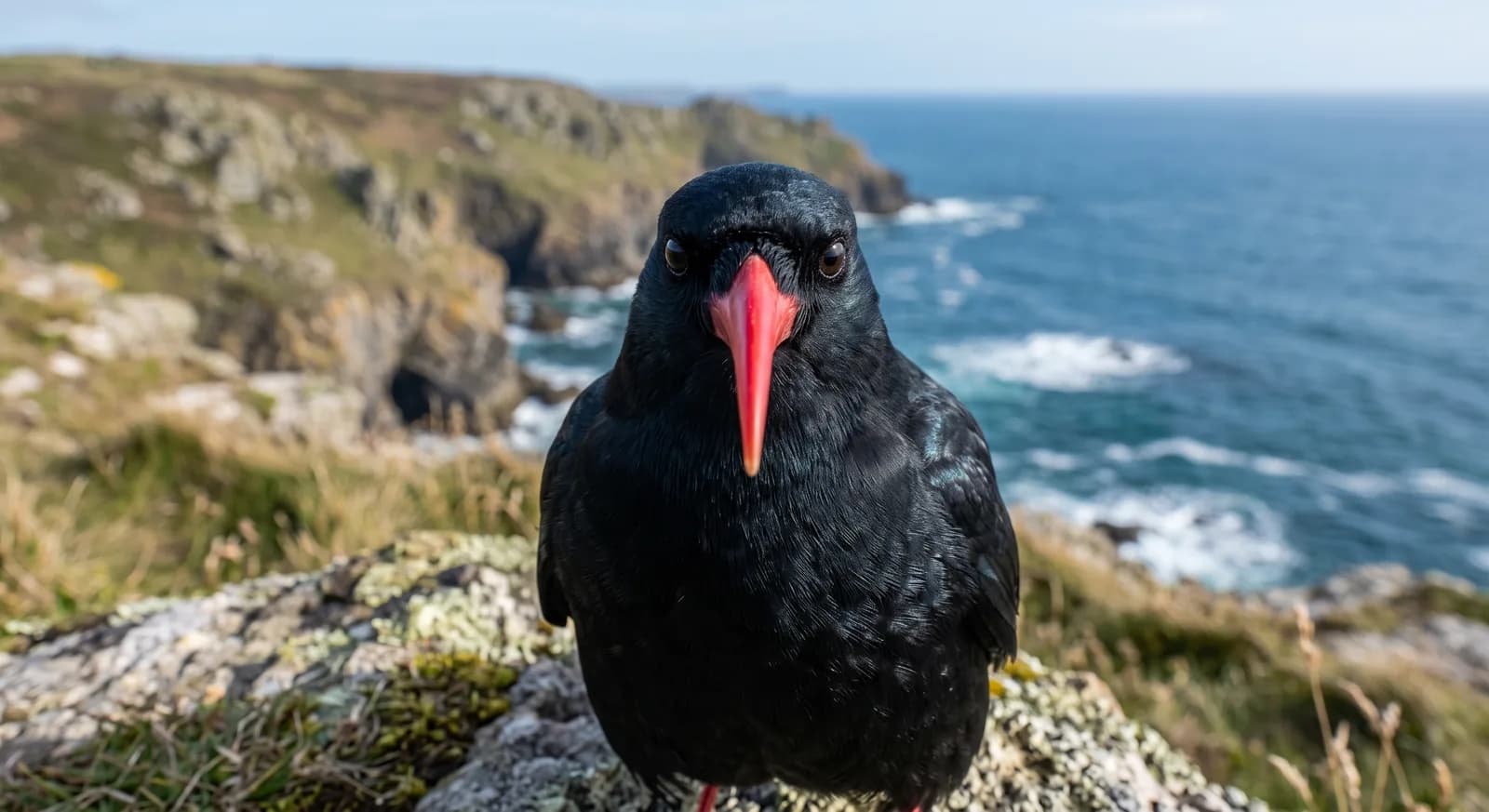
Red-billed Chough
Pyrrhocorax pyrrhocorax
 Least Concern
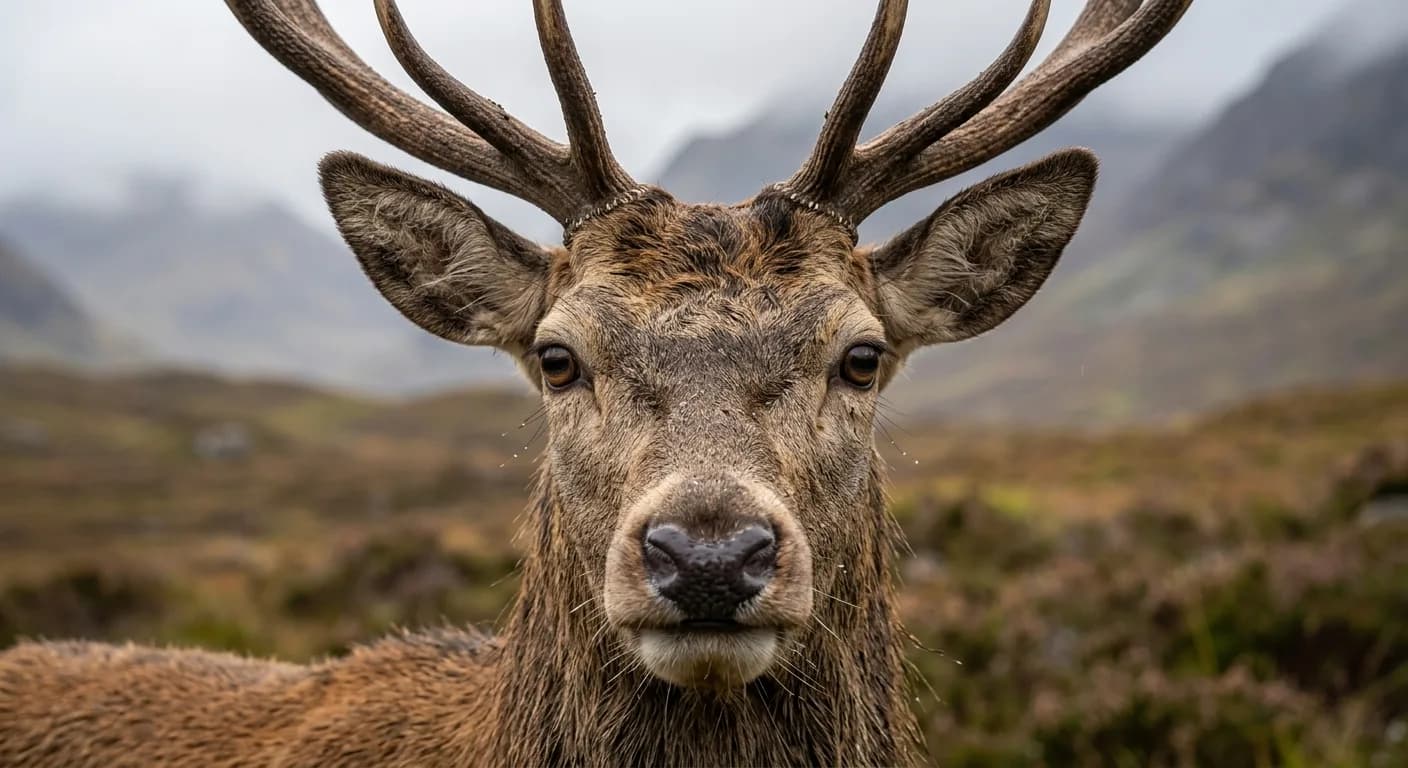
Red Deer
Cervus elaphus
 Least Concern
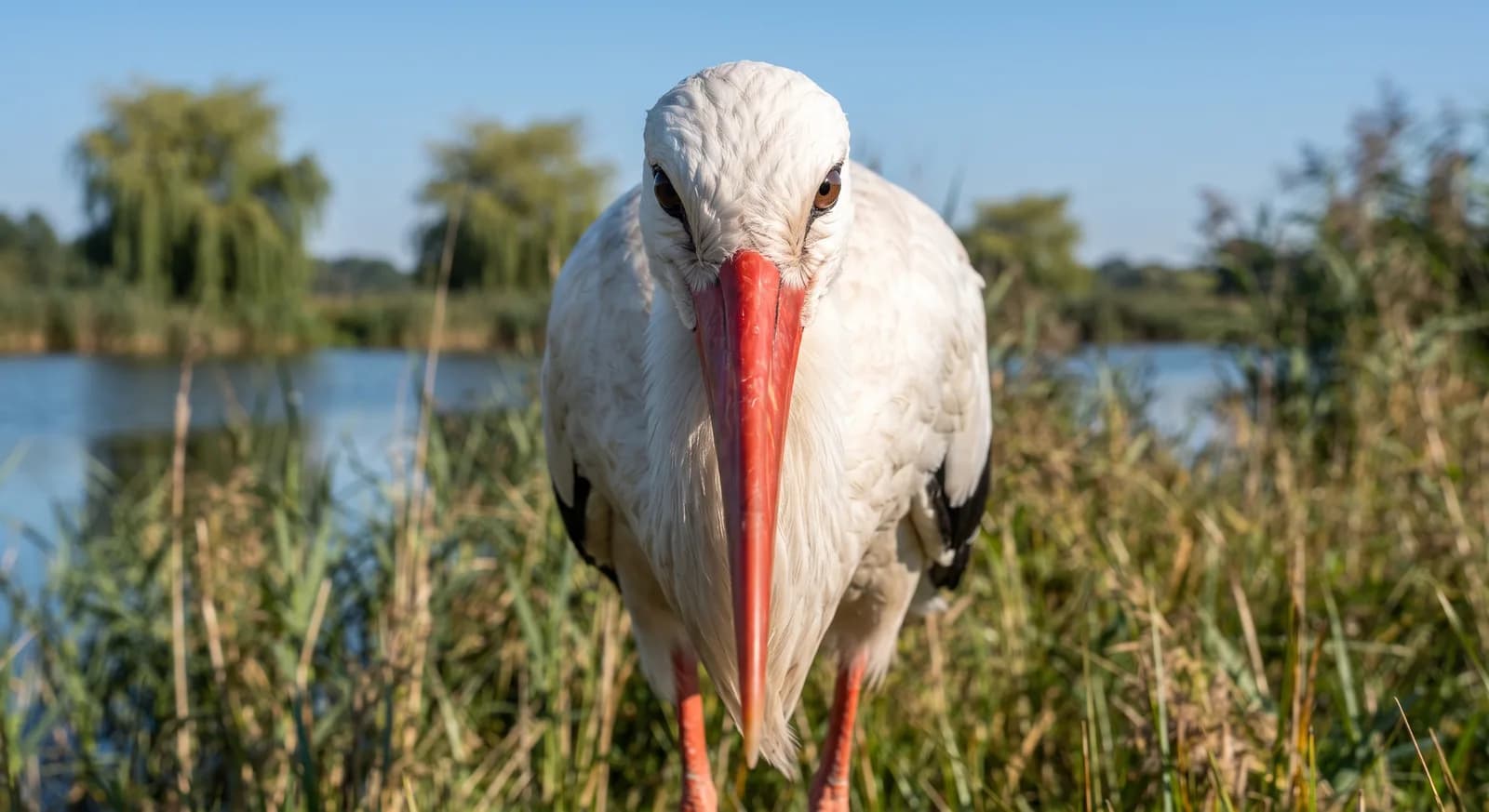
White Stork
Ciconia ciconia
 Least Concern
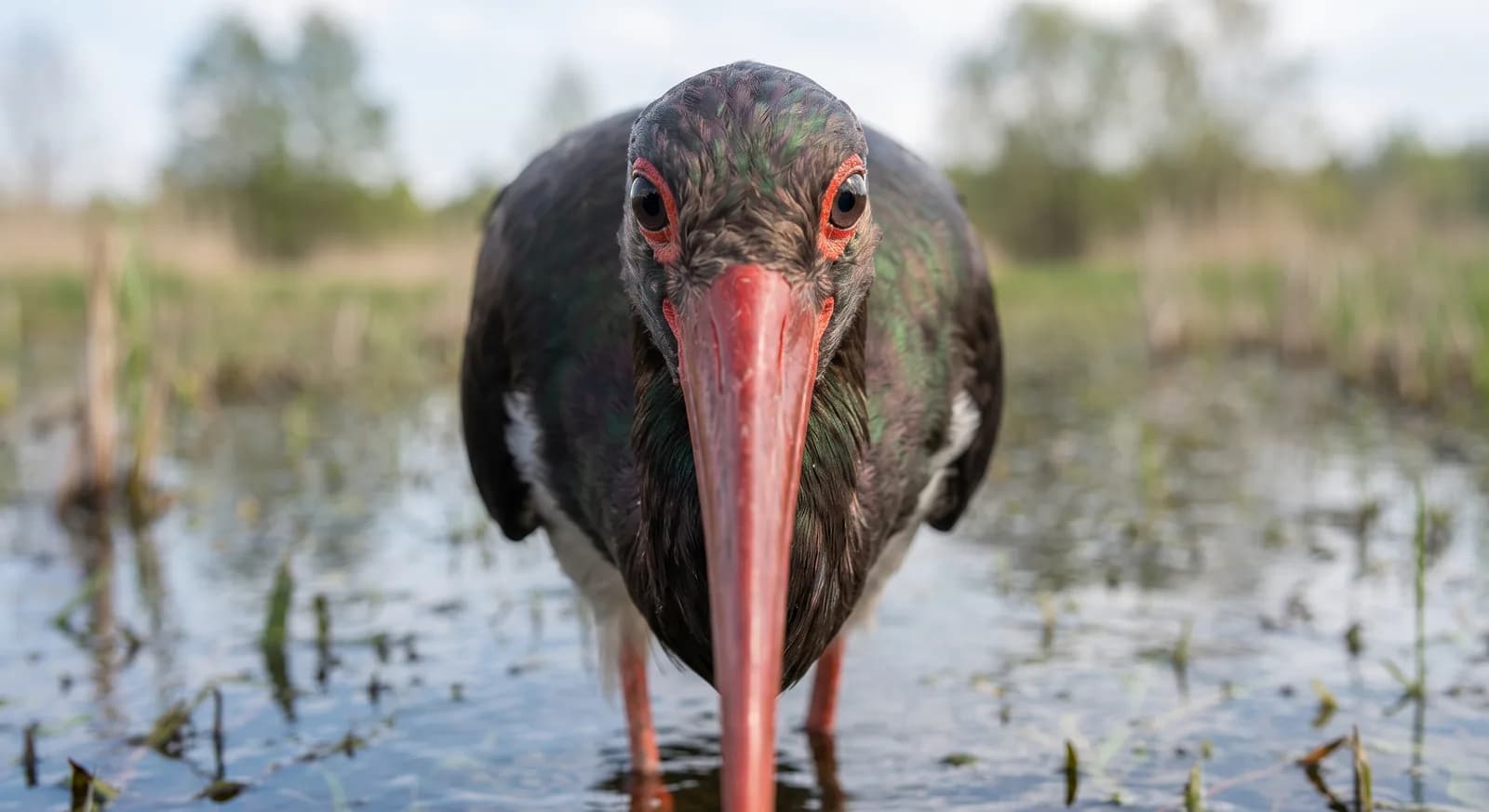
Black Stork
Ciconia nigra
 Least Concern
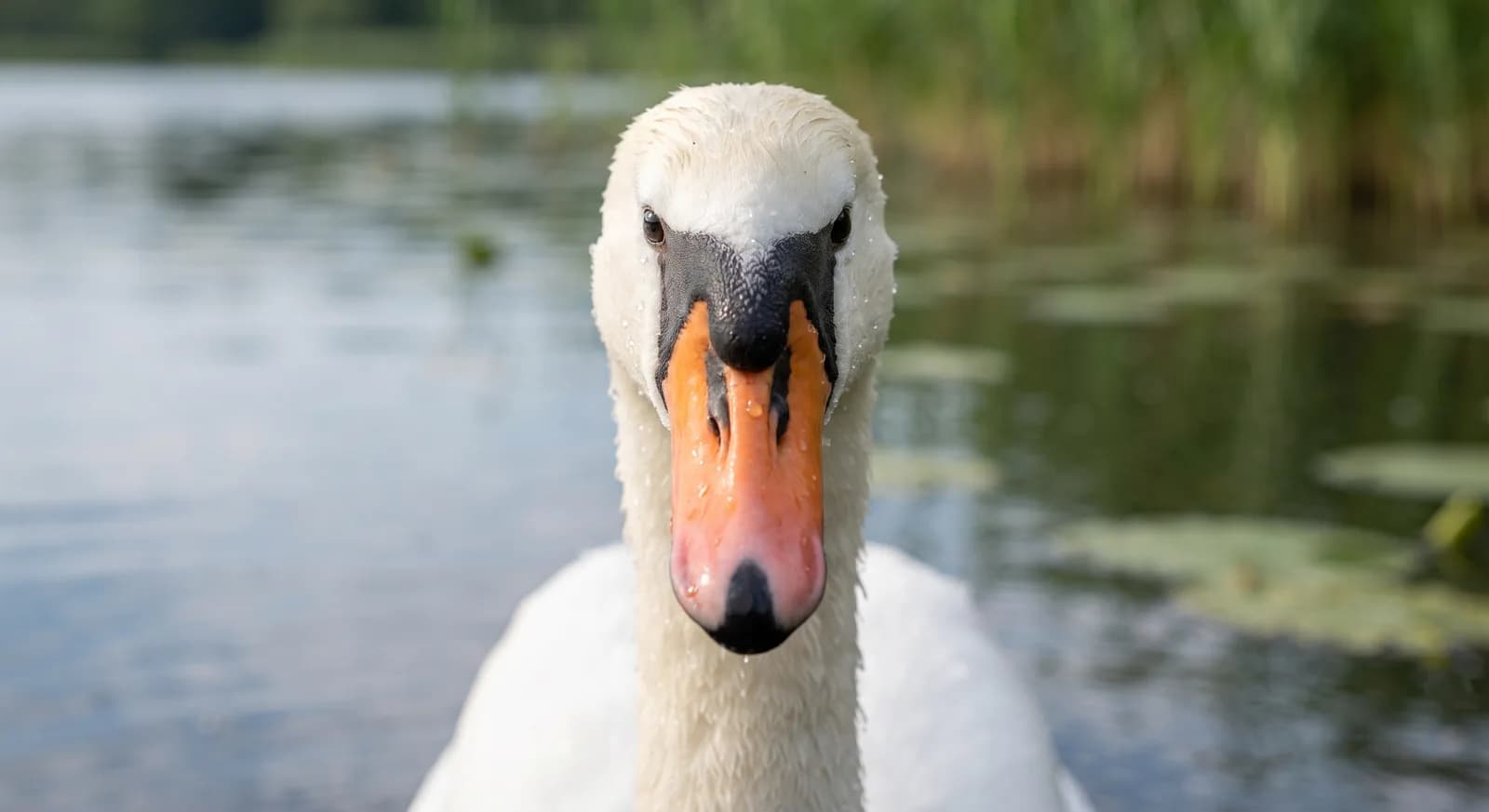
Mute Swan
Cygnus olor
 Least Concern
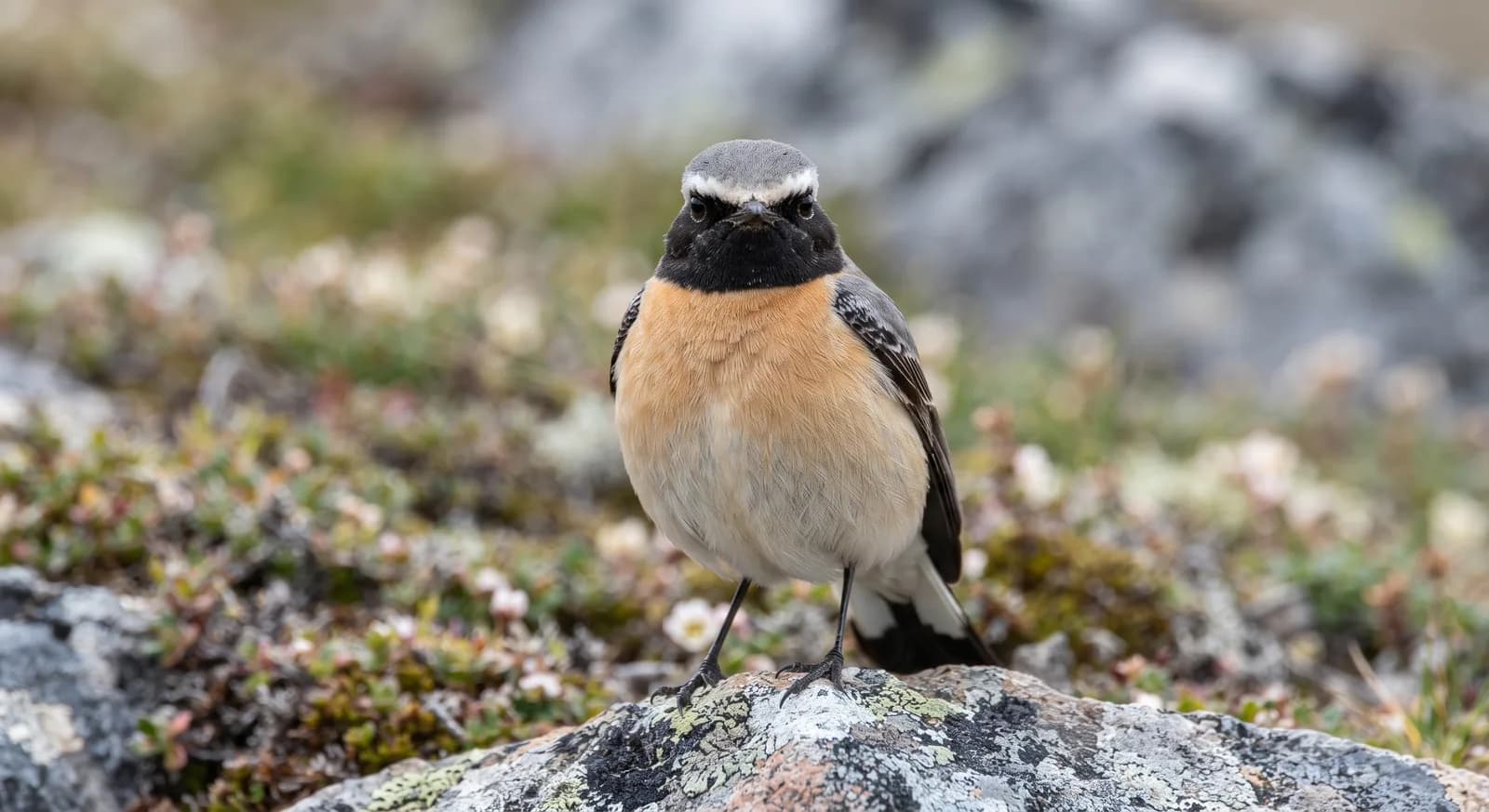
Northern Wheatear
Oenanthe oenanthe
Keep exploring
Based on what we already know about San Marino.