Serbia
Europa
Serbia combines the Pannonian plain of the north with the Dinaric and Balkan mountains of the south, and has the Danube as its great natural axis. At the Iron Gates, the river squeezes between limestone cliffs to form the largest gorge in Europe, a bottleneck for migrating birds and former sturgeon territory now blocked by dams. Mount Tara keeps mixed forests with a relict conifer, the Serbian spruce, which survived the glaciations in a minute area and grows naturally nowhere else. To the north, the Deliblato sands form the largest continental dune system in Europe, a fragment of sandy steppe with a flora and fauna of its own. The canyons of the Uvac and the Mileševka, with their incised meanders, are the heart of the griffon vulture's recovery in the Balkans.
The nature of Serbia
National animal: The grey wolf is the national emblematic animal; the double-headed eagle is the heraldic symbol
Did you know?
The griffon vulture of the Uvac canyon came close to vanishing from Serbia: in the 1970s barely a few dozen birds were left, poisoned by baits laid for wolves. A programme of supplementary feeding and surveillance built the colony up into one of the largest in the Balkans, with several hundred birds soaring over the meanders that today even underpin the recolonisation of neighbouring countries.
Biodiversity profile
Climate
- •Continental humedo (Cfb/Dfb) en la mayor parte del pais
- •Clima de montaña en el sur (Stara Planina, Suva Planina)
Main biomes
- •Llanura panonica (norte, Vojvodina, muy transformada agricolamente)
- •Bosque montano balcanico (sur)
- •Bosque de ribera del Danubio y sus afluentes
- •Desfiladero fluvial
- •Estepa arenosa continental
- •Bosque relicto de coníferas
- •Cañón kárstico
- •Humedal panónico
- •Bosque de ribera danubiano
- •Pastizal de montaña
Marine and coastal ecosystems
- •No aplica (pais sin litoral)
Flagship wildlife
- •Abeto serbio o omorika (endemico, relicto terciario)
- •Aguila imperial
- •Lince balcanico (registros ocasionales en zonas fronterizas del sur)
- •Ciguena blanca
- •Buitre leonado
- •Lobo gris
- •Oso pardo
- •Esturión beluga
- •Nutria paleártica
- •Águila imperial oriental
- •Ciervo rojo
- •Pelícano ceñudo
Notable endemic species
- •Aprox. 27% de las especies vegetales de la antigua Republica Federal de Yugoslavia (incluida Serbia) eran endemicas del hotspot balcanico, con 392 especies y subespecies endemicas del Balkan y 87 endemismos de rango estrecho exclusivos del pais (59 de ellos exclusivos solo de Serbia)
- •Abeto serbio (Picea omorika), conifera relicta terciaria restringida a una pequeña area de Serbia occidental y Bosnia oriental, en las montañas sobre el rio Drina
- •Picea de Serbia
- •Lince balcánico
Notable threatened species
- •Abeto serbio (Vulnerable, relicto terciario de distribucion extremadamente restringida, fue mucho mas extendido en Europa durante el Terciario)
- •Lince balcanico (En Peligro Critico, con registros ocasionales pero no confirmados de reproduccion estable en Serbia)
Notable protected areas
- •Parque Nacional Tara (habitat del abeto serbio, sobre el rio Drina)
- •Montañas Stara Planina y Suva Planina (sur)
- •Parque Nacional de Đerdap
- •Parque Nacional de Tara
- •Reserva Especial del Uvac
- •Reserva de las Arenas de Deliblato
- •Parque Nacional de Fruška Gora
- •Reserva de Zasavica
Main conservation threats
- •Conversion historica casi total de la llanura panonica del norte a tierra agricola
- •Fragmentacion de habitat de montaña en el sur, afectando corredores para el lince balcanico
- •Capacidad limitada de ONGs locales de conservacion pese a su compromiso activo
Notable natural phenomena
- •El abeto serbio, hoy restringido a un area minuscula, es un relicto viviente de bosques que cubrian gran parte de Europa hace millones de años durante el Terciario
Conservation
The Danube dams have cut the spawning routes of the sturgeons, among them the beluga sturgeon, the largest freshwater fish in Europe. The griffon vulture's recovery on the Uvac is the great national success story.
Where and when to watch wildlife
The Uvac year-round by boat along the meanders for griffon vultures. Đerdap in spring and autumn for raptor migration. Deliblato in May for steppe flora and open-country birds.
Sources: FAA Section 119 Biodiversity Analysis Serbia and Montenegro | seerural.org - Sustainable Forest Management Western Balkan Region
Parks and reserves
Đerdap
The Serbian bank of the Iron Gates, with relict Tertiary forests and the Lepenski Vir archaeological site.
View parkNational ParkFruška Gora
Serbia's first national park, a mountain island above the Pannonian plain with sixteen Orthodox monasteries.
View parkNational ParkKopaonik
Serbia's largest ski resort, on a massif with one of the richest endemic floras in the Balkans.
View parkNational ParkTara National Park
A wooded mountain region above the canyon of the River Drina, with one of Serbia's last fir forests.
View parkPaíses similares
¿A dónde más podría interesarme viajar?
Misma región: Balcanes
Misma región: Balcanes
Misma región: Balcanes
Misma región: Balcanes
Especies documentadas en Serbia
426 species found
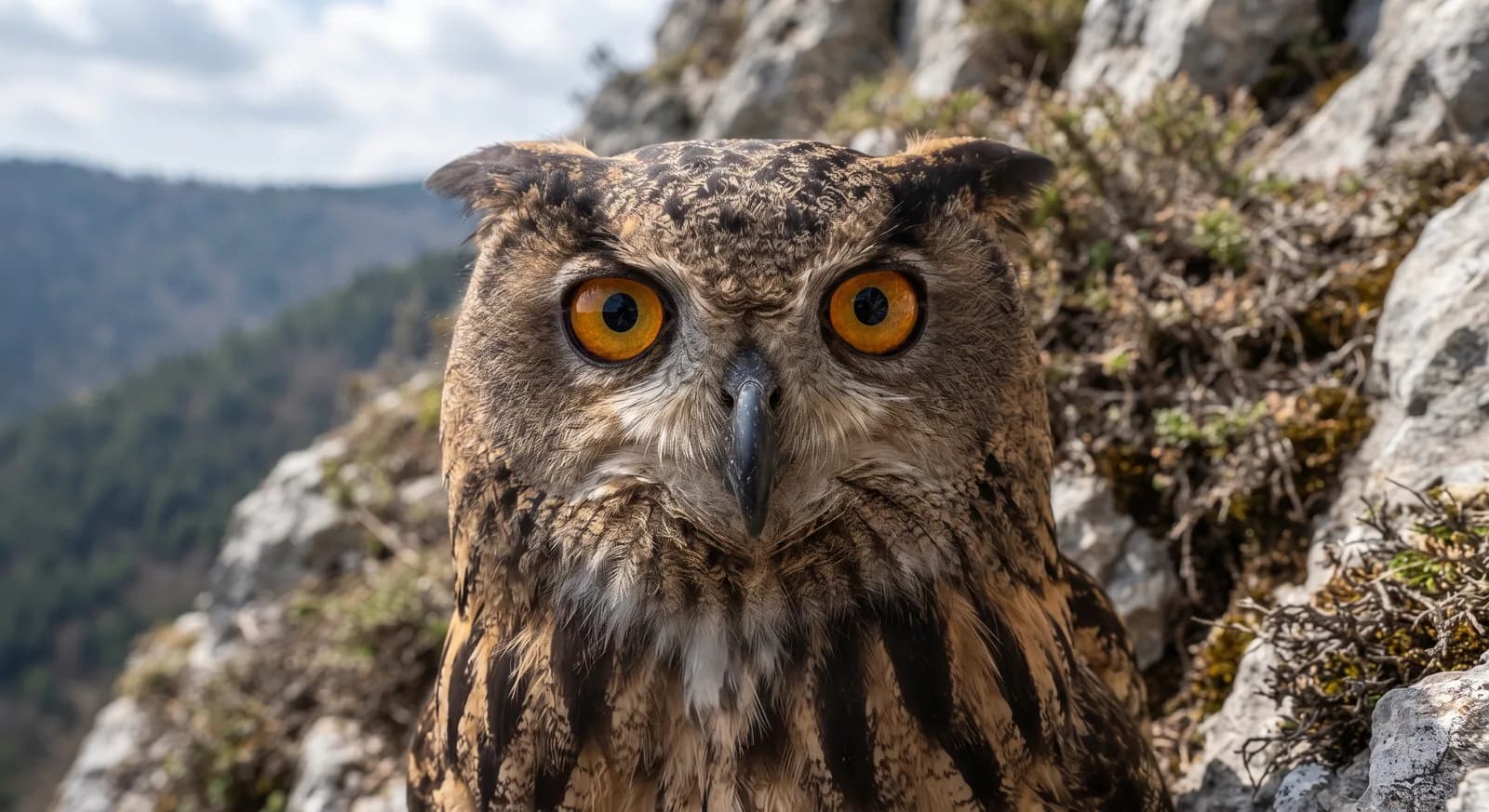 Least Concern
Eurasian Eagle-Owl
Bubo bubo
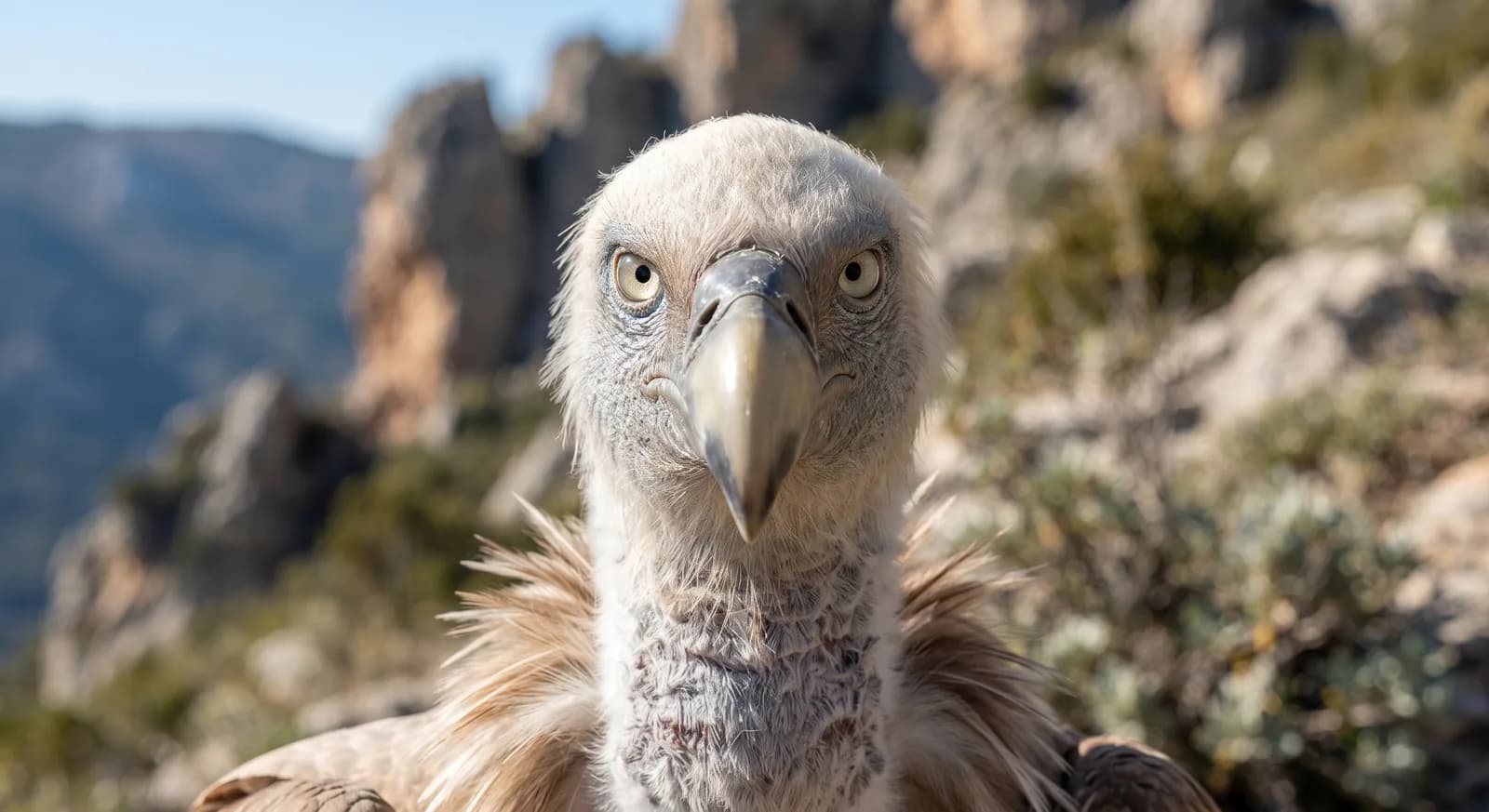 Least Concern
Griffon Vulture
Gyps fulvus
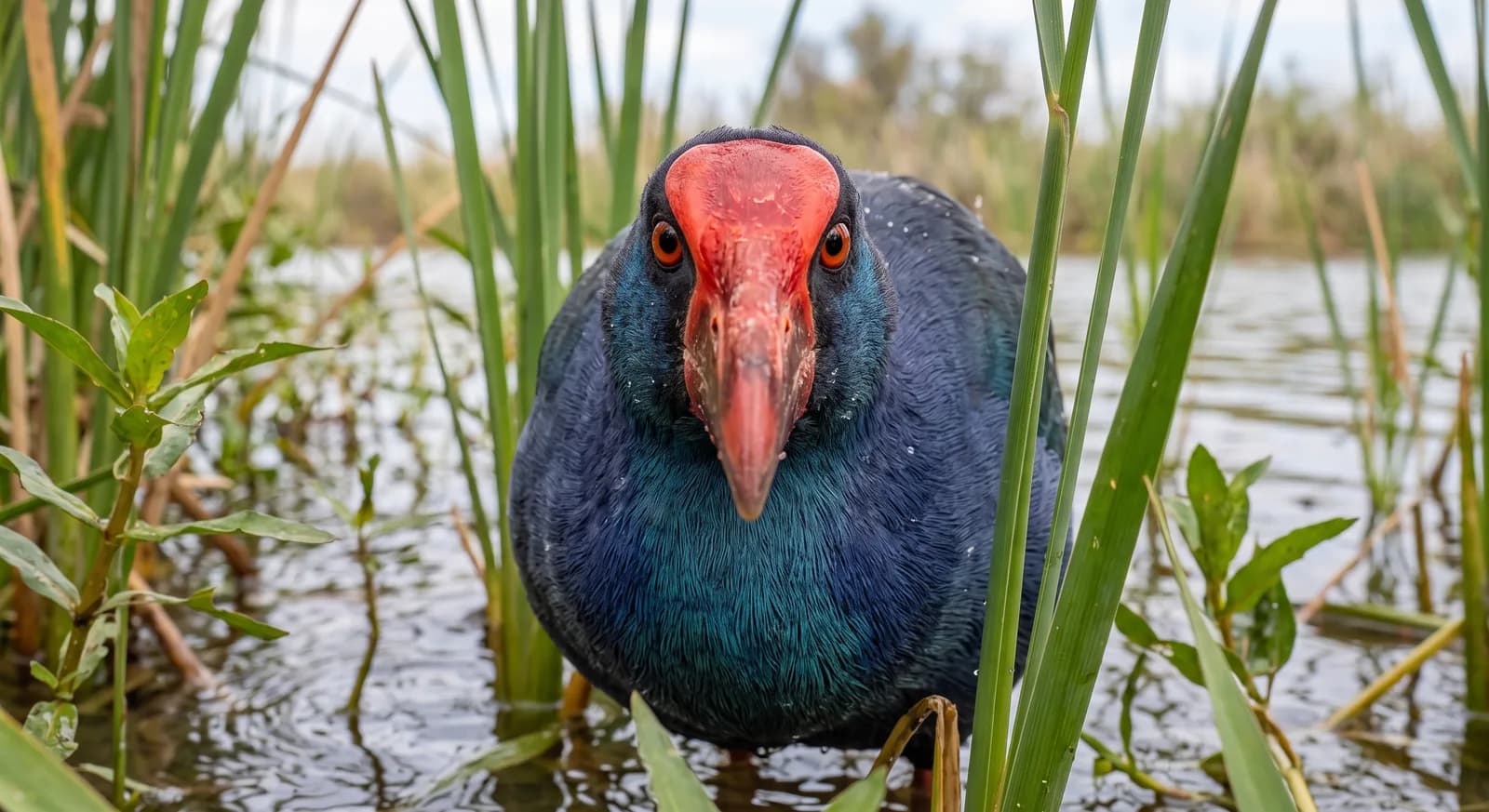 Least Concern
Purple Swamphen
Porphyrio porphyrio
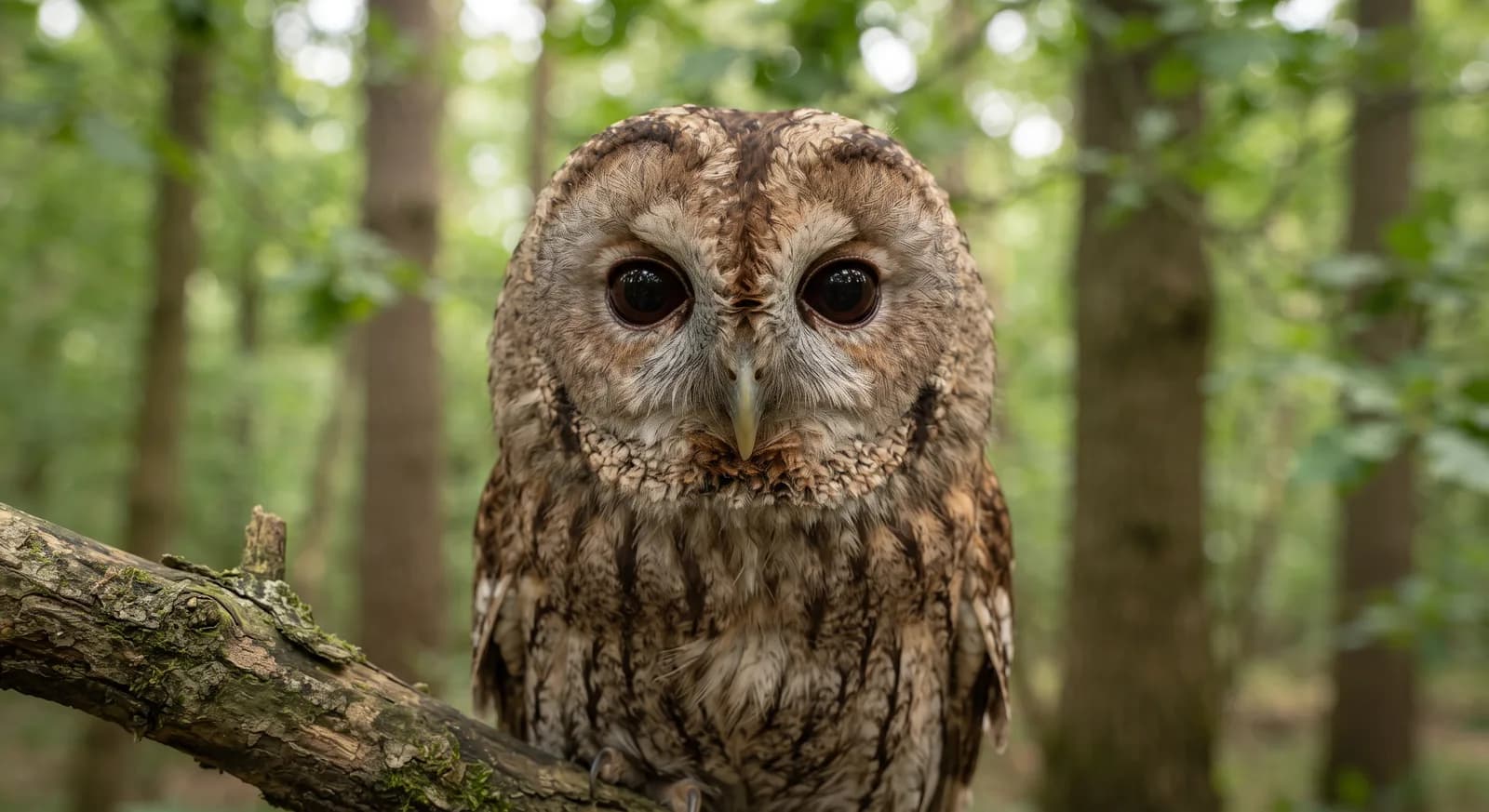 Least Concern
Tawny Owl
Strix aluco
 Least Concern
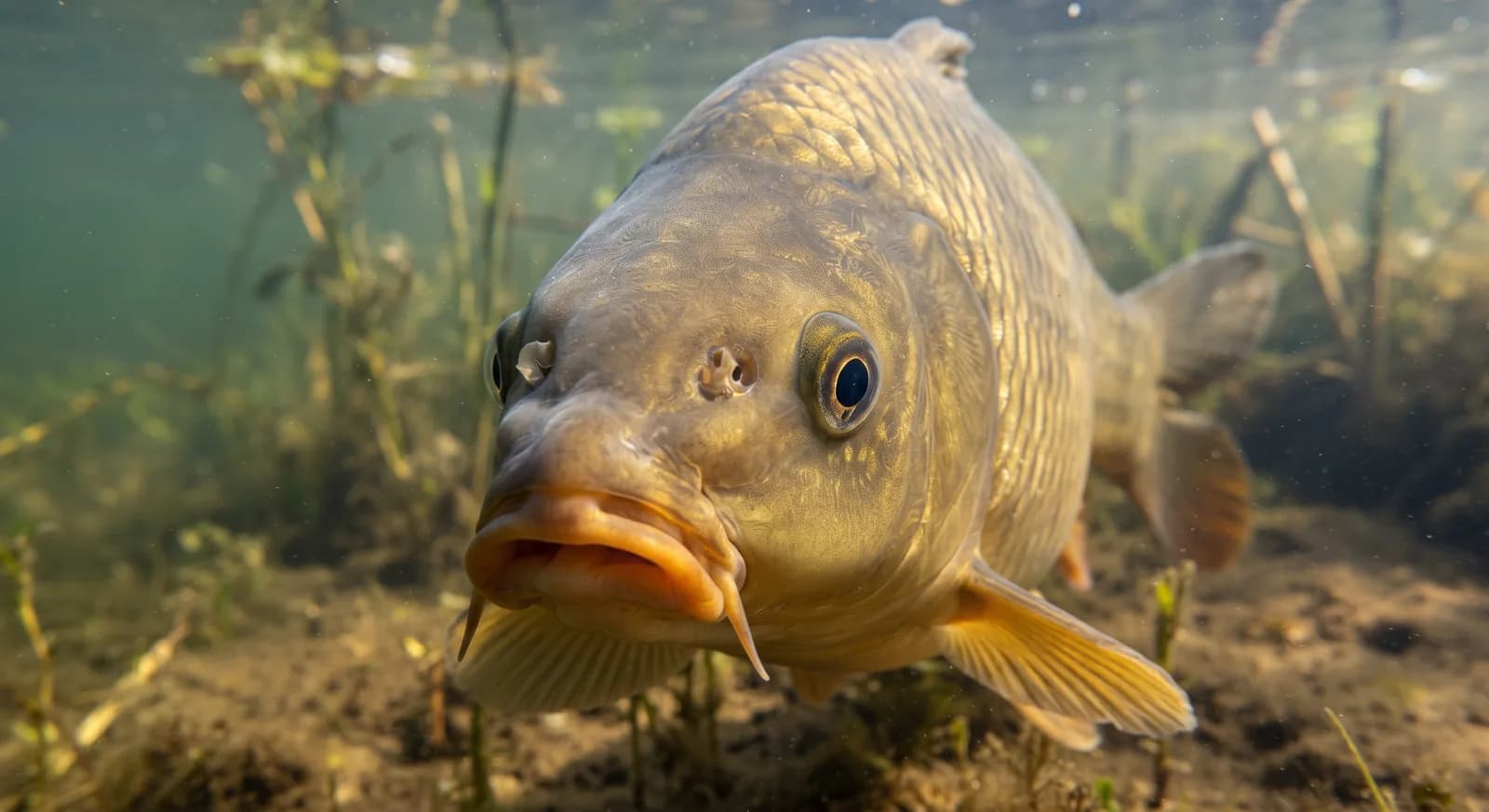
Common Carp
Cyprinus carpio
 Least Concern
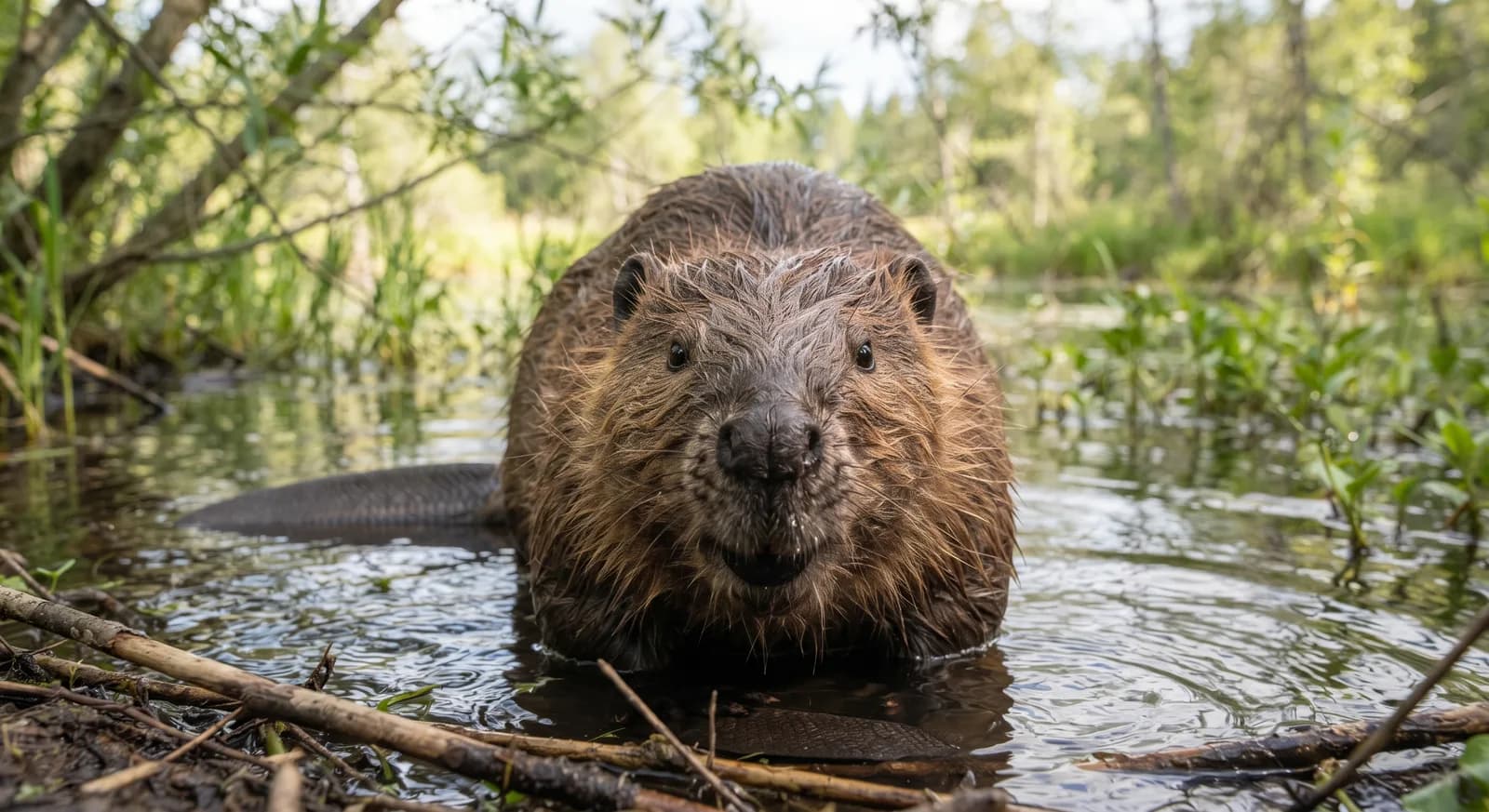
Eurasian Beaver
Castor fiber
 Least Concern
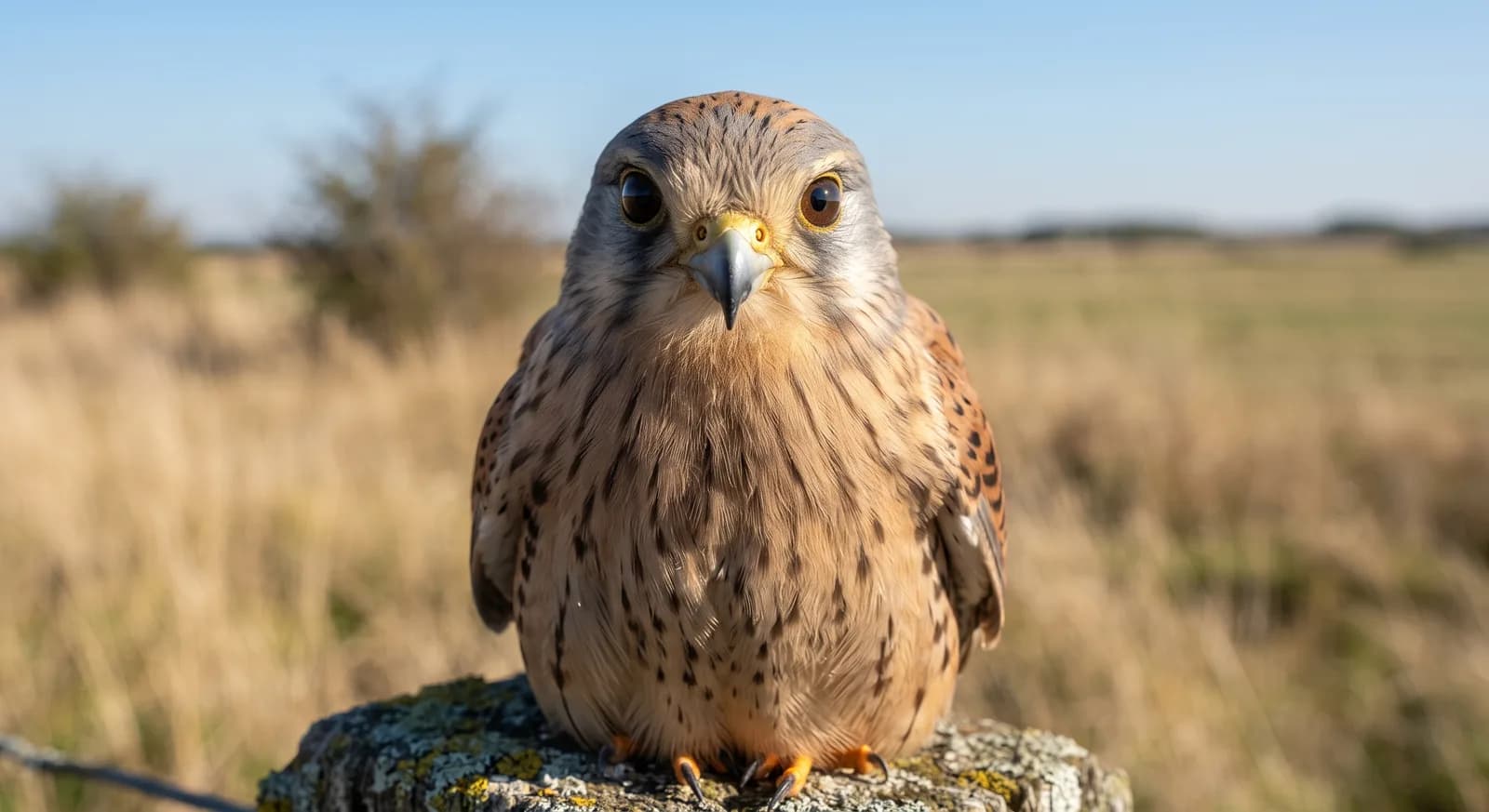
Common Kestrel
Falco tinnunculus
 Least Concern
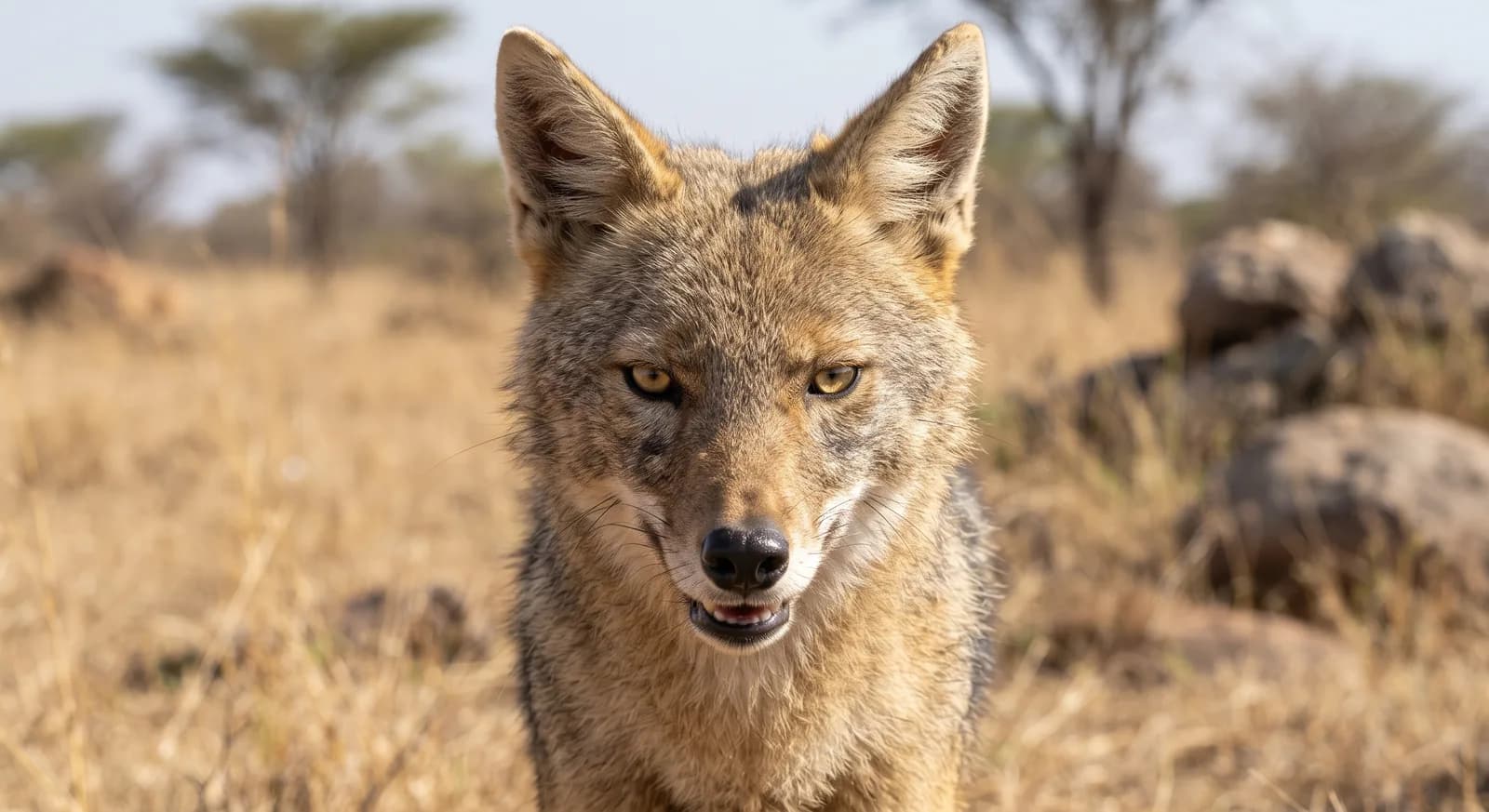
Golden Jackal
Canis aureus
 Least Concern
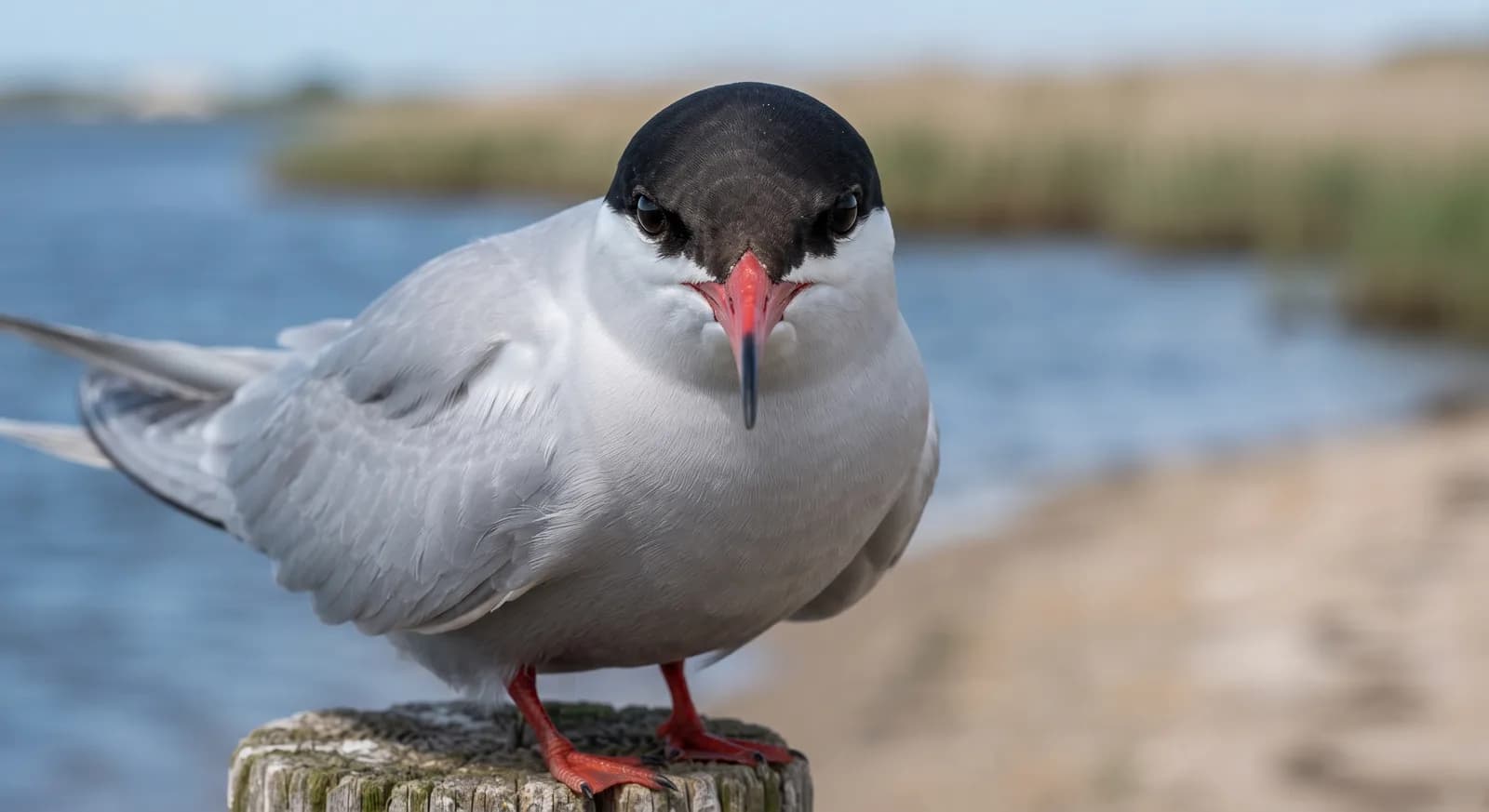
Common Tern
Sterna hirundo
 Least Concern
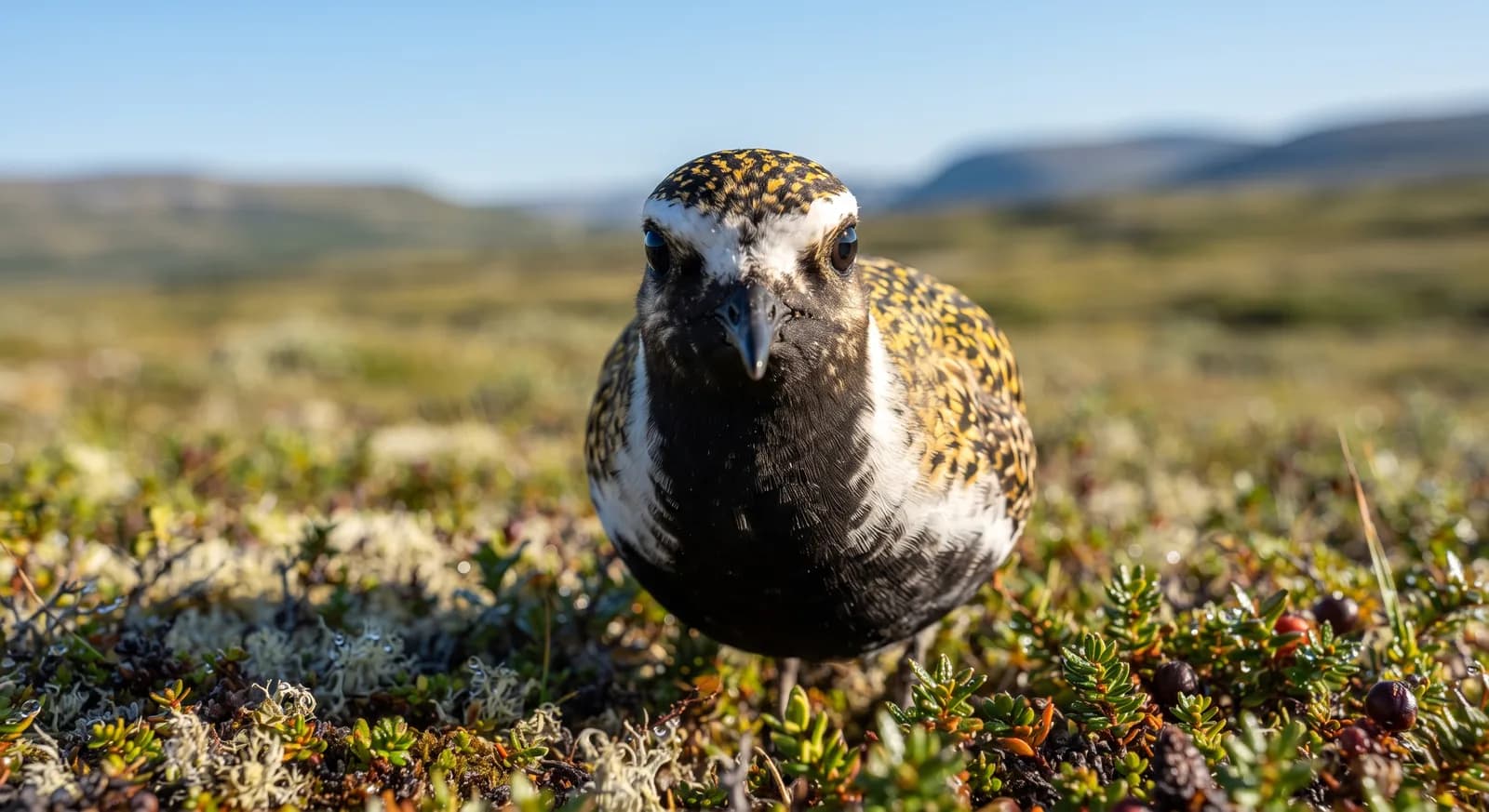
European Golden Plover
Pluvialis apricaria
 Least Concern
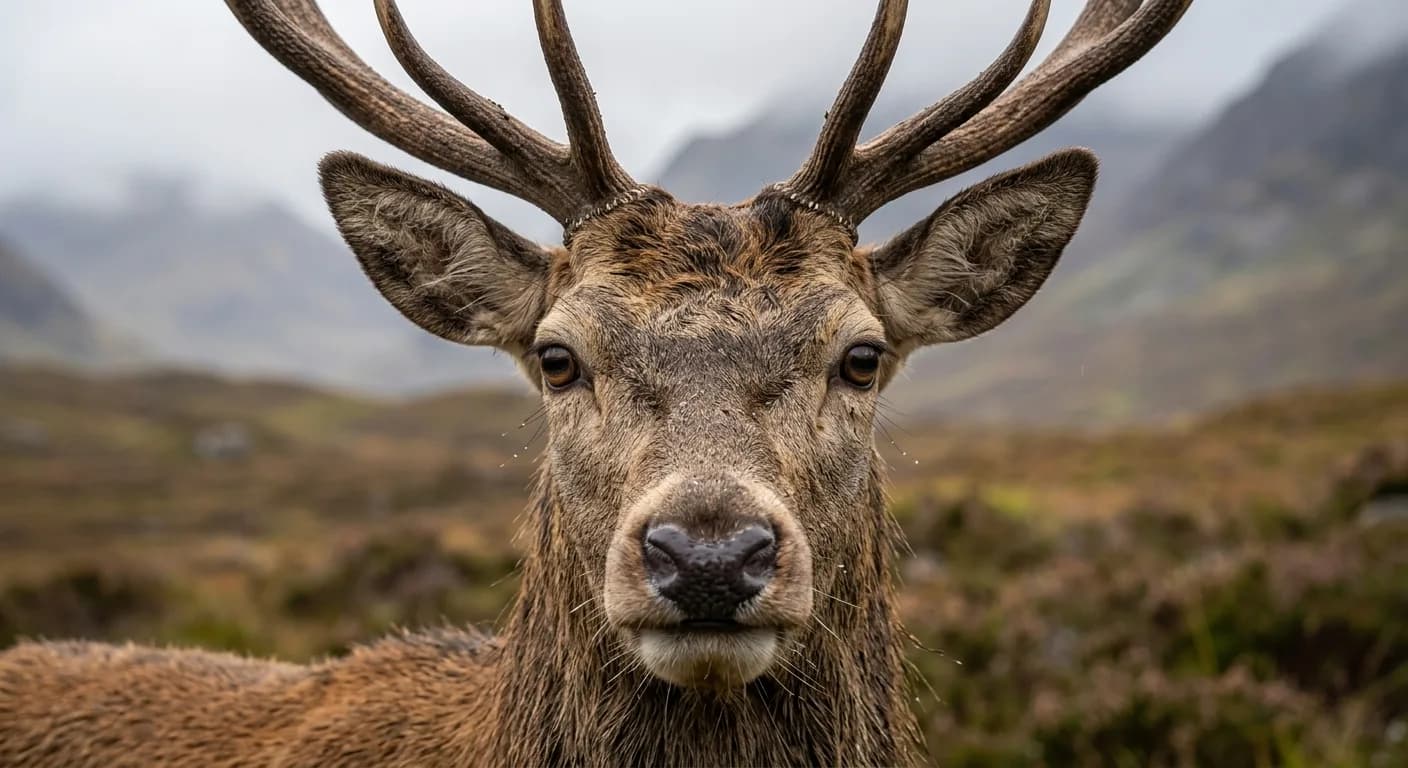
Red Deer
Cervus elaphus
 Least Concern
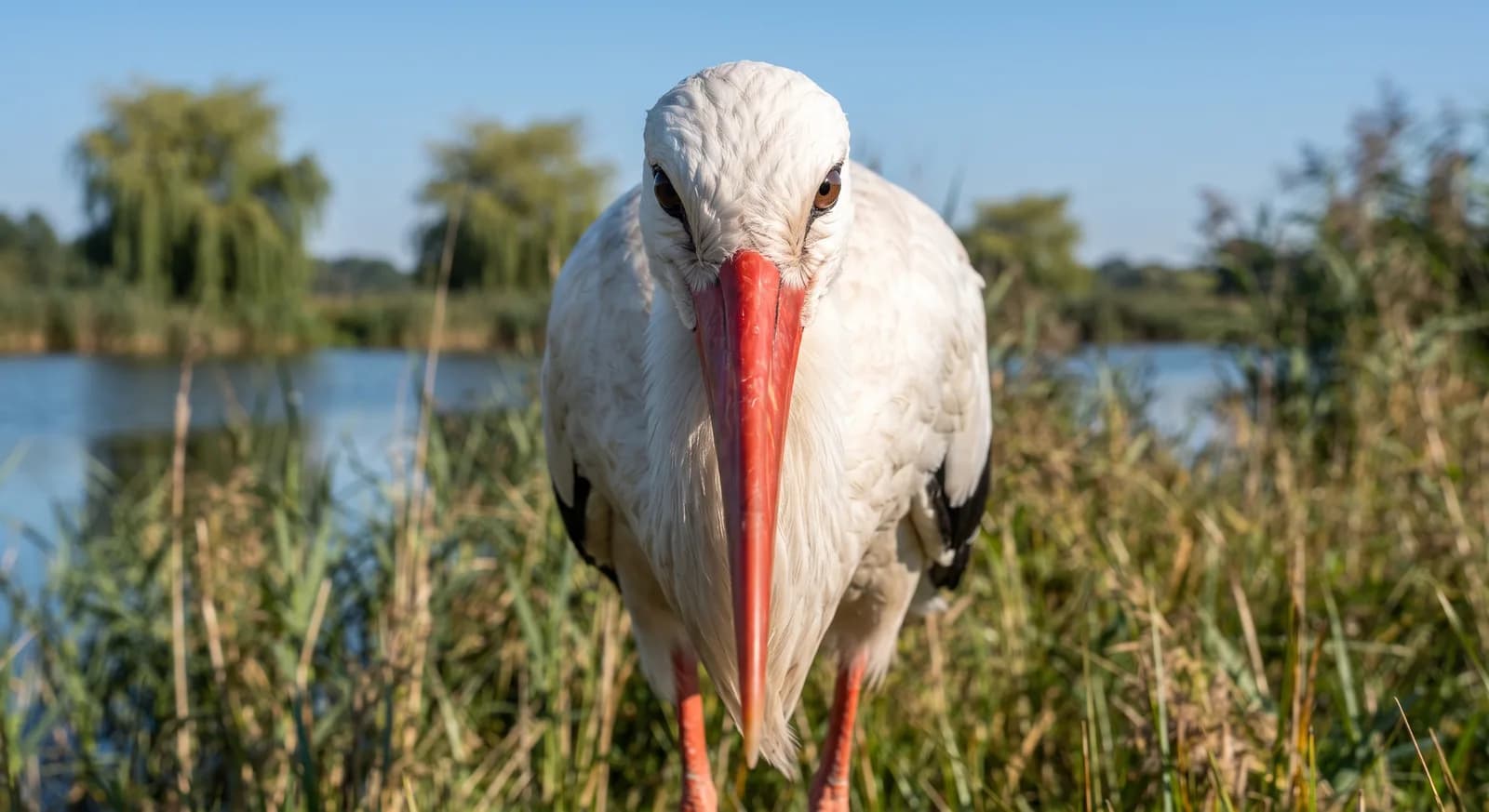
White Stork
Ciconia ciconia
Keep exploring
Based on what we already know about Serbia.