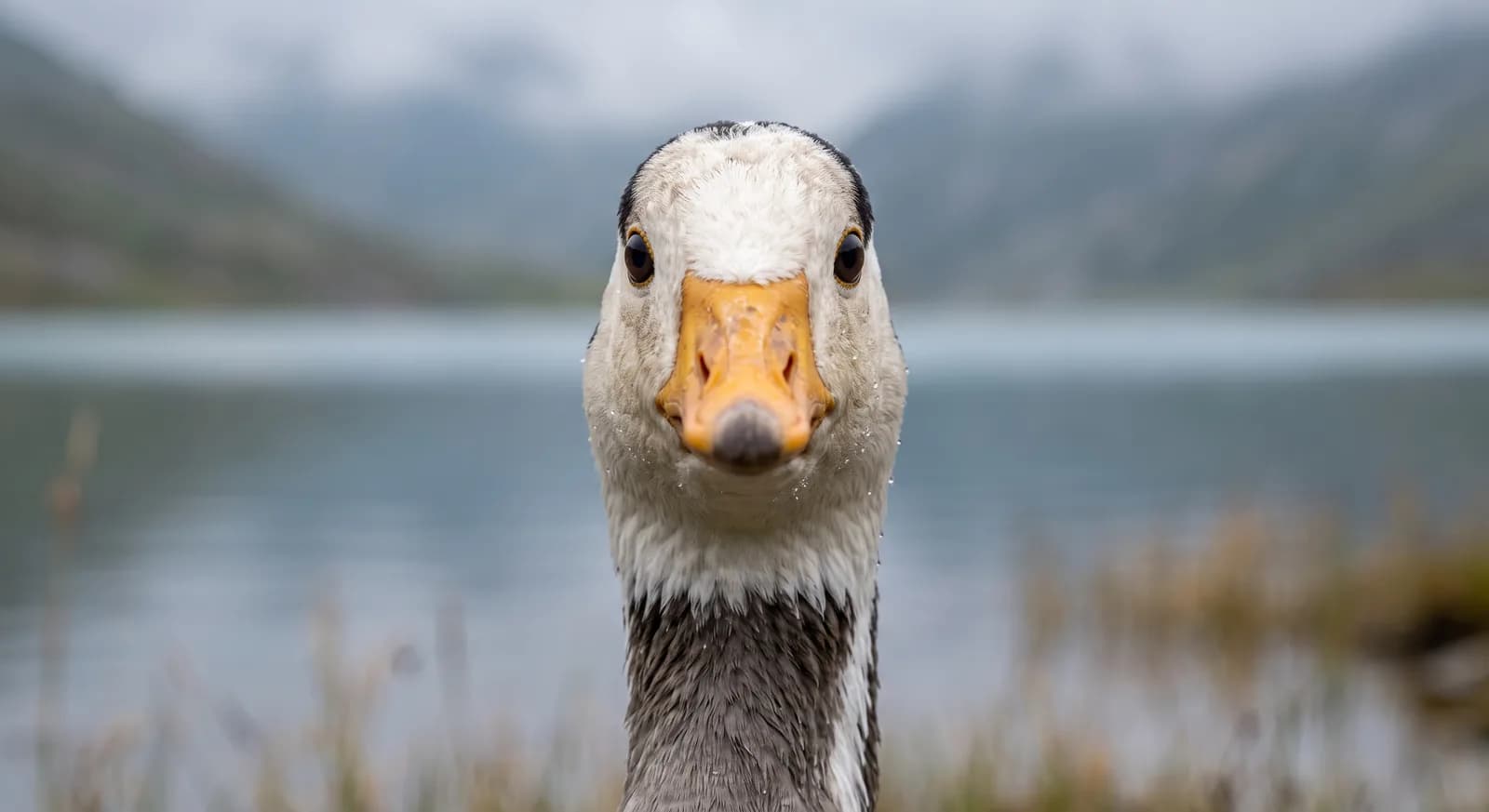
 Least Concern
Bar-headed Goose
Anser indicus
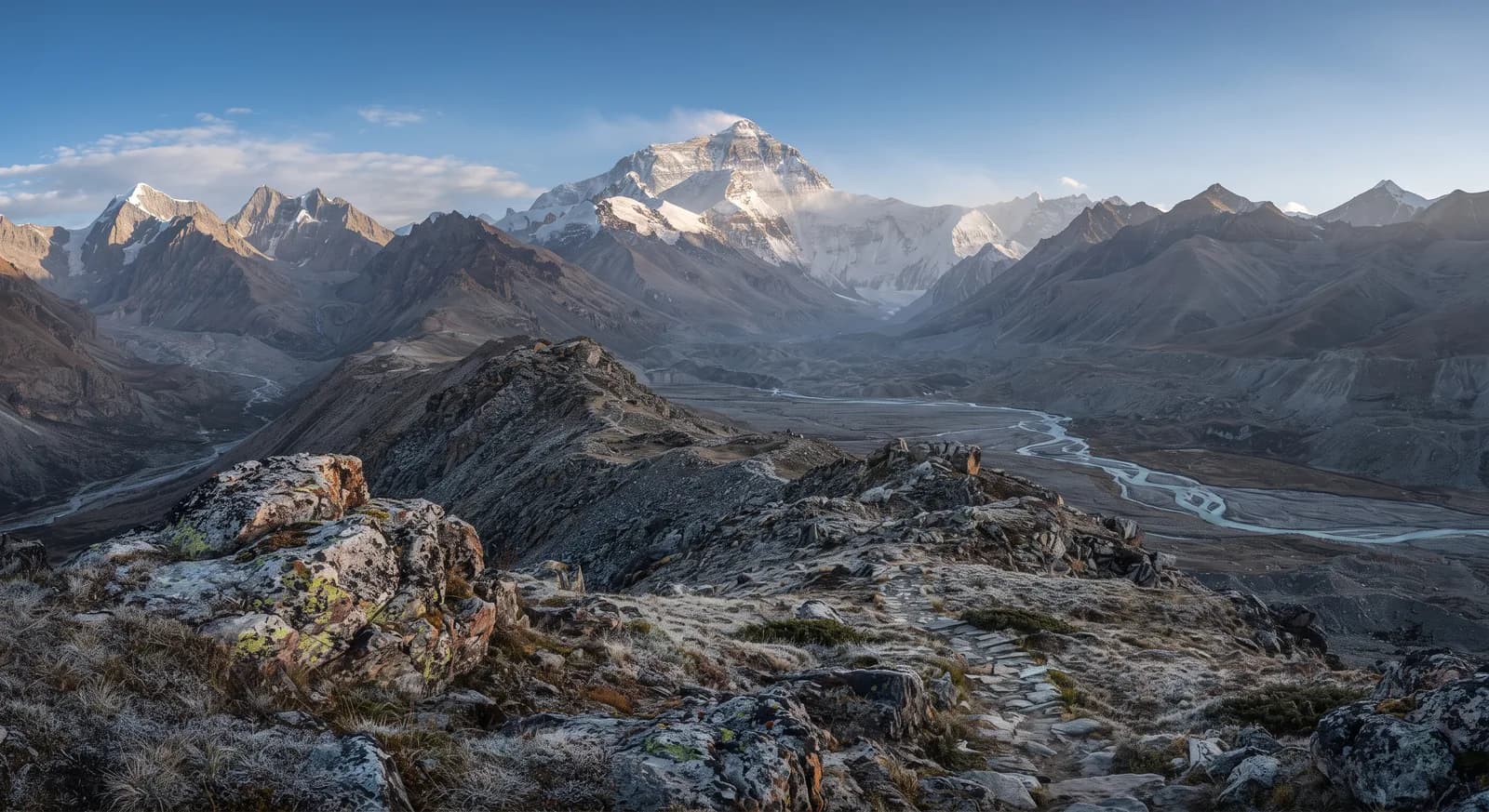
The nature reserve around the northern side of Everest, with the greatest protected vertical range on the planet.
Area
33,800 km²
Designated in
1988
Region
East Asia
The northern side of Everest and its Himalayan valleys
Qomolangma National Nature Reserve extends across the south of the Tibet Autonomous Region, on the border with Nepal, and takes in the northern flank of the Himalaya, including the Tibetan face of Everest, which in Tibetan is called Qomolangma and reaches 8,849 metres. It is one of the most extensive protected areas in China and probably the one that encloses the greatest vertical range on the planet: from the subtropical valleys of the south, below 2,000 metres, to the highest summit on Earth.
That gradient produces a succession of environments without parallel. In the southern valleys, open to the monsoon, humid subtropical and temperate forests grow; climbing higher there are conifer, rhododendron and birch forests, then alpine scrub and high-altitude grassland, and finally cold desert and the domain of ice. On the northern flank, in the lee of the Himalaya, the landscape is arid and steppe-like, with the Tibetan plateau stretching to the horizon.
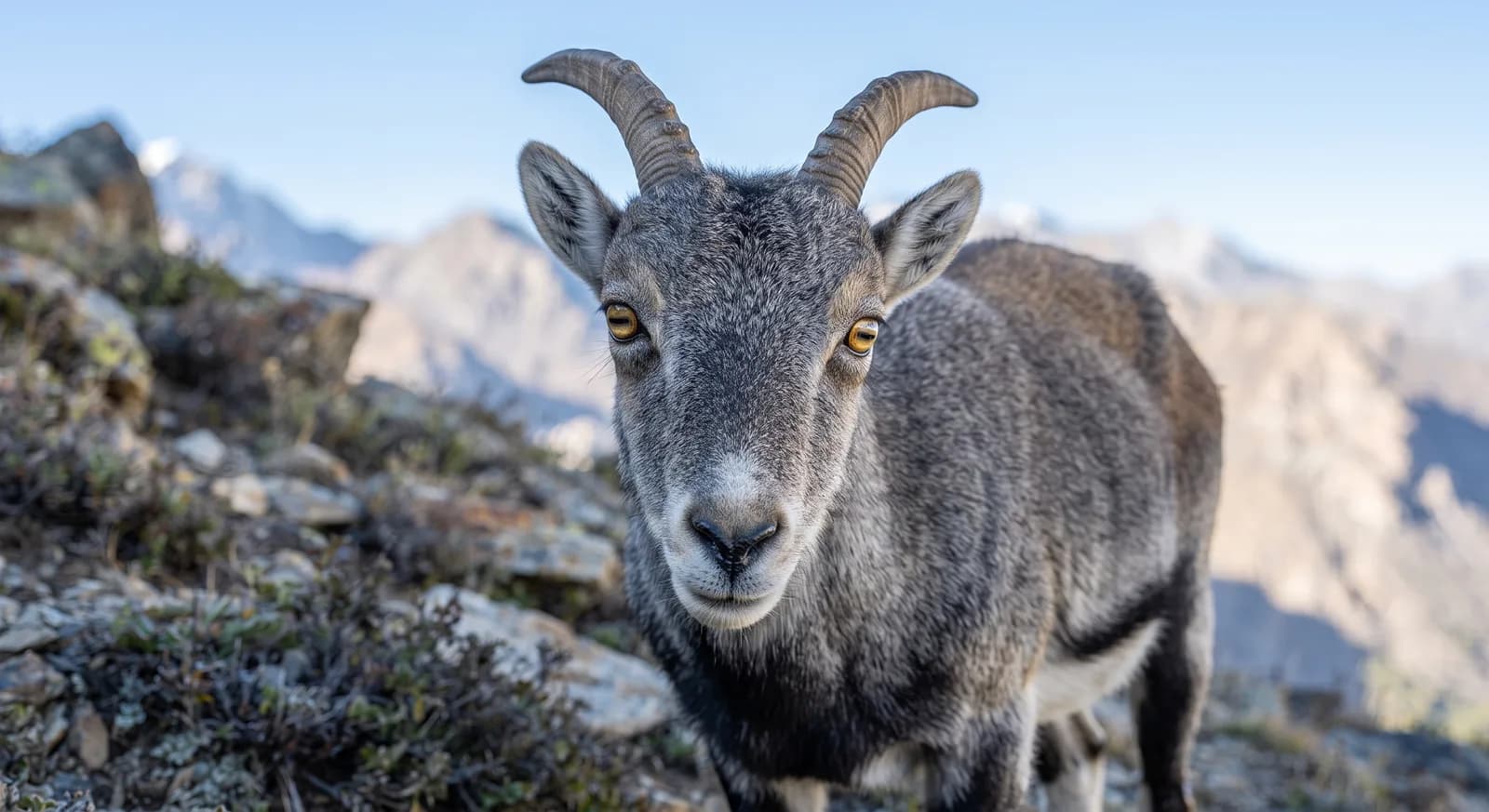
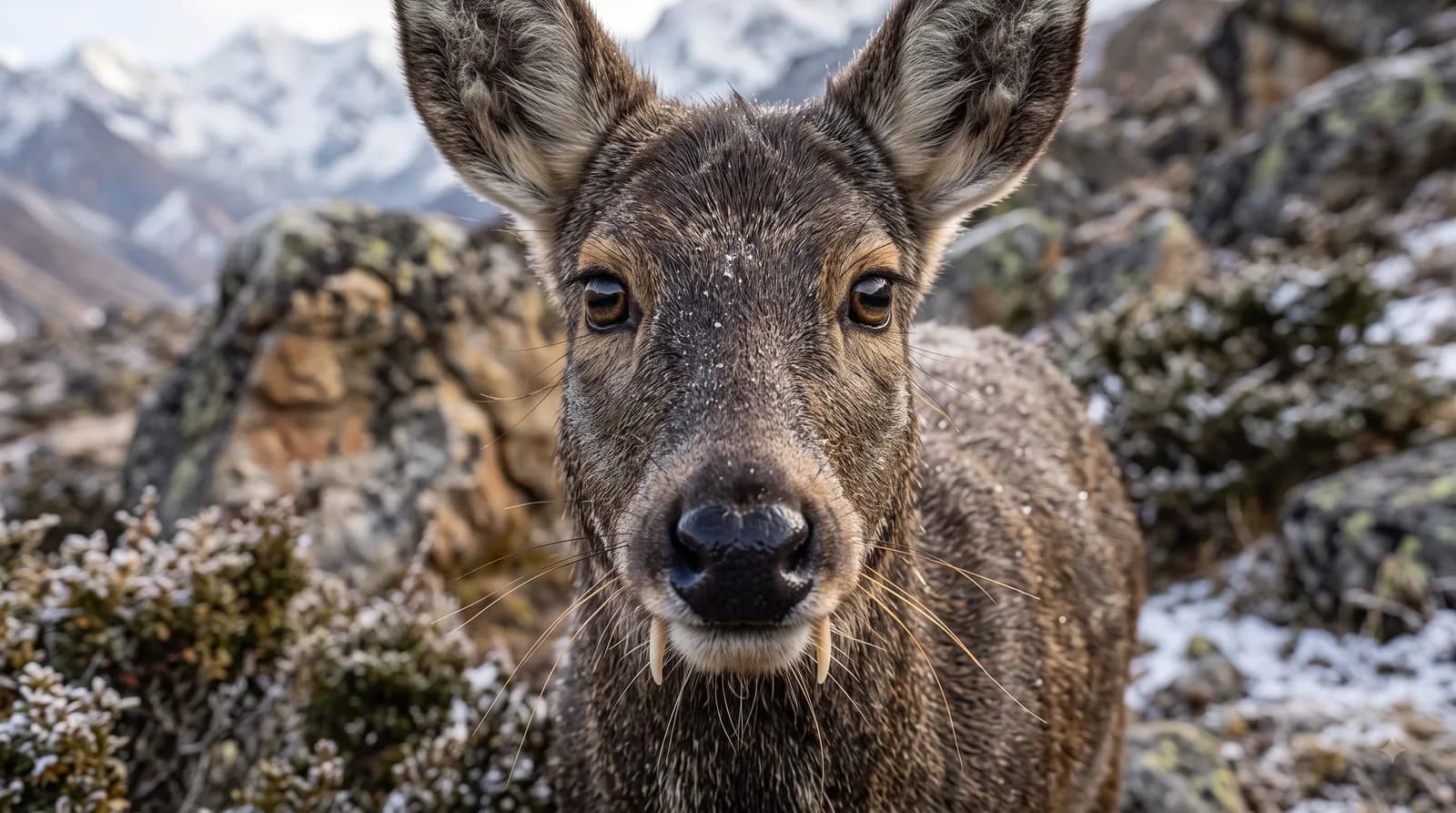
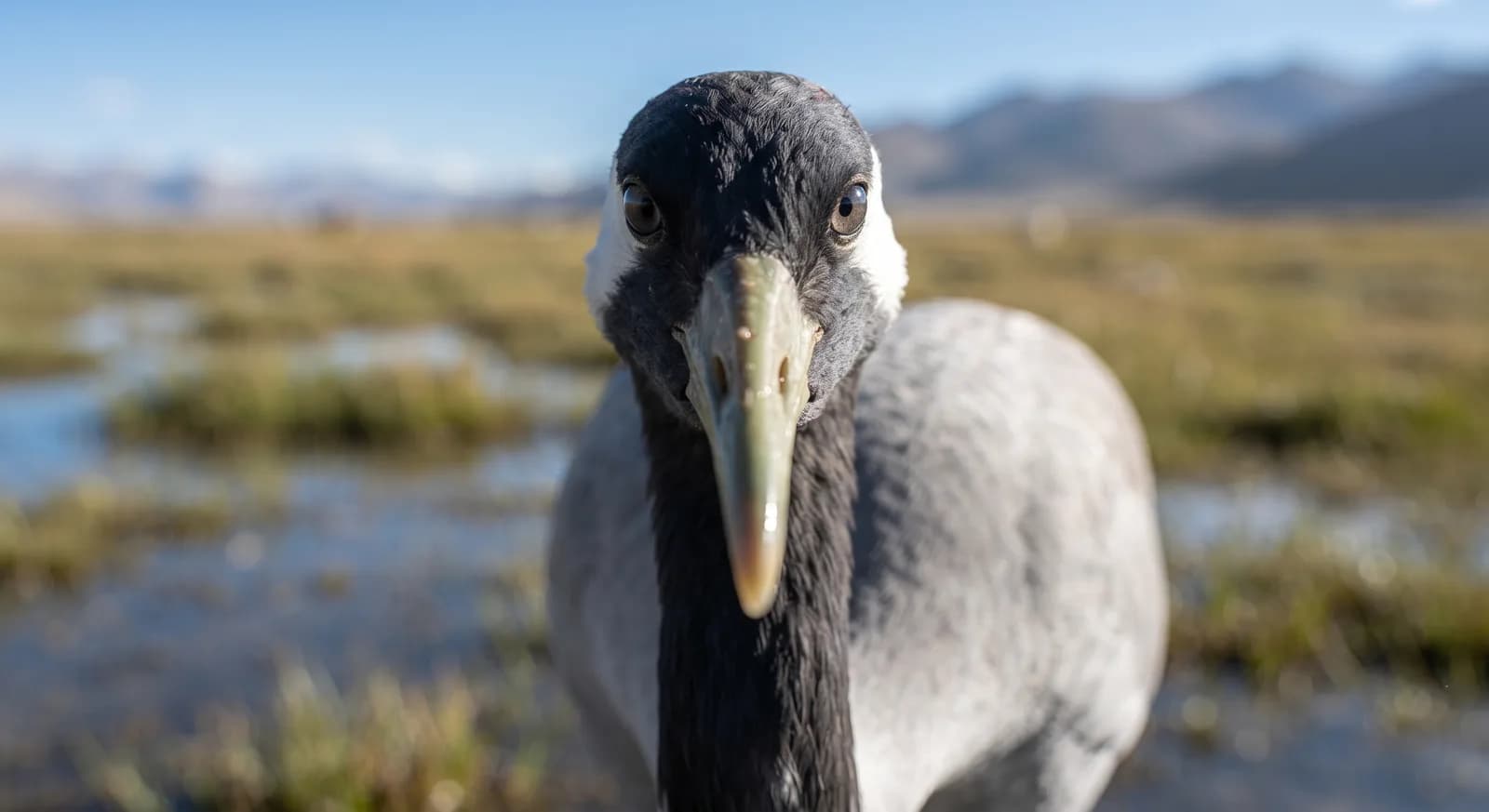
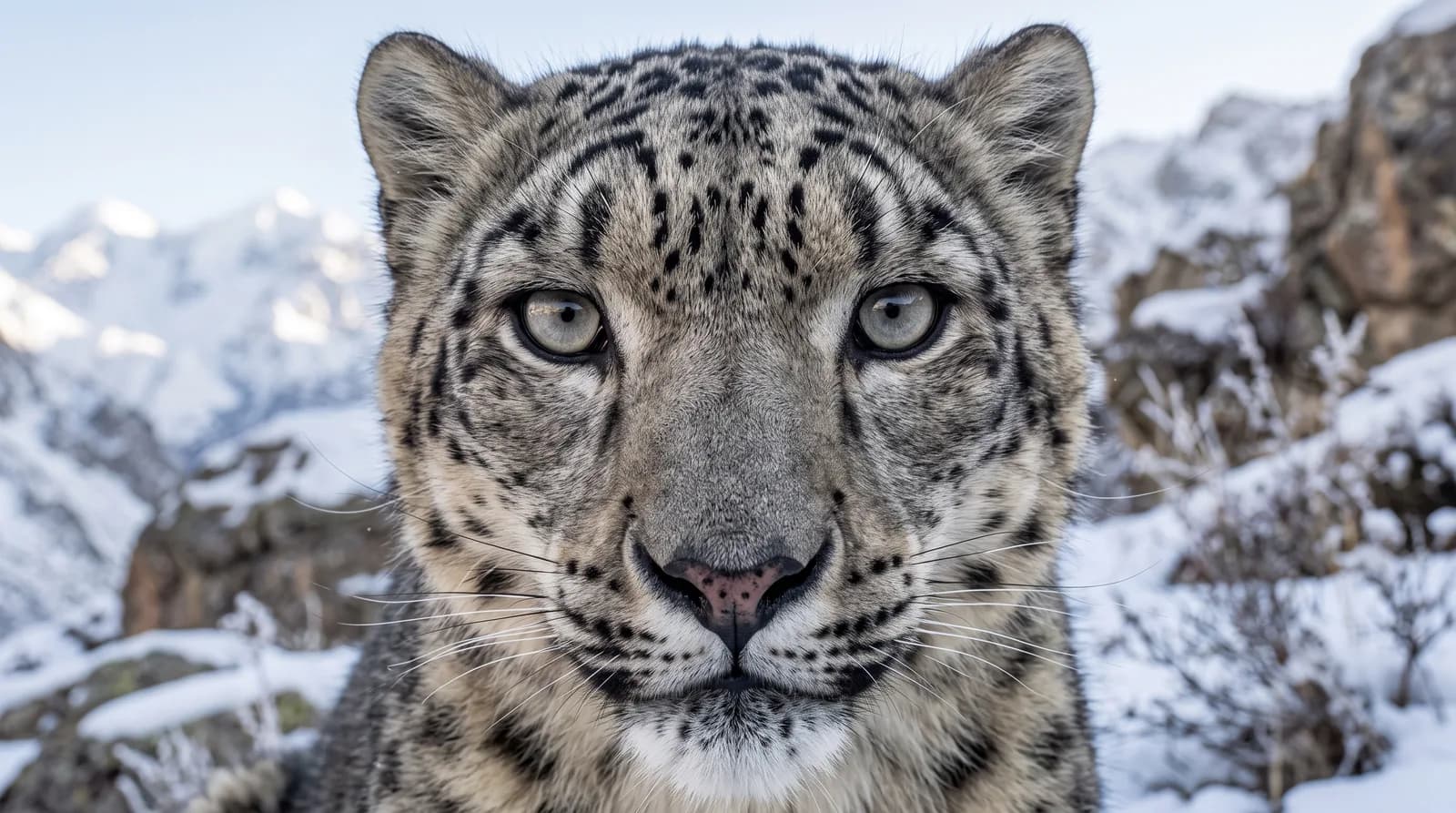
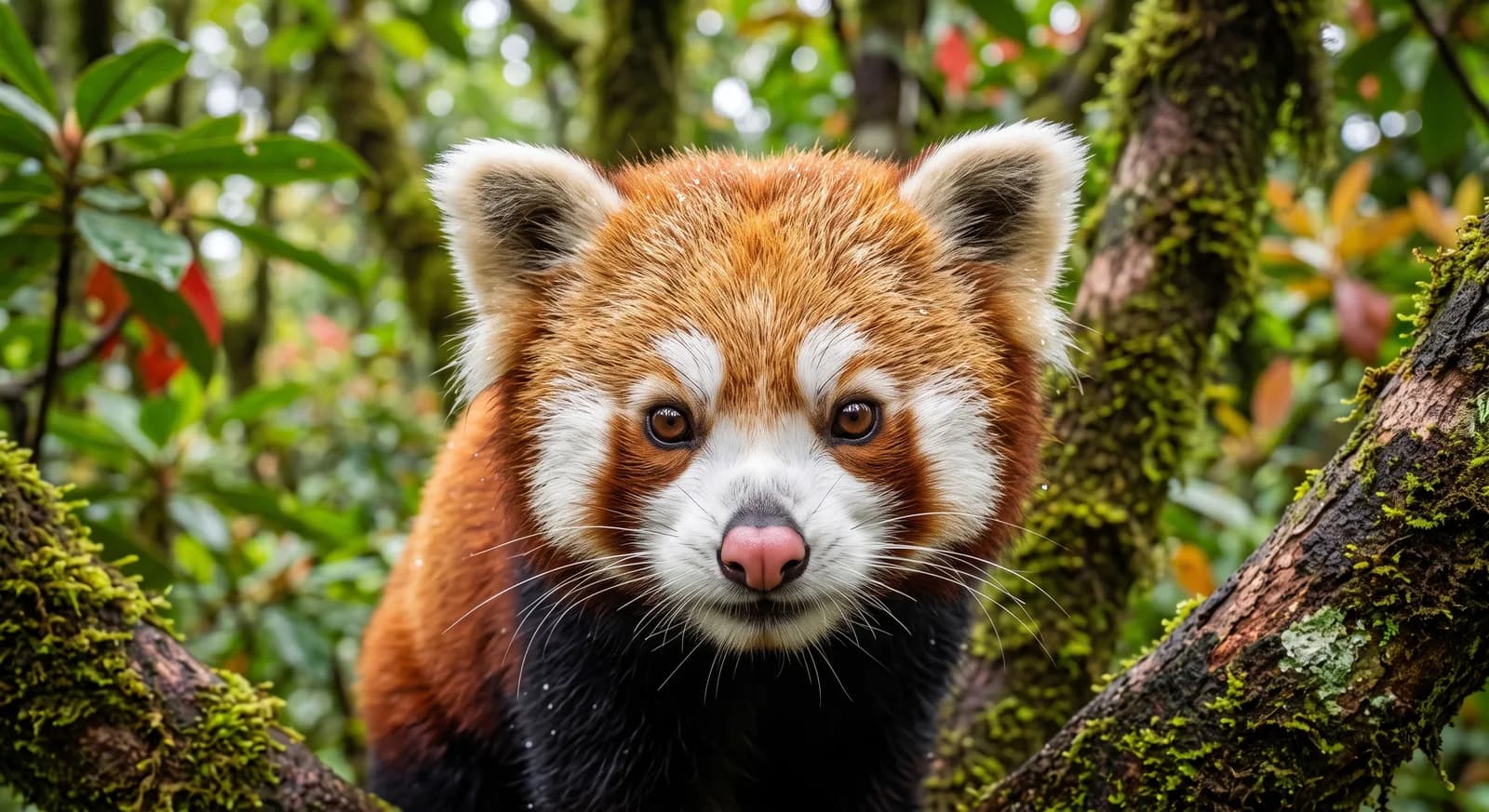
The reserve is home to snow leopard, red panda in the wooded valleys of the south, Himalayan tahr, argali, kiang and a birdlife that includes the Himalayan griffon vulture and the bearded vulture. It is also an inhabited territory: tens of thousands of people live inside it in traditional farming and herding communities, and its management has sought from the outset to reconcile conservation with those uses and with mountain tourism, heavily concentrated at Everest's north base camp and at Rongbuk monastery.
Threatened:,,,
Ecosystems found in China, where Qomolangma (Everest) lies.
Which other parks are like this one?
Same country: China
Same country: China
Same country: China
Same country: China
Based on what we already know about this park.
Climate
Tropical, Arid / desert, Temperate, Polar / cold, Mountain
Best season
March to May




 China