Skip to content
WAnimals
  • Map
  • Species
  • Parks
  • Diving
Log inCreate account
WAnimals

The guide for travellers and animal lovers: discover, plan and share your wild adventures around the world.

Discover wildlife

  • Species
  • Ecosystems
  • Glossary
  • Tags

Explore places

  • Map
  • Countries
  • Parks
  • Diving

Plan experiences

  • Guides

Learn

  • Blog

Resources

  • About us
  • How we build our profiles
  • Help centre
  • Contact
  • Install the app

Follow us

Account

  • Log in
  • Create account

© 2026 WAnimals. All rights reserved.

Terms of servicePrivacyCookiesLegal notice
MapSpeciesParksDiving
  1. Home
  2. Species
  3. Essex Skipper

Insects · Lepidoptera · Hesperiidae

Essex Skipper

Thymelicus lineola

Not Evaluated

It has not yet been assessed against the IUCN criteria.

Spotted something wrong?

A small orange skipper with a fast, buzzing flight, which perches with its forewings raised and its hindwings spread, a posture characteristic of the group. Its caterpillar feeds on grasses.

Size

2.5 cm – 2.9 cm

Life expectancy

1 year

Diet

Herbivore

Feeds mainly on plants.

Activity

Diurnal

Active mainly during the day.

Social structure

Solitary

Lives and hunts alone, joining others only to breed.

Grassland
9countries

Fun facts

  • It is told from its relatives by the tip of the antennae, black underneath, a detail that requires looking at the insect almost head-on.
  • It was accidentally introduced into North America around 1910, in Ontario, with a consignment of grass seed, and is now abundant across much of the continent.
  • Its eggs overwinter inside the sheaths of dry grasses, which lets it travel in bales of fodder.
  • It reached North America by accident around 1910, near London, Ontario, in timothy seed contaminated with its eggs, and today it is established across much of Canada and the north-eastern United States.
  • It keeps spreading because the eggs travel in hay bales and modern seed-cleaning techniques fail to remove them.
  • There it is a pest of timothy and cocksfoot grown for forage; the treatment threshold is set at six to eight caterpillars per 30 cm square.
  • It is told apart from the very similar Thymelicus sylvestris by the antennal tip, black underneath in this species and orange in the other.
  • In the United Kingdom it was not identified until 1889, and its range there is also expanding.

Life cycle and biology

Skeleton type
Invertebrate - chitin exoskeleton (insect)
Habitat and environment
Meadows, verges and tall grassland of Europe and North America
Size at birth
The caterpillar measures 1.6 mm on leaving the egg, large in proportion to the size of the butterfly
Sexual maturity
A univoltine and strictly day-flying species; the adults fly from July to August in Europe
Gestation / incubation
The caterpillar forms inside the egg in late July but stays shut in all winter and emerges in early May; it goes through five instars and pupates in June
Litter / clutch size
Rows of about 30 eggs laid inside the leaf sheaths of coarse grasses, in July and August

Sources consulted: Butterflies and Moths of North America · Pengelly (1961), The Canadian Entomologist · Prairie Pest Monitoring Network · UK Butterflies · UK Butterflies, ficha Essex Skipper · Butterfly Conservation Europe · Ficha de especie de Thymelicus lineola · UK Butterflies, ficha Essex Skipper (Frohawk)

Where to find it

Best time: June and July, in tall grassland

Loading map…

Related species

Other species in the catalogue with the most in common with Essex Skipper — same habitat, park, country, tags or family.

Related to
Related to
Related to
Related to
Related to
Related to

Keep exploring

Based on what we already know about essex skipper.
Share an experience, a fun fact or a tip for seeing the essex skipper.
See full glossary
This page in other languages: Español · Deutsch · Français · Português · Italiano
See its range on the interactive map→
Vulnerable

Gopher Tortoise

Gopherus polyphemus

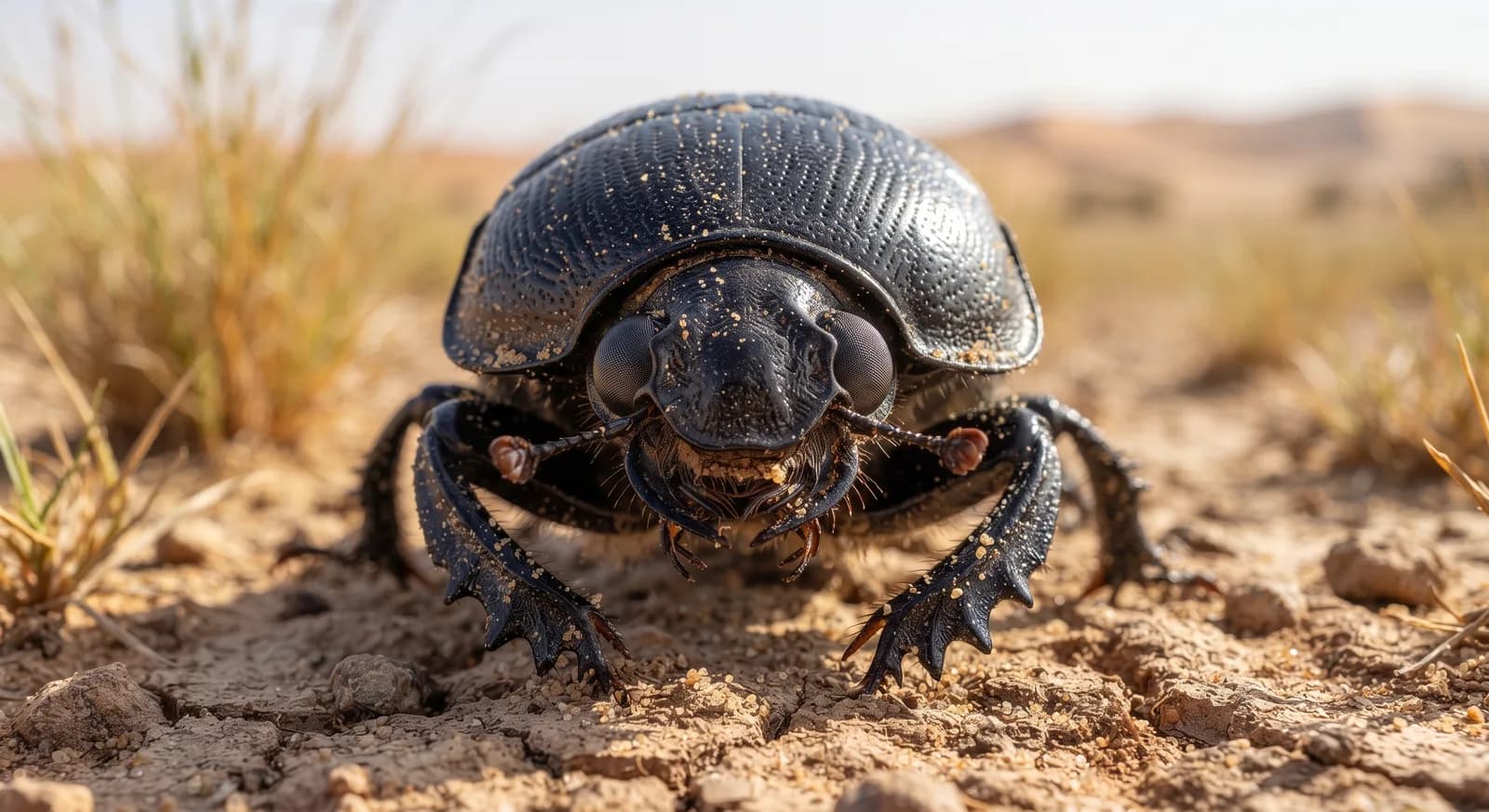
Sacred ScarabNot Evaluated

Sacred Scarab

Scarabaeus sacer

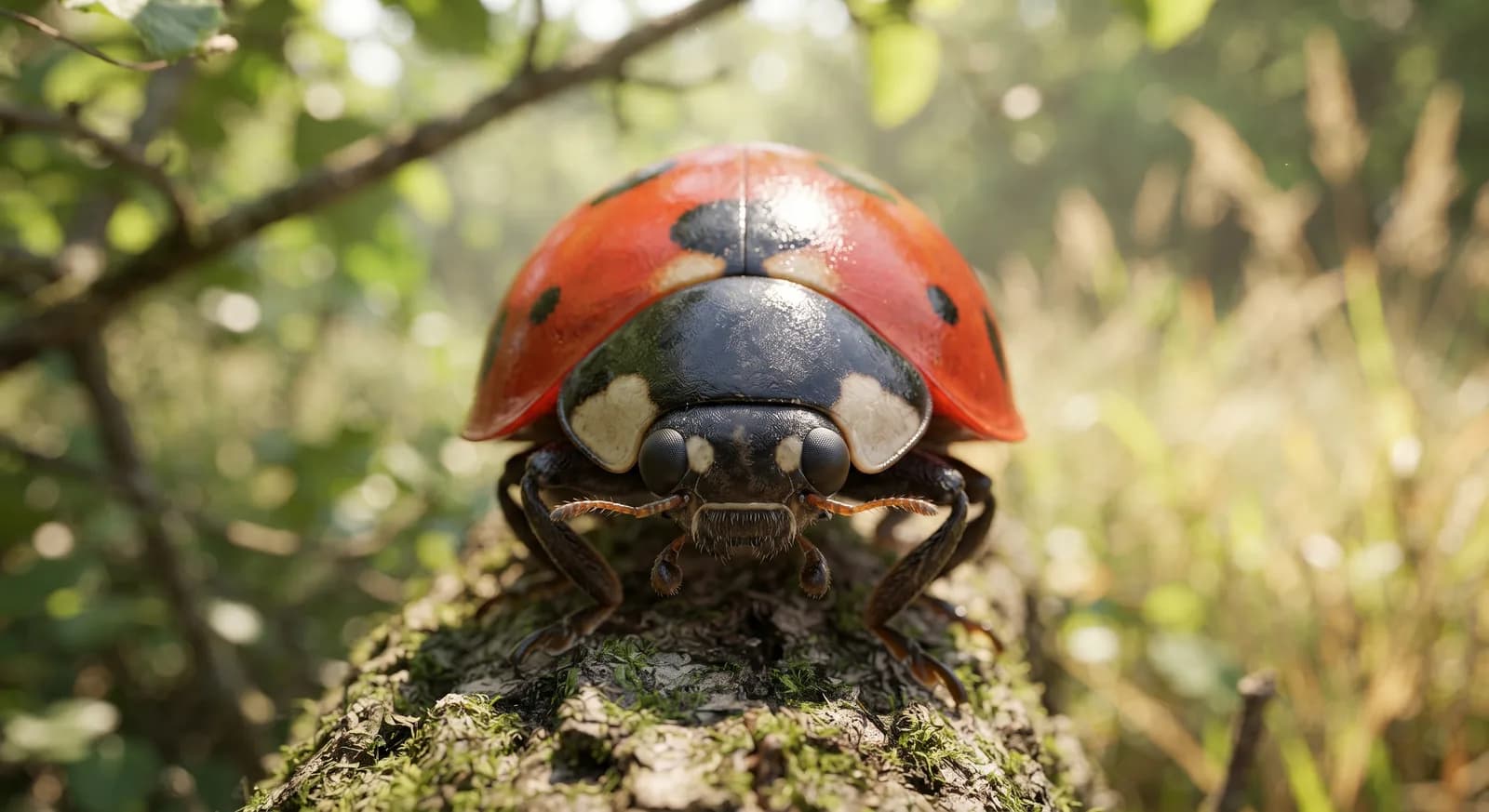
Seven-spotted Lady BeetleNot Evaluated

Seven-spotted Lady Beetle

Coccinella septempunctata

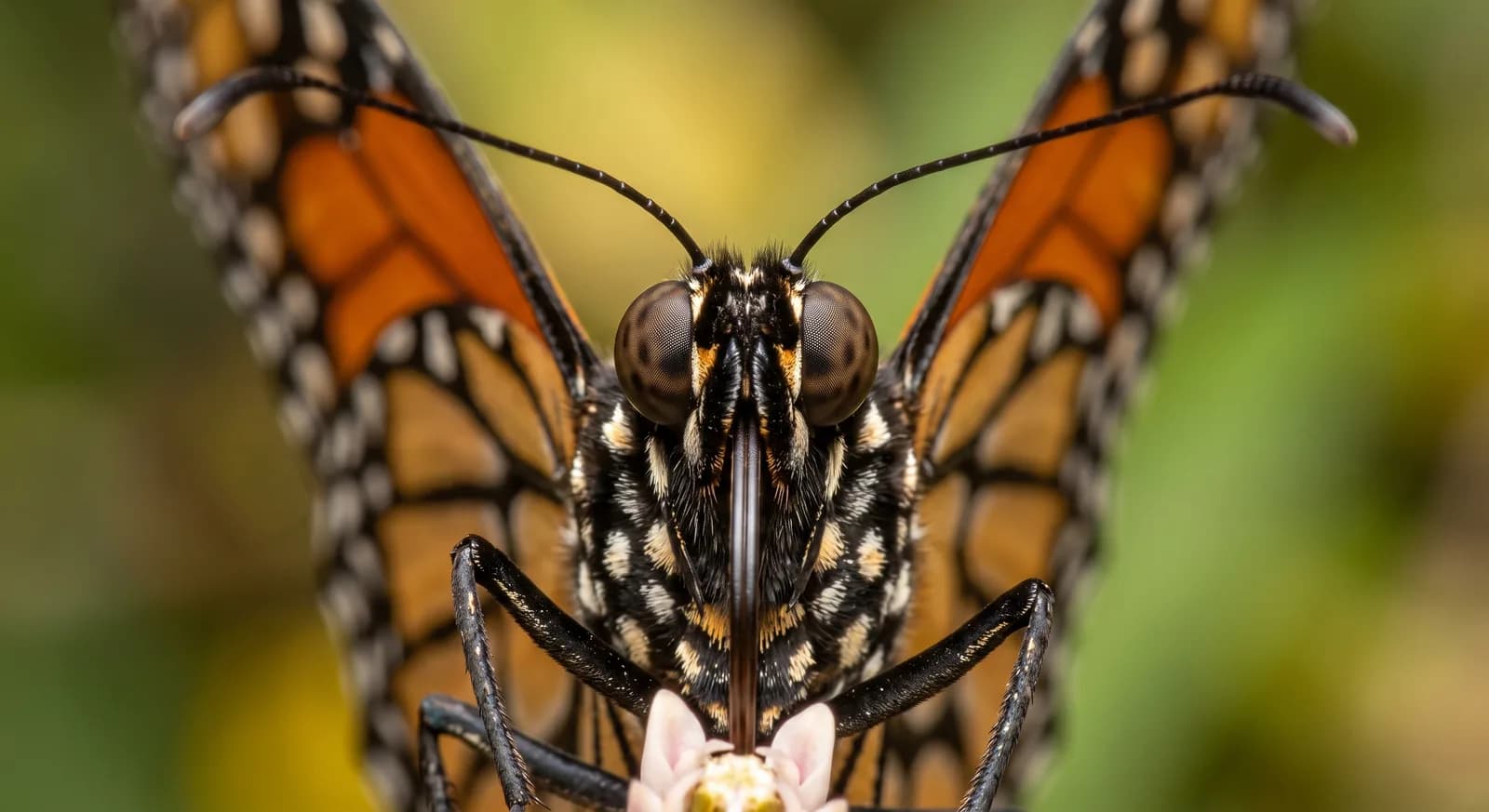
MonarchNot Evaluated

Monarch

Danaus plexippus

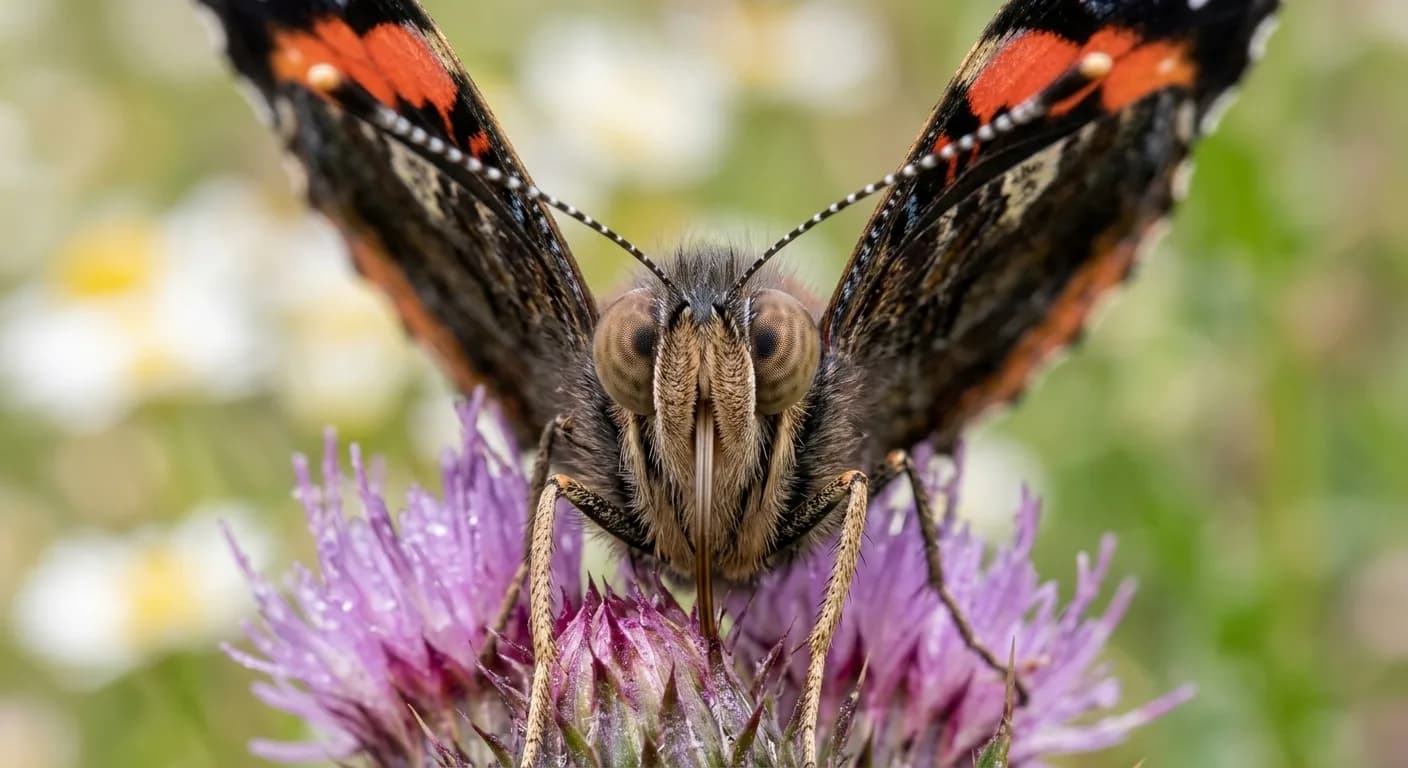
Red AdmiralLeast Concern

Red Admiral

Vanessa atalanta

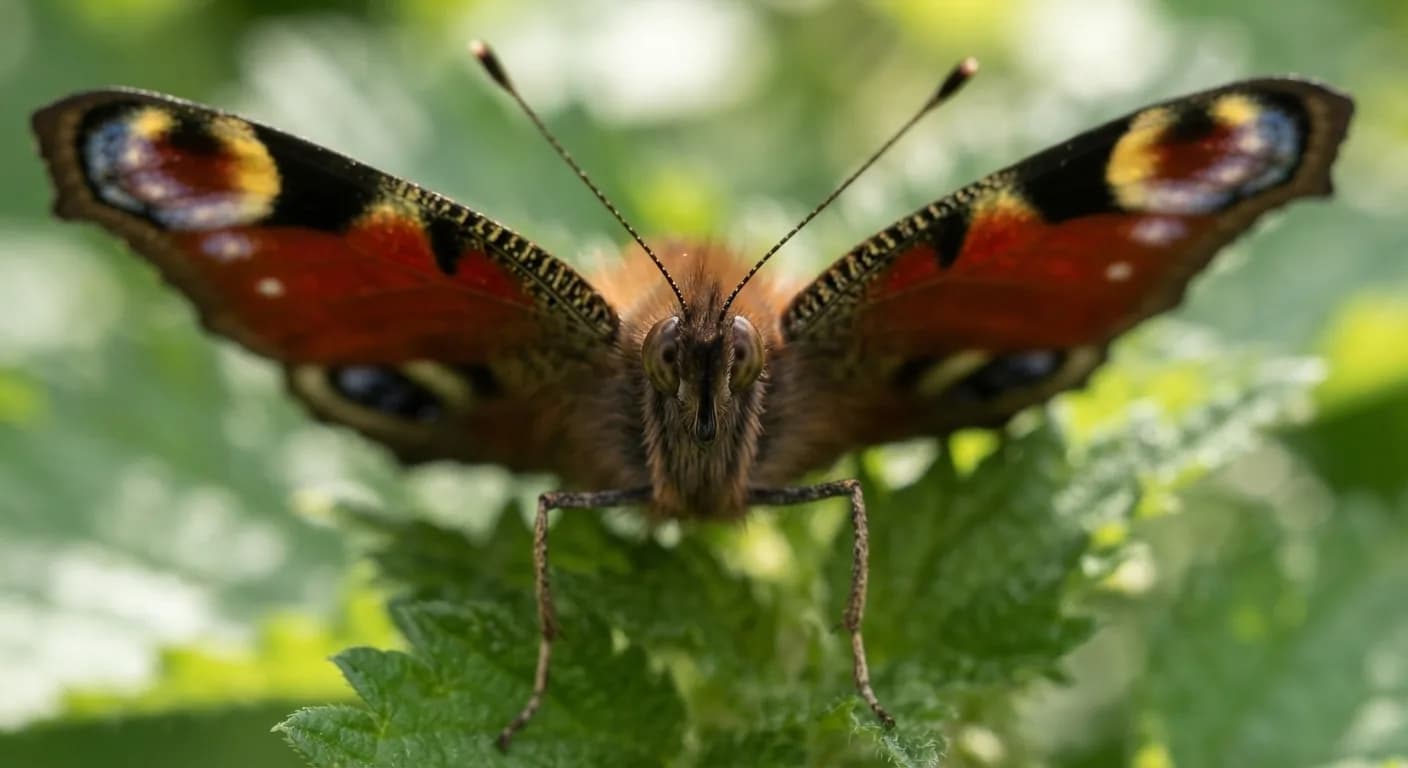
PeacockLeast Concern

Peacock

Aglais io

CountriesCanada
TagsHerbivore
Herbivore
Diurnal
Solitary
Insect
Grassland

Europe6

North America2

Africa1

Canada
France
Germany
Italy
Morocco
Spain
France
Germany
Italy
Spain
Sweden
United Kingdom
Canada
United States
Morocco