Skip to content
WAnimals
  • Map
  • Species
  • Parks
  • Diving
Log inCreate account
WAnimals

The guide for travellers and animal lovers: discover, plan and share your wild adventures around the world.

Discover wildlife

  • Species
  • Ecosystems
  • Glossary
  • Tags

Explore places

  • Map
  • Countries
  • Parks
  • Diving

Plan experiences

  • Guides

Learn

  • Blog

Resources

  • About us
  • How we build our profiles
  • Help centre
  • Contact
  • Install the app

Follow us

Account

  • Log in
  • Create account

© 2026 WAnimals. All rights reserved.

Terms of servicePrivacyCookiesLegal notice
MapSpeciesParksDiving
  1. Home
  2. Species
  3. European Glass Lizard

One of the 2 slow worms on WAnimals

Reptiles · Squamata · Anguidae

European Glass Lizard

Pseudopus apodus

Least Concern

The species is abundant and widely distributed; it faces no significant short-term risk.

Spotted something wrong?

The European glass lizard is a legless lizard that can exceed a metre in length, its body covered in stiff scales and with a lateral groove that lets it expand as it breathes and eats. It is not a snake: it retains movable eyelids, ear openings and vestiges of hind limbs.

Weight

200 g – 500 g

Size

80 cm – 1.4 m

Life expectancy

30 years

Diet

Carnivore

Feeds mainly on other animals.

Activity

Diurnal

Active mainly during the day.

Social structure

Solitary

Lives and hunts alone, joining others only to breed.

Temperate forestMountainGrassland
14countries29parks1same family

Fun facts

  • It is not a snake although it looks like one: it has movable eyelids and can blink, it has external ear openings and it keeps tiny vestiges of hind legs beside the cloaca, three features no snake has.
  • Its body is covered in stiff osteoderms, and a flexible groove along each side lets it expand in order to breathe and to digest large prey, which its armour would otherwise not allow.
  • It eats snails, shell and all, crushing them with blunt teeth and powerful jaws, and it also preys on eggs and rodents.

Life cycle and biology

Skeleton type
Vertebrate - internal bony skeleton (reptile)
Habitat and environment
Dry stony slopes, scrub and forest edges of south-eastern Europe and western Asia
Sexual maturity
2 years
Gestation / incubation
42 days
Litter / clutch size
8

Sources consulted: Wikipedia (es): Pseudopus apodus

Where to find it

Loading map…

The pins mark the parks where its presence is documented.

Where to see it

Parks and dive sites where this species has been documented — showing 10 of 29.

Related species

Other species in the catalogue with the most in common with European Glass Lizard — same habitat, park, country, tags or family.

Same taxonomic family
Shares a park
Shares a park
Shares a park
Shares a park
Shares a park

Keep exploring

Based on what we already know about european glass lizard.
Share an experience, a fun fact or a tip for seeing the european glass lizard.
See full glossary
This page in other languages: Español · Deutsch · Français · Português · Italiano
See its range on the interactive map→
Mount OlympusGreece
Alonissos and the Northern SporadesGreece
Danube DeltaRomania
PrespaGreece
BeydağlarıTürkiye
Dilek YarımadasıTürkiye
Köprülü KanyonTürkiye
ButrintAlbania
Divjakë-KaravastaAlbania
LlogaraAlbania
See all 29 parks
Least Concern

Slow Worm

Anguis fragilis

Least Concern

Least Weasel

Mustela nivalis

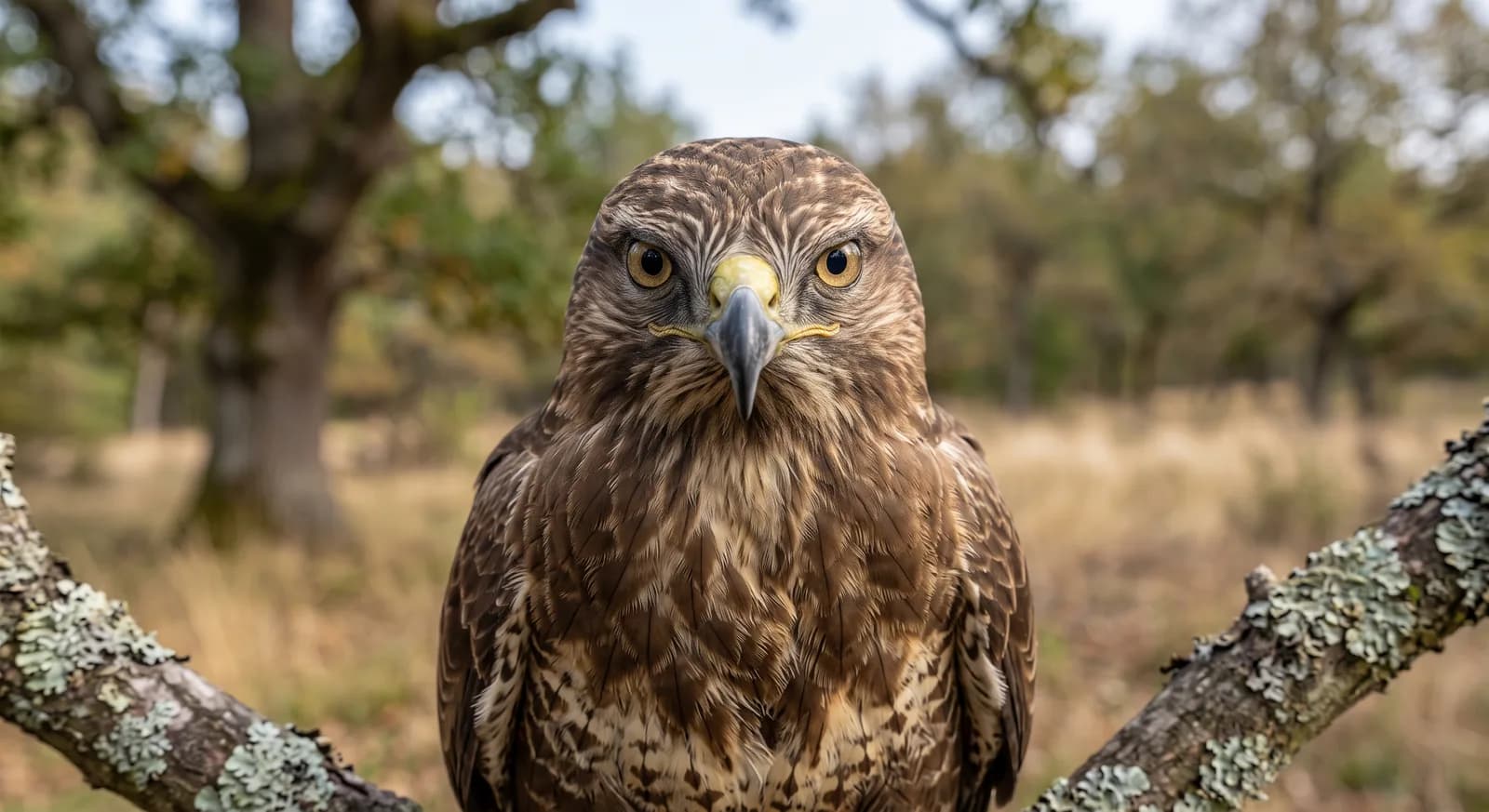
Common BuzzardLeast Concern

Common Buzzard

Buteo buteo

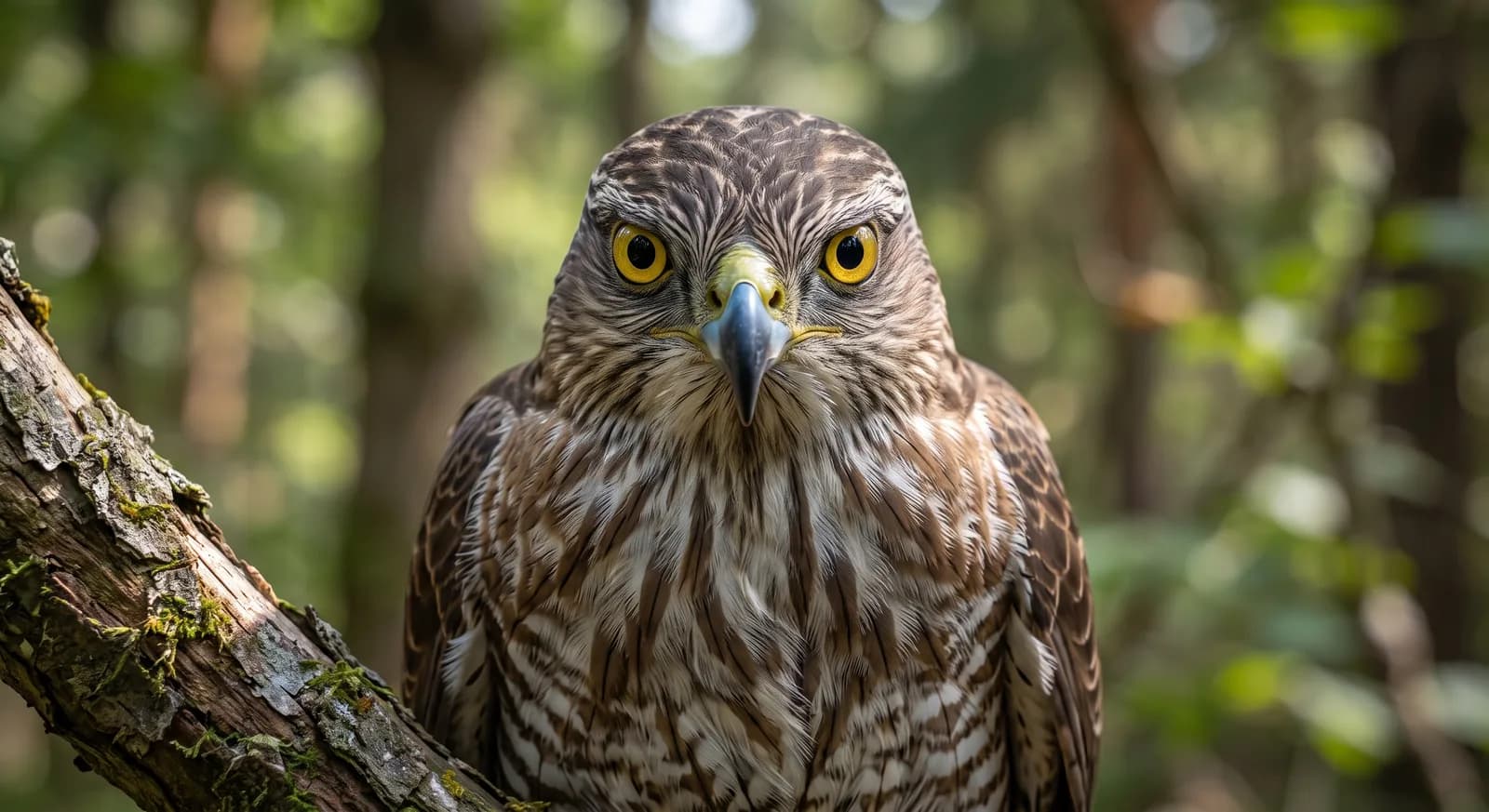
Eurasian SparrowhawkLeast Concern

Eurasian Sparrowhawk

Accipiter nisus

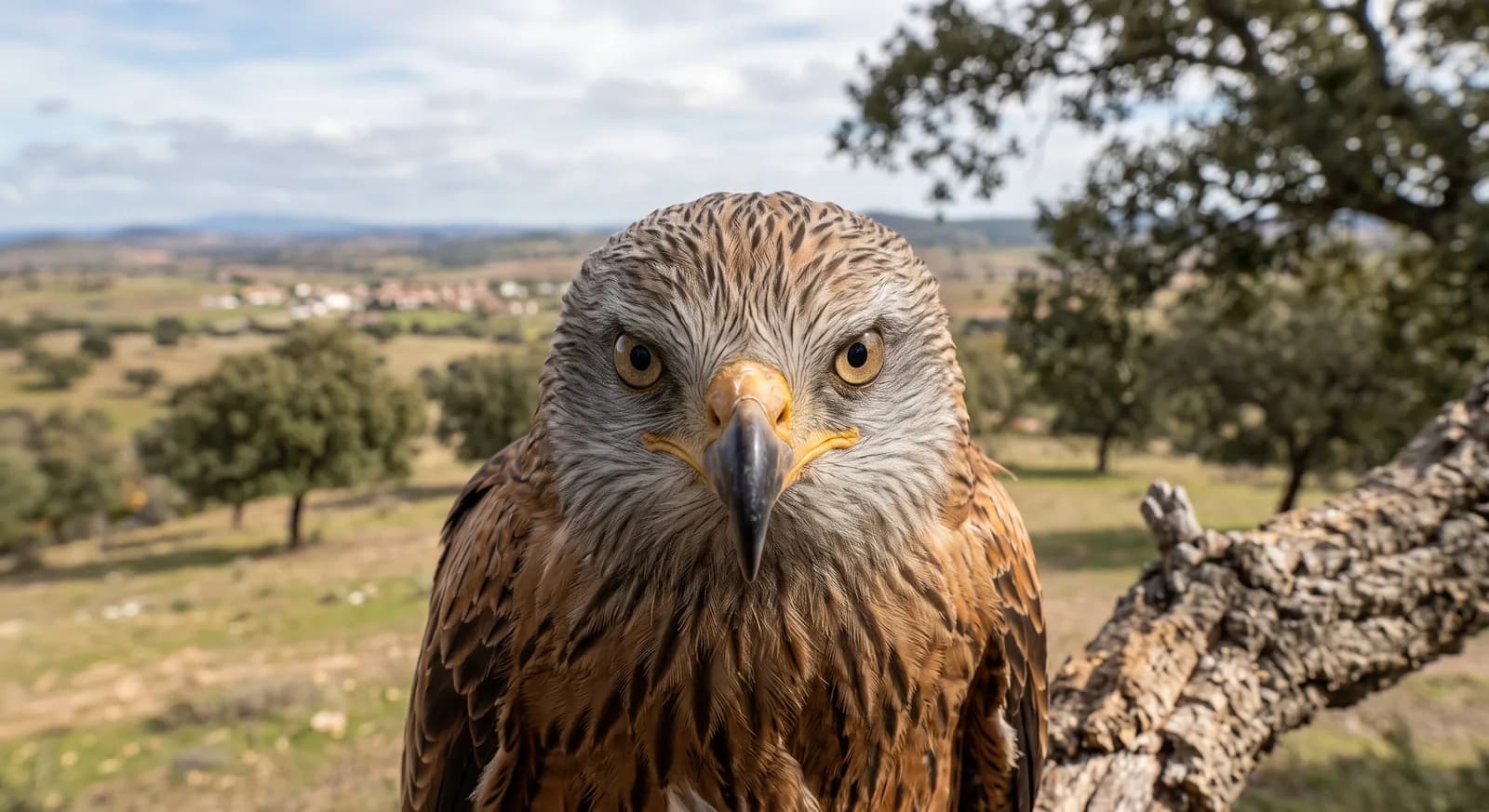
Red KiteLeast Concern

Red Kite

Milvus milvus

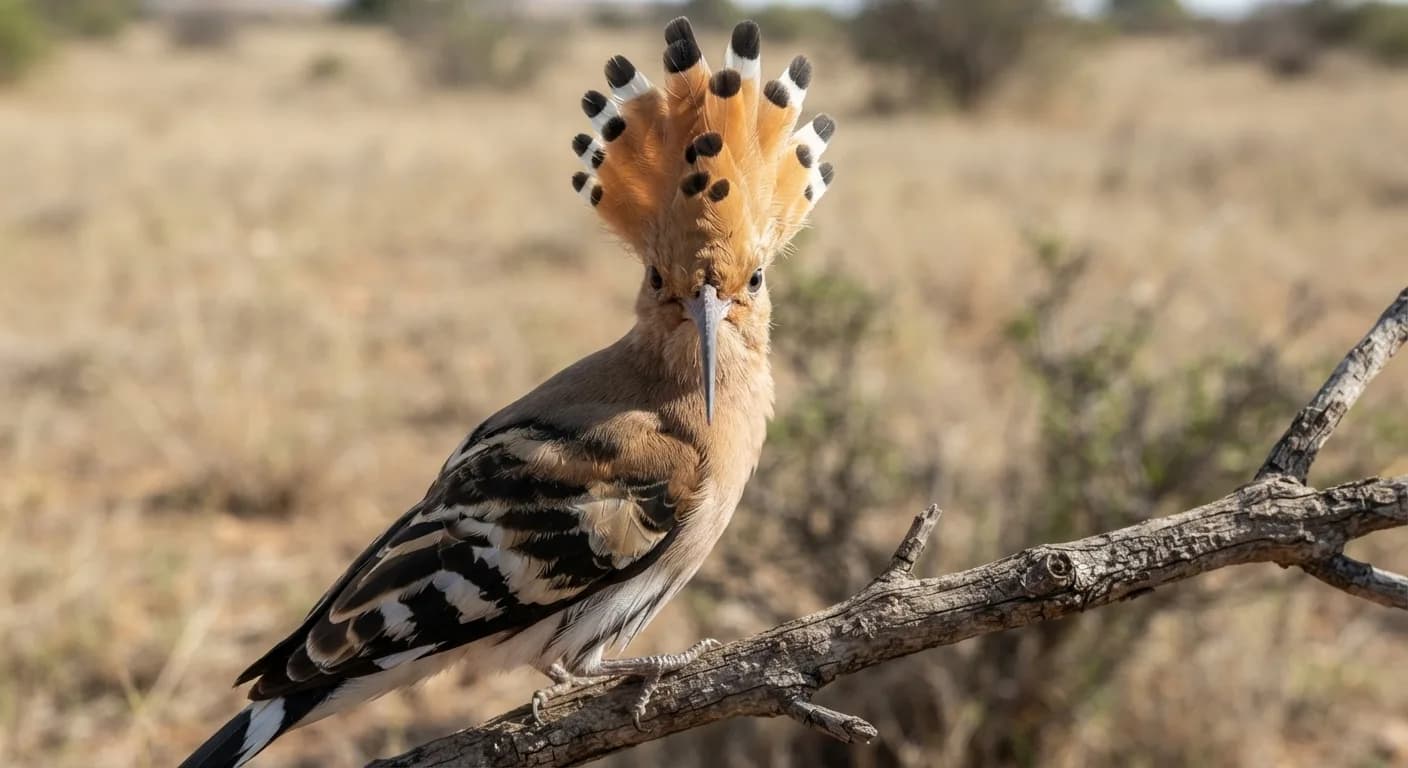
Eurasian HoopoeLeast Concern

Eurasian Hoopoe

Upupa epops

CountriesGreece
ParksMount OlympusGreece
TagsCarnivore
Carnivore
Diurnal
Solitary
Reptile
Temperate forest
Mountain
Grassland

Europe9

Asia5

Greece
Croatia
Albania
Romania
Türkiye
Bulgaria
Albania
Bosnia and Herzegovina
Bulgaria
Croatia
Greece
North Macedonia
Romania
Serbia
Ukraine
Georgia
Iran
Russia
Syria
Türkiye