Skip to content
WAnimals
  • Map
  • Species
  • Parks
  • Diving
Log inCreate account
WAnimals

The guide for travellers and animal lovers: discover, plan and share your wild adventures around the world.

Discover wildlife

  • Species
  • Ecosystems
  • Glossary
  • Tags

Explore places

  • Map
  • Countries
  • Parks
  • Diving

Plan experiences

  • Guides

Learn

  • Blog

Resources

  • Help centre
  • Contact
  • Install the app

Follow us

Account

  • Log in
  • Create account

© 2026 WAnimals. All rights reserved.

About usHow we build our profilesTerms of servicePrivacyLegal notice
MapSpeciesParksDiving
  1. Home
  2. Species
  3. Species groups
  4. Locusts

Species group · Insects

Locusts

WAnimals has 2 species of locust, in the family Acrididae.

2 species
1 family
77 countries
65 parks
Length
3.5 cm – 7.5 cm
Lifespan
1 years

Ranges calculated from the profiles that record the figure, not from all 2.

All 2 species of locusts on WAnimals

Each one has its own full profile. This group does not replace them: it brings them together.
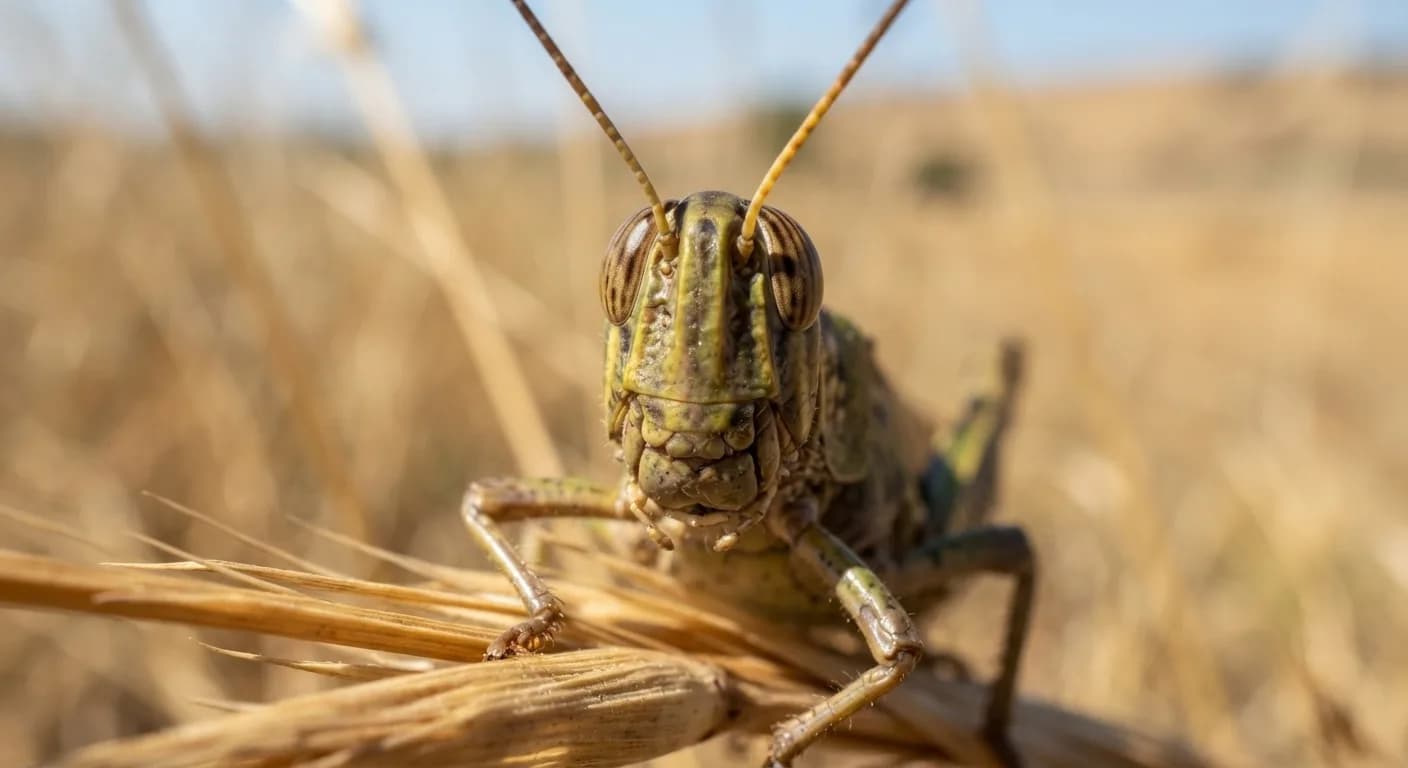
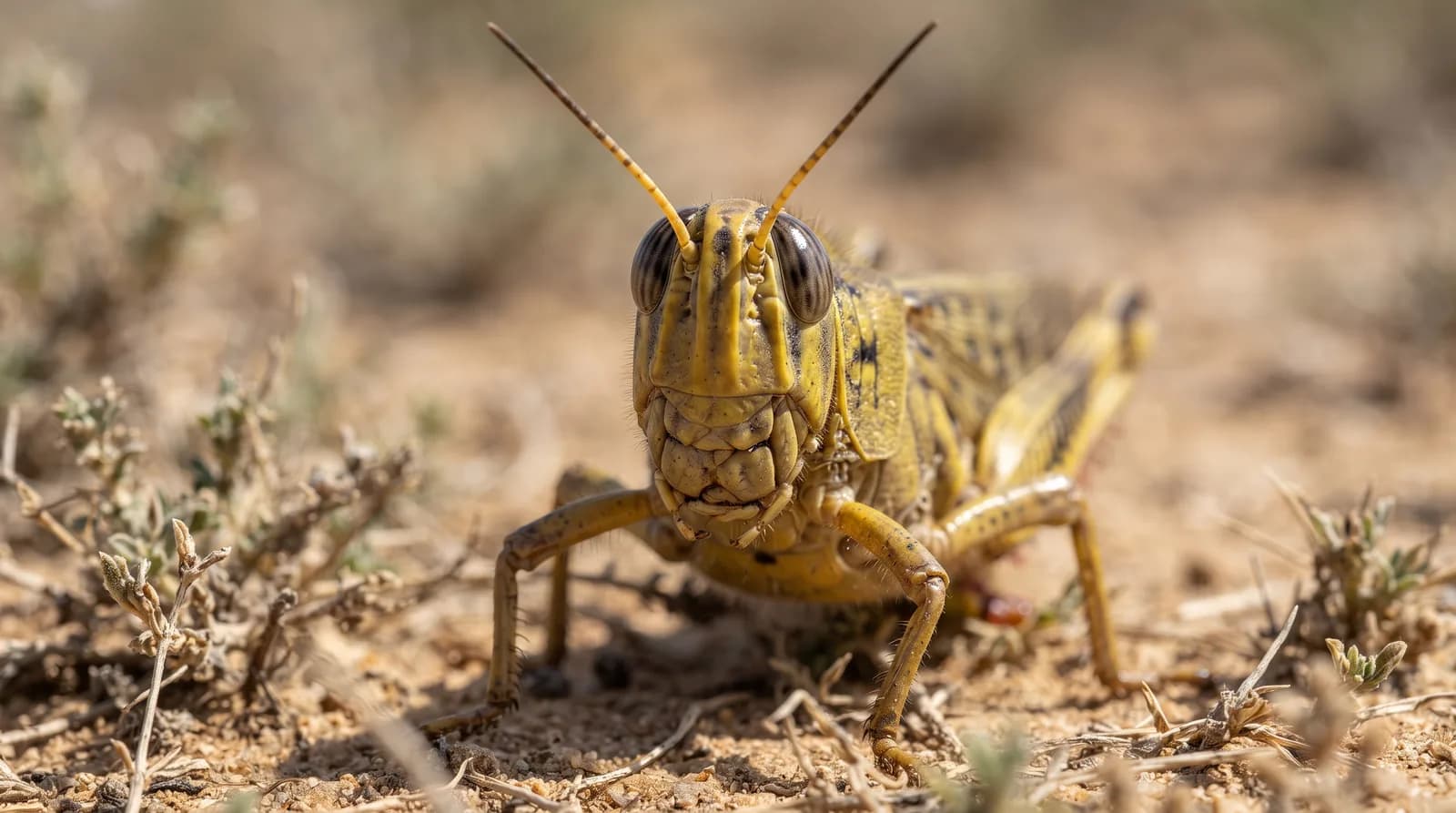
Migratory LocustNot Evaluated

Migratory Locust

Locusta migratoria

56 countries41 parks
Desert LocustNot Evaluated

Desert Locust

Schistocerca gregaria

71 countries29 parks

Conservation status

2 Not Evaluated

No species documented in this group is genuinely at risk according to the IUCN, with the data available today.

Where they live

Recorded in 77 countries. The ones with the most species in the group:

  • Afghanistan2
  • Angola2
  • Benin2
  • Botswana2
  • Burkina Faso2
  • Burundi2
  • Cameroon2
  • Central African Republic2
  • Chad2
  • Côte d’Ivoire2
  • Democratic Republic of the Congo2
  • Djibouti2
  • Equatorial Guinea2
  • Eritrea2
  • Eswatini2
  • Ethiopia2
  • Gabon2
  • Gambia2
  • Ghana2
  • Guinea2
  • Guinea-Bissau2
  • Iran2
  • Kenya2
  • Lesotho2

Where to see them

  • Aïr and Ténéré Natural Reserves2 species
  • Ennedi Massif2 species
  • Lakes of Ounianga2 species
  • Waza2 species
  • Zakouma2 species
  • Ahaggar1 species
  • Akagera1 species
  • Amboseli1 species
  • Arly1 species
  • Awash1 species
  • Badhyz Nature Reserve1 species
  • Banc d'Arguin1 species

Did you know…?

  • The switch to the gregarious phase is triggered by crowding and mediated by a release of serotonin in its nervous system.

    From Migratory Locust

  • Its migrating swarms can travel more than 130 km in a single day on the prevailing winds.

    From Migratory Locust

  • It eats grasses, cereal crops and practically any vegetation available once it swarms.

    From Migratory Locust

  • The switch from the solitary to the gregarious phase is triggered by repeated physical contact on the hind legs, which sets off a surge of serotonin in the nervous system and completely changes the animal's behaviour within hours.

    From Desert Locust

  • A swarm can cover hundreds of square kilometres, travel more than a hundred kilometres a day and eat as much food in one day as tens of thousands of people.

    From Desert Locust

  • Its plagues are described in texts more than three thousand years old and still cause food emergencies in the Horn of Africa.

    From Desert Locust

Ecosystems

  • Desert1
  • Grassland1
  • Savanna1

See every species group · Explore the species one by one

This page in other languages: Español · Deutsch · Français · Português · Italiano