Skip to content
WAnimals
  • Map
  • Species
  • Parks
  • Diving
Log inCreate account
WAnimals

The guide for travellers and animal lovers: discover, plan and share your wild adventures around the world.

Discover wildlife

  • Species
  • Ecosystems
  • Glossary
  • Tags

Explore places

  • Map
  • Countries
  • Parks
  • Diving

Plan experiences

  • Guides

Learn

  • Blog

Resources

  • About us
  • How we build our profiles
  • Help centre
  • Contact
  • Install the app

Follow us

Account

  • Log in
  • Create account

© 2026 WAnimals. All rights reserved.

Terms of servicePrivacyCookiesLegal notice
MapSpeciesParksDiving
  1. Home
  2. Species
  3. Homberg's Plumed Nudibranch

One of the 4 nudibranchs on WAnimals

Gastropods · Nudibranchia · Tritoniidae

Homberg's Plumed Nudibranch

Tritonia hombergii

Not Evaluated

It has not yet been assessed against the IUCN criteria.

Spotted something wrong?

The largest nudibranch of the north-eastern Atlantic, pink to brown and with rows of branched appendages along its sides. It feeds almost exclusively on the octocoral Alcyonium digitatum, known as dead man's fingers, on which it spends much of its life.

Size

5 cm – 20 cm

Life expectancy

1 year

Diet

Carnivore

Feeds mainly on other animals.

Social structure

Solitary

Lives and hunts alone, joining others only to breed.

Ocean
13countries22parks

Fun facts

  • The adults camouflage themselves by taking on the shade of the soft coral colony they live on and feed from.
  • The largest individuals exceed 20 cm, an extraordinary size for a cold-water nudibranch.
  • It is the largest nudibranch in the British Isles: it reaches 20 cm.
  • It eats almost nothing but the polyps of the soft coral known as dead man's fingers. When it arrives, the coral retracts all its polyps in an attempt to protect itself.
  • As a juvenile it is white and blends perfectly into the coral; as it grows it darkens and hides in crevices and beneath overhangs.
  • Its juveniles were long considered a separate species, Tritonia alba, partly because the radula changes shape as the animal grows.
  • The tubercles on its back secrete an irritant compound: handling it can raise blisters on the skin, which is exceptional among nudibranchs.
  • Despite its size, its life cycle is annual.

Life cycle and biology

Skeleton type
Invertebrate - no rigid skeleton (mollusc)
Habitat and environment
Rocky bottoms of the north-eastern Atlantic with octocoral colonies
Litter / clutch size
Thousands of eggs in a coiled ribbon

Sources consulted: Cuvier (1803) · Thompson y Brown (1984), Biology of Opisthobranch Molluscs · Marine Life Information Network · anatomia de Gastropoda

Where to find it

Loading map…

The pins mark the parks where its presence is documented.

Where to see it

Parks and dive sites where this species has been documented — showing 10 of 22.

Related species

Other species in the catalogue with the most in common with Homberg's Plumed Nudibranch — same habitat, park, country, tags or family.

Shares a park
Shares a park
Shares a park
Shares a park
Shares a park
Shares a park

Keep exploring

Based on what we already know about homberg's plumed nudibranch.
Share an experience, a fun fact or a tip for seeing the homberg's plumed nudibranch.
See full glossary
This page in other languages: Español · Deutsch · Français · Português · Italiano
See its range on the interactive map→
Wadden Sea National ParkDenmark
Wadden SeaGermany
Pembrokeshire CoastUnited Kingdom
NorthumberlandUnited Kingdom
Cíes IslandsSpain
Ria FormosaPortugal
KosterhavetSweden
UrdaibaiSpain
ArrábidaPortugal
MadeiraPortugal
See all 22 parks
Not Evaluated

Purple Dye Murex

Bolinus brandaris

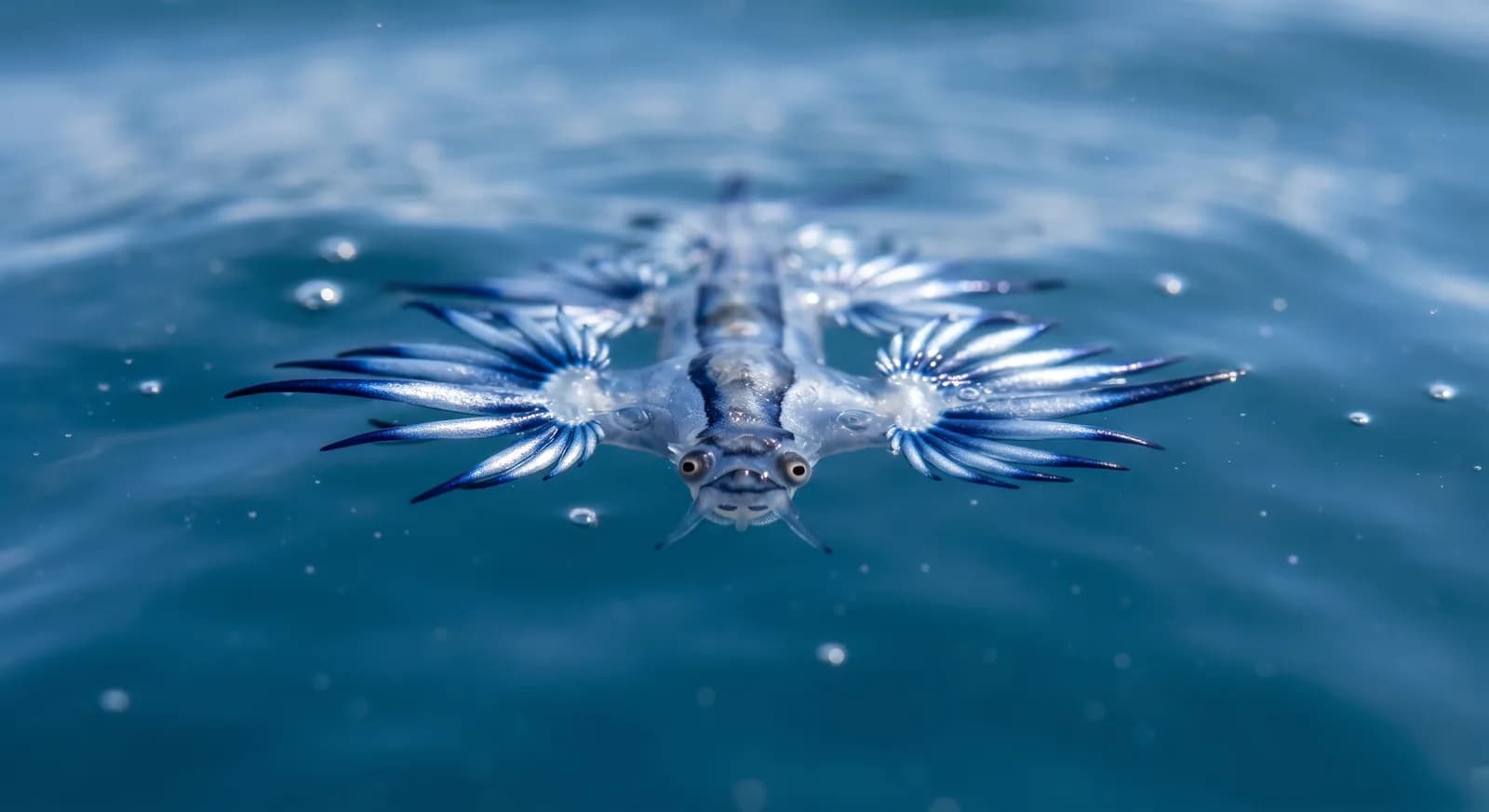
Blue GlaucusNot Evaluated

Blue Glaucus

Glaucus atlanticus

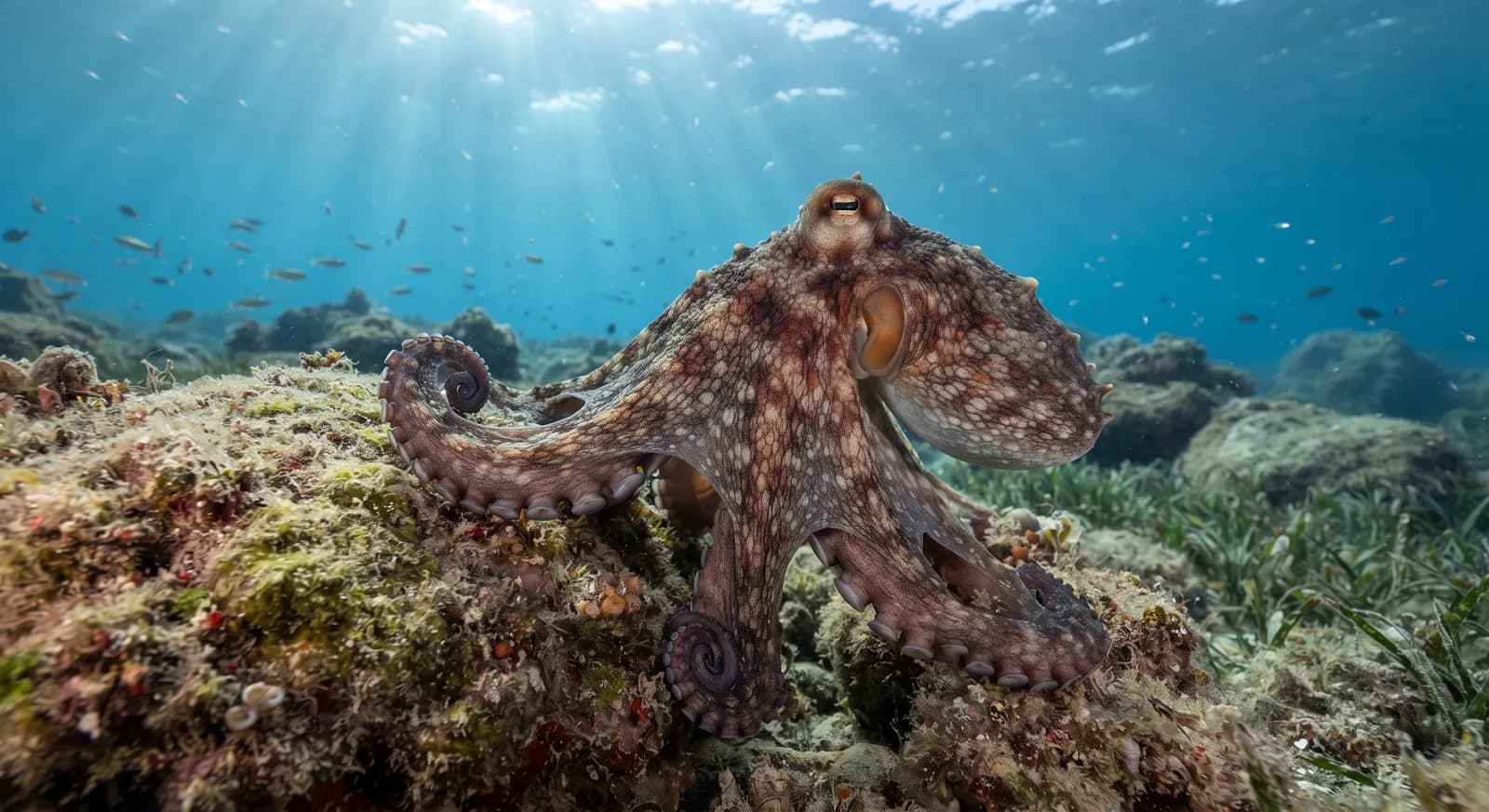
Common OctopusNot Evaluated

Common Octopus

Octopus vulgaris

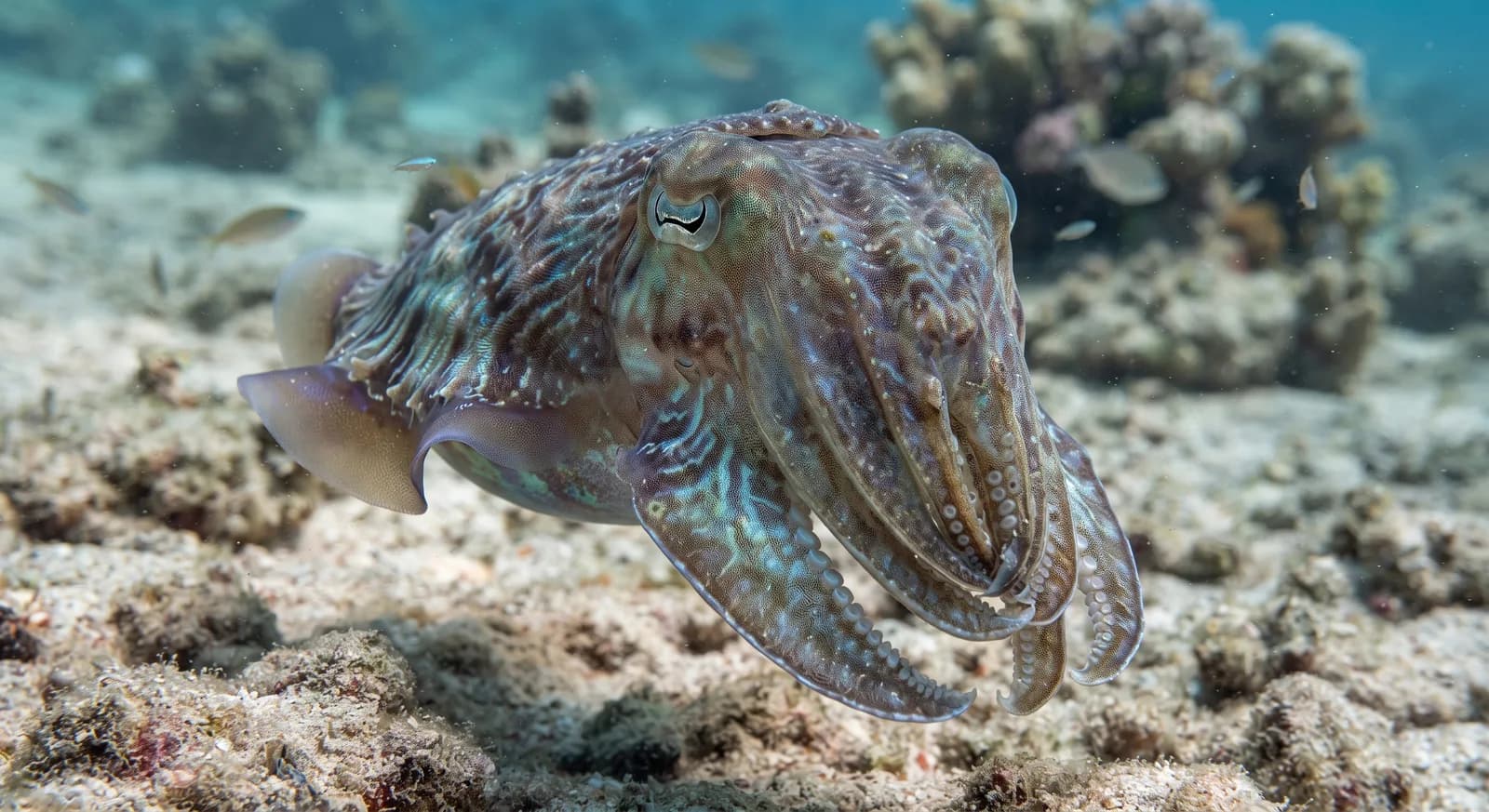
Common CuttlefishNot Evaluated

Common Cuttlefish

Sepia officinalis

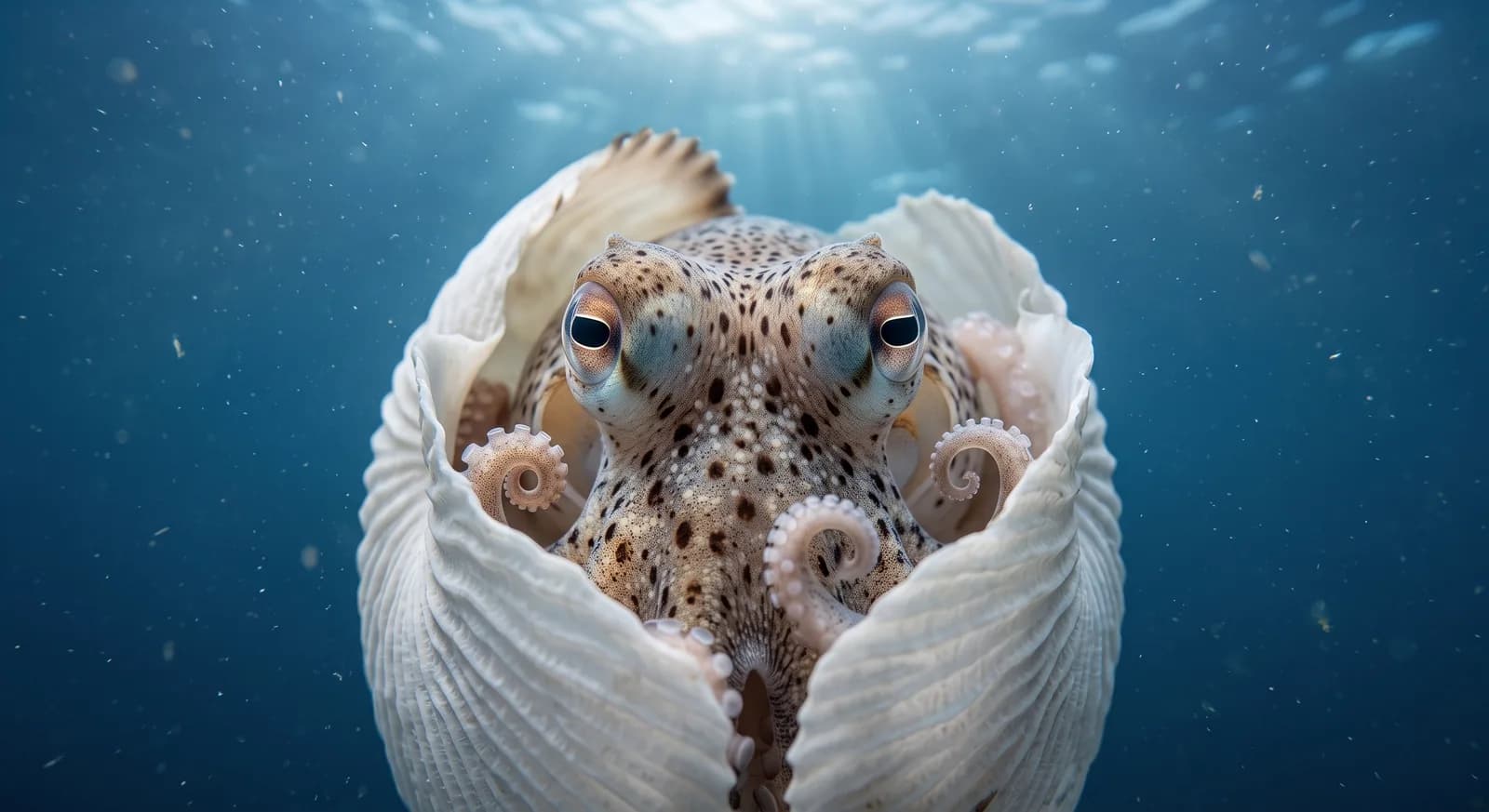
Greater ArgonautLeast Concern

Greater Argonaut

Argonauta argo

Not Evaluated

Slender Facelina

Facelina auriculata

CountriesUnited Kingdom
ParksWadden Sea National ParkDenmark
TagsCarnivore
Carnivore
Solitary
Ocean
Mollusc

Europe12

Africa1

United Kingdom
Portugal
Denmark
Germany
Ireland
Netherlands
Belgium
Denmark
France
Germany
Iceland
Ireland
Netherlands
Norway
Portugal
Spain
Sweden
United Kingdom
Morocco