Skip to content
WAnimals
  • Map
  • Species
  • Parks
  • Diving
Log inCreate account
WAnimals

The guide for travellers and animal lovers: discover, plan and share your wild adventures around the world.

Discover wildlife

  • Species
  • Ecosystems
  • Glossary
  • Tags

Explore places

  • Map
  • Countries
  • Parks
  • Diving

Plan experiences

  • Guides

Learn

  • Blog

Resources

  • About us
  • How we build our profiles
  • Help centre
  • Contact
  • Install the app

Follow us

Account

  • Log in
  • Create account

© 2026 WAnimals. All rights reserved.

Terms of servicePrivacyCookiesLegal notice
MapSpeciesParksDiving
  1. Home
  2. Species
  3. Slender Facelina

One of the 4 nudibranchs on WAnimals

Gastropods · Nudibranchia · Facelinidae

Slender Facelina

Facelina auriculata

Not Evaluated

It has not yet been assessed against the IUCN criteria.

Spotted something wrong?

Facelina auriculata is a species similar to Cratena peregrina in general body shape and size. It is told apart from it because the rhinophores are lamellate, with the lamellae arranged in rings. The upper part of the antenna is white and the numerous dorsal projections are dark brown, with a longitudinal white stripe. The body is almost colourless, with blue reflections and a fine white line down the middle of the back.

Size

up to 3.8 cm

Diet

Carnivore

Feeds mainly on other animals.

Social structure

Solitary

Lives and hunts alone, joining others only to breed.

Ocean
14countries35parks

Fun facts

  • It digests hydroids without setting off their stinging cells and moves them intact to the tips of its cerata, where it uses them for its own defence.
  • The ringed rhinophores on its head serve to track its prey by chemical scent.
  • It steals its prey's weapons. It eats hydrozoans and, instead of digesting their stinging cells, keeps them intact and moves them into sacs called cnidosacs, at the tips of the cerata on its back.
  • From there it can fire them again at an attacker as though they were its own. The phenomenon is known as kleptocnidae.
  • So that it can collect them without poisoning itself, the front part of its gut is lined with chitin, which deflects the stings.
  • The cerata are not just an armoury: they also serve for breathing, taking up oxygen across their surface.
  • It has been suggested that some nudibranchs eat hydrozoans precisely to keep their cnidosacs loaded, rather than for food.

Life cycle and biology

Skeleton type
Invertebrate - no rigid skeleton (mollusc)
Habitat and environment
Rocky bottoms with hydroids of the north-eastern Atlantic and the Mediterranean

Sources consulted: Wikipedia (es): Facelina auriculata · anatomia de Gastropoda

Where to find it

Loading map…

Where to see it

Parks and dive sites where this species has been documented — showing 10 of 35.

Related species

Other species in the catalogue with the most in common with Slender Facelina — same habitat, park, country, tags or family.

Shares a park
Shares a park
Shares a park
Shares a park
Shares a park
Shares a park

Keep exploring

Based on what we already know about slender facelina.

Share an experience, a fun fact or a tip for seeing the slender facelina.
See full glossary
This page in other languages: Español · Deutsch · Français · Português · Italiano

The pins mark the parks where its presence is documented.
See its range on the interactive map→
CalanquesFrance
Cinque TerreItaly
Wadden Sea National ParkDenmark
Wadden SeaGermany
Port-CrosFrance
Pembrokeshire CoastUnited Kingdom
NorthumberlandUnited Kingdom
Cabrera ArchipelagoSpain
Ebro DeltaSpain
Cíes IslandsSpain
See all 35 parks
Not Evaluated

Murex

Bolinus brandaris

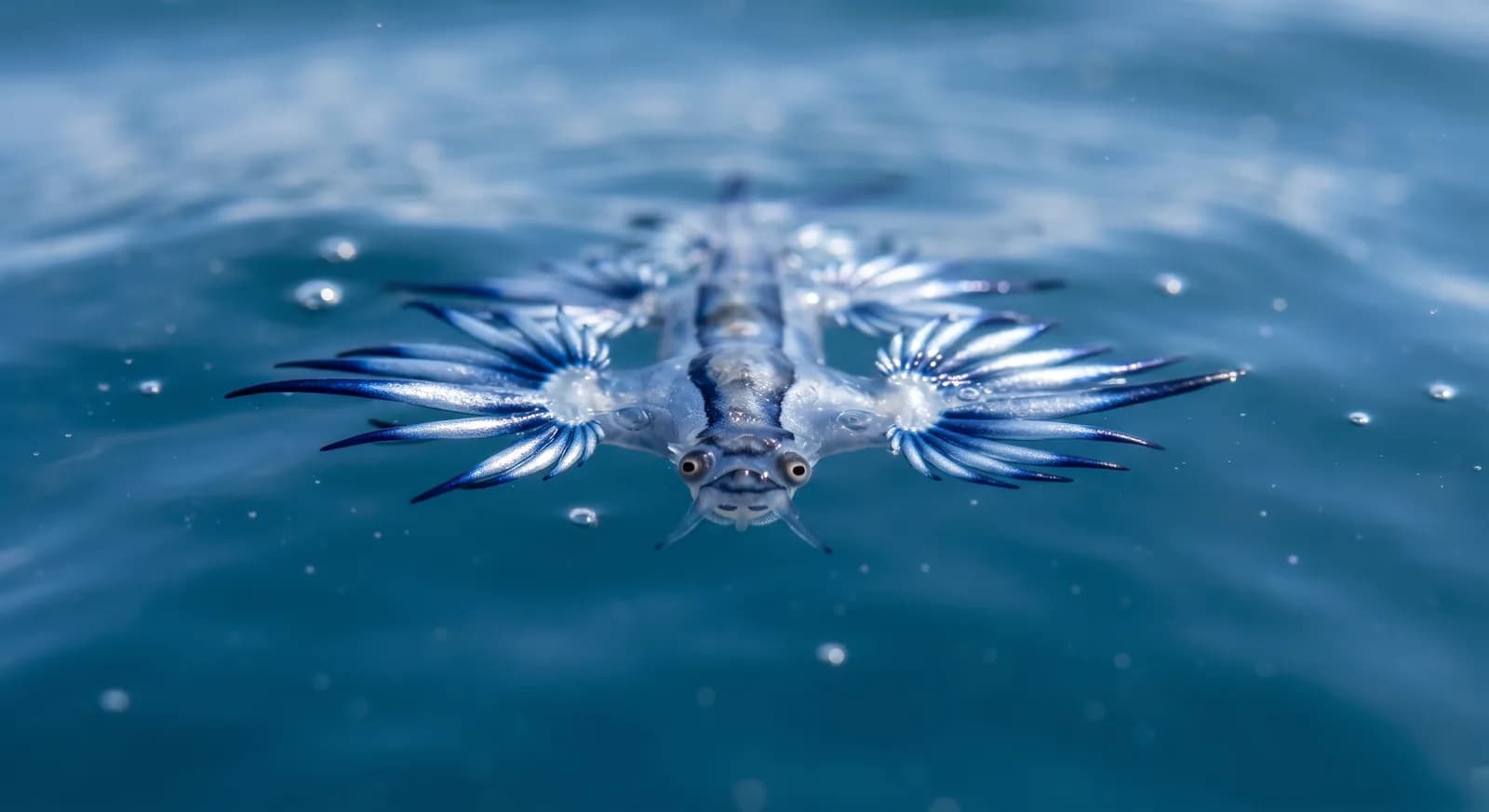
Blue GlaucusNot Evaluated

Blue Glaucus

Glaucus atlanticus

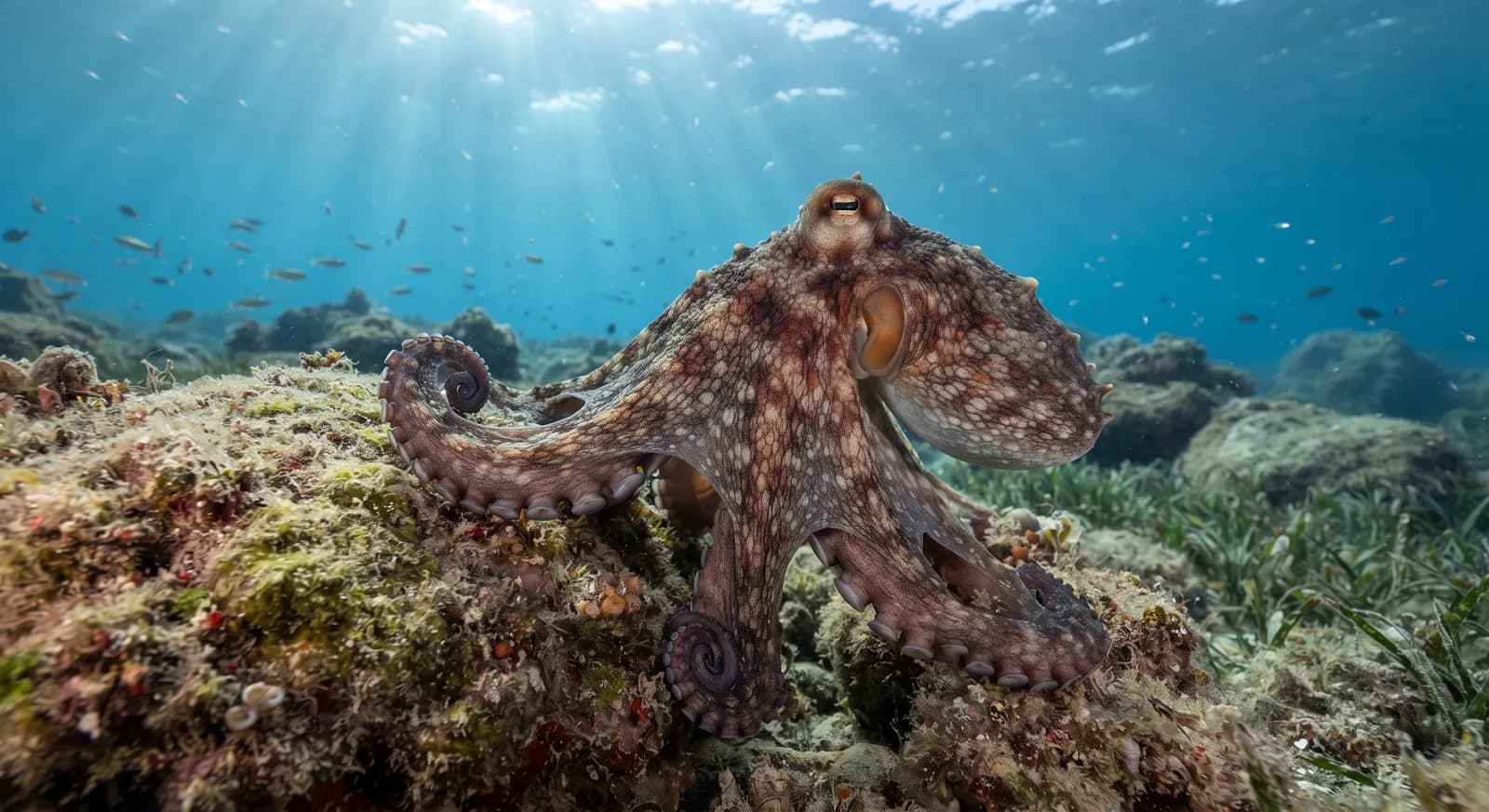
Common OctopusNot Evaluated

Common Octopus

Octopus vulgaris

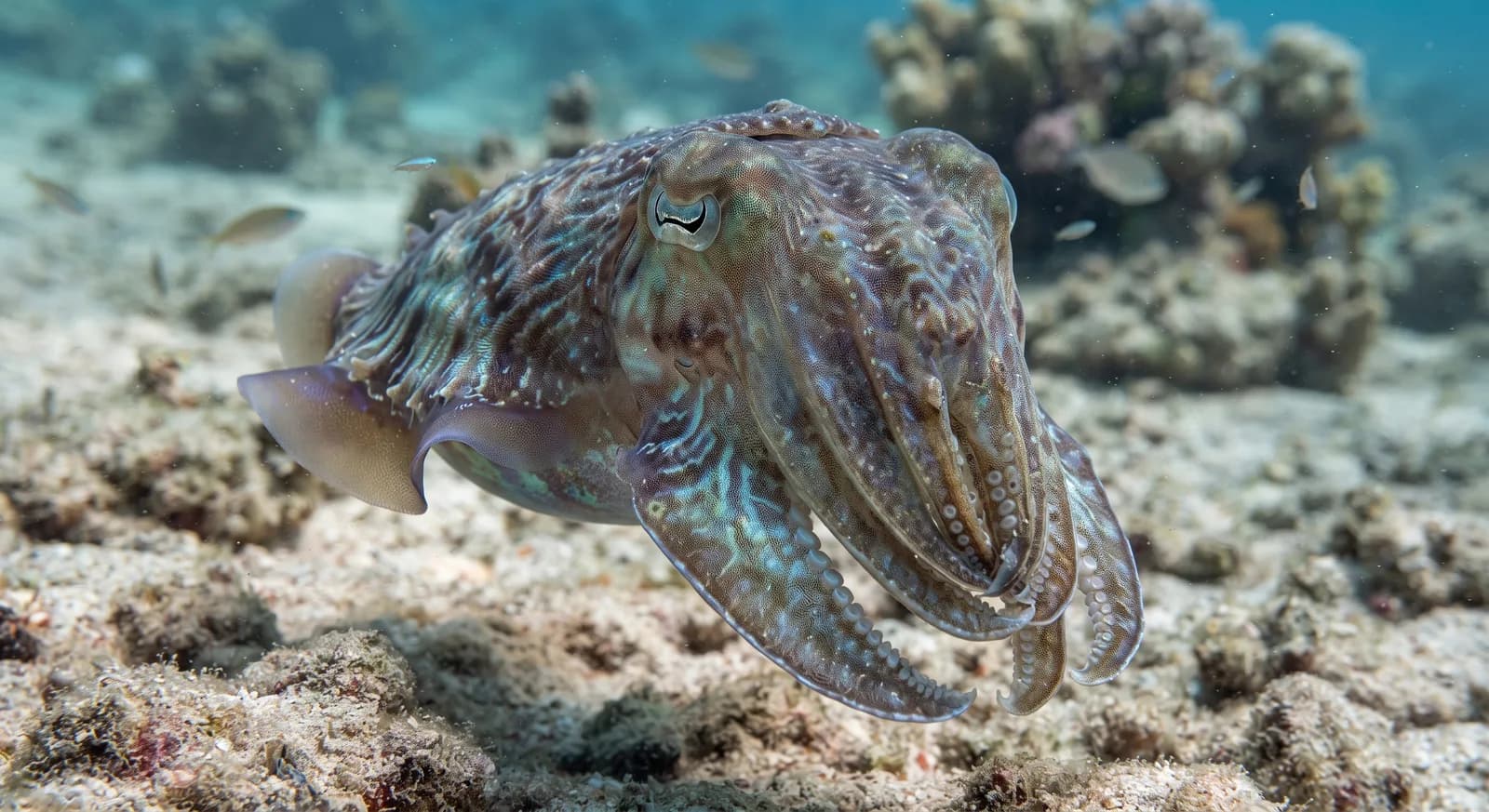
Common CuttlefishNot Evaluated

Common Cuttlefish

Sepia officinalis

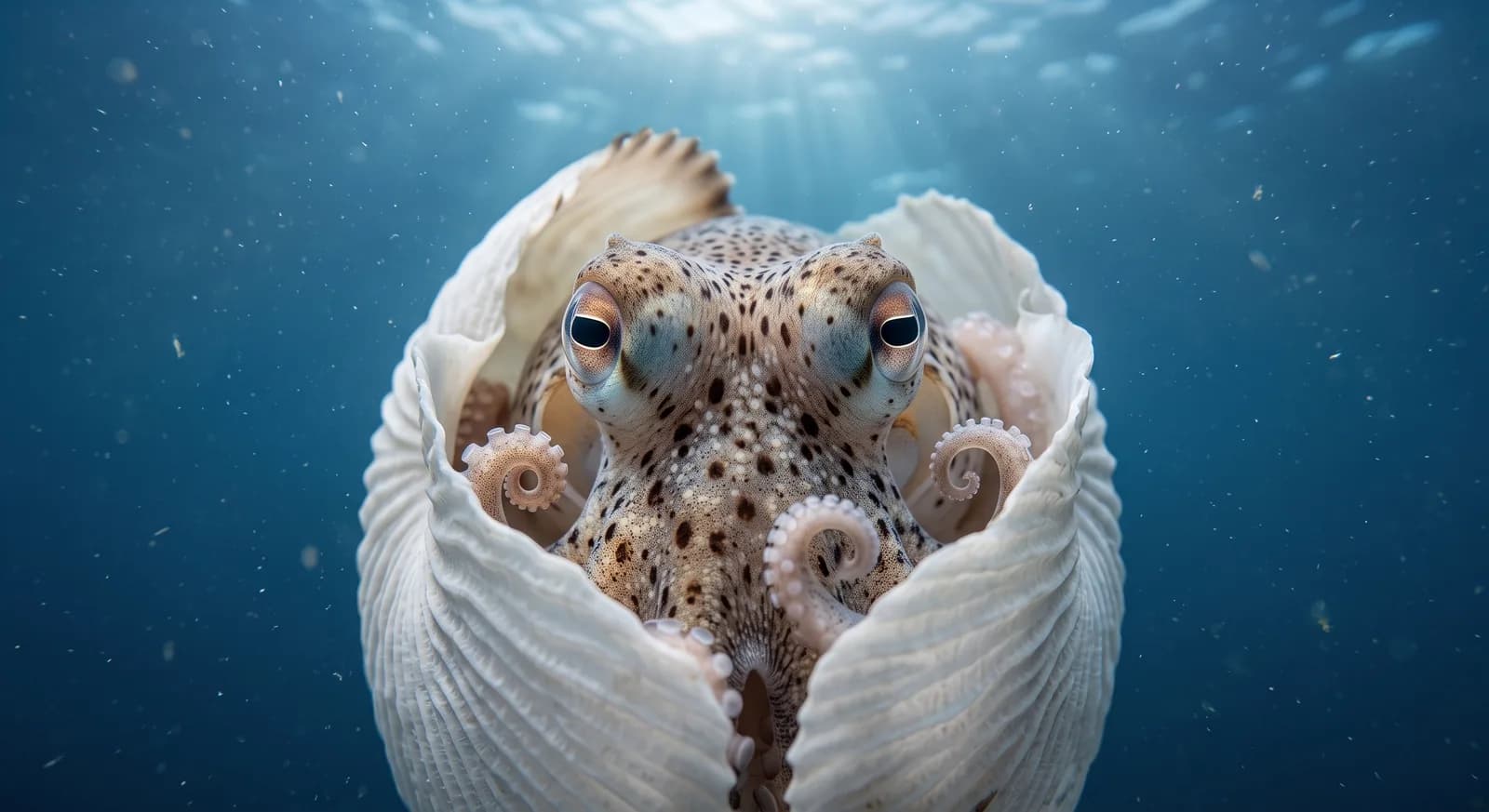
Greater ArgonautLeast Concern

Greater Argonaut

Argonauta argo

Not Evaluated

Homberg's Plumed Nudibranch

Tritonia hombergii

CountriesItaly
ParksCalanquesFrance
TagsCarnivore
Carnivore
Solitary
Ocean
Mollusc

Europe13

Africa1

Italy
Spain
United Kingdom
Portugal
Denmark
France
Belgium
Denmark
France
Germany
Iceland
Ireland
Italy
Netherlands
Norway
Portugal
Spain
Sweden
United Kingdom
Morocco