Skip to content
WAnimals
  • Map
  • Species
  • Parks
  • Diving
Log inCreate account
WAnimals

The guide for travellers and animal lovers: discover, plan and share your wild adventures around the world.

Discover wildlife

  • Species
  • Ecosystems
  • Glossary
  • Tags

Explore places

  • Map
  • Countries
  • Parks
  • Diving

Plan experiences

  • Guides

Learn

  • Blog

Resources

  • About us
  • How we build our profiles
  • Help centre
  • Contact
  • Install the app

Follow us

Account

  • Log in
  • Create account

© 2026 WAnimals. All rights reserved.

Terms of servicePrivacyCookiesLegal notice
MapSpeciesParksDiving
  1. Home
  2. Species
  3. Mata Mata

Reptiles · Testudines · Chelidae

Mata Mata

Chelus fimbriata

Least Concern

The species is abundant and widely distributed; it faces no significant short-term risk.

Spotted something wrong?

The mata mata is one of the strangest turtles in the world: a rough shell bristling with ridges, a triangular, flattened head covered in flaps of skin, and a broad, flexible neck that makes it look like submerged leaf litter. It does not chase its prey: it stays motionless on the bottom and swallows them by suction, opening its mouth all at once and creating a vacuum that drags the fish in.

Weight

10 kg – 17 kg

Size

40 cm – 53 cm

Life expectancy

40 years

Diet

Carnivore

Feeds mainly on other animals.

Activity

Nocturnal

Active mainly at night.

Social structure

Solitary

Lives and hunts alone, joining others only to breed.

RainforestFreshwater
12countries27parks2same family

Fun facts

  • It neither chews nor bites: it opens its mouth all at once, expanding its throat, and generates a suction so abrupt that the fish is dragged in with the water in a fraction of a second; it then pushes the water out through the sides.
  • Its camouflage is total: the flaps of skin on its head and neck mimic rotting leaves, and the algae growing on its shell make it indistinguishable from the bottom.
  • Its snout ends in a narrow tube that it uses as a snorkel: it can breathe without moving the rest of its body, staying submerged and motionless for hours.

Life cycle and biology

Skeleton type
Vertebrate - internal bony skeleton with a shell (reptile)
Habitat and environment
Slow, murky water, igapó flooded forest, rainforest streams and swamps of Amazonia and the Orinoco
Sexual maturity
5 years
Gestation / incubation
200 days of incubation
Litter / clutch size
20 eggs

Sources consulted: Wikipedia (es): Chelus fimbriata

Where to find it

Loading map…

The pins mark the parks where its presence is documented.

Where to see it

Parks and dive sites where this species has been documented — showing 10 of 27.

Related species

Other species in the catalogue with the most in common with Mata Mata — same habitat, park, country, tags or family.

Same taxonomic family
Shares a park
Shares a park
Shares a park
Shares a park
Shares a park

Keep exploring

Based on what we already know about mata mata.
Share an experience, a fun fact or a tip for seeing the mata mata.
See full glossary
This page in other languages: Español · Deutsch · Français · Português · Italiano
See its range on the interactive map→
ManuPeru
TambopataPeru
Cordillera AzulPeru
YasuníEcuador
AmacayacuColombia
MadidiBolivia
Noel Kempff MercadoBolivia
CanaimaVenezuela
KaieteurGuyana
South Suriname Nature ReserveSuriname
See all 27 parks
Least Concern

Hilaire's Side-necked Turtle

Phrynops hilarii

Least Concern

Water Opossum

Chironectes minimus

Least Concern

Greater Bulldog Bat

Noctilio leporinus

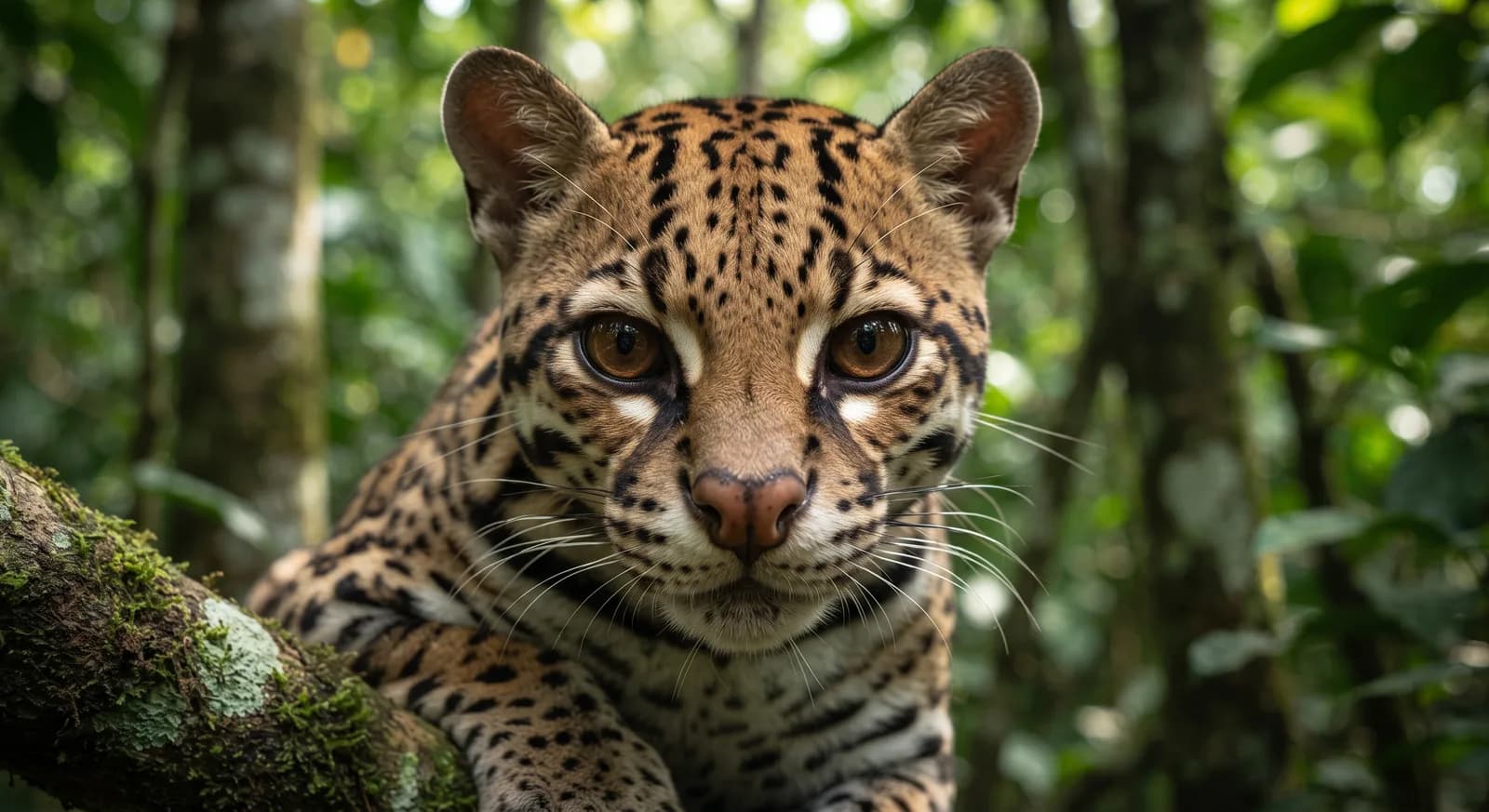
OcelotLeast Concern

Ocelot

Leopardus pardalis

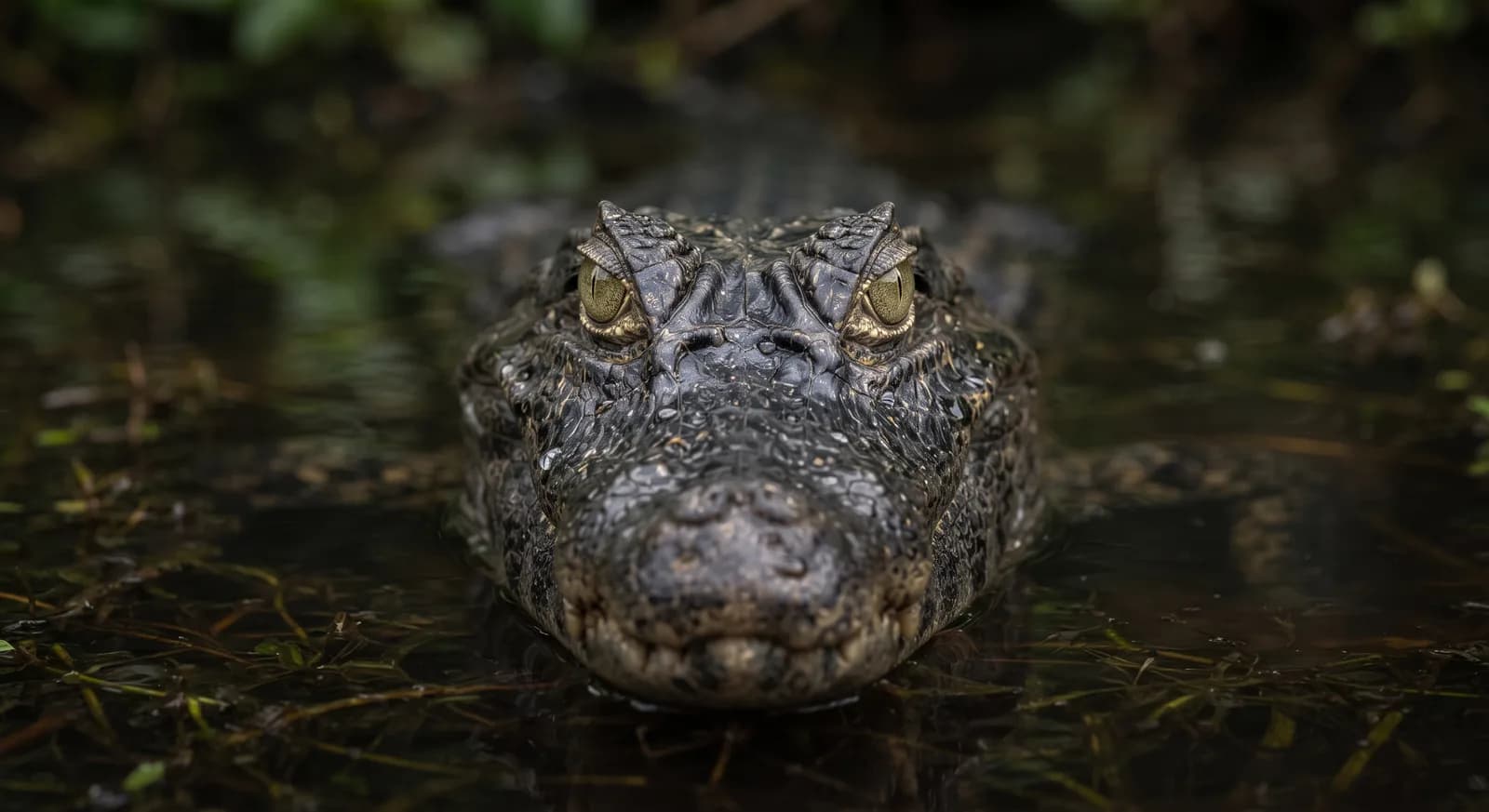
Spectacled CaimanLeast Concern

Spectacled Caiman

Caiman crocodilus

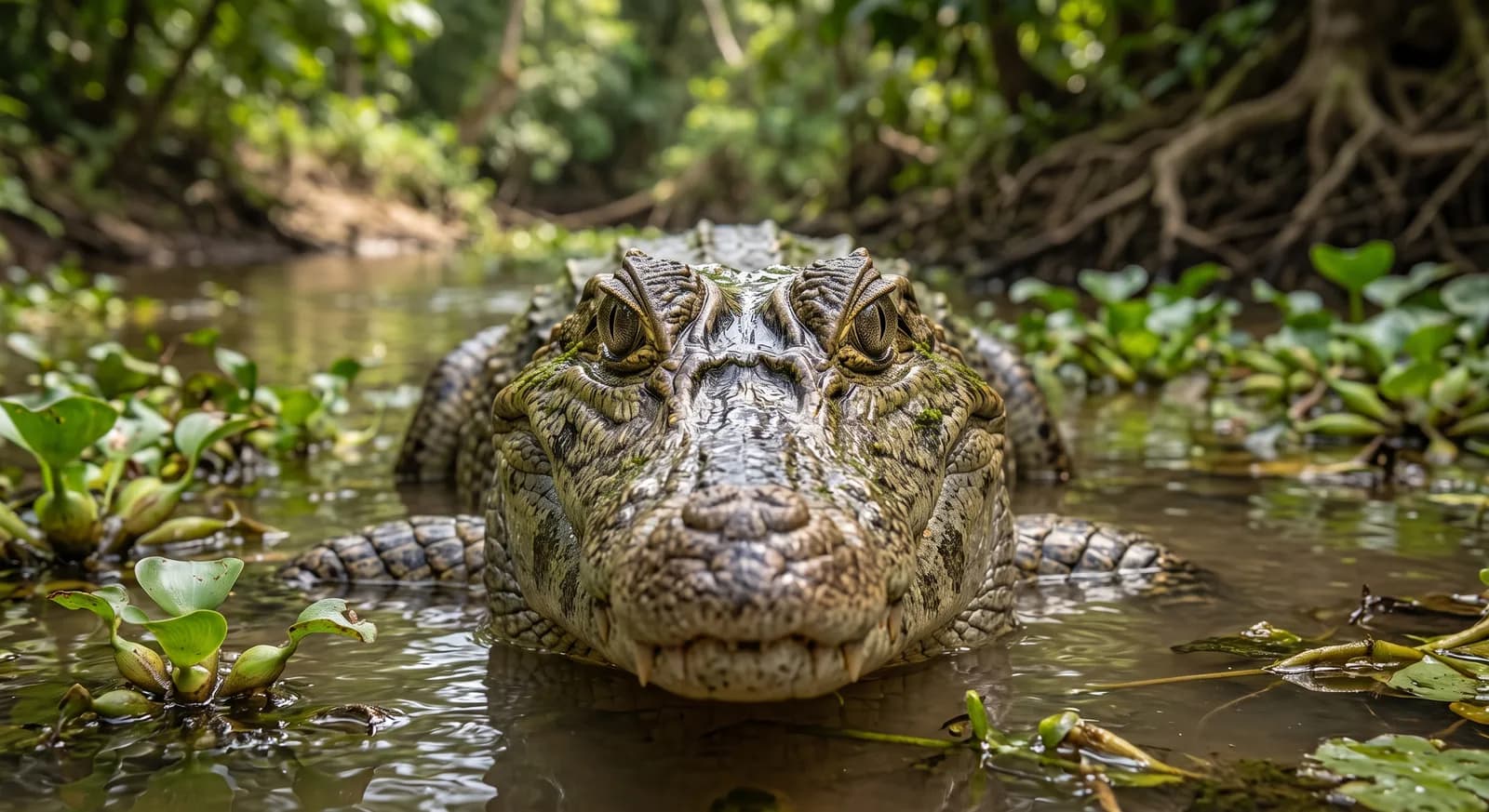
Black CaimanLeast Concern

Black Caiman

Melanosuchus niger

CountriesPeru
ParksManuPeru
TagsCarnivore
Carnivore
Nocturnal
Solitary
Reptile
Rainforest
Freshwater

South America11

North America1

Peru
Bolivia
Brazil
Colombia
Suriname
Ecuador
Argentina
Bolivia
Brazil
Colombia
Ecuador
French Guiana
Guyana
Paraguay
Peru
Suriname
Venezuela
Trinidad and Tobago