Skip to content
WAnimals
  • Map
  • Species
  • Parks
  • Diving
Log inCreate account
WAnimals

The guide for travellers and animal lovers: discover, plan and share your wild adventures around the world.

Discover wildlife

  • Species
  • Ecosystems
  • Glossary
  • Tags

Explore places

  • Map
  • Countries
  • Parks
  • Diving

Plan experiences

  • Guides

Learn

  • Blog

Resources

  • About us
  • How we build our profiles
  • Help centre
  • Contact
  • Install the app

Follow us

Account

  • Log in
  • Create account

© 2026 WAnimals. All rights reserved.

Terms of servicePrivacyCookiesLegal notice
MapSpeciesParksDiving
  1. Home
  2. Species
  3. Wax Moth

One of the 4 moths on WAnimals

Insects · Lepidoptera · Pyralidae

Wax Moth

Galleria mellonella

Not Evaluated

It has not yet been assessed against the IUCN criteria.

Spotted something wrong?

The wax moth, whose larva is known as the waxworm, is a lepidopteran insect of the suborder Glossata and the clade Ditrysia. It originated in the Old World and has been introduced to other parts along with honey bee hives. Today it has a worldwide distribution. It becomes an agricultural pest in honey bee hives.

Size

3 cm – 4 cm

Diet

Herbivore

Feeds mainly on plants.

Activity

Nocturnal

Active mainly at night.

Social structure

Solitary

Lives and hunts alone, joining others only to breed.

Grassland
5countries

Fun facts

  • GeneralIts larvae can break down polyethylene plastic, which is being investigated as a way to tackle pollution.
  • It has become a widely used laboratory model for studying infections and testing antibiotics, because its innate immune response resembles that of vertebrates and allows the use of mice to be reduced.
  • The adults do not feed; the whole eating stage falls to the larva.
  • The larva eats beeswax, pollen and bee bread, and ruins whole combs: the damage in apiaries is known as galleriosis.
  • In 2017 it was discovered to break down polyethylene, a plastic that hardly biodegrades at all. The explanation lies in its diet: beeswax has the same hydrocarbon bonds as polyethylene.
  • The larvae bore through plastic film at about two holes per caterpillar per hour, and the bacteria and fungi in their gut take part in the breakdown.
  • It is one of the most widely used animal models in infection research today: it can be kept at 37 °C, it is susceptible to human pathogens, and its melanisation response serves as a visual indicator of health.
  • In 2024, techniques were developed for generating transgenic lines and CRISPR-Cas9 edits, which greatly widens its usefulness as a cheap model free of the ethical objections attached to vertebrates.

Life cycle and biology

Skeleton type
Invertebrate - chitin exoskeleton (insect)
Habitat and environment
Honeybee hives
Birth weight
The larva weighs about 0.02 mg on hatching and reaches 200 mg by day 15, doubling its weight daily for the first ten
Size at birth
Spherical egg of 0.44 to 0.50 mm; the larva goes from 1 mm at birth to about 30 mm
Sexual maturity
The adult has vestigial mouthparts, neither eats nor drinks and lives 3 to 30 days, the longer the cooler it is
Gestation / incubation
The eggs hatch in 3-5 days at 29-35 °C and in up to 30-35 days in cold conditions; the full cycle ranges from 4 weeks to 6 months depending on temperature and the availability of food
Litter / clutch size
300 to 600 eggs per female in the usual range and up to 1,800 in all, in clutches of 50 to 150 in cracks in the comb

Sources consulted: Wikipedia (es): Galleria mellonella · LSU AgCenter, ficha Greater wax moth · Biology Insights · ScienceDirect (Hughes 1989) · Science Advances, How colonial animals evolve · Wikipedia, Zooid · LSU AgCenter · estudio de ciclo biologico en distintas condiciones climaticas · Biology Insights, ficha Greater wax moth

Where to find it

Loading map…

Related species

Other species in the catalogue with the most in common with Wax Moth — same habitat, park, country, tags or family.

Related to
Related to
Related to
Related to
Related to
Related to

Keep exploring

Based on what we already know about wax moth.
Share an experience, a fun fact or a tip for seeing the wax moth.
See full glossary
This page in other languages: Español · Deutsch · Français · Português · Italiano
· Beck 1960, crecimiento de Galleria mellonella
· ficha de biologia de Galleria mellonella
See its range on the interactive map→
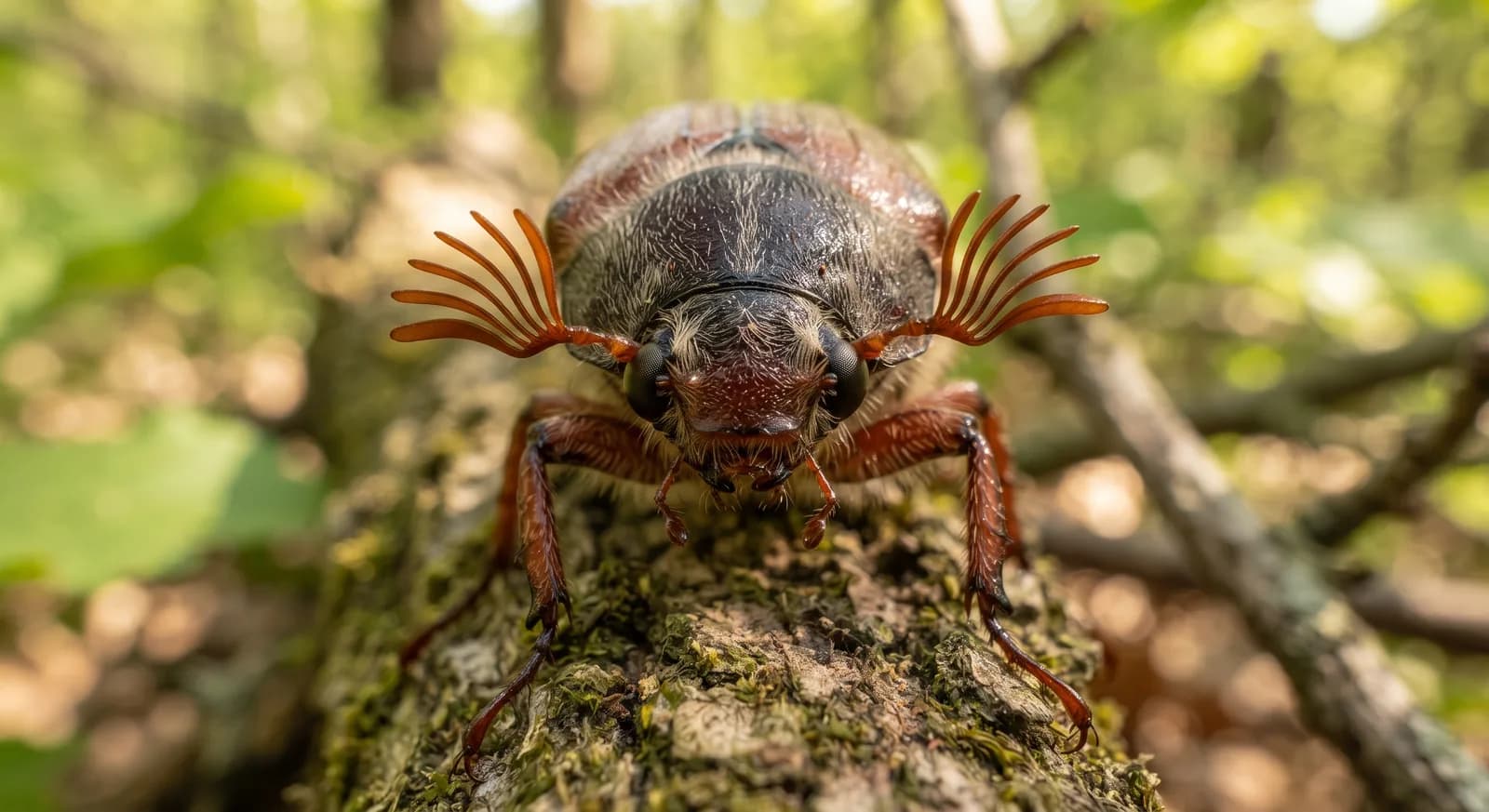
Common CockchaferNot Evaluated

Common Cockchafer

Melolontha melolontha

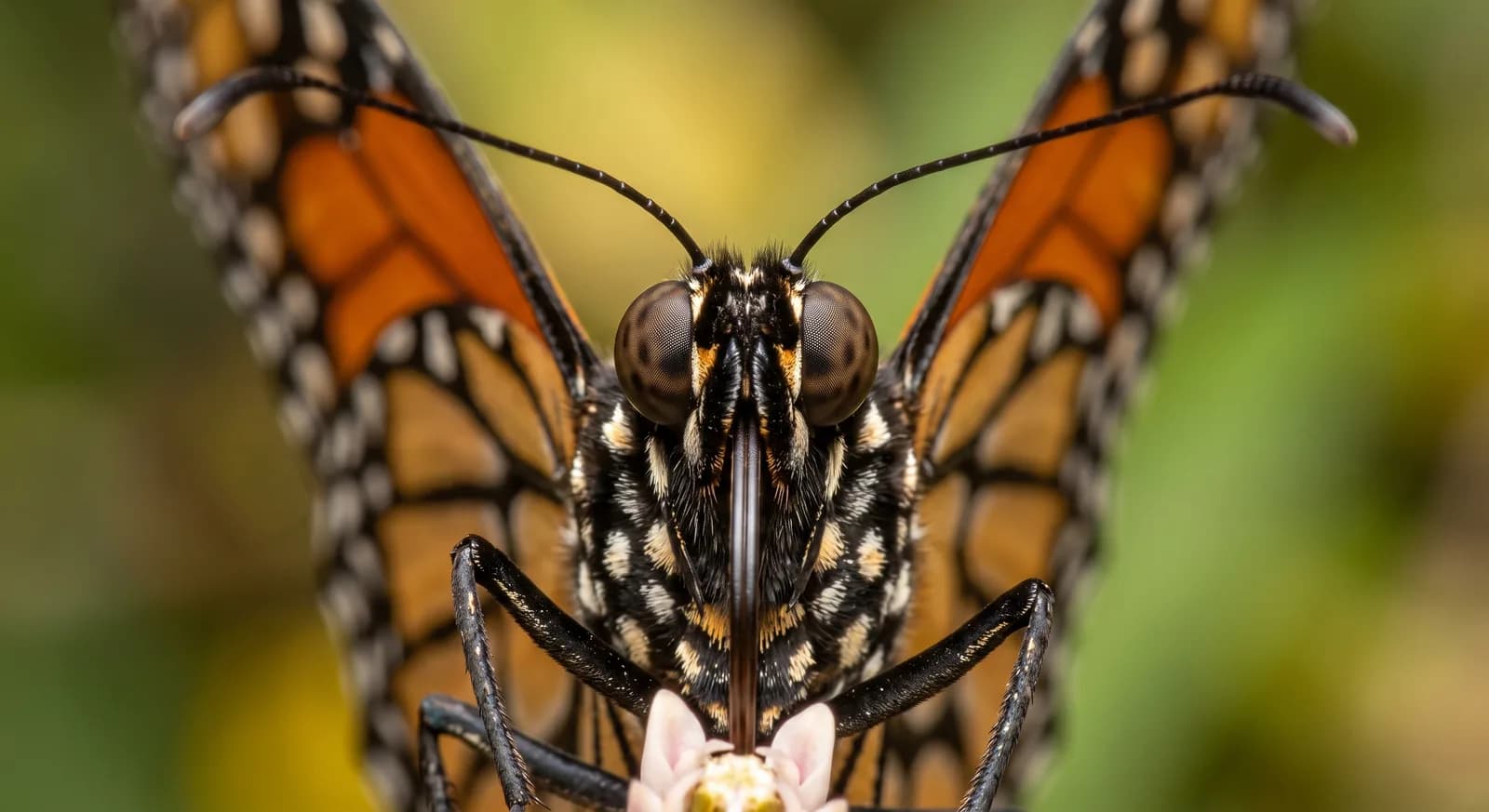
MonarchNot Evaluated

Monarch

Danaus plexippus

Not Evaluated

Pomace Fly

Drosophila melanogaster

Not Evaluated

House Cricket

Acheta domesticus

Not Evaluated

Black Bean Aphid

Aphis fabae

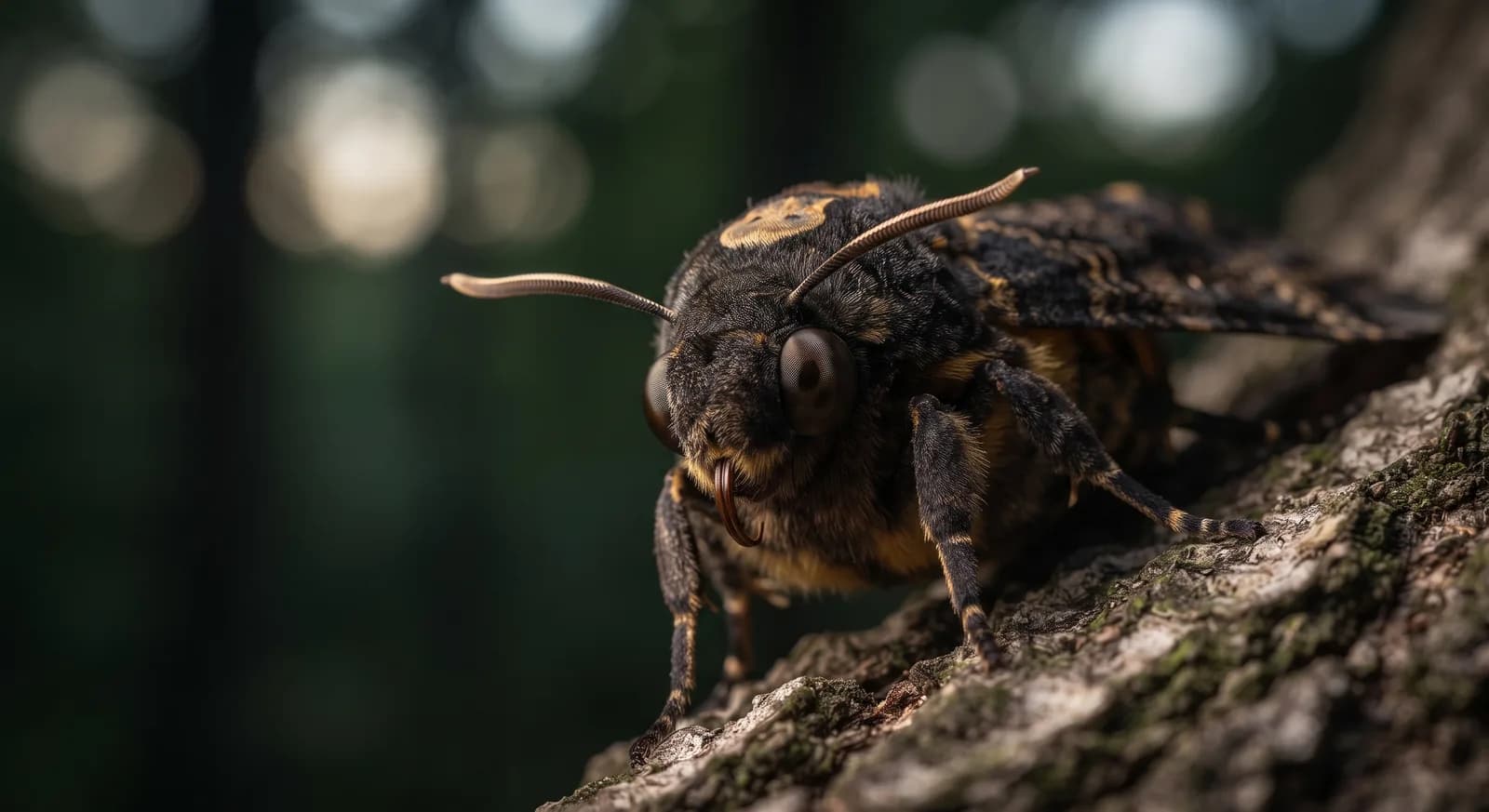
Death's-head Hawk-mothNot Evaluated

Death's-head Hawk-moth

Acherontia atropos

CountriesArgentina
TagsHerbivore
Herbivore
Nocturnal
Colonial
Insect
Grassland
Argentina
India
Poland
Spain
United States