 Least Concern
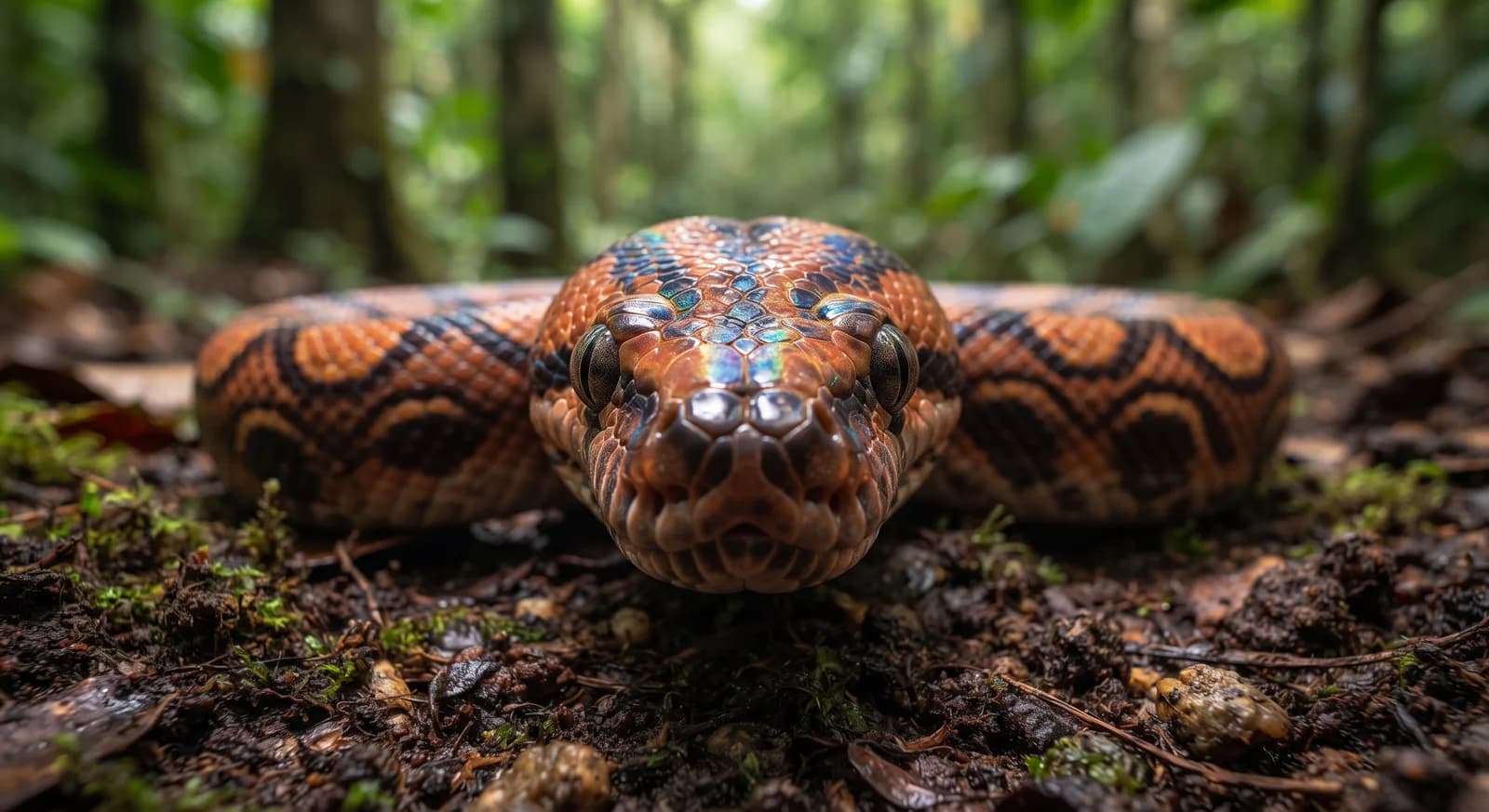
Rainbow Boa
Epicrates cenchria
South America
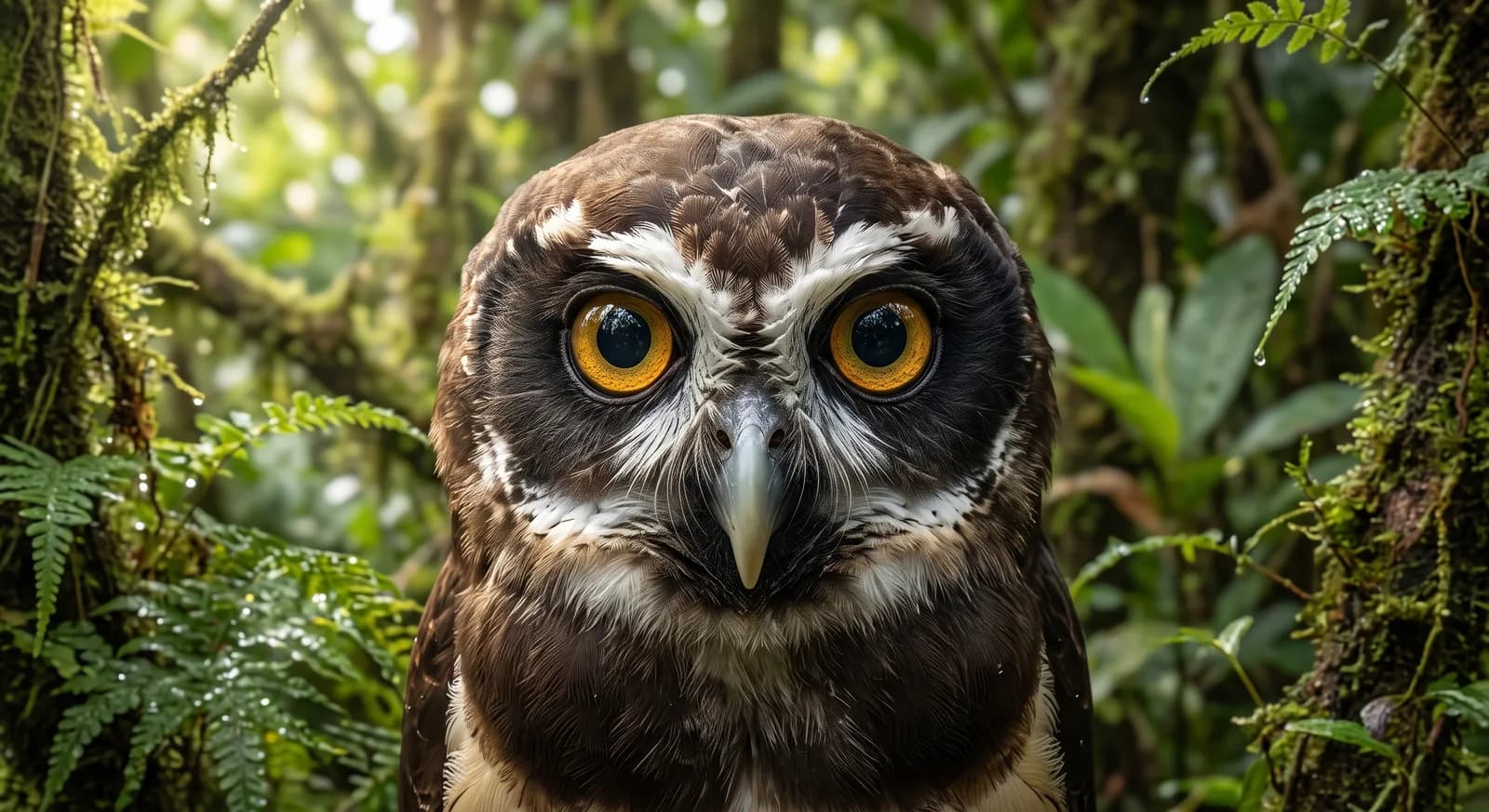
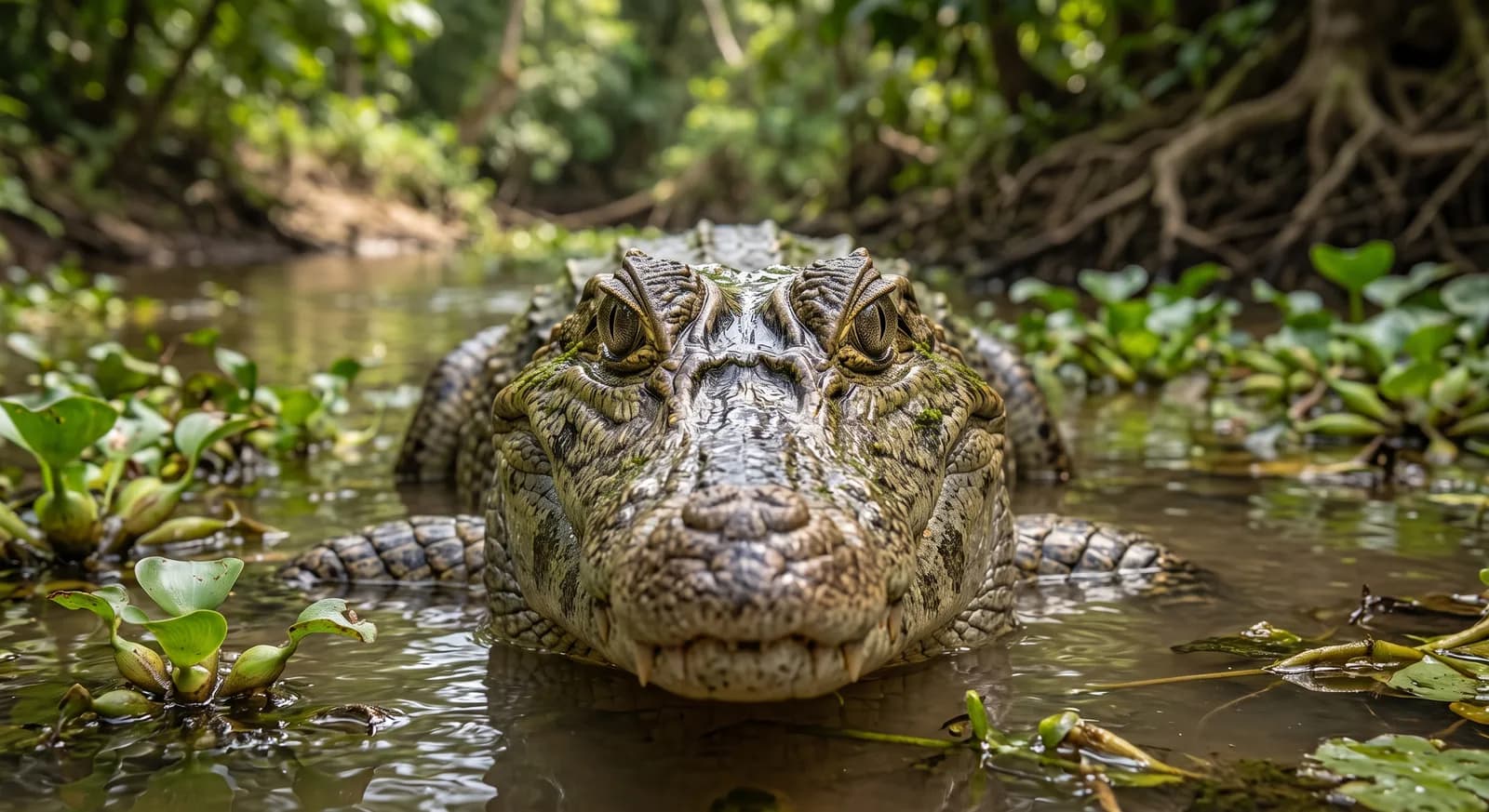
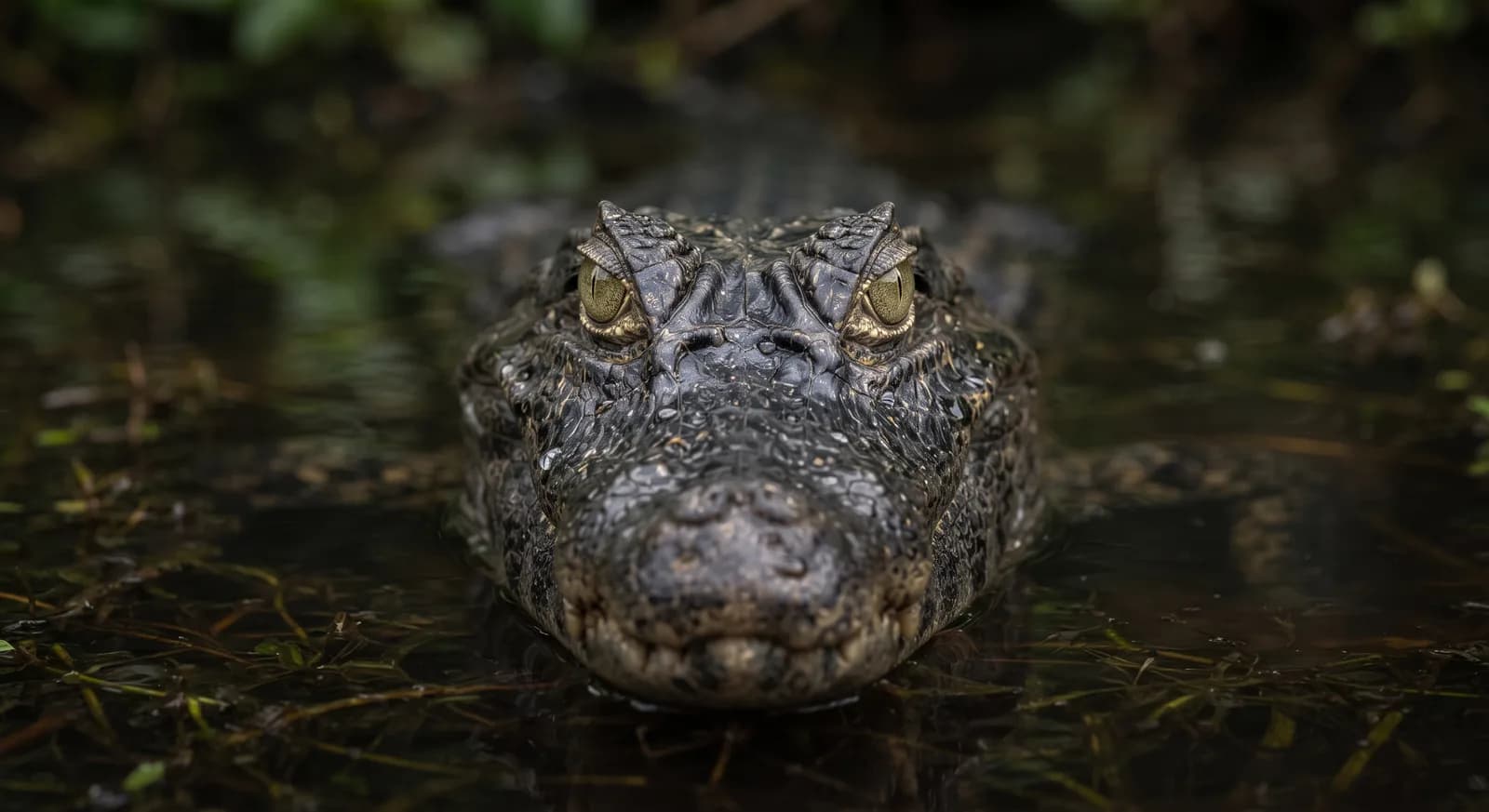
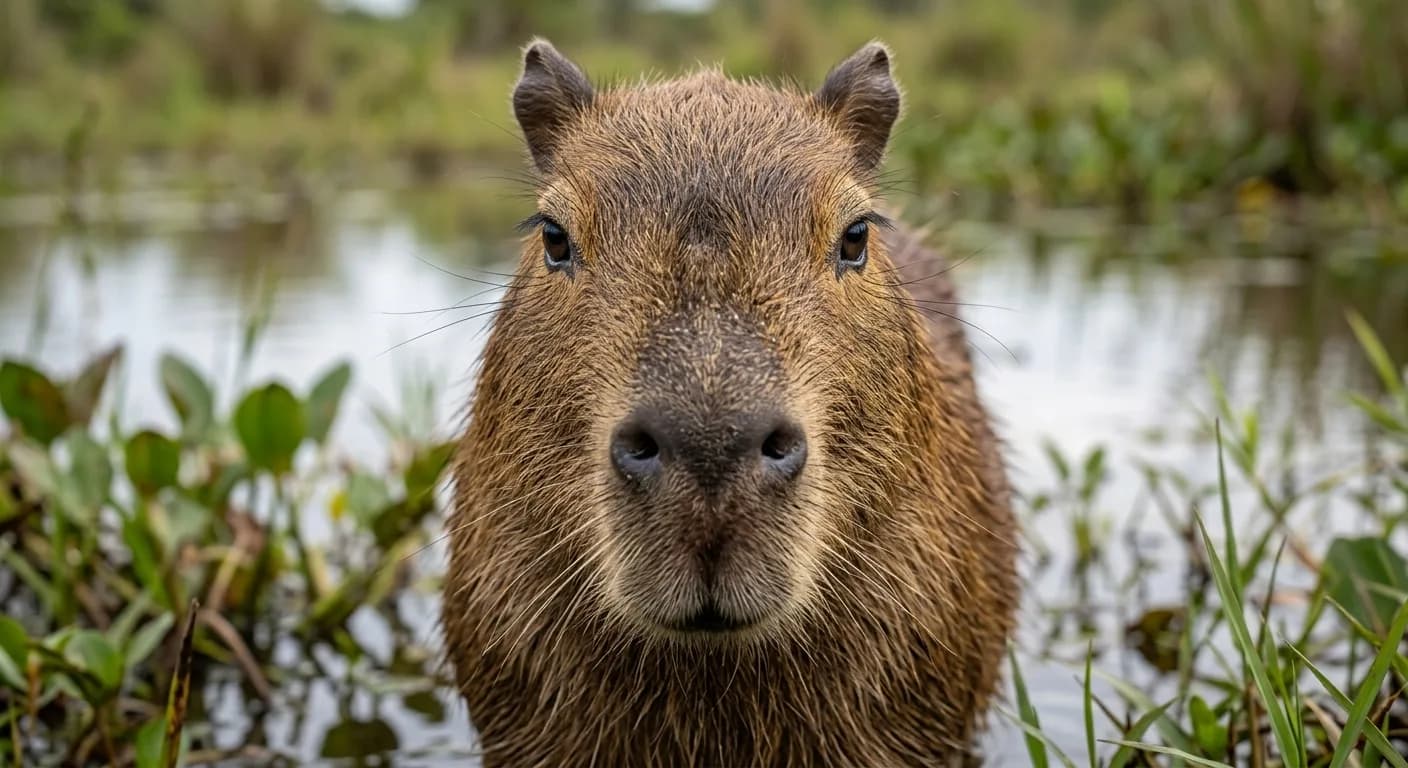
Paraguay is split in two by the river that gives it its name. To the east, the Oriental region held the Upper Paraná Atlantic Forest, of which a reduced fraction remains today, protected in reserves such as Mbaracayú, with jaguars, guans and the bellbird, whose metallic call carries a great distance. To the west stretches the Chaco, an immense plain of thorn forest and palm groves that is the largest continuous dry forest in South America and also one of the territories with the highest deforestation rate in the world. In the north, the Paraguayan Pantanal contributes seasonal wetlands with capybaras, marsh deer and waterbirds. The Chaco is also home to indigenous peoples living in voluntary isolation.
National animal: No official national animal; the bellbird is the country's national bird
The taguá, a large peccary adapted to the thorny Chaco, was described in 1930 from fossils and was assumed to have been extinct for millennia. In 1975 scientists travelling through the Paraguayan Chaco found it alive and in good numbers, to the surprise of the international community and to none at all of the Ayoreo and other local peoples, who had lived alongside it and hunted it all their lives.
The Chaco records one of the fastest rates of conversion from forest to cattle pasture on the planet, which directly threatens the taguá and the giant armadillo. Mbaracayú protects one of the last significant blocks of Atlantic Forest in the country, in a biome that has lost most of its original extent.
Defensores del Chaco in the dry season for taguá and large mammals. Mbaracayú at dawn for the bellbird. The Paraguayan Pantanal between May and September for waterbirds.
197 species found
Based on what we already know about Paraguay.