 Least Concern
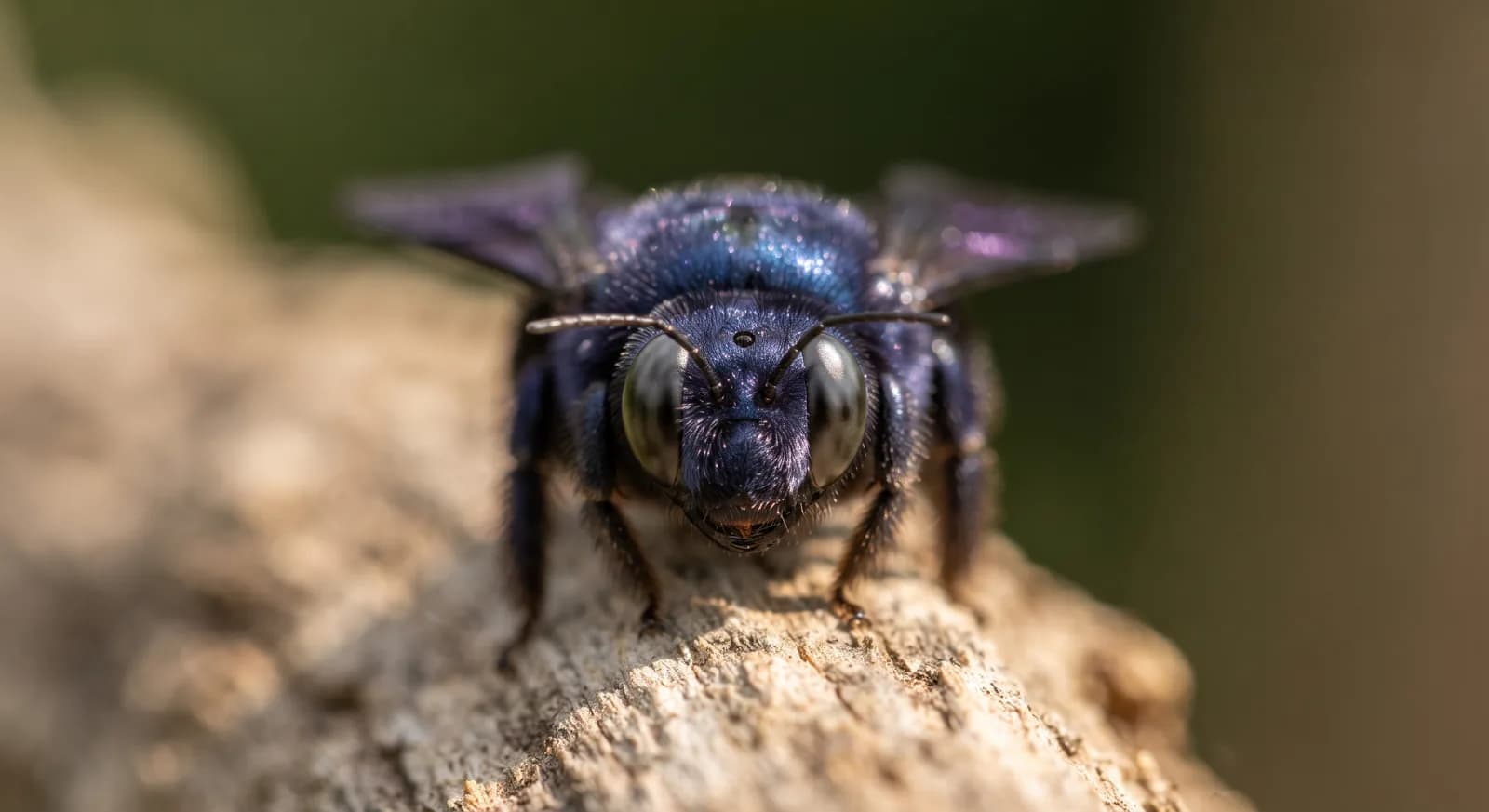
Violet Carpenter Bee
Xylocopa violacea
Europe
Slovenia is one of the most forested countries in Europe, with close to sixty per cent of its territory under trees, and it brings together the Alps, the Dinaric karst, the Pannonian plain and a Mediterranean strip in very little space. The Triglav massif concentrates the high mountains, with chamois and marmots, while the Dinaric forests of the south hold one of the densest brown bear populations on the continent, alongside wolves and lynx. The Kras plateau gave karst its name worldwide: its limestone is riddled with thousands of caves, sinkholes and underground rivers, such as the Škocjan system, with one of the largest known subterranean galleries. Lake Cerknica fills and empties each year depending on the rains, and the Sečovlje salt pans and the mouth of the Isonzo provide coastal wetlands for migrating birds.
National animal: No official national animal; the Carniolan honey bee and the mythical golden-horned chamois Zlatorog are the country's wildlife symbols
The olm, a blind, unpigmented amphibian with pink skin that lives in the underground rivers of the Slovenian karst, was for centuries the stuff of legend: when floods washed it to the surface, country people believed these were baby dragons flushed out of the earth. It can live around a century, can go years without eating, and in 2016 a female's clutch in the Postojna cave was followed live from around the world.
Slovenia brought lynx over from Slovakia in 1973 to recover the species and has again reinforced that highly inbred population with new animals. The subterranean fauna of the karst is extremely vulnerable to pollution of the aquifers.
The forests of Kočevje between May and September from brown bear hides. Postojna and Škocjan year-round for the olm and cave fauna. Sečovlje in spring and autumn for waders and flamingos.
Where else might I want to travel?
Same region: The Balkans
Same region: The Balkans
Same region: The Balkans
Same region: The Balkans
554 species found
Based on what we already know about Slovenia.