 Endangered
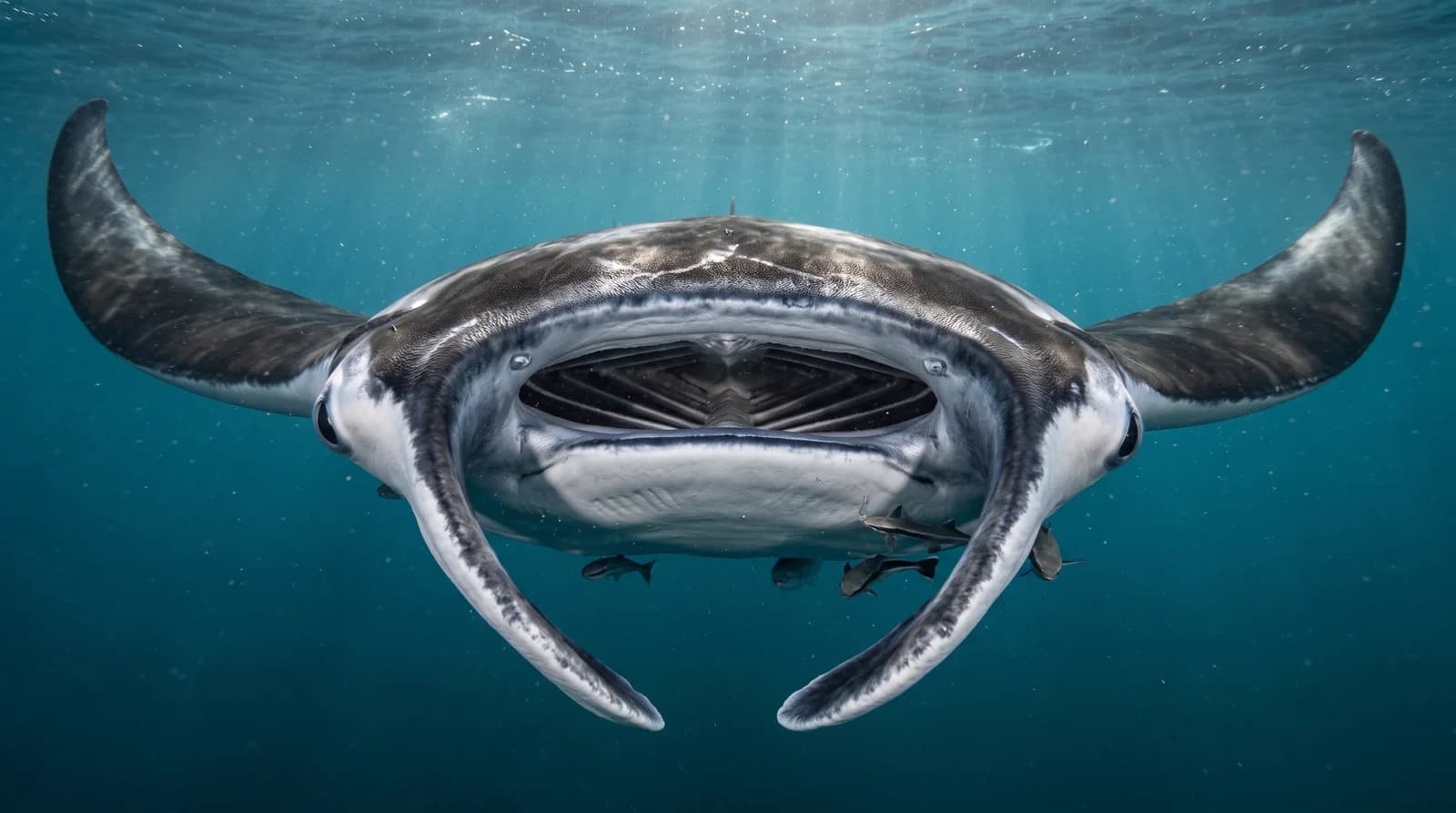
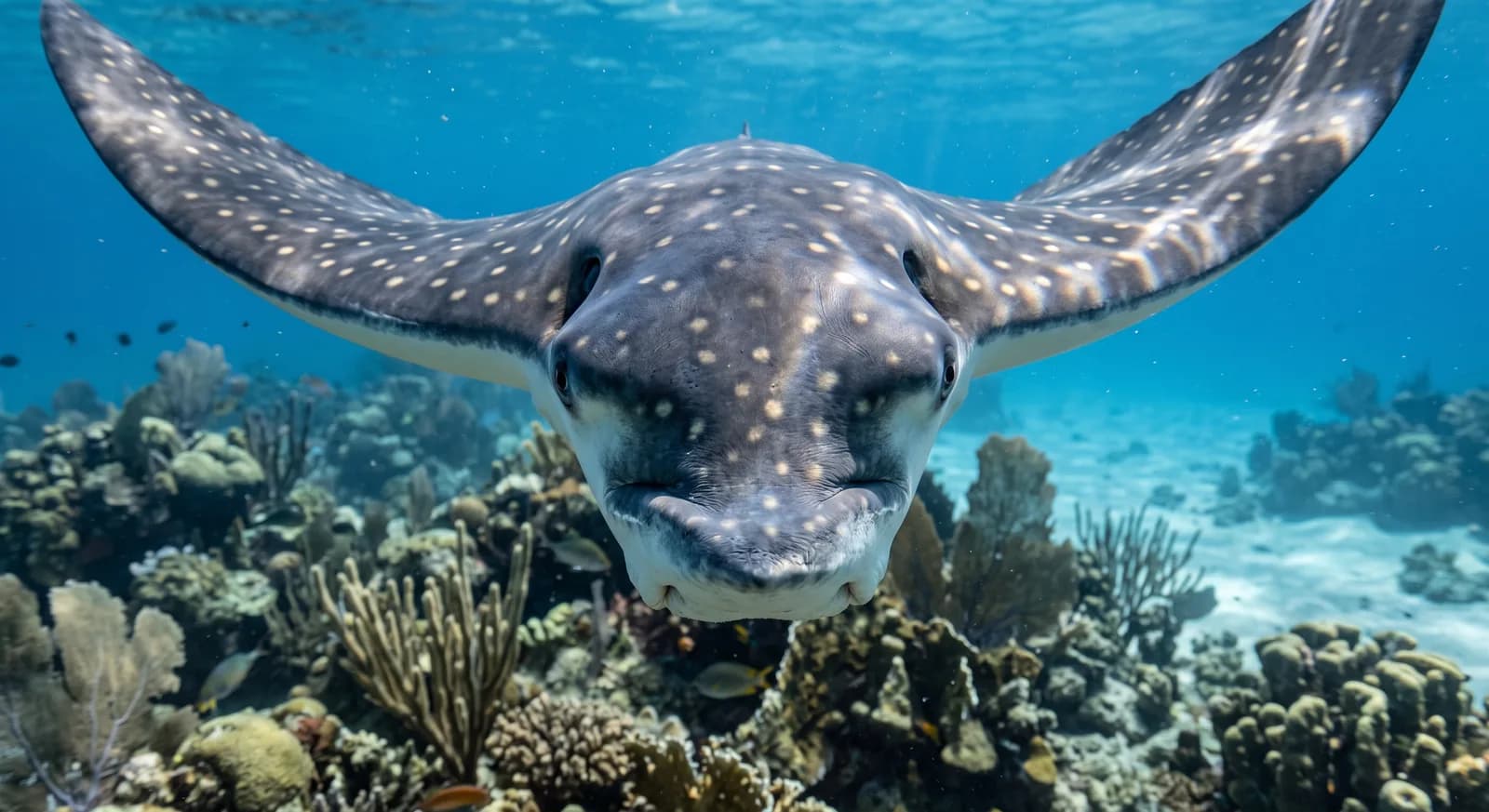
Spotted Eagle Ray
Aetobatus narinari
Asia
Thailand runs from the forested mountains of the north, an extension of the eastern Himalaya, down to the Malay peninsula, covered in equatorial rainforest and flanked by two very different seas: the Gulf of Thailand and the Andaman Sea. In the west, the Thung Yai and Huai Kha Khaeng forest complex holds the largest block of protected forest in mainland South-East Asia, with tigers, elephants, gaur and banteng. Khao Yai, the country's first national park, protects monsoon forest a few hours from Bangkok and is famous for its hornbills. The Andaman coast contributes limestone islands, reefs and seagrass meadows with dugongs, and the southern mangroves work as nurseries for the coastal fishery.
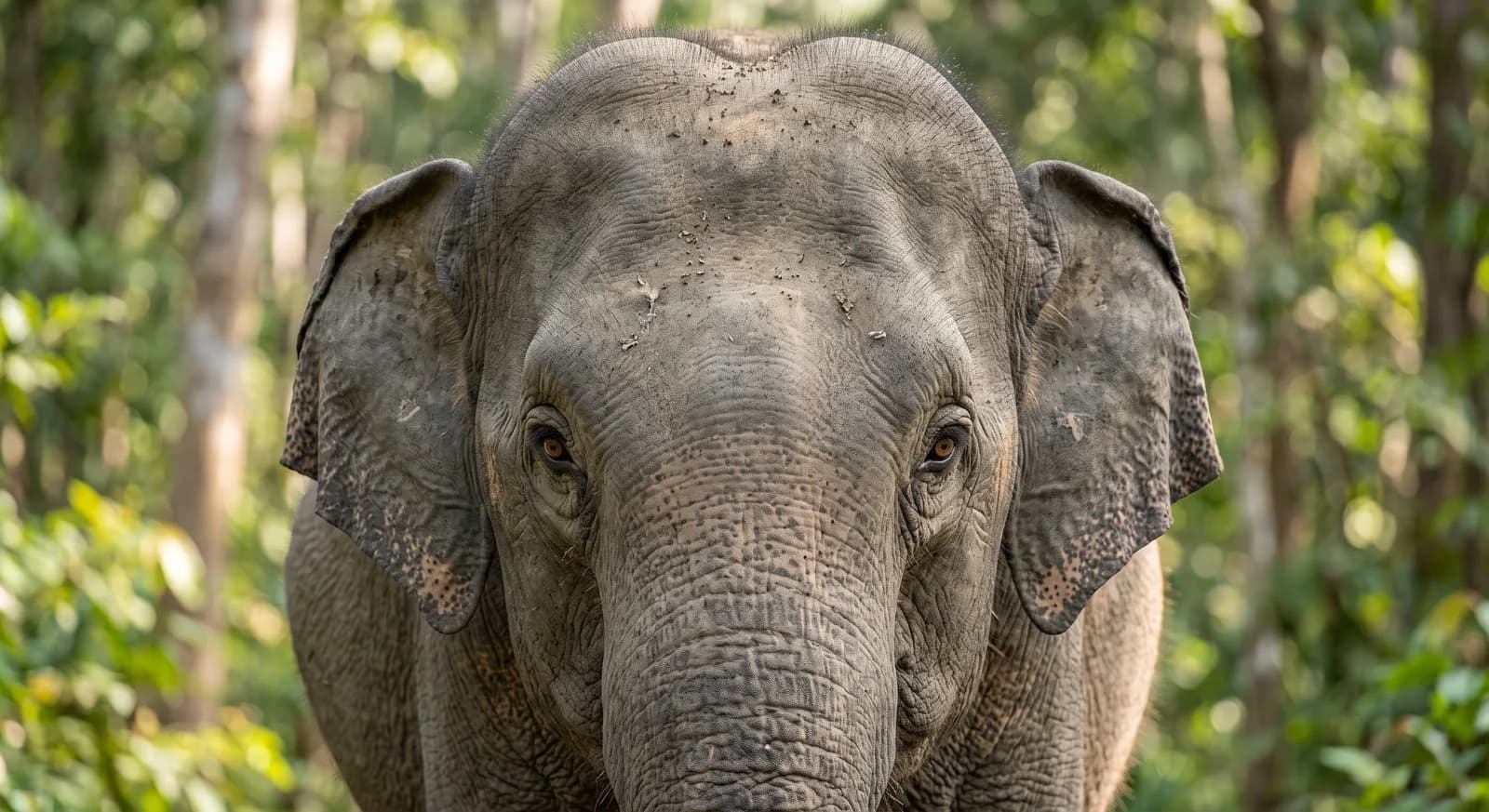
National animal: The Asian elephant, Thailand's national animal
Hornbills have one of the most extreme breeding strategies in the bird world: the female shuts herself inside a tree hollow and seals the entrance with mud and droppings until only a narrow slit is left. There she stays walled in for months, moulting her feathers and feeding the chicks with whatever the male passes through the gap. If the male dies, the whole brood is lost.
Kitti's hog-nosed bat, discovered in 1974, is one of the smallest mammals in the world, weighing barely two grams. Hornbill nest adoption programmes, in which communities guard the trees in exchange for compensation, have drastically reduced poaching.
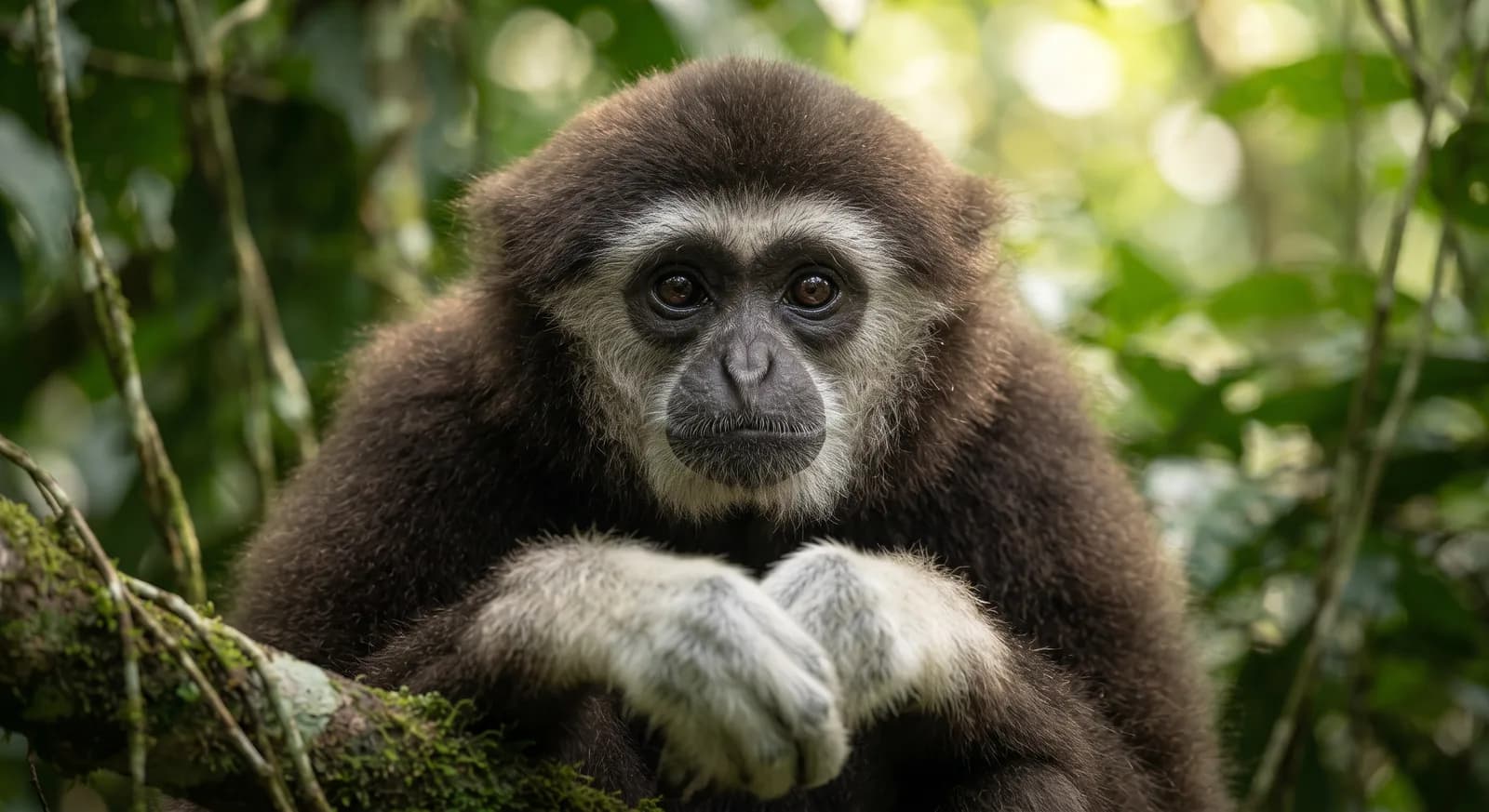
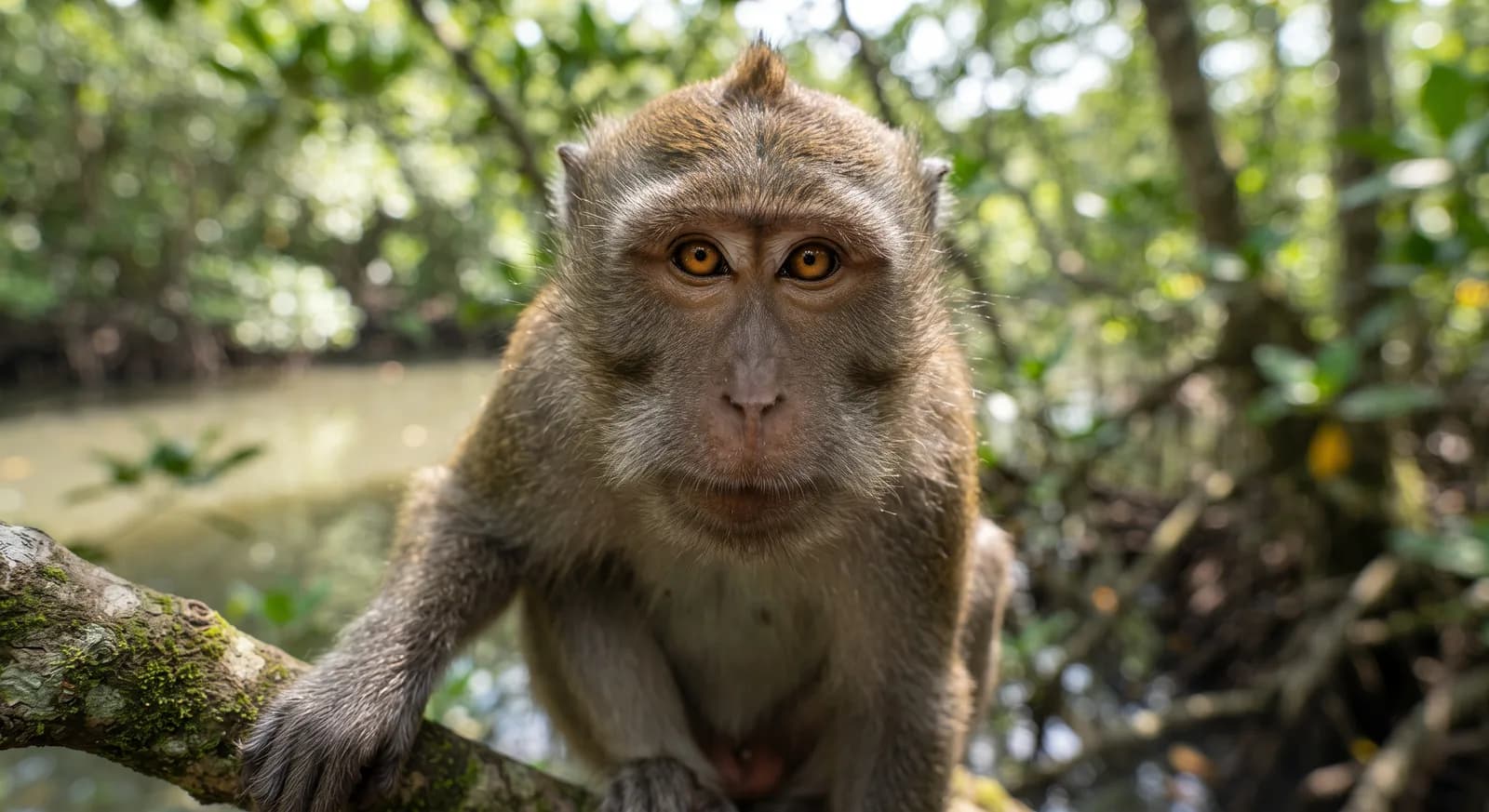
Khao Yai between February and May for hornbills and elephants. The Similan and Surin islands between November and April for reefs and whale sharks. Kaeng Krachan at dawn for primates and birds.
Where else might I want to travel?
Same region: South-East Asia
Same region: South-East Asia
Same region: South-East Asia
Same region: South-East Asia
285 species found
Based on what we already know about Thailand.