One of the 5 goats on WAnimals
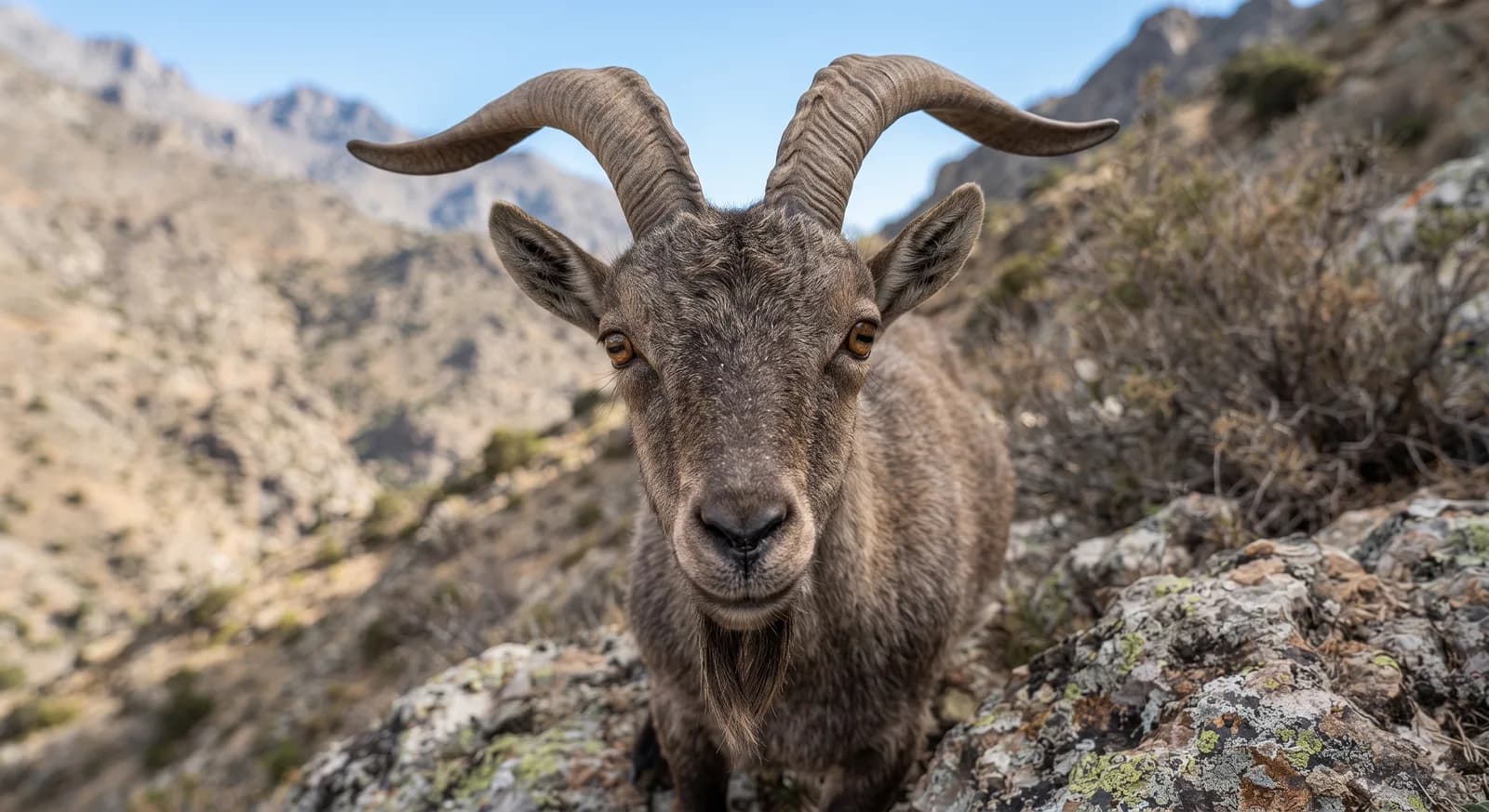
Mammals · Artiodactyla · Bovidae
Bezoar
Capra aegagrus
It could become endangered in the near future if current threats go unchecked. See full glossary
The wild goat, or bezoar ibex, is the wild ancestor of the domestic goat and one of the founding species of animal husbandry: it was domesticated some 10,000 years ago in the Fertile Crescent. The males carry scimitar-shaped horns, flattened at the sides and with a keeled front edge, that can exceed 130 centimetres. It lives on rugged ground from Turkey and the Caucasus to Pakistan, with a relict population on Crete. Hunting and competition with domestic livestock keep it in retreat.
Weight
25 kg – 95 kg
Size
1.2 m – 1.6 m
Lifespan
12 years
Diet
Herbivore
Feeds mainly on plants.
Activity
Diurnal
Active mainly during the day.
Sighting difficulty
Moderate
Fun facts
- Its name of bezoar ibex comes from bezoars, concretions of hair and plant fibre that form in its stomach and that were sold in Europe for centuries as a universal antidote to poison.
- The Cretan populations, known as kri-kri, are probably descended from domestic animals taken to the island thousands of years ago and later gone feral.
Life cycle & biology
- Skeleton type
- Vertebrate - internal bony skeleton (mammal)
- Habitat & environment
- Rocky slopes, crags and open montane woodland of the Middle East and Central Asia
- Sexual maturity
- 2 years
- Gestation / incubation
- 5 months
- Litter / clutch size
- 2
Sources consulted: https://es.wikipedia.org/wiki/Capra_aegagrus
Where to find it
See its range on the interactive mapWhere to watch it
Parks and dive sites where this species has been documented.
Related species
Other species in the catalogue with the most in common with Bezoar — same habitat, park, country, tags or family.
Himalayan Goral
Naemorhedus goral
 Near Threatened
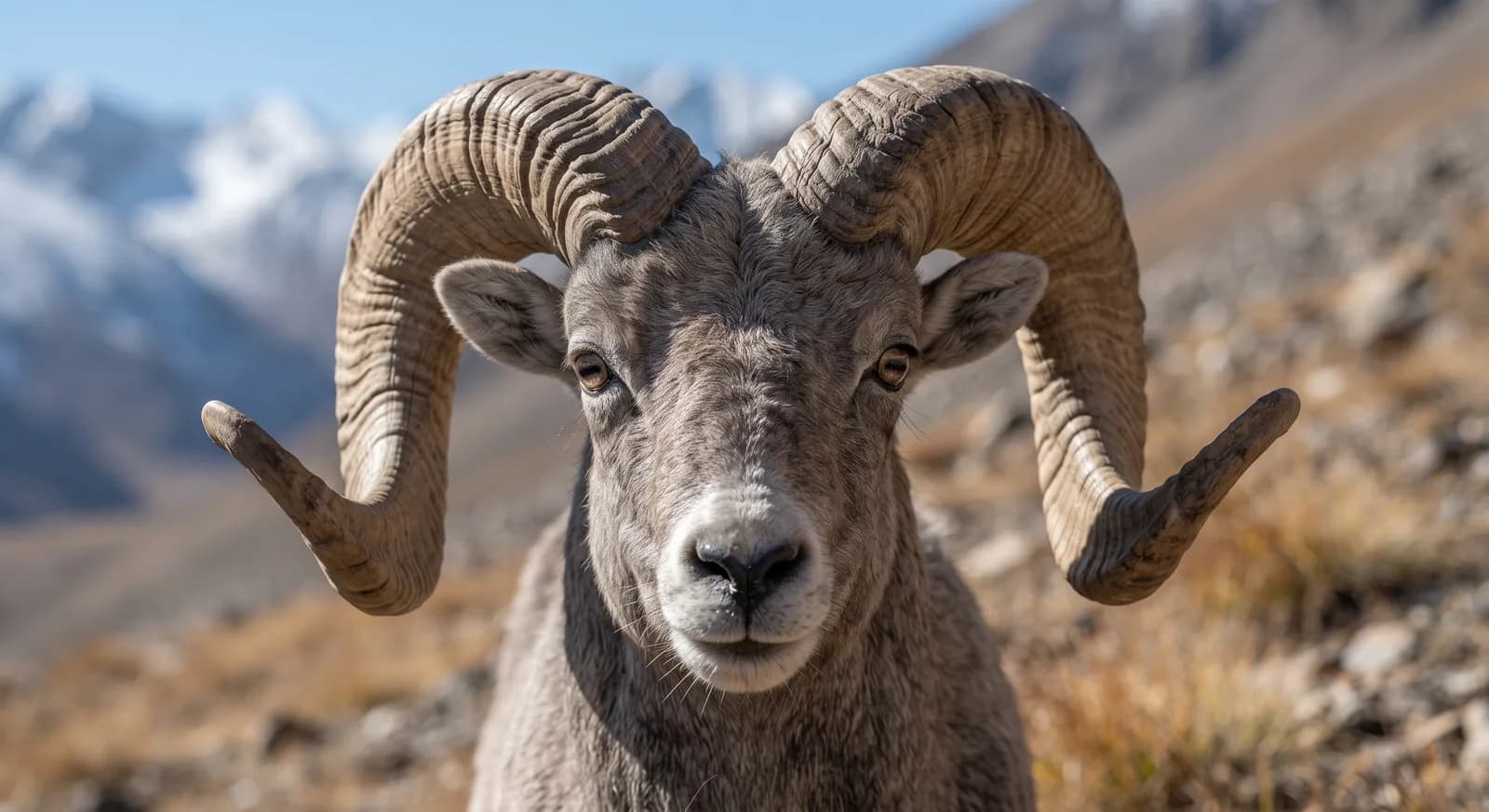
Argali
Ovis ammon
Markhor
Capra falconeri
Siberian Ibex
Capra sibirica
 Near Threatened
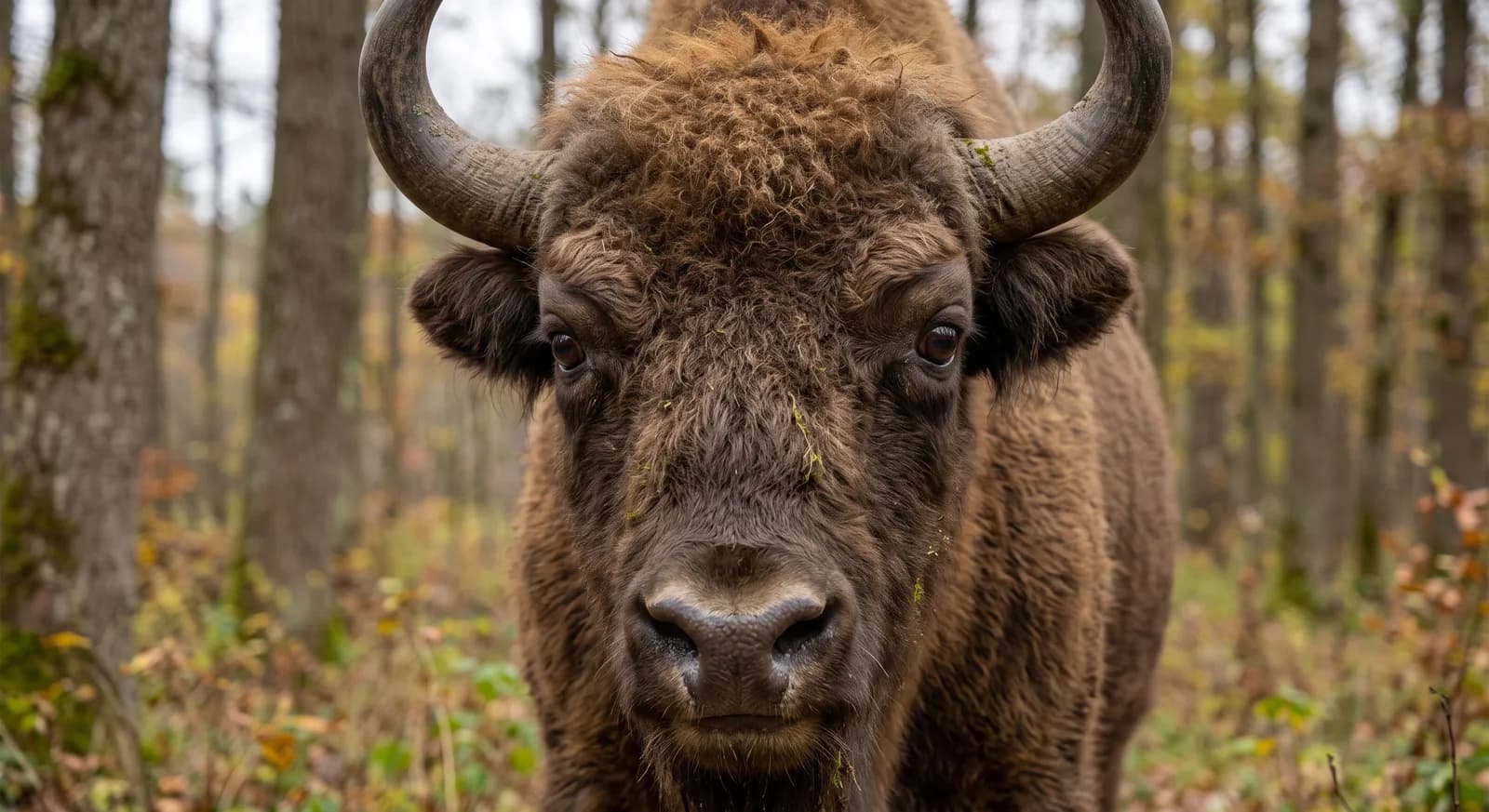
European Bison
Bison bonasus
Saiga
Saiga tatarica
Keep exploring
Based on what we already know about bezoar.
Comments
Share an experience, a fun fact or a tip for seeing the bezoar.
Be the first to comment.