One of the 22 crabs on WAnimals
Malacostracans · Decapoda · Gecarcinidae
Moon Crab
Gecarcinus quadratus
It has not yet been assessed against the IUCN criteria. See full glossary
A land crab with a black carapace marked in bright orange or red, which lives in burrows dug into the floor of the Pacific rainforest of Costa Rica and Panama. It is almost entirely terrestrial: it eats leaf litter, seedlings and fallen fruit, and returns to the sea only to release its larvae.
Size
4 cm – 6 cm
Diet
Herbivore
Feeds mainly on plants.
Activity
Nocturnal
Active mainly at night.
Social structure
Colony
Lives in large concentrations, often for breeding reasons.
Sighting difficulty
Unknown
Fun facts
- Its consumption of leaf litter and seedlings influences which trees manage to germinate, so that a crab shapes the composition of the forest.
- Its burrows aerate the soil and speed up nutrient recycling in the coastal forest.
- Although it lives on land, its larvae are marine: the females have to walk down to the shore to release them.
- Its colours give it its name: a jet-black carapace, legs of intense orange or red, and purple or yellow patches at the joints.
- It is terrestrial as an adult and lives in the forest, at times quite far from the sea, but it still depends on the ocean: the females make mass migrations to the shore to release their larvae.
- Its burrows aerate the soil, and its role as a detritivore matters: it consumes leaf litter and seedlings, and influences the composition of the coastal understorey vegetation.
- It shelters in its burrow by day and comes out at night in search of leaves, which it drags inside.
- Its name of Halloween crab comes precisely from the combination of black and orange.
- It is common in the coastal forests of Costa Rica and Panama, and its migrations are a well-known natural attraction.
Life cycle & biology
- Skeleton type
- Invertebrate - chitin exoskeleton (crustacean)
- Habitat & environment
- Coastal rainforest of the Central American Pacific, within a few hundred metres of the sea
Sources consulted: Sherman, trabajos sobre Gecarcinus quadratus; Smithsonian Tropical Research Institute; Organización de Estudios Tropicales
Where to find it
See its range on the interactive mapBest time: The rainy season, when they migrate en masse towards the coast to release their larvae
Where to watch it
Parques y spots de buceo donde se ha documentado esta especie — se muestran 13 de 14 documentados.
Related species
Other species in the catalogue with the most in common with Moon Crab — same habitat, park, country, tags or family.
Humboldt Squid
Dosidicus gigas
Seba's Short-tailed Bat
Carollia perspicillata
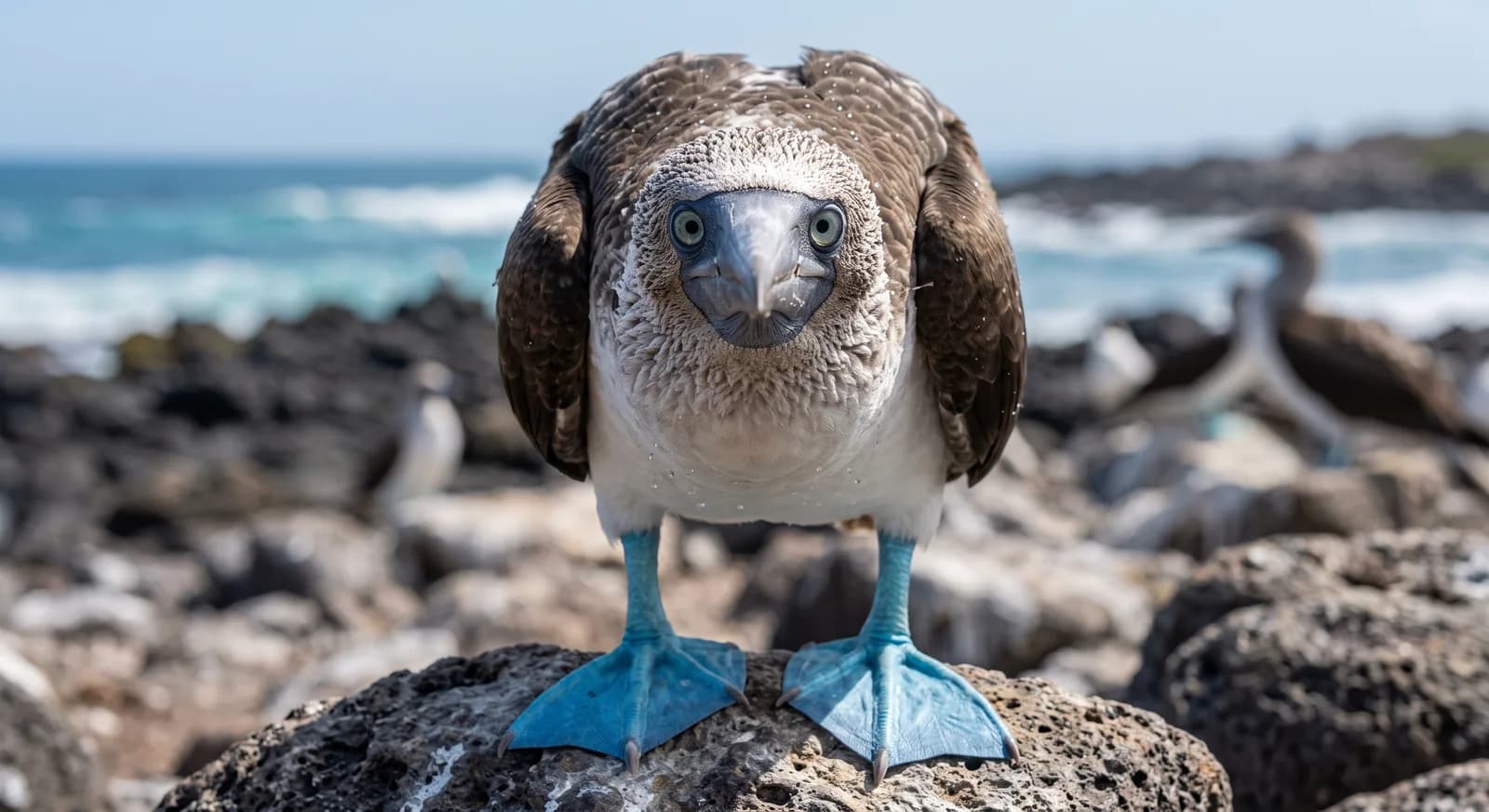 Least Concern
Blue-footed Booby
Sula nebouxii
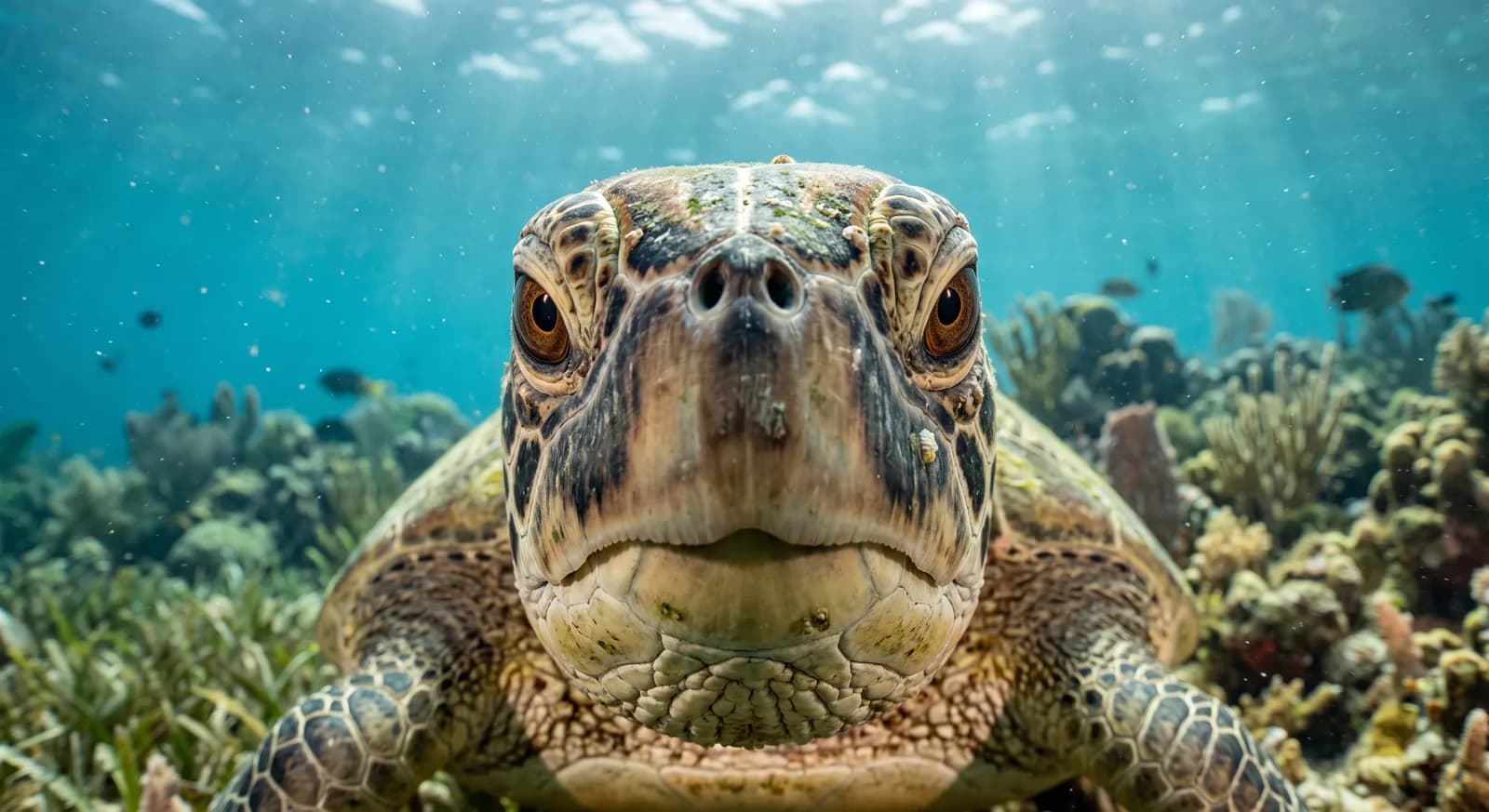 Endangered
Green Turtle
Chelonia mydas
Yellow-bellied Sea Snake
Hydrophis platurus
Leaf-cutter Ant
Atta cephalotes
Keep exploring
Based on what we already know about moon crab.
Comments
Share an experience, a fun fact or a tip for seeing the moon crab.
Be the first to comment.