One of the 3 zebras on WAnimals
Mammals · Perissodactyla · Equidae
Mountain Zebra
Equus zebra
It faces a high risk of extinction in the wild over the medium term. See full glossary
It is the oldest zebra species, with a lineage going back to the early Pleistocene, 1 to 2 million years ago.
Weight
260 kg – 370 kg
Lifespan
20 years
Diet
Herbivore
Feeds mainly on plants.
Activity
Diurnal
Active mainly during the day.
Social structure
Herd
Lives in large groups as a strategy against predators.
Sighting difficulty
Moderate
Estimated population
Several thousand animals after a strong recovery: the Cape subspecies once fell below a hundred individuals in the 1930s.
Fun facts
- It is the oldest zebra species, with a lineage 1 to 2 million years old.
- It came close to extinction in the mid-20th century and recovered through conservation programmes in South Africa.
- It lives in mountainous, rocky and arid country up to 2,000 metres.
Life cycle & biology
- Skeleton type
- Vertebrate - internal bony skeleton (mammal)
- Habitat & environment
- Mountainous, rocky and arid country of south-western Africa, up to 2,000 metres
- Birth weight
- ~25-35 kg
- Size at birth
- Precocial, able to stand and walk soon after birth
- Sexual maturity
- Female: 3-6 years (66.5 months on average to a first birth) | Male: 5-6 years to hold a harem
- Gestation / incubation
- ~365 days (12 months)
- Litter / clutch size
- 1 young, with an interval between births of 1-3 years
- Lifespan in captivity
- Documented record of up to 29-33.2 years in captivity
Sources consulted: Animal Diversity Web; Animal Corner; A-Z Animals; ResearchGate (Focus on the Mountain Zebra); AnAge (genomics.senescence.info); Elmwood Park Zoo; Ultimate Ungulate; Animalia.bio
Where to find it
See its range on the interactive mapBest time: All year round in the ranges of South Africa and Namibia, by day; in the dry season it gathers near waterholes.
Where to watch it
Parques y spots de buceo donde se ha documentado esta especie — se muestran 10 de 14 documentados.
Related species
Other species in the catalogue with the most in common with Mountain Zebra — same habitat, park, country, tags or family.
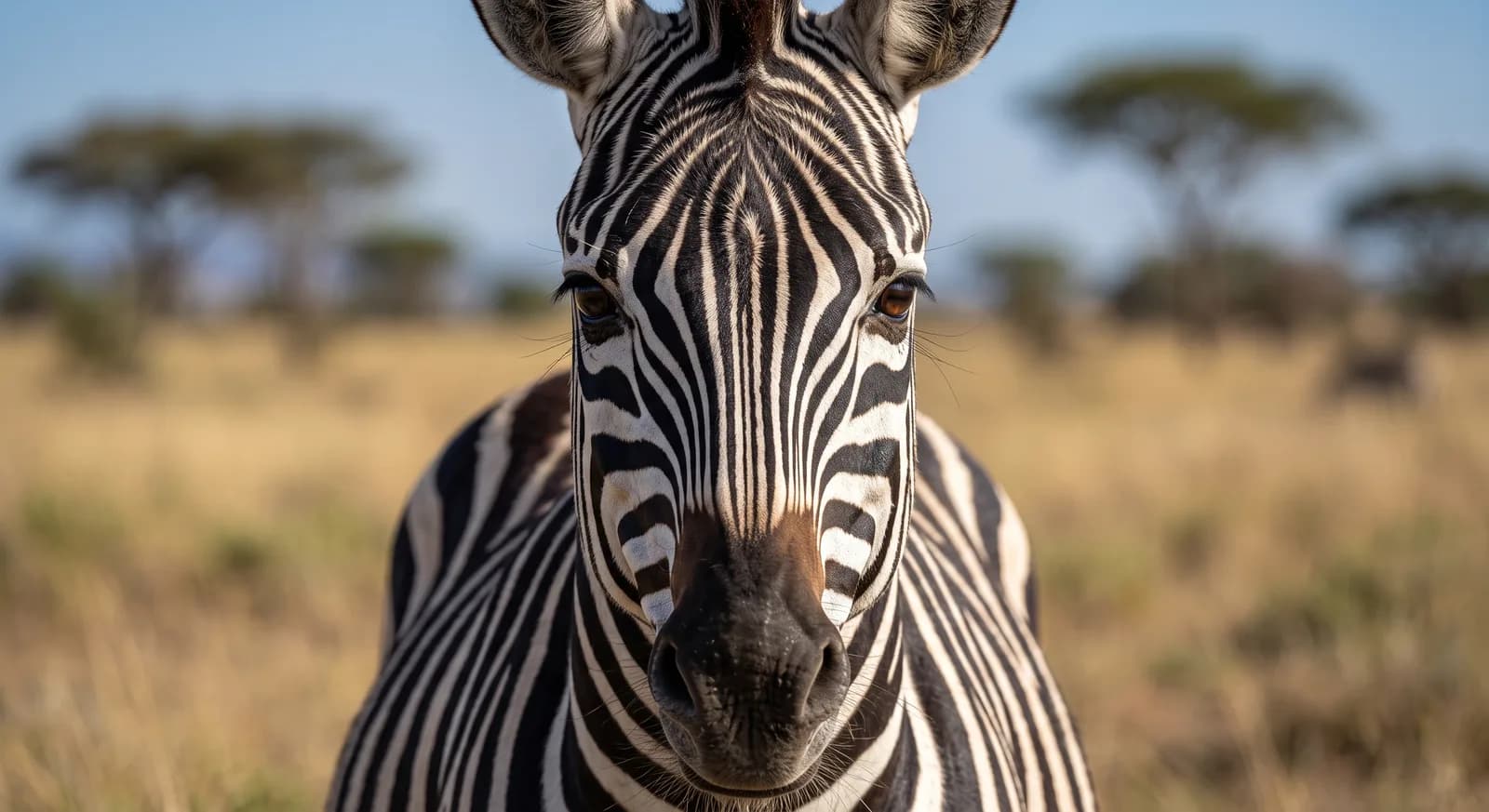 Least Concern
Plains Zebra
Equus quagga
Angolan Colobus
Colobus angolensis
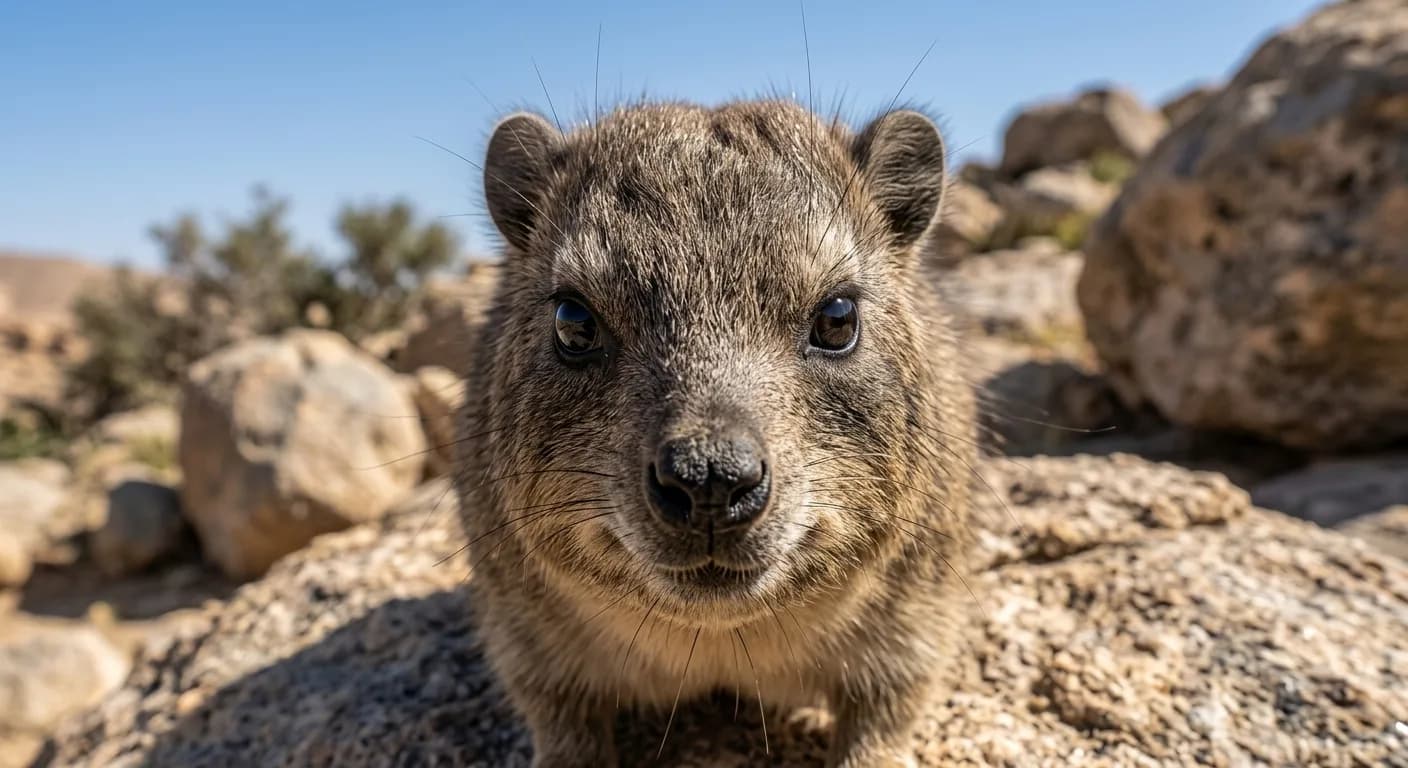 Least Concern
Rock Hyrax
Procavia capensis
Bush Hyrax
Heterohyrax brucei
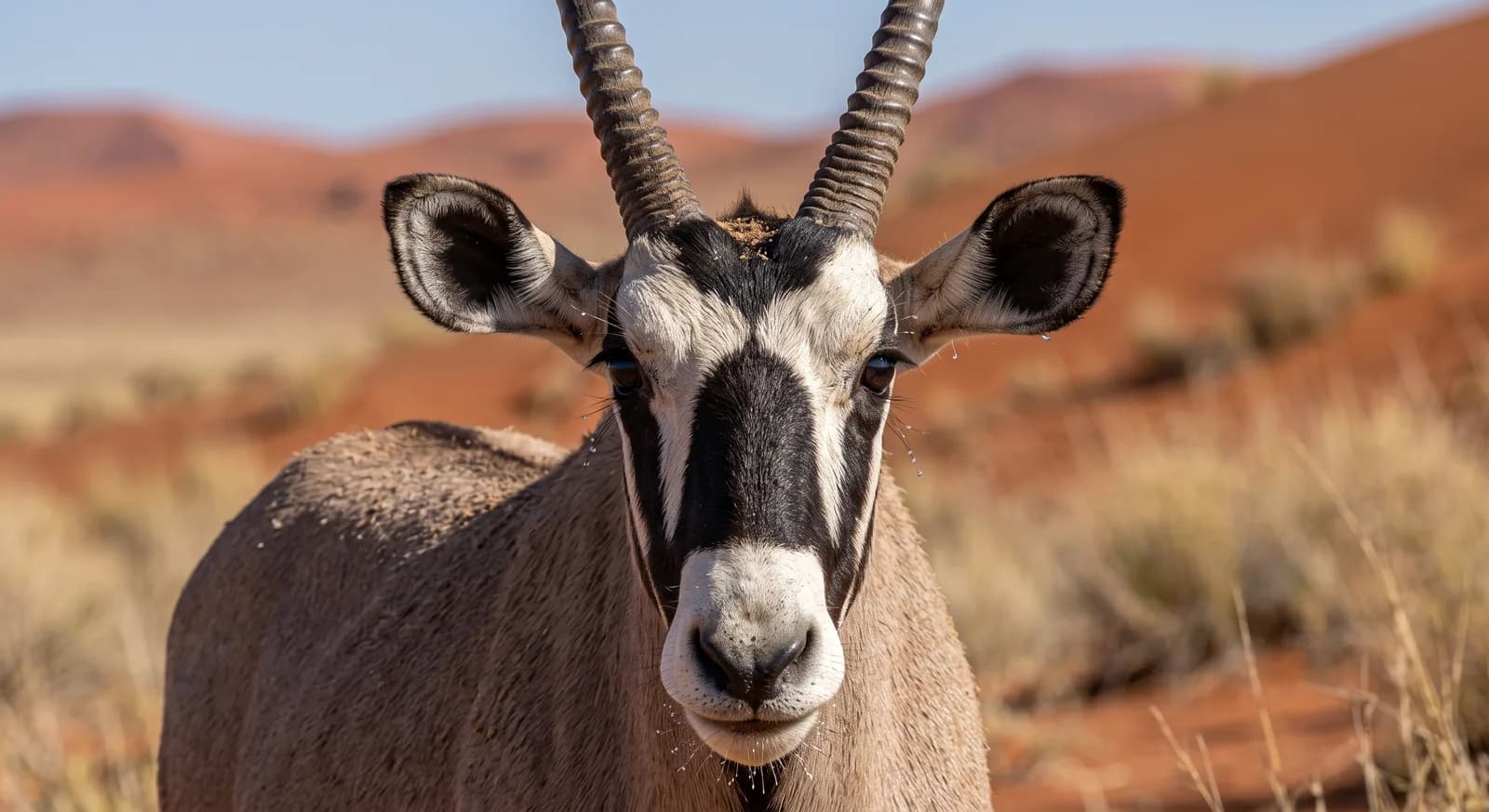 Least Concern
Gemsbok
Oryx gazella
South African Ground Squirrel
Xerus inauris
How to help
The mountain zebra is classified as vulnerable. Organizations such as UICN, WWF y Wildlife Conservation Society work specifically on its conservation and that of its habitat; looking into their programs is a good starting point if you want to get involved.
It's documented in 6 real protected areas — part of why protecting these places matters for its conservation.
Keep exploring
Based on what we already know about mountain zebra.
Comments
Share an experience, a fun fact or a tip for seeing the mountain zebra.
Be the first to comment.