Species group · Birds
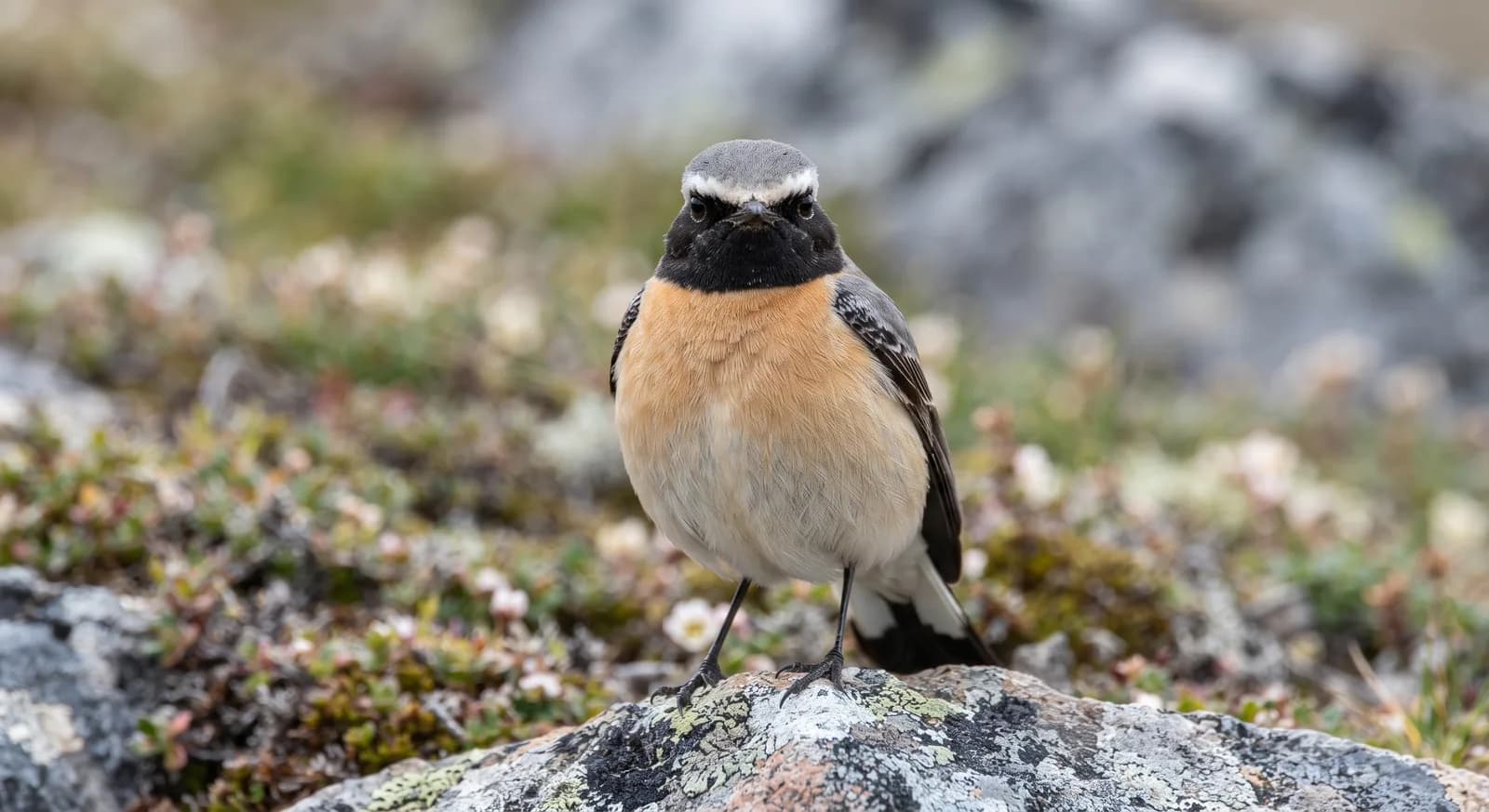
Wheatears
WAnimals has 4 species of wheatear, all in the family Muscicapidae.
- 4 species
- 1 family
- 75 countries
- 216 parks
- Weight
- 14 g – 45 g
- Length
- 13 cm – 18 cm
- Lifespan
- 5 – 8 years
Ranges calculated from the entries that record the figure, not from all 4.
All 4 species of wheatears on WAnimals
Each one has its own full entry. This group does not replace them: it brings them together.
Conservation status
No species documented in this group is genuinely at risk according to the IUCN, with the data available today.
See the global conservation statusWhere they live
Recorded in 75 countries. The ones with the most species in the group:
Where to see them
- Bardenas Reales2 species
- Beydağları2 species
- Cabo de Gata-Níjar2 species
- Calanques2 species
- Delta del Ebro2 species
- Gargantas del Verdon2 species
- Gebel Elba2 species
- Köprülü Kanyon2 species
- Parque Nacional de Dinder2 species
- Sierra de Espadán2 species
- Sierra de Grazalema2 species
- Sierras de Cazorla, Segura y Las Villas2 species
Did you know…
The Alaskan population crosses the whole of Asia to reach Africa: as much as 15,000 km each way.
From Northern Wheatear
Its Spanish name comes from the white of its tail: 'colla' plus 'alba'.
From Northern Wheatear
The populations that breed in Alaska and Greenland cross half the planet to winter in sub-Saharan Africa, like the rest of the species.
From Northern Wheatear
It nests underground in the abandoned burrows of gerbils and ground squirrels, sometimes more than a metre deep, and depends on those rodents in order to breed on the bare steppe.
From Isabelline Wheatear
Its name refers to the colour isabelline, a pale beige which, according to an apocryphal legend, comes from a vow by Isabella of Castile not to change her shift until Granada was taken.
From Isabelline Wheatear
It is among the hardest wheatears to identify precisely because of its lack of features: uniformly sandy, without contrast, and telling it from other species demands attention to proportions and posture.
From Isabelline Wheatear
It breeds only on Cyprus, an island of less than 10,000 square kilometres, and the entire world population winters in a narrow strip of north-east Africa: two tiny areas connected by a journey of thousands of kilometres.
From Cyprus Wheatear
It was split from the pied wheatear as a species of its own in the 1990s, on the basis of differences in song, plumage and genetics.
From Cyprus Wheatear