One of the 4 wheatears on WAnimals
Birds · Passeriformes · Muscicapidae
Isabelline Wheatear
Oenanthe isabellina
The species is abundant and widely distributed; it faces no significant short-term risk. See full glossary
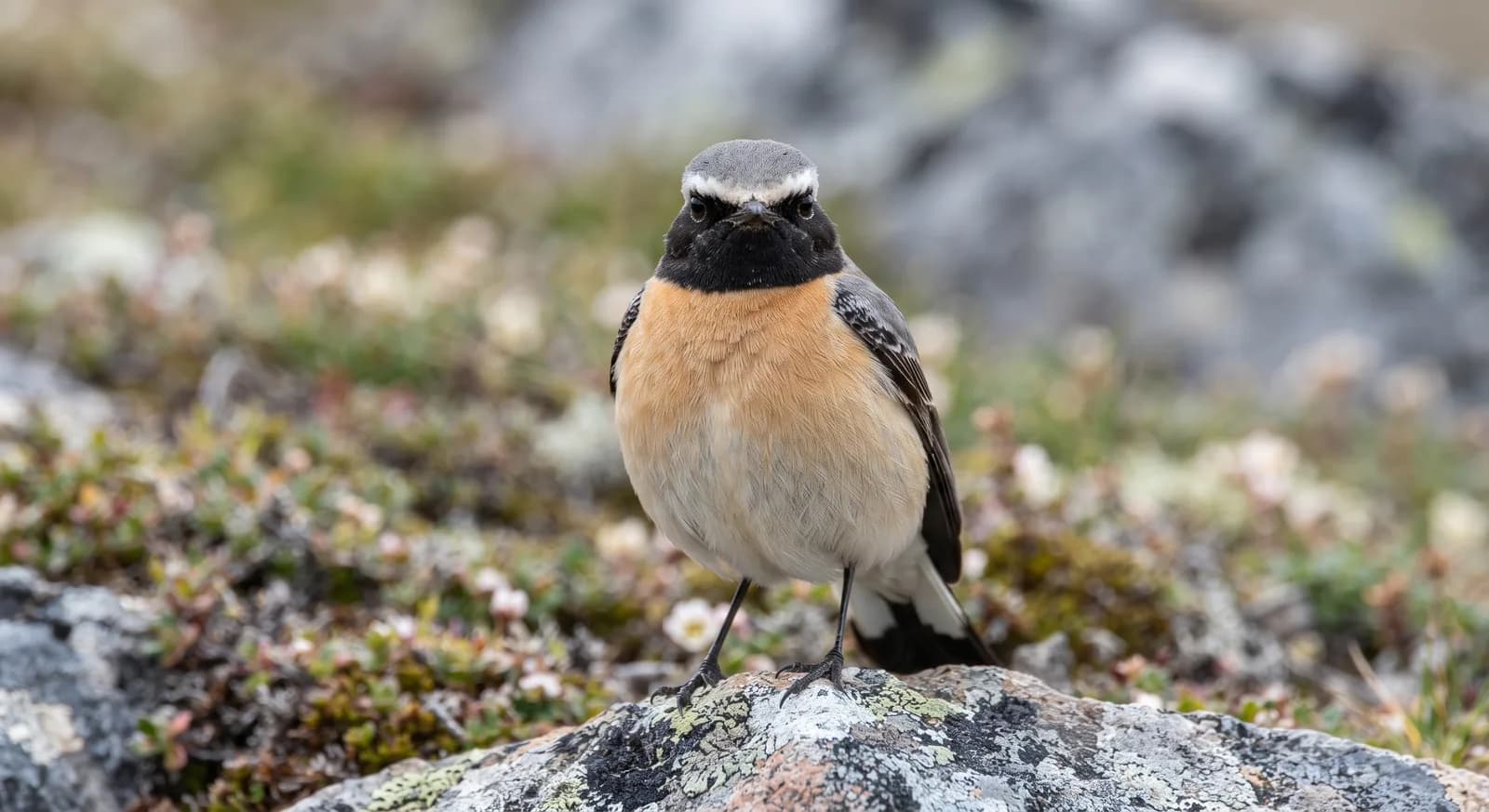
The isabelline wheatear is the largest and palest of the Palaearctic wheatears, a uniform sandy beige with almost no contrast. It breeds on the arid steppes of Central Asia, Turkey and Iran, and winters in the Sahel and Arabia. It nests in the abandoned burrows of rodents, gerbils and ground squirrels, a habit that sets it apart from its relatives.
Weight
22 g – 38 g
Size
15 cm – 17 cm
Lifespan
8 years
Diet
Insectivore
Feeds mainly on insects and other invertebrates.
Activity
Diurnal
Active mainly during the day.
Social structure
In pairs
Usually lives in pairs, sometimes for life.
Sighting difficulty
Easy
Fun facts
- It nests underground in the abandoned burrows of gerbils and ground squirrels, sometimes more than a metre deep, and depends on those rodents in order to breed on the bare steppe.
- Its name refers to the colour isabelline, a pale beige which, according to an apocryphal legend, comes from a vow by Isabella of Castile not to change her shift until Granada was taken.
- It is among the hardest wheatears to identify precisely because of its lack of features: uniformly sandy, without contrast, and telling it from other species demands attention to proportions and posture.
Life cycle & biology
- Skeleton type
- Vertebrate - internal bony skeleton (bird)
- Habitat & environment
- Arid steppe, semi-desert and stony plains of Central Asia and the Near East
- Sexual maturity
- 12 months
- Gestation / incubation
- 13 days of incubation
- Litter / clutch size
- 5 eggs
Sources consulted: https://es.wikipedia.org/wiki/Oenanthe_isabellina
Where to find it
See its range on the interactive mapWhere to watch it
Parques y spots de buceo donde se ha documentado esta especie — se muestran 10 de 16 documentados.
Related species
Other species in the catalogue with the most in common with Isabelline Wheatear — same habitat, park, country, tags or family.
Rufous-tailed Rock Thrush
Monticola saxatilis
Cyprus Wheatear
Oenanthe cypriaca
Black Redstart
Phoenicurus ochruros
Blue Rock Thrush
Monticola solitarius
Collared Flycatcher
Ficedula albicollis
 Least Concern
Northern Wheatear
Oenanthe oenanthe
Keep exploring
Based on what we already know about isabelline wheatear.
Comments
Share an experience, a fun fact or a tip for seeing the isabelline wheatear.
Be the first to comment.