Birds · Passeriformes · Tichodromidae
Wallcreeper
Tichodroma muraria
The species is abundant and widely distributed; it faces no significant short-term risk. See full glossary
The wallcreeper is one of the most spectacular and hardest-to-see birds in Europe. Grey at rest, on opening its wings it reveals intense crimson patches that make it unmistakable. It lives on vertical high-mountain faces, where it works its way across the rock in short hops, probing the crevices for invertebrates with its long, curved bill. In winter it comes down to lower ground and turns up in gorges, on dams and even on cathedrals. In Spain it breeds in the Pyrenees and the Cantabrian Mountains.
Weight
15 g – 20 g
Size
15 cm – 17 cm
Lifespan
8 years
Diet
Insectivore
Feeds mainly on insects and other invertebrates.
Activity
Diurnal
Active mainly during the day.
Social structure
Solitary
Lives and hunts alone, joining others only to breed.
Sighting difficulty
Easy
Fun facts
- As it works across the rock face it constantly opens and closes its wings, flashing the crimson in bursts that have earned it the nickname of the butterfly of the rocks.
- It is the only species in its family: it has no close living relative, and its lineage has been isolated from the other climbing birds for millions of years.
Life cycle & biology
- Skeleton type
- Vertebrate - internal bony skeleton (bird)
- Habitat & environment
- Rock faces and vertical walls of the high mountains; in winter it descends to ravines and gorges
- Sexual maturity
- 12 months
- Gestation / incubation
- 19 days of incubation
- Litter / clutch size
- 4 eggs
Sources consulted: https://www.iucnredlist.org/ | https://animaldiversity.org/ | https://es.wikipedia.org/
Where to find it
See its range on the interactive mapWhere to watch it
Parques y spots de buceo donde se ha documentado esta especie — se muestran 10 de 23 documentados.
Related species
Other species in the catalogue with the most in common with Wallcreeper — same habitat, park, country, tags or family.
Western Capercaillie
Tetrao urogallus
White-throated Dipper
Cinclus cinclus
Goldcrest
Regulus regulus
Spanish Wall Lizard
Podarcis hispanicus
Black Grouse
Lyrurus tetrix
 Least Concern
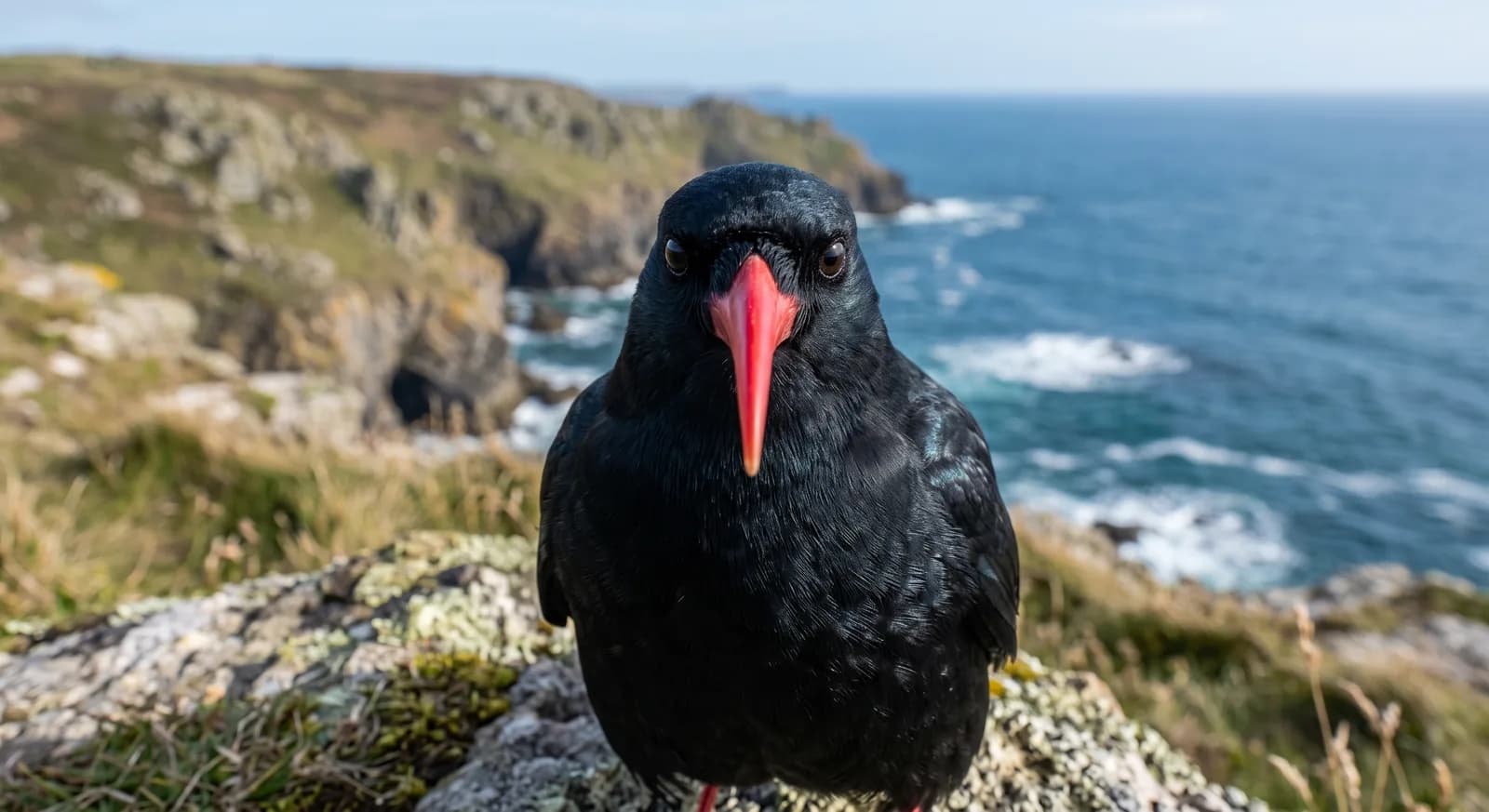
Red-billed Chough
Pyrrhocorax pyrrhocorax
Keep exploring
Based on what we already know about wallcreeper.
Comments
Share an experience, a fun fact or a tip for seeing the wallcreeper.
Be the first to comment.