Grenada
América del Norte
Grenada is a volcanic island in the Lesser Antilles whose mountainous interior keeps rainforest around Grand Etang, a lake that occupies the crater of an extinct volcano and that is surrounded by jungle with tree ferns and mountain palms. The island is known as the isle of spice for its nutmeg and cinnamon plantations, set within an agroforestry landscape that keeps its tree cover. On the north coast, the Levera area combines mangrove, lagoon and beaches where leatherback turtles nest. The waters of the west hold reefs that suffered severe damage from hurricanes and where the creation of artificial substrates to divert diving pressure has been successfully trialled.
The nature of Grenada
National animal: The Grenada dove, the endemic national bird, critically endangered
Did you know?
In Molinere Bay the world's first underwater sculpture park was installed in 2006, with concrete figures set on a sandy bottom a few metres down. Over the years the sculptures have become covered in corals, sponges and algae and have turned into an artificial reef inhabited by fish, as well as drawing divers away from the natural reefs damaged by the hurricanes.
Biodiversity profile
Climate
- •Tropical con estacion seca (Aw), isla volcanica
Main biomes
- •Bosque tropical humedo de montaña
- •Bosque seco costero
- •Manglares
- •Bosque húmedo de montaña
- •Lago de cráter
- •Arrecife de coral
- •Manglar y laguna costera
- •Paisaje agroforestal de especias
- •Playa de puesta de tortugas
- •Arrecife artificial
Marine and coastal ecosystems
- •Arrecifes de coral alrededor de la isla y las Grenadines del sur
Flagship wildlife
- •Paloma de Granada (ave nacional, en peligro critico)
- •Reinita de Granada
- •Curruca de Granada (ave recientemente reconocida como endemica)
- •Paloma perdiz de Granada
- •Tortuga laúd
- •Mono mona
- •Tortuga carey
- •Colibrí caribeño
- •Rabijunco colirrojo
- •Iguana verde
- •Delfín mular
- •Ballena jorobada
- •Langosta espinosa
Notable endemic species
- •Paloma de Granada (Leptotila wellsi, endemica y en peligro critico)
- •Curruca/chochin de Granada (Troglodytes grenadensis), reconocida recientemente como especie propia tras la division taxonomica del chochin comun americano
- •Paloma perdiz de Granada
- •Lagartija de Granada
Notable threatened species
- •Paloma de Granada (En Peligro Critico, una de las aves mas amenazadas del Caribe)
Notable protected areas
- •Dato no disponible con precision en fuentes verificadas consultadas
- •Reserva Forestal de Grand Etang
- •Parque de Esculturas Submarinas de Molinere
- •Área Protegida de Levera
- •Cascadas de Concord
- •Isla de Carriacou
- •Reserva de Mount Hartman
Main conservation threats
- •Perdida de habitat por desarrollo costero y agricola
- •Poblacion muy reducida y restringida de la paloma de Granada, altamente vulnerable a eventos climaticos extremos (huracanes)
Conservation
The Grenada dove, with fewer than two hundred birds left, depends on a few fragments of dry forest in the southwest threatened by tourism developments. Hurricanes Ivan and Emily, in 2004 and 2005, flattened much of the island's forest, which is still recovering.
Where and when to watch wildlife
Grand Etang at dawn for forest birds and monkeys. Molinere year-round for the artificial reef. Levera between April and July for leatherback turtle nesting.
Sources: BirdsCaribbean - Meet the Caribbean's Six New Avian Endemics | Ecosystem Profile - Caribbean Islands Biodiversity Hotspot (CEPF)
Diving and snorkelling
Molinere Underwater Sculpture Park
The world's first underwater sculpture park, opened to the public in May 2006, the work of the British sculptor Jason deCaires Taylor. The pieces are made of concrete and reinforcing steel and function as an artificial reef. It has grown to more than a hundred individual sculptures, between single and grouped installations, across more than 800 m² of seabed.
View dive siteWreckBianca C Wreck
An ocean liner of some 180 m built in 1931. In October 1961 she called at Grenada on her way to La Guaira; a fire broke out on board and she was towed out of Saint George's harbour, where she eventually sank. She is called the Titanic of the Caribbean for her size.
View dive sitePaíses similares
¿A dónde más podría interesarme viajar?
Misma región: Centroamérica y Caribe
Misma región: Centroamérica y Caribe
Misma región: Centroamérica y Caribe
Misma región: Centroamérica y Caribe
Especies documentadas en Grenada
112 species found
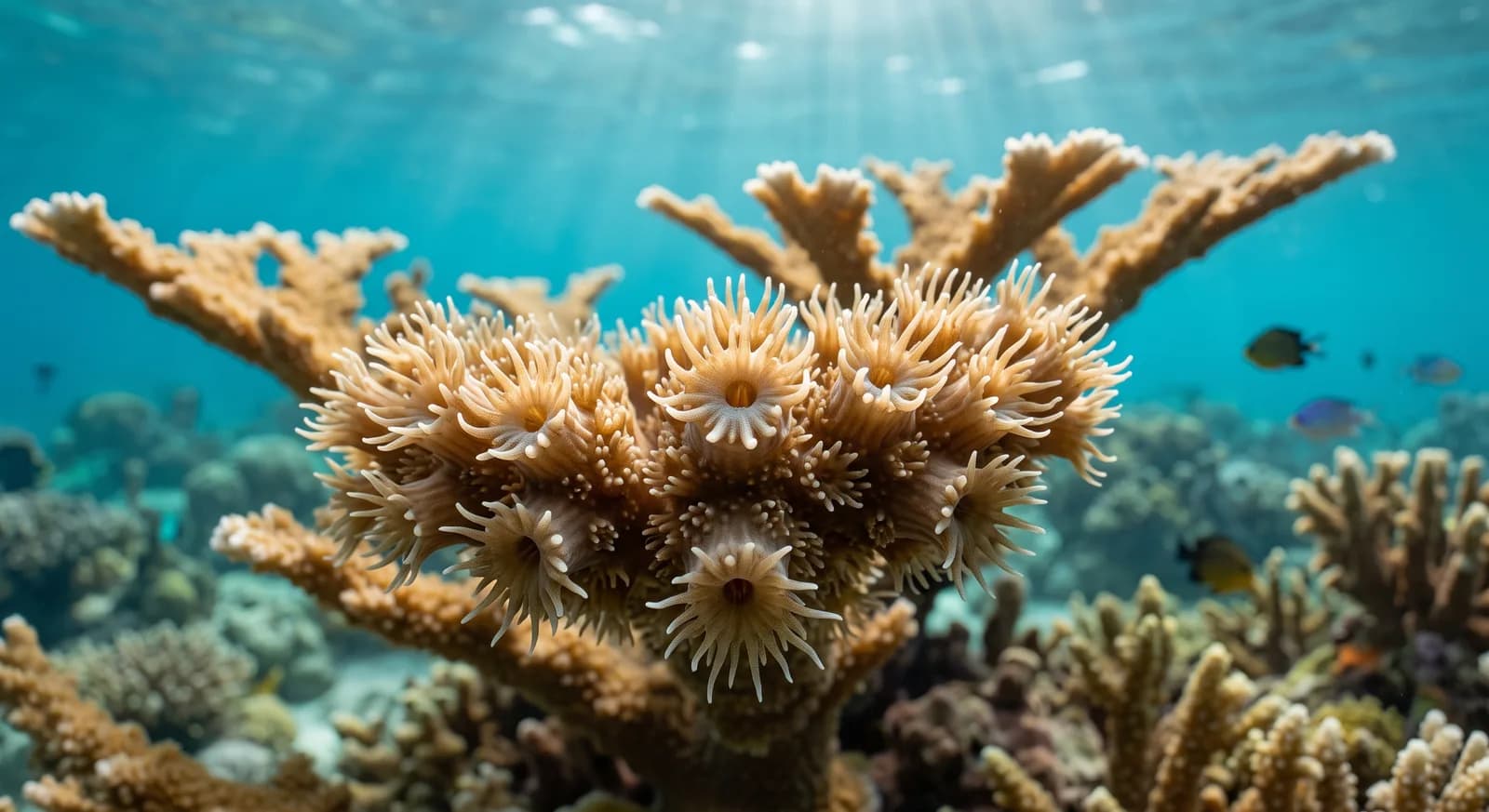 Critically Endangered
Elkhorn Coral
Acropora palmata
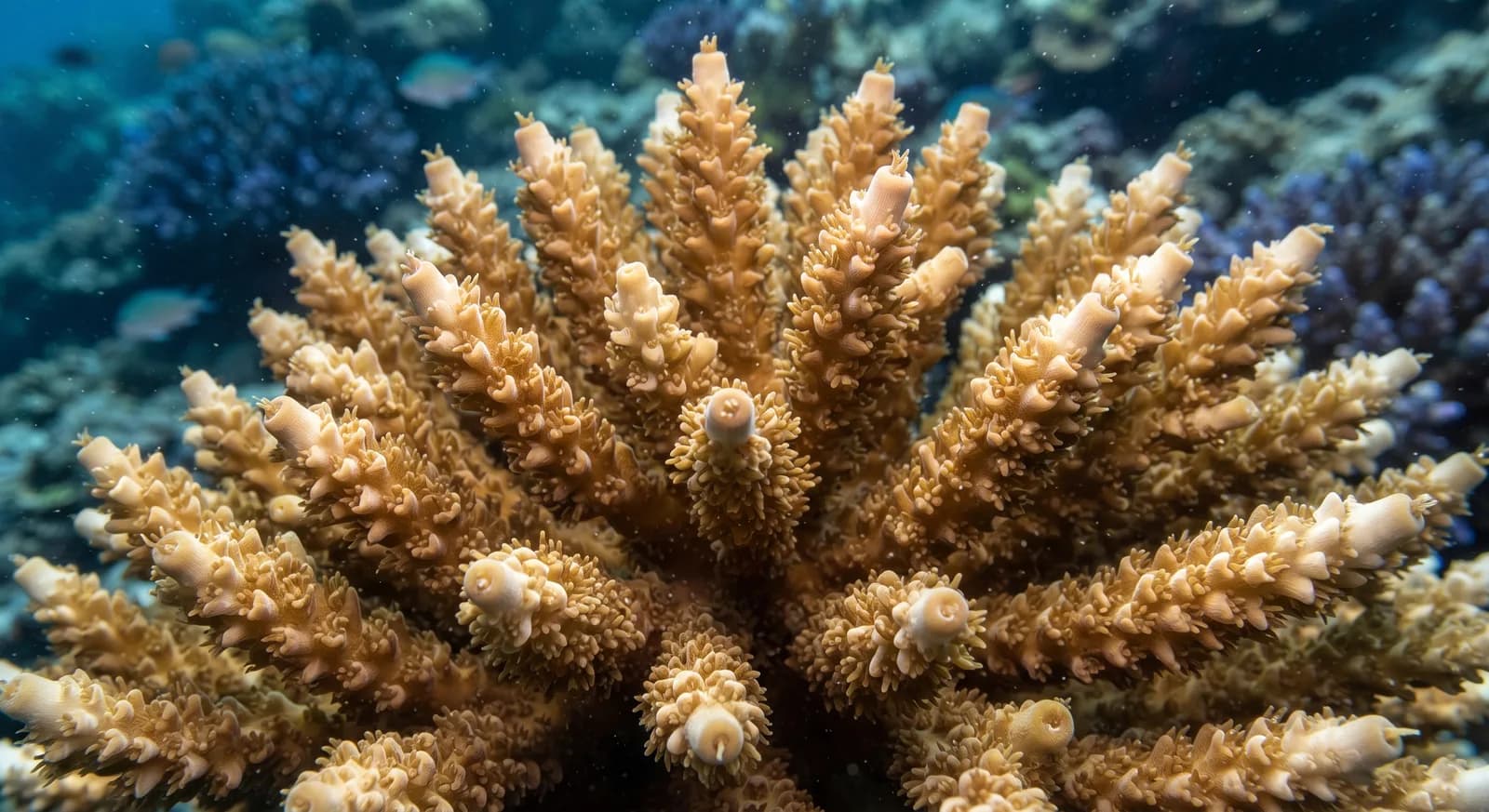 Critically Endangered
Staghorn Coral
Acropora cervicornis
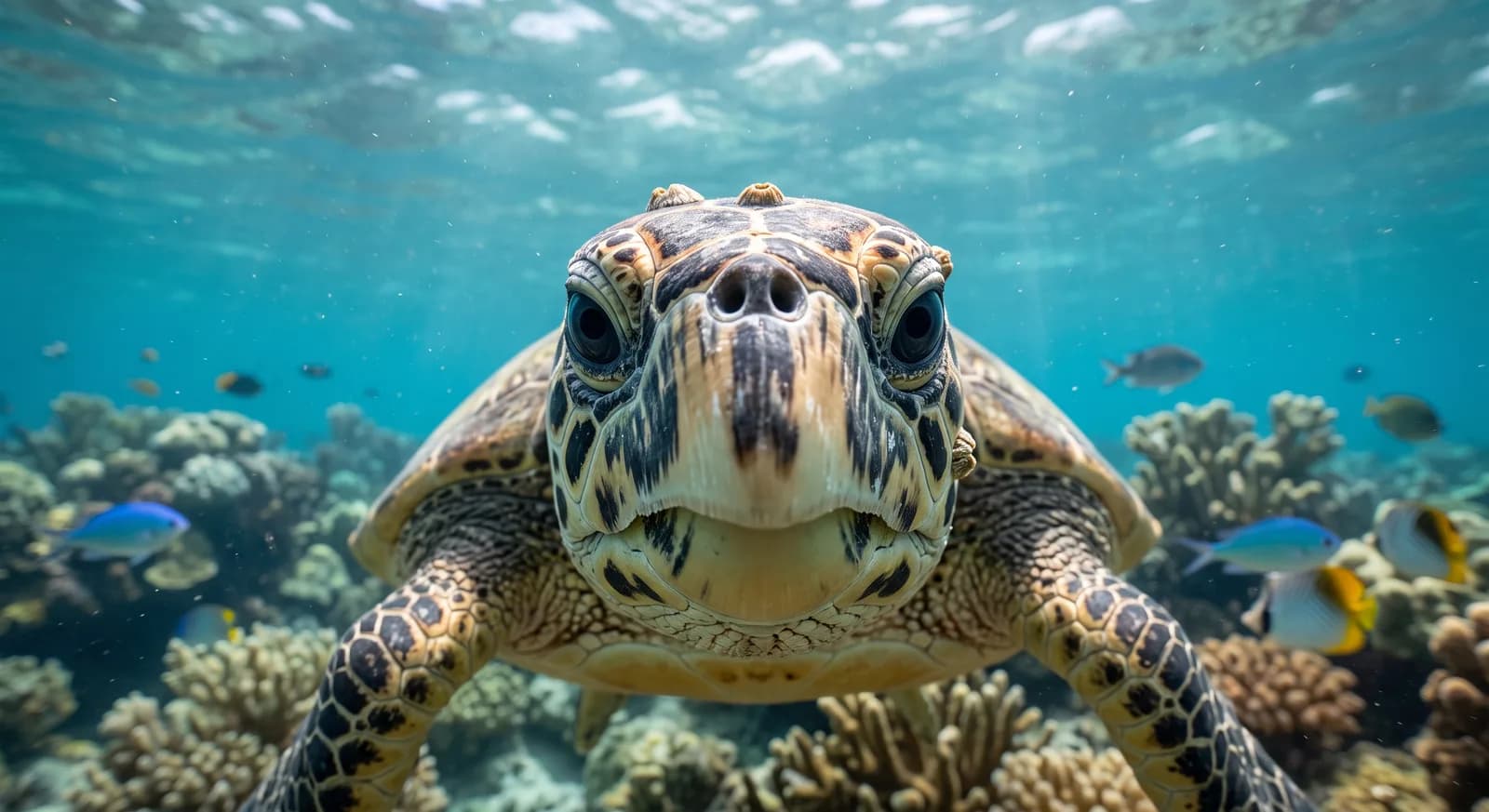 Critically Endangered
Hawksbill Turtle
Eretmochelys imbricata
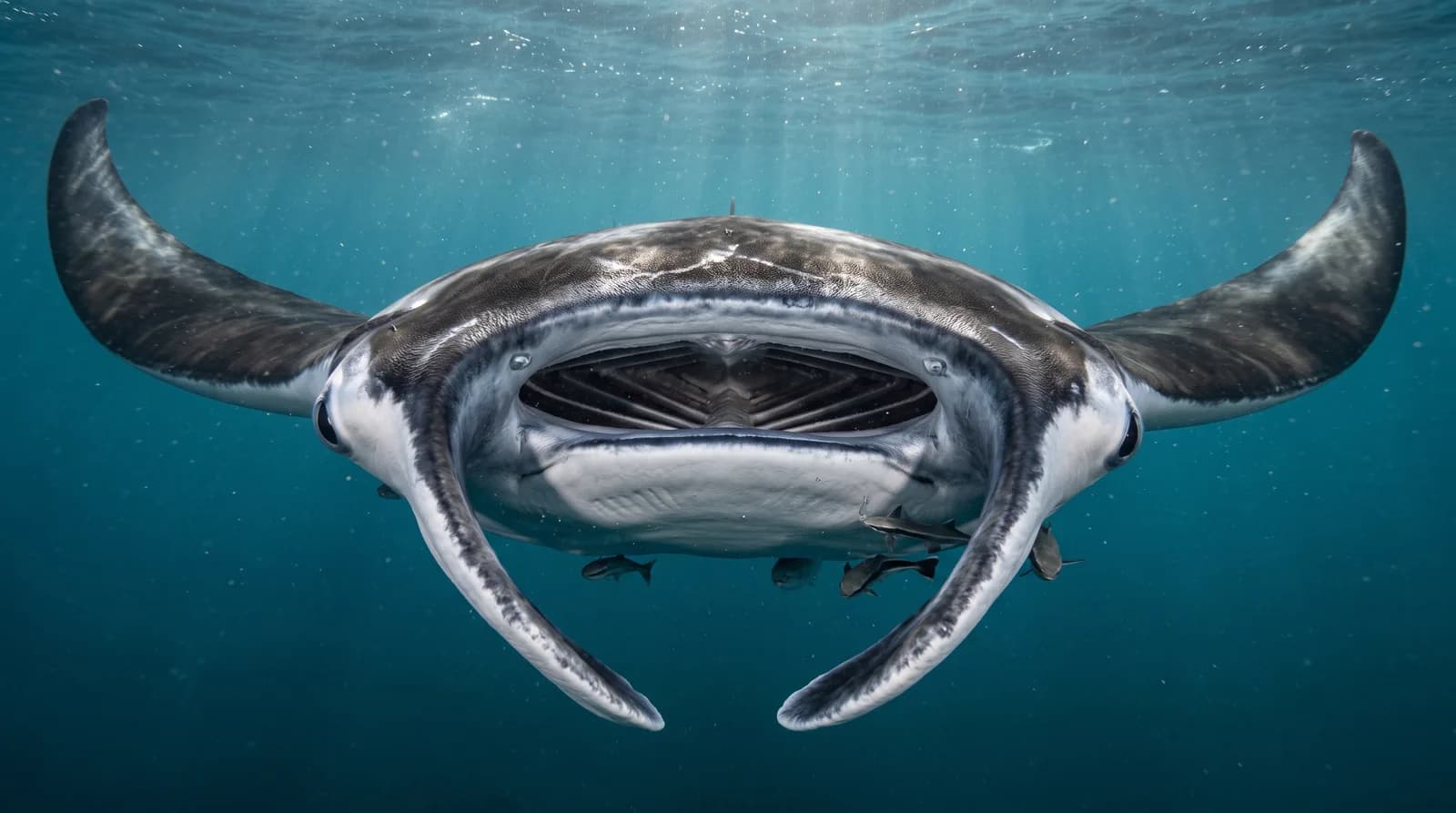 Endangered
Giant Manta
Mobula birostris
 Endangered
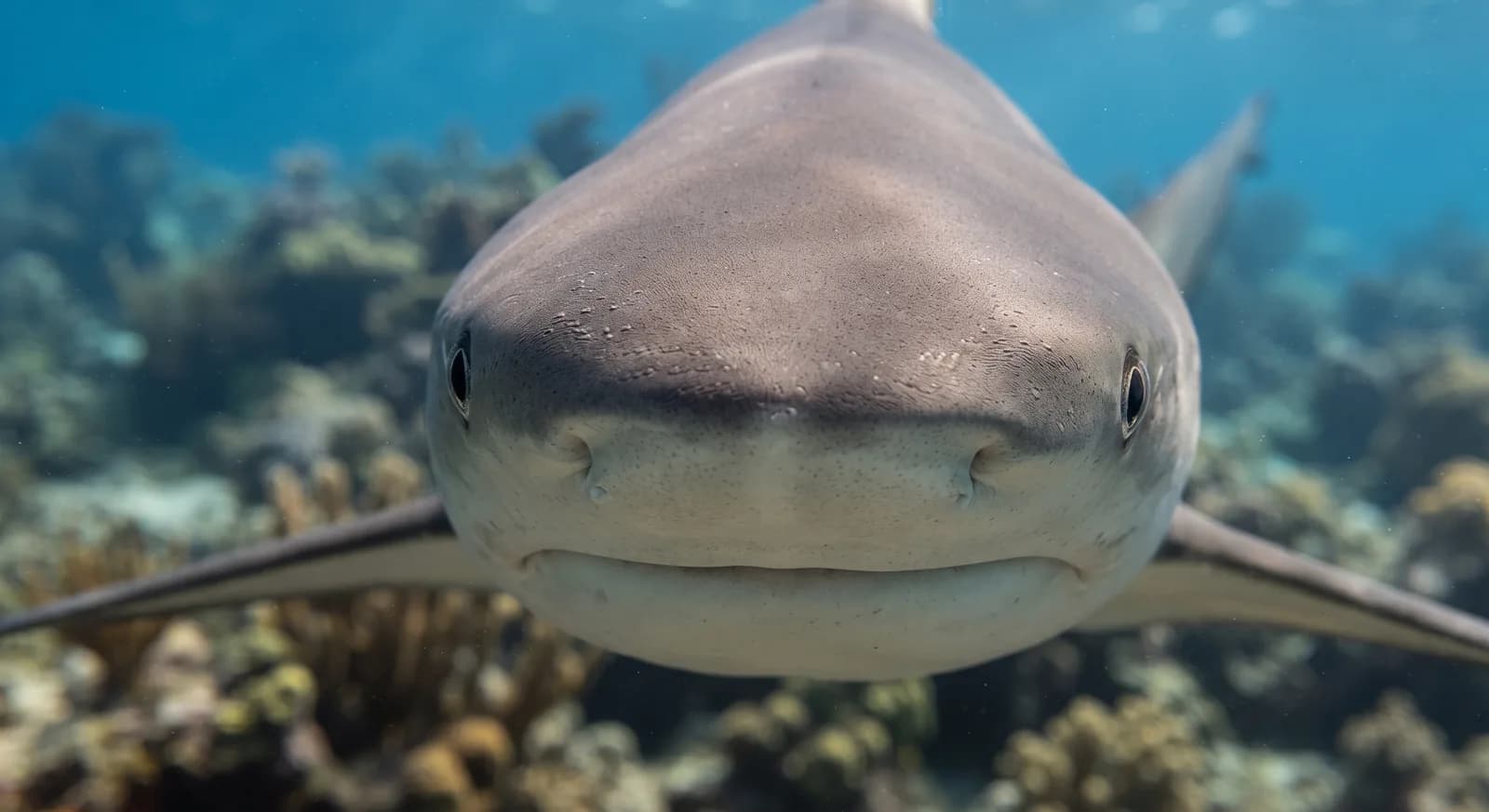
Caribbean Reef Shark
Carcharhinus perezi
 Endangered
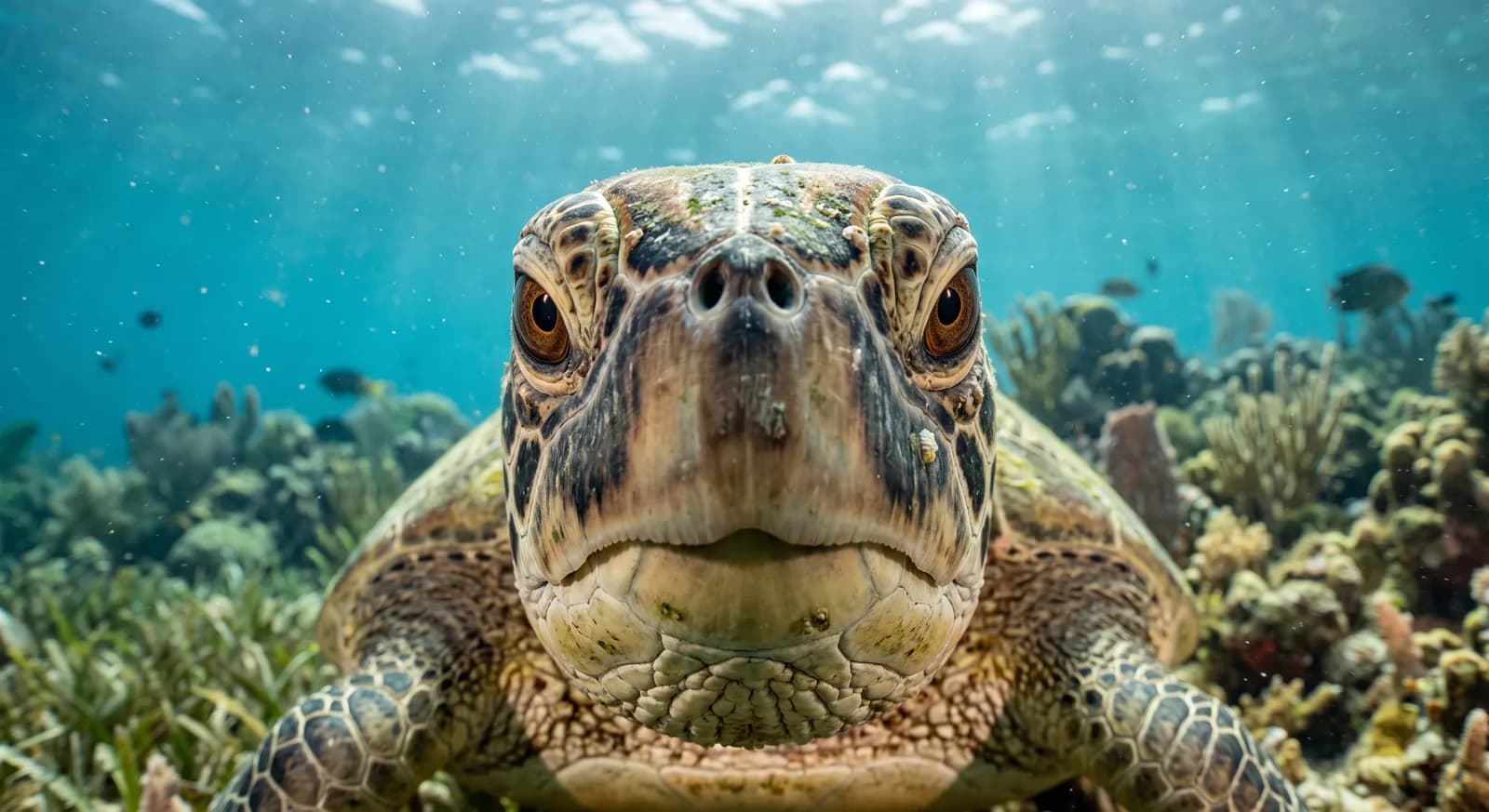
Green Turtle
Chelonia mydas
 Vulnerable
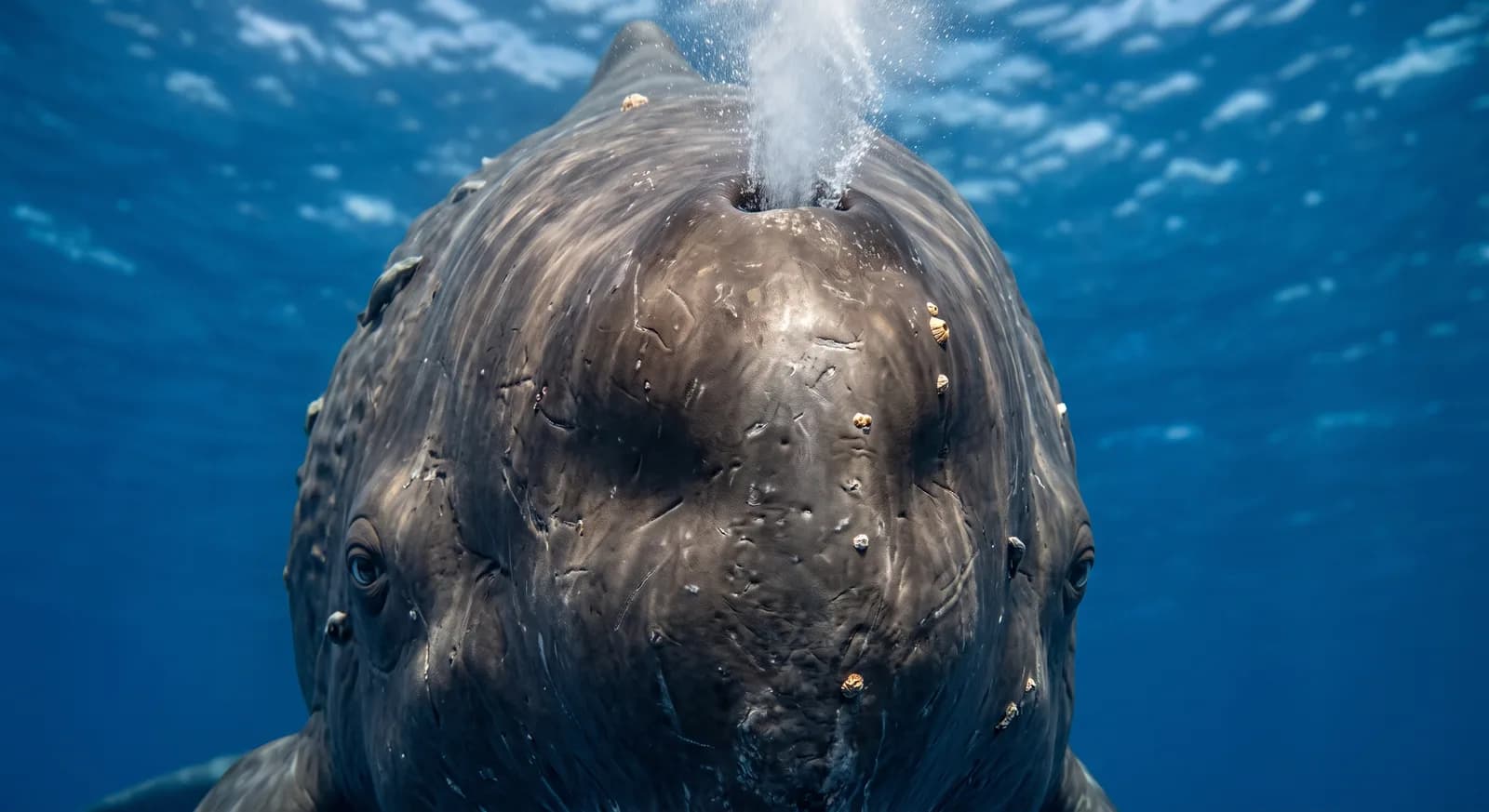
Sperm Whale
Physeter macrocephalus
 Vulnerable
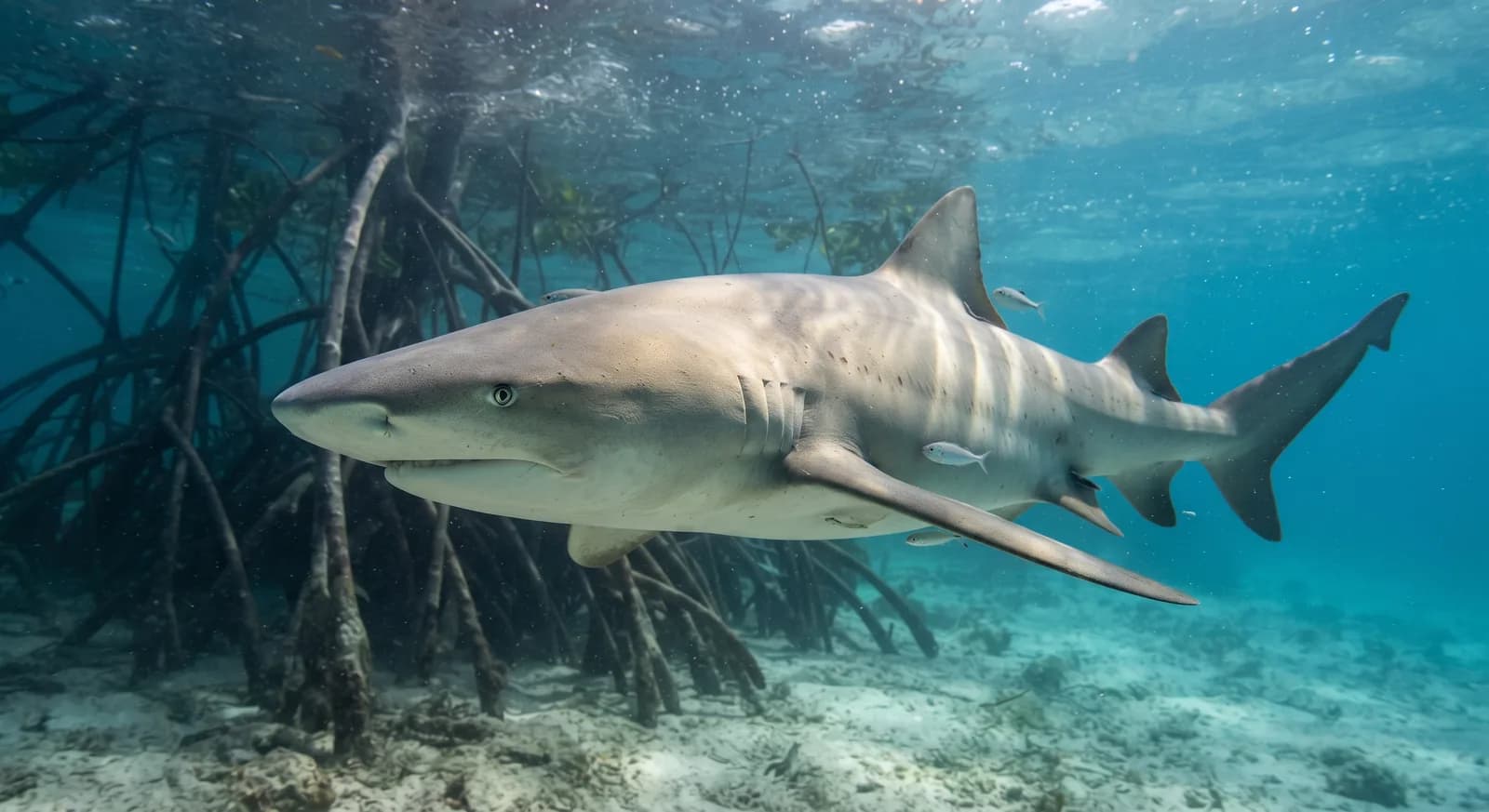
Lemon Shark
Negaprion brevirostris
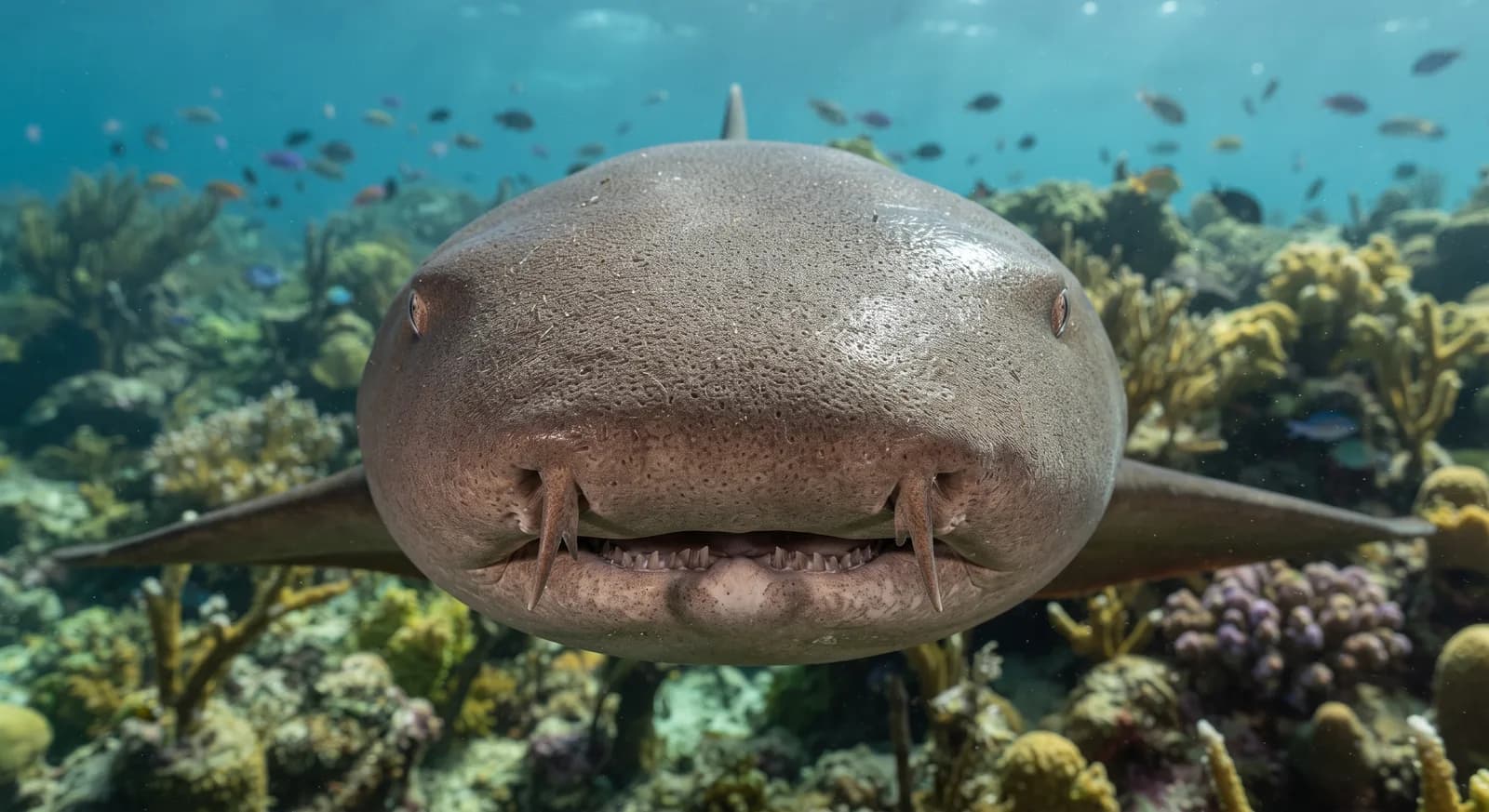 Vulnerable
Nurse Shark
Ginglymostoma cirratum
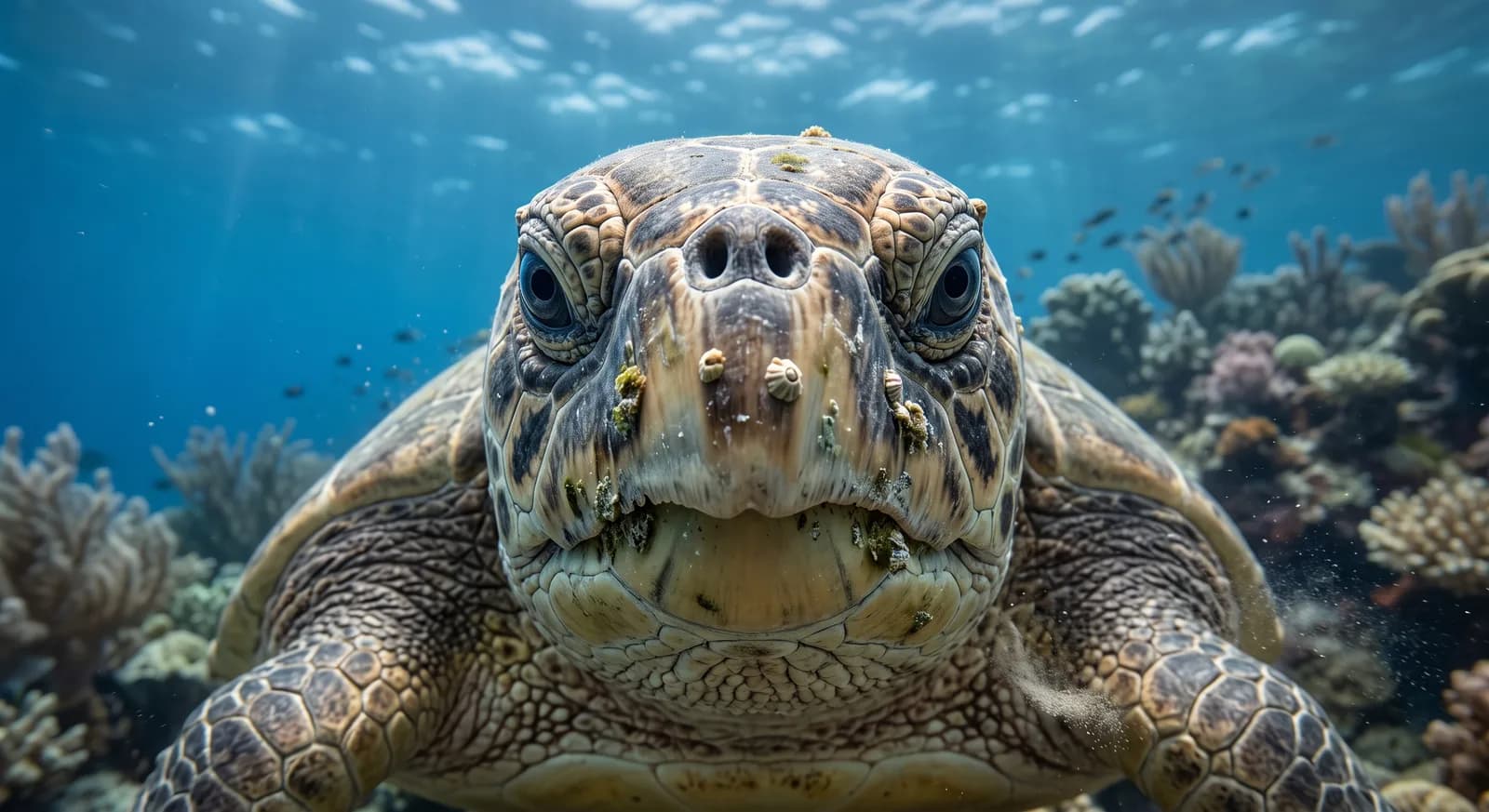 Vulnerable
Loggerhead Turtle
Caretta caretta
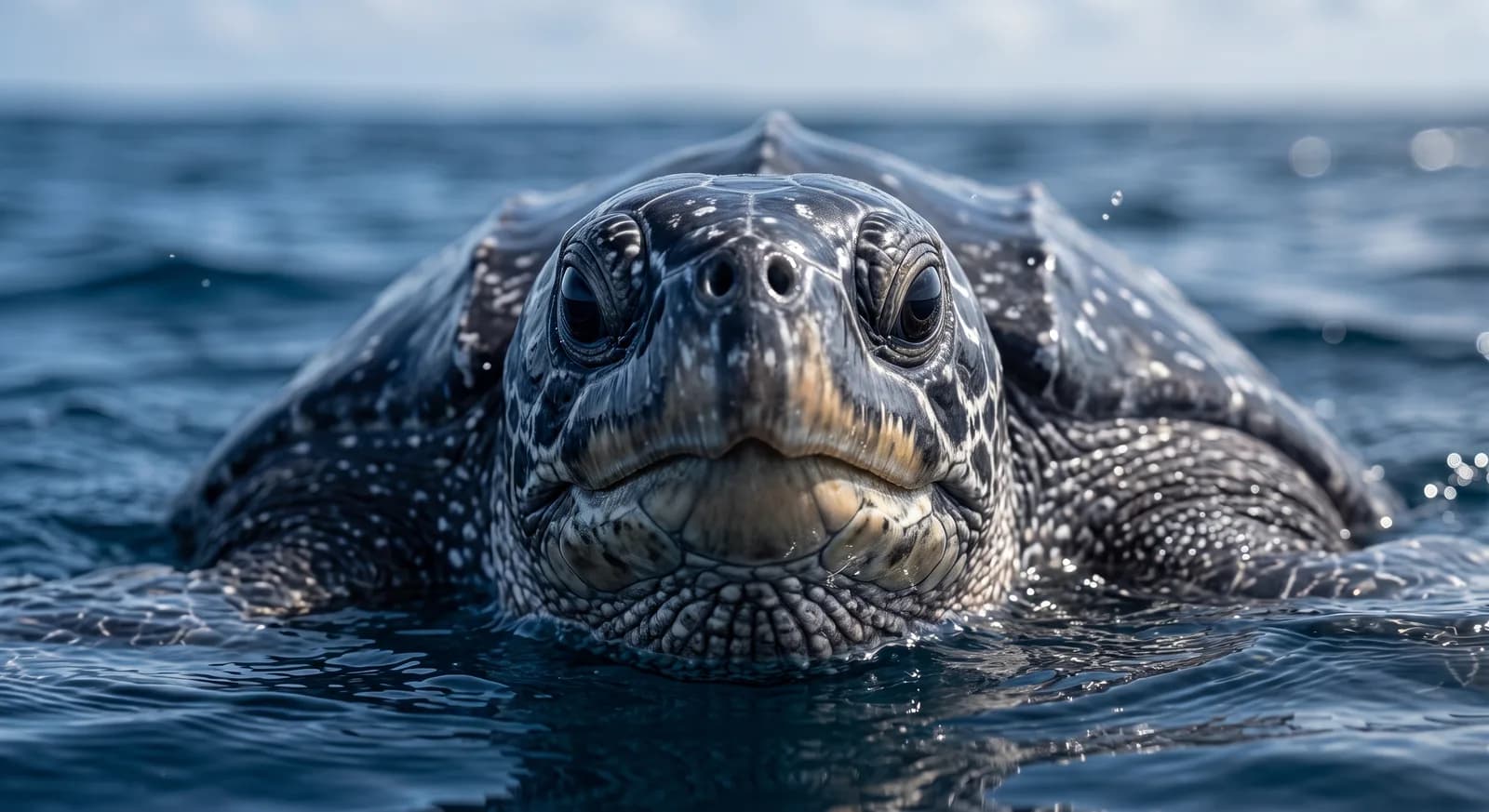 Vulnerable
Leatherback Sea Turtle
Dermochelys coriacea
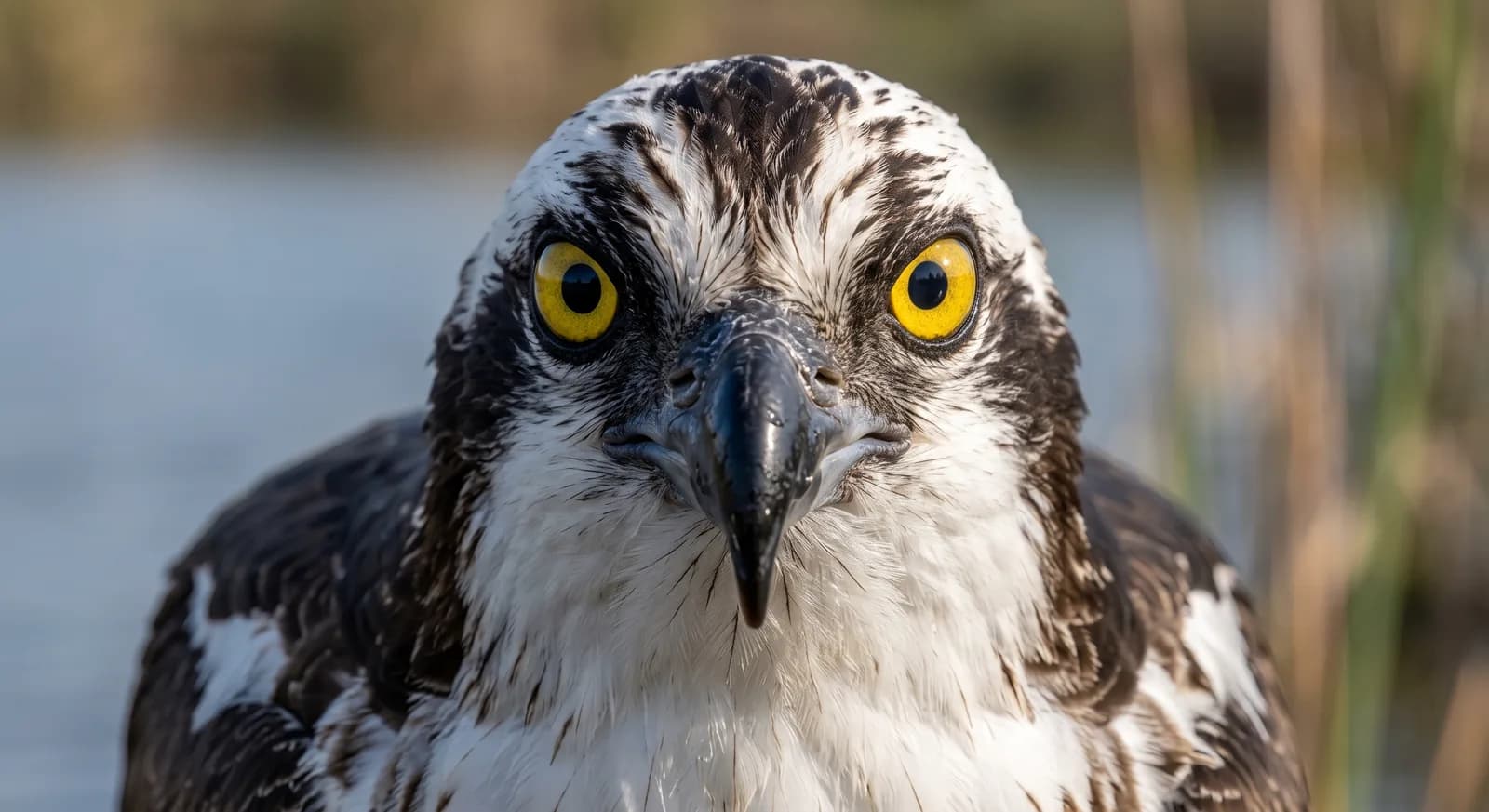 Least Concern
Osprey
Pandion haliaetus
Keep exploring
Based on what we already know about Grenada.