Tajikistan
Asia
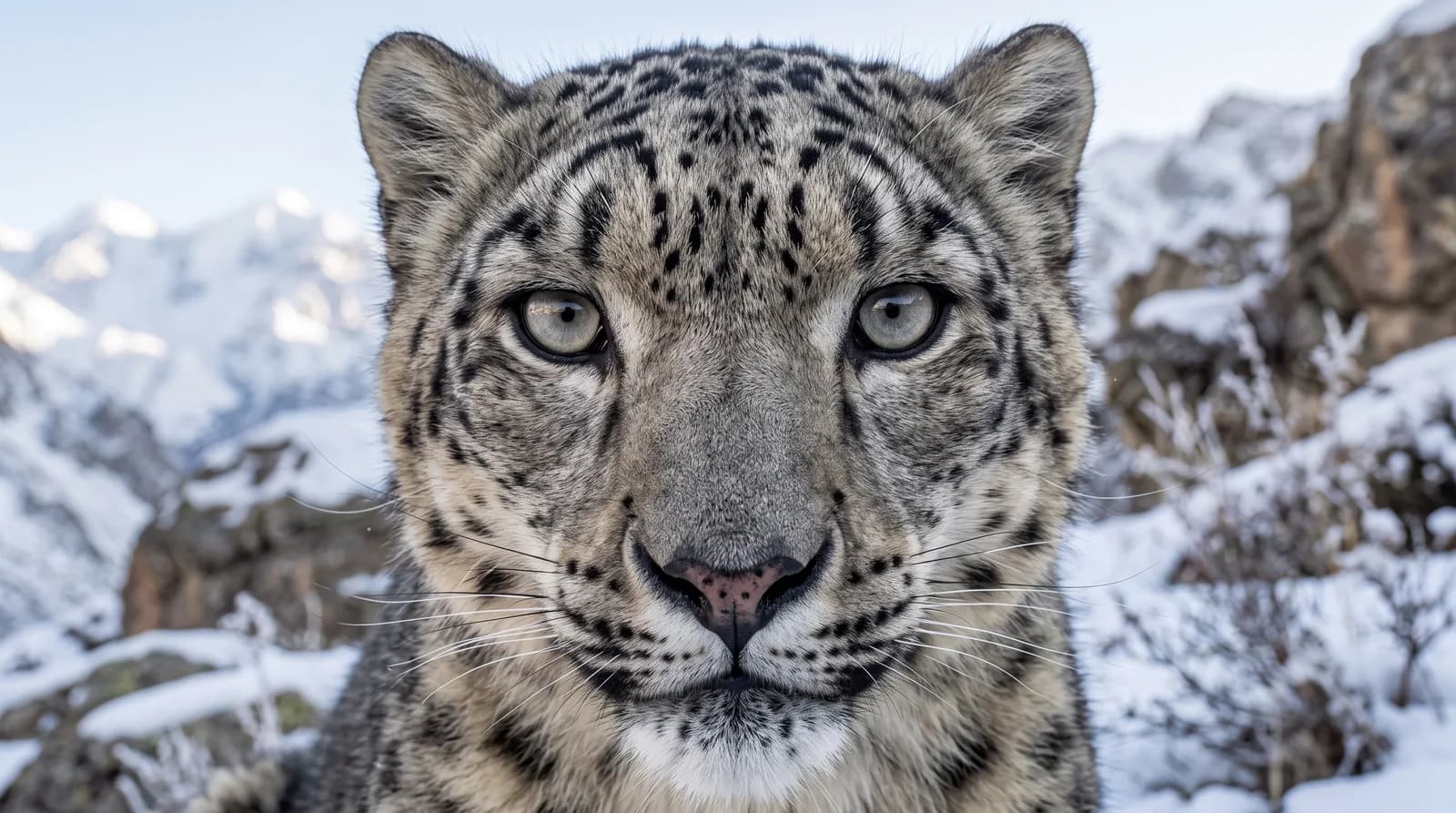
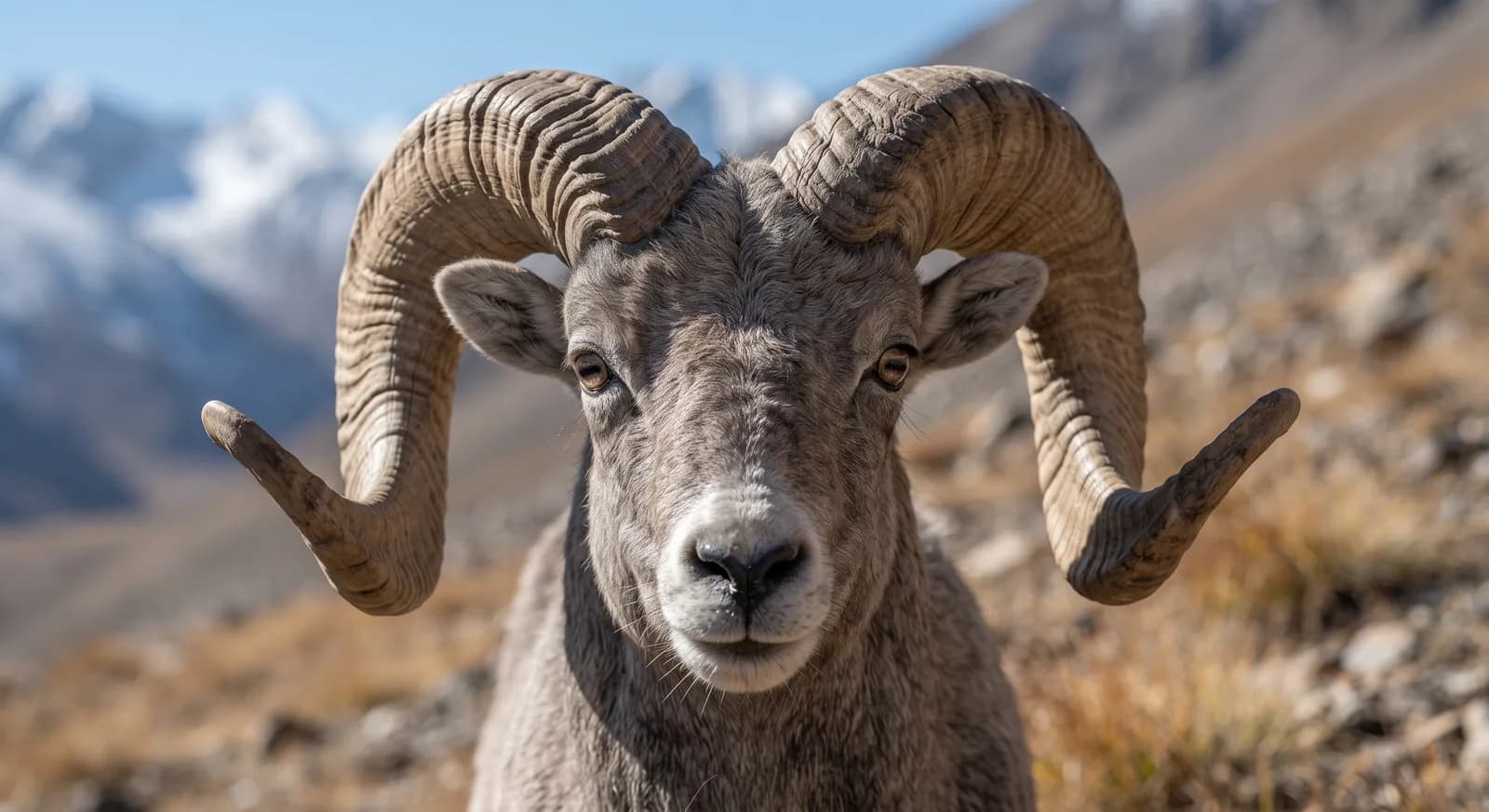
Tajikistan is the most mountainous country in Central Asia: close to ninety-three per cent of its surface is mountain and half of it lies above three thousand metres. The Pamir, known as the roof of the world, occupies the east with high desert plateaux, salt lakes and the Fedchenko glacier, the longest outside the polar regions. Those cold uplands hold the Marco Polo argali, the wild sheep with the longest horns in the world, and a significant snow leopard population. In the west, the valleys of the Zeravshan and the Vakhsh drop away towards the desert and keep gallery forests of poplar and tamarisk. The walnut and maple forests of the Hisor mountains complete a country of extreme vertical contrasts.
The nature of Tajikistan
National animal: No official national animal; the snow leopard and the Marco Polo argali are the country's faunal symbols
Did you know?
The Tigrovaya Balka reserve, in the riverside forests of the south of the country, means literally tiger ravine. That name is not decorative: the last Caspian tigers in the whole of the former Soviet Union were recorded there, in the 1950s, before the subspecies became extinct. The reserve keeps the place name and the habitat, today occupied by Bukhara deer, wild boar and jungle cats.
Biodiversity profile
Climate
- •Continental de montaña, con fuerte variacion altitudinal; clima subtropical en los valles bajos y polar/tundra en las cumbres del Pamir
Main biomes
- •Cordillera del Pamir ("techo del mundo", con glaciares extensos)
- •Bosque y estepa de montaña
- •Semidesierto en valles bajos (Fergana, Vakhsh)
- •Altiplano desértico de altura
- •Glaciar de montaña
- •Bosque de ribera tugai
- •Bosque de nogales de montaña
- •Lago salado de altitud
- •Estepa de montaña
- •Roquedo alpino
Marine and coastal ecosystems
- •No aplica (pais sin litoral)
Flagship wildlife
- •Leopardo de las nieves
- •Argali de Marco Polo (icono del Pamir)
- •Oso pardo
- •Lince de Asia Central
- •Ciervo de Bujará
- •Íbice siberiano
- •Markhor
- •Oso pardo del Himalaya
- •Gato de Pallas
- •Quebrantahuesos
- •Lobo gris
- •Águila real
Notable endemic species
- •Mayor densidad de especies y mayor tasa de endemismo de toda Asia Central: 4.542 especies de plantas vasculares con 505 taxones endemicos (11,12% de endemismo, la mas alta de la region), concentrada en las montañas del Pamir y el Tian Shan
Notable threatened species
- •Argali de Marco Polo (Casi Amenazado, icono del Pamir, cazado historicamente por sus cuernos en espiral de gran tamaño)
- •Leopardo de las nieves (Vulnerable)
Notable protected areas
- •Reserva Natural del Pamir Nacional (Patrimonio Mundial Tajik National Park, mayor area protegida del pais)
- •Parque Nacional Tayiko
- •Reserva de Tigrovaya Balka
- •Reserva de Zorkul
- •Reserva de Dashtijum
- •Glaciar Fedchenko
- •Lago Karakul
Main conservation threats
- •Caza furtiva de argali de Marco Polo por sus trofeos
- •Sobrepastoreo en praderas alpinas
- •Retroceso glaciar por cambio climatico, con impacto directo en la disponibilidad de agua regional
Notable natural phenomena
- •Tayikistan concentra la mayor superficie montañosa de Asia Central, siendo la region de mayor densidad y endemismo floristico de las cinco republicas centroasiaticas
Conservation
Tajik National Park is a World Heritage Site and covers almost a fifth of the country's territory. Community conservation programmes for markhor and argali have made it possible to recover populations that were on the brink of disappearing through poaching.
Where and when to watch wildlife
The Pamir in summer for argali and ibex on the high plateaux. Dashtijum in spring for markhor. Tigrovaya Balka in the dry season for Bukhara deer.
Sources: PMC - Regionwide and Nationwide Floristic Richness Central Asia | MDPI Diversity - Vascular Plant Diversity Kazakhstan (comparativa) | CEPF - From the Roof of the World to the Desert's Edge
Parks and reserves
Tajik National Park
Known as the roof of the world, it protects much of the Pamir range and is the largest protected area in Central Asia.
View parkNational ParkParque Nacional Tayiko (Montañas del Pamir)
The Roof of the World: 2.6 million hectares of high mountains holding the largest valley glacier outside the polar regions.
View parkPaíses similares
¿A dónde más podría interesarme viajar?
Misma región: Asia Central
Misma región: Asia Central
Misma región: Asia Central
Misma región: Asia Central
Especies documentadas en Tajikistan
49 species found
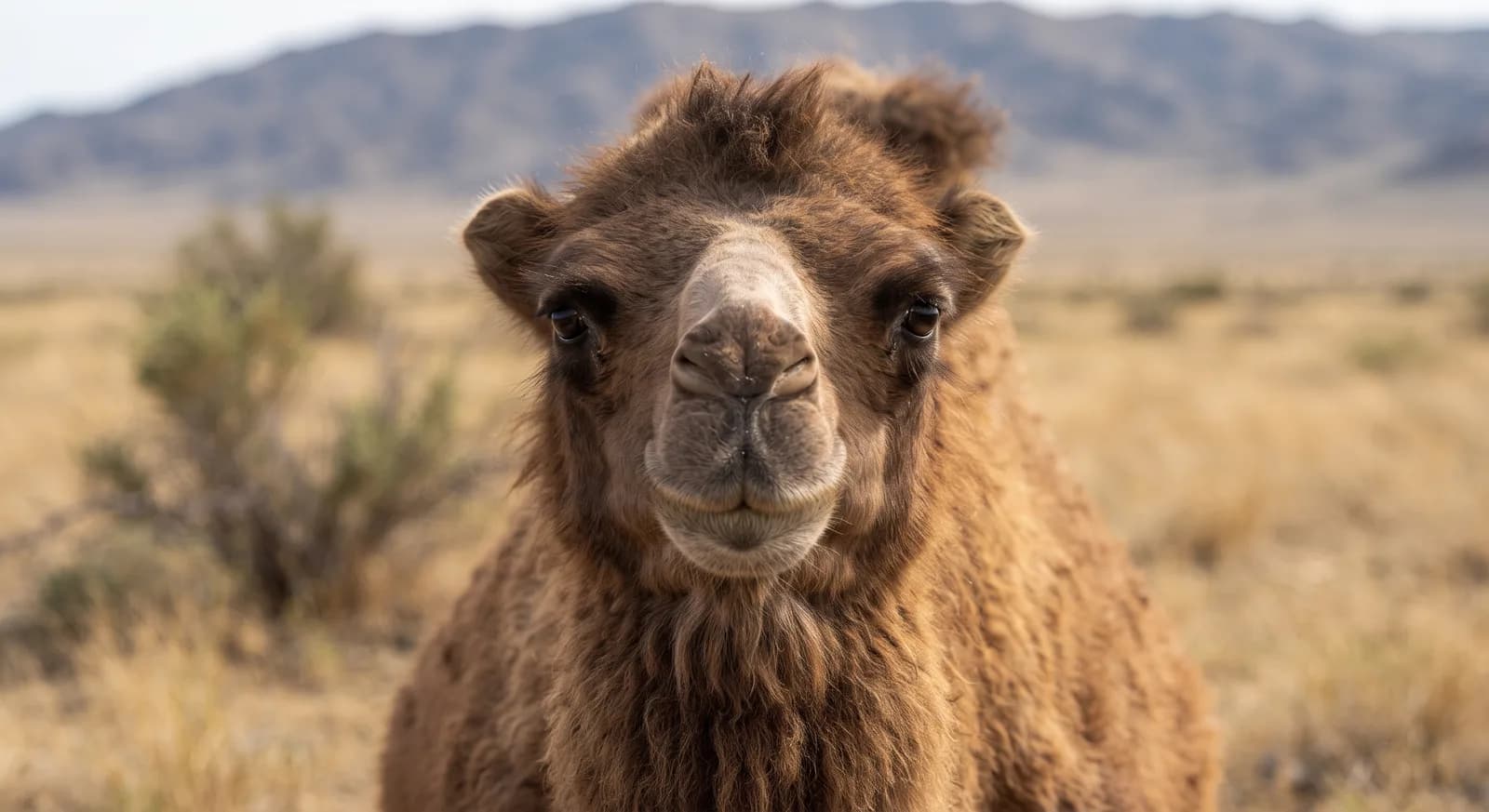 Critically Endangered
Bactrian Camel
Camelus bactrianus
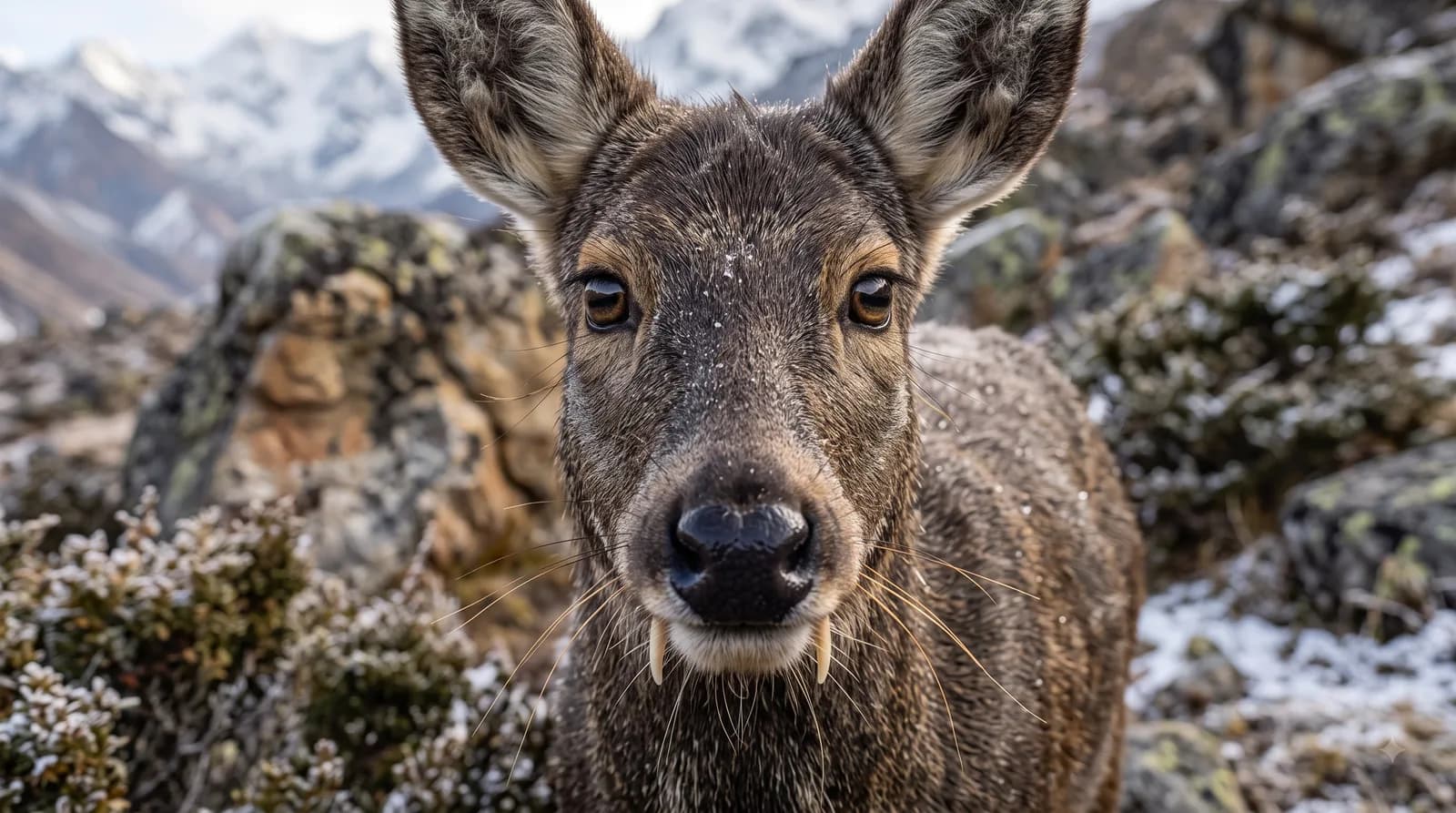 Endangered
Alpine Musk Deer
Moschus chrysogaster
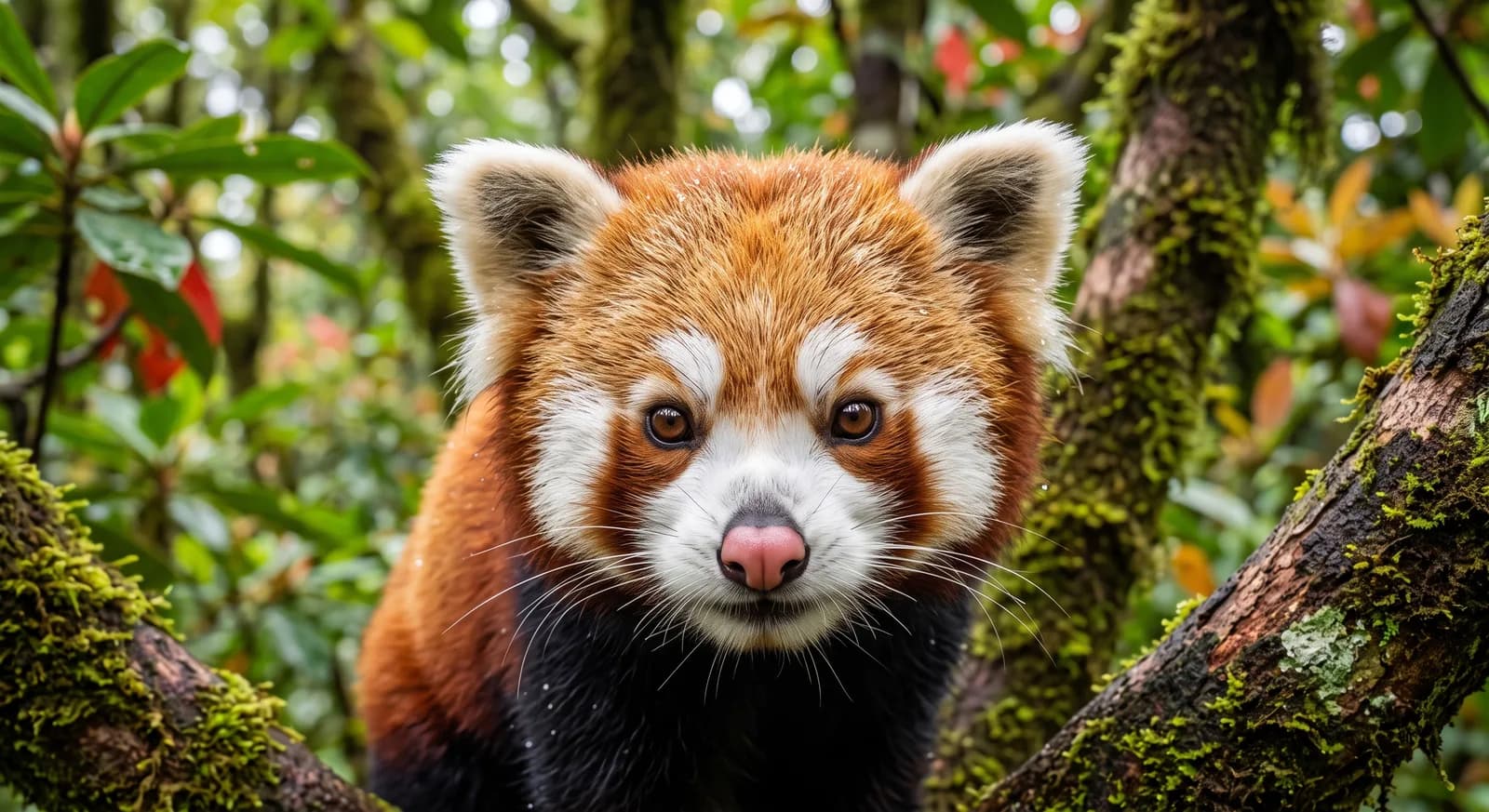 Endangered
Red Panda
Ailurus fulgens
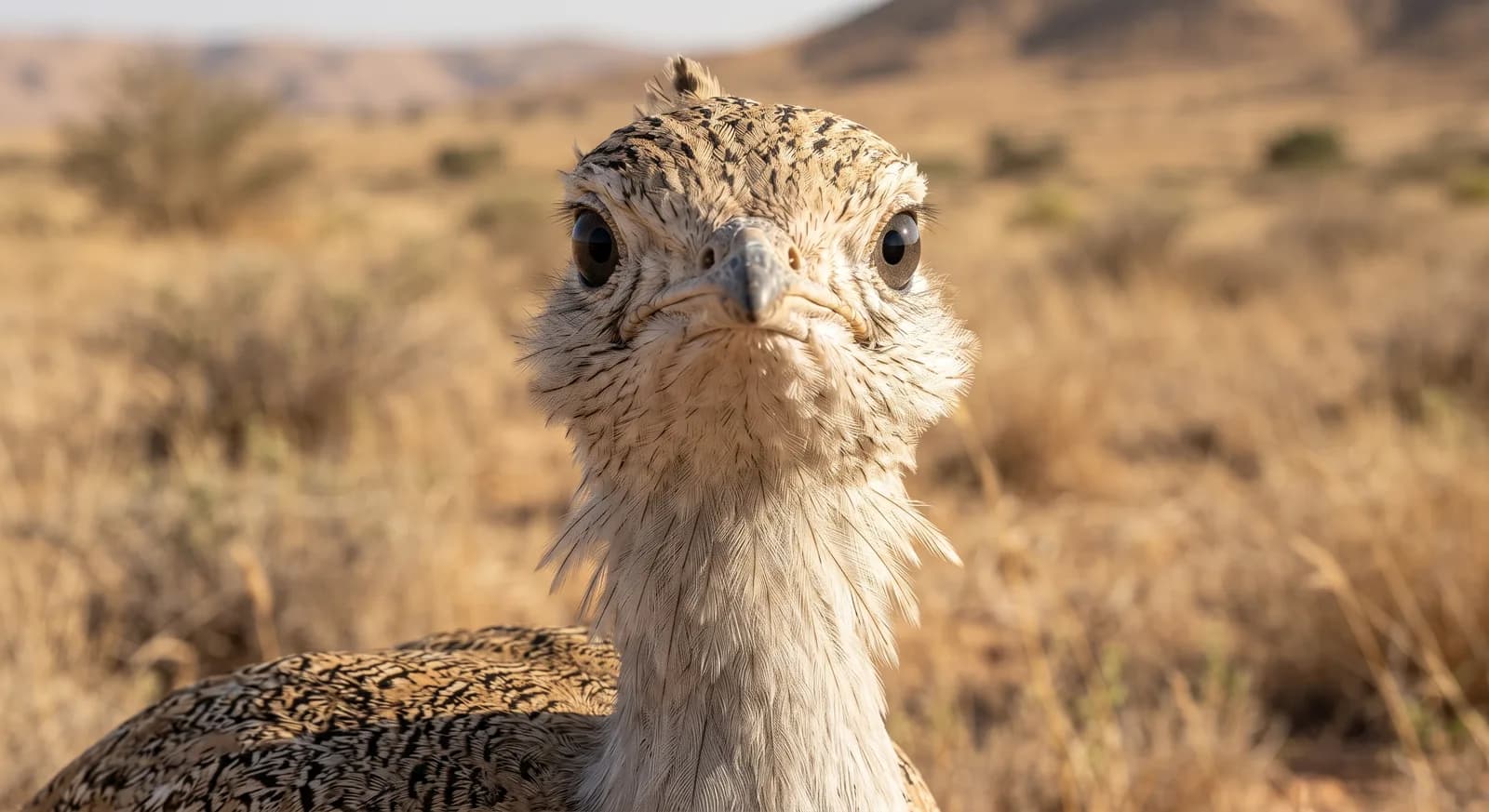 Vulnerable
Houbara Bustard
Chlamydotis undulata
 Vulnerable
Snow Leopard
Panthera uncia
 Vulnerable
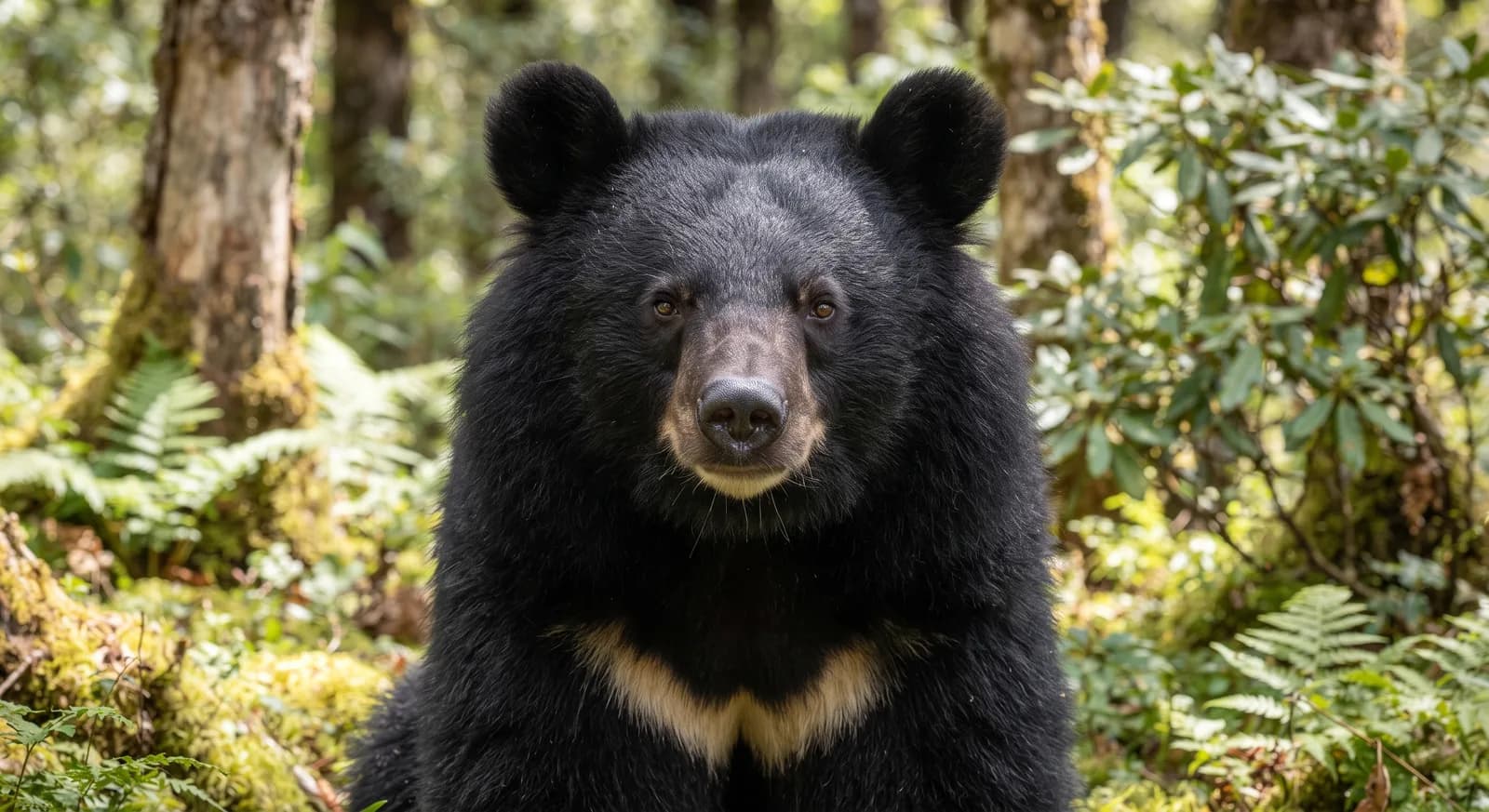
Asiatic Black Bear
Ursus thibetanus
 Vulnerable
Takin
Budorcas taxicolor
 Near Threatened
Argali
Ovis ammon
 Near Threatened
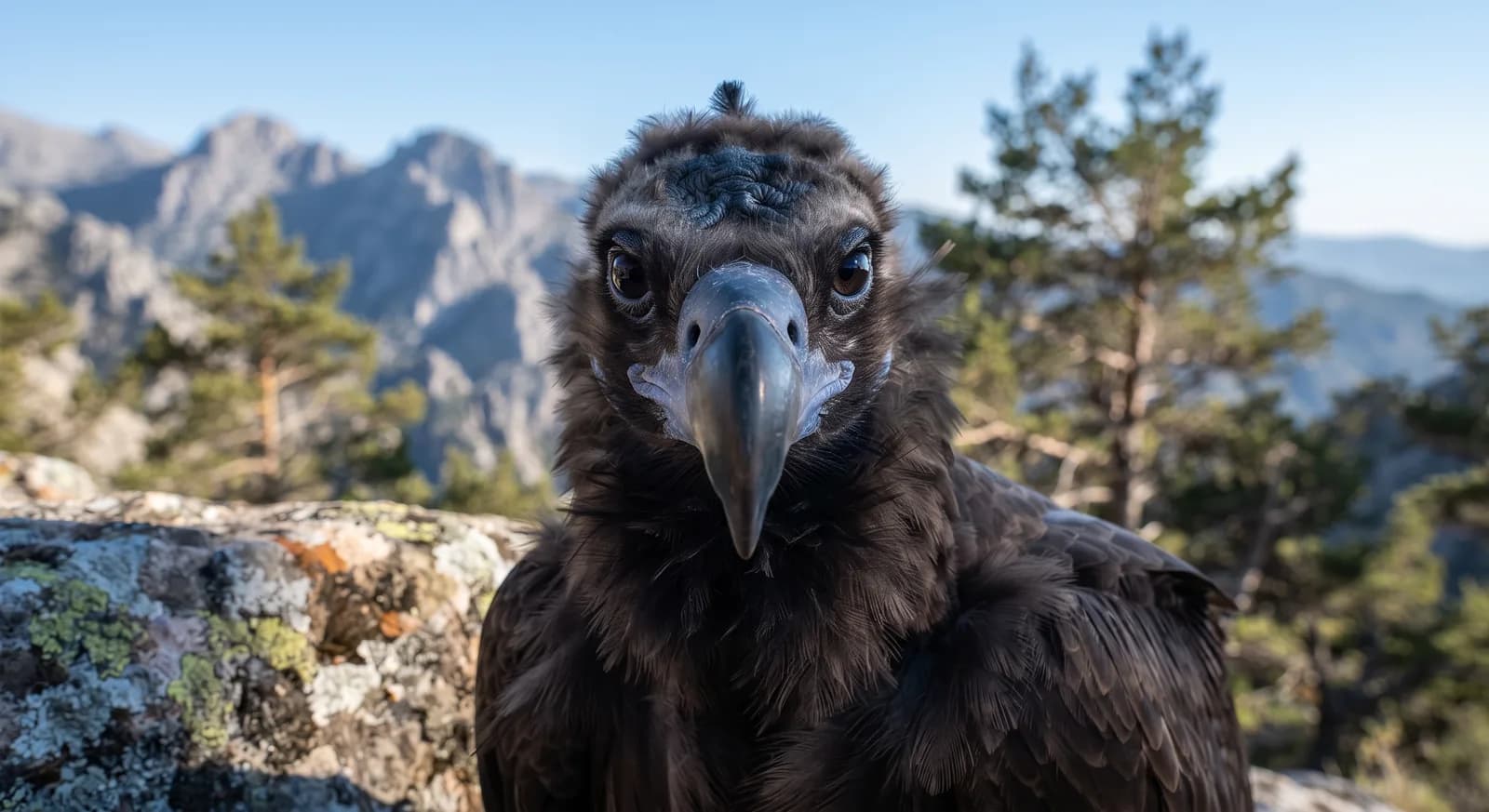
Cinereous Vulture
Aegypius monachus
 Near Threatened
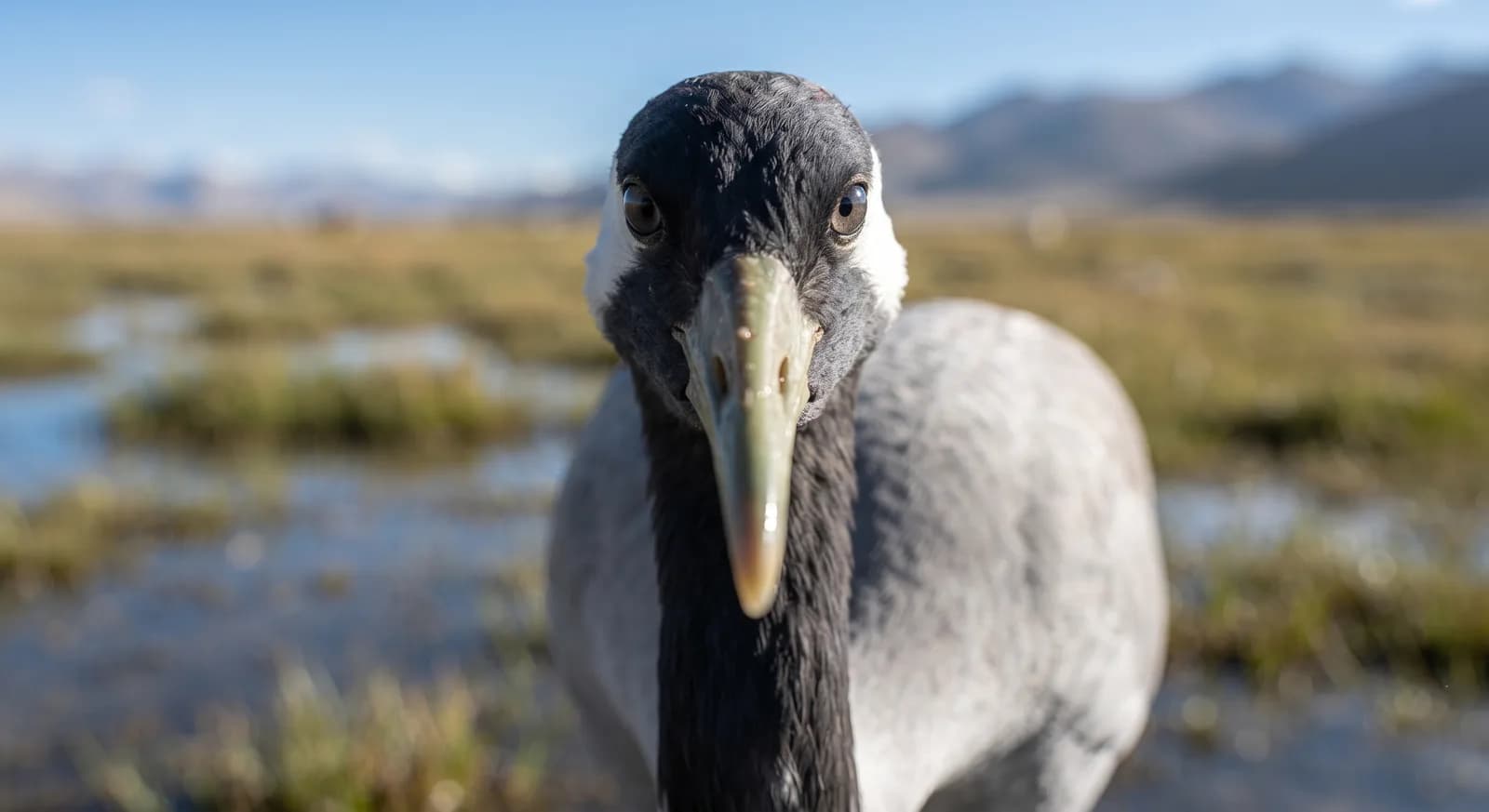
Black-necked Crane
Grus nigricollis
 Least Concern
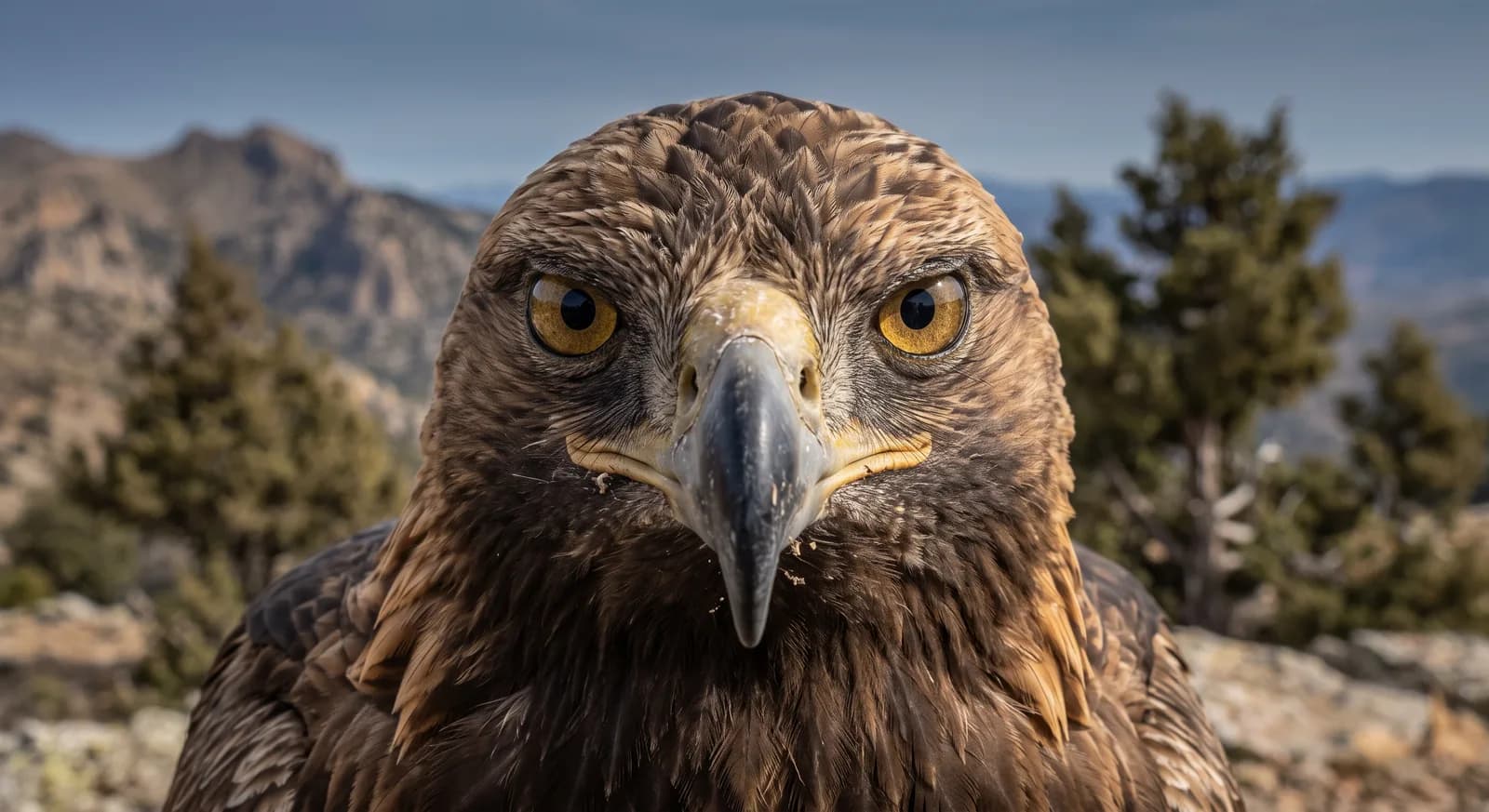
Golden Eagle
Aquila chrysaetos
 Least Concern
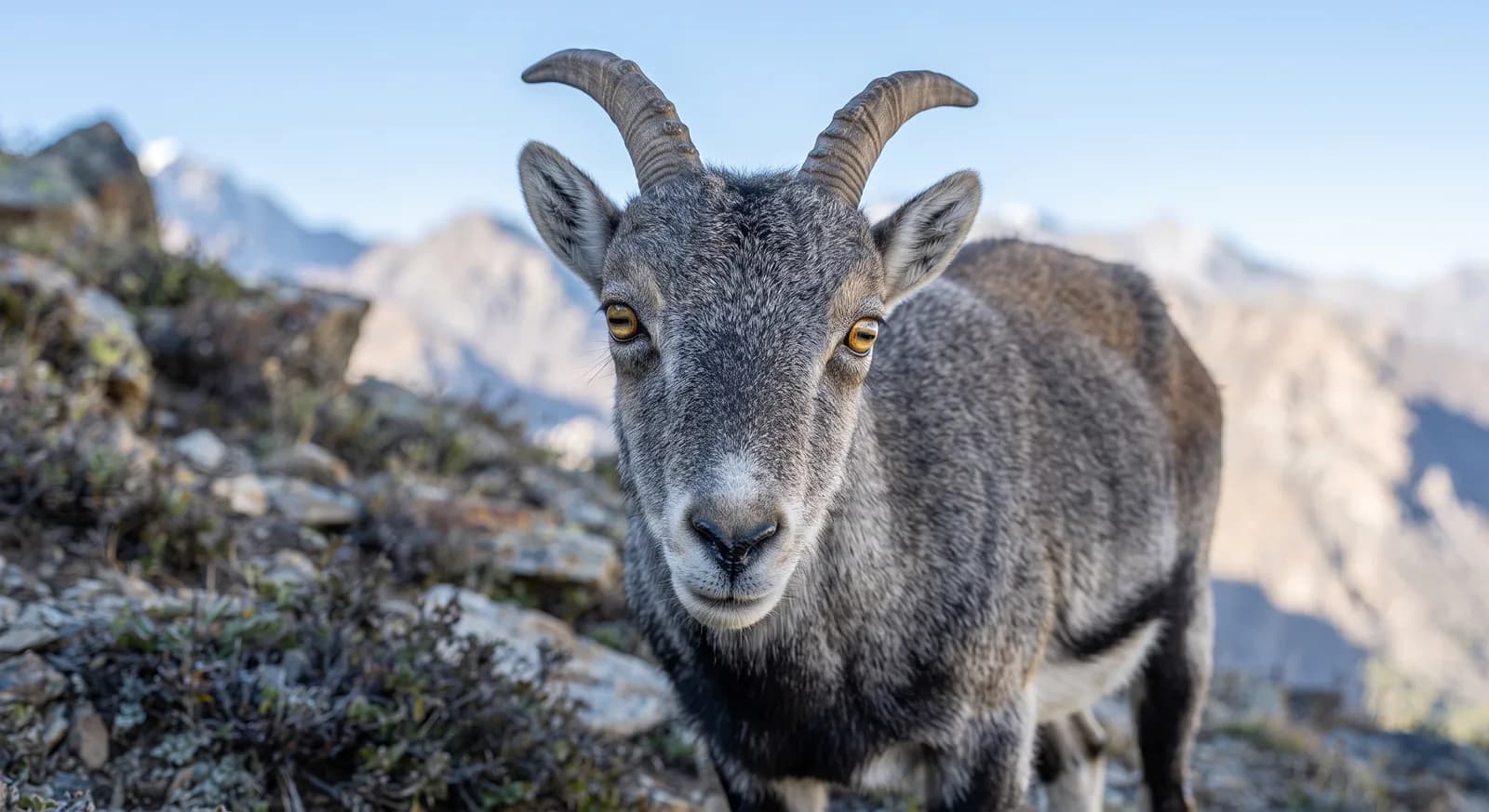
Blue Sheep
Pseudois nayaur
Keep exploring
Based on what we already know about Tajikistan.