Zambia
África
Zambia is an inland country of plateaux covered by miombo woodland and crossed by three great river basins: those of the Zambezi, the Kafue and the Luangwa. The Luangwa valley, a branch of the Rift, concentrates an extraordinary density of wildlife around meanders and oxbow lagoons, and it was there in the 1950s that walking safaris were born, now practised across the whole of Africa. To the west, the Busanga plains, inside the immense Kafue park, flood every year and draw herds of antelope and their predators. To the north, the Bangweulu swamps form an enormous wetland where the black lechwe lives, an aquatic antelope exclusive to that area, alongside shoebills. The Victoria Falls, shared with Zimbabwe, mark the Zambezi's plunge into its lower course.
The nature of Zambia
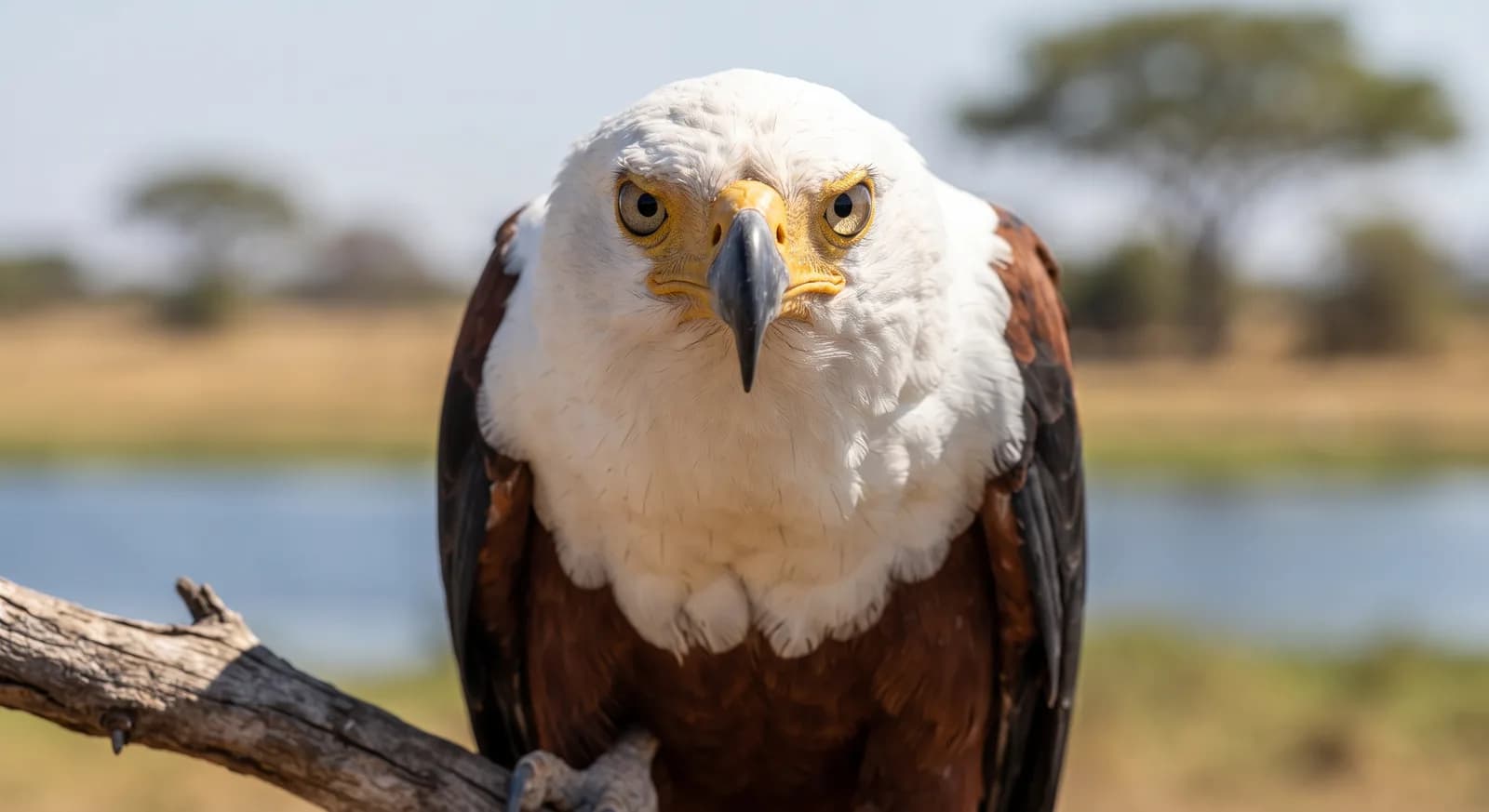
National animal: The African fish eagle, the national bird, present on the flag
Did you know?
Every year, between October and December, as many as ten million straw-coloured fruit bats gather in a patch of swamp forest of less than a square kilometre in Kasanka park. It is the largest concentration of mammals on the planet and, measured in numbers of individuals, the largest mammal migration in existence. They come drawn by the fruiting of the trees, and every evening they darken the sky as they leave to feed.
Biodiversity profile
Climate
- •Tropical con estacion seca (Aw), moderado por la altitud de la meseta (1.000-1.600 msnm), tres estaciones: fresca-seca, calida-seca y calida-humeda
Main biomes
- •Bosque de miombo (cubre aprox. 50% del territorio, centro del endemismo floristico zambeziano)
- •Bosque de mopane y munga en los valles calidos del Zambeze y Luangwa
- •Pastizales inundables (llanuras de Kafue y Bangweulu)
- •Llanura inundable estacional
- •Marisma interior
- •Valle del Rift
- •Bosque de galería
- •Meandro y laguna fluvial
- •Cataratas y garganta
Marine and coastal ecosystems
- •No aplica (pais sin litoral); los rios Zambeze, Kafue y Luangwa y el sistema Chambeshi-Luapula son los ejes ecologicos principales
Flagship wildlife
- •Lechwe de Kafue (antilope endemica de las llanuras inundables de Kafue, mas de 35.000 individuos registrados)
- •Elefante de sabana
- •Leon africano (Valle del Luangwa)
- •Ñu azul migratorio (llanuras de Liuwa, mas de 30.000 individuos, segunda mayor migracion de ñus de Africa)
- •Murciélago frugívoro pajizo
- •Lechwe negro
- •Picozapato
- •Elefante africano de sabana
- •Leopardo
- •Hipopótamo
- •Perro salvaje africano
- •Jirafa de Thornicroft
- •Cocodrilo del Nilo
Notable endemic species
- •Pais situado en el centro del "centro regional de endemismo zambeziano"
- •211 especies vegetales endemicas de un total de 3.788 registradas
- •204 especies de peces y 200 de aves endemicas de un total de 3.631 especies faunisticas registradas
- •Lechwe de Kafue, subespecie endemica de las llanuras inundables del rio Kafue
- •Jirafa de Thornicroft
- •Lechwe negro
- •Ñu de Cookson
Notable threatened species
- •76 especies de aves catalogadas como raras o en peligro
- •31 especies de plantas y animales catalogadas como en peligro o vulnerables segun el estudio nacional de biodiversidad
- •Lechwe de Kafue (Vulnerable, poblacion concentrada y dependiente del regimen hidrologico del rio)
Notable protected areas
- •Parque Nacional Kafue (uno de los mayores de Africa)
- •Parque Nacional de Liuwa (migracion de ñus)
- •Valle del Luangwa (safaris a pie, alta densidad de depredadores)
- •Parque Nacional del Luangwa Sur
- •Parque Nacional de Kafue
- •Parque Nacional de Kasanka
- •Marismas de Bangweulu
- •Parque Nacional del Bajo Zambeze
- •Cataratas Victoria
Main conservation threats
- •Alteracion del regimen hidrologico natural de las llanuras inundables por represas, con impacto en la lechwe de Kafue
- •Deforestacion del miombo por agricultura de subsistencia y produccion de carbon vegetal
- •Caza furtiva de elefantes
Notable natural phenomena
- •Las llanuras de Liuwa sostienen la segunda mayor migracion anual de ñus azules de Africa, con aprox. 30.000 individuos
Conservation
The Kasanka forest, tiny but critical for the bat migration, is threatened by agricultural expansion at its edges. Thornicroft's giraffe lives only in the Luangwa valley, isolated from all other African giraffes.
Where and when to watch wildlife
Kasanka between November and December for the concentration of bats. South Luangwa between June and October, in the dry season, for walking safaris. Busanga between August and October for lions and antelopes.
Sources: Zambia CHM (zm.chm-cbd.net) - Zambia Biodiversity Executive Summary y Biodiversity Outline | One Earth - Zambezian Flooded Grasslands
Natural phenomena in Zambia
- Migración de murciélagos frugívoros en Kasanka — Finales de octubre a diciembre (pico noviembre)
Parks and reserves
Bangweulu Wetlands
One of the few places in the world where the shoebill, a prehistoric-looking, almost reptilian bird, can be watched in the wild
View parkNational ParkBajo Zambeze
The northern bank of the Zambezi opposite Mana Pools, with canoe safaris among elephants and hippos.
View parkNational ParkBajo Zambeze (Lower Zambezi)
Directly opposite Zimbabwe's Mana Pools across the Zambezi, forming a single transboundary ecosystem
View parkNational ParkKafue
Zambia's oldest and largest national park, and one of the largest in Africa
View parkNational ParkKasanka
Host to the largest mammal migration on the planet by sheer number of animals: up to ten million fruit bats each November
View parkNational ParkLiuwa Plain
Africa's second-largest wildebeest migration, on a remote plain in western Zambia managed with the Lozi community.
View parkNational ParkNorth Luangwa
A park with no roads and no permanent lodges, where the black rhino returned after dying out in Zambia.
View parkNational ParkSouth Luangwa
The birthplace of the modern walking safari, developed here in the 1950s by the ranger Norman Carr
View parkPaíses similares
¿A dónde más podría interesarme viajar?
Misma región: África Austral
Misma región: África Austral
Misma región: África Austral
Misma región: África Austral
Especies documentadas en Zambia
199 species found
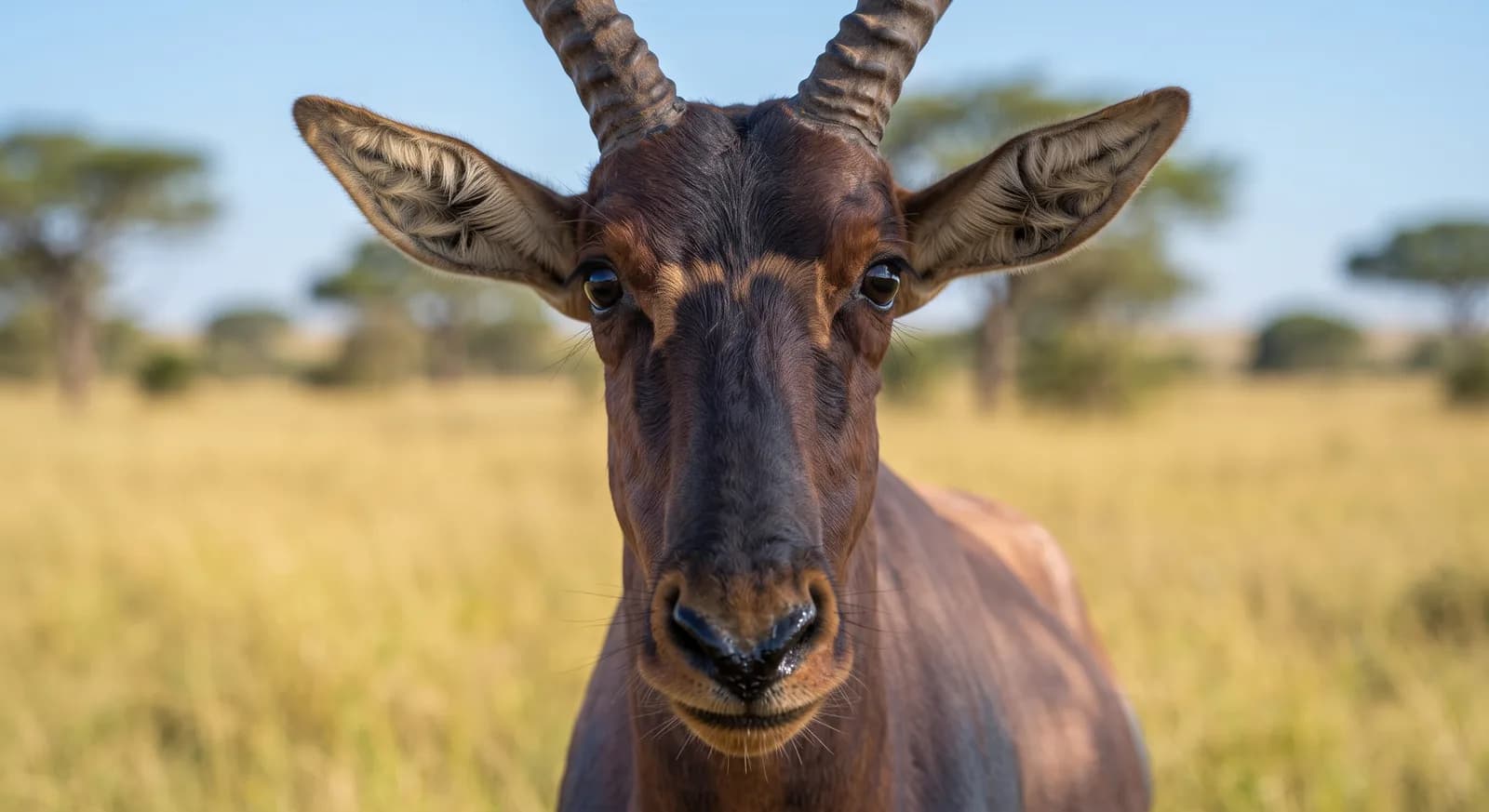 Vulnerable
Topi
Damaliscus lunatus
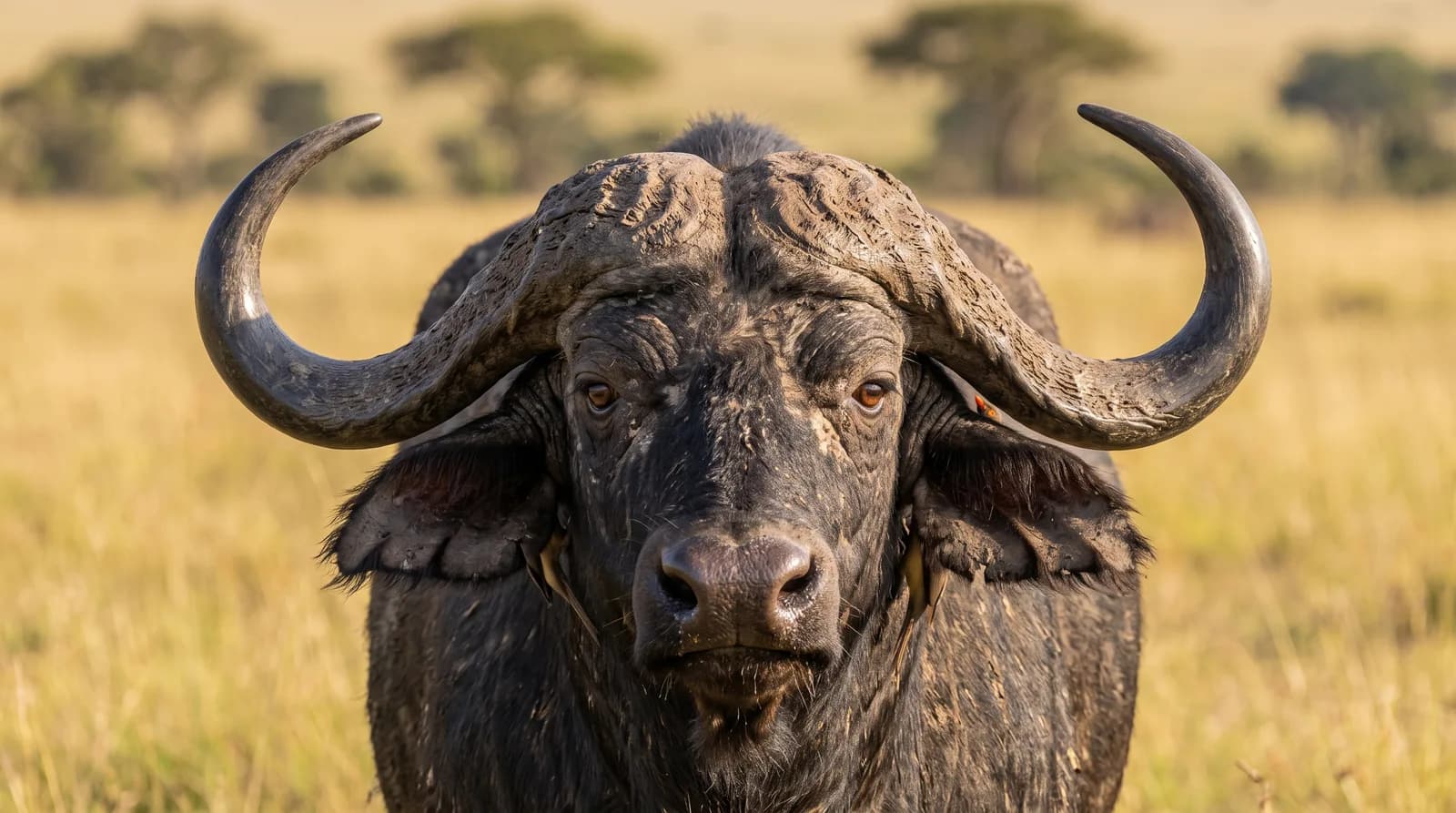 Near Threatened
African Buffalo
Syncerus caffer
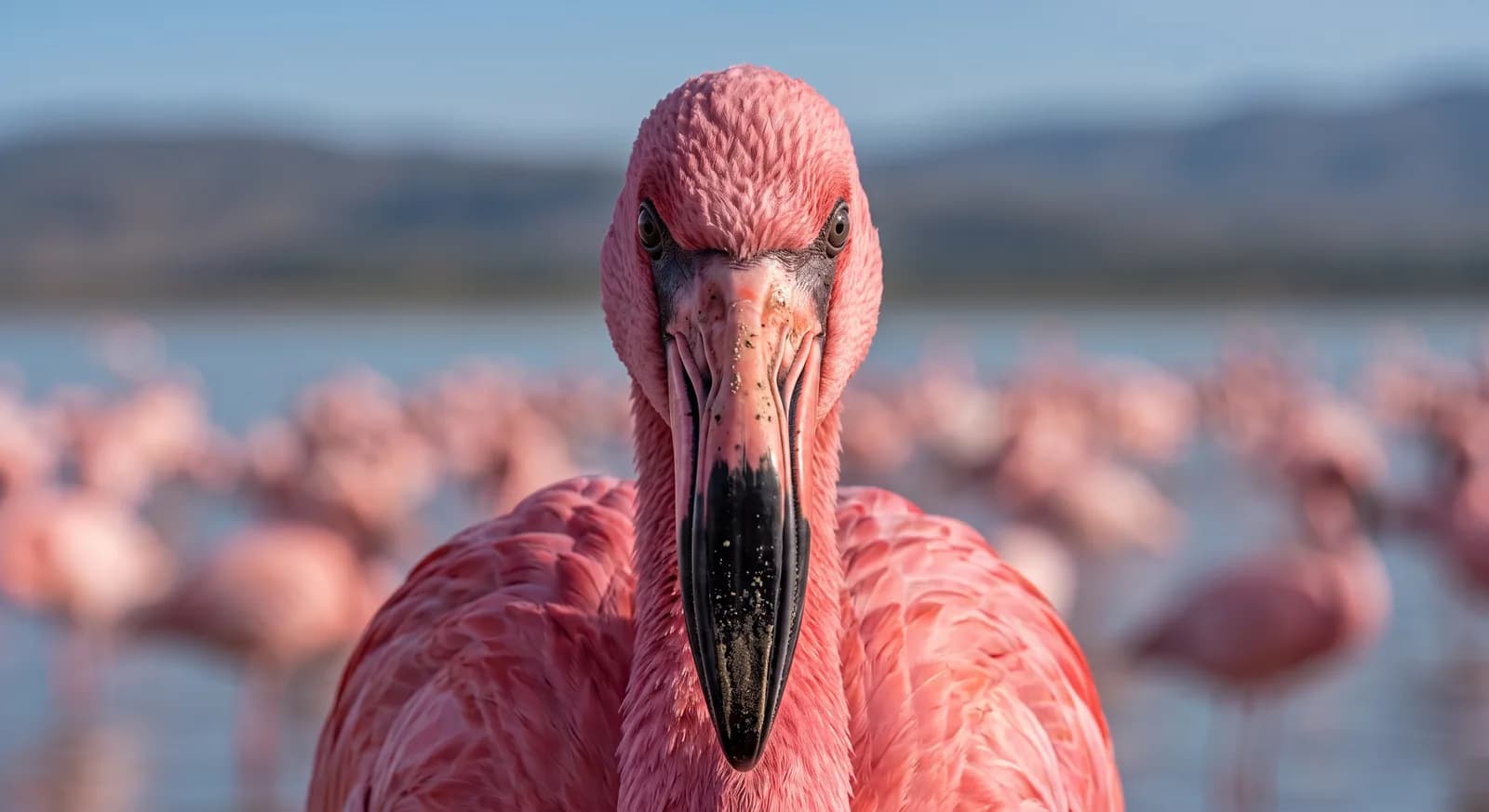 Near Threatened
Lesser Flamingo
Phoeniconaias minor
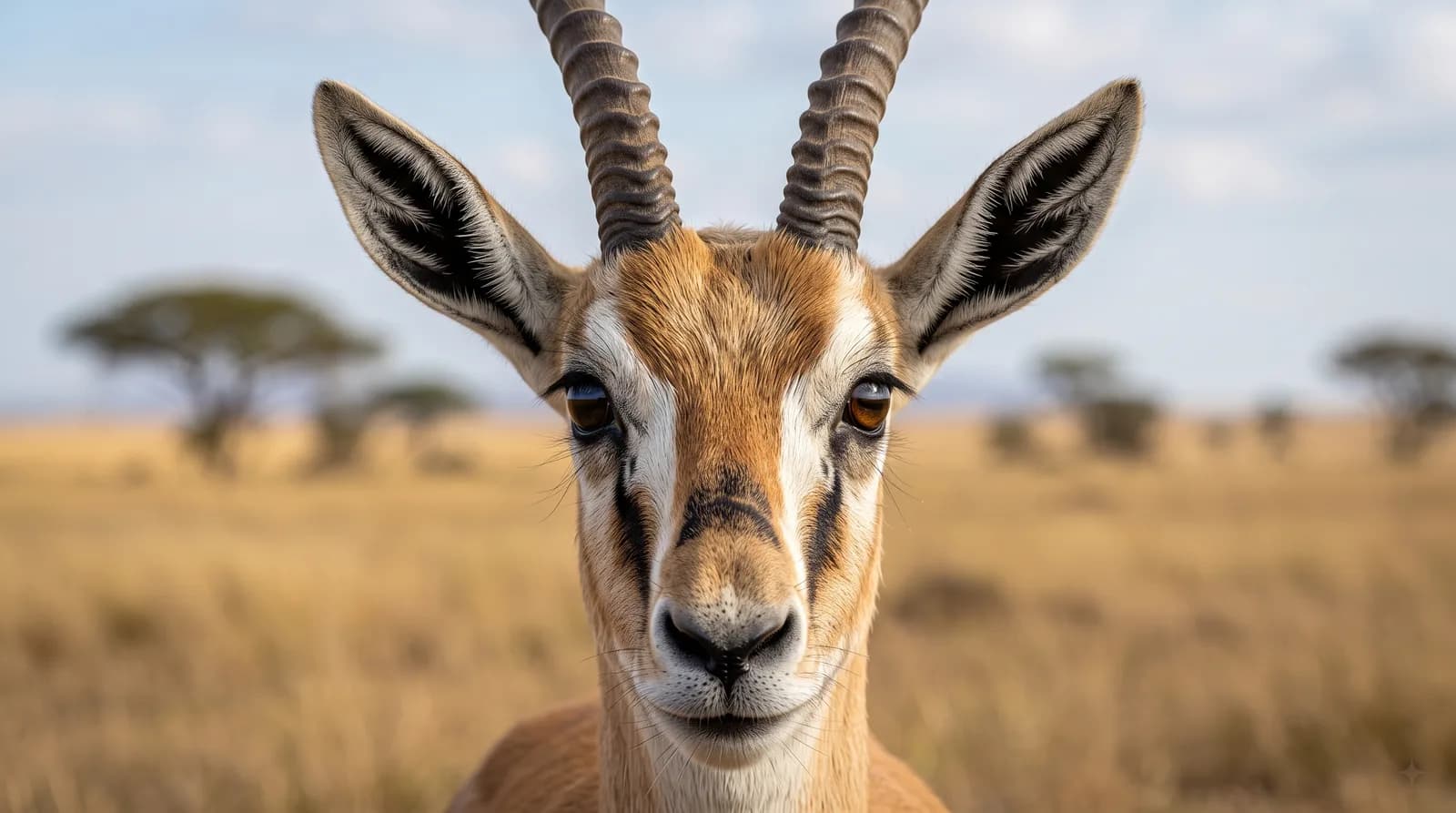 Near Threatened
Thomson's Gazelle
Eudorcas thomsonii
 Near Threatened
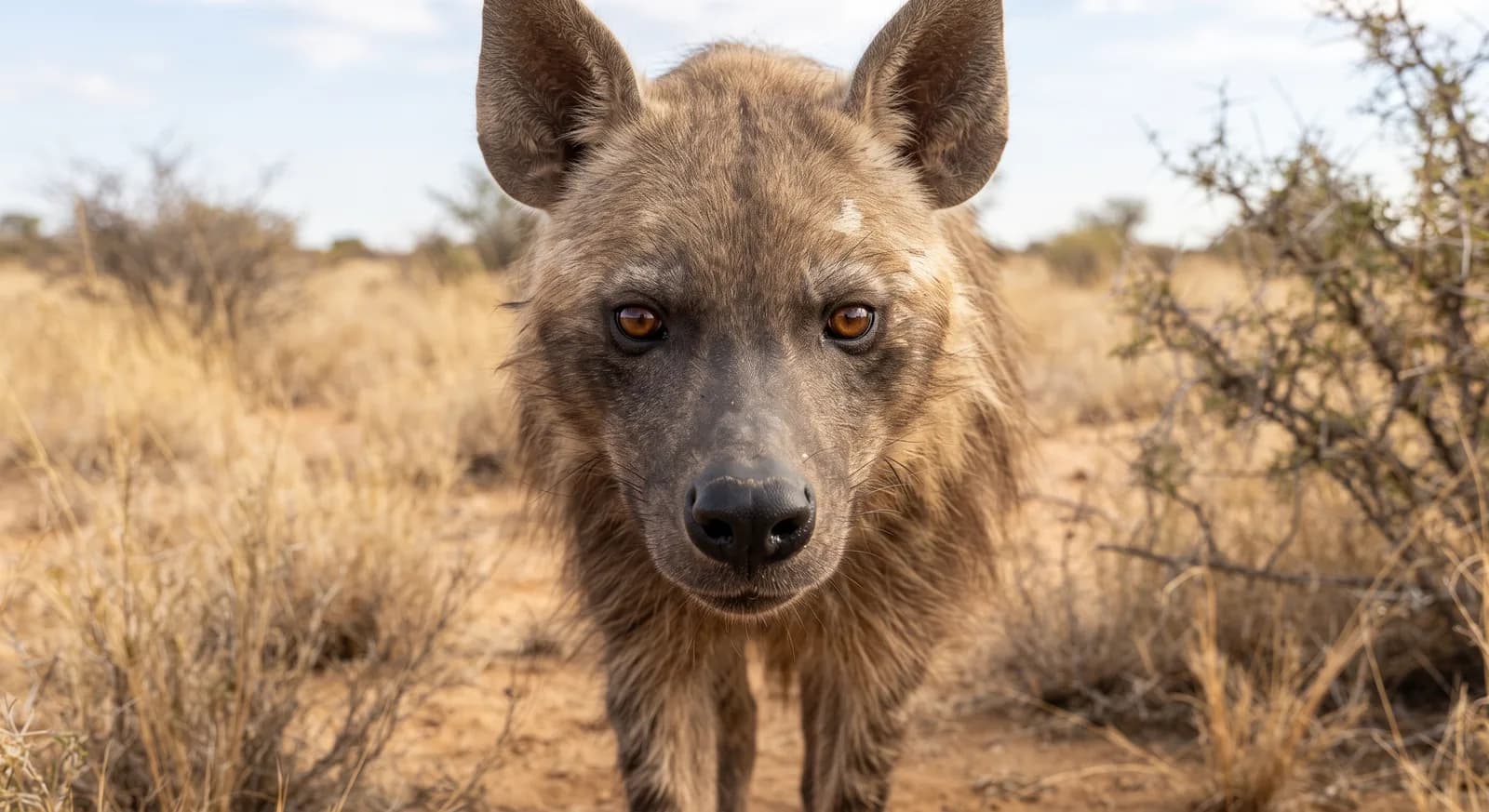
Brown Hyena
Parahyaena brunnea
 Near Threatened
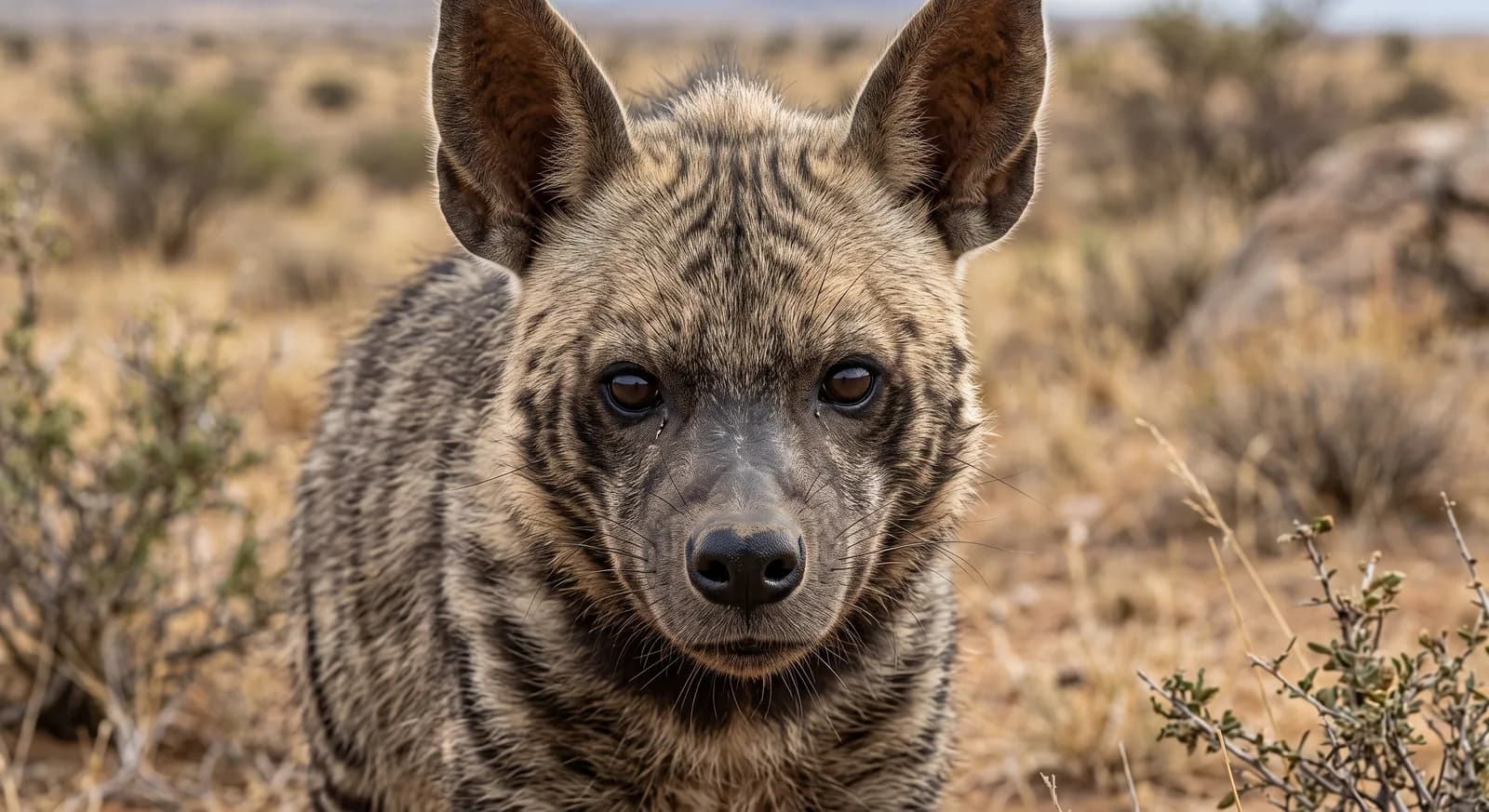
Striped Hyaena
Hyaena hyaena
 Near Threatened
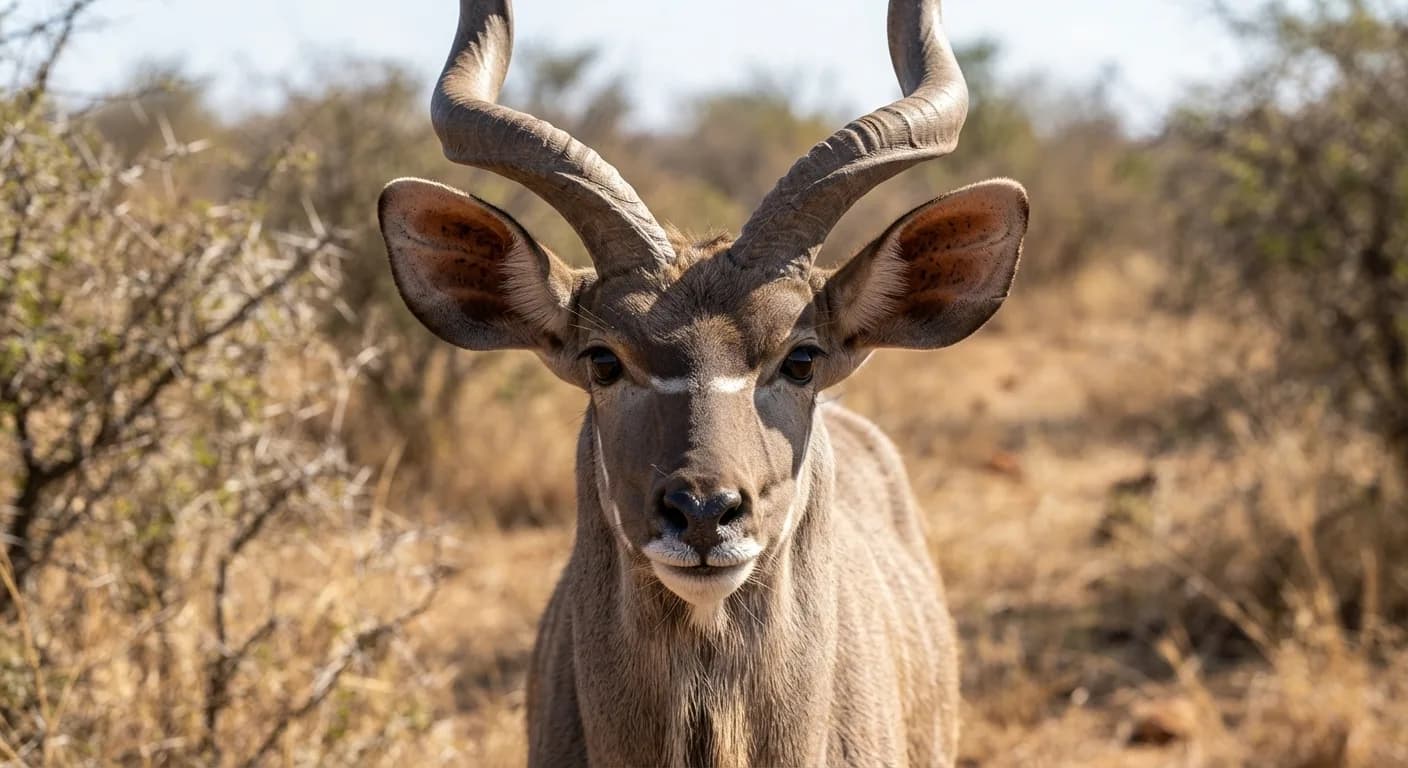
Lesser Kudu
Tragelaphus imberbis
 Near Threatened
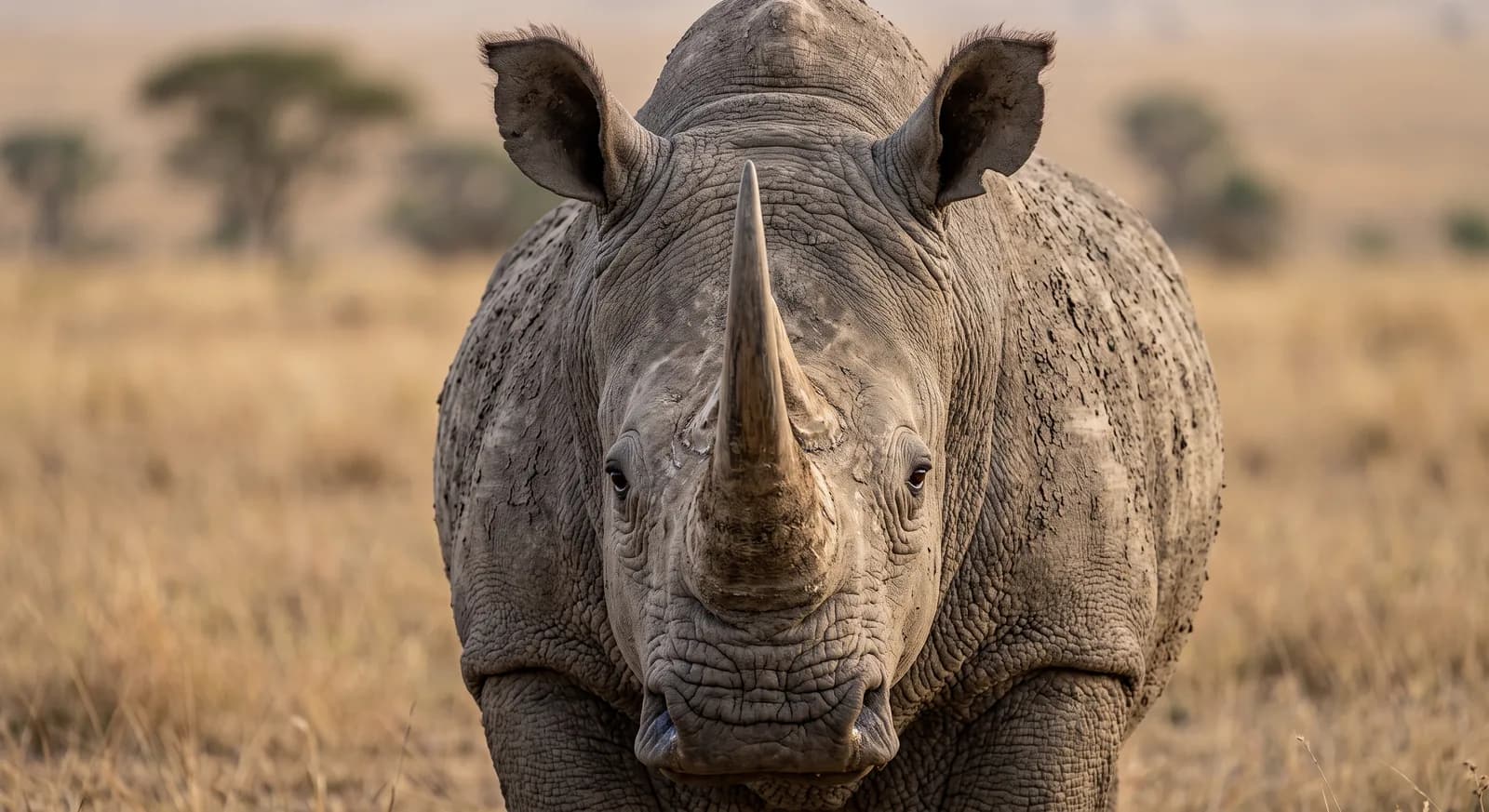
White Rhinoceros
Ceratotherium simum
 Least Concern
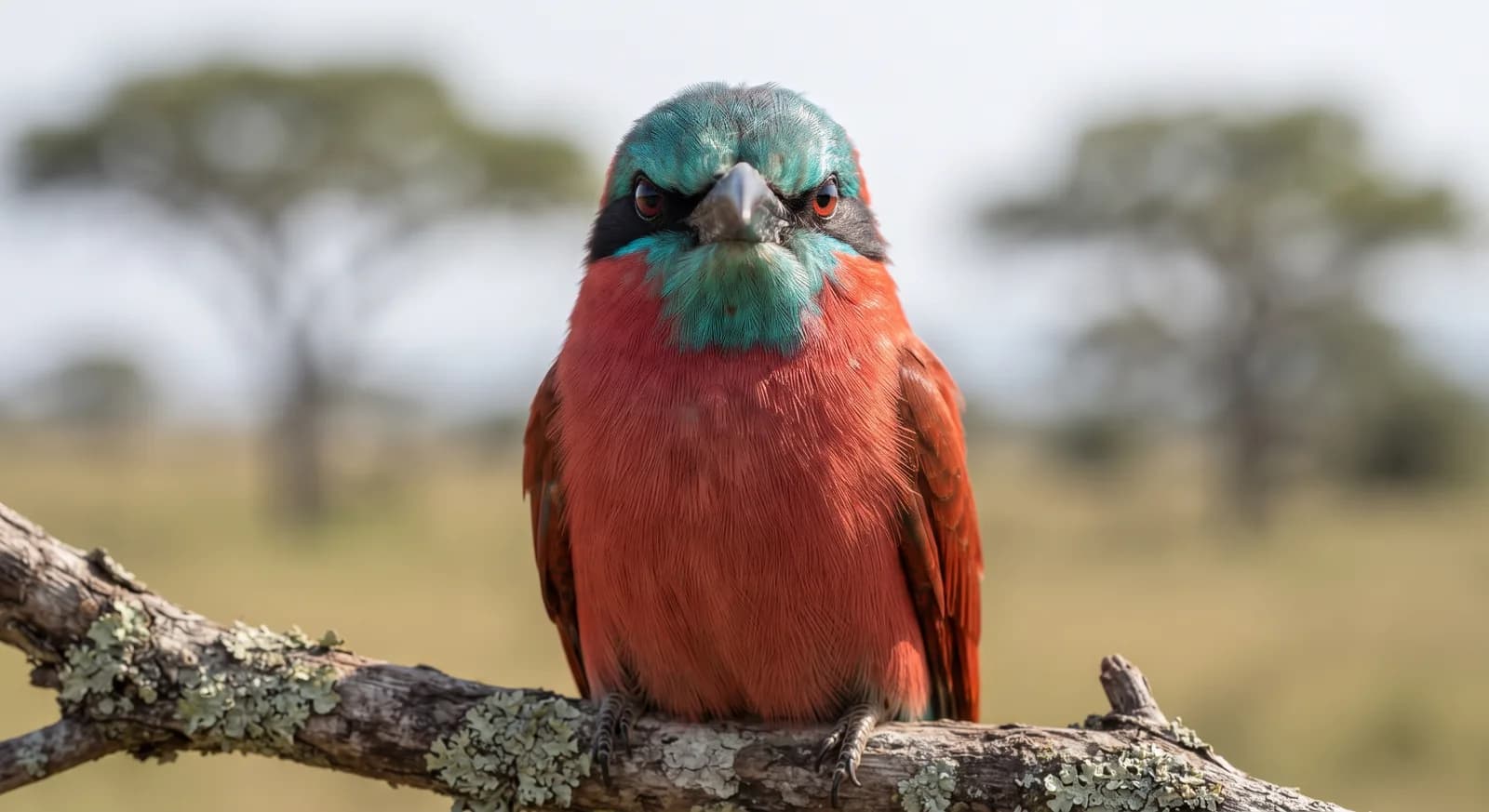
Northern Carmine Bee-eater
Merops nubicus
 Least Concern
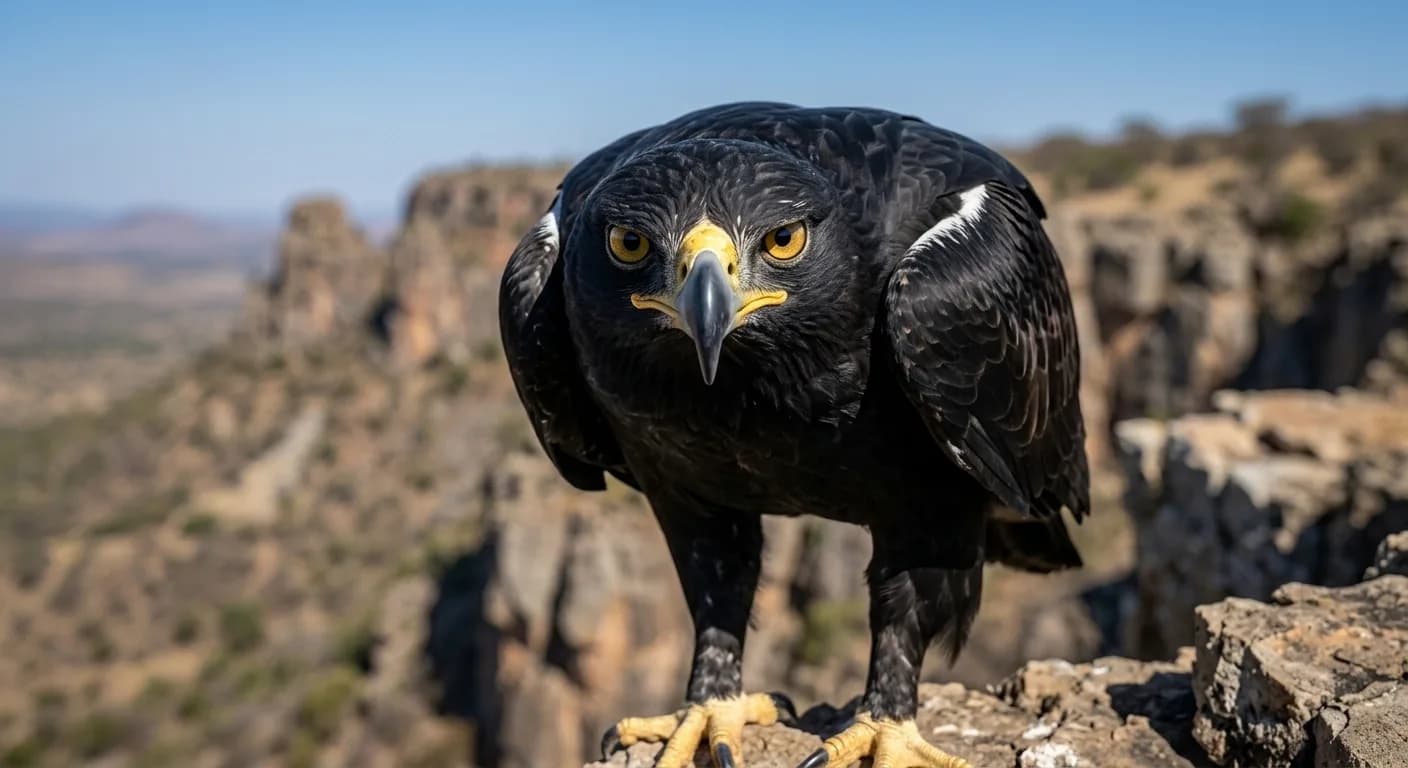
Verreaux's Eagle
Aquila verreauxii
 Least Concern
African Fish-Eagle
Haliaeetus vocifer
 Least Concern
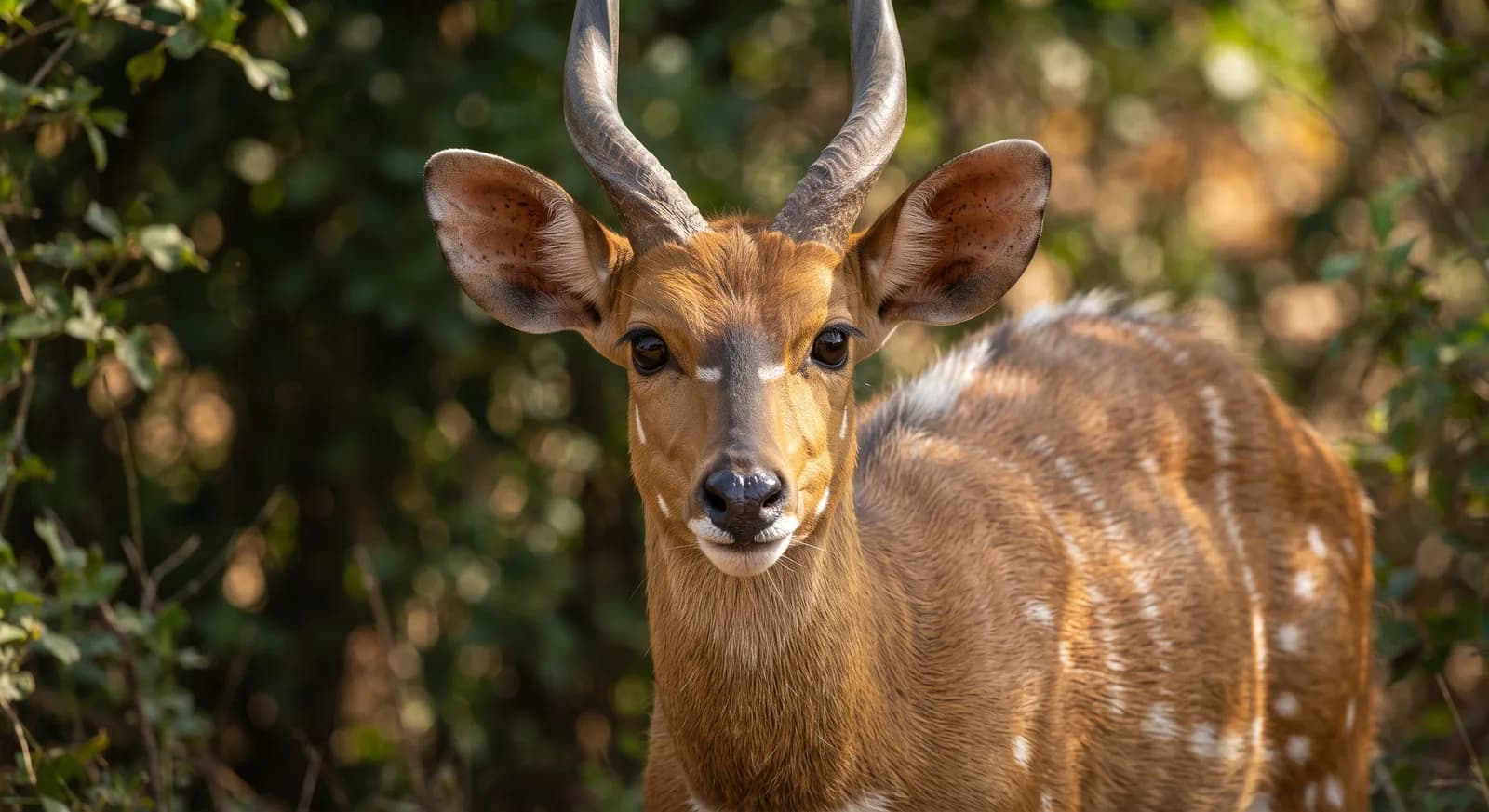
Bushbuck
Tragelaphus scriptus
Keep exploring
Based on what we already know about Zambia.