Skip to content
WAnimals
  • Map
  • Species
  • Parks
  • Diving
Log inCreate account
WAnimals

The guide for travellers and animal lovers: discover, plan and share your wild adventures around the world.

Discover wildlife

  • Species
  • Ecosystems
  • Glossary
  • Tags

Explore places

  • Map
  • Countries
  • Parks
  • Diving

Plan experiences

  • Guides

Learn

  • Blog

Resources

  • Help centre
  • Contact
  • Install the app

Follow us

Account

  • Log in
  • Create account

© 2026 WAnimals. All rights reserved.

About usHow we build our profilesTerms of servicePrivacyLegal notice
MapSpeciesParksDiving
  1. Home
  2. Parks
  3. Iran
  4. Lut Desert
World Heritage Site (Natural)UNESCO World Heritage

Lut Desert

West AsiaDesignated in 201622,780 km²
Spotted something wrong?

The place where the highest surface temperature on Earth has been recorded, with yardangs tens of metres high.

Area

22,780 km²

Designated in

2016

Region

West Asia

Highlight

Kaluts: giant yardangs sculpted by the wind

The Lut Desert was inscribed on the World Heritage List in 2016 and protects some 22,780 km² in south-eastern Iran, between the provinces of Kerman, Sistan and Baluchestan and South Khorasan. It was Iran's first natural property.

It is one of the hottest and most arid places on the planet. Satellite measurements have recorded surface temperatures above seventy degrees Celsius, the highest ever measured on Earth, and there are sectors where no precipitation has been documented for years on end and where life barely exists.

Its most spectacular geomorphological feature is the kaluts: a field of yardangs, parallel ridges sculpted by the north-westerly wind that blows steadily for months, up to eighty metres high and aligned over some one hundred and fifty kilometres. Seen from the air they resemble a ruined city, and indeed local tradition calls them just that. The property also includes one of the largest dune fields in the world, with star dunes exceeding four hundred metres, expanses of nebkhas, salt plains and surfaces of wind-polished pebbles. It is an exceptional laboratory for the study of aeolian processes.

Location

Loading map…

Lut Desert: 16 documented species

Mammals7Birds3Reptiles4Insecta

Flora and ecosystems

Ecosystems found in Iran, where Lut Desert lies.

DesertMarine / coastalWetland

Experiences in this park

Birdwatching

Similar parks

Which other parks are like this one?

Same country: Iran

Same country: Iran

Same country: Iran

Same type of protected area: World Heritage Site (Natural)

Keep exploring

Based on what we already know about this park.

Comments

Share your experience visiting Lut Desert, or a tip for other travellers.

Be the first to comment.

Climate

Arid / desert, Temperate, Mediterranean, Mountain

Plan your visit

Area
22,780 km²
More places in IranSee location
1
Arachnida1

Threatened:Urial,Steppe Tortoise

Trumpeter FinchLeast Concern

Trumpeter Finch

Bucanetes githagineus

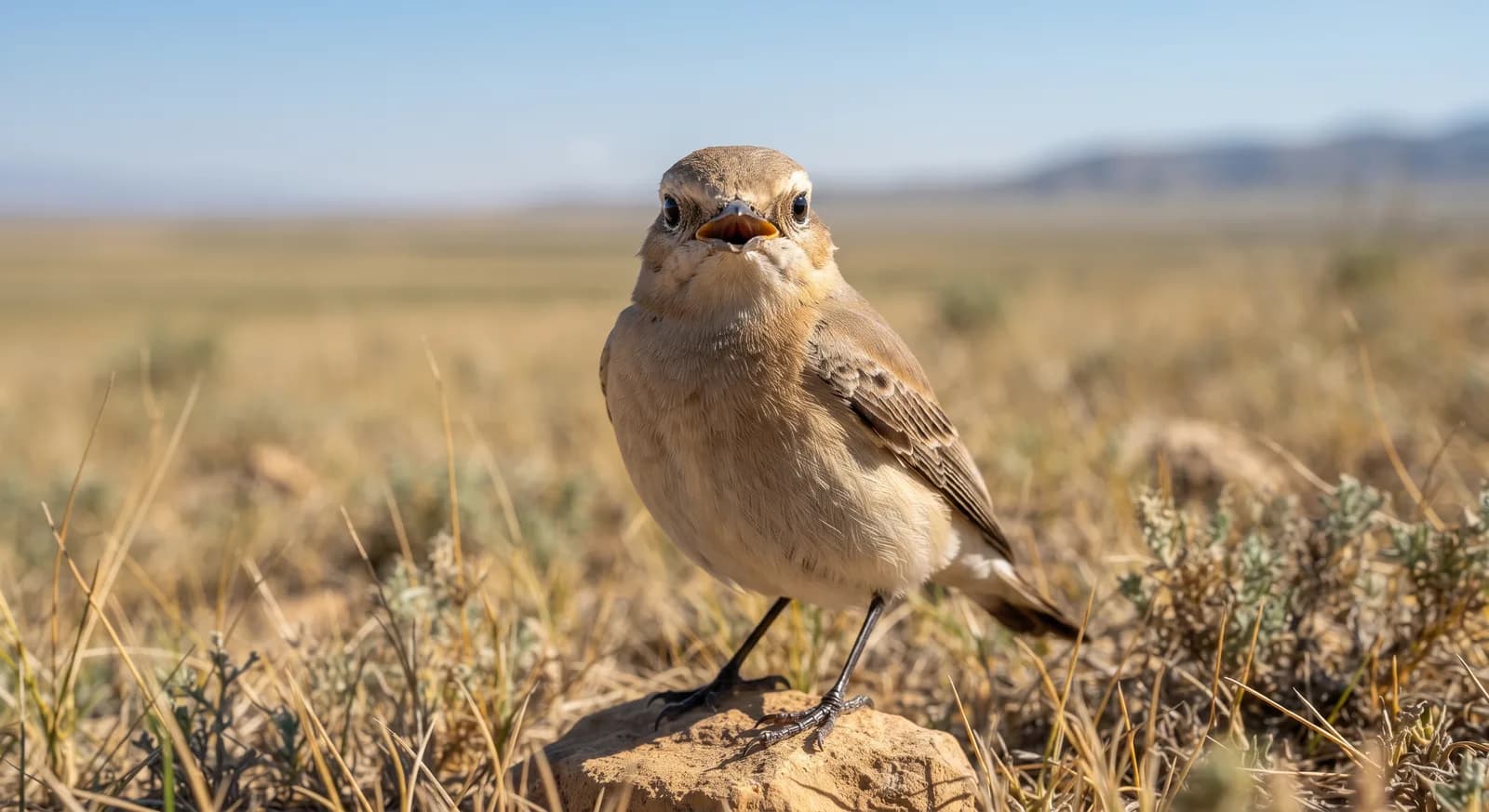
Isabelline WheatearLeast Concern

Isabelline Wheatear

Oenanthe isabellina

Long-eared HedgehogLeast Concern

Long-eared Hedgehog

Hemiechinus auritus

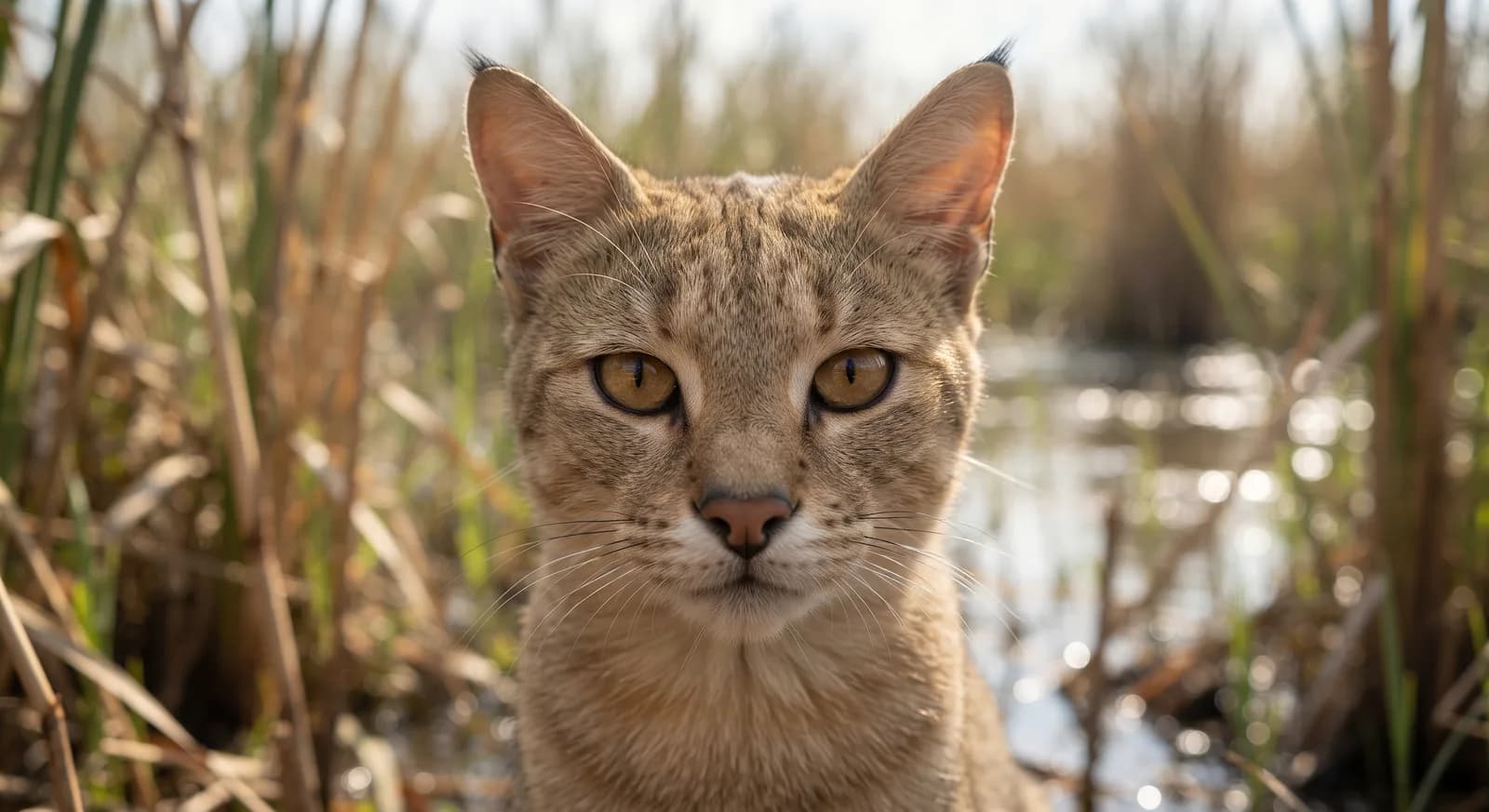
Jungle CatLeast Concern

Jungle Cat

Felis chaus

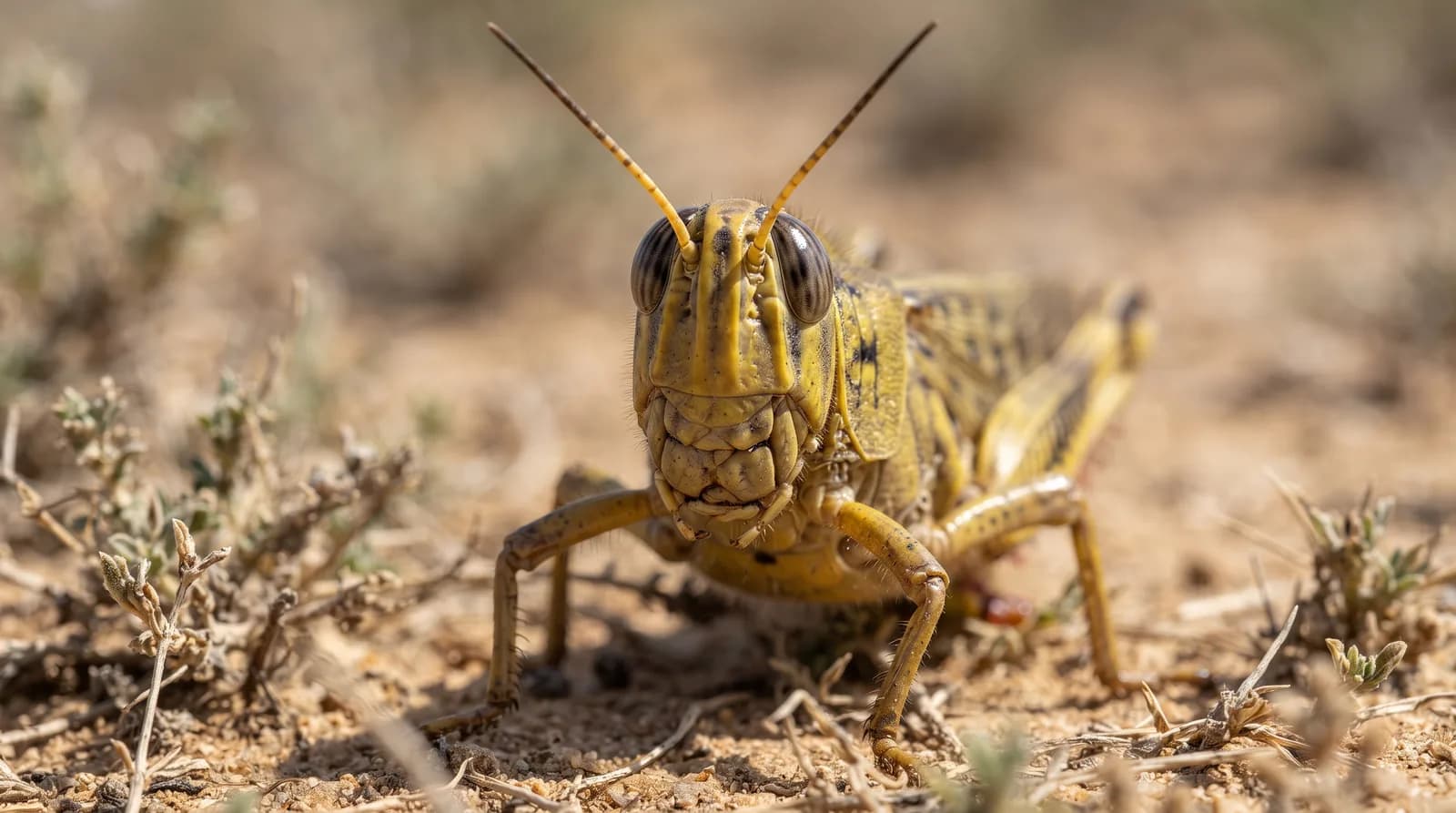
Desert LocustNot Evaluated

Desert Locust

Schistocerca gregaria

Indian Crested PorcupineLeast Concern

Indian Crested Porcupine

Hystrix indica

UrialVulnerable

Urial

Ovis vignei

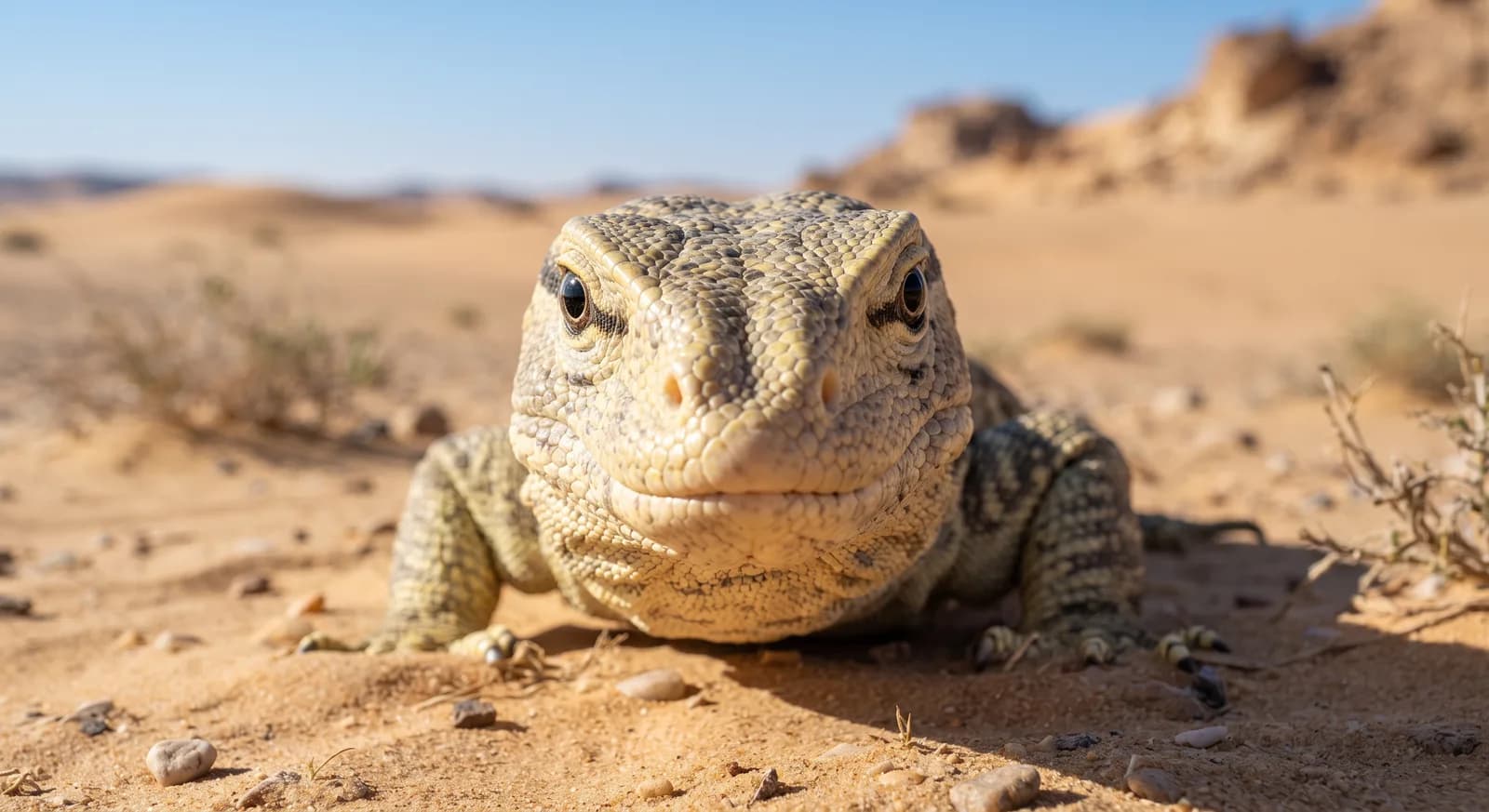
Desert MonitorLeast Concern

Desert Monitor

Varanus griseus

PhoorsaLeast Concern

Phoorsa

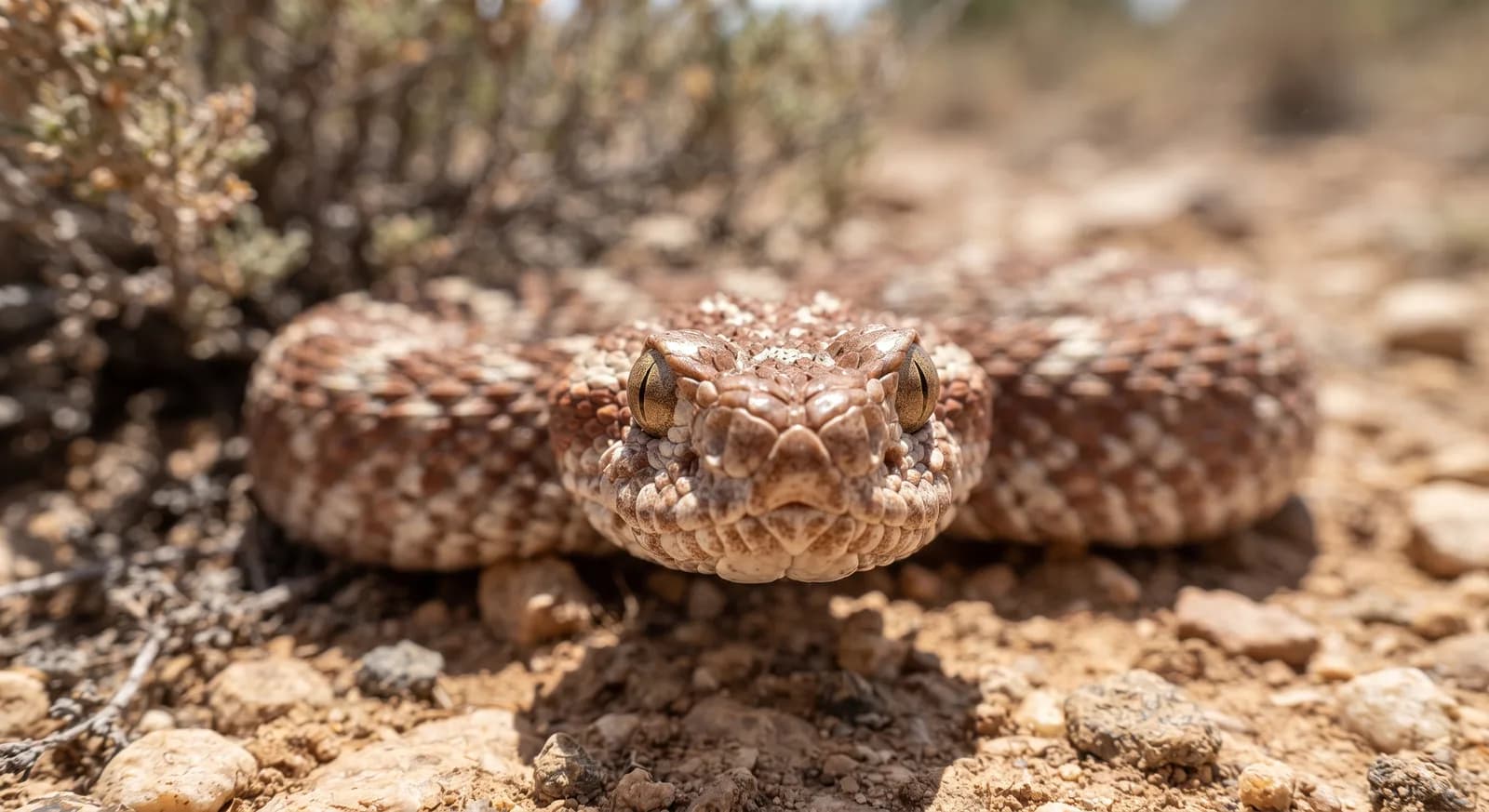
Echis carinatus

Blanford's FoxLeast Concern

Blanford's Fox

Vulpes cana

Least Concern

Orange-tailed Skink

Eumeces schneideri

Not Evaluated

Fattailed Scorpion

Androctonus australis

See all 16 species found here

Iran · West Asia
See on the interactive map→
UNESCO
World Heritage Site (Natural)

Hyrcanian Forests

Iran

Persian Leopard · Caspian Red Deer

See park
National Park

Kavir

Iran

Persian Onager · Asiatic Cheetah

See park
National Park

Golestan National Park

Iran

Persian leopard · Persian brown bear

See park
UNESCO
World Heritage Site (Natural)

Surtsey

Iceland

Lesser Black-backed Gull · Puffin

June to August

See park
CountryIran
This page in other languages: Español · Deutsch · Français · Português · Italiano
Desert
World Heritage