Iran's "little Africa", a salt desert near Tehran with Persian onager and Asiatic cheetah.
Area
4,000 km²
Designated in
1964
Region
West Asia
The salt desert of the Dasht-e Kavir with shrub steppe
Kavir National Park was established in 1964 in central Iran, on the western edge of the Dasht-e Kavir, some hundred kilometres south-east of Tehran, and protects around 4,000 km².
The landscape combines salt plains, shrub steppe of Artemisia and saxaul, arid hills and dry watercourses, in a climate of thermal extremes and minimal rainfall. It is known as Little Africa for the abundance and visibility of its large mammals in open terrain, something uncommon in western Asia.
It holds an important population of Persian onager, a subspecies of Asiatic wild ass that came to the brink of extinction, alongside goitered gazelle, mouflon and Persian leopard. It was also one of the last territories of the Asiatic cheetah, the most threatened subspecies in the world, of which a few dozen individuals remain in the whole of Iran, the only country where it survives; its presence in Kavir is today very uncertain. The park includes the caravanserai of Qasr-e Bahram, on the old Silk Road, and has been a biosphere reserve under the MAB programme since the 1970s.
Ecosystems found in Iran, where Kavir lies.
Which other parks are like this one?
Same country: Iran
Same country: Iran
Same country: Iran
Same type of protected area: National Park
Based on what we already know about this park.
Share your experience visiting Kavir, or a tip for other travellers.
Be the first to comment.
Climate
Arid / desert, Temperate, Mediterranean, Mountain
Least ConcernTrumpeter Finch
Bucanetes githagineus
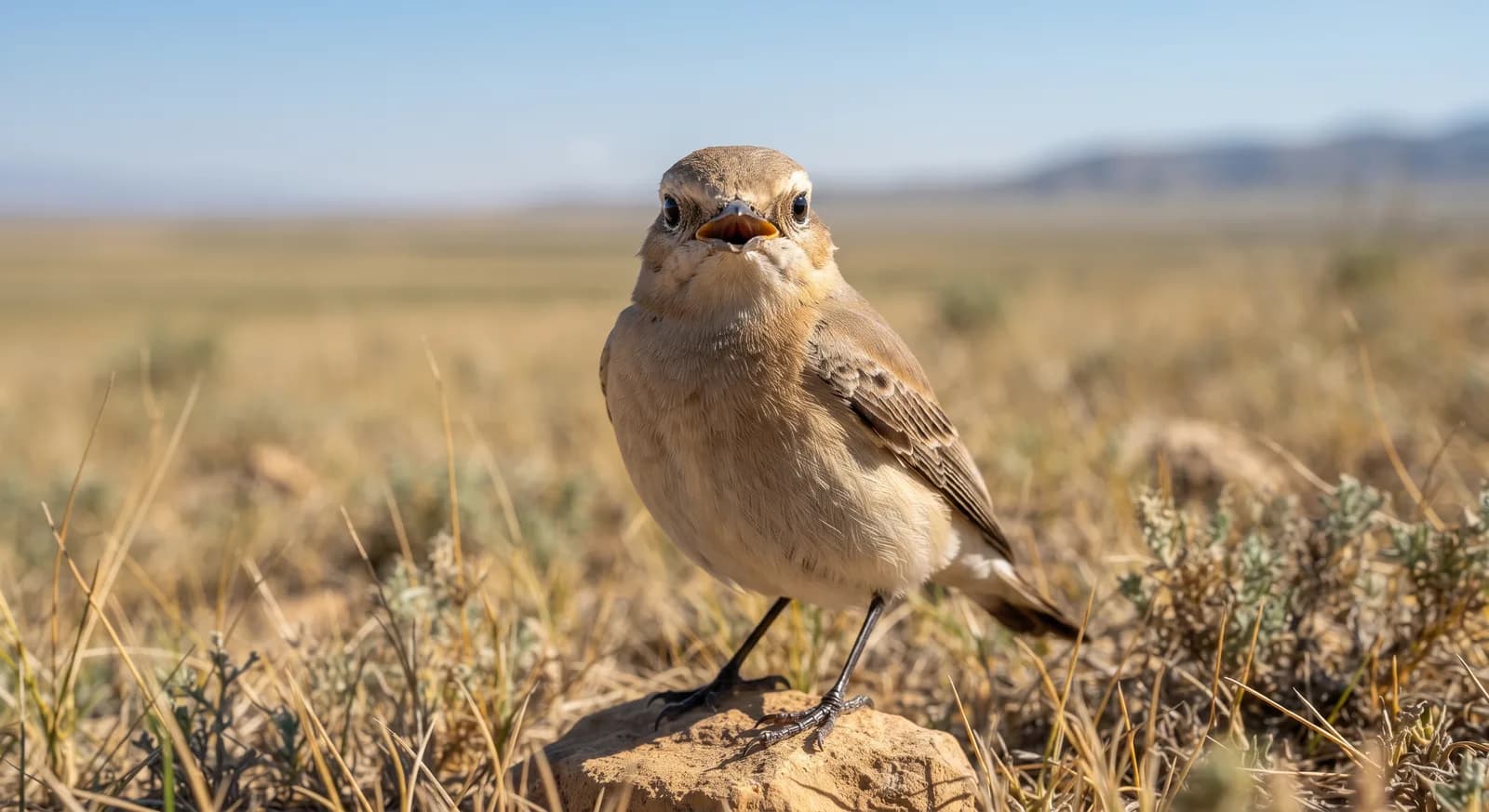
Least ConcernIsabelline Wheatear
Oenanthe isabellina
Least ConcernLong-eared Hedgehog
Hemiechinus auritus
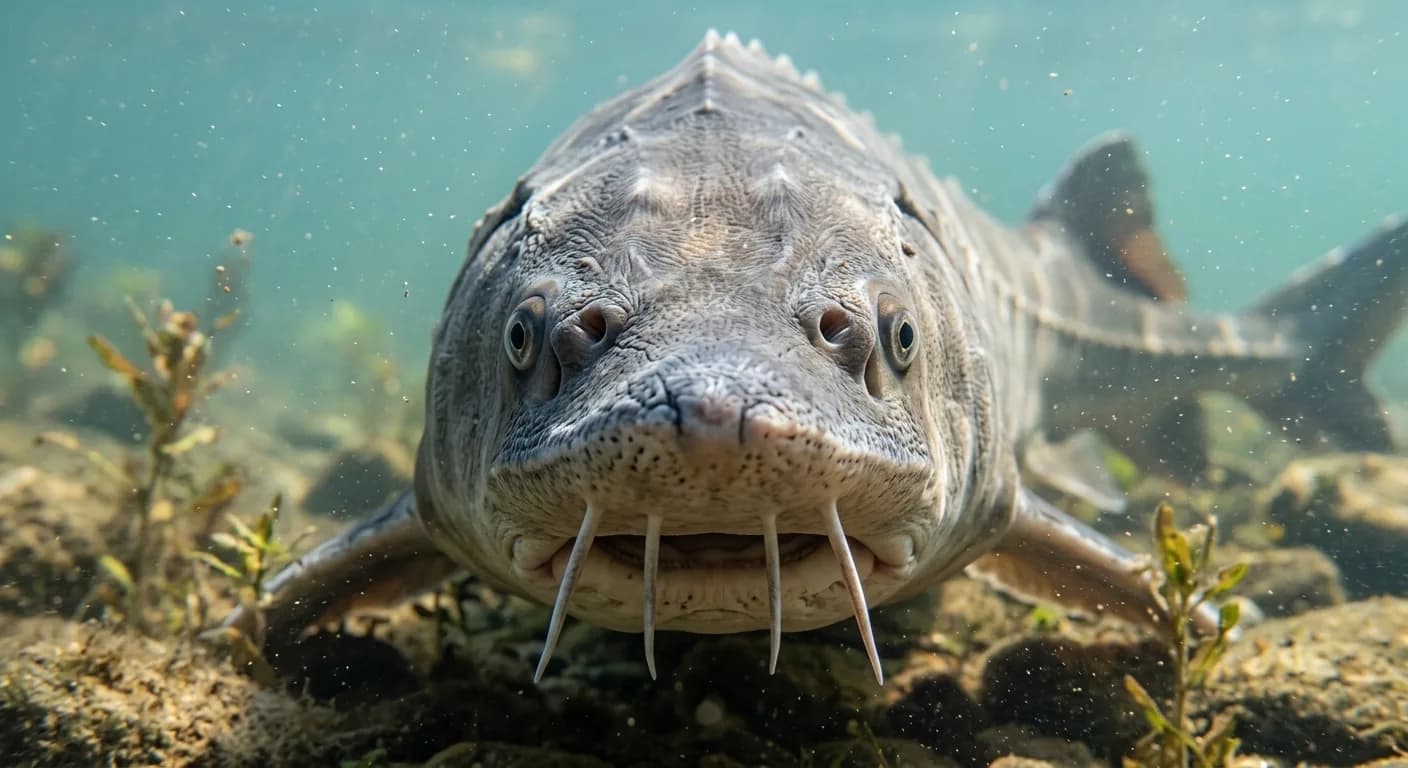
Critically EndangeredBeluga Sturgeon
Huso huso
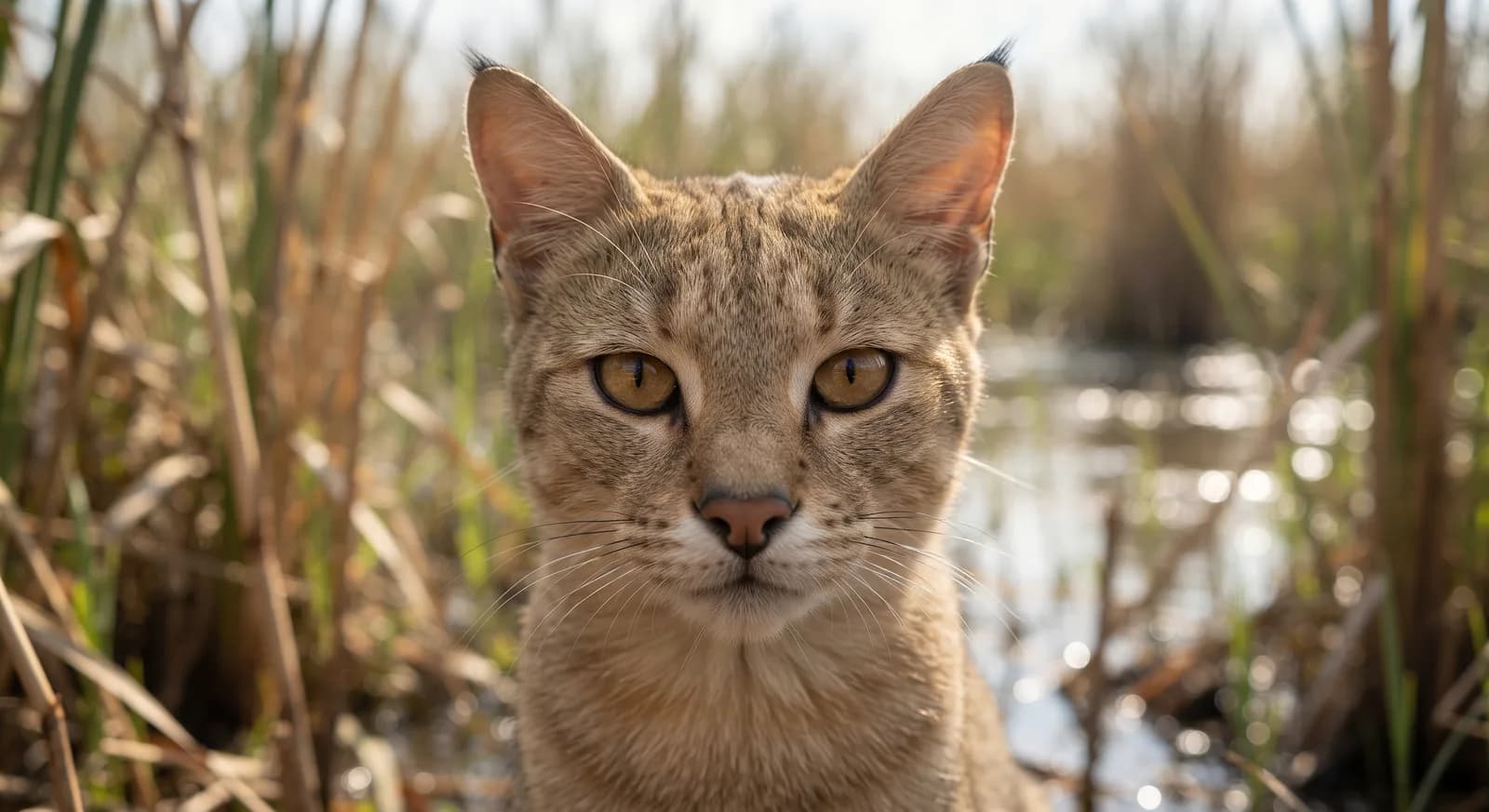
Least ConcernJungle Cat
Felis chaus
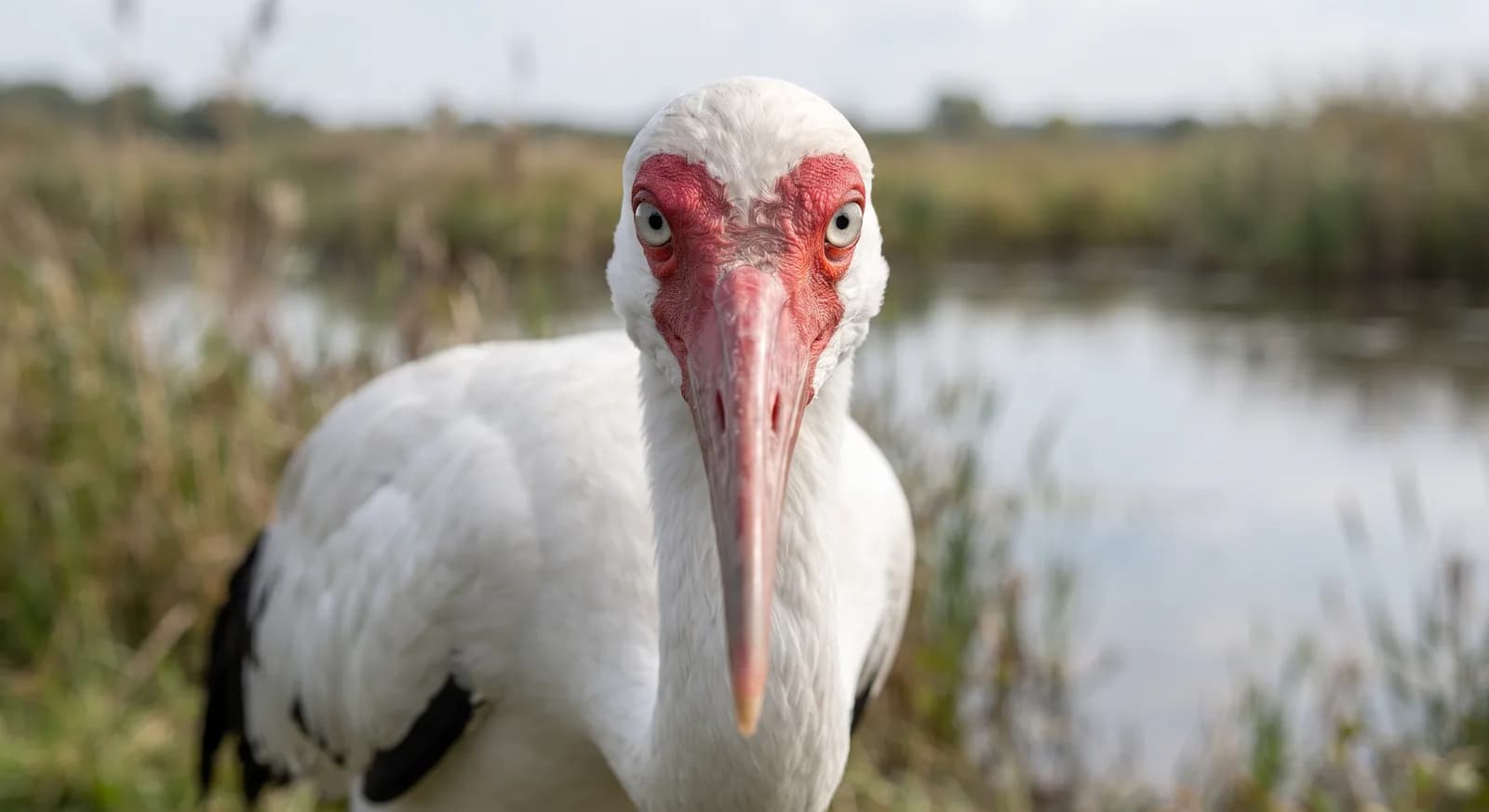
Critically EndangeredSiberian Crane
Leucogeranus leucogeranus
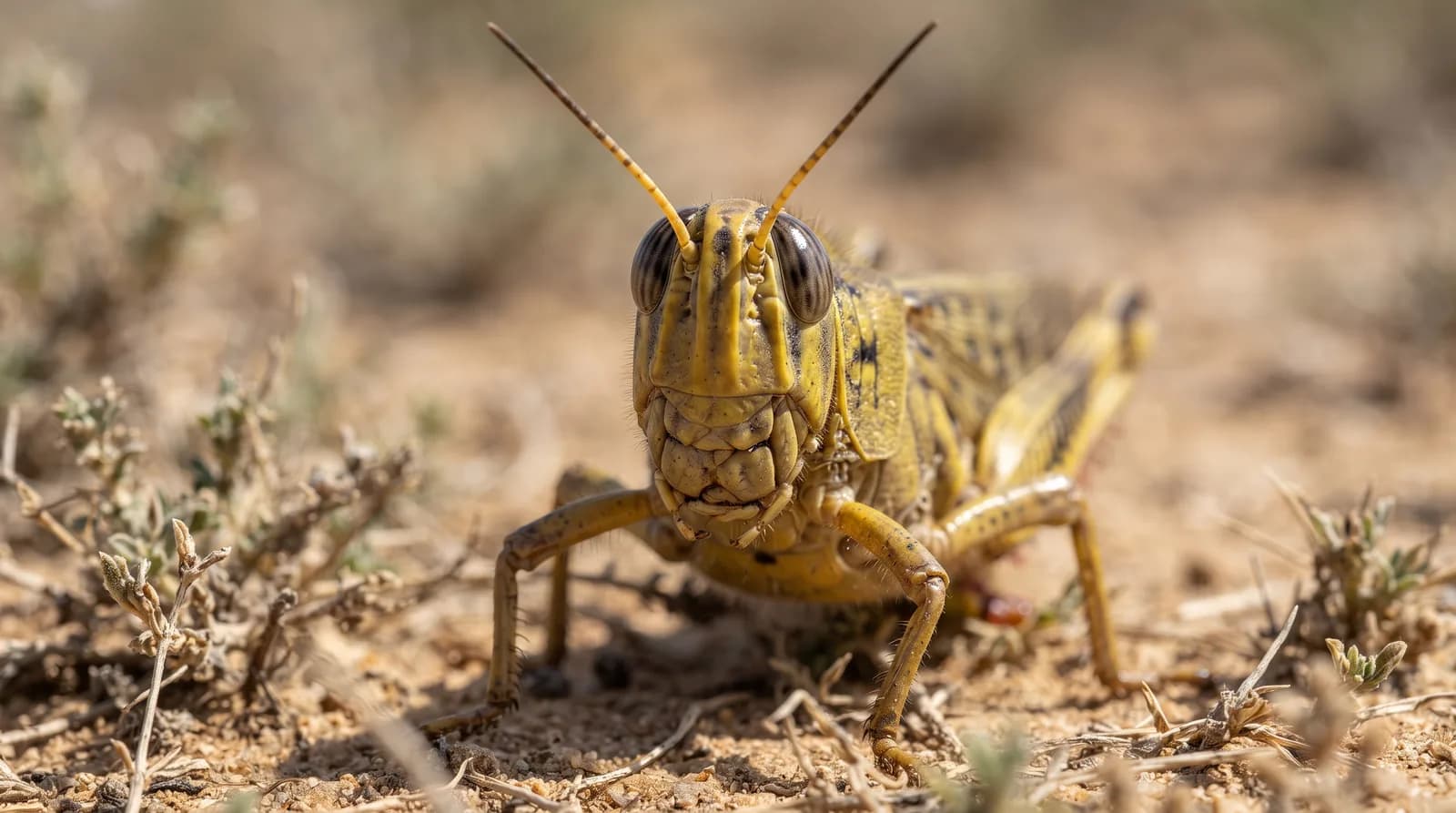
Not EvaluatedDesert Locust
Schistocerca gregaria
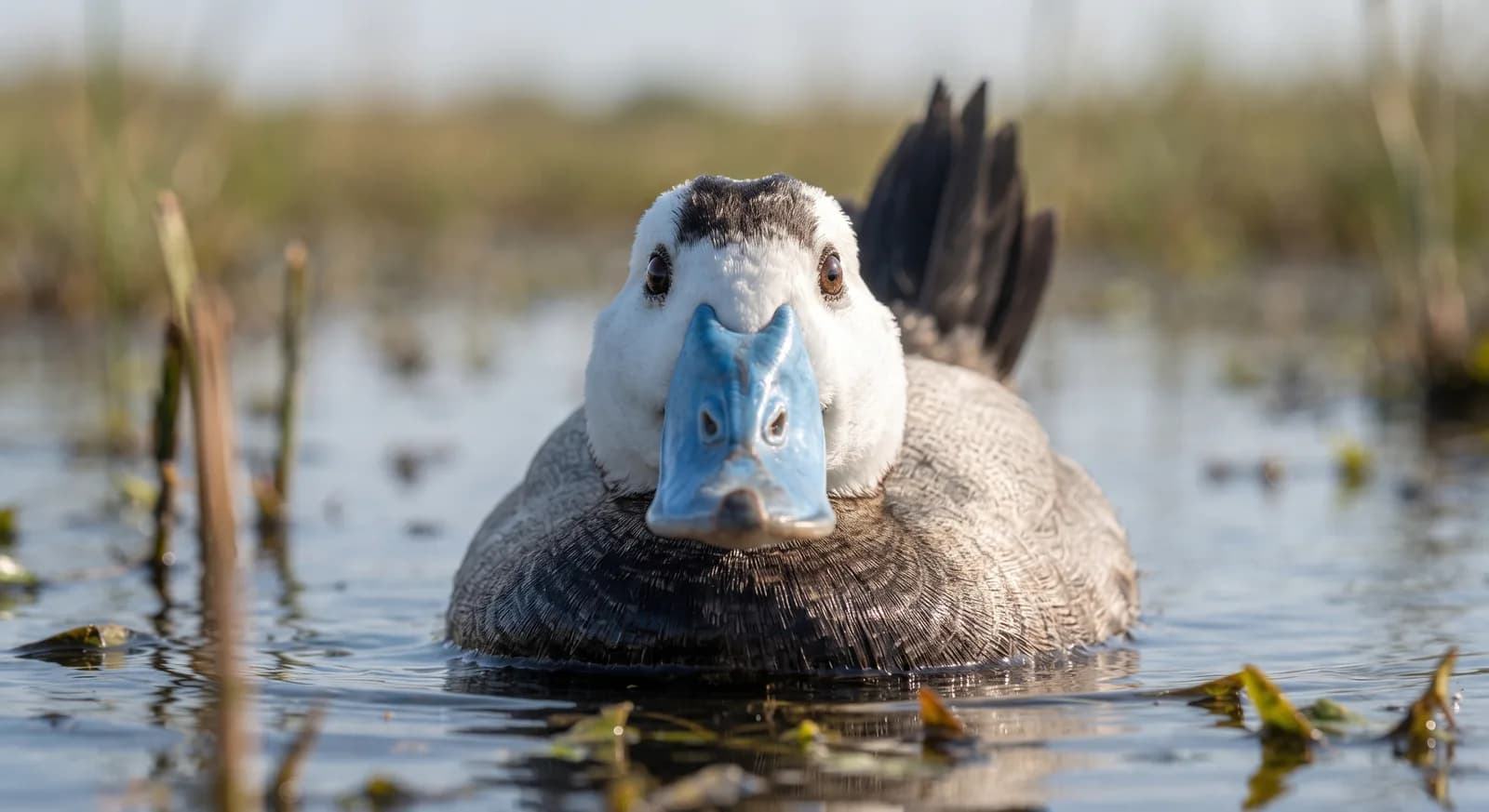
Not EvaluatedWhite-Headed Duck
Oxyura leucocephala
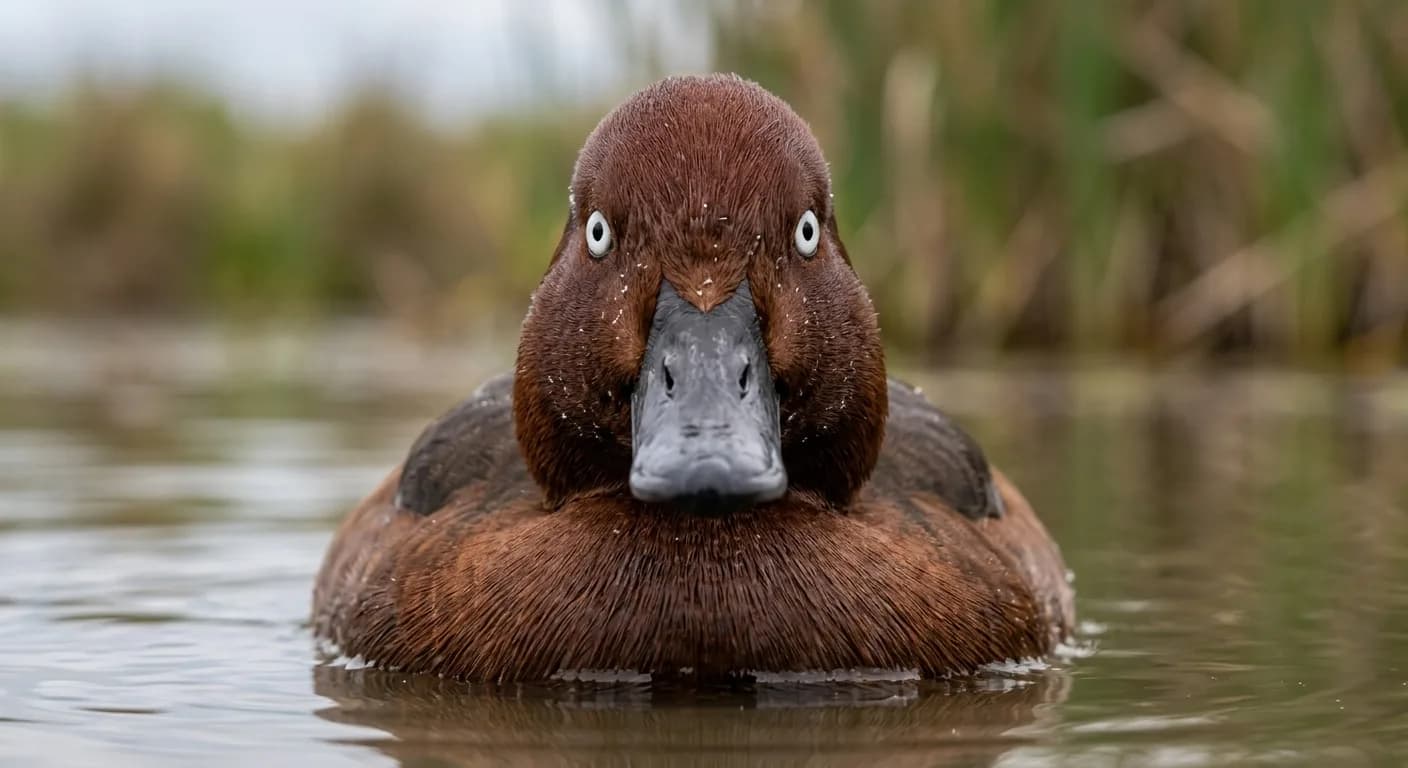
Near ThreatenedFerruginous Duck
Aythya nyroca
Least ConcernIndian Crested Porcupine
Hystrix indica
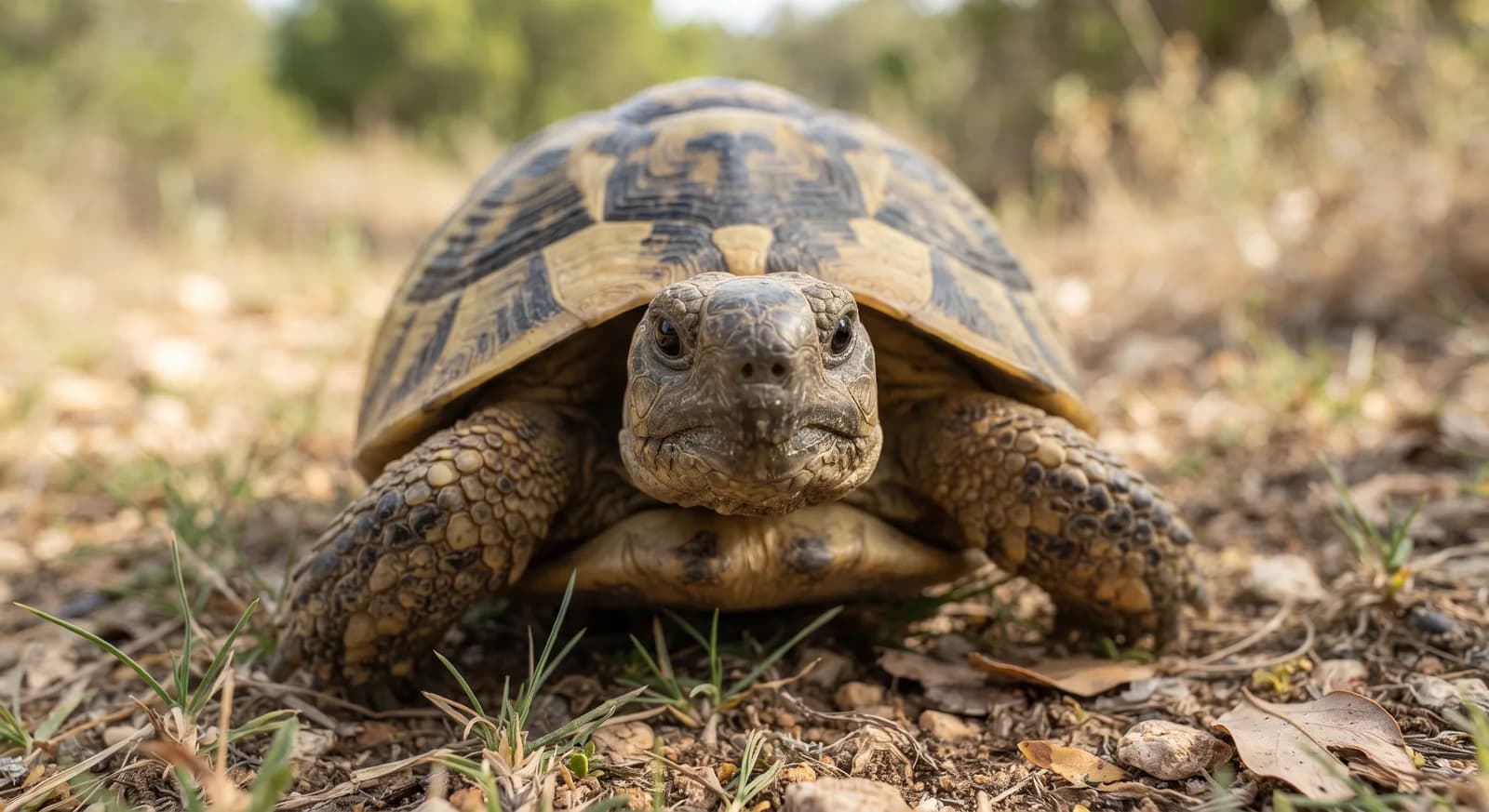
VulnerableCommon Tortoise
Testudo graeca
VulnerableUrial
Ovis vignei