Skip to content
WAnimals
  • Map
  • Species
  • Parks
  • Diving
Log inCreate account
WAnimals

The guide for travellers and animal lovers: discover, plan and share your wild adventures around the world.

Discover wildlife

  • Species
  • Ecosystems
  • Glossary
  • Tags

Explore places

  • Map
  • Countries
  • Parks
  • Diving

Plan experiences

  • Guides

Learn

  • Blog

Resources

  • Help centre
  • Contact
  • Install the app

Follow us

Account

  • Log in
  • Create account

© 2026 WAnimals. All rights reserved.

About usHow we build our profilesTerms of servicePrivacyLegal notice
MapSpeciesParksDiving
  1. Home
  2. Species
  3. Fattailed Scorpion

One of the 7 scorpions on WAnimals

Arachnids · Scorpiones · Buthidae

Fattailed Scorpion

Androctonus australis

Not Evaluated

It has not yet been assessed against the IUCN criteria.

Spotted something wrong?

Androctonus australis, also known as the fat-tailed scorpion because of its stout tail, is one of the most dangerous scorpions in the world. It belongs to the family Buthidae and was described in 1758 by Carl Linnaeus. It measures some 10 cm long and is generally yellow, with darker pincers, but it is a species in which the colouring tends to vary. It has a very thick, powerful tail, whose last segments are sometimes darker than the rest.

Size

8 cm – 12 cm

Diet

Carnivore

Feeds mainly on other animals.

Activity

Nocturnal

Active mainly at night.

Social structure

Solitary

Lives and hunts alone, joining others only to breed.

Sighting difficulty

Unknown

Desert
32countries23parks2same family

Fun facts

  • Its scientific name literally means man-killer.
  • It withstands doses of radiation that would be lethal to a mammal, a tolerance documented in several desert scorpions.
  • Its toxins are studied intensively as a pharmacological tool: some block particular ion channels with a precision that is hard to achieve with synthetic molecules.
  • It is probably the scorpion that causes the most deaths in the world. This one species is responsible for around 80% of scorpion stings and 90% of scorpion deaths in North Africa.
  • Its genus name, Androctonus, literally means man-killer.
  • Its venom combines neurotoxins, cardiotoxins and myotoxins, and death usually comes from cardiac or respiratory failure. A single individual can inject up to 500 micrograms.
  • The thick tail that gives it its name is not a venom store: it is muscle, and its function is to drive the sting in hard and fast. As a practical rule, in scorpions dangerousness correlates with small pincers and a thick tail, not the other way round.
  • Its exoskeleton withstands sandstorms. Instead of burying itself as other scorpions do, it rides out the gale: the microstructure of its cuticle withstands abrasion capable of stripping paint from steel, and it has been studied in anti-erosion surface engineering.
  • Like all scorpions, it fluoresces under ultraviolet light with a blue-green tone, which makes it possible to locate them at night with a UV torch.
  • Despite how dangerous it is, it is one of the most frequent species in the exotic pet trade.

Life cycle and biology

Skeleton type
Invertebrate - chitin exoskeleton (arachnid)
Habitat and environment
Sandy and stony deserts of North Africa and the Middle East

Sources consulted: https://es.wikipedia.org/wiki/Androctonus_australis

Where to find it

Loading map…

Where to see it

Parks and dive sites where this species has been documented — showing 10 of 23.

Related species

Other species in the catalogue with the most in common with Fattailed Scorpion — same habitat, park, country, tags or family.

Shares a park
Shares a park
Shares a park
Shares a park
Shares a park
Shares a park

Keep exploring

Based on what we already know about fattailed scorpion.

Comments

Share an experience, a fun fact or a tip for seeing the fattailed scorpion.

Be the first to comment.

See full glossary
This page in other languages: Español · Deutsch · Français · Português · Italiano

The pins mark the parks where its presence is documented.
See its range on the interactive map→
ZakoumaChad
Banc d'ArguinMauritania
Wadi RumJordan
Ein GediIsrael
Tassili n'Ajjer National ParkAlgeria
Sir Bani Yas Wildlife ReserveUnited Arab Emirates
Dana Biosphere ReserveJordan
DiawlingMauritania
Ennedi MassifChad
Aïr and Ténéré Natural ReservesNiger
See all 23 parks
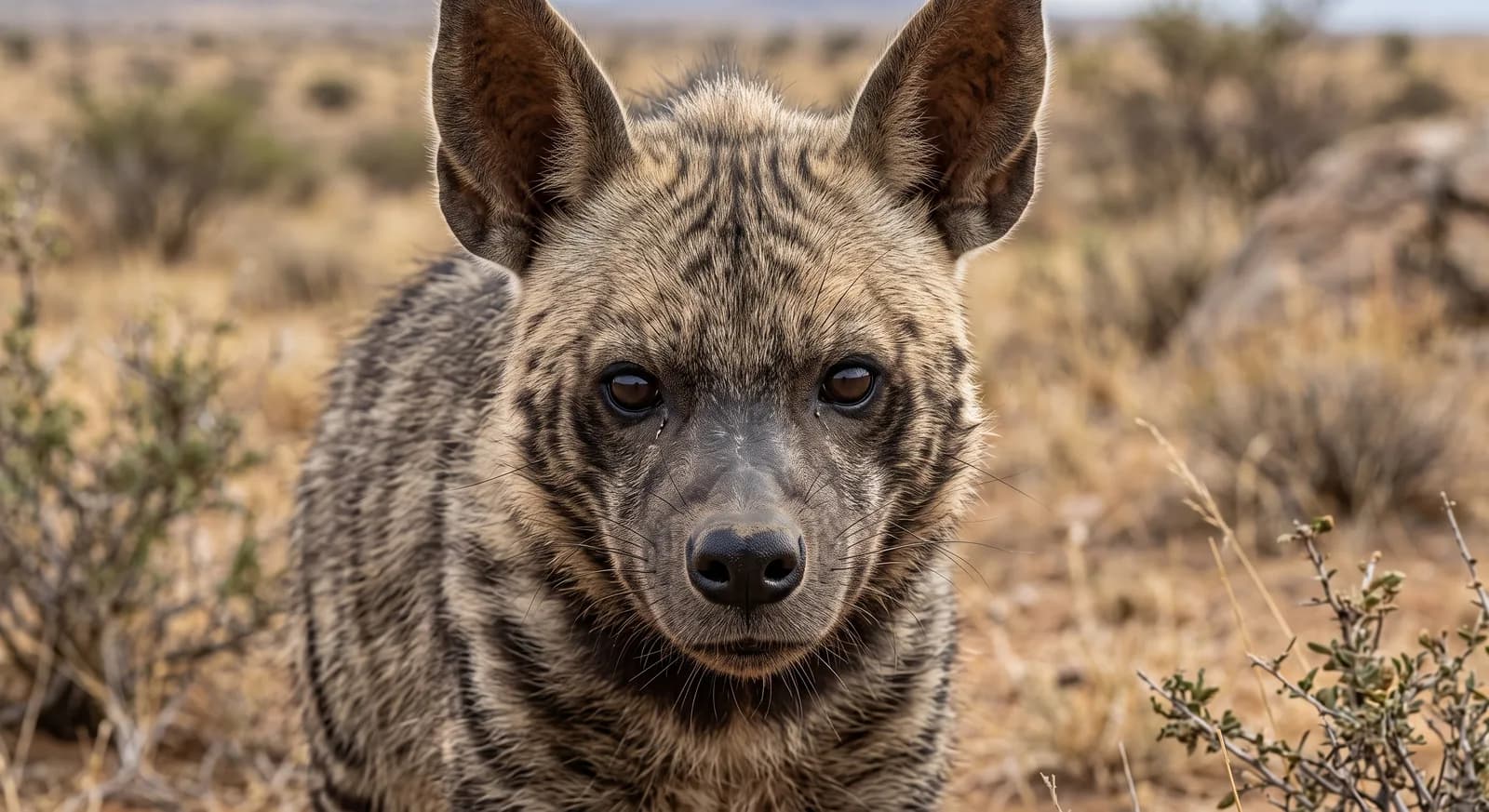
Striped HyaenaNear Threatened

Striped Hyaena

Hyaena hyaena

Least Concern

Black-necked Spitting Cobra

Naja nigricollis

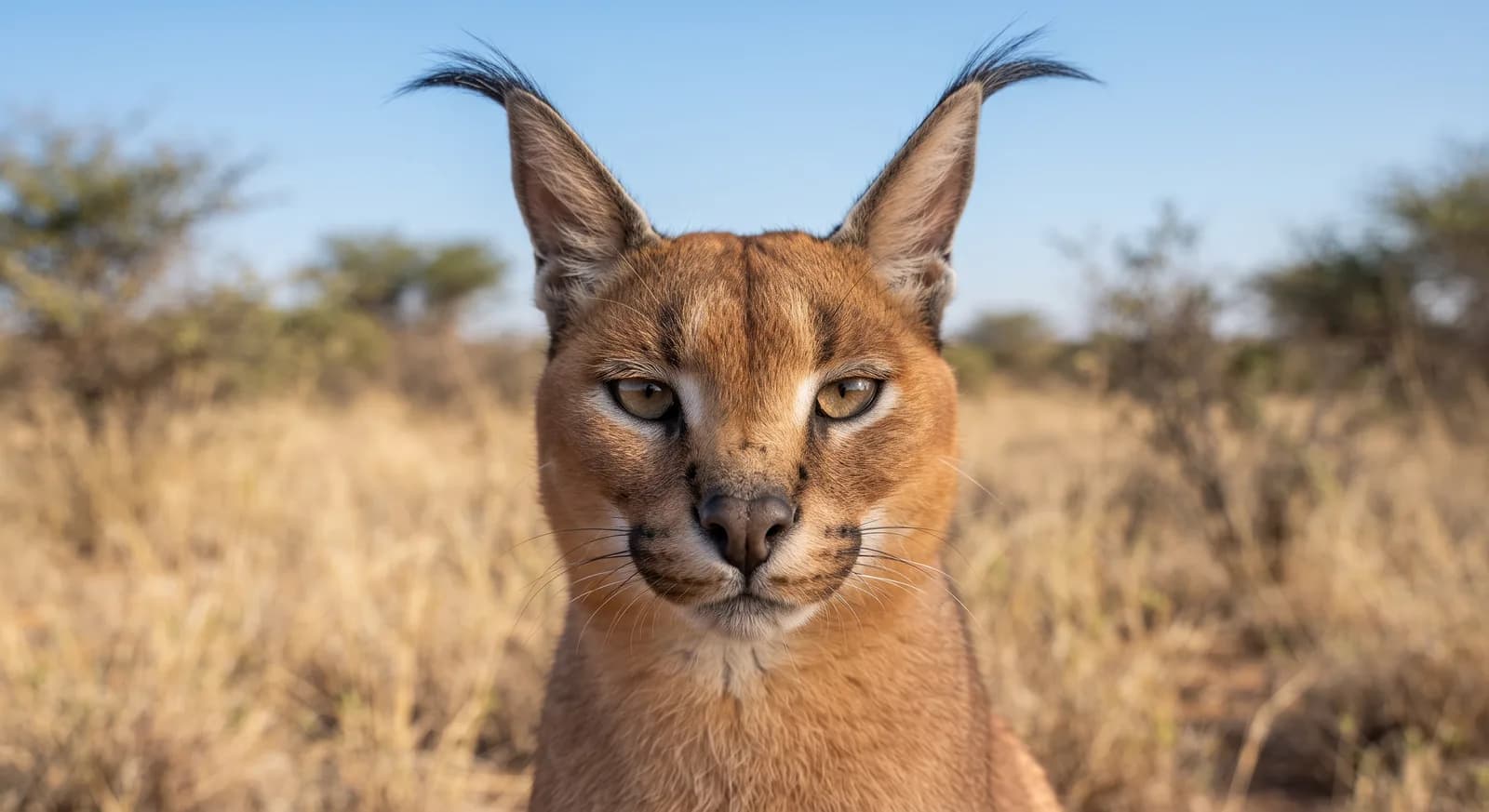
CaracalLeast Concern

Caracal

Caracal caracal

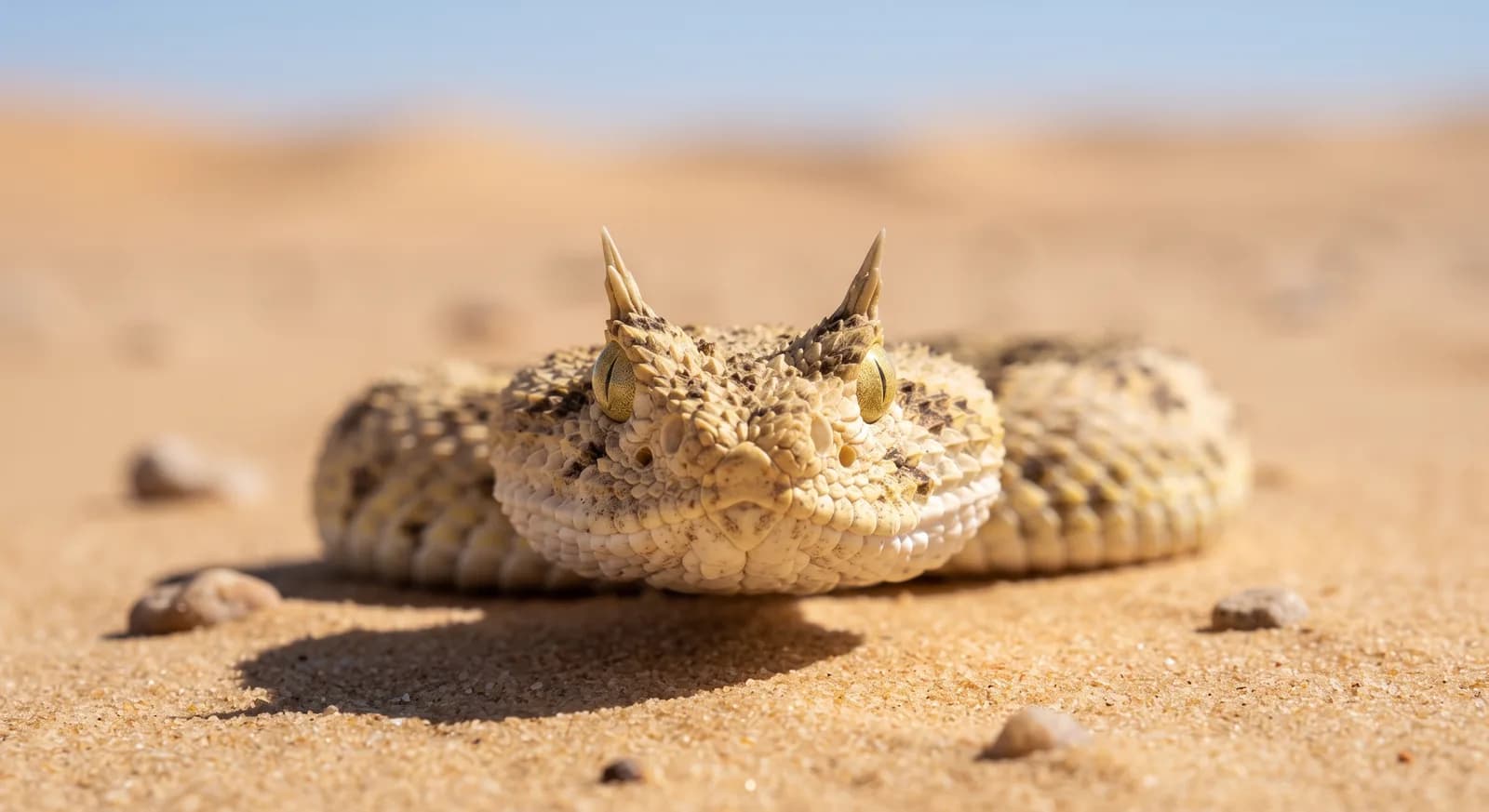
Desert Horned ViperLeast Concern

Desert Horned Viper

Cerastes cerastes

Least Concern

Sand Cat

Felis margarita

Not Evaluated

Jericho Scorpion

Nebo hierichonticus

CountriesChad
ParksZakoumaChad
TagsCarnivore
Carnivore
Nocturnal
Solitary
Desert
Arachnid

Asia20

Africa12

Chad
Egypt
Jordan
Algeria
Iran
Israel
Afghanistan
Armenia
Azerbaijan
Bahrain
Iran
Iraq
Israel
Jordan
Kuwait
Lebanon
Oman
Pakistan
Palestine
Qatar
Saudi Arabia
Syria
Türkiye
Turkmenistan
United Arab Emirates
Yemen
Algeria
Burkina Faso
Chad
Egypt
Libya
Mali
Mauritania
Morocco
Niger
Senegal
Sudan
Tunisia