Skip to content
WAnimals
  • Map
  • Species
  • Parks
  • Diving
Log inCreate account
WAnimals

The guide for travellers and animal lovers: discover, plan and share your wild adventures around the world.

Discover wildlife

  • Species
  • Ecosystems
  • Glossary
  • Tags

Explore places

  • Map
  • Countries
  • Parks
  • Diving

Plan experiences

  • Guides

Learn

  • Blog

Resources

  • Help centre
  • Contact
  • Install the app

Follow us

Account

  • Log in
  • Create account

© 2026 WAnimals. All rights reserved.

About usHow we build our profilesTerms of servicePrivacyLegal notice
MapSpeciesParksDiving
  1. Home
  2. Species
  3. Jericho Scorpion

One of the 7 scorpions on WAnimals

Arachnids · Scorpiones · Diplocentridae

Jericho Scorpion

Nebo hierichonticus

Not Evaluated

It has not yet been assessed against the IUCN criteria.

Spotted something wrong?

A large, heavily built scorpion of the deserts of Israel, Jordan and the Arabian Peninsula, dark brown, with enormous pincers and a relatively slender tail. By day it shelters under stones and in crevices, and at night it hunts insects and other arthropods, which it holds with the strength of its pincers rather than with venom.

Size

6 cm – 10 cm

Diet

Carnivore

Feeds mainly on other animals.

Activity

Nocturnal

Active mainly at night.

Social structure

Solitary

Lives and hunts alone, joining others only to breed.

Sighting difficulty

Unknown

Desert
17countries8parks

Fun facts

  • As in many scorpions, its outsized pincers make up for a weak venom: it grips and crushes its prey rather than injecting toxins.
  • It survives long periods without food, a common adaptation in desert scorpions, where prey turns up unpredictably.
  • It is one of the largest scorpions in the Near East, with robust pincers and a solidly built body.
  • Like the emperor scorpion, its morphology foretells its behaviour: large pincers and a relatively thin tail mean that it subdues prey by mechanical force and makes little use of venom.
  • Its sting is painful but is not considered of medical significance.
  • It lives in one of the oldest continuously inhabited deserts, and its name alludes to Jericho.
  • Like all scorpions, it withstands extremely long periods without eating: its extremely low metabolism allows it to go for months without food.

Life cycle and biology

Skeleton type
Invertebrate - chitin exoskeleton (arachnid)
Habitat and environment
Rocky deserts and wadis of the Middle East

Sources consulted: Polis, The Biology of Scorpions; Levy y Amitai, Fauna Palaestina: Scorpiones; Sociedad Israelí de Zoología

Where to find it

Loading map…

The pins mark the parks where its presence is documented.

Where to see it

Parks and dive sites where this species has been documented.

Related species

Other species in the catalogue with the most in common with Jericho Scorpion — same habitat, park, country, tags or family.

Shares a park
Shares a park
Shares a park
Shares a park
Shares a park
Shares a park

Keep exploring

Based on what we already know about jericho scorpion.

Comments

Share an experience, a fun fact or a tip for seeing the jericho scorpion.

Be the first to comment.
See full glossary
This page in other languages: Español · Deutsch · Français · Português · Italiano
See its range on the interactive map→
Wadi RumJordan
Ein GediIsrael
Dana Biosphere ReserveJordan
Ramon CraterIsrael
MujibJordan
White DesertEgypt
Gebel ElbaEgypt
Wadi El RayanEgypt
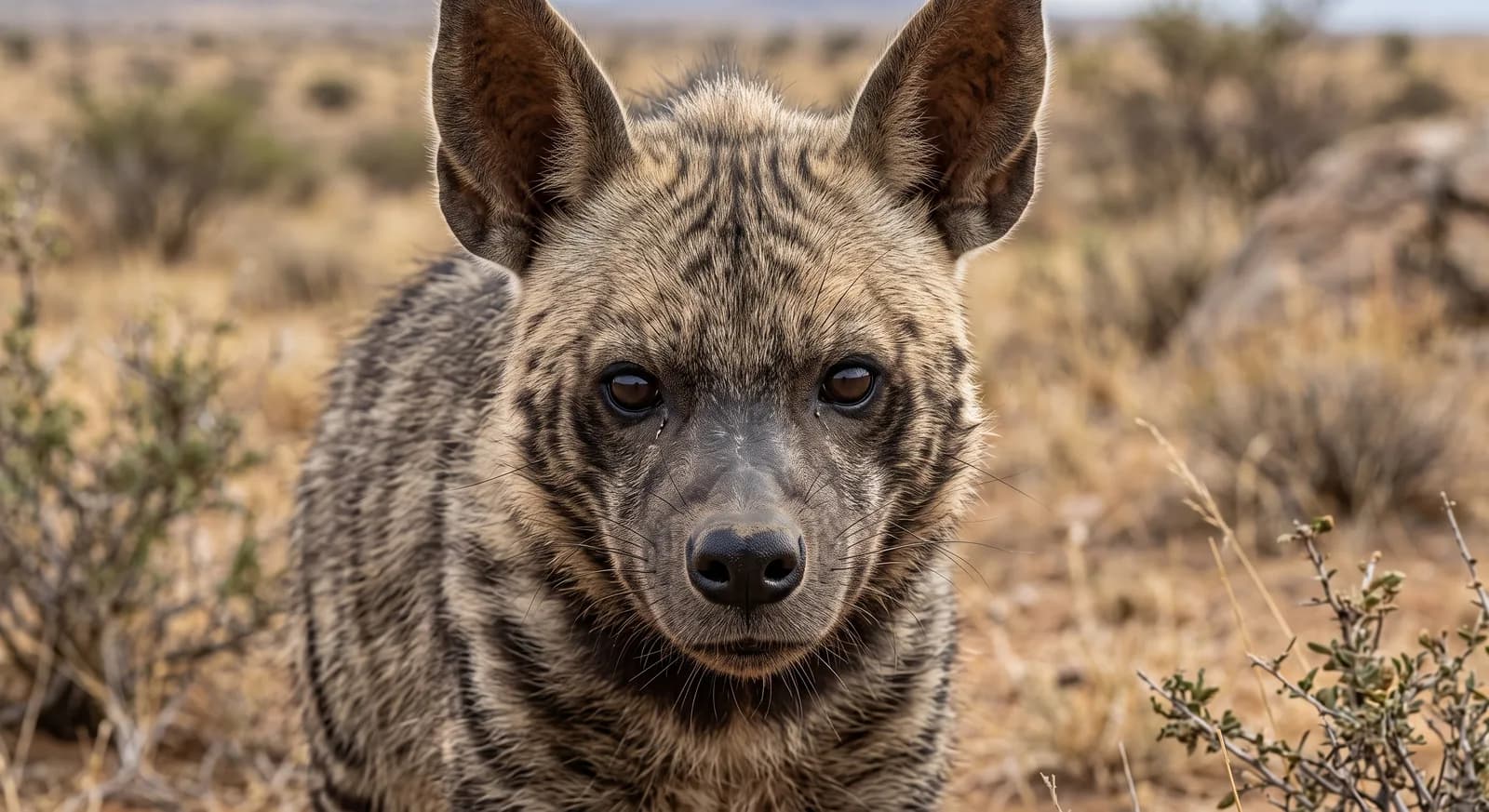
Striped HyaenaNear Threatened

Striped Hyaena

Hyaena hyaena

Not Evaluated

Fattailed Scorpion

Androctonus australis

CaracalLeast Concern

Caracal

Caracal caracal

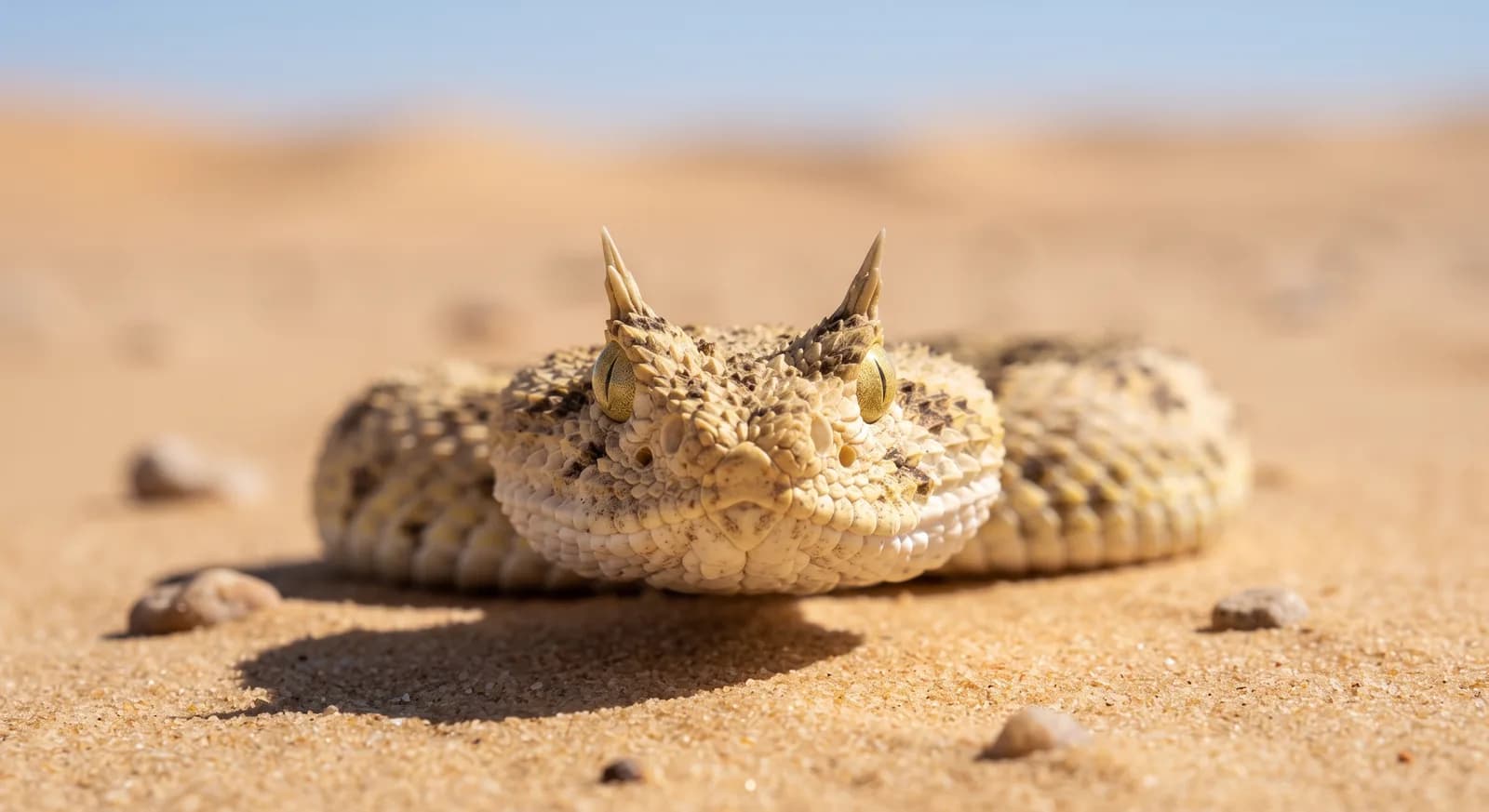
Desert Horned ViperLeast Concern

Desert Horned Viper

Cerastes cerastes

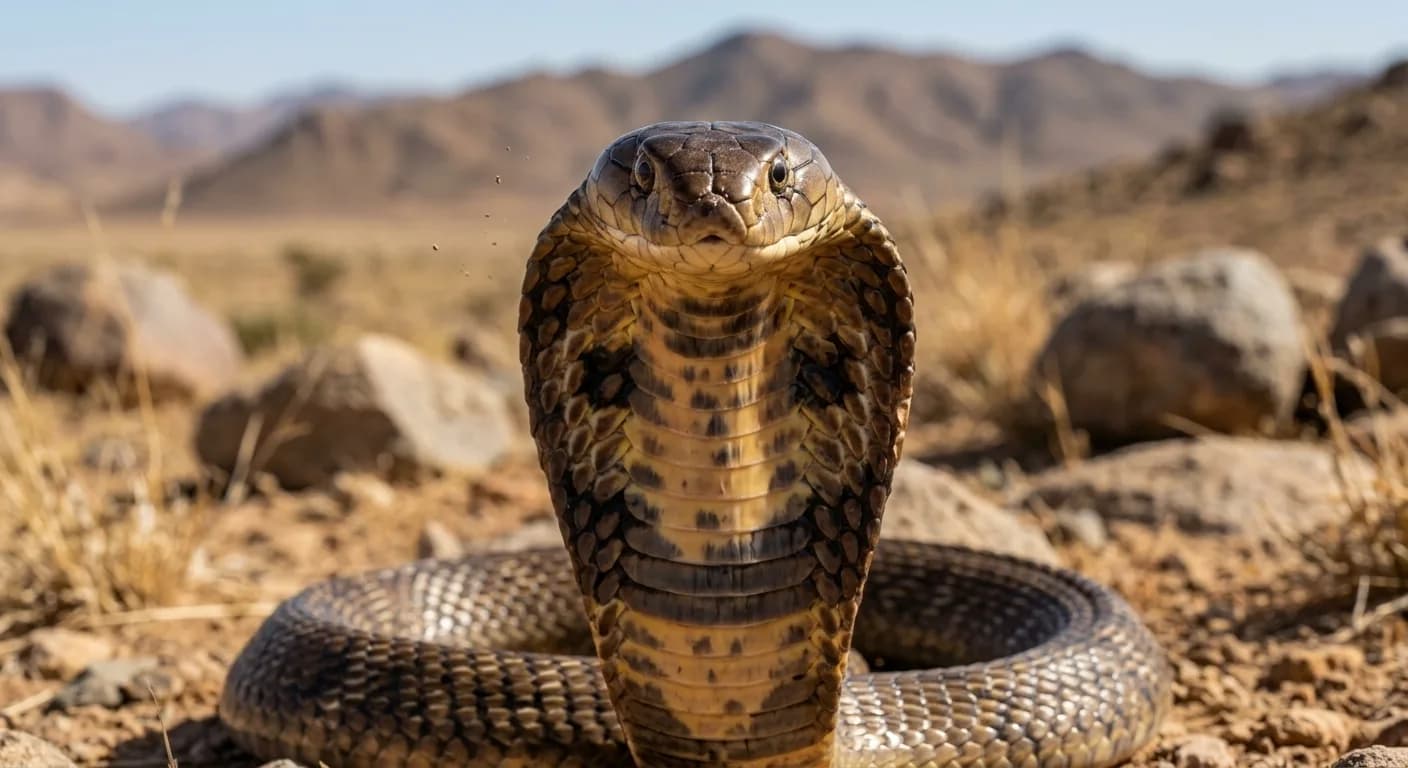
Egyptian CobraLeast Concern

Egyptian Cobra

Naja haje

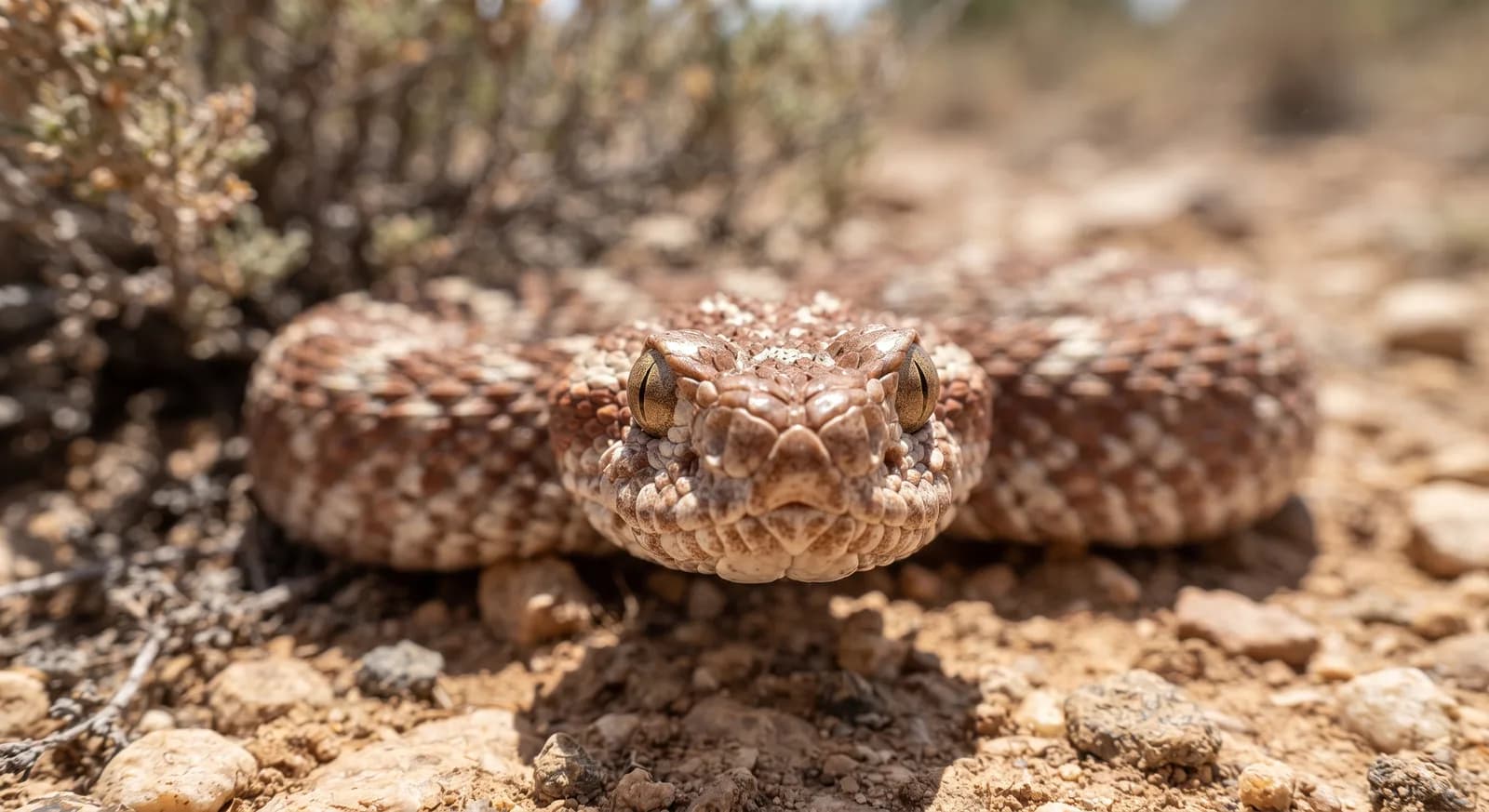
PhoorsaLeast Concern

Phoorsa

Echis carinatus

CountriesEgypt
ParksWadi RumJordan
TagsCarnivore
Carnivore
Nocturnal
Solitary
Desert
Arachnid

Asia16

Africa1

Egypt
Jordan
Israel
Afghanistan
Armenia
Azerbaijan
Afghanistan
Armenia
Azerbaijan
Iran
Iraq
Israel
Jordan
Lebanon
Oman
Pakistan
Palestine
Saudi Arabia
Syria
Türkiye
Turkmenistan
Yemen
Egypt