Skip to content
WAnimals
  • Map
  • Species
  • Parks
  • Diving
Log inCreate account
WAnimals

The guide for travellers and animal lovers: discover, plan and share your wild adventures around the world.

Discover wildlife

  • Species
  • Ecosystems
  • Glossary
  • Tags

Explore places

  • Map
  • Countries
  • Parks
  • Diving

Plan experiences

  • Guides

Learn

  • Blog

Resources

  • Help centre
  • Contact
  • Install the app

Follow us

Account

  • Log in
  • Create account

© 2026 WAnimals. All rights reserved.

About usHow we build our profilesTerms of servicePrivacyLegal notice
MapSpeciesParksDiving
  1. Home
  2. Species
  3. Sand Cat

One of the 14 cats on WAnimals

Mammals · Carnivora · Felidae

Sand Cat

Felis margarita

Least Concern

The species is abundant and widely distributed; it faces no significant short-term risk.

Spotted something wrong?

The sand cat is the only cat that lives exclusively in the desert. With a broad, flattened head, large, low-set ears and sandy fur, it is built to go unnoticed in a landscape with no cover. It spends the day in burrows it digs or inherits from foxes and rodents, and hunts gerbils, jerboas, lizards and birds at night. Its range is enormous but highly fragmented, and because it is hard to detect, little is known about the real state of its populations.

Weight

1.5 kg – 3.4 kg

Size

39 cm – 52 cm

Life expectancy

13 years

Diet

Carnivore

Feeds mainly on other animals.

Activity

Nocturnal

Active mainly at night.

Social structure

Solitary

Lives and hunts alone, joining others only to breed.

Sighting difficulty

Easy

Desert
16countries6parks39same family

Fun facts

  • The soles of its feet are covered in dense fur that insulates it from the burning sand and almost completely erases its tracks, which makes it very hard to follow.
  • It can live without drinking: it gets all the water it needs from the prey it hunts, which also lets it occupy areas with no water at all for tens of kilometres.

Life cycle and biology

Skeleton type
Vertebrate - internal bony skeleton (mammal)
Habitat and environment
Sandy and stony deserts with sparse vegetation of the Sahara, Arabia and Central Asia
Size at birth
Born blind and with an already spotted coat; it opens its eyes at around two weeks
Sexual maturity
9 months
Gestation / incubation
2.2 months
Litter / clutch size
4.5 (average)

Sources consulted: https://es.wikipedia.org/wiki/Felis_margarita

Where to find it

Best time: All year round in the deserts of North Africa, Arabia and Central Asia, at night; it leaves hardly any tracks, because the soles of its feet are covered in fur.

Loading map…

The pins mark the parks where its presence is documented.

Where to see it

Parks and dive sites where this species has been documented.

Related species

Other species in the catalogue with the most in common with Sand Cat — same habitat, park, country, tags or family.

Same taxonomic family
Shares a park
Shares a park

Keep exploring

Based on what we already know about sand cat.

Comments

Share an experience, a fun fact or a tip for seeing the sand cat.

Be the first to comment.
See full glossary
This page in other languages: Español · Deutsch · Français · Português · Italiano
See its range on the interactive map→
Tassili n'Ajjer National ParkAlgeria
Sir Bani Yas Wildlife ReserveUnited Arab Emirates
Aïr and Ténéré Natural ReservesNiger
Lut DesertIran
KavirIran
AhaggarAlgeria
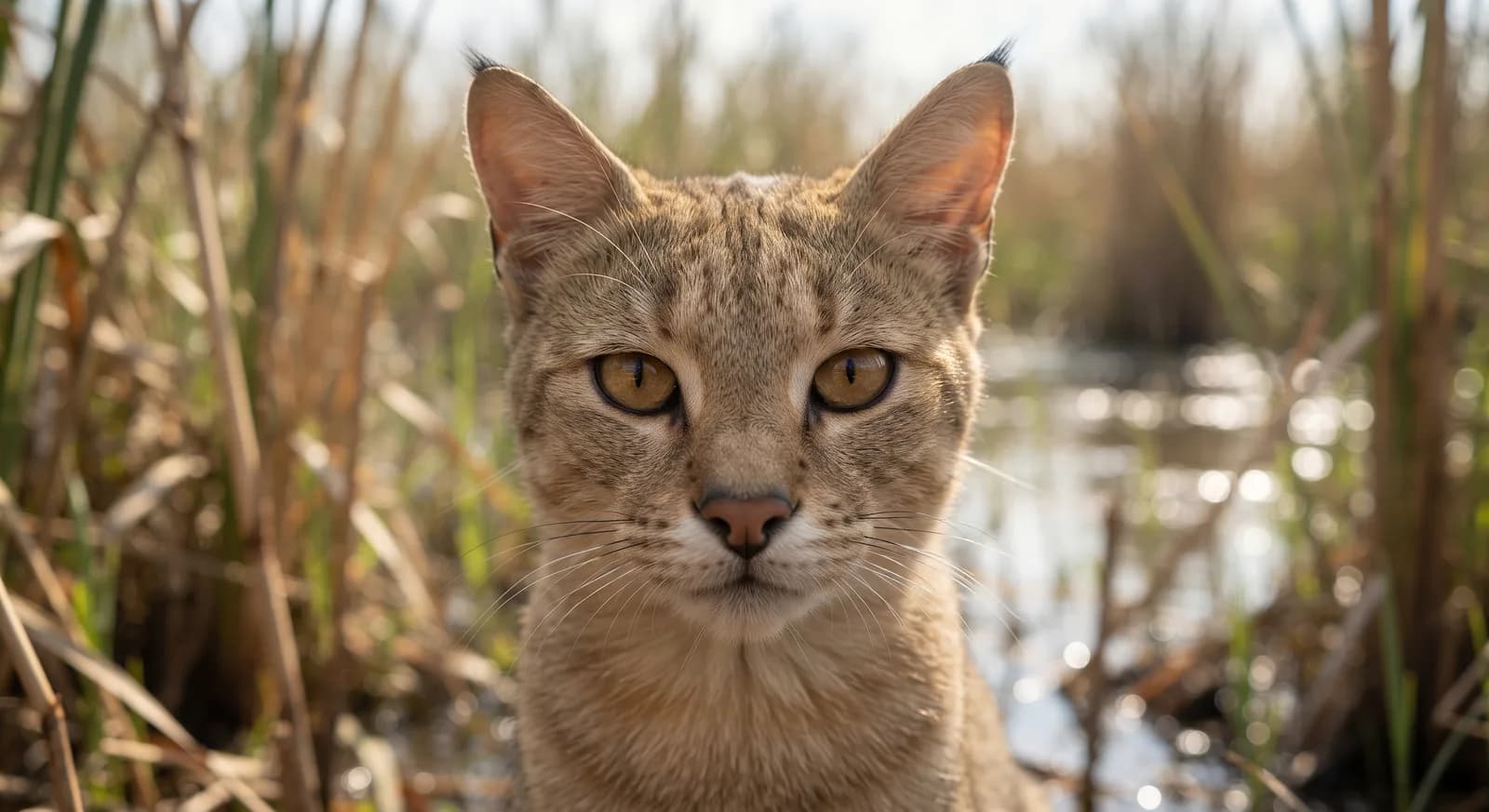
Jungle CatLeast Concern

Jungle Cat

Felis chaus

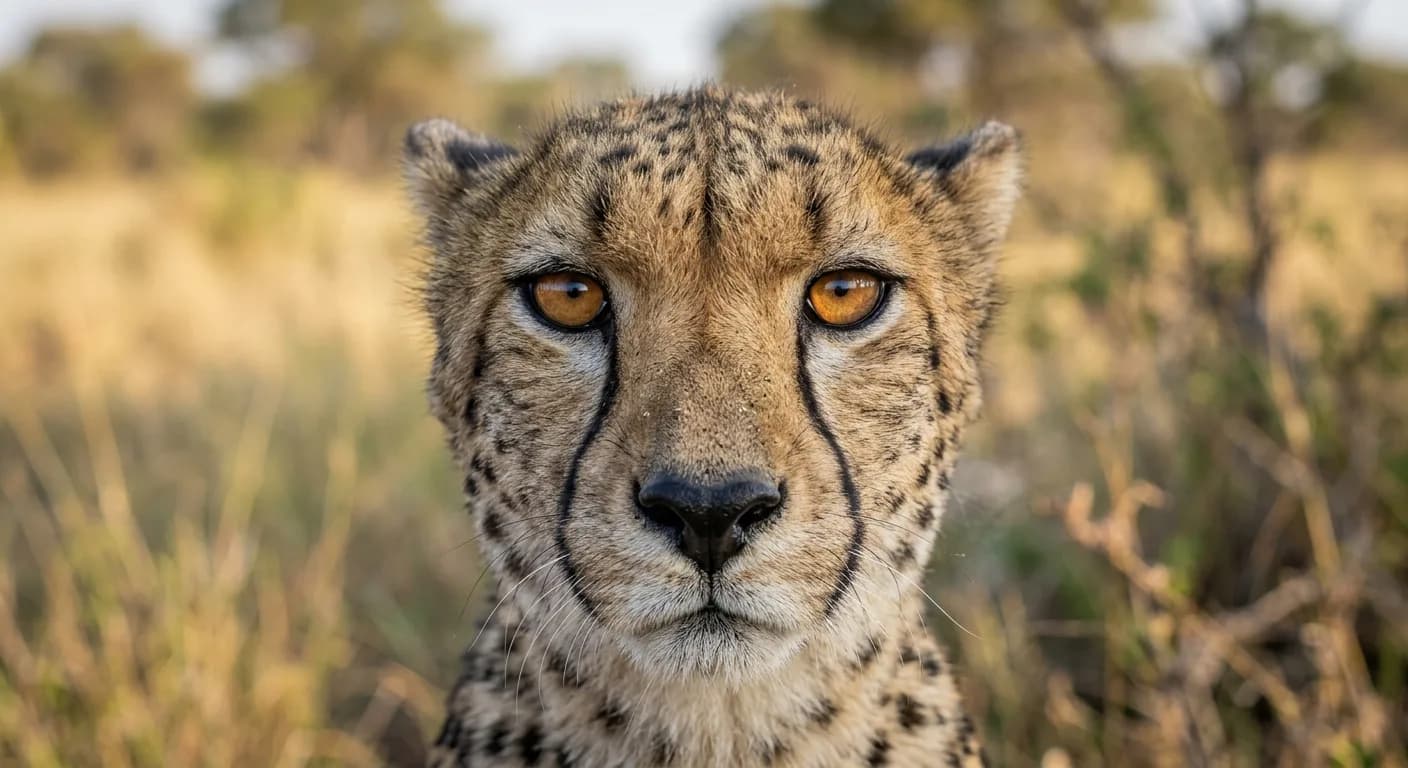
CheetahVulnerable

Cheetah

Acinonyx jubatus

Least Concern

Pallas' Cat

Otocolobus manul

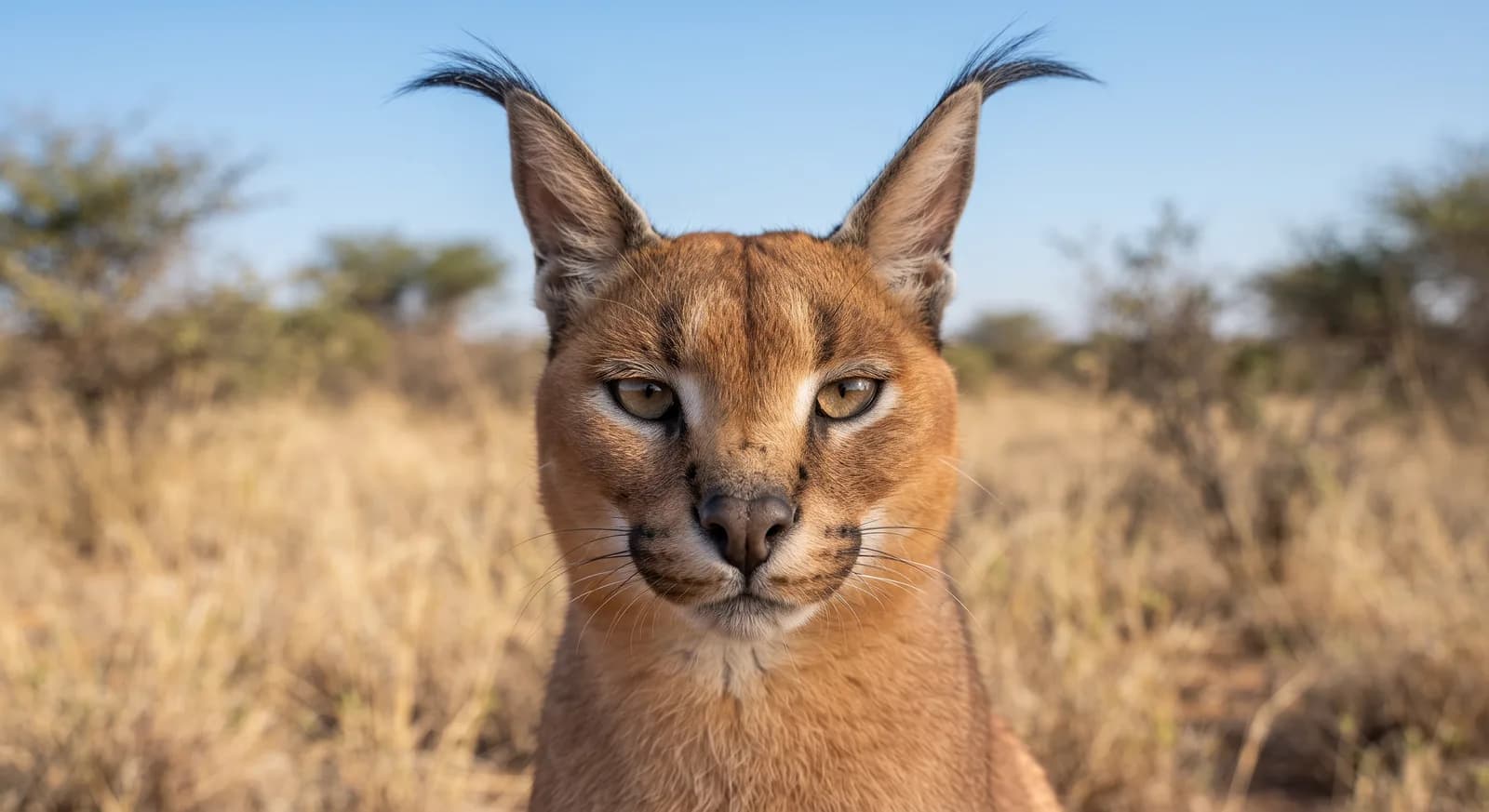
CaracalLeast Concern

Caracal

Caracal caracal

Least Concern

Lesser Egyptian Jerboa

Jaculus jaculus

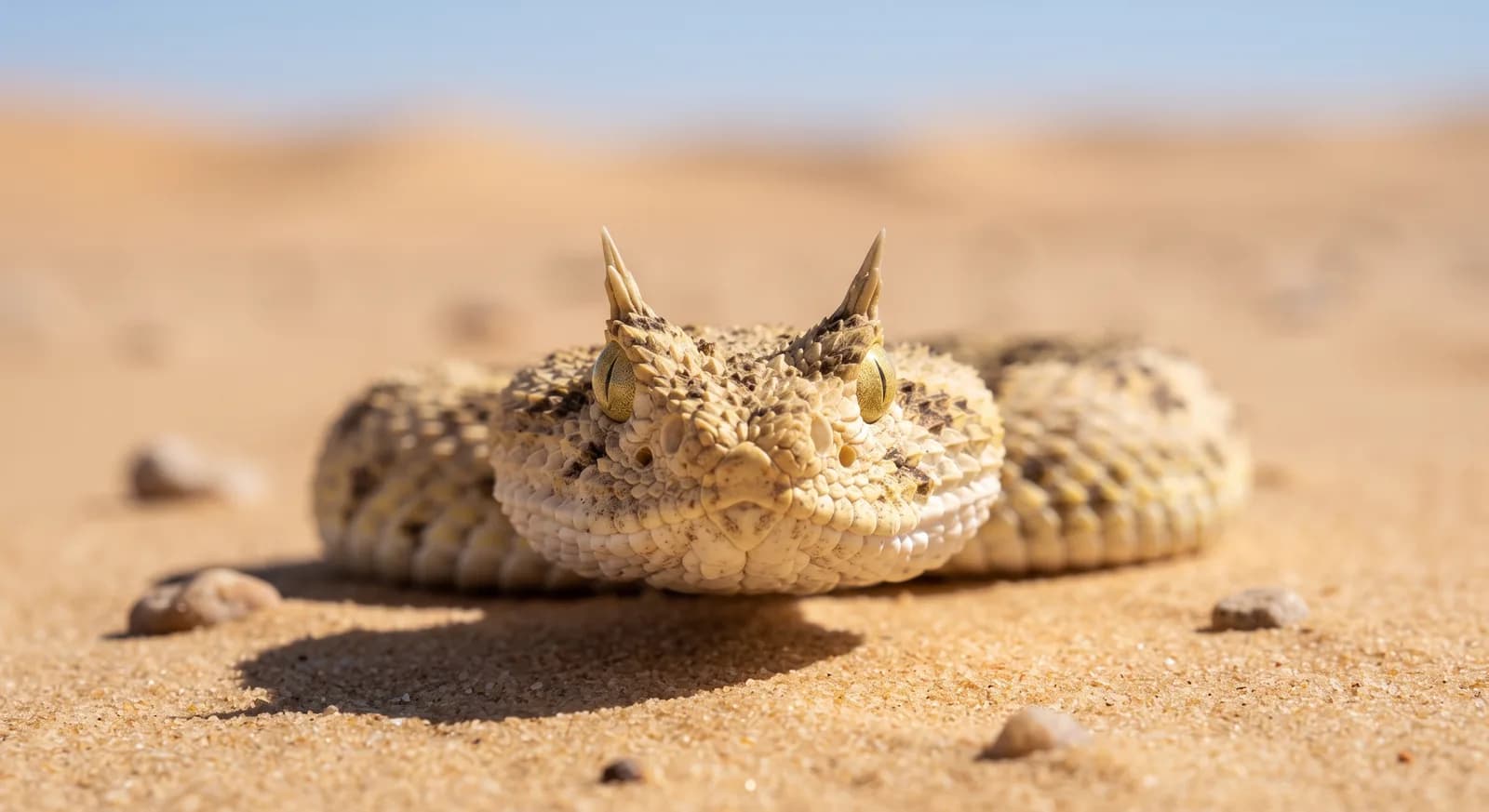
Desert Horned ViperLeast Concern

Desert Horned Viper

Cerastes cerastes

CountriesAlgeria
ParksTassili n'Ajjer National ParkAlgeria
TagsCarnivore
Carnivore
Nocturnal
Solitary
Feline
Desert
Mammal

Asia11

Africa5

Algeria
Iran
Niger
United Arab Emirates
Chad
Egypt
Iran
Iraq
Kazakhstan
Oman
Pakistan
Palestine
Saudi Arabia
Turkmenistan
United Arab Emirates
Uzbekistan
Yemen
Algeria
Chad
Egypt
Morocco
Niger