Skip to content
WAnimals
  • Map
  • Species
  • Parks
  • Diving
Log inCreate account
WAnimals

The guide for travellers and animal lovers: discover, plan and share your wild adventures around the world.

Discover wildlife

  • Species
  • Ecosystems
  • Glossary
  • Tags

Explore places

  • Map
  • Countries
  • Parks
  • Diving

Plan experiences

  • Guides

Learn

  • Blog

Resources

  • Help centre
  • Contact
  • Install the app

Follow us

Account

  • Log in
  • Create account

© 2026 WAnimals. All rights reserved.

About usHow we build our profilesTerms of servicePrivacyLegal notice
MapSpeciesParksDiving
  1. Home
  2. Parks
  3. United Kingdom
  4. South Downs

South Downs

National Park
Western EuropeDesignated in 20101,627 km²
Spotted something wrong?

England's newest national park, on the chalk hills of the south and the white cliffs of the Channel.

Area

1,627 km²

Designated in

2010

Region

Western Europe

Highlight

Chalk downland and the Seven Sisters cliffs

The South Downs National Park was created in 2010 in southern England, across Hampshire, West Sussex and East Sussex, and protects some 1,627 km². It is the most recent of the English national parks and the most densely populated, with more than a hundred thousand residents within its boundaries and millions of people living a short distance away.

Its foundation is chalk: a band of soft limestone laid down in a Cretaceous sea that forms rolling hills and ends abruptly at the English Channel in the dazzling white cliffs of the Seven Sisters and Beachy Head. On that rock develops chalk grassland, a calcareous sward of very low fertility that can hold forty or more plant species per square metre and a butterfly and orchid community that is exceptional in western Europe.

That habitat depends entirely on grazing: without sheep the grassland turns to scrub and loses its richness, so conservation means maintaining extensive livestock farming that the agricultural economy does not always sustain. The park also includes ancient woodland, heaths on sandstone and the South Downs Way, a long-distance path of more than a hundred miles that crosses the whole park from east to west.

Location

Loading map…

2 dive sites within 300 km are also shown.

South Downs: 173 documented species

Mammals15Birds100Reptiles3Amphibians

Flora and ecosystems

Ecosystems found in the United Kingdom, where South Downs lies.

Temperate forestMarine / coastalWetland

Experiences in this park

Diving and snorkellingBirdwatching

Nearby dive sites

Where can I dive near here?

262 km away

289 km away

Wildlife you can see now

What is worth looking out for this month in the United Kingdom?

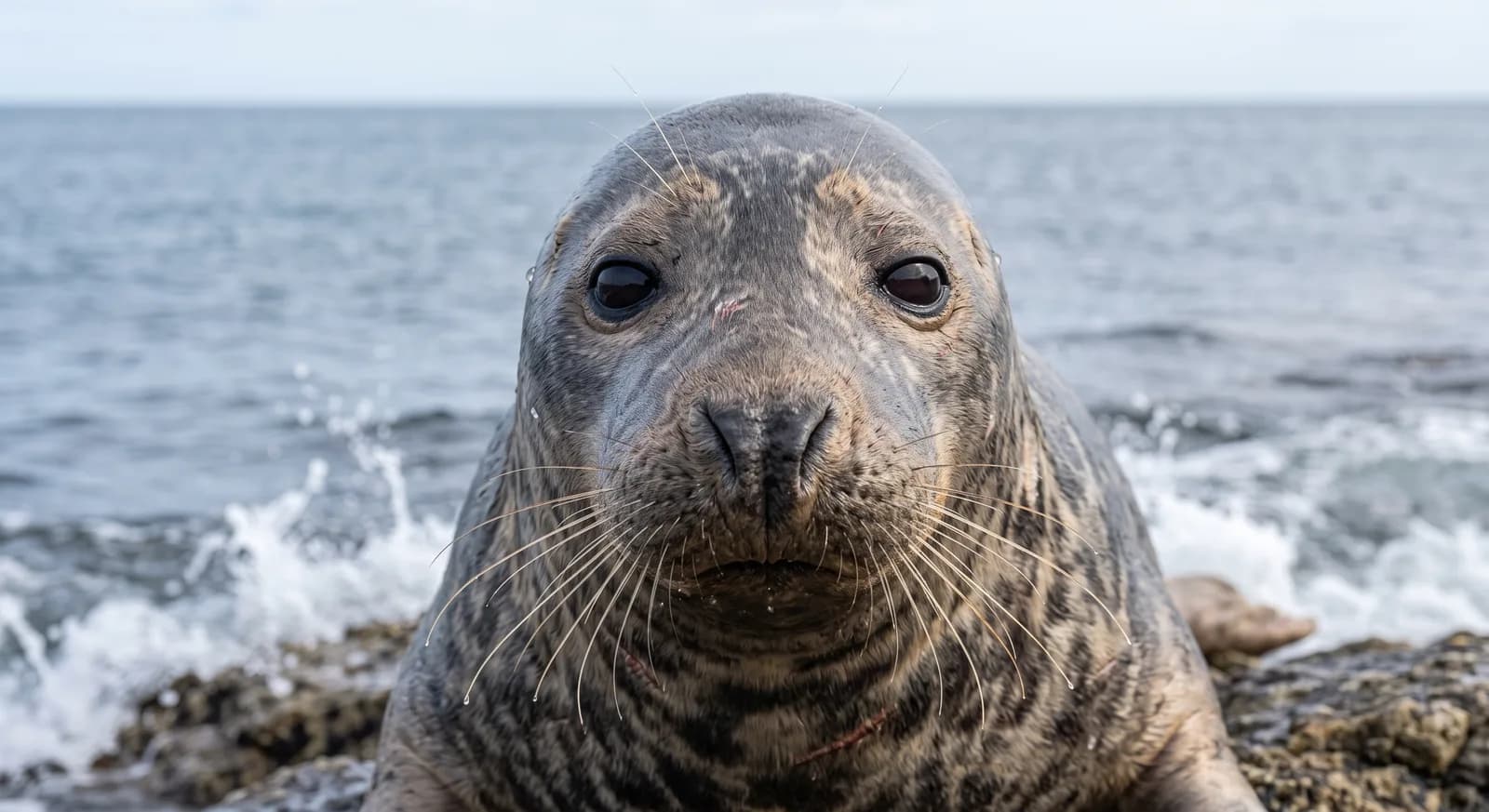
Now is a good time: Grey seal pupping at Donna Nook (Late October to December (peak in late November))

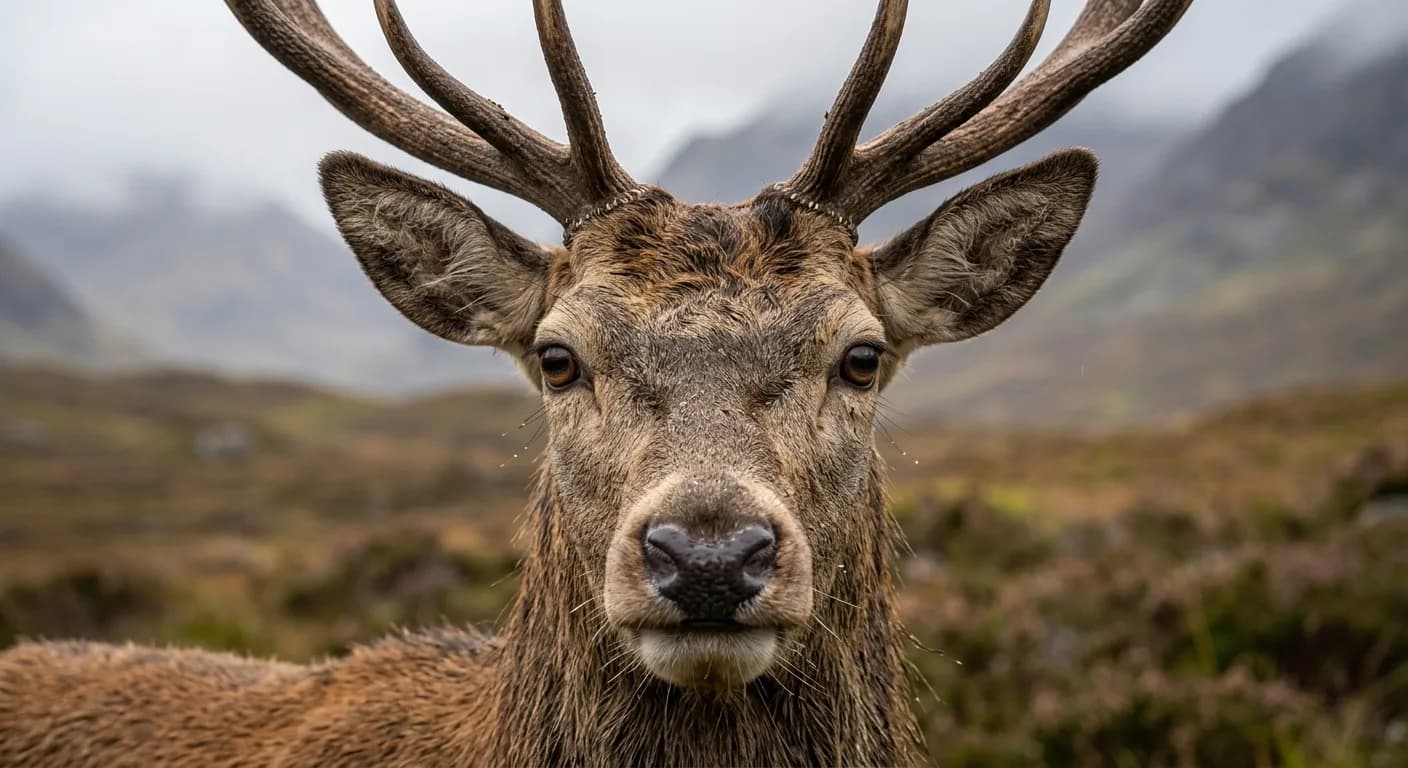
Now is a good time: Red deer rut in Scotland (September to November (peak late Sep-Oct))

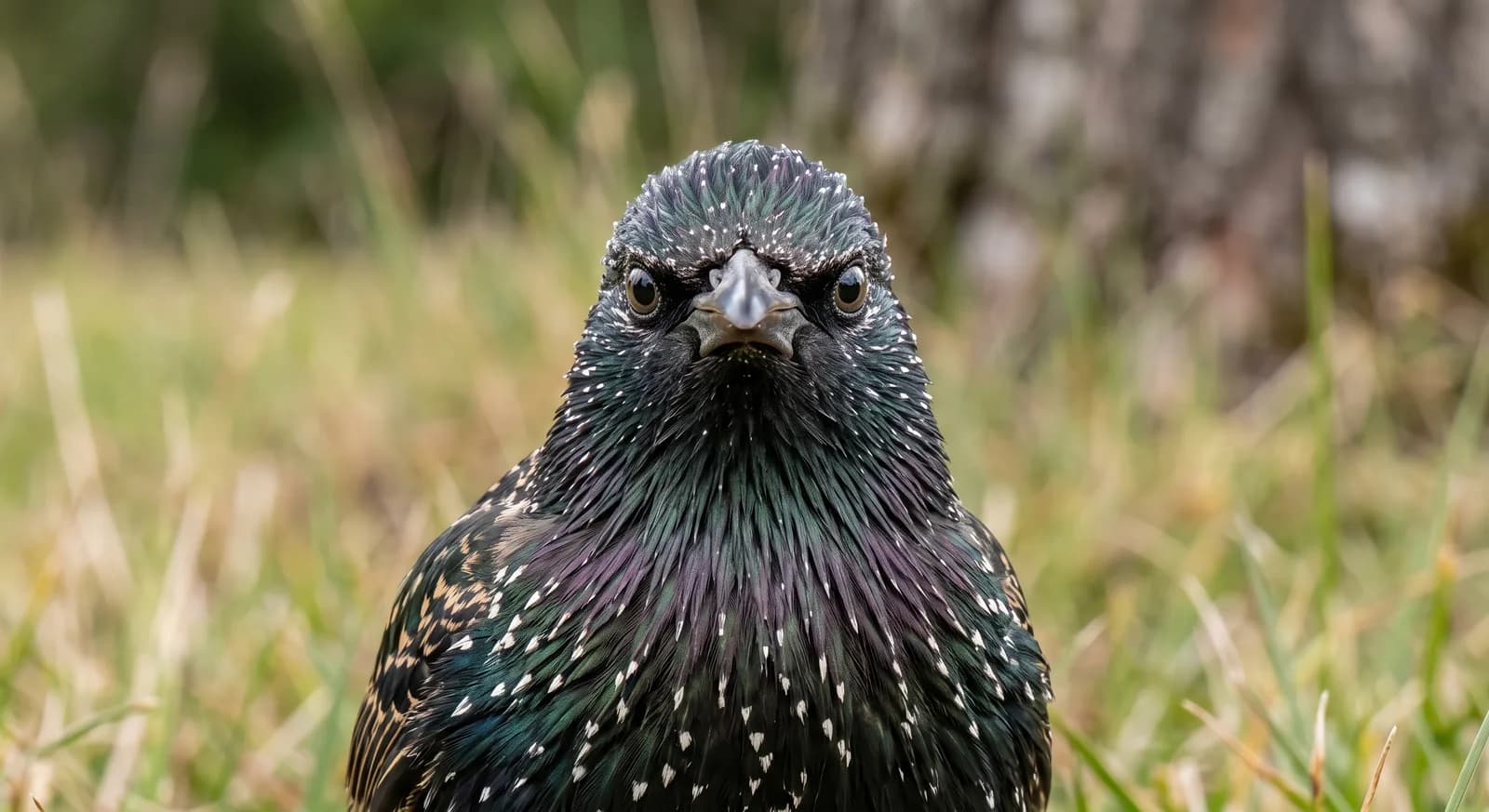
Now is a good time: Starling murmurations in the United Kingdom (October to March (peak Nov-Jan))

Similar parks

Which other parks are like this one?

Same country: United Kingdom

Same country: United Kingdom

Same country: United Kingdom

Same country: United Kingdom

Keep exploring

Based on what we already know about this park.

Comments

Share your experience visiting South Downs, or a tip for other travellers.

Be the first to comment.

Climate

Temperate

Best season

May to September

Plan your visit

Best season
May to September
Area
1,627 km²
See location
2
Fish2
Insecta42
Arachnida5
Malacostraca1
Clitellata1
Diplopoda2

Threatened:,

Now is a good time: Northern gannet colony on Bass Rock (Late February to October (peak Jun-Aug))
United Kingdom · Western Europe
See on the interactive map→

Plymouth Sound (wrecks)

Lundy Island

Grey SealLeast Concern

Grey Seal

Halichoerus grypus

Red DeerLeast Concern

Red Deer

Cervus elaphus

Common StarlingLeast Concern

Common Starling

Sturnus vulgaris

National Park

The Broads

United Kingdom

British Swallowtail Butterfly · Eurasian Bittern

May to September

See park
National Park

North York Moors

United Kingdom

Willow Ptarmigan · Golden Plover

May to September

See park
National Park

Peak District

United Kingdom

Mountain hare · hen harrier

May to September

See park
National Park

Exmoor

United Kingdom

Red deer · Exmoor pony (an ancient semi-wild breed)

May to September

See park
DivingPlymouth Sound (wrecks)262 km away
CountryUnited Kingdom
This page in other languages: Español · Deutsch · Français · Português · Italiano
More places in the United Kingdom
Common Pochard
Red-legged Partridge
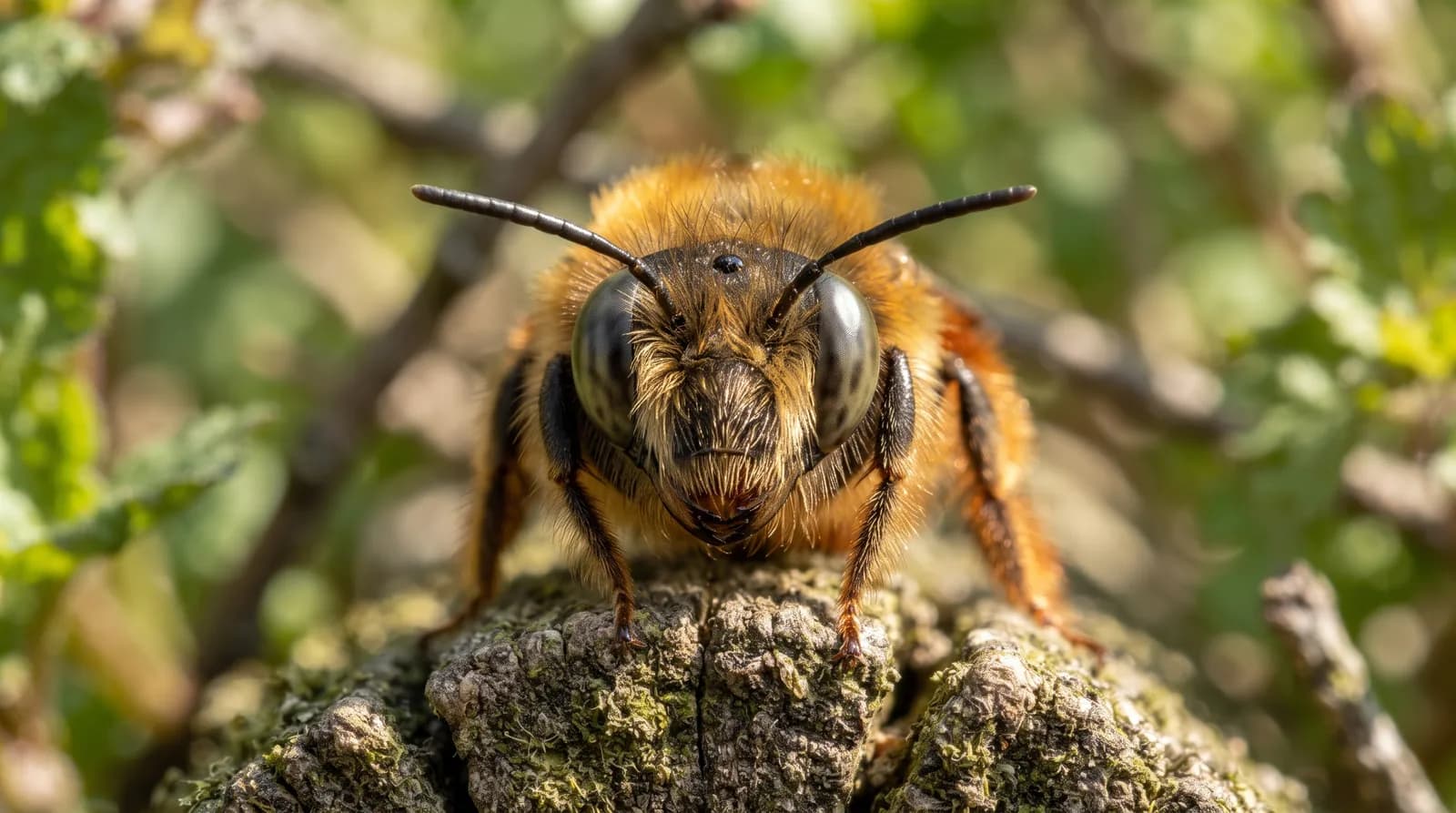
Red Mason BeeLeast Concern

Red Mason Bee

Osmia bicornis

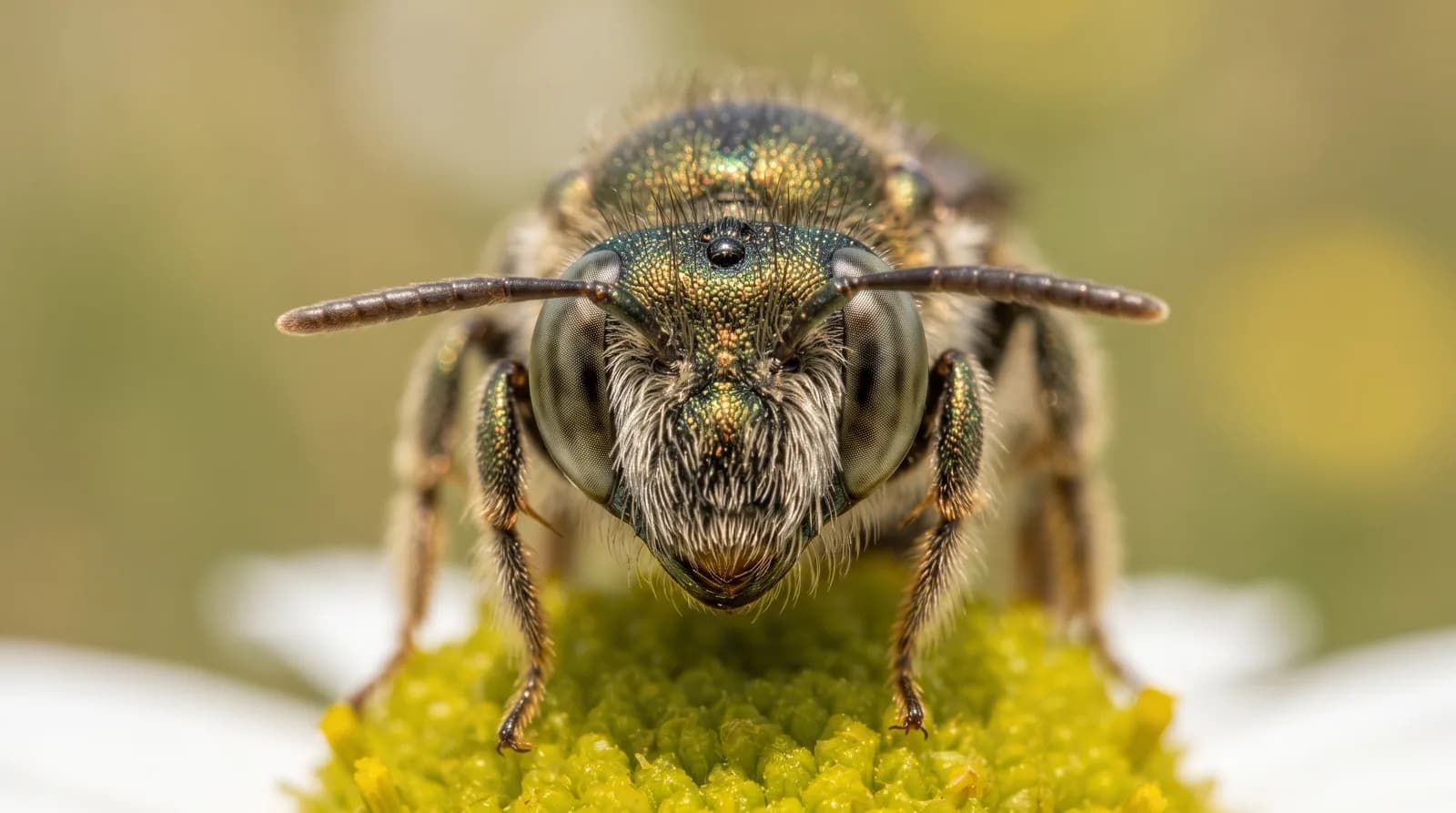
Sharp-collared Furrow BeeNot Evaluated

Sharp-collared Furrow Bee

Lasioglossum malachurum

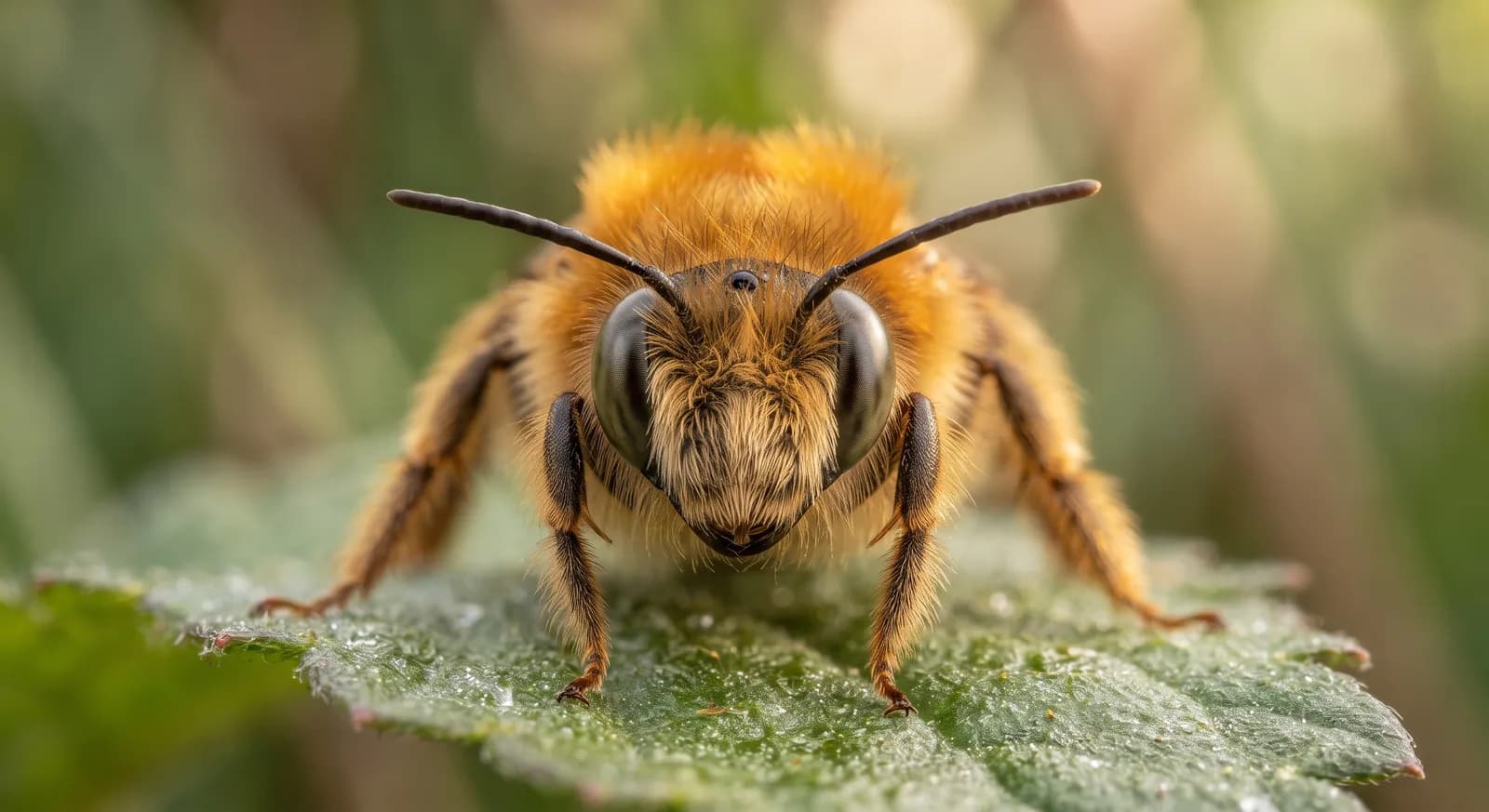
Tawny Mining BeeNot Evaluated

Tawny Mining Bee

Andrena fulva

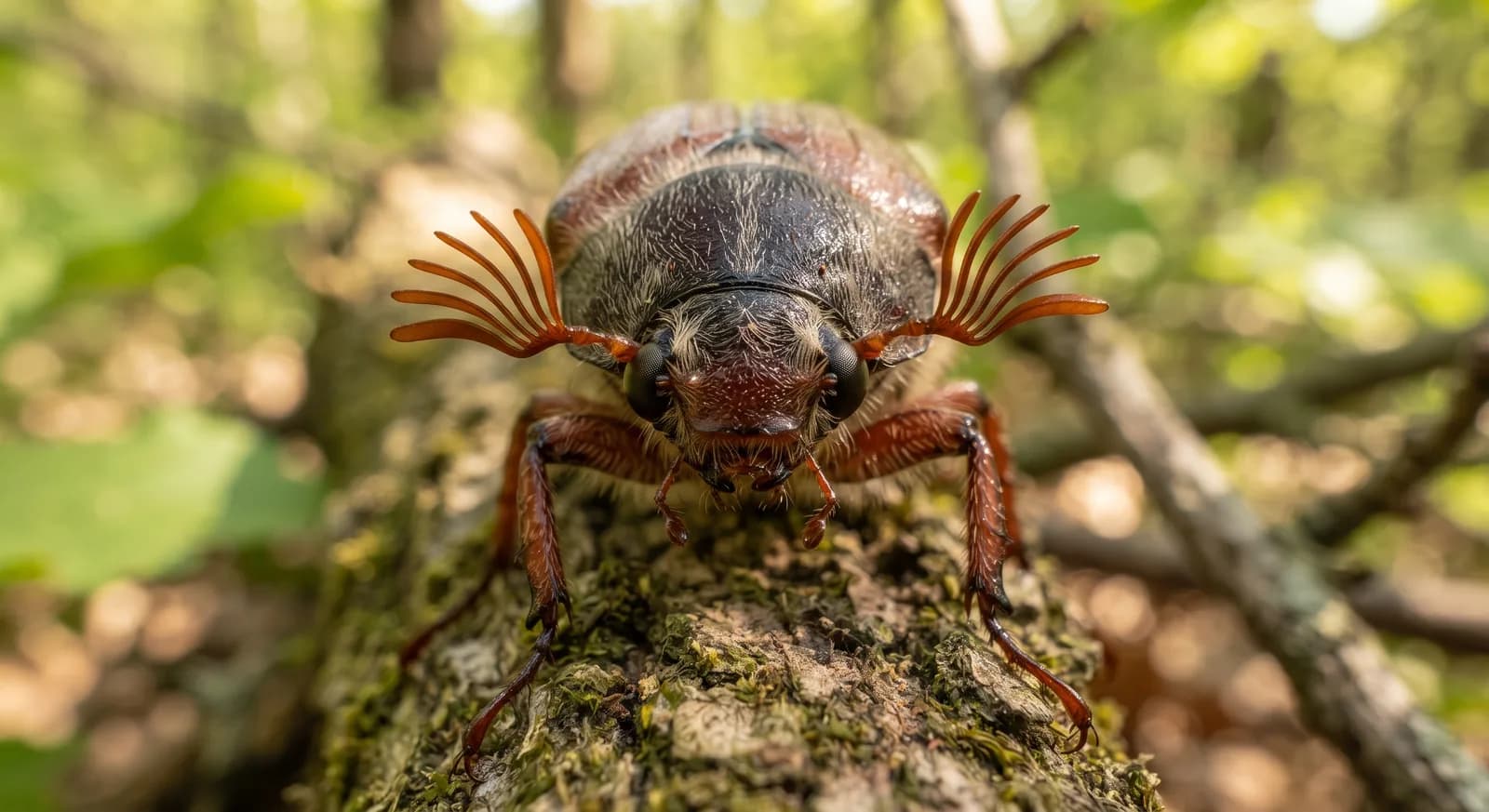
Common CockchaferNot Evaluated

Common Cockchafer

Melolontha melolontha

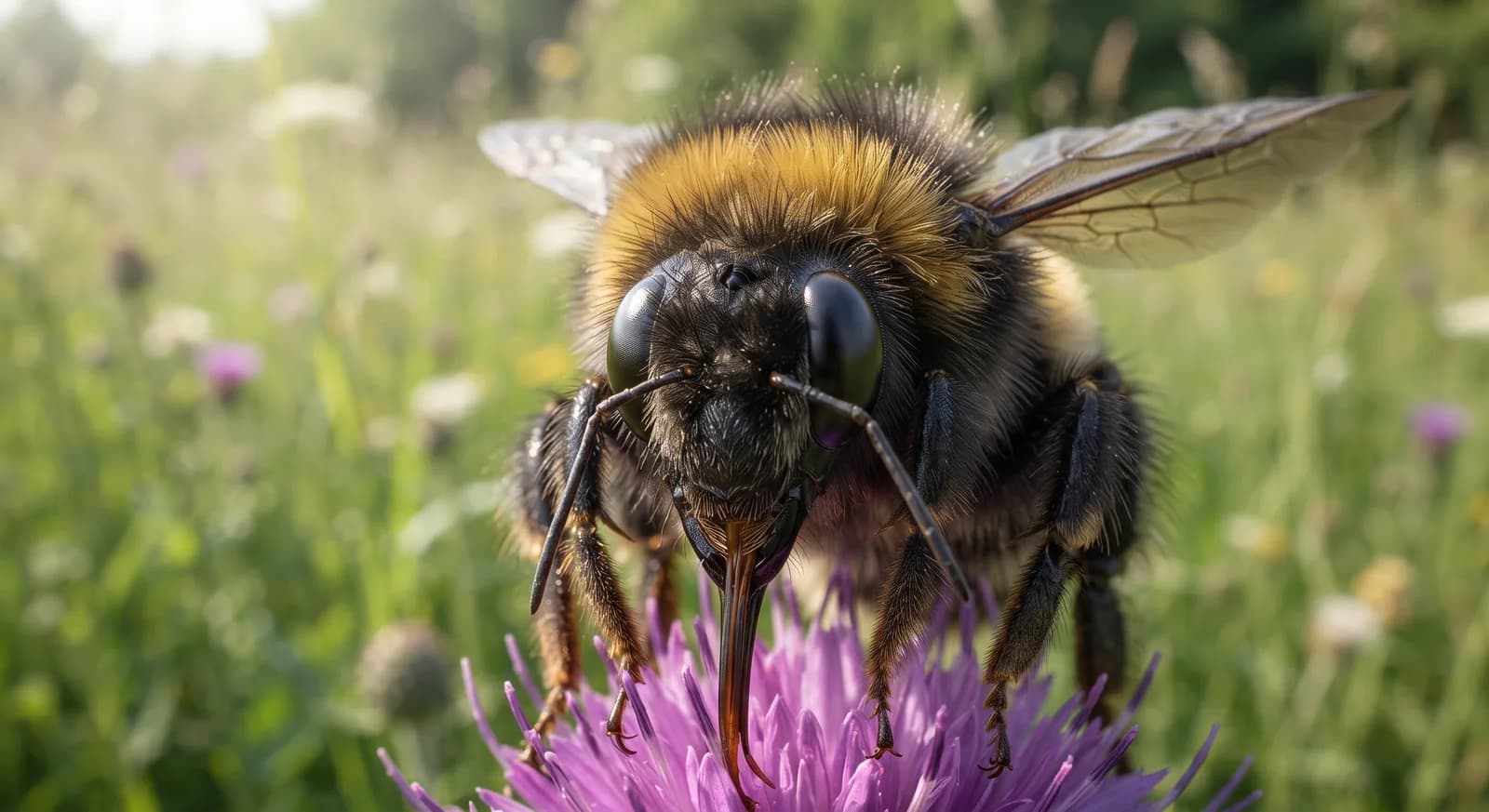
Buff-tailed BumblebeeNot Evaluated

Buff-tailed Bumblebee

Bombus terrestris

Montagu's HarrierLeast Concern

Montagu's Harrier

Circus pygargus

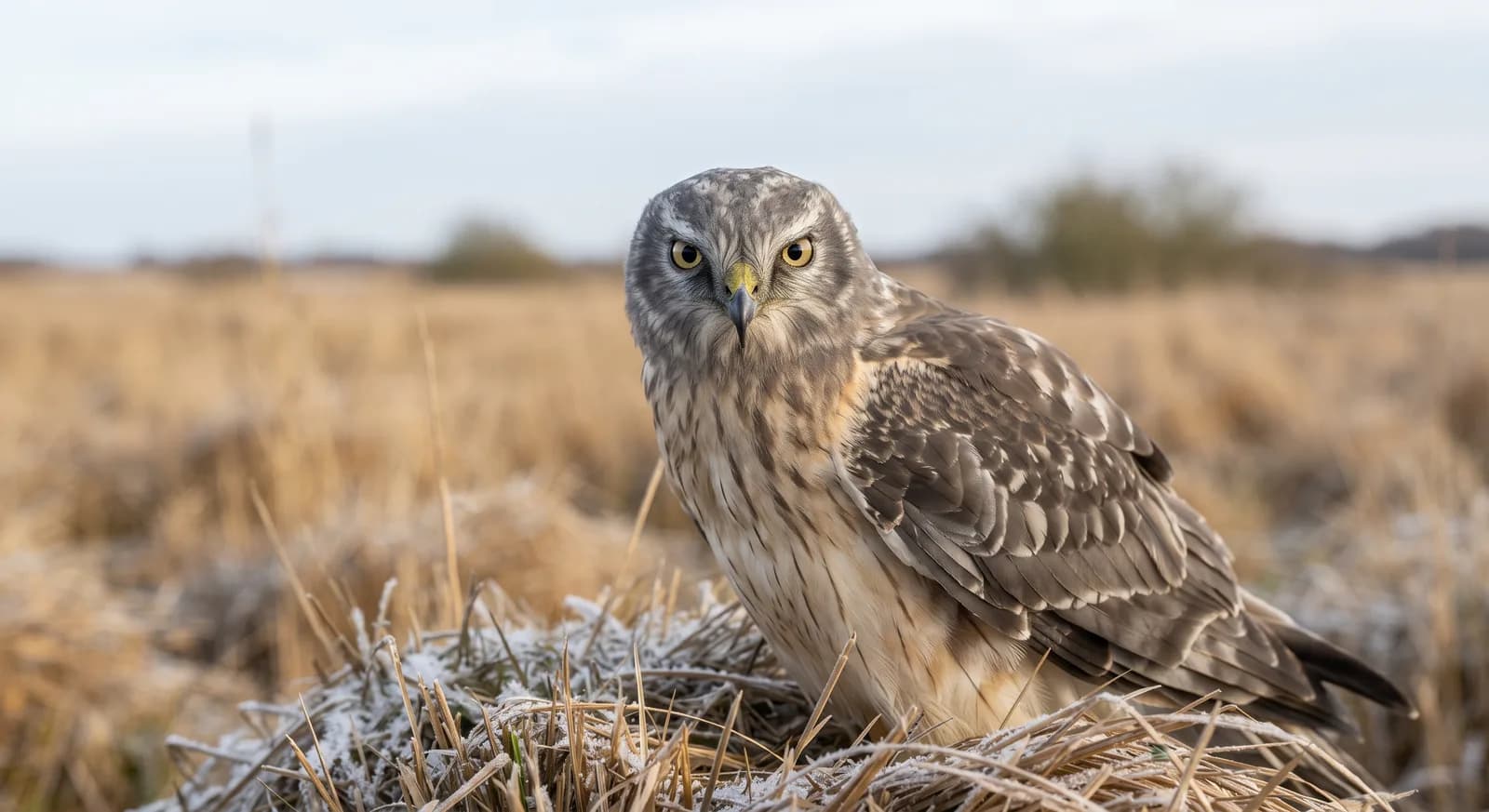
Hen HarrierLeast Concern

Hen Harrier

Circus cyaneus

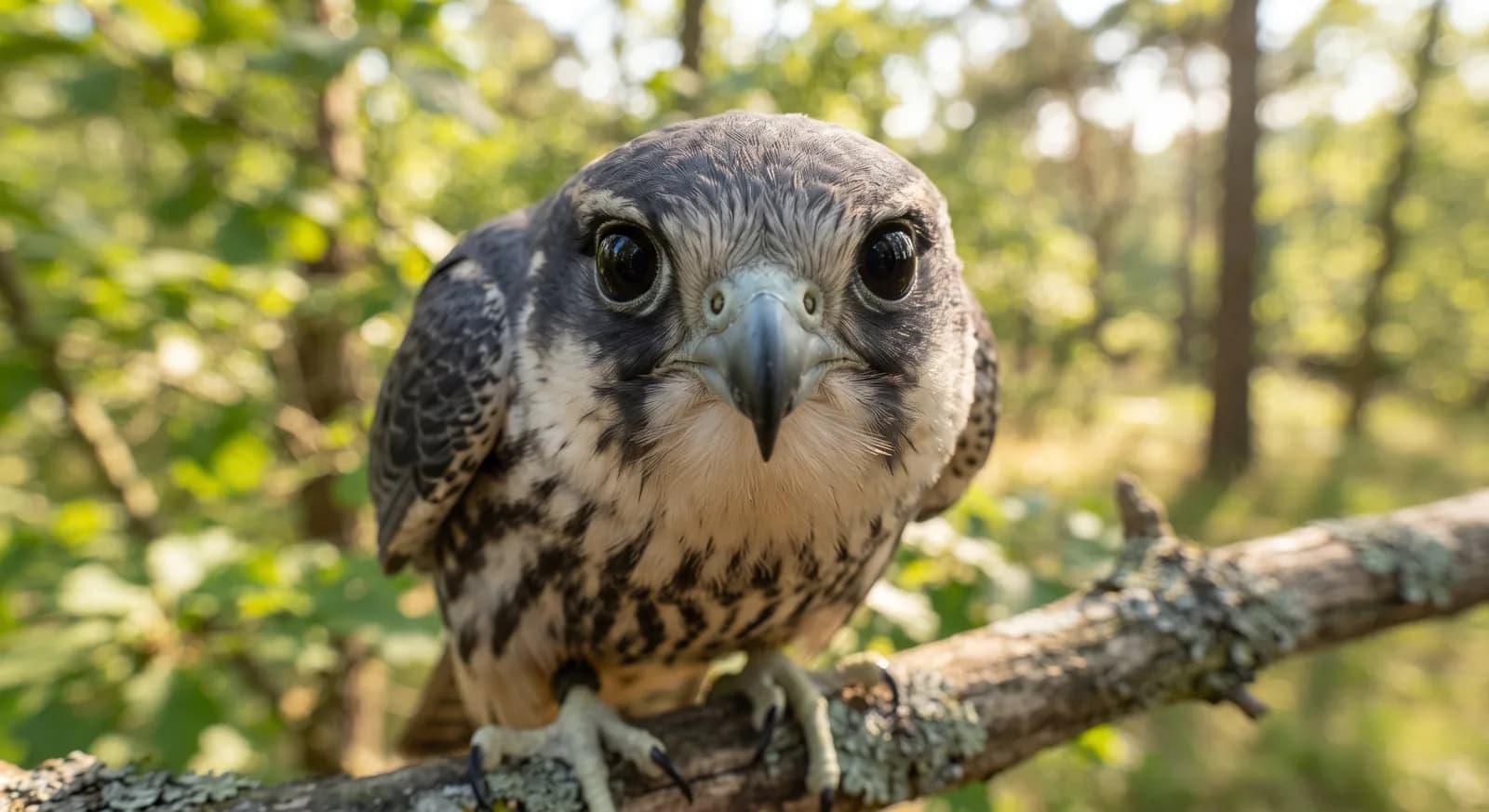
Eurasian HobbyLeast Concern

Eurasian Hobby

Falco subbuteo

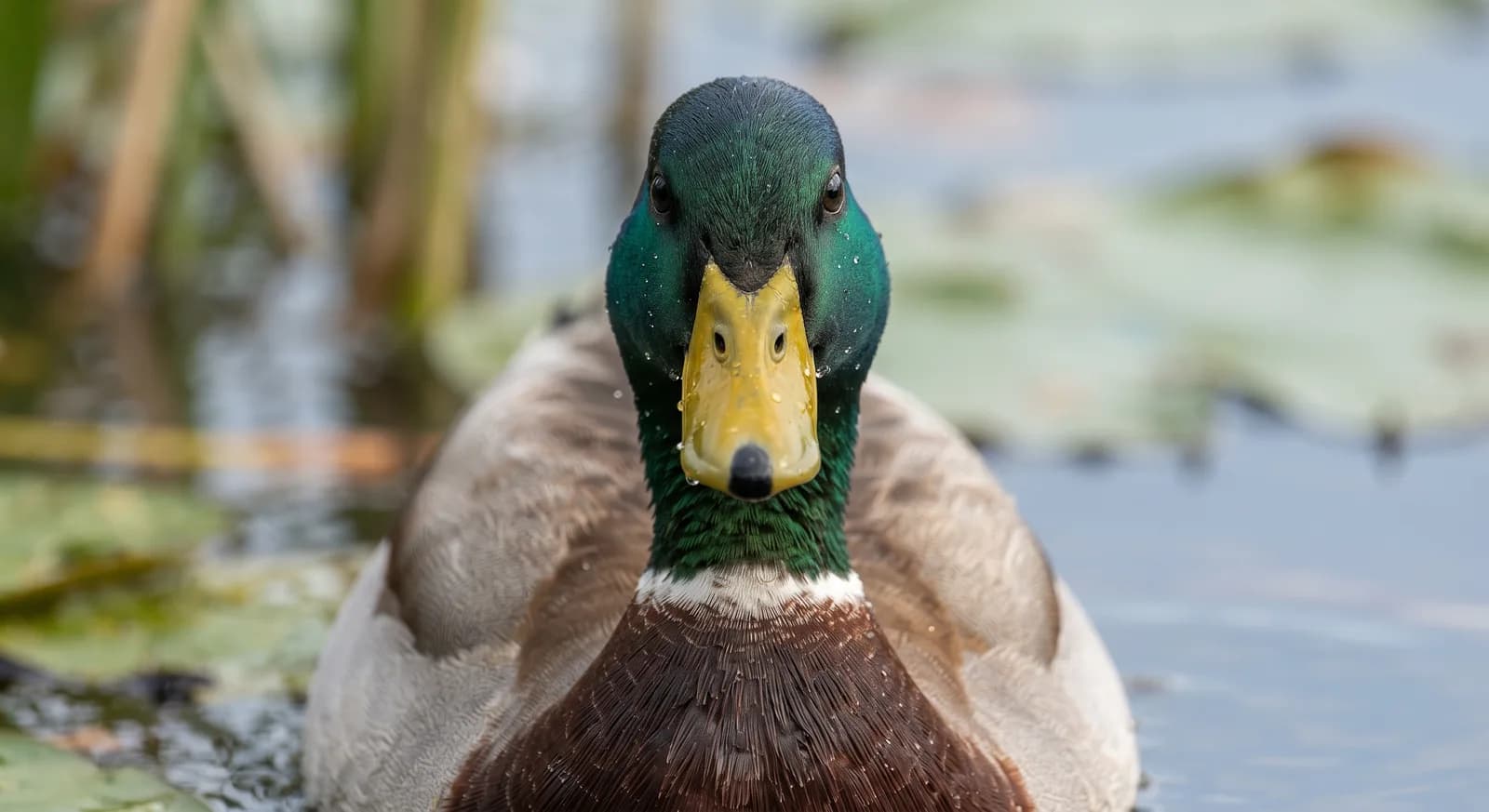
MallardLeast Concern

Mallard

Anas platyrhynchos

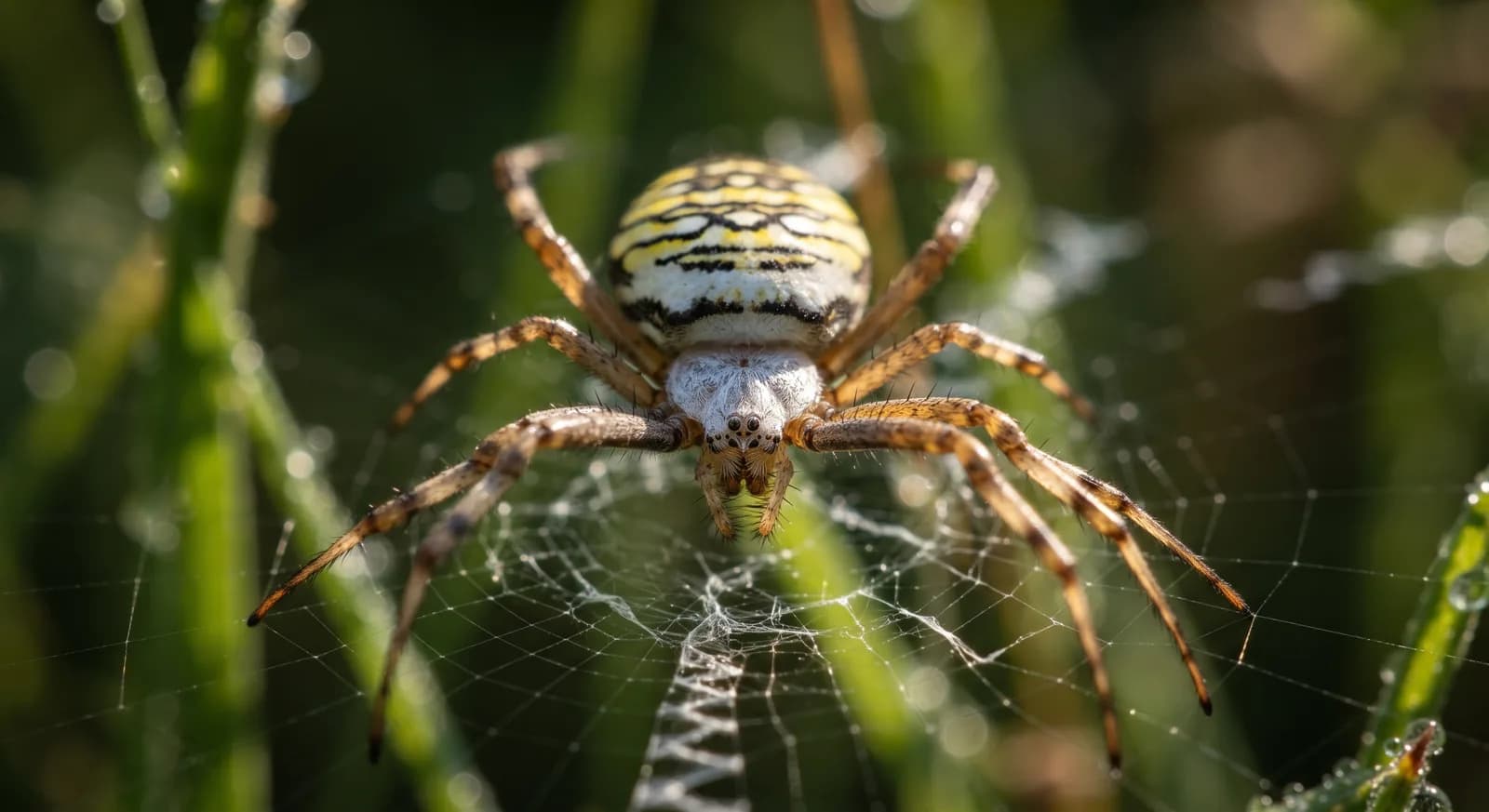
Wasp SpiderNot Evaluated

Wasp Spider

Argiope bruennichi

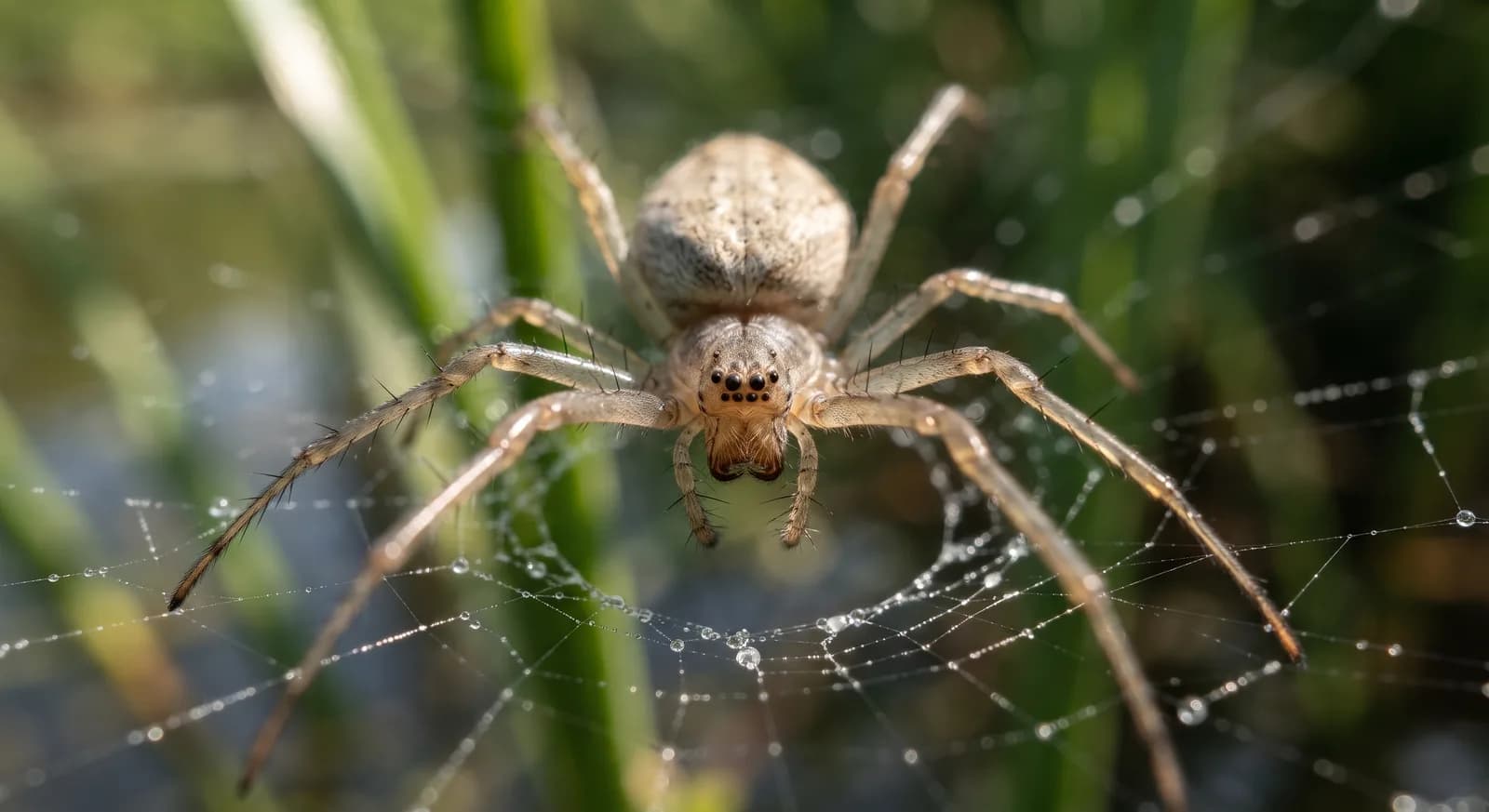
Common Stretch SpiderNot Evaluated

Common Stretch Spider

Tetragnatha extensa

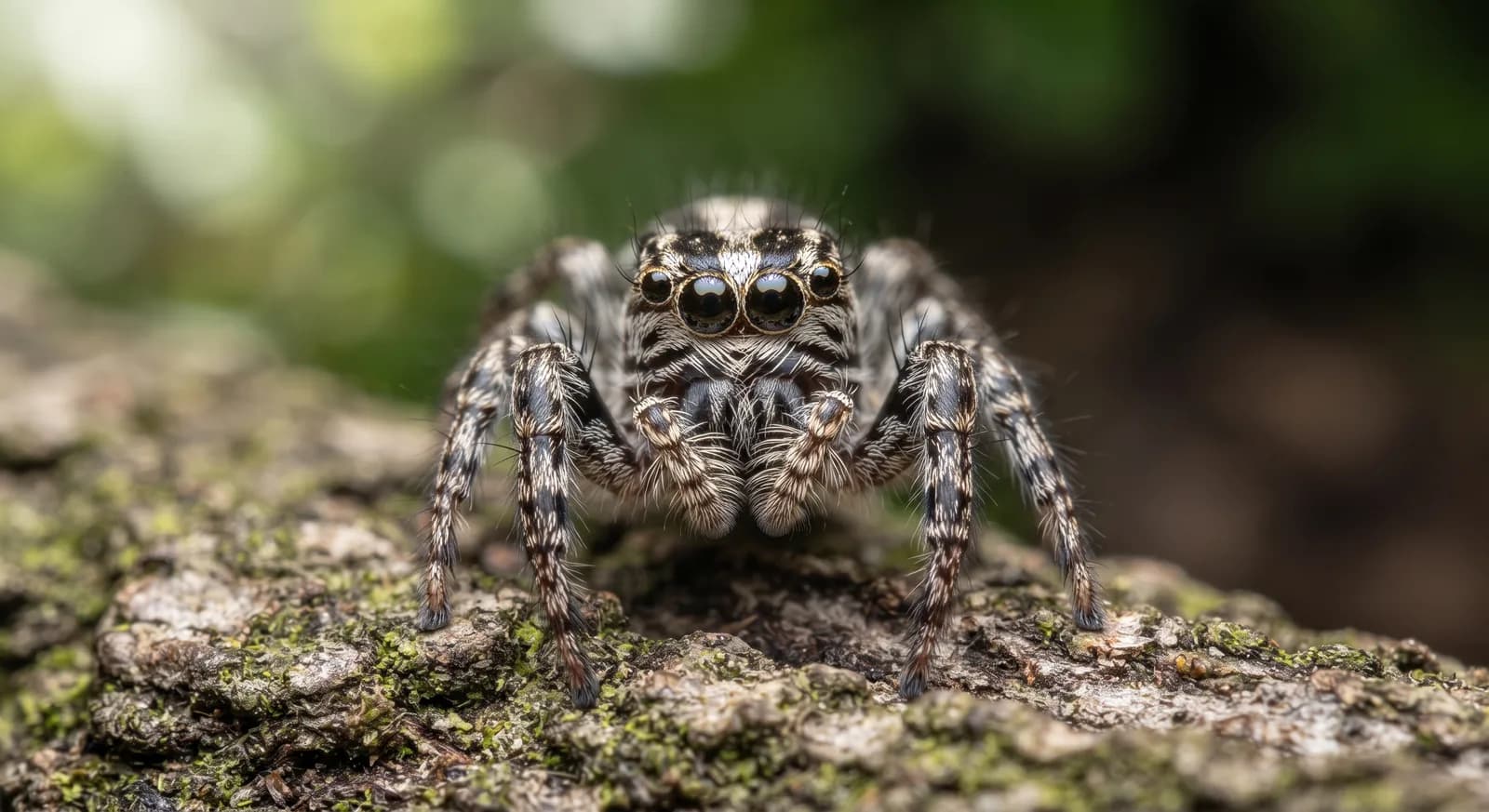
Zebra JumperNot Evaluated

Zebra Jumper

Salticus scenicus

See all 173 species found here
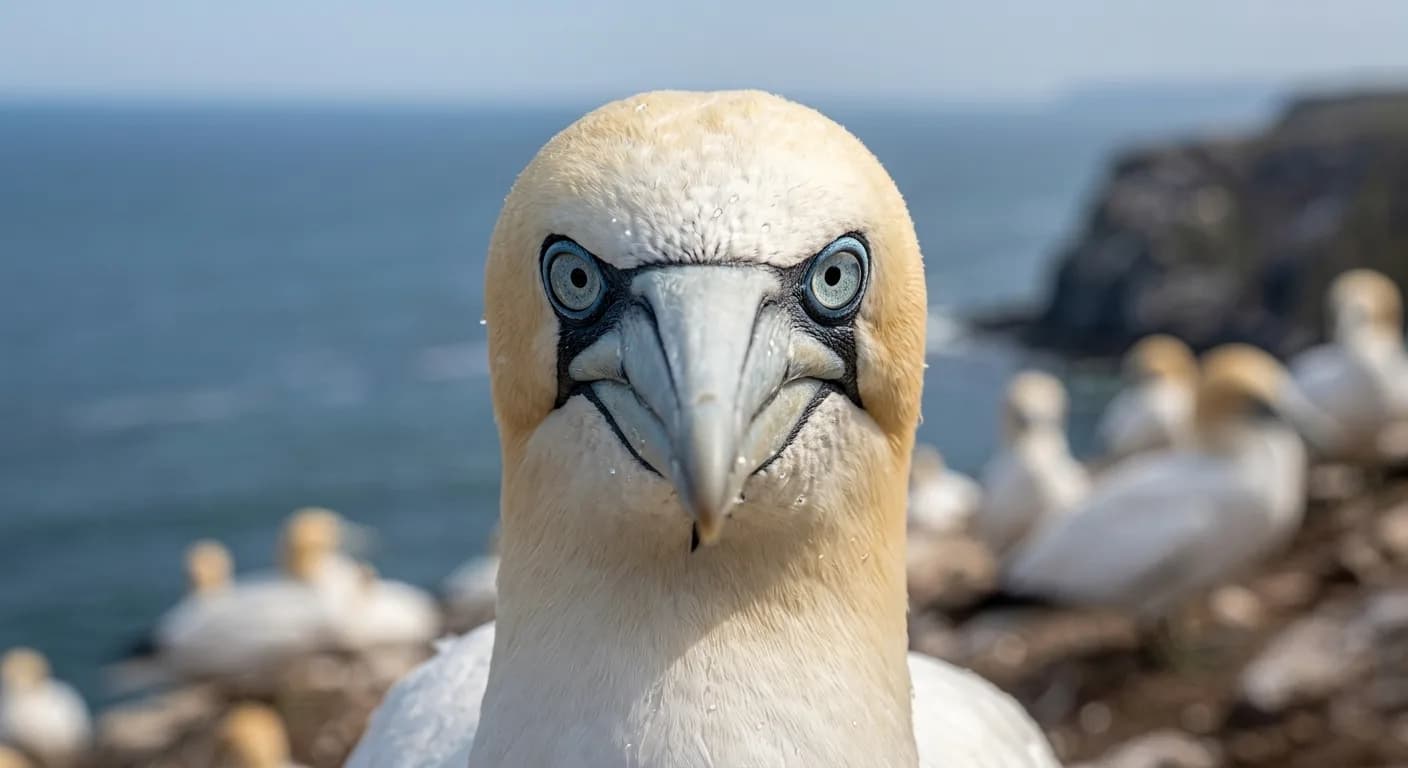
Northern GannetLeast Concern

Northern Gannet

Morus bassanus