The largest cork oak forest in the Valencian Community, on a massif of Triassic red sandstone in inland Castellón.
Area
310 km²
Declared in
1998
Region
Southern Europe
Climate
Árido / desértico, Templado, Mediterráneo, Montañoso
Best time
All year round
Highlight
Cork oak woodland on rodeno (Triassic red sandstone)
Sierra de Espadán Natural Park protects 31,180 hectares in the interior of the province of Castellón, which makes it the largest protected area in the province and the second largest in the Valencian Community. It is spread across nineteen municipalities, eleven of them entirely within its boundaries. The range belongs to the foothills of the Iberian System and forms a barrier some 50 to 60 kilometres long running north-west to south-east that separates the basins of the river Palancia, to the south, and the Mijares, to the north. Altitudes range from the 200 m of the ravine floors to the 1,106 of the Espadán peak.
Its singularity is geological before it is botanical. Here the rodenos are exposed, red Triassic sandstones that give the landscape an unmistakable colour — vertical walls, loose blocks and irregular formations among the green of the woodland — and, above all, generate an acid soil uncommon in eastern Spain. That acidity, together with the moisture that the arrangement of the relief favours by channelling air currents, allows the development of the largest cork oak woodland in the Valencian Community, a forest of Quercus suber that covers the slopes between 300 and 800 metres with cork harvesting still active. It is accompanied by maritime pine, formerly worked for resin, Aleppo pine and holm oak on the limestone soils, and in isolated stands by Pyrenean oak, yew, holly, chestnut, maple, Portuguese oak, hazel and strawberry tree. The scrub is made up of rockroses, heaths, juniper and spurge flax, and there are Valencian endemics such as the plants known locally as bracera and clavellet de roca.
The incised ravines of Almonacid, Chóvar and Eslida channel permanent streams fed by more than a hundred catalogued springs, and riverine woodland survives in them. The wildlife includes the common toad and the sharp-ribbed newt among the amphibians, the ocellated lizard, the large psammodromus and the ladder and Montpellier snakes among the reptiles, and raptors such as the short-toed snake eagle and the goshawk. The settlement pattern preserves villages of Andalusi layout and a notable ethnographic heritage, with traditional snow wells and Civil War trenches cut into the rodeno rock.
Location
See on the interactive map4 dive sites within 300 km are also shown.
77 species documented in Sierra de Espadán
At conservation risk:Murciélago de cueva (murciélago de alas largas),Perdiz roja,Tortuga mora
Águila calzada
Hieraaetus pennatus
Águila perdicera
Aquila fasciata
Aguilucho cenizo
Circus pygargus
 Least Concern
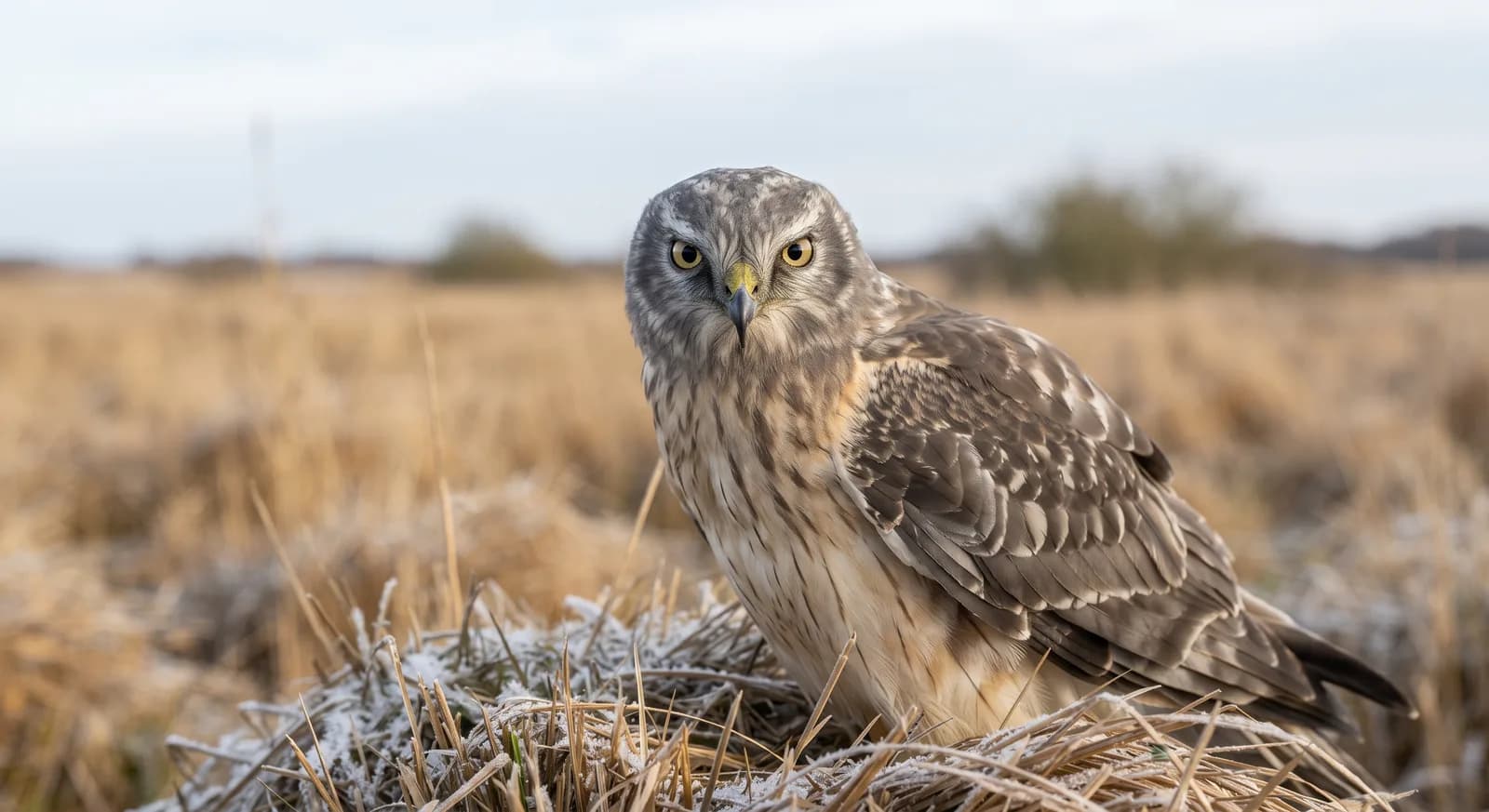
Aguilucho pálido
Circus cyaneus
 Least Concern
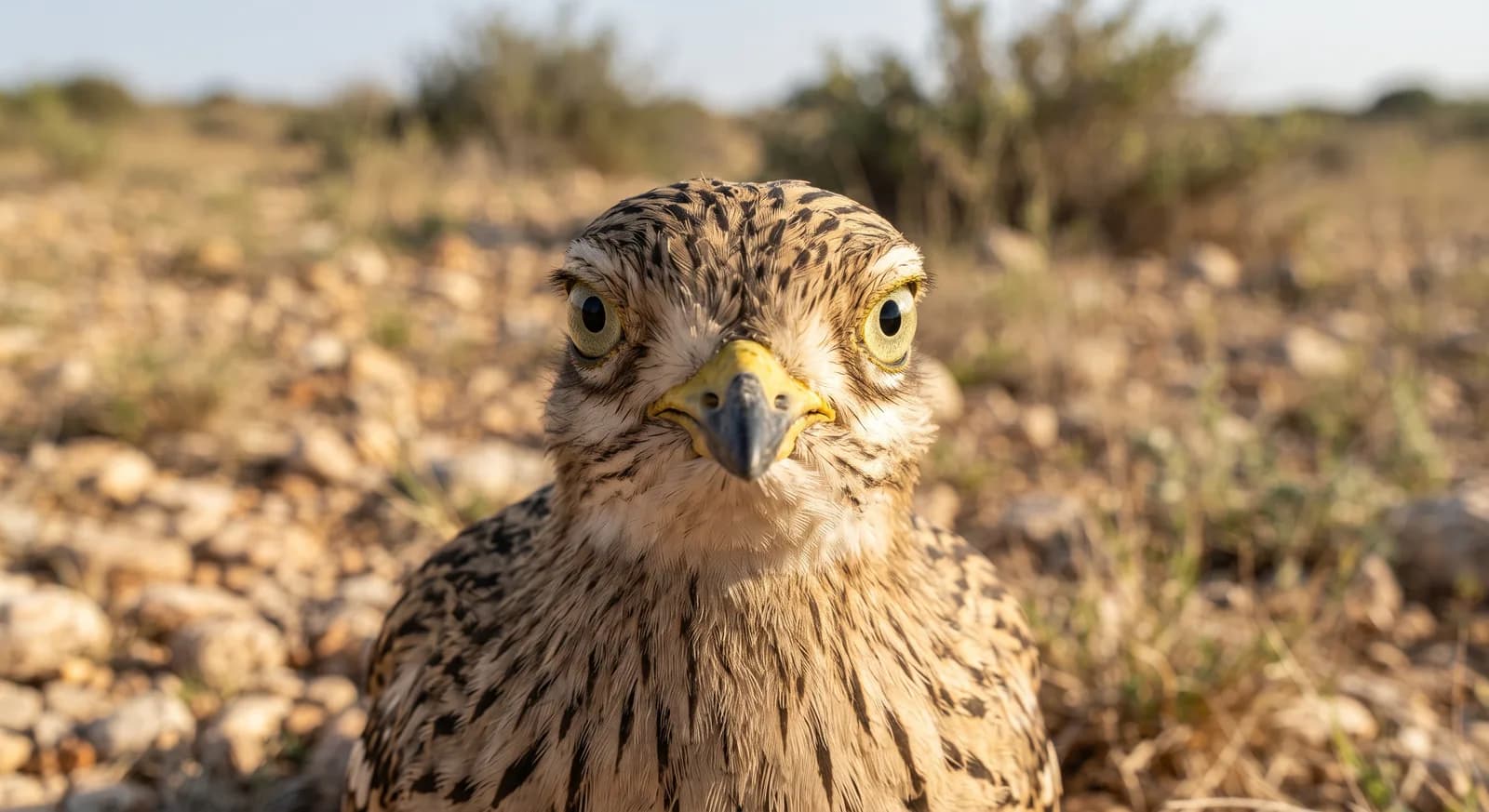
Alcaraván común
Burhinus oedicnemus
 Least Concern
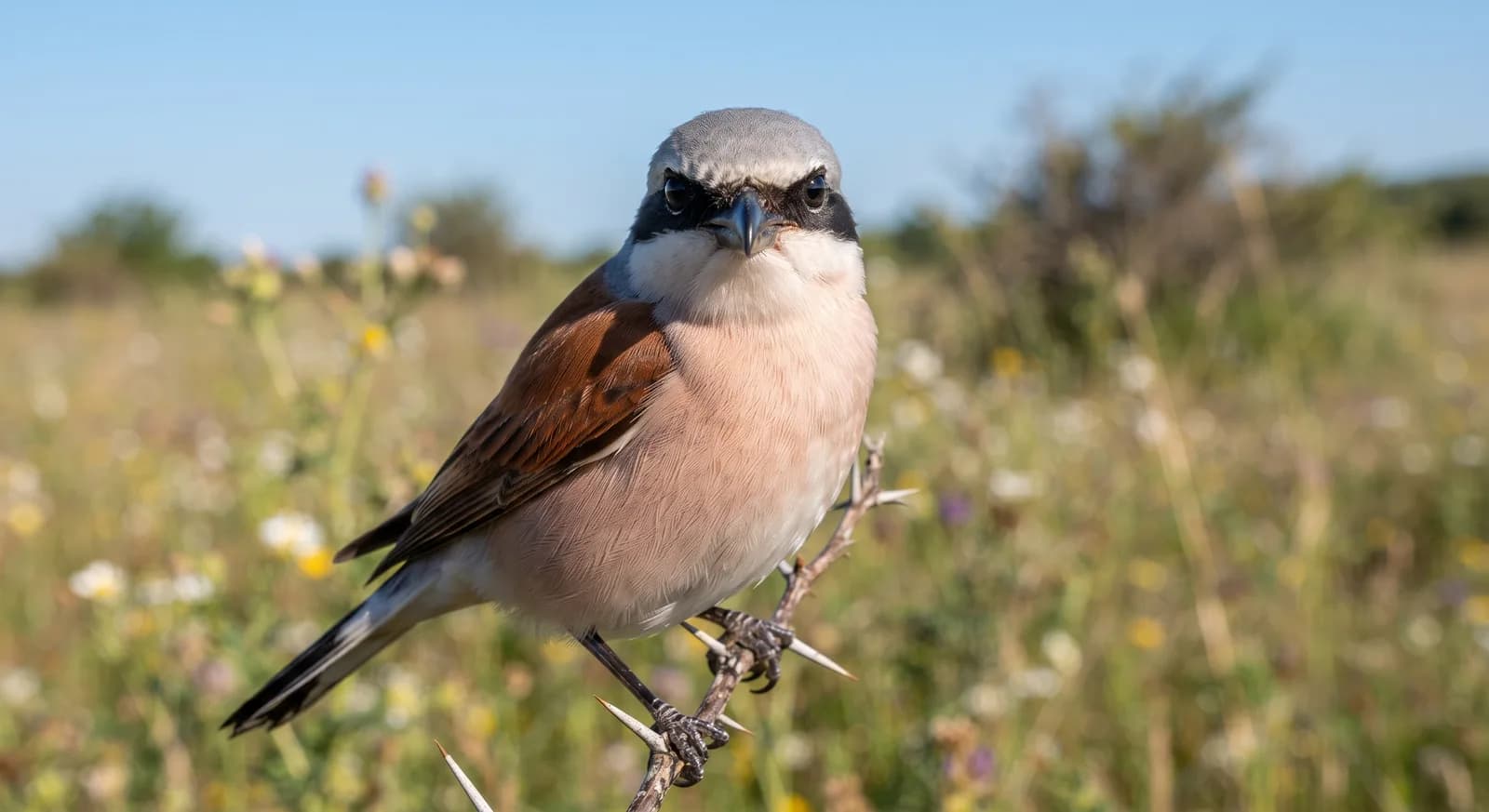
Alcaudón dorsirrojo
Lanius collurio
 Least Concern
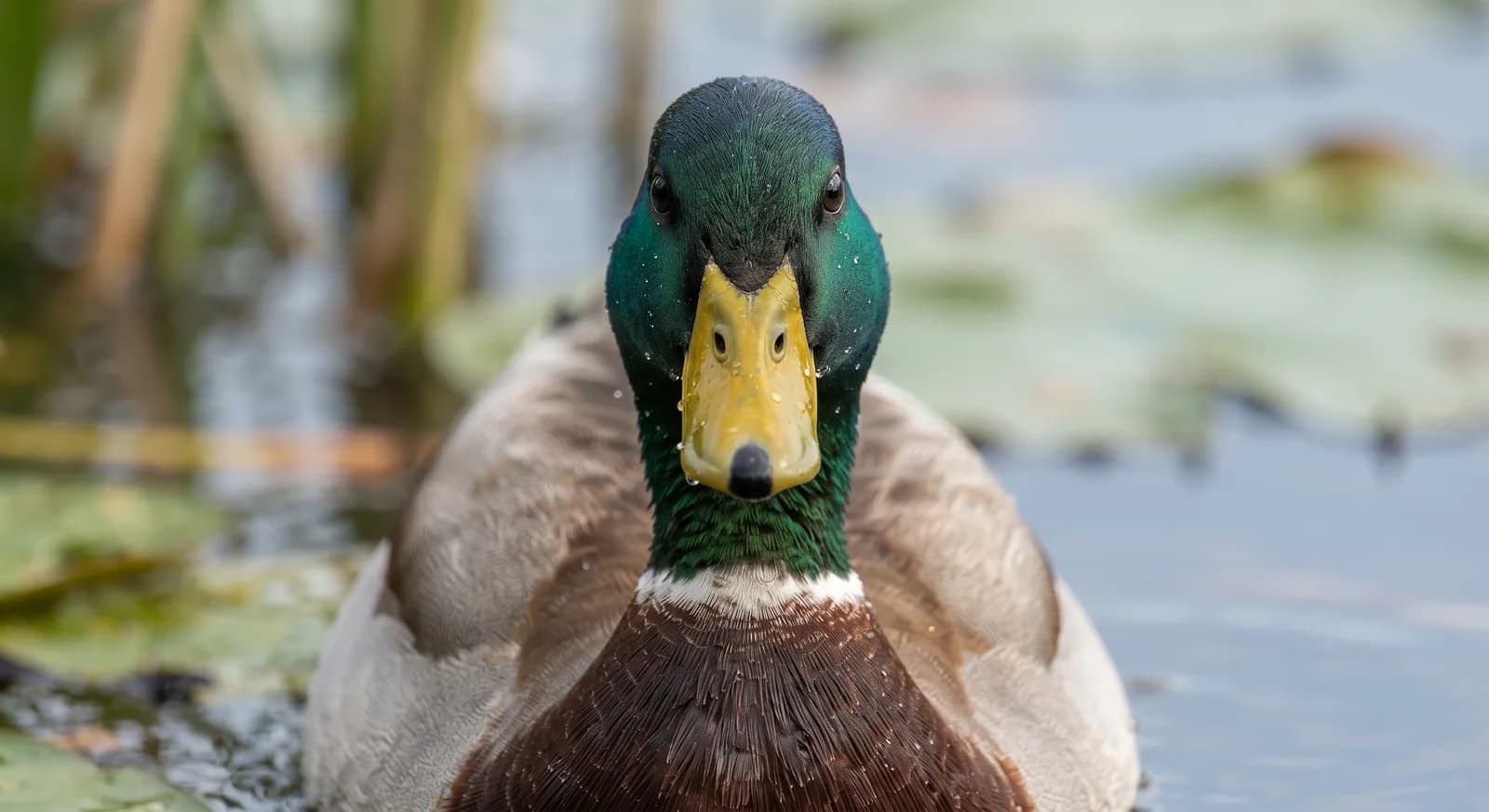
Ánade real
Anas platyrhynchos
Autillo europeo
Otus scops
 Near Threatened
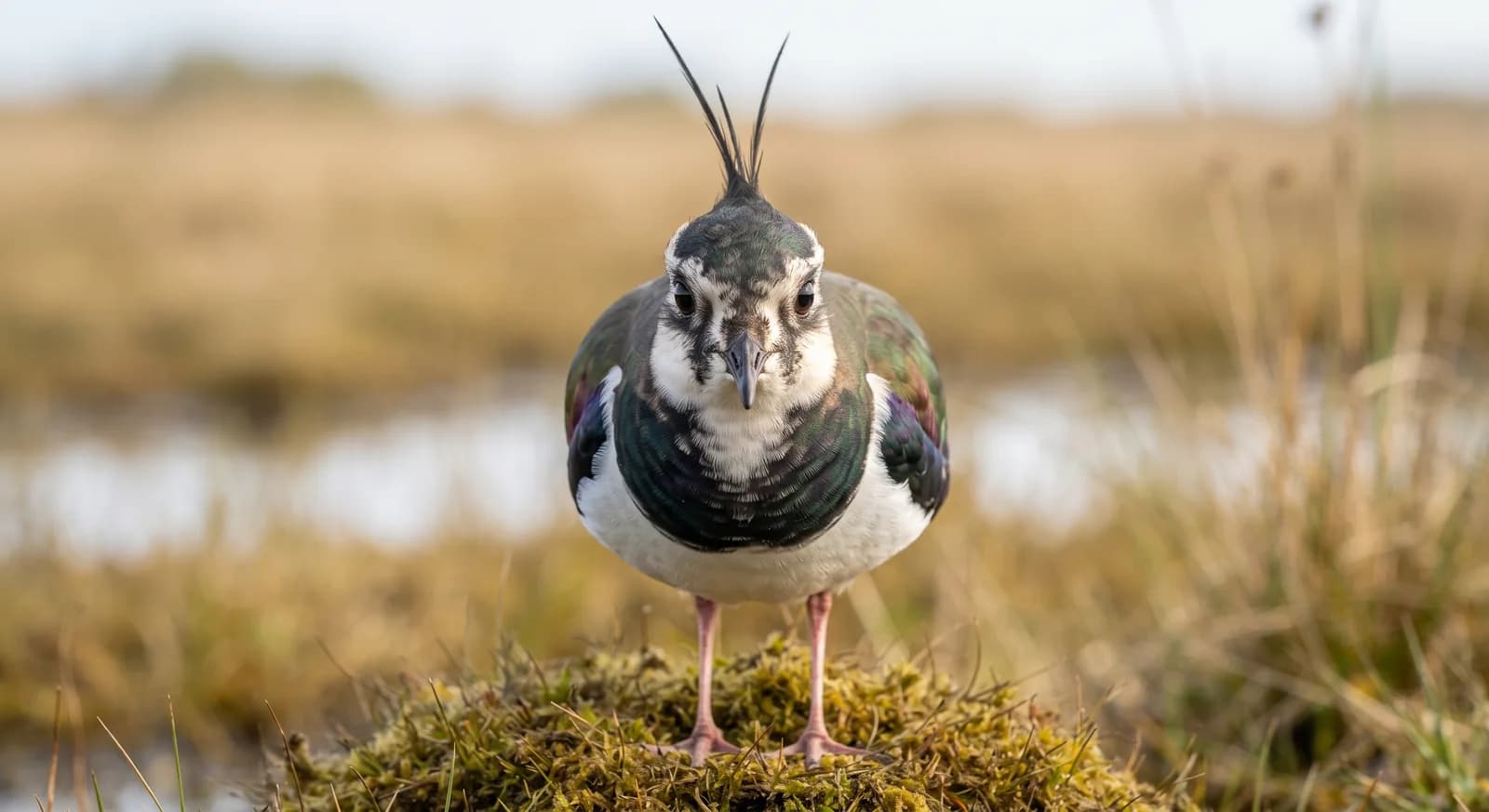
Avefría europea
Vanellus vanellus
 Least Concern
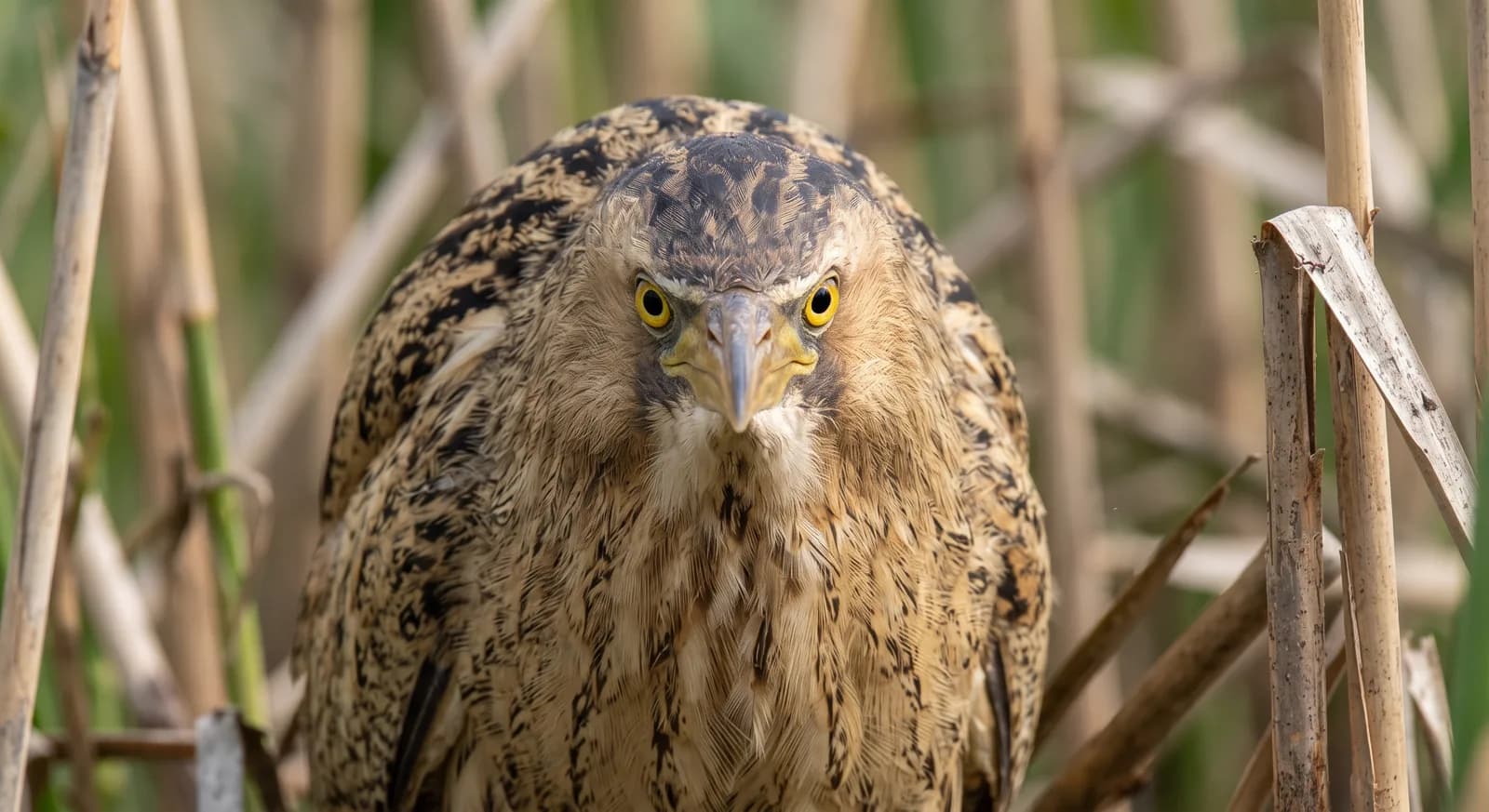
Avetoro común
Botaurus stellaris
Avión roquero
Ptyonoprogne rupestris
 Least Concern
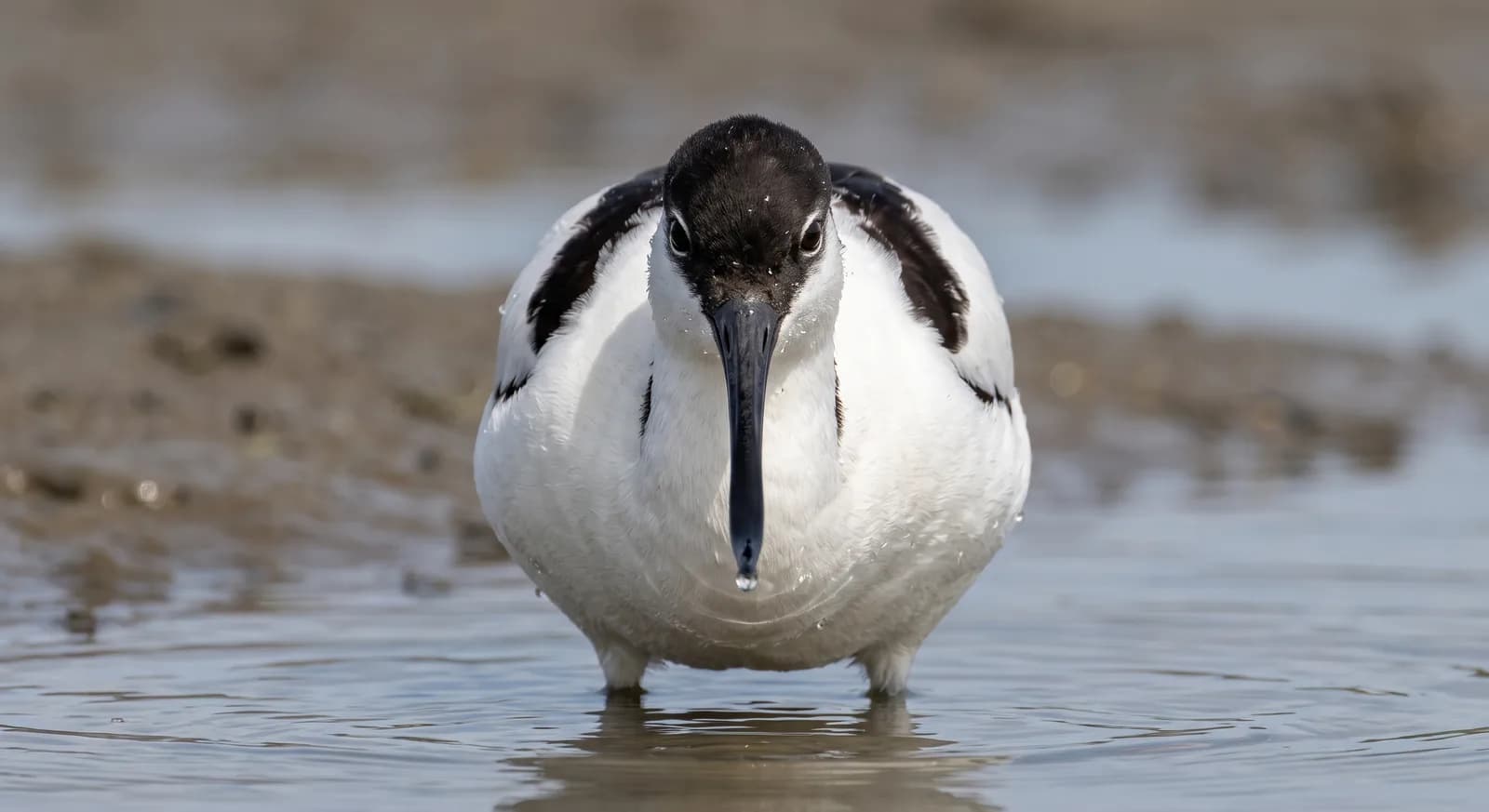
Avoceta común
Recurvirostra avosetta
Flora and ecosystems
Ecosystems found in Spain, where Sierra de Espadán lies.
Experiences in this park
Nearby dive sites
Where can I dive near here?
Columbretes Islands
88 km away
Formentera (Es Freus)
205 km away
Balearic Islands (Cabrera)
231 km away
Cabo de Palos
254 km away
Similar parks
Which other parks are like this one?
Keep exploring
Based on what we already know about Sierra de Espadán.
Your rating
How many stars would you give Sierra de Espadán?
Comments
Share your experience visiting Sierra de Espadán, or a tip for other travellers.
Be the first to comment.