Skip to content
WAnimals
  • Map
  • Species
  • Parks
  • Diving
Log inCreate account
WAnimals

The guide for travellers and animal lovers: discover, plan and share your wild adventures around the world.

Discover wildlife

  • Species
  • Ecosystems
  • Glossary
  • Tags

Explore places

  • Map
  • Countries
  • Parks
  • Diving

Plan experiences

  • Guides

Learn

  • Blog

Resources

  • Help centre
  • Contact
  • Install the app

Follow us

Account

  • Log in
  • Create account

© 2026 WAnimals. All rights reserved.

About usHow we build our profilesTerms of servicePrivacyLegal notice
MapSpeciesParksDiving
  1. Home
  2. Species
  3. Amazonian Motmot

Birds · Coraciiformes · Momotidae

Amazonian Motmot

Momotus momota

Least Concern

The species is abundant and widely distributed; it faces no significant short-term risk.

Spotted something wrong?

The Amazonian motmot is an intensely coloured bird, green and turquoise with a black mask and a blue crown, famous for its tail: the two central feathers end in rackets separated from the rest by a bare stretch, and the bird swings them from side to side like a pendulum while perched.

Weight

100 g – 140 g

Size

38 cm – 43 cm

Life expectancy

14 years

Diet

Omnivore

Combines animal and plant food depending on availability.

Activity

Diurnal

Active mainly during the day.

Social structure

In pairs

Usually lives in pairs, sometimes for life.

Sighting difficulty

Easy

Rainforest
13countries44parks

Fun facts

  • anatomíaThe central feathers of its tail take on their characteristic racket shape because the weakly attached barbs in that section fall off with preening and abrasion; it was long believed that the bird trimmed them with its bill.
  • The rackets on its tail do not grow that way: the barbs along the middle stretch are weaker and come away with preening and wear, leaving the shaft bare and the racket at the tip.
  • It swings its tail like a pendulum while perched, and studies suggest this is a signal aimed at predators: it tells them they have been spotted and that chasing it will be pointless.
  • It nests in tunnels it digs into earth banks, sometimes more than a metre and a half long, and pairs can spend months digging before laying.

Life cycle and biology

Skeleton type
Vertebrate - internal bony skeleton (bird)
Habitat and environment
Understorey of rainforest, secondary forest, coffee plantations and gardens of tropical America
Sexual maturity
12 months
Gestation / incubation
21 days
Litter / clutch size
3 eggs

Sources consulted: https://en.wikipedia.org/wiki/Amazonian_motmot

Where to find it

Loading map…

Where to see it

Parks and dive sites where this species has been documented — showing 10 of 44.

Related species

Other species in the catalogue with the most in common with Amazonian Motmot — same habitat, park, country, tags or family.

Shares a park
Shares a park
Shares a park
Shares a park
Shares a park
Shares a park

Keep exploring

Based on what we already know about amazonian motmot.

Comments

Share an experience, a fun fact or a tip for seeing the amazonian motmot.

Be the first to comment.

See full glossary
This page in other languages: Español · Deutsch · Français · Português · Italiano

The pins mark the parks where its presence is documented.
See its range on the interactive map→
CalakmulMexico
Sumidero CanyonMexico
CorcovadoCosta Rica
TortugueroCosta Rica
Manuel AntonioCosta Rica
MonteverdeCosta Rica
Arenal VolcanoCosta Rica
Volcán BarúPanama
CoibaPanama
DarienPanama
See all 44 parks
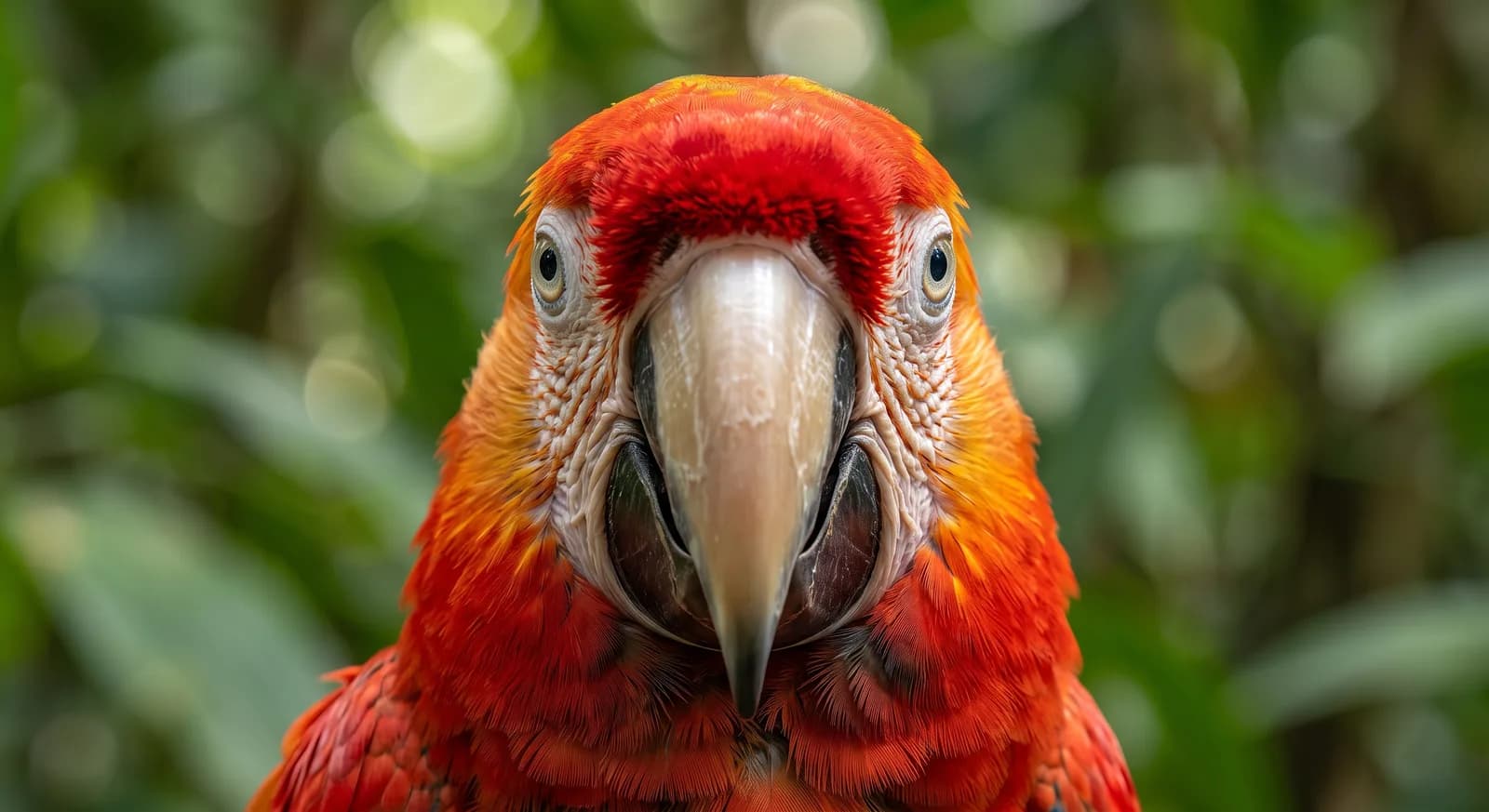
Scarlet MacawLeast Concern

Scarlet Macaw

Ara macao

Least Concern

Collared Trogon

Trogon collaris

Least Concern

Yellow-Crowned Amazon

Amazona ochrocephala

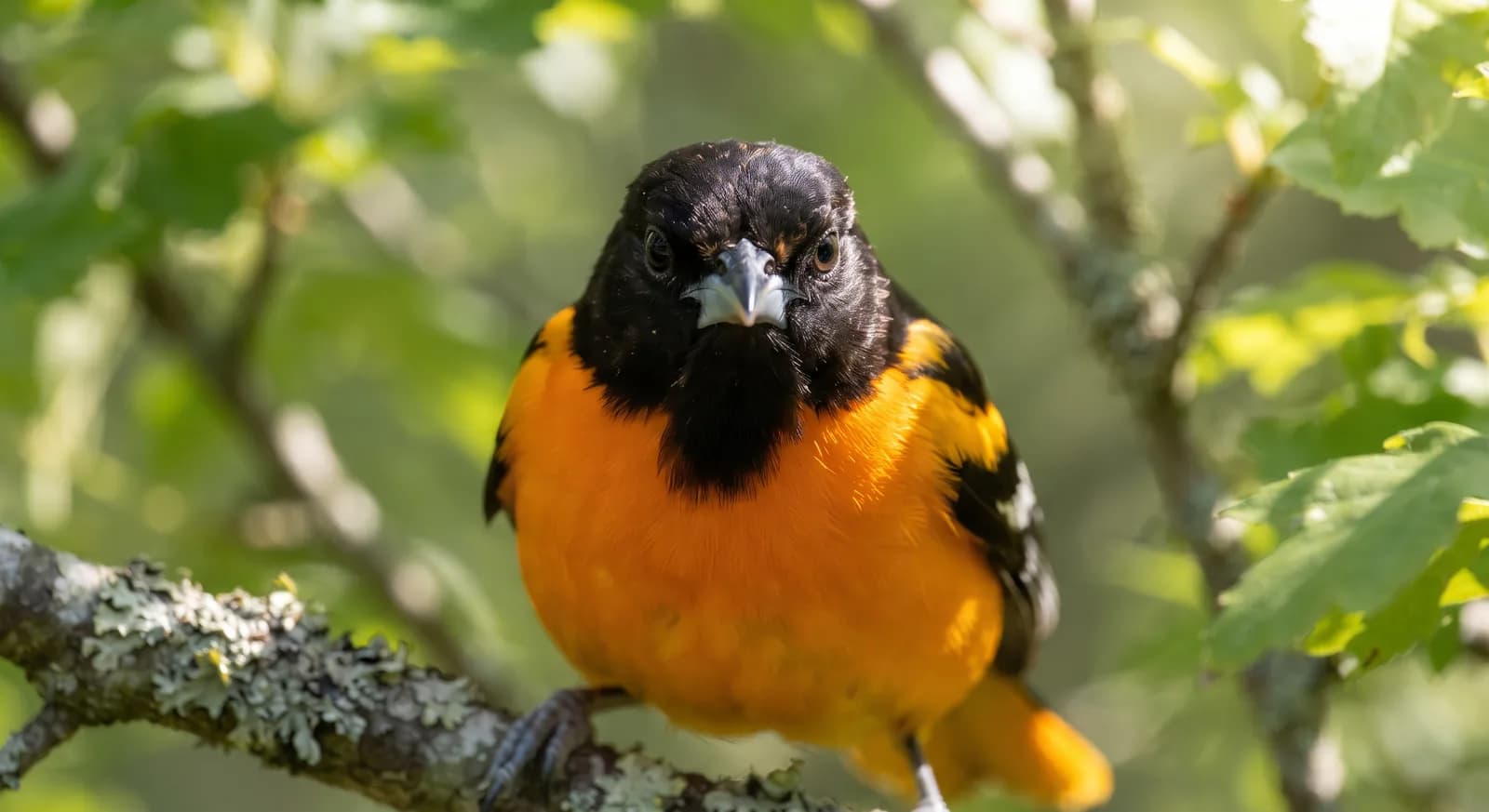
Baltimore OrioleLeast Concern

Baltimore Oriole

Icterus galbula

Least Concern

Indigo Bunting

Passerina cyanea

Least Concern

Scarlet-rumped Tanager

Ramphocelus passerinii

CountriesCosta Rica
ParksCalakmulMexico
TagsOmnivore
Omnivore
Diurnal
In pairs
Bird
Rainforest

North America7

South America6

Costa Rica
Panama
Guatemala
Honduras
Colombia
Mexico
Costa Rica
Guatemala
Honduras
Mexico
Nicaragua
Panama
Trinidad and Tobago
Bolivia
Brazil
Colombia
Ecuador
Peru
Venezuela