Skip to content
WAnimals
  • Map
  • Species
  • Parks
  • Diving
Log inCreate account
WAnimals

The guide for travellers and animal lovers: discover, plan and share your wild adventures around the world.

Discover wildlife

  • Species
  • Ecosystems
  • Glossary
  • Tags

Explore places

  • Map
  • Countries
  • Parks
  • Diving

Plan experiences

  • Guides

Learn

  • Blog

Resources

  • About us
  • How we build our profiles
  • Help centre
  • Contact
  • Install the app

Follow us

Account

  • Log in
  • Create account

© 2026 WAnimals. All rights reserved.

Terms of servicePrivacyCookiesLegal notice
MapSpeciesParksDiving
  1. Home
  2. Species
  3. Mud Fiddler Crab

One of the 22 crabs on WAnimals

Malacostracans · Decapoda · Ocypodidae

Mud Fiddler Crab

Uca pugnax

Not Evaluated

It has not yet been assessed against the IUCN criteria.

Spotted something wrong?

Uca pugnax is a fiddler crab of the Mid-Atlantic and north-eastern United States. Like other fiddler crabs, they dig burrows in the mud or sand banks of salt marshes, which they use to protect themselves from predators, high tide and extreme temperatures. They feed by filtering detritus from the mud, and defend their burrows against other fiddler crabs.

Size

up to 2.5 cm

Diet

Herbivore

Feeds mainly on plants.

Social structure

Solitary

Lives and hunts alone, joining others only to breed.

Ocean
12countries5parks13dive sites1same family

Fun facts

  • The male waves his giant claw in a rhythmic motion to court females and warn off rivals, a gesture that recalls a fiddler and gives the group its name.
  • If it loses the large claw, it regrows a new one on the opposite side, often lighter and less substantial: it serves to threaten, but it fights less well.
  • Its burrows aerate the marsh mud and encourage plant growth, which makes it an ecosystem engineer.
  • The male has one disproportionately large claw, almost the size of his own body, which he waves rhythmically to attract females and warn off rivals. Hence the name fiddler crab.
  • The other claw is tiny and is the only one he uses to feed, so the male takes twice as long as the female to eat.
  • It sifts the mud with its mouthparts, keeps the organic matter and leaves pellets of cleaned sediment at the burrow entrance.
  • Its burrows aerate the marsh sediment, which benefits the vegetation.

Life cycle and biology

Skeleton type
Invertebrate - articulated calcareous exoskeleton (crustacean)
Habitat and environment
Brackish saltmarsh and intertidal mudflats of the Atlantic coast of North America

Sources consulted: Wikipedia (es): Uca pugnax · ScienceDirect (Hughes 1989) · Science Advances, How colonial animals evolve · Wikipedia, Zooid

Where to find it

Loading map…

The pins mark the parks and dive sites where its presence is documented.

Where to see it

Parks and dive sites where this species has been documented — showing 15 of 18.

Related species

Other species in the catalogue with the most in common with Mud Fiddler Crab — same habitat, park, country, tags or family.

Same taxonomic family
Shares a park
Shares a park
Shares a park
Shares a park
Shares a park

Keep exploring

Based on what we already know about mud fiddler crab.
Share an experience, a fun fact or a tip for seeing the mud fiddler crab.
See full glossary
This page in other languages: Español · Deutsch · Français · Português · Italiano
See its range on the interactive map→
EvergladesUnited States
CongareeUnited States
BiscayneUnited States
Assateague IslandUnited States
Cape CodUnited States
Molasses ReefUnited States
USS Spiegel GroveUnited States
Blue Heron BridgeUnited States
Flower Garden BanksUnited States
USS OriskanyUnited States
Jupiter (shark drift diving)United States
Looe KeyUnited States
Christ of the Abyss (Key Largo)United States
French Reef (Key Largo)United States
SS Benwood (Key Largo)United States
See all 13 dive sites
Atlantic Ghost CrabNot Evaluated

Atlantic Ghost Crab

Ocypode quadrata

Long-spined UrchinNot Evaluated

Long-spined Urchin

Diadema antillarum

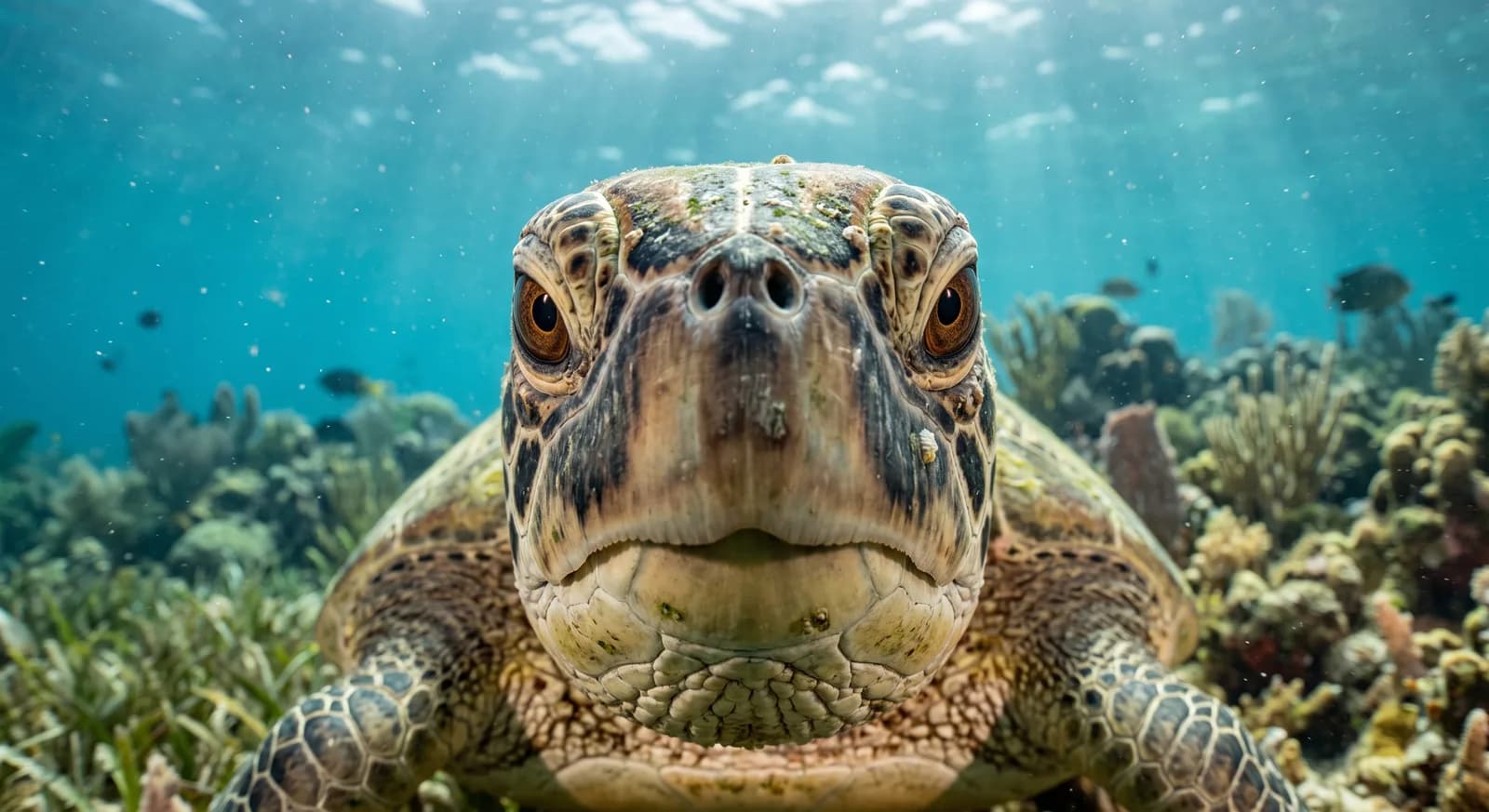
Green TurtleEndangered

Green Turtle

Chelonia mydas

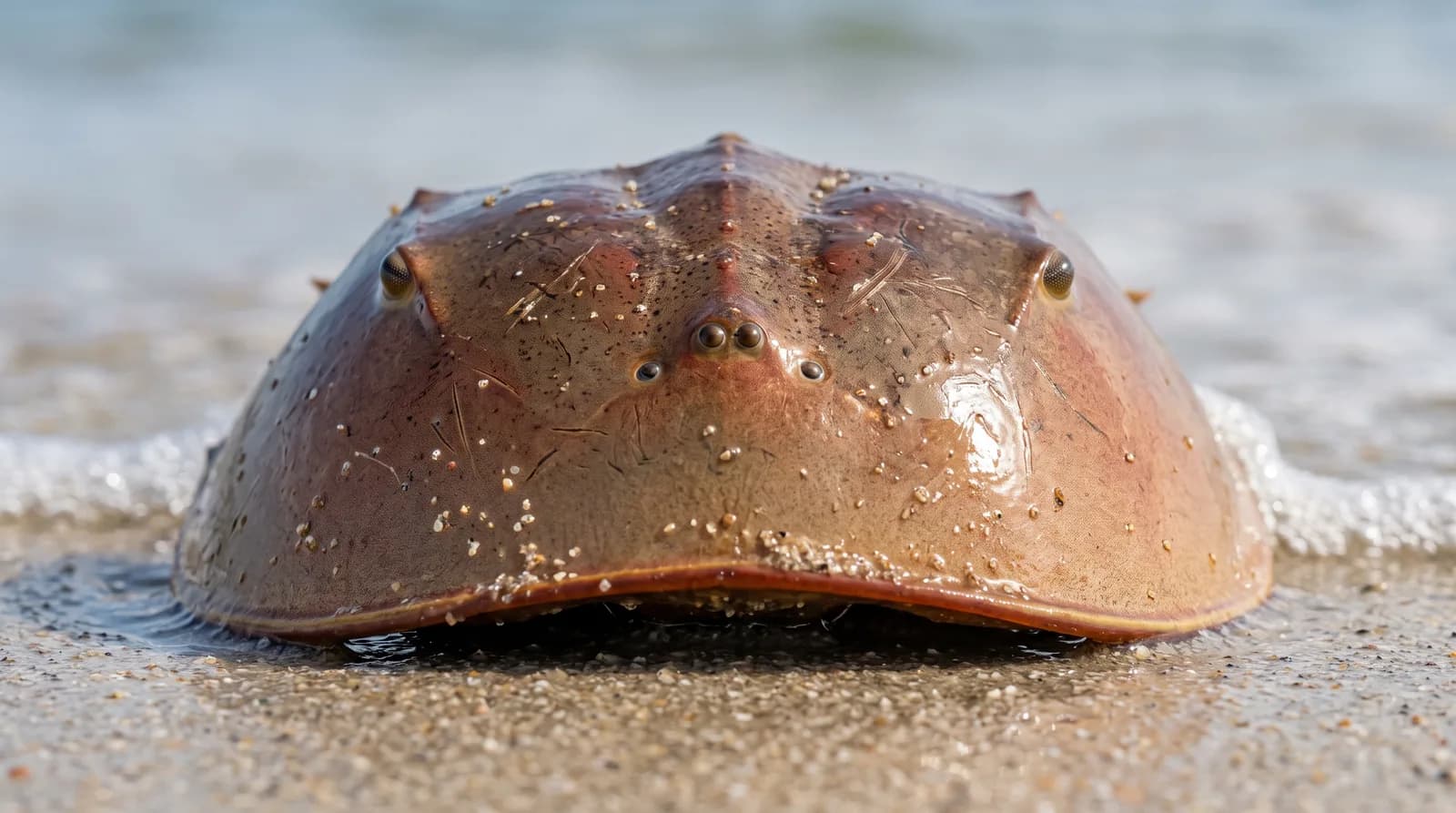
American Horseshoe CrabVulnerable

American Horseshoe Crab

Limulus polyphemus

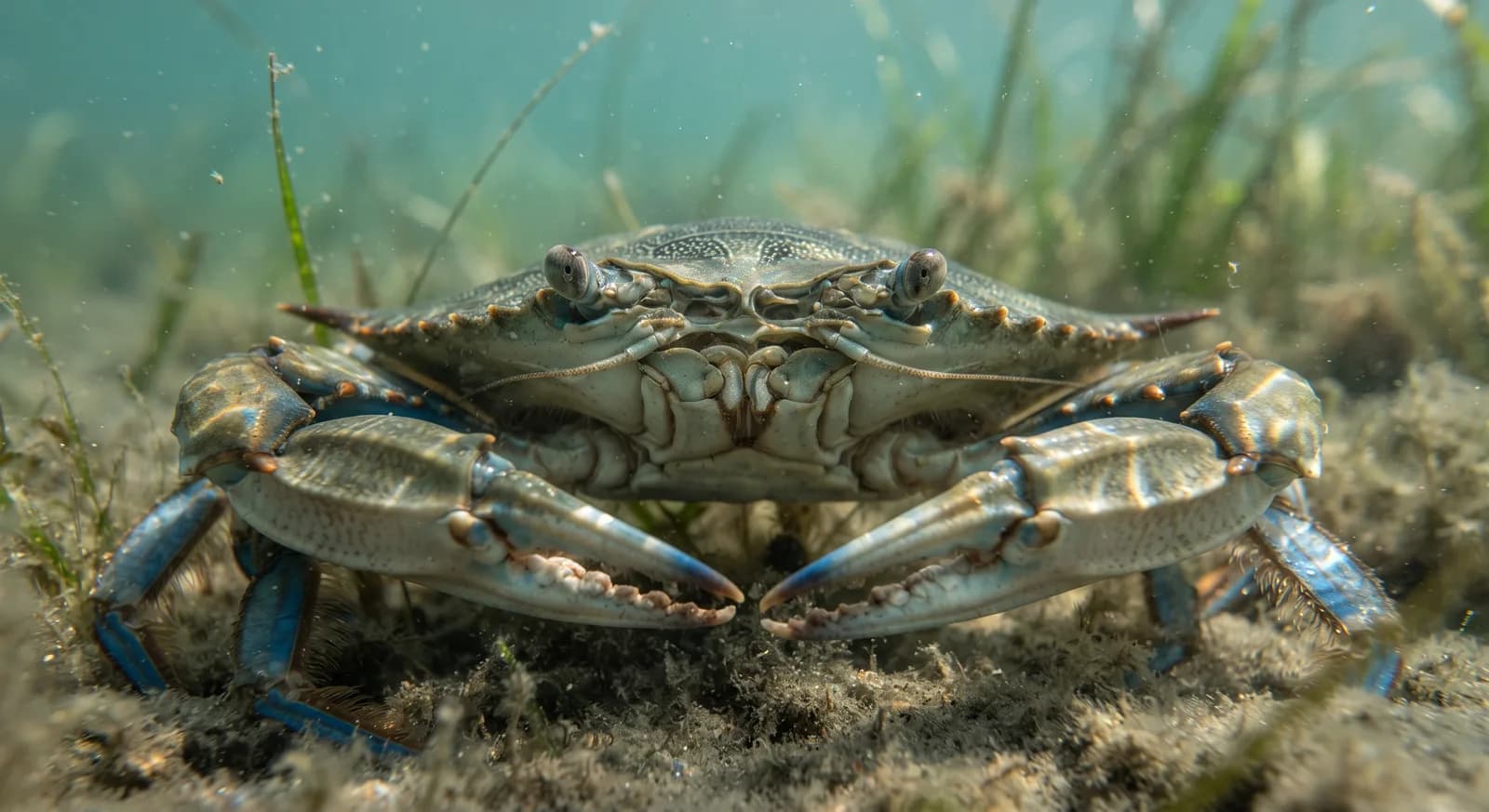
Blue CrabNot Evaluated

Blue Crab

Callinectes sapidus

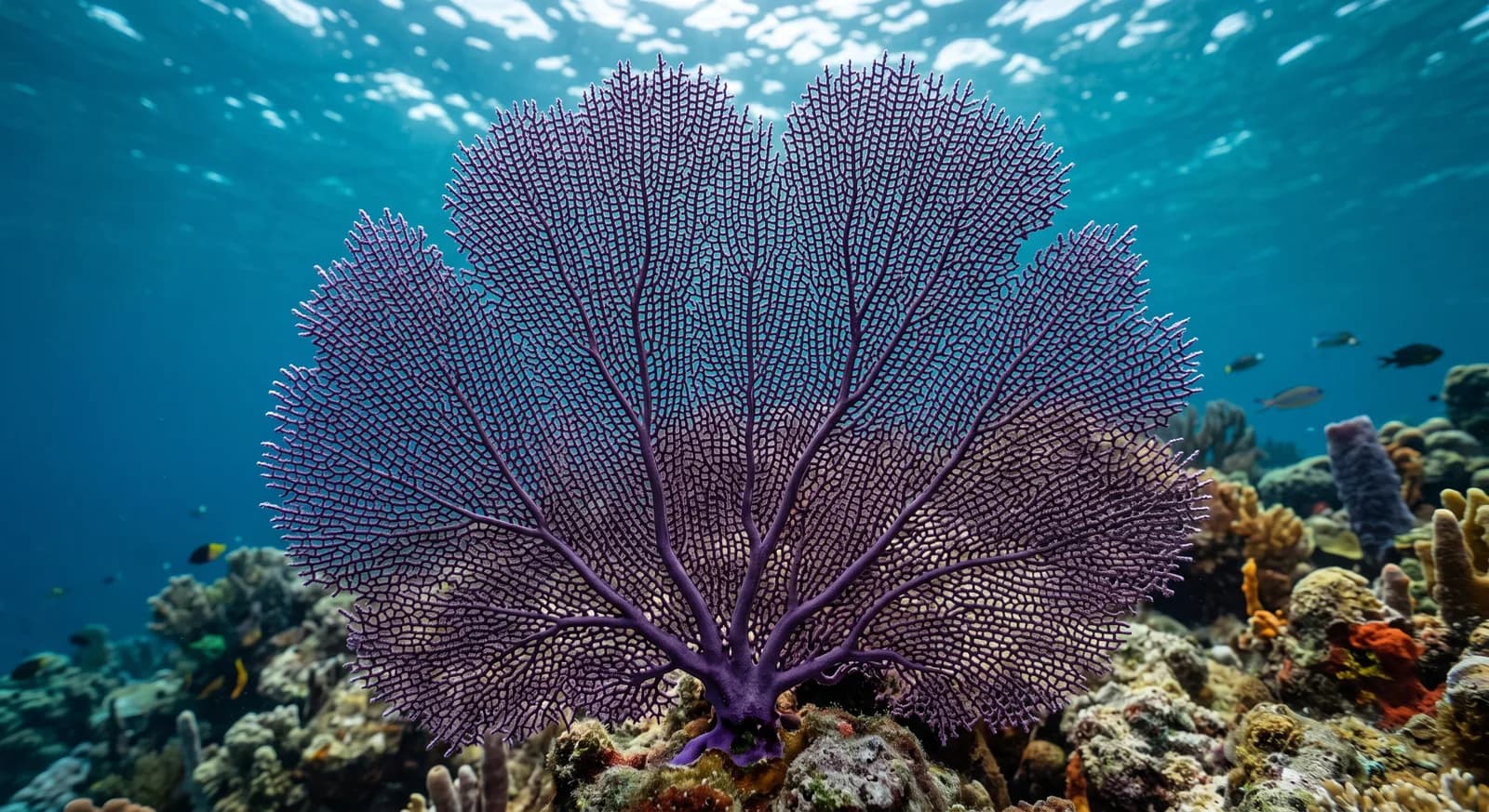
Common Sea FanNot Evaluated

Common Sea Fan

Gorgonia ventalina

CountriesUnited States
ParksEvergladesUnited States
TagsHerbivore
Herbivore
Colonial
Ocean
Crustacean

Asia9

Africa2

North America1

United States
Bahrain
Djibouti
Eritrea
Iran
Iraq
Bahrain
Iran
Iraq
Kuwait
Oman
Qatar
Saudi Arabia
United Arab Emirates
Yemen
Djibouti
Eritrea
United States