Skip to content
WAnimals
  • Map
  • Species
  • Parks
  • Diving
Log inCreate account
WAnimals

The guide for travellers and animal lovers: discover, plan and share your wild adventures around the world.

Discover wildlife

  • Species
  • Ecosystems
  • Glossary
  • Tags

Explore places

  • Map
  • Countries
  • Parks
  • Diving

Plan experiences

  • Guides

Learn

  • Blog

Resources

  • Help centre
  • Contact
  • Install the app

Follow us

Account

  • Log in
  • Create account

© 2026 WAnimals. All rights reserved.

About usHow we build our profilesTerms of servicePrivacyLegal notice
MapSpeciesParksDiving
  1. Home
  2. Species
  3. Long-spined Urchin

Long-spined Urchin (Diadema antillarum)

Sea urchins · Diadematoida · Diadematidae

Long-spined Urchin

Diadema antillarum

Not Evaluated

It has not yet been assessed against the IUCN criteria.

Spotted something wrong?

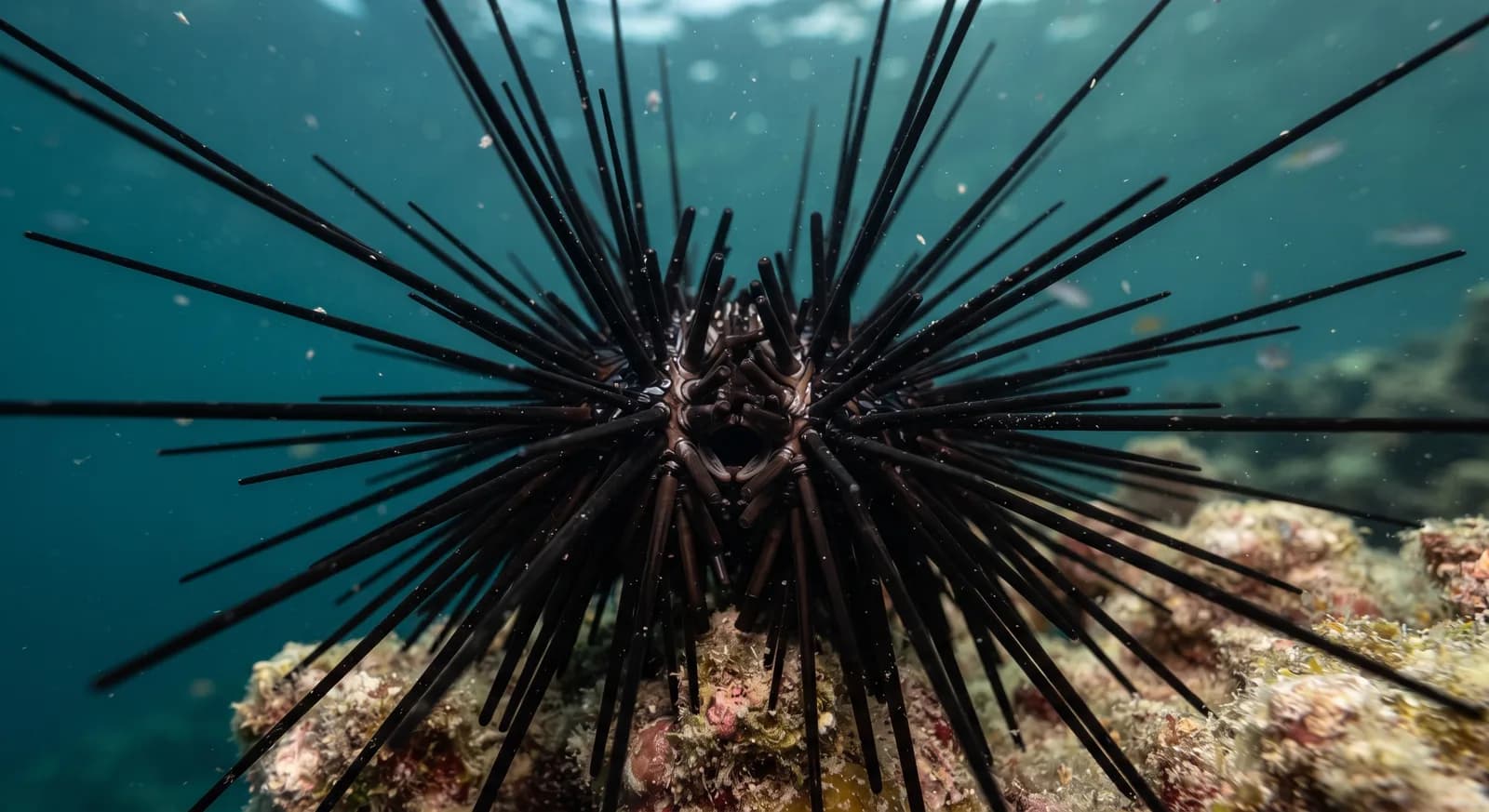
The long-spined sea urchin of the Caribbean is black, with fine, brittle spines that can exceed thirty centimetres. By day it shelters in crevices, and at night it comes out to graze algae across the reef, a role that is decisive in keeping the coral from being smothered.

Size

5 cm – 10 cm

Diet

Herbivore

Feeds mainly on plants.

Activity

Nocturnal

Active mainly at night.
Social structure

Colony

Lives in large concentrations, often for breeding reasons.

Sighting difficulty

Unknown

Ocean
108countries27parks108dive sites

AI-generated images: illustrations, not photographs.

Fun facts

  • defensaIts long hollow spines break off easily inside the skin on contact and release a toxin that causes intense, lasting pain.
  • In 1983 and 1984 a disease of unknown origin killed more than 95% of the Caribbean population in little over a year, and without its grazing many reefs shifted from being dominated by coral to being dominated by algae, a change they have still not recovered from.
  • In 2022 a further mass mortality, attributed to a ciliate protozoan, struck the recovering populations again.
  • Its spines reach 30 cm, are hollow, brittle and venomous, and break off inside the skin once embedded.
  • It was the great herbivore of Caribbean reefs. In 1983 and 1984 a die-off of unknown cause killed 98% of the population across the whole Caribbean.
  • Without its grazing, algae took over the reefs and prevented new coral from settling. It is one of the main causes of the shift from coral-dominated to algae-dominated reefs, and thirty years later the population was still around 12% of the original.
  • In January 2022 another mass die-off began, this time with the culprit identified: a ciliate of the genus Philaster. Koch's postulates were satisfied and the disease was named Diadema scuticociliatosis.
  • At one site off Saba, 99% of the population was lost in a single month.
  • The parasite has not stayed in the Caribbean: in 2022 Diadema setosum died en masse in the Mediterranean, and in 2023 off the coast of Oman.

Life cycle and biology

Habitat and environment
Coral reefs and rocky bottoms of the Caribbean and the tropical Atlantic

Sources consulted: https://es.wikipedia.org/wiki/Diadema_antillarum

Where to find it

Loading map…

Where to see it

Parks and dive sites where this species has been documented — showing 20 of 135.

Related species

Other species in the catalogue with the most in common with Long-spined Urchin — same habitat, park, country, tags or family.

Shares a park
Shares a park
Shares a park
Shares a park
Shares a park
Shares a park

Keep exploring

Based on what we already know about long-spined urchin.

Comments

Share an experience, a fun fact or a tip for seeing the long-spined urchin.

Be the first to comment.

One of the 4 urchins on WAnimals
See full glossary
This page in other languages: Español · Deutsch · Français · Português · Italiano

The pins mark the parks and dive sites where its presence is documented.

See its range on the interactive map→
EvergladesUnited States
Sian Ka'anMexico
Bacalar ChicoBelize
GuanicaPuerto Rico
JaraguaDominican Republic
Virgin Islands (St John)U.S. Virgin Islands
Tobago Main RidgeTrinidad and Tobago
Exuma Cays Land and Sea ParkBahamas
Fernando de NoronhaBrazil
TayronaColombia
Great Blue HoleBelize
Half Moon Caye WallBelize
Turneffe AtollBelize
Palancar ReefMexico
Isla Mujeres (whale shark)Mexico
Bloody Bay WallCayman Islands
USS Kittiwake wreckCayman Islands
Stingray CityCayman Islands
Tiger BeachBahamas
Jardines de la ReinaCuba
See all 27 parks
See all 108 dive sites
Queen ParrotfishLeast Concern

Queen Parrotfish

Scarus vetula

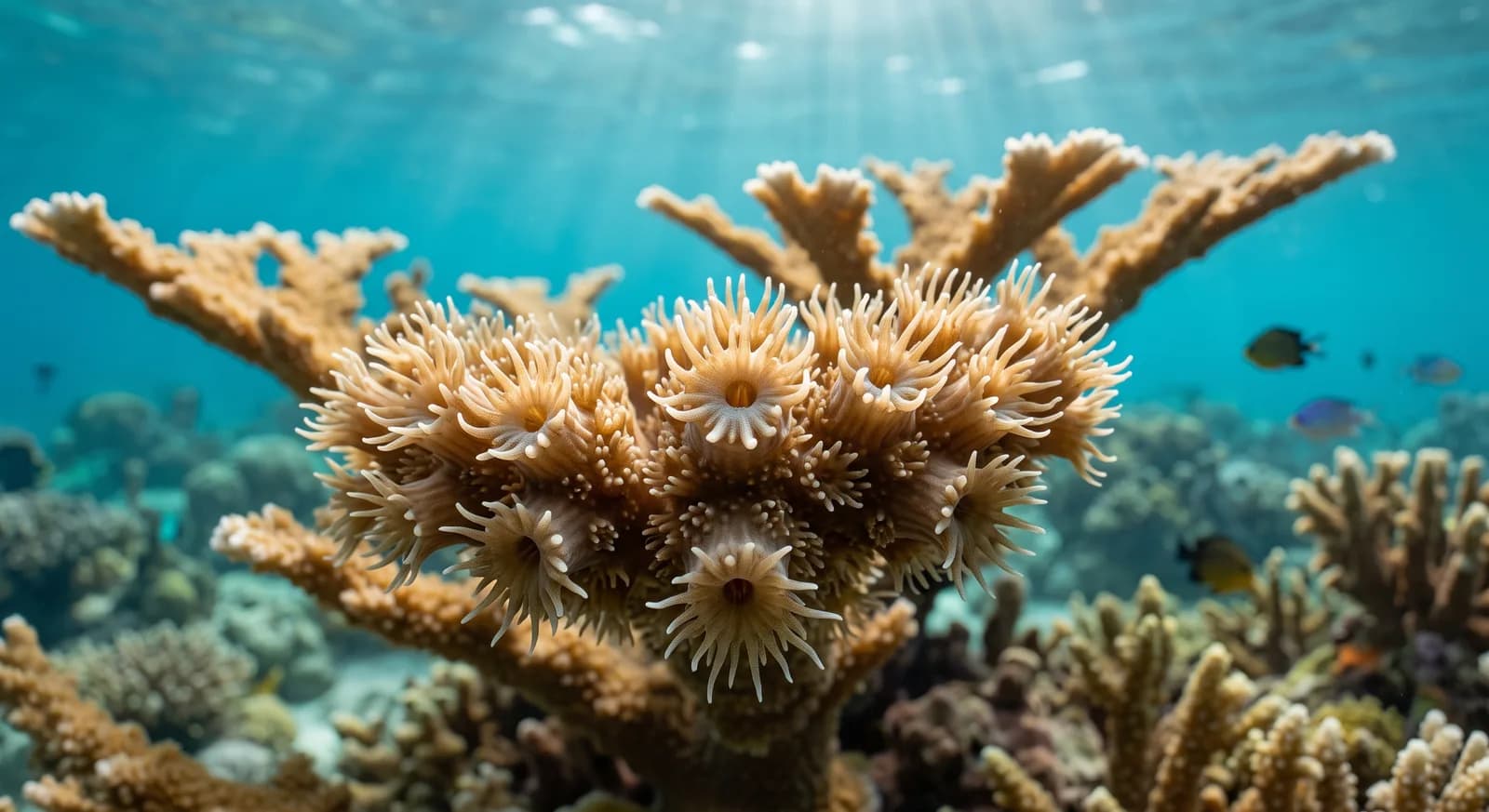
Elkhorn CoralCritically Endangered

Elkhorn Coral

Acropora palmata

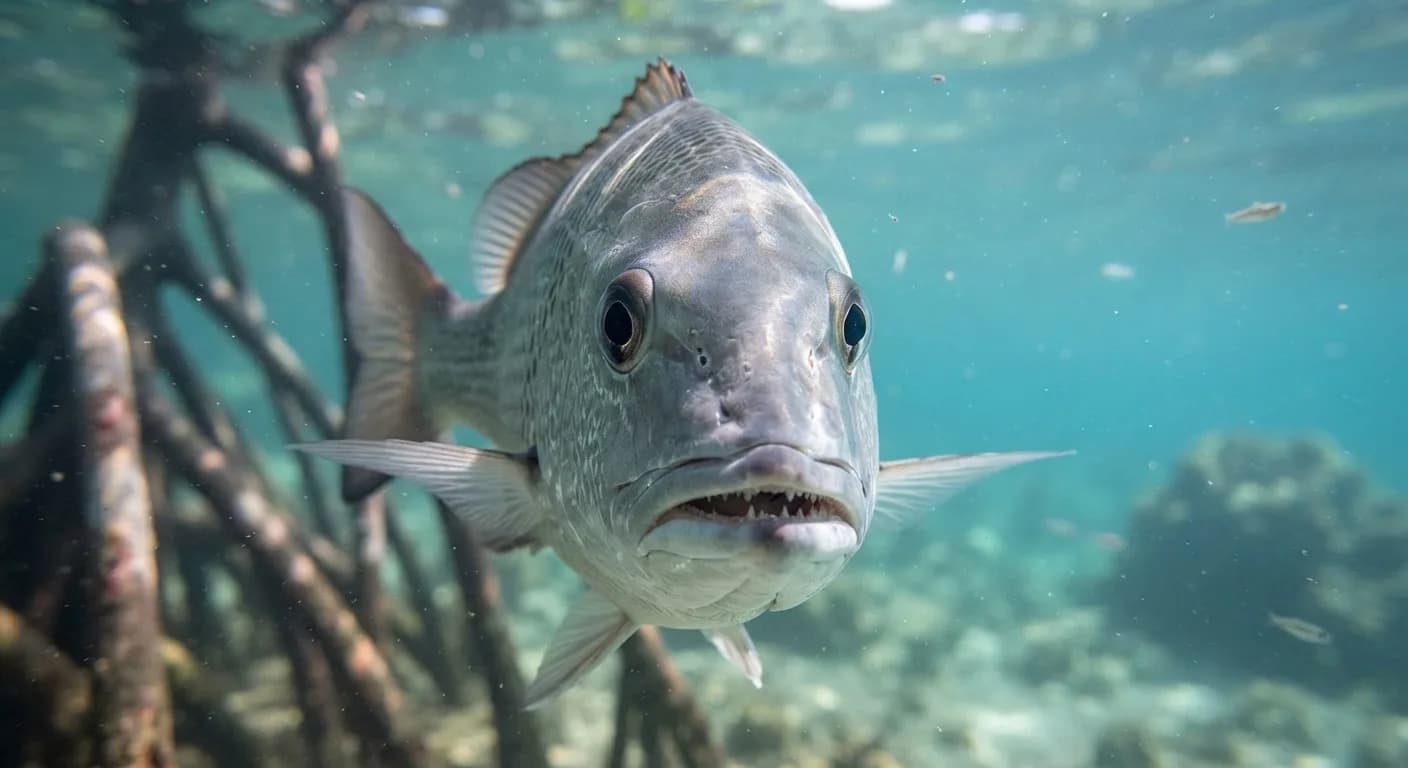
Grey SnapperLeast Concern

Grey Snapper

Lutjanus griseus

Not Evaluated

Mud Fiddler Crab

Uca pugnax

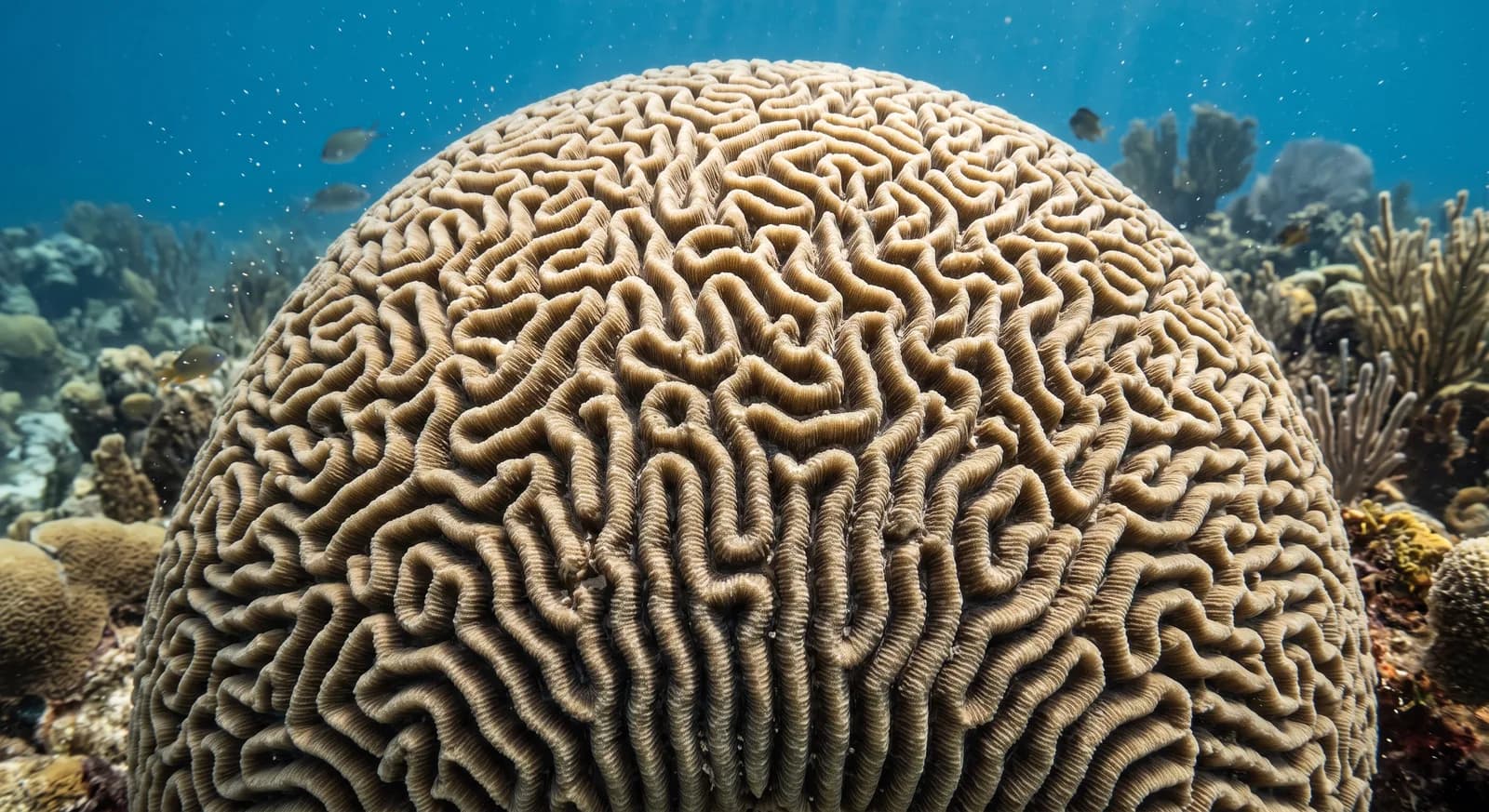
Grooved Brain CoralCritically Endangered

Grooved Brain Coral

Diploria labyrinthiformis

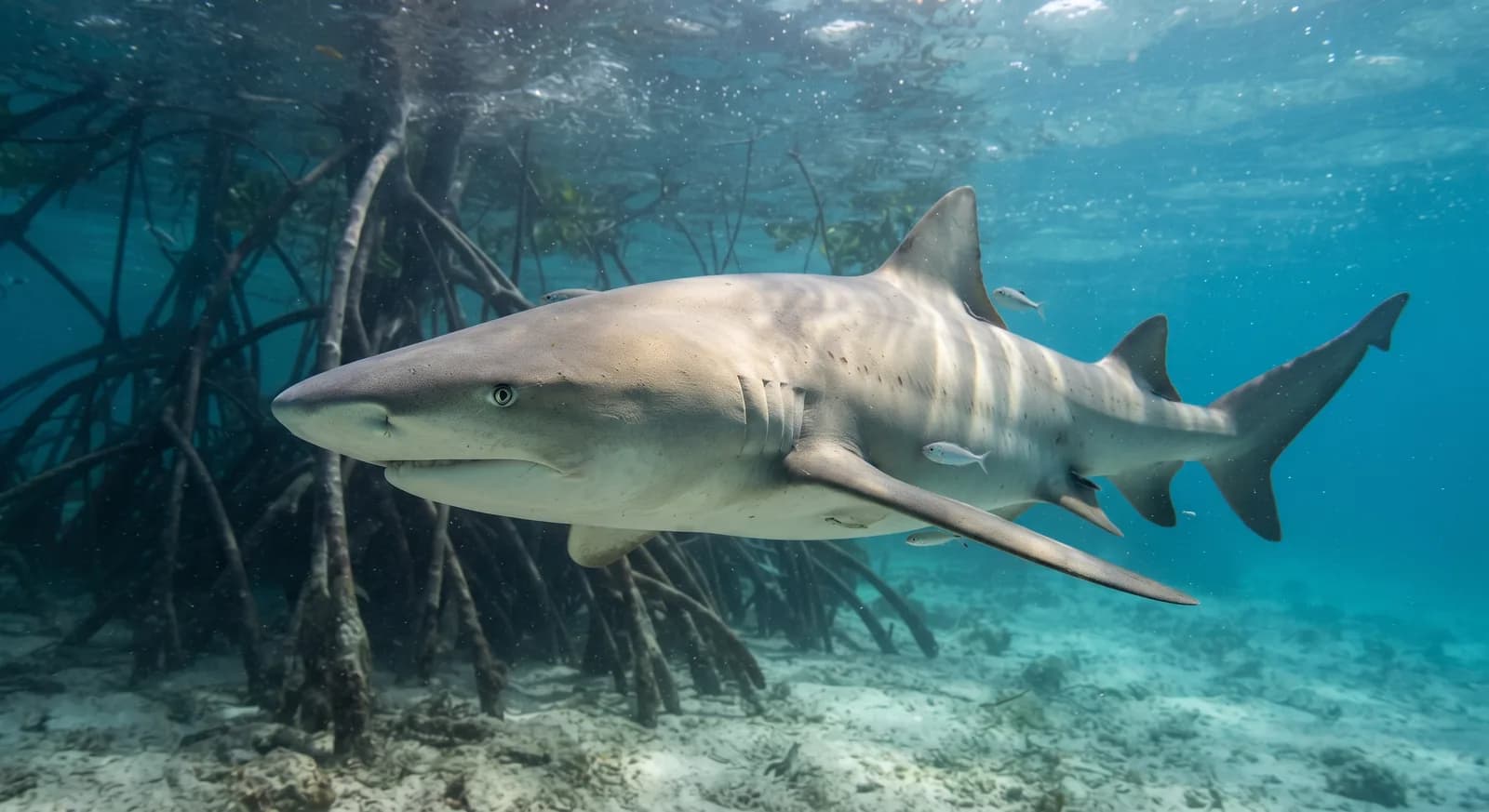
Lemon SharkVulnerable

Lemon Shark

Negaprion brevirostris

CountriesUnited States
ParksEvergladesUnited States
TagsHerbivore
Herbivore
Nocturnal
Colonial
Ocean
Echinoderm

North America33

Africa24

Asia24

Oceania20

South America7

United States
Mexico
Belize
Brazil
Cayman Islands
Bahamas
Anguilla
Antigua and Barbuda
Aruba
Bahamas
Barbados
Belize
Bermuda
British Virgin Islands
Cayman Islands
Costa Rica
Cuba
Curaçao
Dominica
Dominican Republic
El Salvador
Grenada
Guadeloupe
Guatemala
Haiti
Honduras
Jamaica
Martinique
Mexico
Nicaragua
Panama
Puerto Rico
Saint Kitts and Nevis
Saint Lucia
Saint Vincent and Grenadines
Trinidad and Tobago
Turks and Caicos Islands
U.S. Virgin Islands
United States
Angola
Cabo Verde
Cameroon
Comoros
Djibouti
Egypt
Eritrea
Gabon
Gambia
Guinea-Bissau
Kenya
Madagascar
Mauritania
Mauritius
Mayotte
Mozambique
Réunion
São Tomé and Príncipe
Senegal
Seychelles
Somalia
South Africa
Sudan
Tanzania
Bangladesh
Brunei
Cambodia
China
India
Indonesia
Israel
Japan
Jordan
Malaysia
Maldives
Myanmar
Oman
Pakistan
Philippines
Saudi Arabia
Singapore
Sri Lanka
Taiwan
Thailand
Timor-Leste
United Arab Emirates
Vietnam
Yemen
American Samoa
Australia
Cook Islands
Fiji
French Polynesia
Guam
Kiribati
Marshall Islands
Micronesia
Nauru
New Caledonia
Niue
Northern Mariana Islands
Palau
Papua New Guinea
Samoa
Solomon Islands
Tonga
Tuvalu
Vanuatu
Brazil
Colombia
Ecuador
French Guiana
Guyana
Suriname
Venezuela