 Not Evaluated
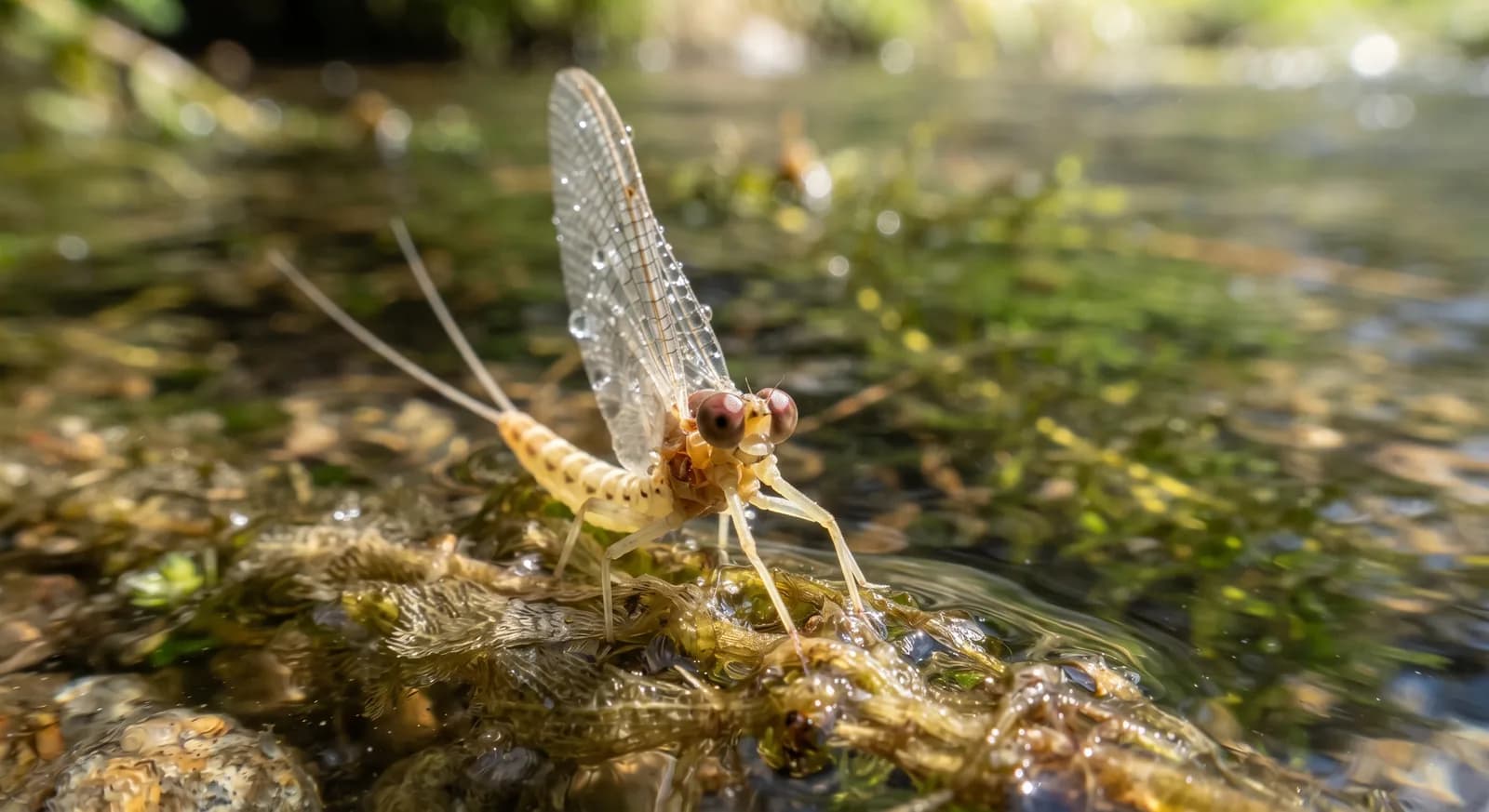
Green Drake
Ephemera danica
One of the 5 mosquitoes on WAnimals
Insects · Diptera · Chironomidae
Chironomus plumosus
It has not yet been assessed against the IUCN criteria.
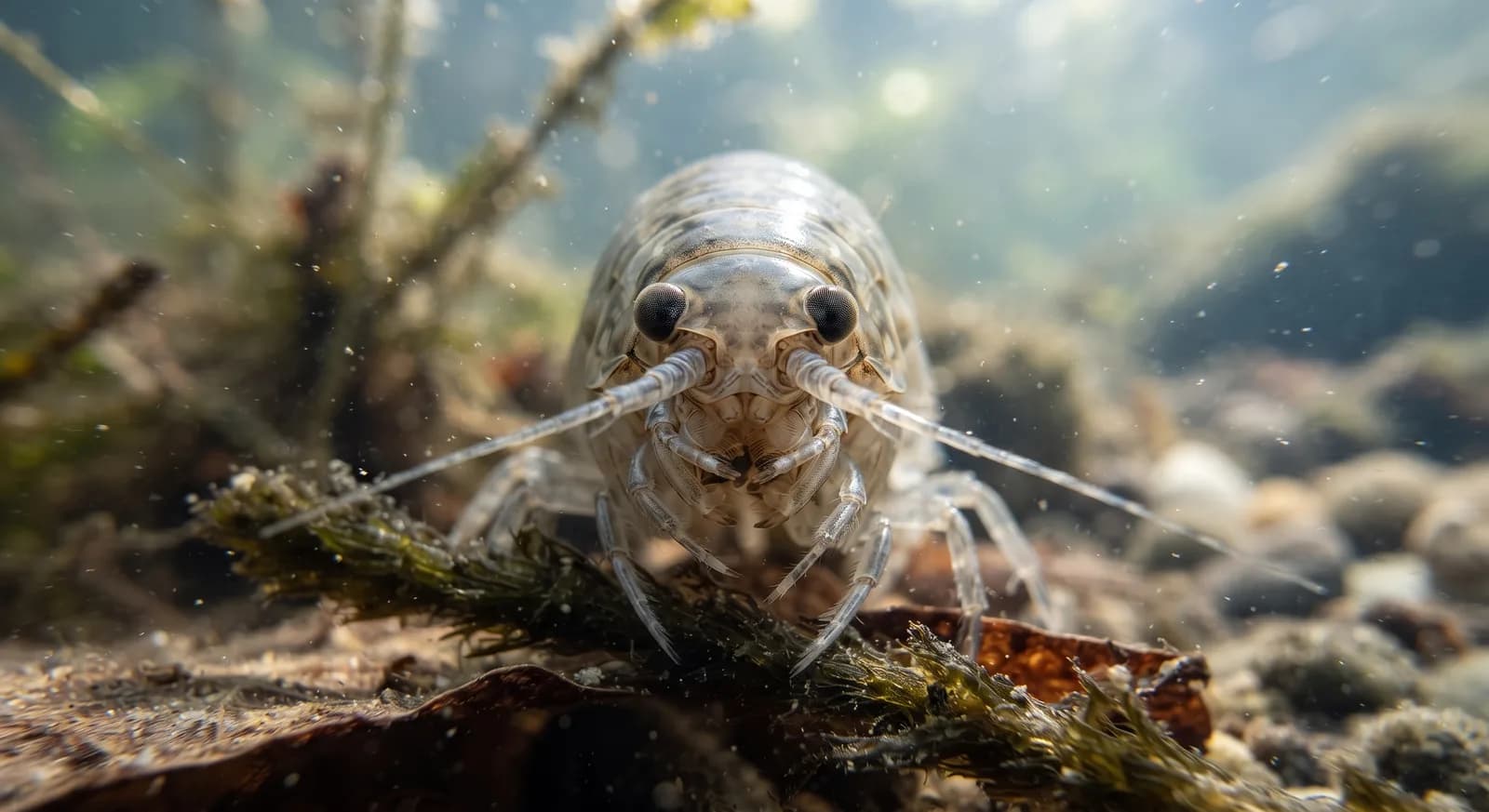
A non-biting midge of fragile appearance, the males with strikingly feathered antennae, which forms dense swarms at dusk over lakes and reservoirs. It does not bite: the adult does not even feed. Its larvae live buried in the mud of the bottom.
Size
0.8 cm – 1.4 cm
Life expectancy
1 year
Diet
Detritivore
Feeds on dead organic matter as it decomposes.
Activity
Crepuscular
Active mainly at dawn and dusk.
Social structure
Solitary
Lives and hunts alone, joining others only to breed.
Sighting difficulty
Unknown
Sources consulted: Walshe (1947, 1951); Soster et al. (2015), Journal of Great Lakes Research; Animal Diversity Web; ScienceDirect (Hughes 1989); Science Advances, How colonial animals evolve; Wikipedia, Zooid; Washington State University Puyallup, ficha Chironomid midges; Fichas de identificacion de Chironomus plumosus; Fichas de biologia de quironomidos; First Nature; First Nature, ficha Chironomus plumosus; Washington State University Puyallup
Best time: The larvae, known as bloodworms or red worms, live in tubes of detritus on the bottom of lakes and rivers and are a key food for fish; they can reach several thousand per square metre
Other species in the catalogue with the most in common with Plumed Midge — same habitat, park, country, tags or family.
Based on what we already know about plumed midge.
Share an experience, a fun fact or a tip for seeing the plumed midge.
Be the first to comment.