Skip to content
WAnimals
  • Map
  • Species
  • Parks
  • Diving
Log inCreate account
WAnimals

The guide for travellers and animal lovers: discover, plan and share your wild adventures around the world.

Discover wildlife

  • Species
  • Ecosystems
  • Glossary
  • Tags

Explore places

  • Map
  • Countries
  • Parks
  • Diving

Plan experiences

  • Guides

Learn

  • Blog

Resources

  • About us
  • How we build our profiles
  • Help centre
  • Contact
  • Install the app

Follow us

Account

  • Log in
  • Create account

© 2026 WAnimals. All rights reserved.

Terms of servicePrivacyCookiesLegal notice
MapSpeciesParksDiving
  1. Home
  2. Species
  3. Citrus Mealybug

Insects · Hemiptera · Pseudococcidae

Citrus Mealybug

Planococcus citri

Not Evaluated

It has not yet been assessed against the IUCN criteria.

Spotted something wrong?

The citrus mealybug is a soft-bodied insect covered in a powdery white wax that gives it the look of a ball of cotton. It attaches itself to shoots, leaves and fruit and sucks sap, and excretes honeydew that blackens the plant with sooty mould.

Size

0.3 cm – 0.4 cm

Diet

Herbivore

Feeds mainly on plants.

Social structure

Solitary

Lives and hunts alone, joining others only to breed.

7countries

Fun facts

  • GeneralIt coats itself in a cottony white wax and secretes honeydew that draws ants.
  • It lives in mutualism with ants: they protect it from its predators and carry it to fresh shoots in exchange for the sugary honeydew, so controlling the ants is often the first step in controlling the mealybug.
  • Its most widely used natural enemy is the Australian beetle Cryptolaemus montrouzieri, whose larva mimics the cottony look of its prey in order to get close.
  • Its sex determination system is among the strangest in the animal kingdom: the males completely inactivate the set of chromosomes inherited from their father.
  • The female lays her eggs in a cottony mass of white wax, the ovisac, which makes the branches look as though they were covered in cotton wool.
  • Females and nymphs are wingless and coated in wax; the males are tiny, winged and gnat-like, and do the plant no harm.
  • The first nymphal stage, the crawler, is the only genuinely mobile one and the one that colonises new plants; it also travels on the wind, on birds' feet and on machinery.
  • It is controlled with the ladybird Cryptolaemus montrouzieri and with the parasitoid Leptomastix dactylopii, specific to this species.
  • In California it is recommended that Argentine ants be controlled in citrus groves, because they protect the mealybug and interfere with its natural enemies.

Life cycle and biology

Skeleton type
Invertebrate - chitin exoskeleton (insect)
Habitat and environment
Citrus, vines and house plants
Size at birth
Oblong egg of about 0.3 mm; the first-instar nymph, known as a crawler, is yellowish with red eyes
Sexual maturity
Each nymphal instar takes 7 to 16 days; in optimal conditions it goes from egg to breeding adult in about 30 days
Gestation / incubation
The eggs hatch in between 2 and 10 days; the full cycle takes about 30 days
Litter / clutch size
From 300 to 600 eggs per female, in groups of 5 to 20

Sources consulted: University of Florida, Featured Creatures · CABI Compendium · UMass Extension · ScienceDirect (Hughes 1989) · Science Advances, How colonial animals evolve · Wikipedia, Zooid · Koppert, ficha Citrus mealybug · University of Arizona, ficha Citrus mealybug · Ficha de especie de Planococcus citri · University of Florida MREC

Where to find it

Loading map…

Related species

Other species in the catalogue with the most in common with Citrus Mealybug — same habitat, park, country, tags or family.

Related to
Related to
Related to
Related to
Related to
Related to

Keep exploring

Based on what we already know about citrus mealybug.
Share an experience, a fun fact or a tip for seeing the citrus mealybug.
See full glossary
This page in other languages: Español · Deutsch · Français · Português · Italiano
Freshwater
Grassland
See its range on the interactive map→
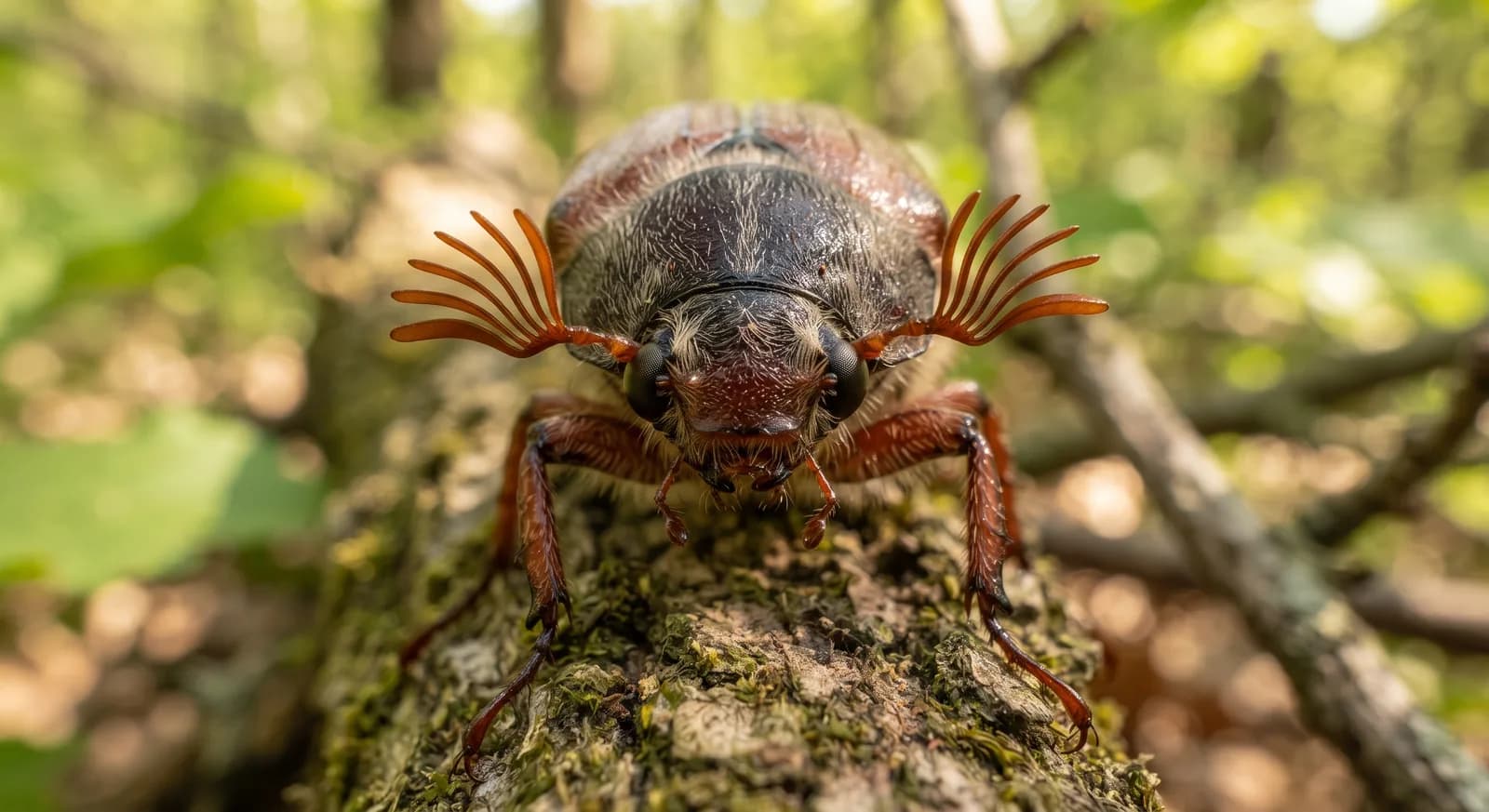
Common CockchaferNot Evaluated

Common Cockchafer

Melolontha melolontha

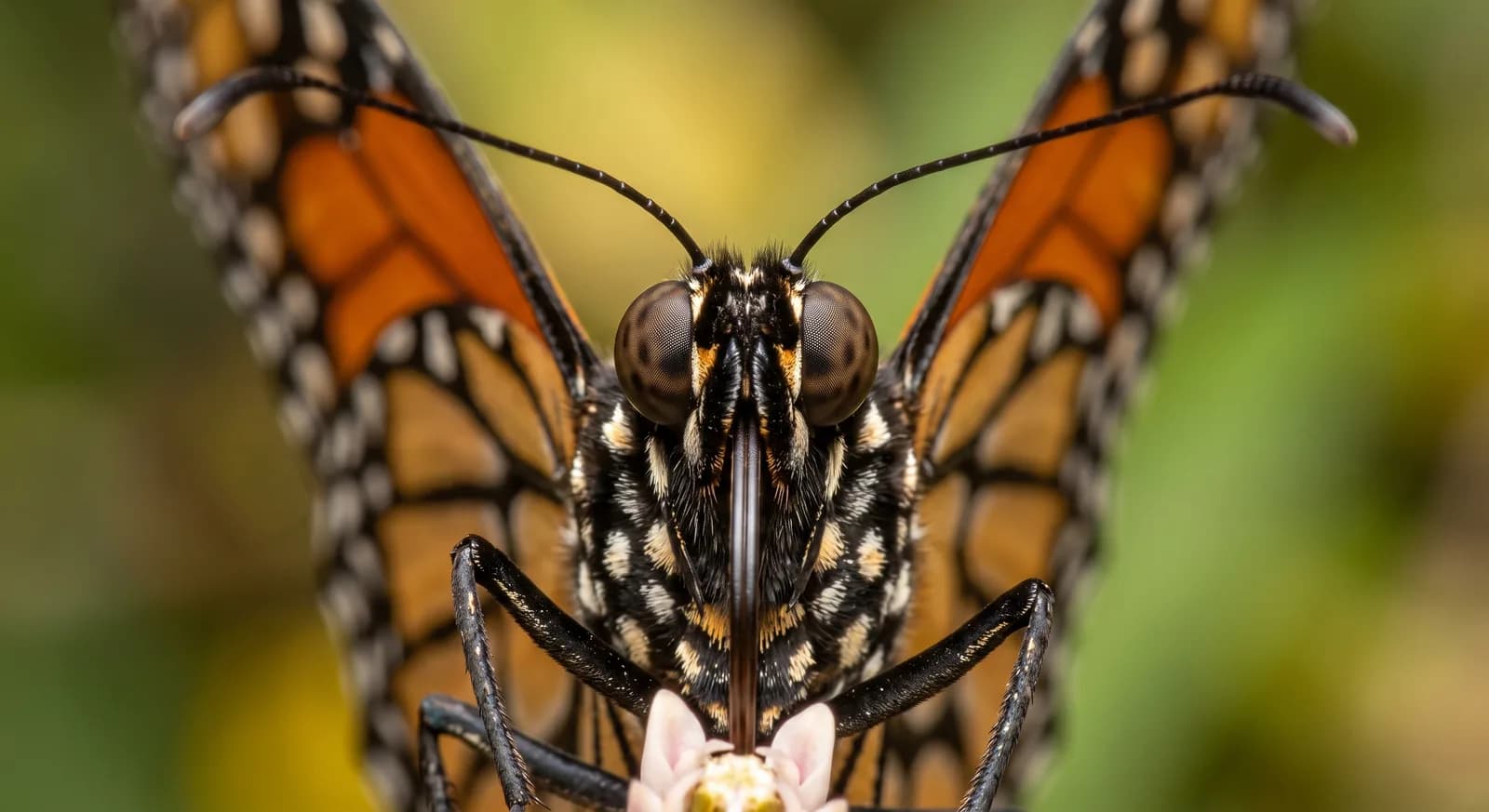
MonarchNot Evaluated

Monarch

Danaus plexippus

Not Evaluated

Pomace Fly

Drosophila melanogaster

Not Evaluated

Black Bean Aphid

Aphis fabae

Not Evaluated

Japanese Beetle

Popillia japonica

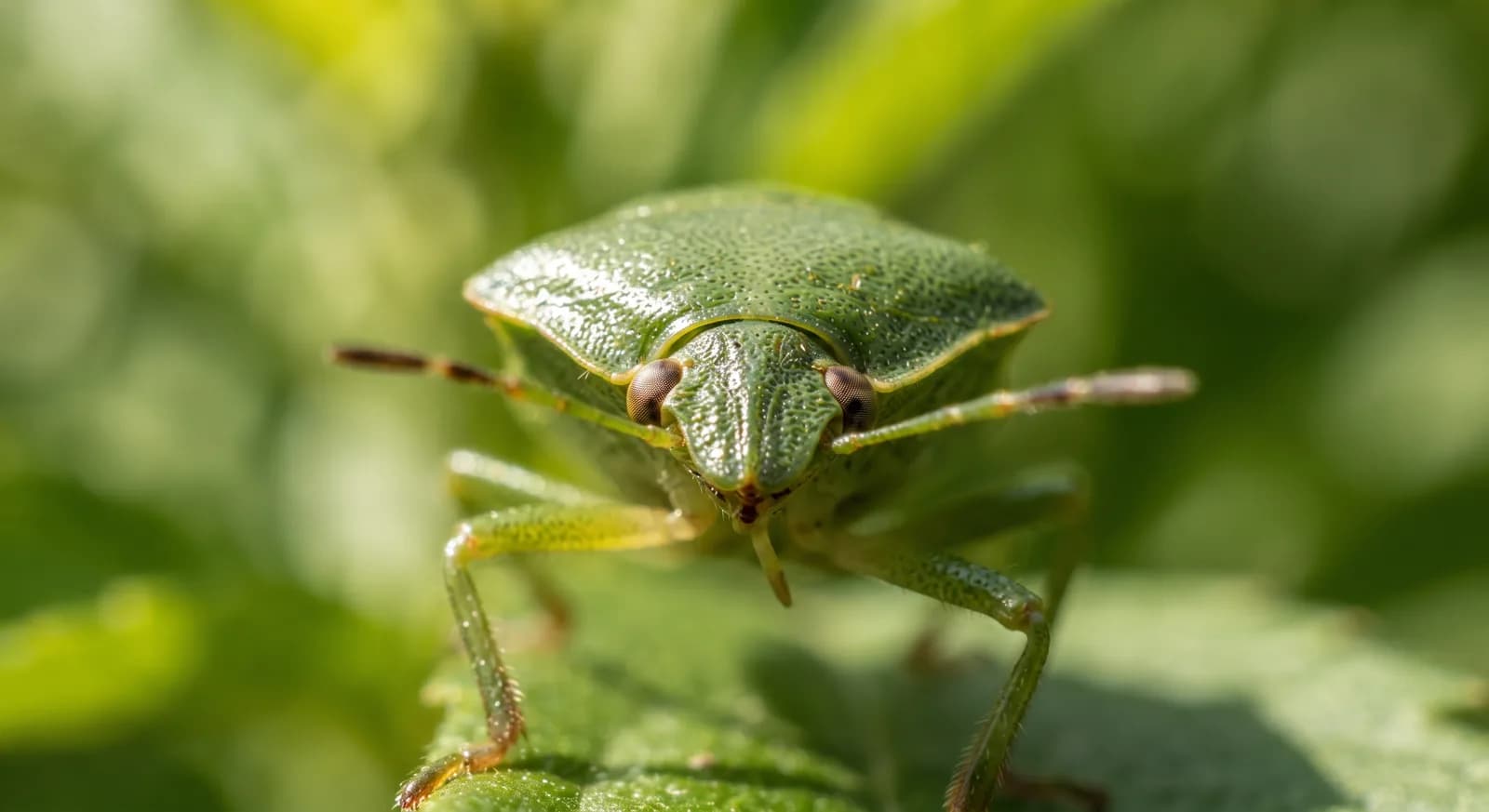
Southern Green ShieldbugNot Evaluated

Southern Green Shieldbug

Nezara viridula

CountriesBrazil
TagsHerbivore
Herbivore
Colonial
Insect
Freshwater
Grassland
Brazil
Egypt
Greece
Israel
Italy
Spain
United States