Skip to content
WAnimals
  • Map
  • Species
  • Parks
  • Diving
Log inCreate account
WAnimals

The guide for travellers and animal lovers: discover, plan and share your wild adventures around the world.

Discover wildlife

  • Species
  • Ecosystems
  • Glossary
  • Tags

Explore places

  • Map
  • Countries
  • Parks
  • Diving

Plan experiences

  • Guides

Learn

  • Blog

Resources

  • Help centre
  • Contact
  • Install the app

Follow us

Account

  • Log in
  • Create account

© 2026 WAnimals. All rights reserved.

About usHow we build our profilesTerms of servicePrivacyLegal notice
MapSpeciesParksDiving
  1. Home
  2. Species
  3. Whirligig Beetle

One of the 24 beetles on WAnimals

Insects · Coleoptera · Gyrinidae

Whirligig Beetle

Gyrinus natator

Not Evaluated

It has not yet been assessed against the IUCN criteria.

Spotted something wrong?

A small, glossy black beetle that skates in groups across the surface of the water in frantic circles. It lives right at the interface between air and water, and catches insects that have fallen onto the surface film.

Size

0.5 cm – 0.8 cm

Life expectancy

1 year

Diet

Carnivore

Feeds mainly on other animals.

Activity

Diurnal

Active mainly during the day.

Social structure

Solitary

Lives and hunts alone, joining others only to breed.

Sighting difficulty

Unknown

Freshwater
40countries139parks

Fun facts

  • Its eyes are divided into two independent halves: the upper one looks into the air and the lower one into the water, so that it watches both at once.
  • It detects obstacles and prey from the ripples it generates on the surface and that bounce back, a system comparable to sonar.
  • Its middle and hind legs have become flattened paddles that beat up to sixty times a second, among the fastest movements of any animal limb.
  • Its eyes are split in two: one pair looks upwards, into the air, and the other downwards, into the water. It sees above and below the surface at the same time.
  • It swims in extremely fast circles on the surface film, hence its name. Its middle and hind legs are transformed into flattened paddles that beat up to sixty times per second.
  • It navigates by ripples. With its antennae it detects the ripples it generates itself as they bounce off obstacles, a system comparable to a surface sonar that lets it wheel about in a swarm without colliding.
  • Those groups are defensive: when they gather in dozens or hundreds, each individual is less likely to be the one a predator picks.
  • It secretes a foul-smelling milky substance when handled.
  • It can fly and colonise new ponds, and it can also dive, taking a bubble of air down with it beneath its elytra.

Life cycle and biology

Skeleton type
Invertebrate - chitin exoskeleton (insect)
Habitat and environment
The surface of ponds, lagoons and still backwaters
Size at birth
The larva is slender and cylindrical and reaches 30 mm; it breathes through several pairs of feathery abdominal gills
Sexual maturity
Copulation begins in spring and can go on until August; the male holds the female with suckers on the tarsi of his front legs
Gestation / incubation
The eggs incubate between 5 and 17 days depending on conditions; the larvae develop in summer on the bottom, among stones and vegetation, and the full cycle from egg to adult lasts several weeks
Litter / clutch size
20 to 50 eggs per female, laid in rows or groups on submerged vegetation shortly after copulation

Sources consulted: Buglife; Natural History Museum de Londres; Voise y Casas (2010), Journal of the Royal Society Interface; Pond Informer, ficha Whirligig beetle; Macalester College; ScienceDirect (Hughes 1989); Science Advances, How colonial animals evolve; Wikipedia, Zooid; Macalester College, ficha Whirligig beetle; Pond Informer; Ficha de especie de Gyrinus natator; Brickfields Park, ficha Gyrinus ssp; Brickfields Park

Where to find it

Best time: Visible from March to November on still or slow-flowing water, with two generations a year (April-June and July-August); the adults form rafts or floating swarms of many individuals

Loading map…

Where to see it

Parks and dive sites where this species has been documented — showing 10 of 139.

Related species

Other species in the catalogue with the most in common with Whirligig Beetle — same habitat, park, country, tags or family.

Shares a park
Shares a park
Shares a park
Shares a park
Shares a park
Shares a park

Keep exploring

Based on what we already know about whirligig beetle.

Comments

Share an experience, a fun fact or a tip for seeing the whirligig beetle.

Be the first to comment.

See full glossary
This page in other languages: Español · Deutsch · Français · Português · Italiano

The pins mark the parks where its presence is documented.
See its range on the interactive map→
SarekSweden
PadjelantaSweden
HardangerviddaNorway
Lake DistrictUnited Kingdom
CairngormsUnited Kingdom
Snowdonia (Eryri)United Kingdom
KillarneyIreland
Picos de EuropaSpain
Ordesa y Monte PerdidoSpain
Aiguestortes i Estany de Sant MauriciSpain
See all 139 parks
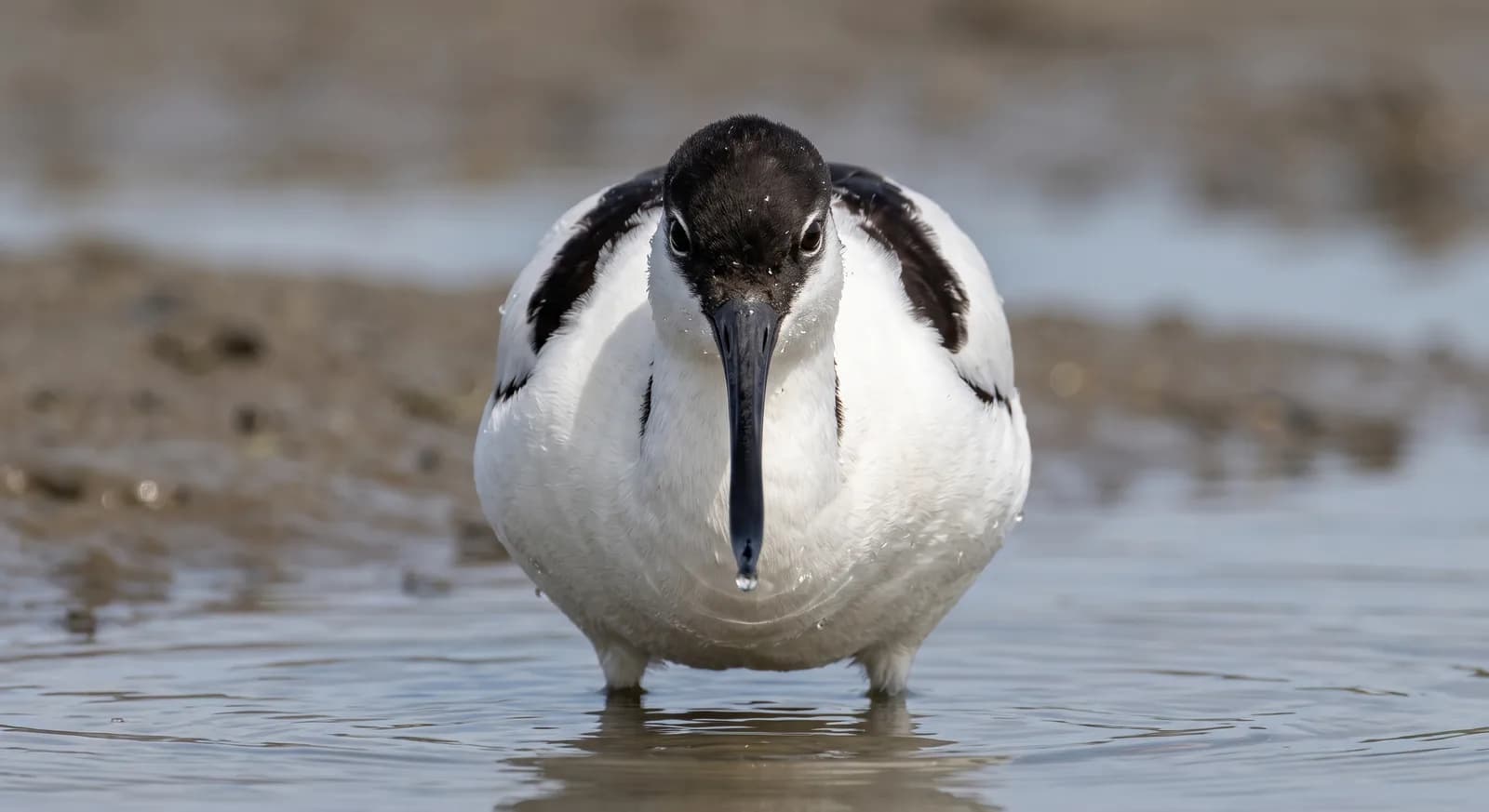
Pied AvocetLeast Concern

Pied Avocet

Recurvirostra avosetta

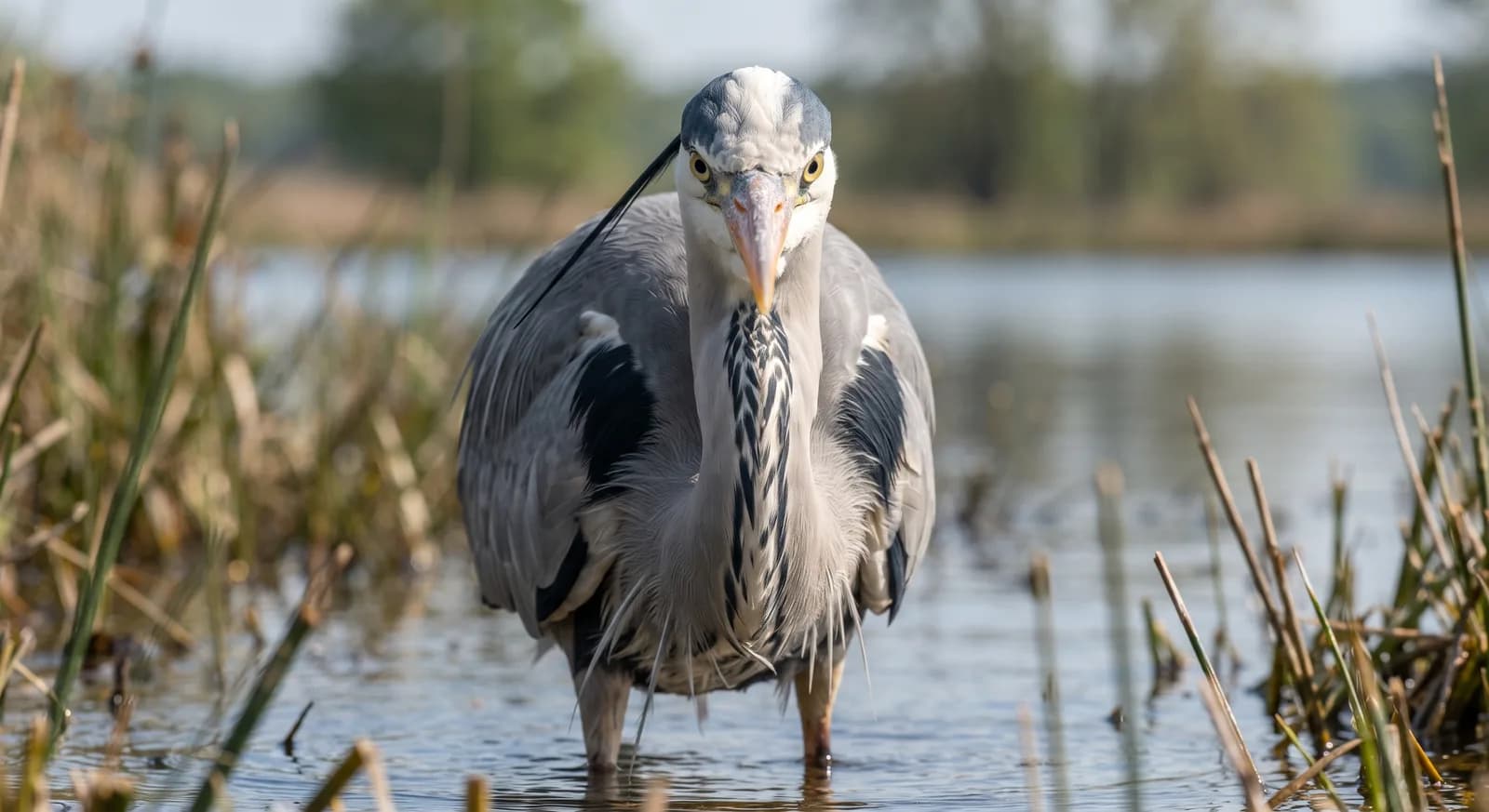
Grey HeronLeast Concern

Grey Heron

Ardea cinerea

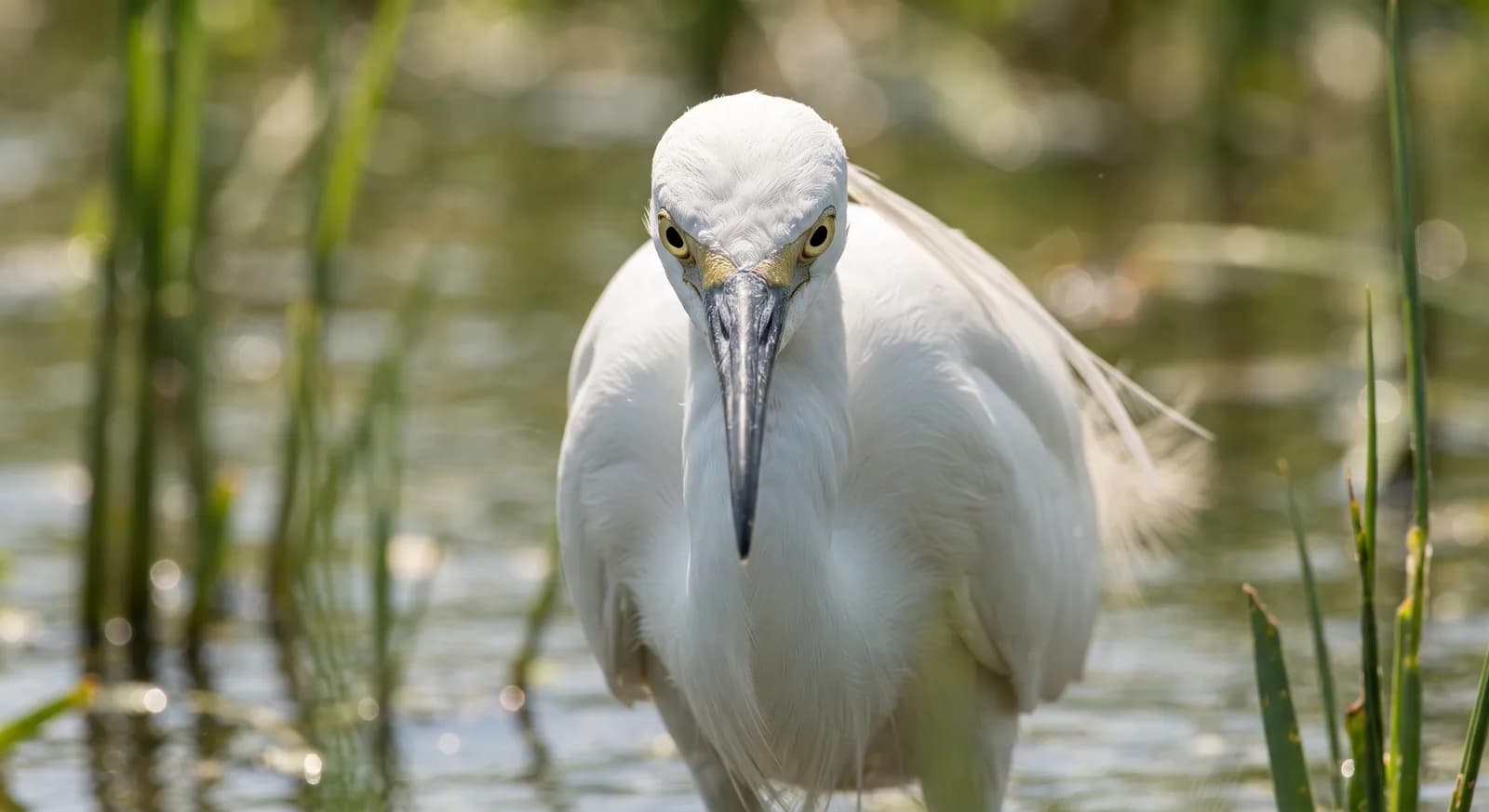
Little EgretLeast Concern

Little Egret

Egretta garzetta

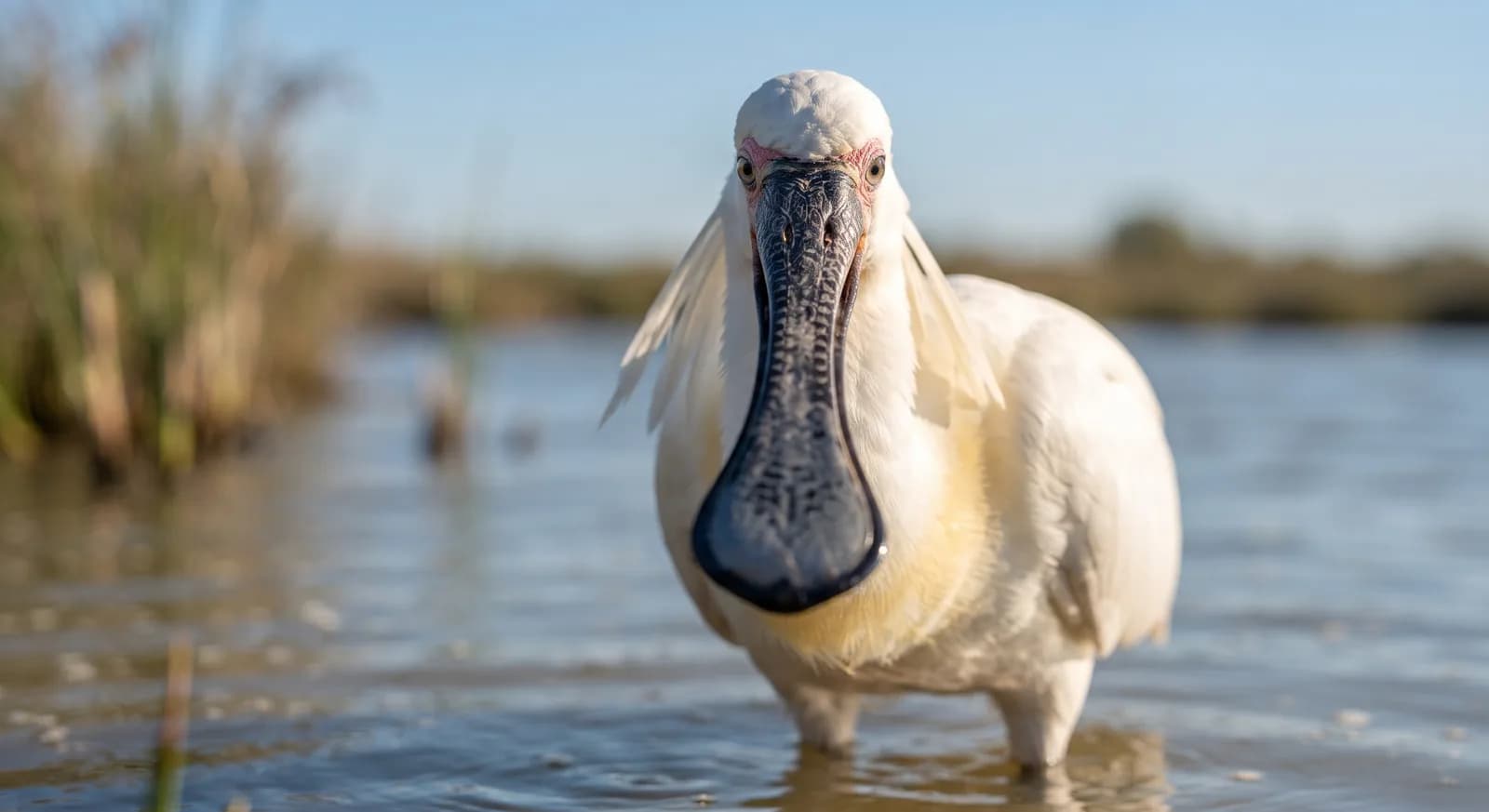
Eurasian SpoonbillLeast Concern

Eurasian Spoonbill

Platalea leucorodia

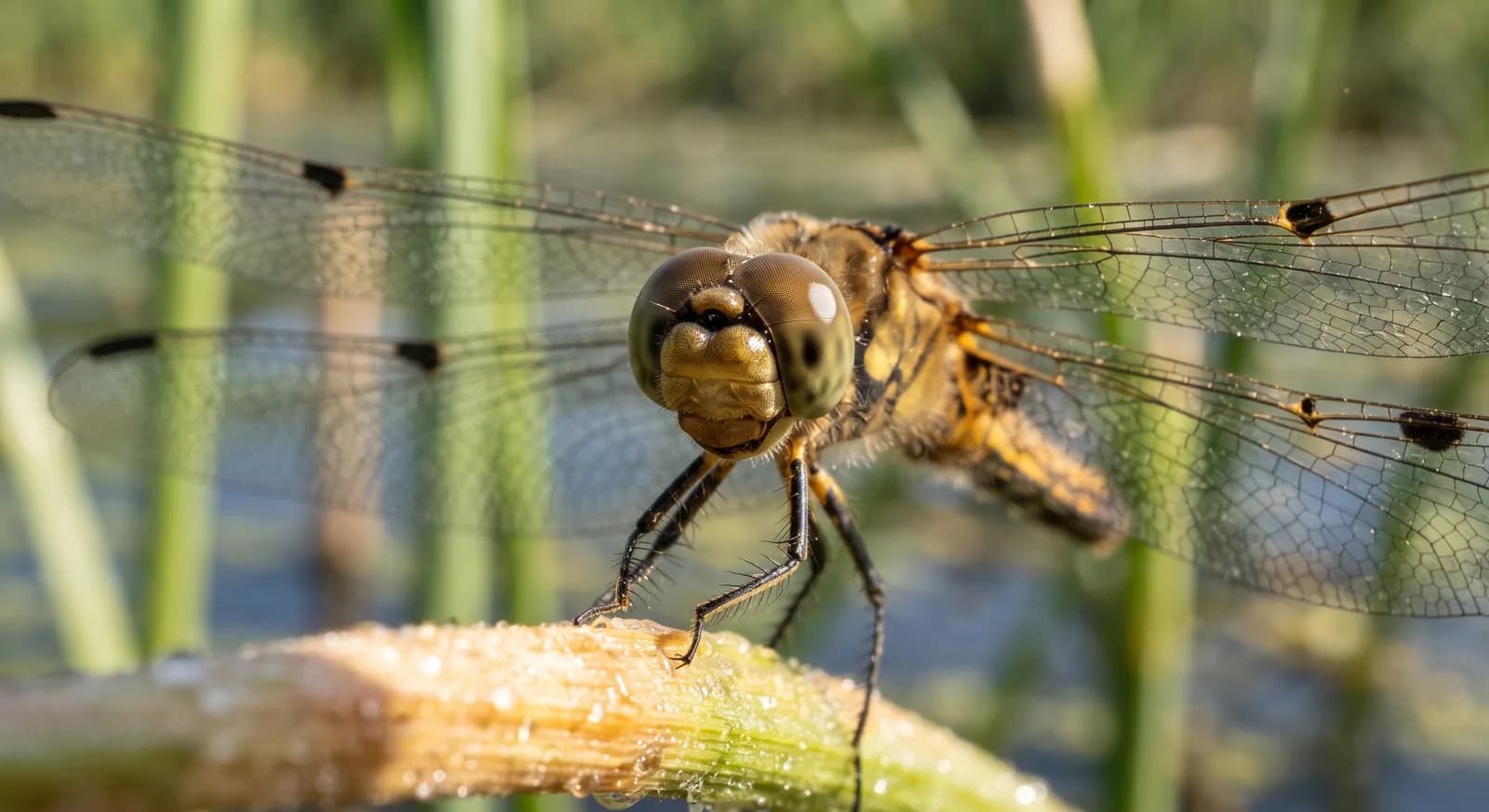
Four-Spotted ChaserLeast Concern

Four-Spotted Chaser

Libellula quadrimaculata

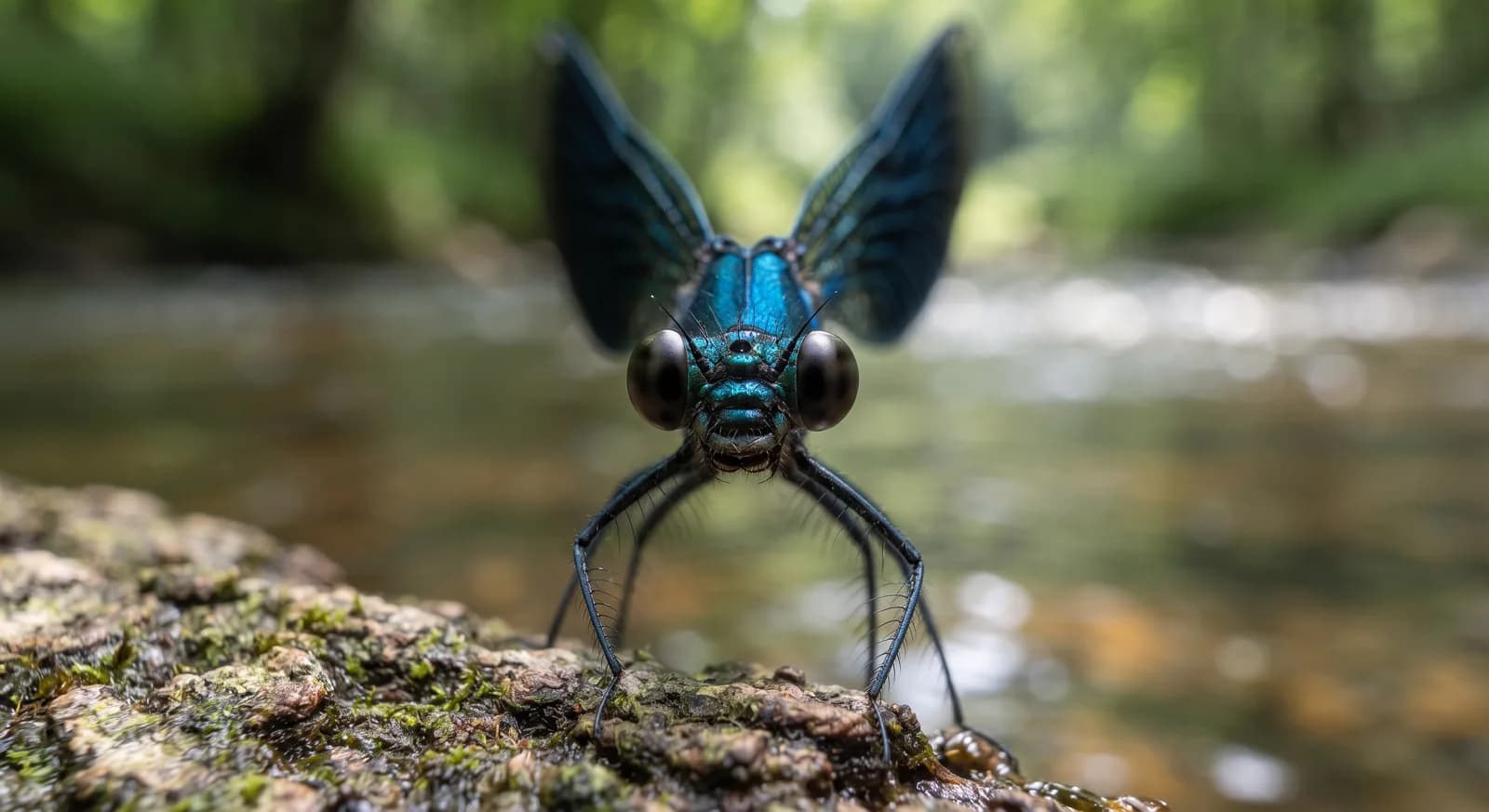
Beautiful DemoiselleNot Evaluated

Beautiful Demoiselle

Calopteryx virgo

CountriesSpain
ParksSarekSweden
TagsCarnivore
Carnivore
Diurnal
Colonial
Insect
Freshwater

Europe39

Asia1

Spain
Sweden
United Kingdom
Finland
Poland
Germany
Albania
Andorra
Austria
Belarus
Belgium
Bosnia and Herzegovina
Bulgaria
Croatia
Czechia
Denmark
Estonia
Finland
France
Germany
Greece
Hungary
Ireland
Italy
Latvia
Liechtenstein
Lithuania
Luxembourg
Moldova
Monaco
Montenegro
Netherlands
North Macedonia
Norway
Poland
Portugal
Romania
Serbia
Slovakia
Slovenia
Spain
Sweden
Switzerland
Ukraine
United Kingdom
Russia