 Endangered
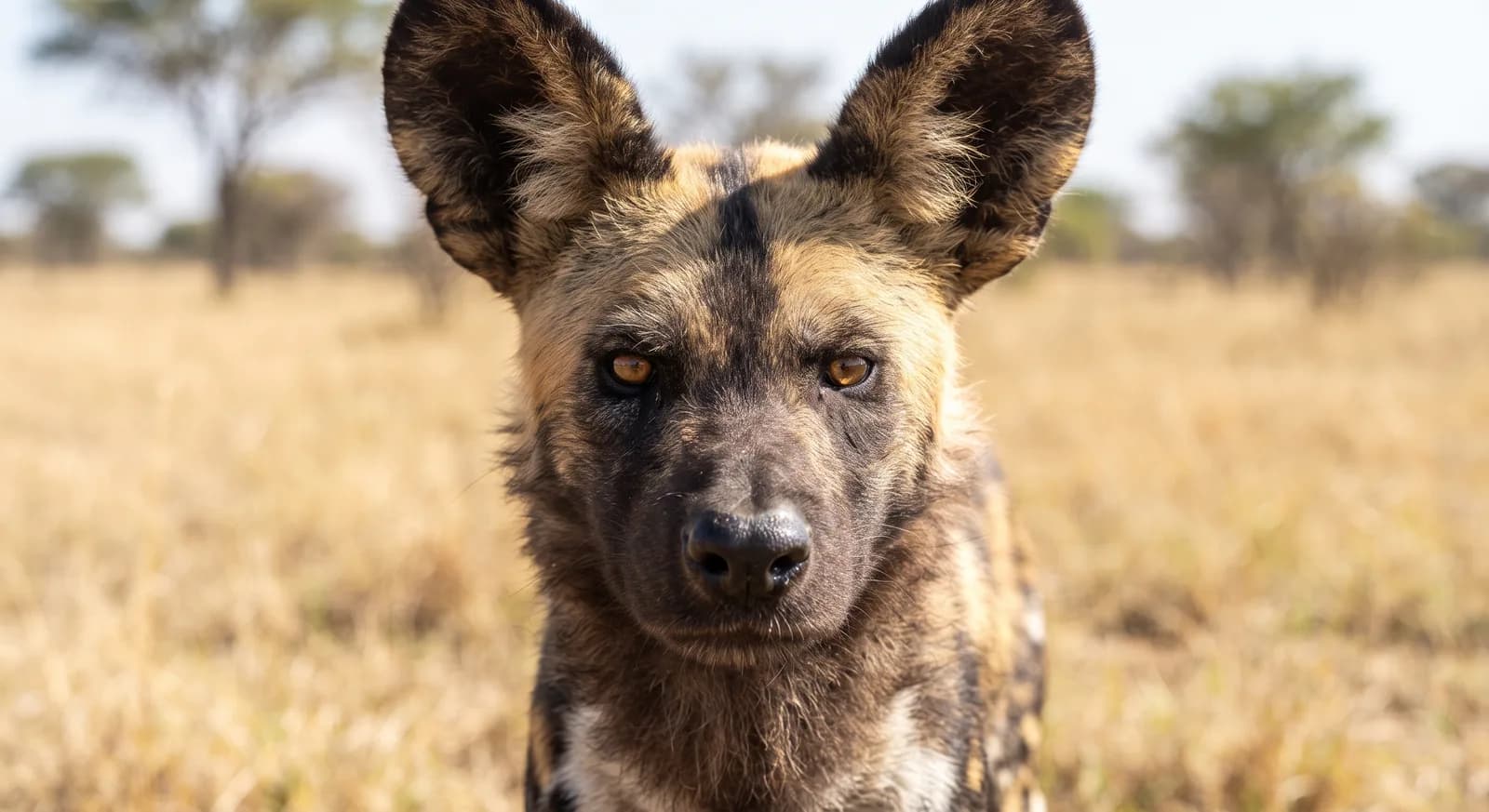
African Wild Dog
Lycaon pictus
Africa
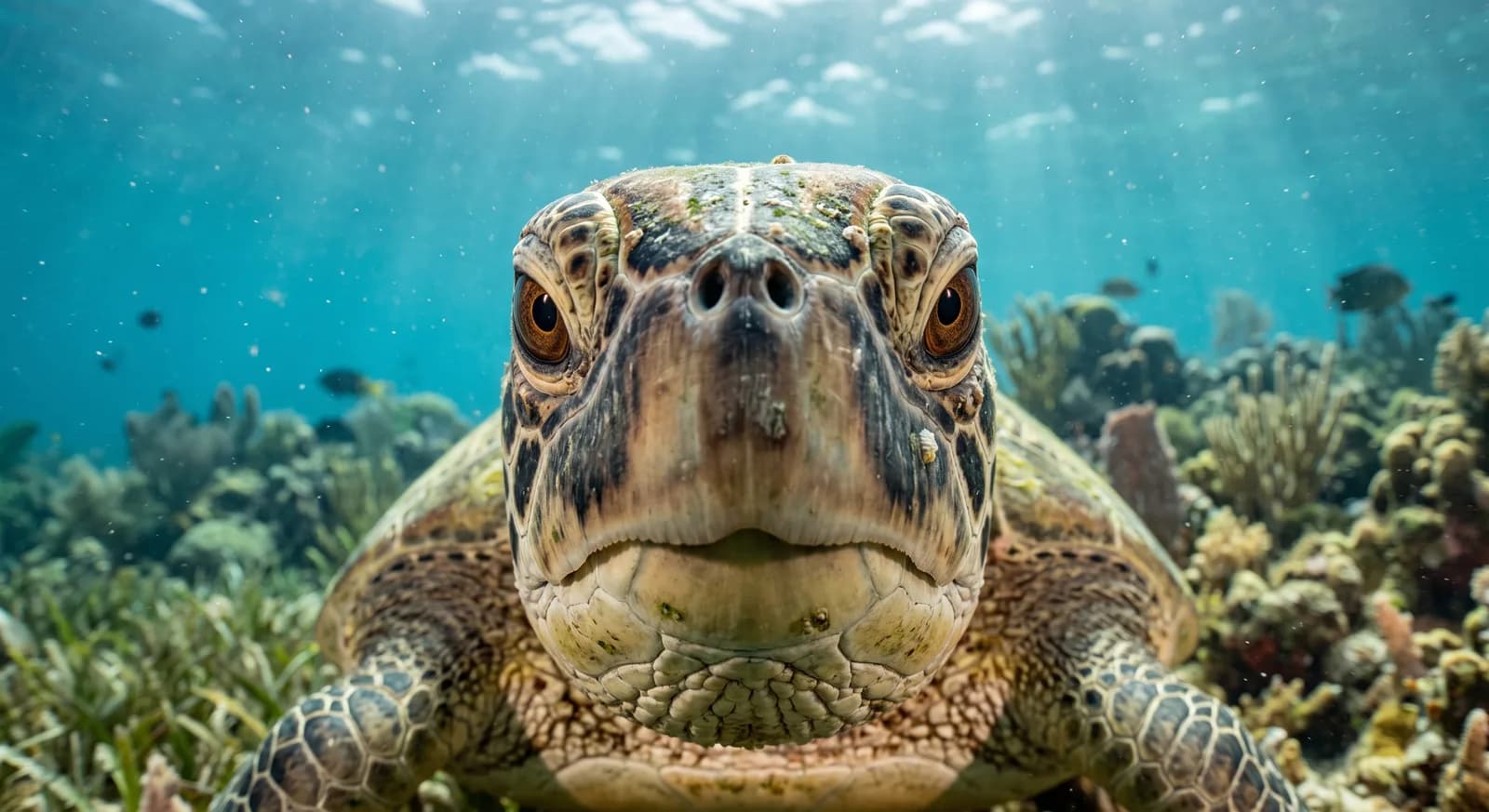
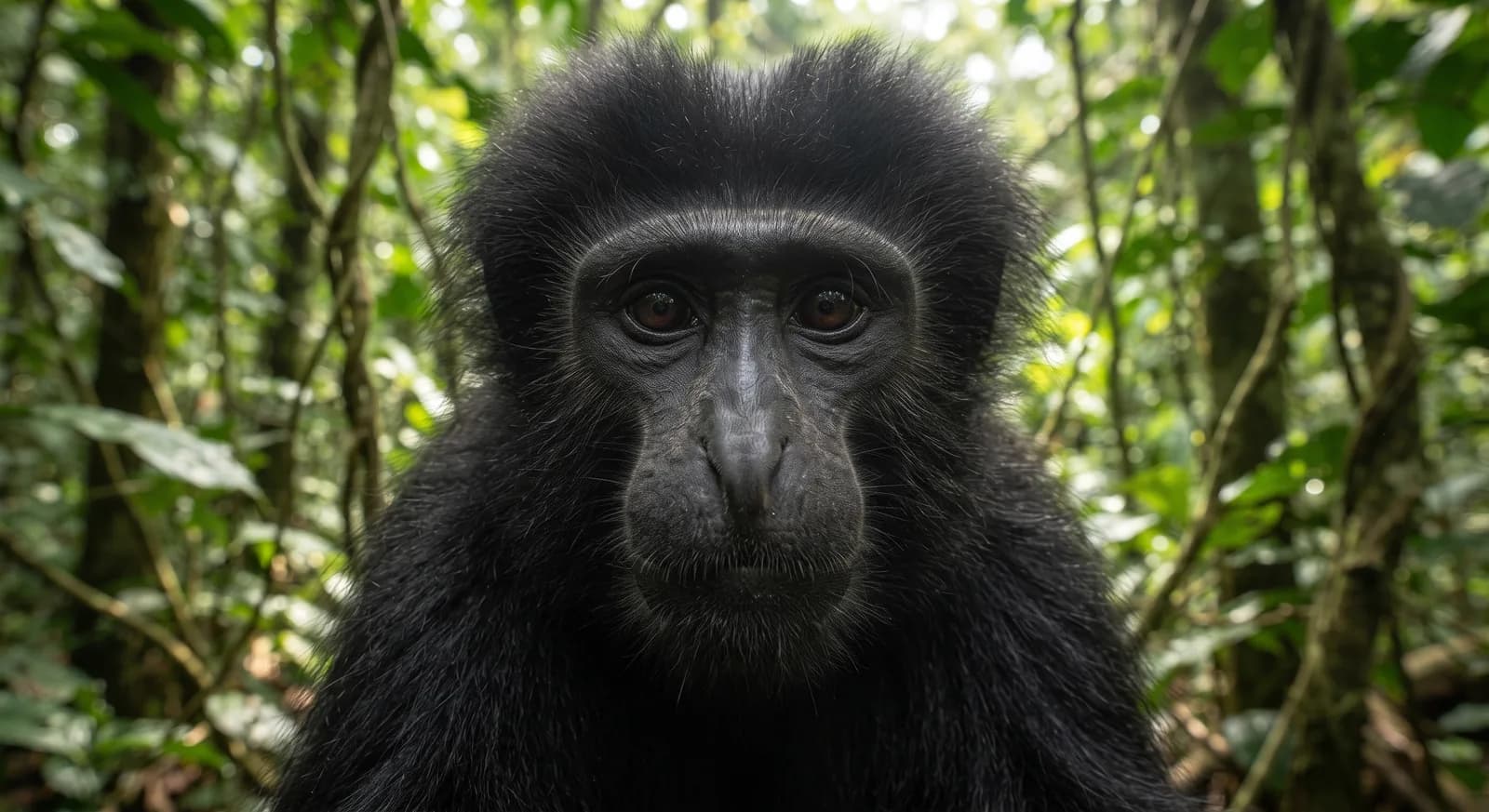
Equatorial Guinea is divided between a mainland portion covered in equatorial rainforest, Río Muni, and several volcanic islands in the Gulf of Guinea, among them Bioko and Annobón. Bioko, dominated by Pico Basilé and by the Gran Caldera de Luba, packs lowland rainforest, cloud forest and high-altitude grassland into a small space, and holds seven species of diurnal primate, some with forms exclusive to the island. Its southern beaches, of black sand and very hard to reach, are one of the most important sea turtle nesting sites in the Gulf of Guinea, with leatherback, green, hawksbill and olive ridley turtles. On the mainland, Monte Alén park keeps primary rainforest with western lowland gorillas, chimpanzees, forest elephants and a very rich amphibian community.
National animal: No official national animal
Bioko was joined to the African mainland during the glaciations, when sea level was much lower. When the water rose some ten thousand years ago, the island was left isolated with all its wildlife trapped inside, and since then its monkeys have followed evolutionary paths of their own until they became forms distinct from those of the mainland. It is a natural experiment in isolation comparable to that of the oceanic islands, but with wildlife of continental origin.
Hunting for the bushmeat trade is the greatest threat to the primates of Bioko, despite legal protection. The beaches in the south of the island are watched every season to protect the turtle nesting.
The south of Bioko between November and February for turtle nesting. The Gran Caldera de Luba in the dry season for endemic primates. Monte Alén year-round for rainforest wildlife.
Where else might I want to travel?
Same region: Central Africa
Same region: Central Africa
Same region: Central Africa
Same region: Central Africa
197 species found
Based on what we already know about Equatorial Guinea.