 Vulnerable
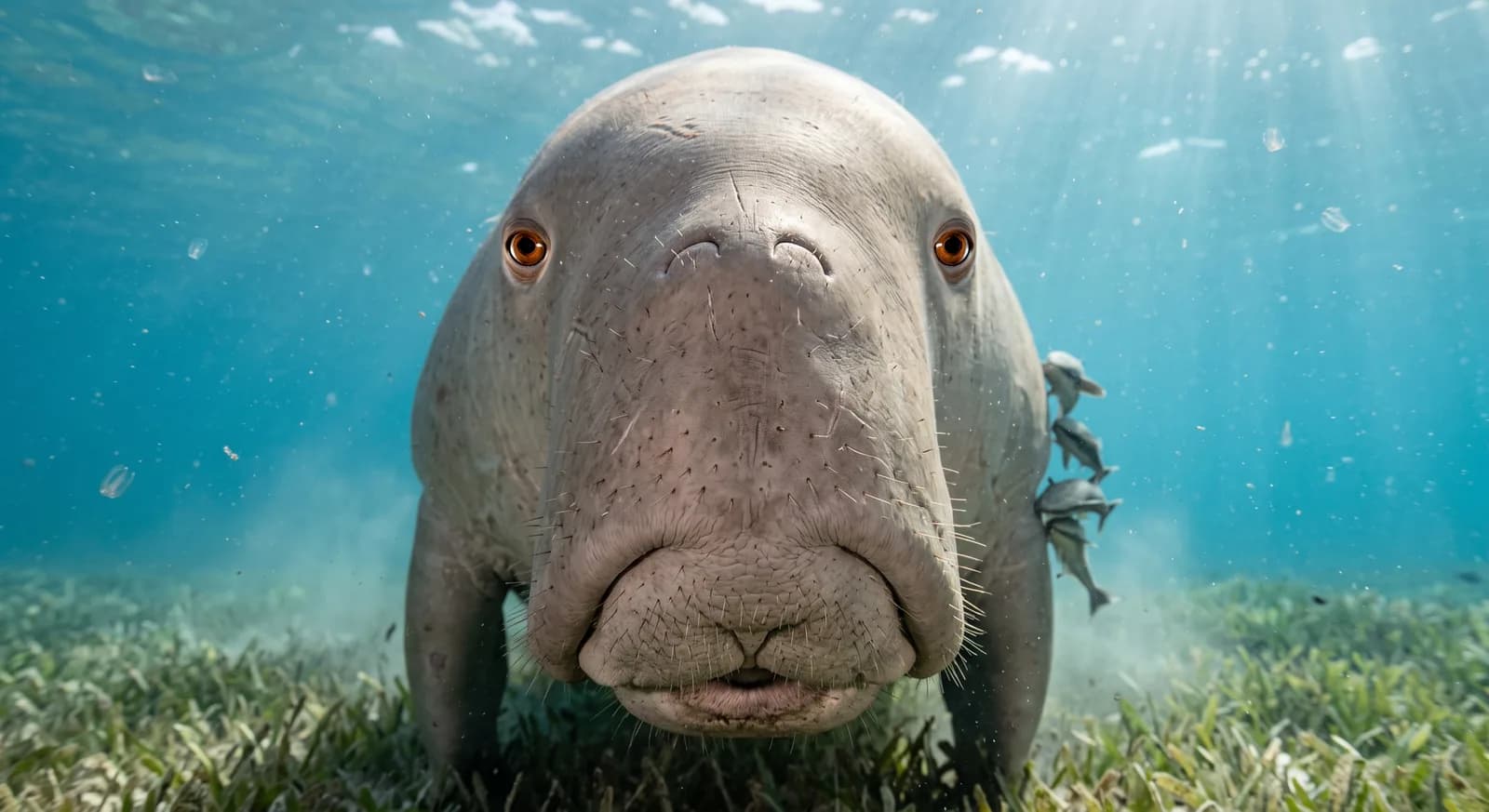
Dugong
Dugong dugon
Asia
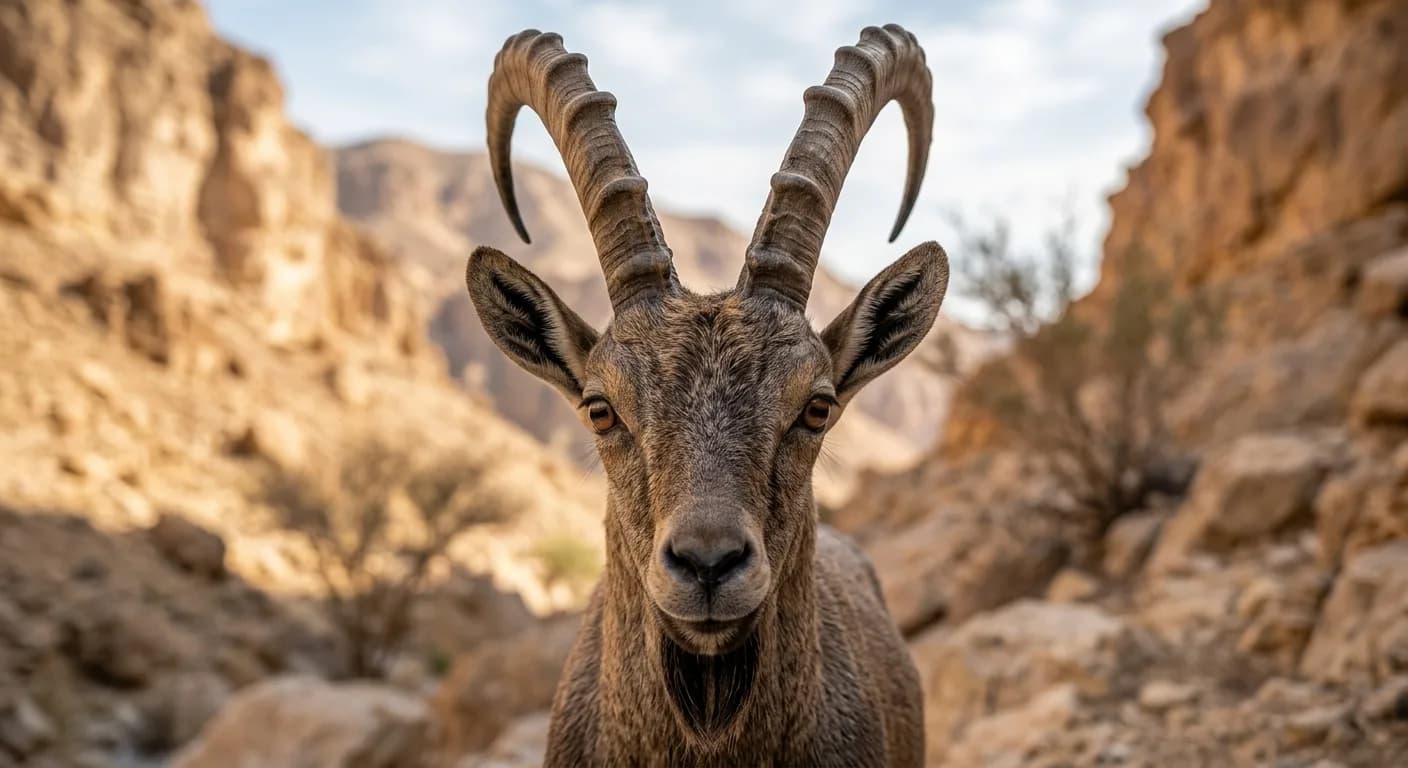
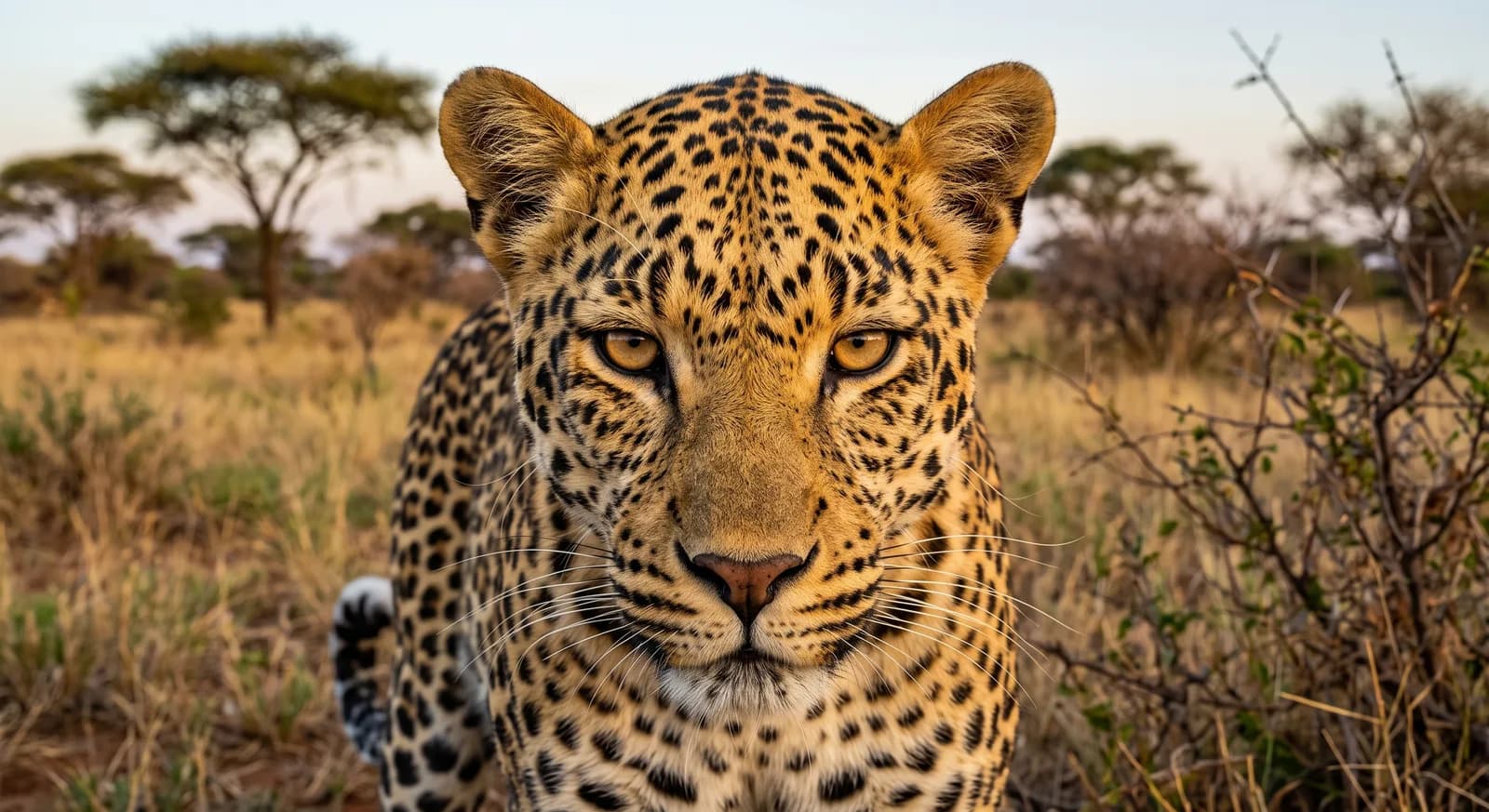
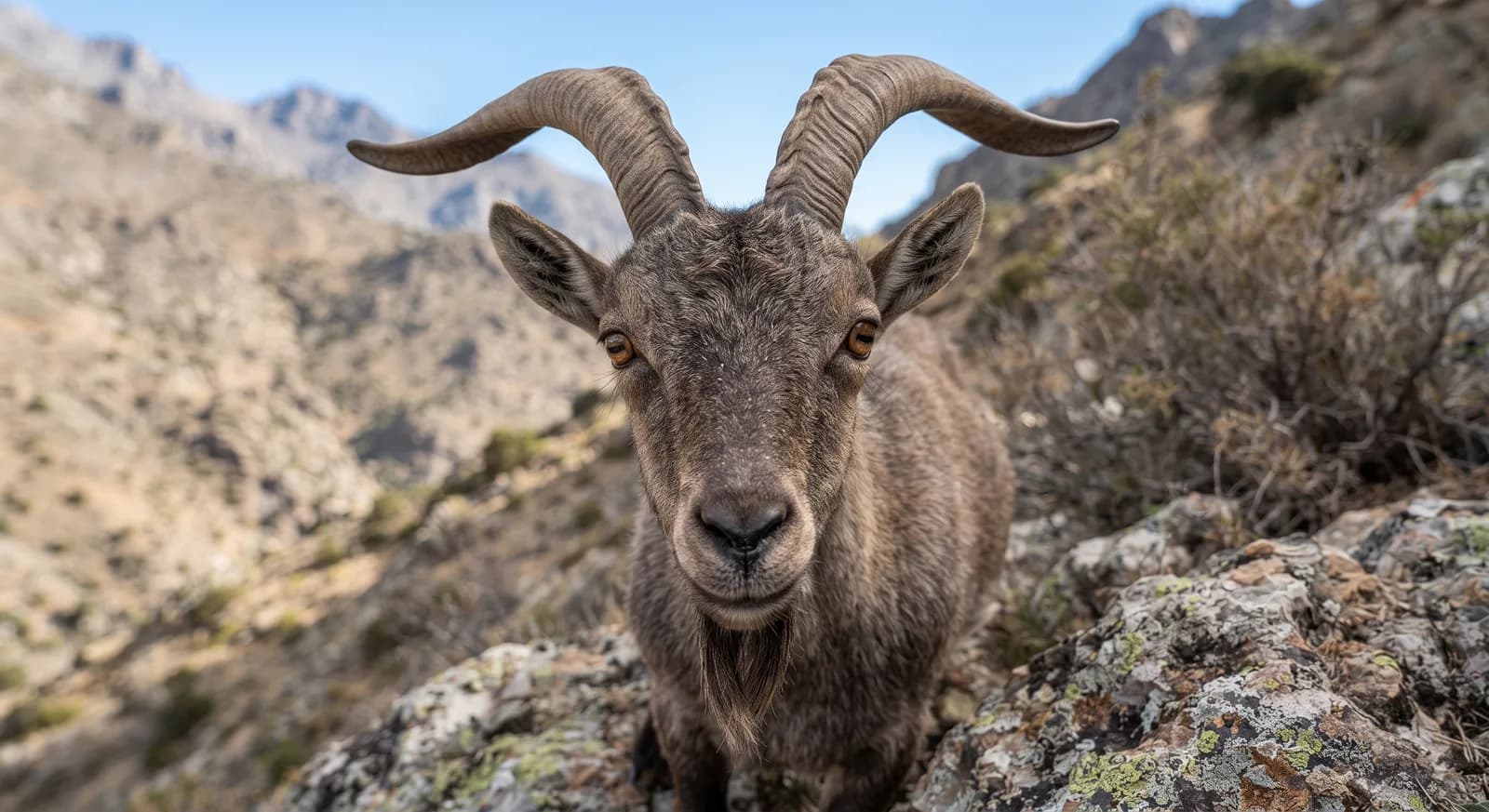
Iraq is defined by the Tigris and the Euphrates, the two rivers that created Mesopotamia and that join before flowing into the Persian Gulf, forming the largest wetland system in western Asia. The Mesopotamian marshes are mazes of reedbeds, channels and floating islands where an amphibious culture based on the water buffalo, fishing and reed houses has been practised for thousands of years. To the north, Iraqi Kurdistan rises into the Zagros mountains, with oak woodland, gorges and winter snow, a refuge for the Persian leopard, the bezoar goat and the Syrian brown bear. The rest of the country is steppe and stony desert, with seasonal wadis and salt sabkhas. The marshes and the Gulf coast work as wintering grounds for large concentrations of migratory waterbirds.
National animal: No official national animal; the Eagle of Saladin is the heraldic emblem
The Mesopotamian marshes were deliberately drained in the 1990s and were reduced to a tiny fraction of their extent, with the almost total disappearance of their wildlife. After 2003 the dykes were broken and the water came back in: the reedbeds regrew, the water buffalo returned with their herders and birds such as the Basra reed warbler, which breeds nowhere else in the world, occupied the wetland once again.
The marshes were declared a World Heritage Site in 2016 as a natural and cultural landscape. Their future depends on the flow that reaches them from the dams built upstream in Turkey, Syria and Iran, and on increasing salinisation.
The Hawizeh marshes and the Ahwar in winter for waterbirds and in spring for the Basra reed warbler. The Kurdish Zagros in spring for mountain birds and flora.
126 species found
Based on what we already know about Iraq.