 Endangered
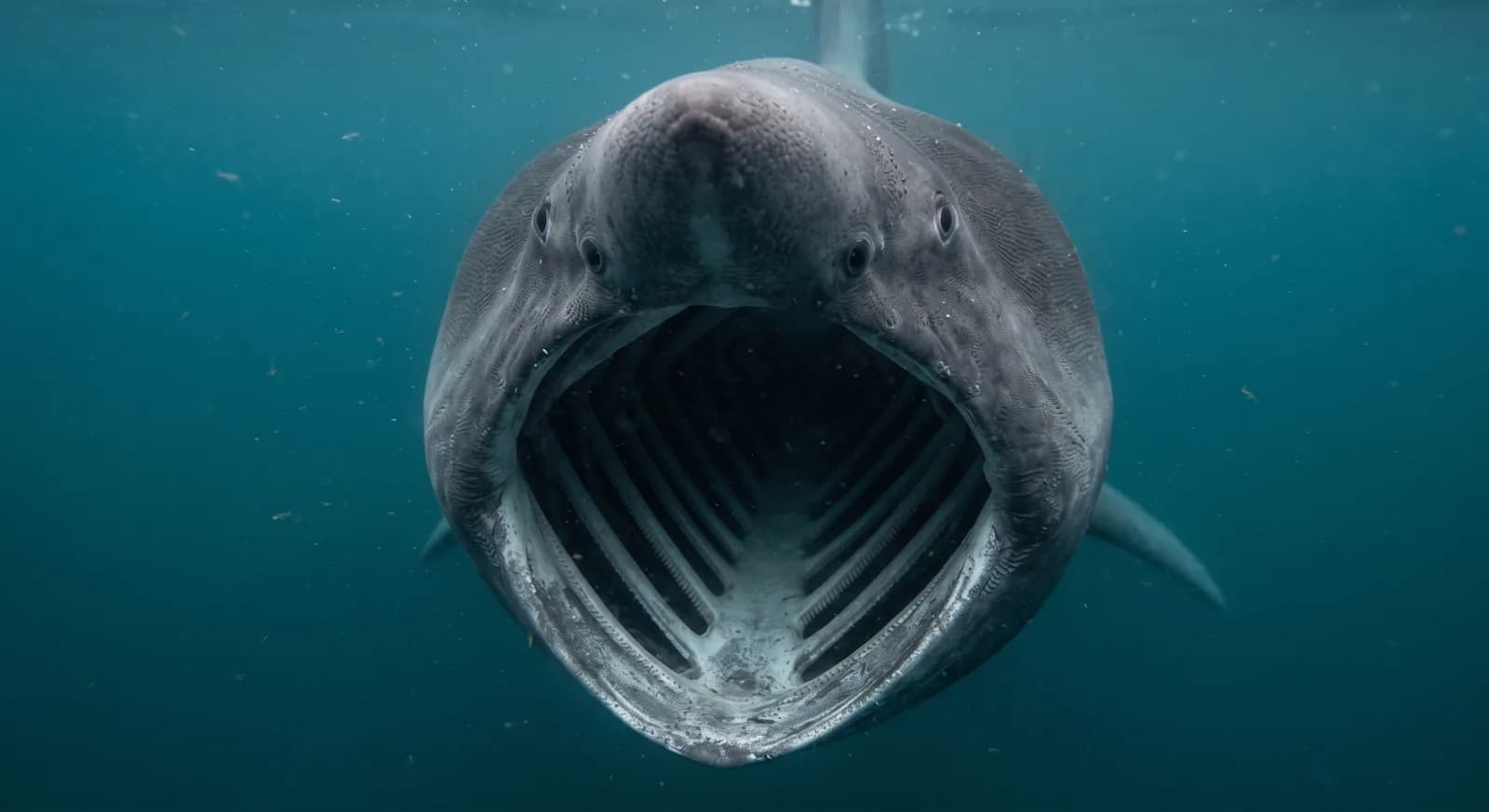
Basking Shark
Cetorhinus maximus
Africa
Mauritania is an almost entirely Saharan country, with dune ergs, sandstone plateaux such as the Adrar and the Tagant, and a southern belt of Sahelian savannah beside the Senegal River. Its great natural value lies on the coast: the cold Canary Current drives an upwelling of nutrients that makes its waters one of the most productive fishing grounds on the planet. The Banc d'Arguin, a vast system of shallows, seagrass meadows and sandy islands, is one of the most important wintering quarters for waders in the world, with more than two million birds arriving from the European and Siberian Arctic. There too fish the Imraguen, a people who have developed a cooperative fishing technique in which dolphins drive the shoals of mullet towards nets set from the shore.
National animal: No official national animal; the dromedary is the symbolic animal of the country's culture
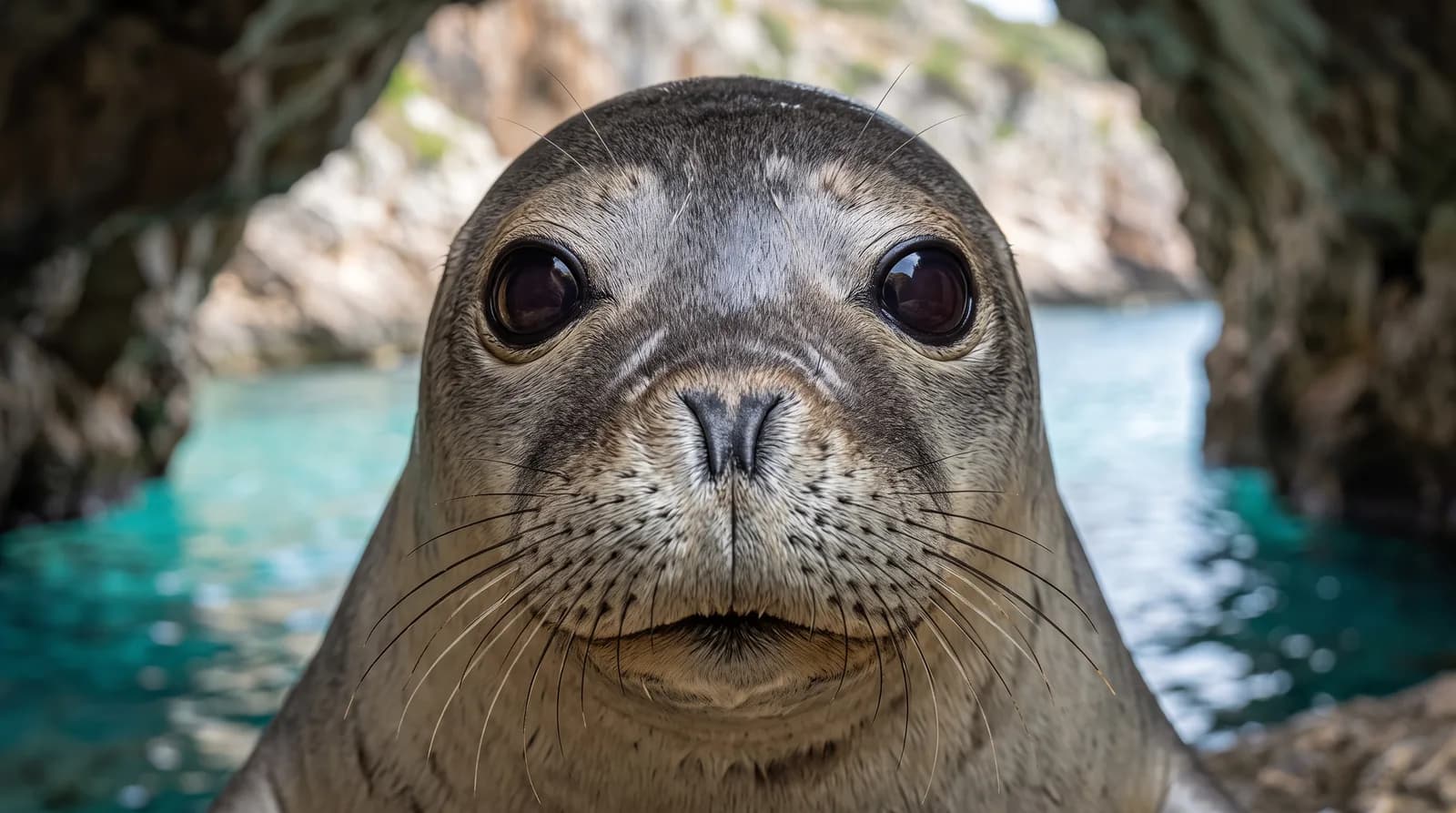
Cap Blanc, at the northern end of the Mauritanian coast, holds the largest Mediterranean monk seal colony left in the world, sheltering in sea caves at the foot of a cliff. In 1997 a mass mortality killed around two thirds of the colony in a matter of weeks and came close to ending it; since then, protected and watched over, it has grown again to several hundred animals.
The Banc d'Arguin combines the protection of an exceptional marine ecosystem with traditional artisanal fishing. In the permanent pools of the interior, relict populations of Nile crocodile survive, isolated since the Sahara dried out.
The Banc d'Arguin between November and March for wintering waders. Cap Blanc year-round for monk seals from the authorised viewpoints. The gueltas of the Tagant in the dry season for relict crocodiles.
304 species found
Based on what we already know about Mauritania.