One of the 3 centipedes on WAnimals
Centipedes · Scolopendromorpha · Scolopendridae
Amazonian Giant Centipede
Scolopendra gigantea
It has not yet been assessed against the IUCN criteria. See full glossary
It is the largest land arthropod known, and at least one confirmed human death has been attributed to its venom.
Size
up to 30 cm
Lifespan
8 years
Diet
Carnivore
Feeds mainly on other animals.
Activity
Nocturnal
Active mainly at night.
Social structure
Solitary
Lives and hunts alone, joining others only to breed.
Sighting difficulty
Unknown
Fun facts
- It can reach 28 to 30 cm long, making it the largest centipede in the world.
- It eats large arthropods, spiders, amphibians, lizards and occasionally small mammals such as bats.
- The mother actively tends her young for about three months after they hatch, coiling her body around them.
- It is the largest centipede in the world: it exceeds 30 cm, with 21 or 23 segments.
- It hunts bats on the wing, and does so in an extraordinary way. A 2005 study in the Cueva del Guano, in Venezuela, documented specimens hanging from the ceiling two metres above the floor, holding on with only their last five pairs of legs while gripping and devouring adult bats with the front eight pairs.
- In one of those cases, by the time the researchers collected the two animals, the centipede had already consumed 35% of the bat's body mass.
- It eats almost anything it can overpower: large insects, spiders, tarantulas, scorpions, lizards, frogs, snakes of up to 25 cm, mice, birds the size of a sparrow, and bats.
- Its venom is injected through the forcipules, the first pair of legs transformed into venomous claws set beneath the head.
- There is one confirmed human death: in 2014, a four-year-old boy died in Venezuela after the bite of a specimen hidden inside an open drink can.
- Its popular names are geographically wrong: it does not live in Brazil, or Peru, or Chile, despite being called the Amazonian — or Peruvian — giant centipede.
Life cycle & biology
- Skeleton type
- Invertebrate - chitin exoskeleton
- Habitat & environment
- Moist tropical and subtropical rainforest, and tropical dry forest, of South America and the Caribbean
- Birth weight
- Tiny on hatching, a miniature of the adult with fewer body segments
- Size at birth
- Tiny on hatching from the egg
- Sexual maturity
- ~2 years
- Gestation / incubation
- No precise figure for egg development; the female tends the eggs until they hatch
- Litter / clutch size
- 15 to 60 eggs per clutch
- Lifespan in captivity
- Documented record of up to 10 years in captivity
Sources consulted: Dimensions.com; PestInsight; Planet Zoo Fandom Wiki; Animal Diversity Web; Animalia.bio; ReptiChip; Advance Pest X; The Animal Facts
Where to find it
See its range on the interactive mapWhere to watch it
Parques y spots de buceo donde se ha documentado esta especie — se muestran 10 de 32 documentados.
Related species
Other species in the catalogue with the most in common with Amazonian Giant Centipede — same habitat, park, country, tags or family.
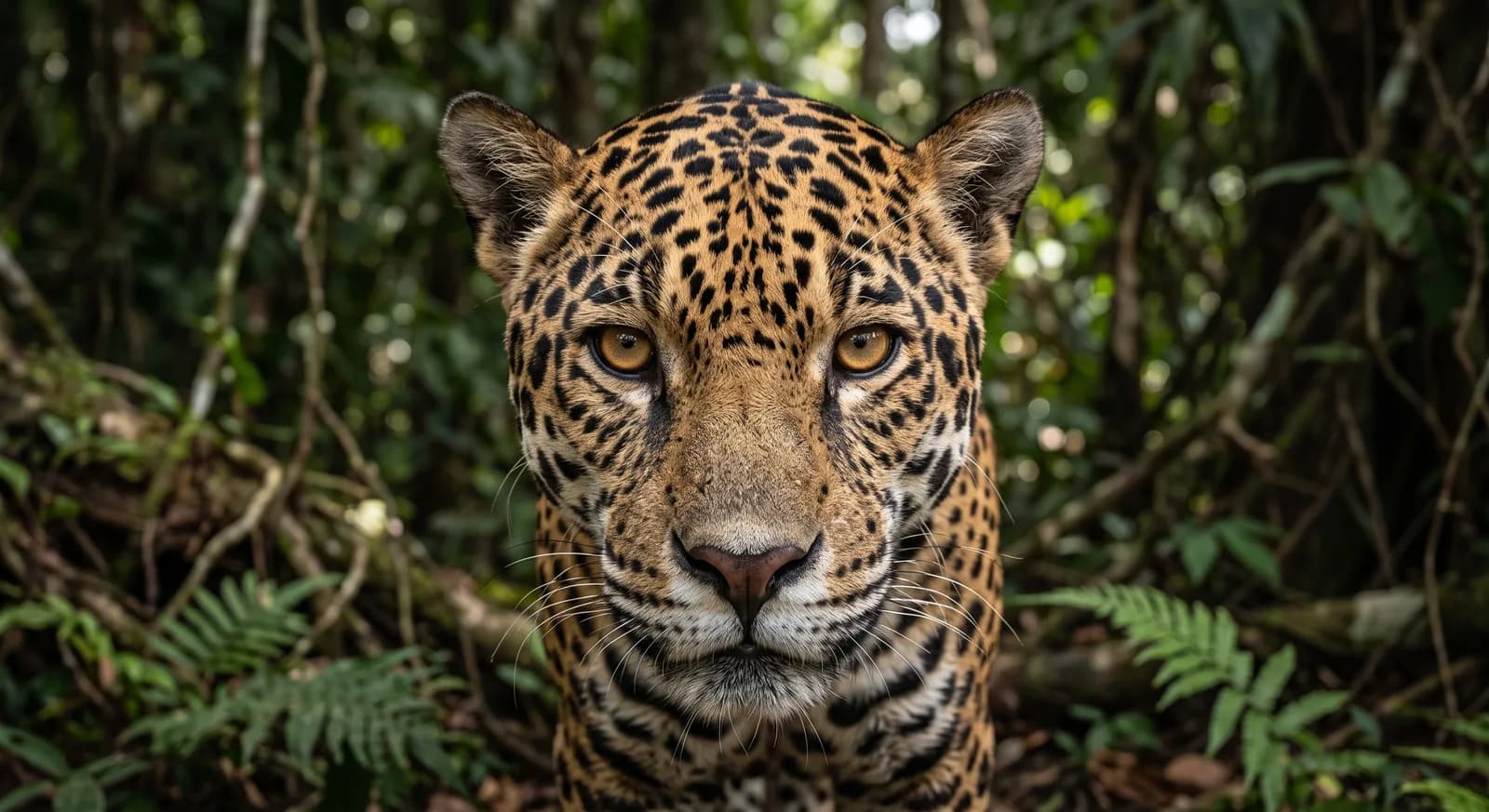 Near Threatened
Jaguar
Panthera onca
Water Opossum
Chironectes minimus
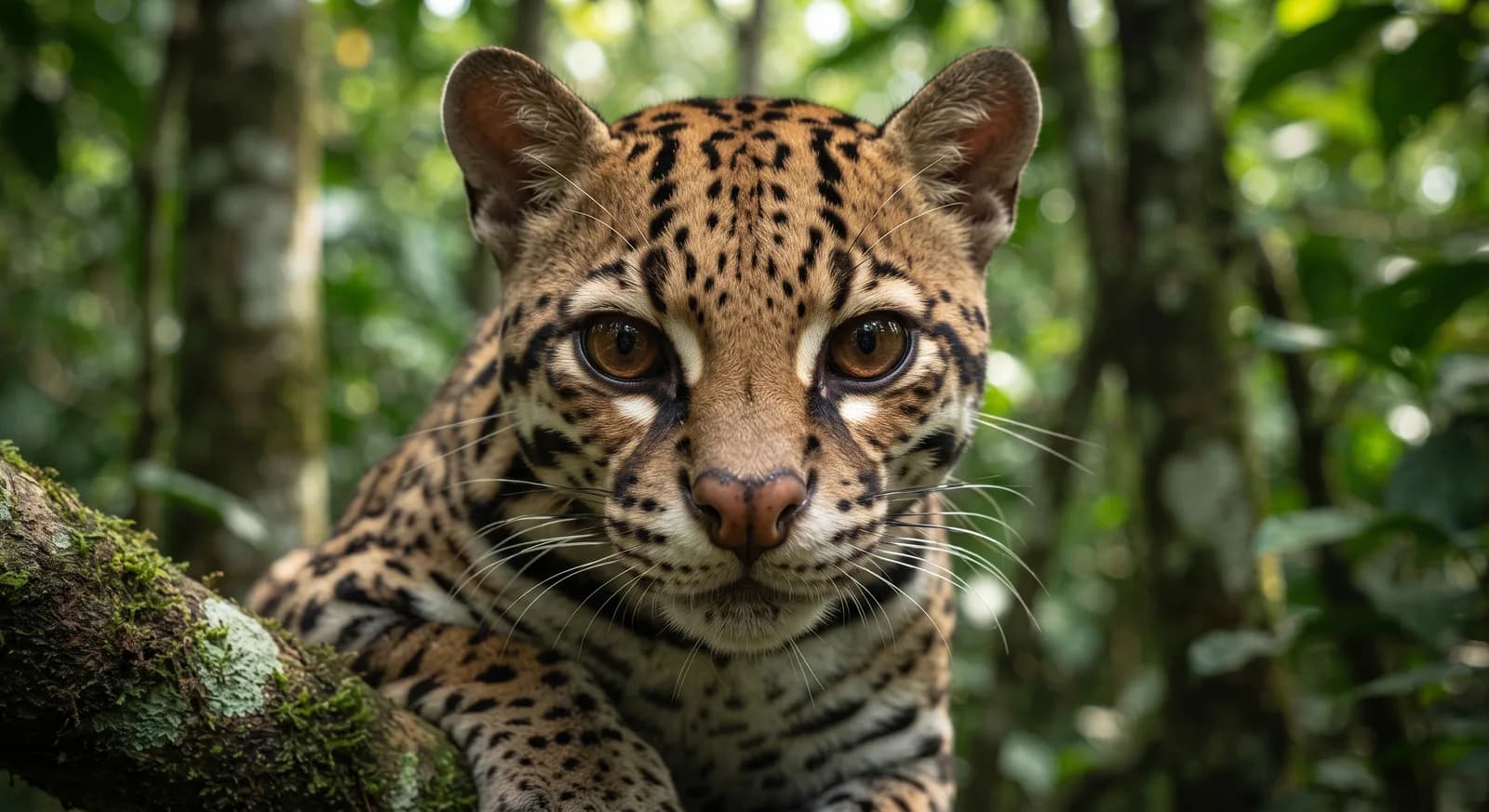 Least Concern
Ocelot
Leopardus pardalis
Dwarf Caiman
Paleosuchus palpebrosus
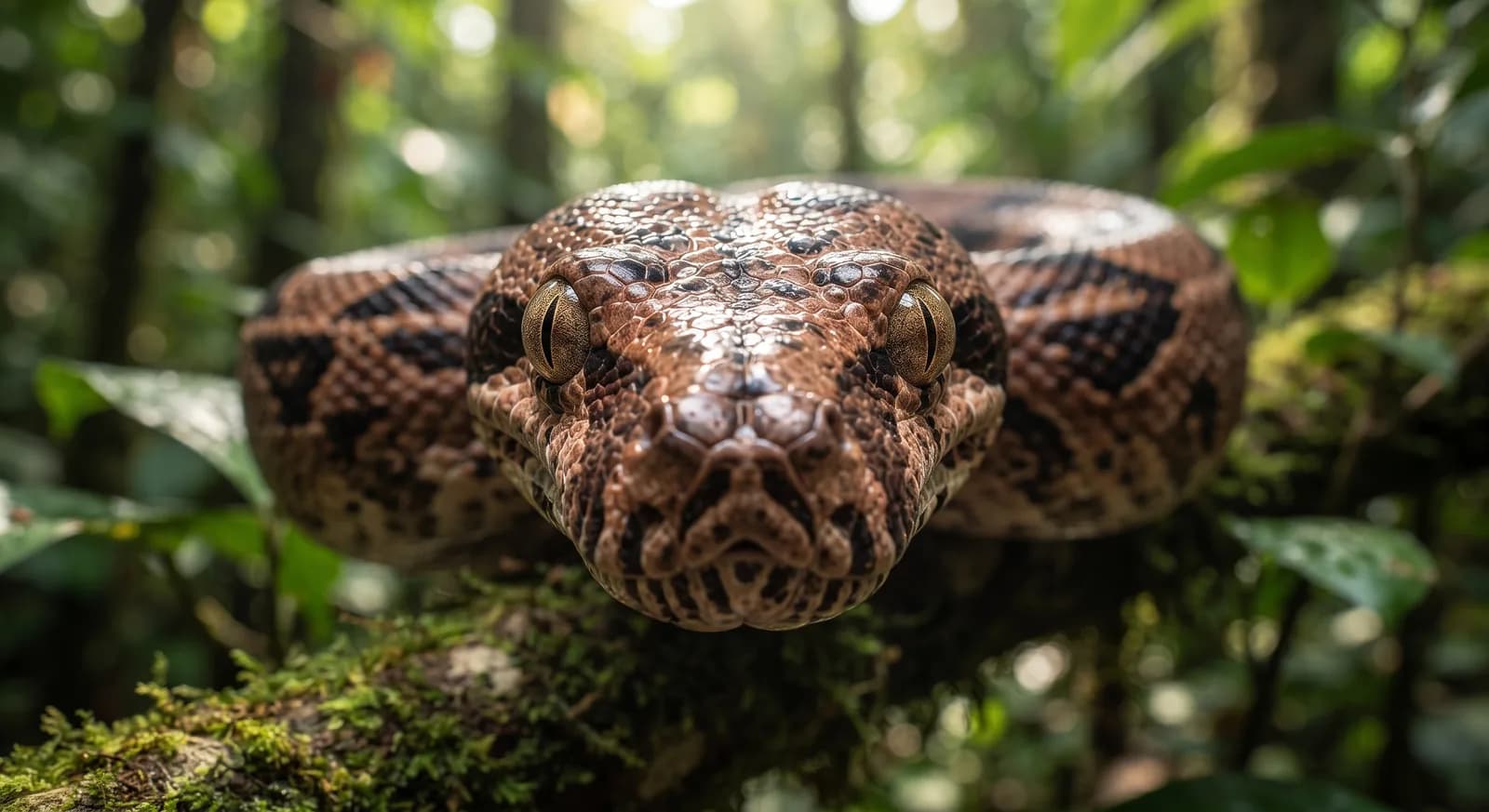 Not Evaluated
Red-tailed Boa
Boa constrictor
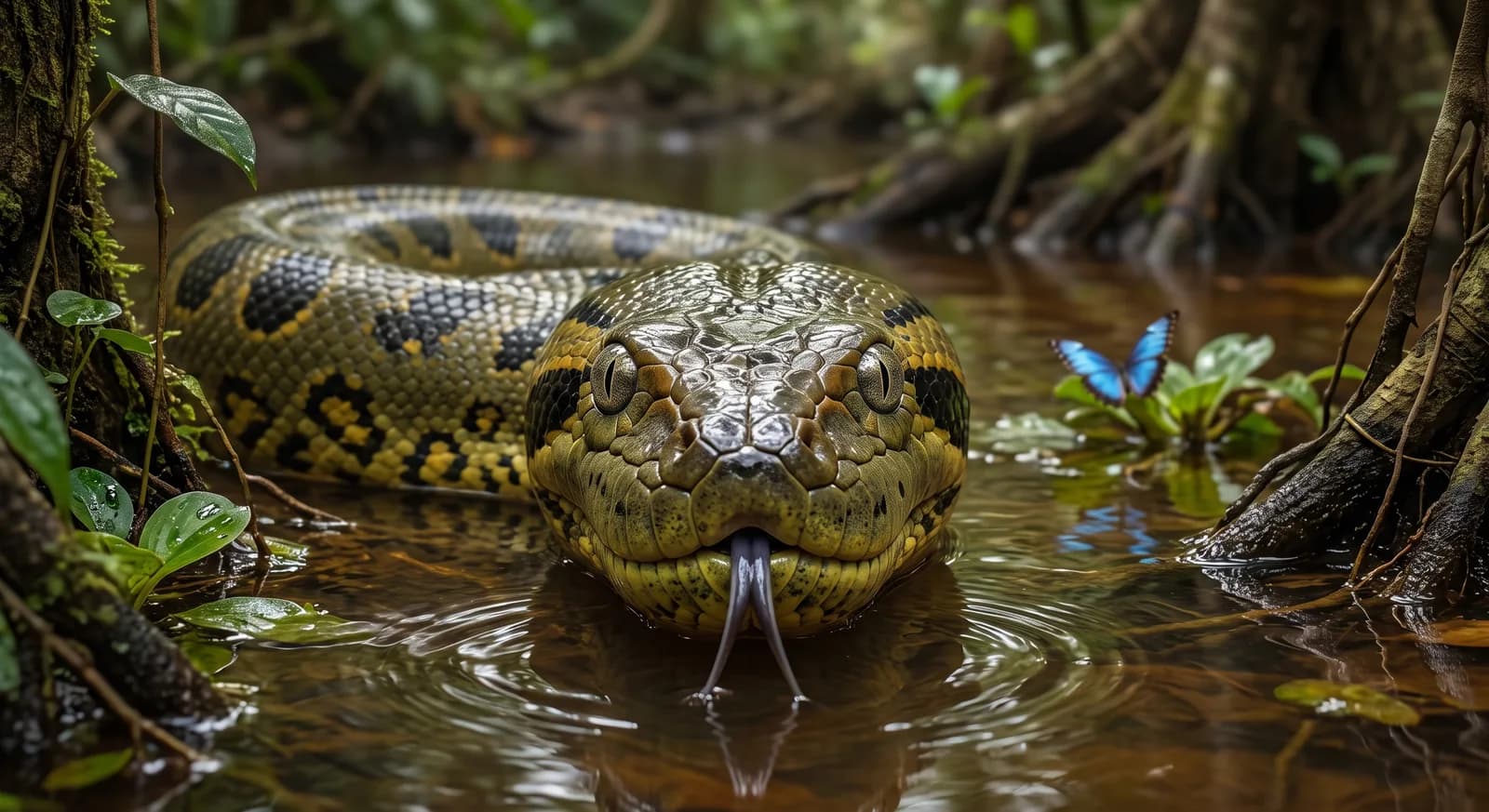 Least Concern
Green Anaconda
Eunectes murinus
Keep exploring
Based on what we already know about amazonian giant centipede.
Comments
Share an experience, a fun fact or a tip for seeing the amazonian giant centipede.
Be the first to comment.