One of the 3 centipedes on WAnimals
Centipedes · Scolopendromorpha · Scolopendridae
Megarian Banded Centipede
Scolopendra cingulata
It has not yet been assessed against the IUCN criteria. See full glossary
The Mediterranean banded centipede is the largest centipede in Europe, yellowish-brown with dark bands and twenty-one pairs of legs. By day it hides under stones, and at night it hunts insects, spiders and small vertebrates, which it immobilises with its venomous forcipules.
Size
10 cm – 17 cm
Diet
Carnivore
Feeds mainly on other animals.
Activity
Nocturnal
Active mainly at night.
Social structure
Solitary
Lives and hunts alone, joining others only to breed.
Sighting difficulty
Unknown
Fun facts
- defensaIt is one of the largest centipedes in Europe, and its bite, though painful, is rarely a serious risk to a healthy adult.
- Its forcipules are not jaws: they are the first pair of legs turned into venomous fangs, a feature unique to centipedes.
- The female coils around the eggs and guards and cleans them for weeks without feeding, remarkable parental care for a soil arthropod.
- It is the largest centipede in Europe and the most common in the Mediterranean, including the Iberian Peninsula.
- Its bite is very painful — comparable to several wasp stings at once — and causes swelling and redness for hours, but it is not dangerous except in the case of an allergic reaction.
- It has 21 pairs of legs, and the last pair is elongated, trailing backwards, and works as false antennae, confusing predators as to which end is the head.
- It hunts with its forcipules — venomous claws that are its modified first pair of legs, not jaws.
- The female coils her body around the clutch and guards and cleans it for weeks, without eating, to keep fungi from destroying it.
- It is a useful predator in vegetable plots and gardens: it eats insects, spiders and slugs.
Life cycle & biology
- Skeleton type
- Invertebrate - chitin exoskeleton (myriapod)
- Habitat & environment
- Under stones and logs in Mediterranean scrub and woodland
Sources consulted: Fauna Ibérica; Bonato et al., revisiones de Chilopoda; Asociación Española de Entomología
Where to find it
See its range on the interactive mapWhere to watch it
Parques y spots de buceo donde se ha documentado esta especie — se muestran 10 de 81 documentados.
Related species
Other species in the catalogue with the most in common with Megarian Banded Centipede — same habitat, park, country, tags or family.
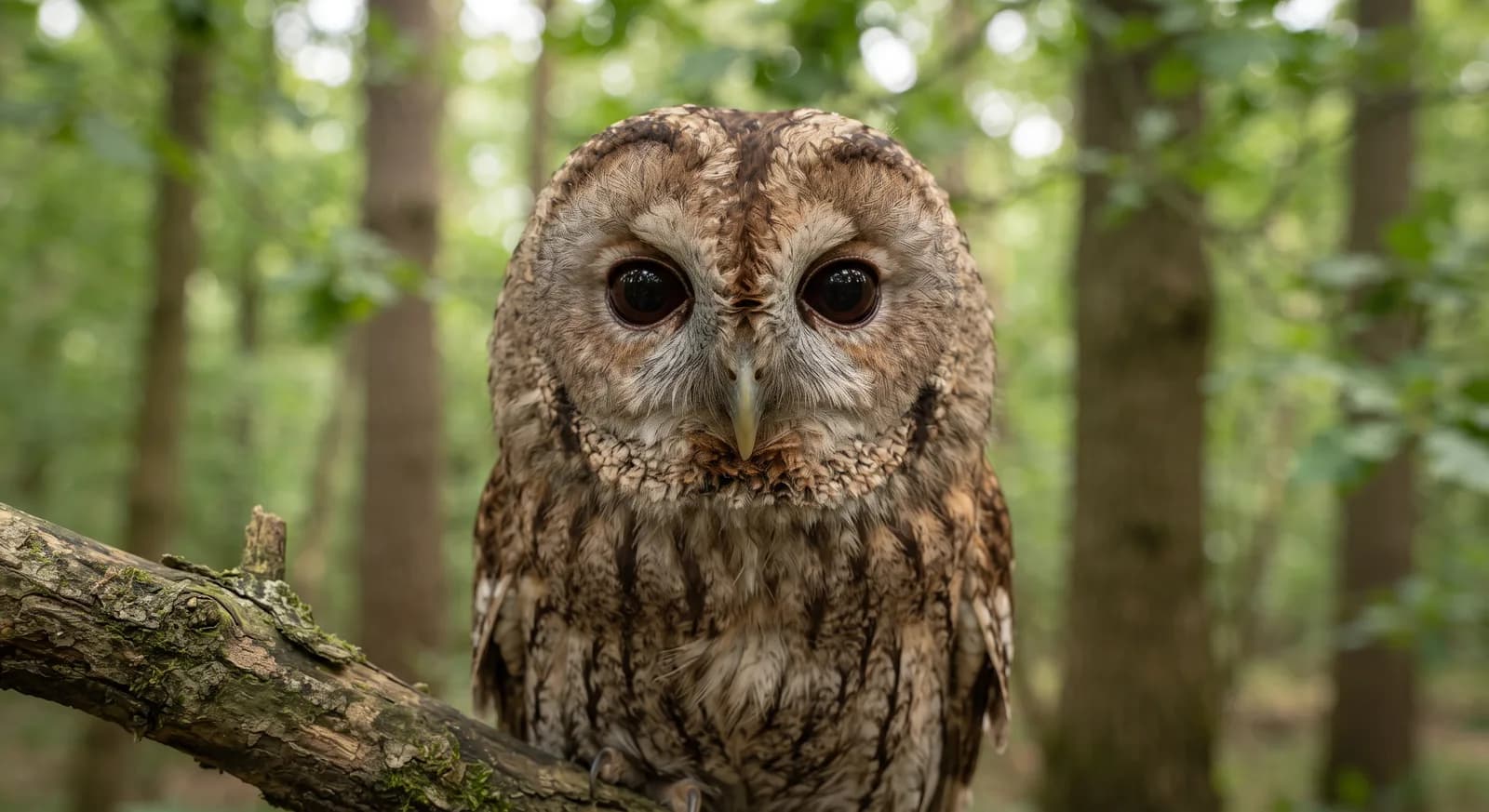 Least Concern
Tawny Owl
Strix aluco
Long-eared Owl
Asio otus
Common Toad
Bufo bufo
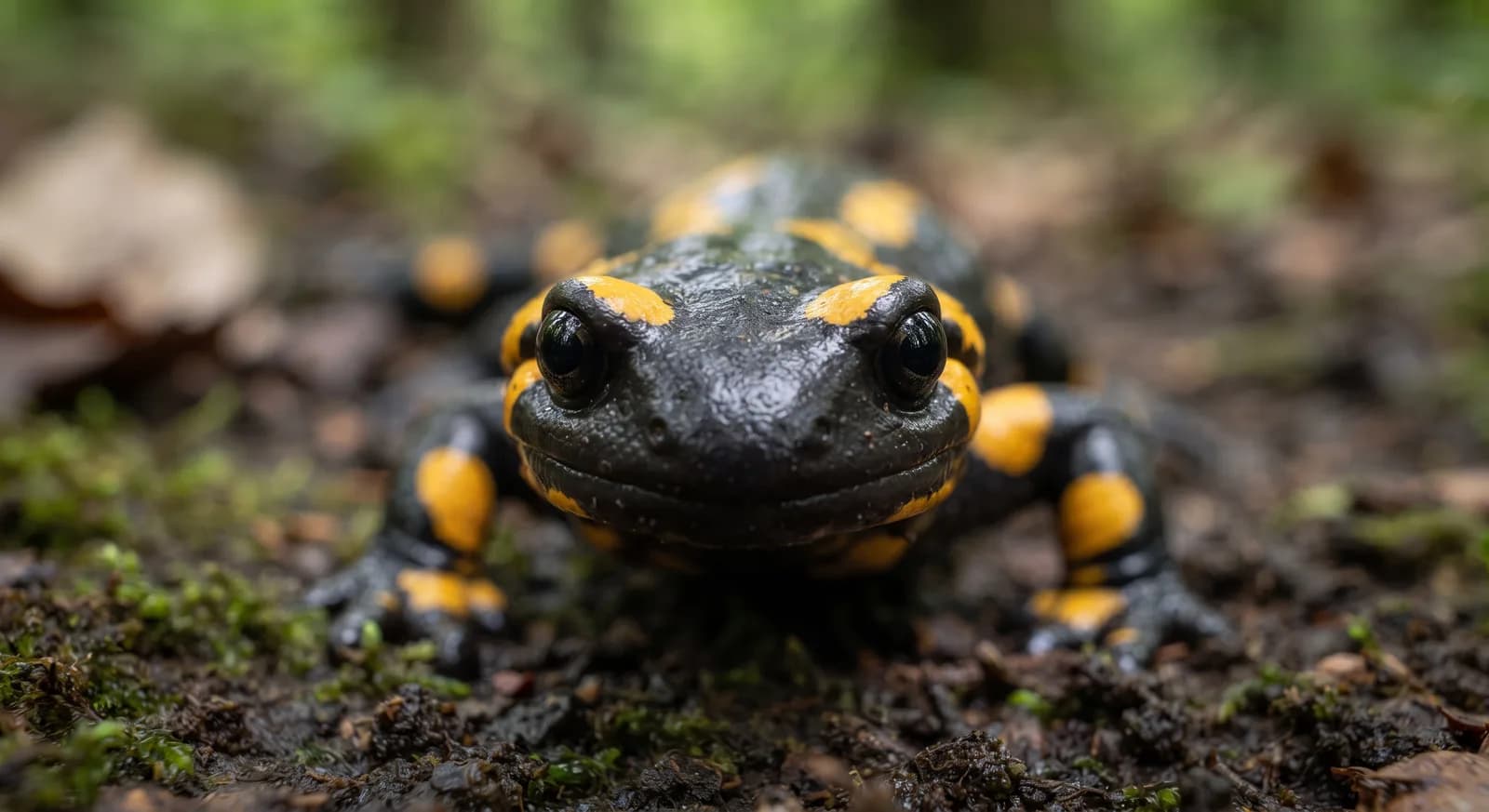 Least Concern
Fire Salamander
Salamandra salamandra
Common Millipede
Julus terrestris
Polecat
Mustela putorius
Keep exploring
Based on what we already know about megarian banded centipede.
Comments
Share an experience, a fun fact or a tip for seeing the megarian banded centipede.
Be the first to comment.