Bony fish · Scorpaeniformes · Cottidae
Bull Rout
Myoxocephalus scorpius
The species is abundant and widely distributed; it faces no significant short-term risk. See full glossary
The shorthorn sculpin is a fish with an enormous spiny head, a scaleless body and an outsized mouth, which lies motionless on the bottom, blending in with the stones and the weed. It engulfs crabs, shrimps and fish of a surprising size for its own in a single gulp.
Size
20 cm – 60 cm
Lifespan
18 years
Diet
Carnivore
Feeds mainly on other animals.
Social structure
Solitary
Lives and hunts alone, joining others only to breed.
Sighting difficulty
Easy
Fun facts
- It produces antifreeze proteins that let it live in Arctic waters below the freezing point of fresh water.
- The male guards the eggs for weeks, fanning them with his fins and defending them from predators.
- When lifted out of the water it swells its body and flares the spines on its gill covers, a defensive mechanism that gives fishermen painful jabs.
- It manufactures antifreeze proteins that allow it to live in water at freezing temperature or below, the same solution the Antarctic fishes arrived at on their own.
- Its antifreeze is intracellular, which is unusual: it protects the inside of the cells, not just the body fluids, and it has been patented for preserving chilled foods and inhibiting ice recrystallisation.
- The male guards the clutch: the eggs are laid in a mass among the rocks and he watches over it for about five weeks until they hatch.
- It is used as a sentinel species for pollution in Greenland. At old lead and zinc mines, its mucus secretion has been measured increasing the closer the fish is to the mine.
- Its head is enormous and covered in spines, hence its many English common names, almost all of them unflattering.
Life cycle & biology
- Skeleton type
- Vertebrate - internal bony skeleton (fish)
- Habitat & environment
- Rocky and weedy bottoms of the North Atlantic and the Arctic, from 0 to 450 m
- Sexual maturity
- Size at first maturity 17.8 cm (range 15-30)
Sources consulted: FishBase (Froese & Pauly, eds.); Lista Roja de la UICN; Dang et al. (2019), Science of the Total Environment; patente US 6429293
Where to find it
See its range on the interactive mapBest time: From December to March, the spawning season
Related species
Other species in the catalogue with the most in common with Bull Rout — same habitat, park, country, tags or family.
Bullhead
Cottus gobio
Horn Shark
Heterodontus francisci
 Least Concern
Green Moray
Gymnothorax funebris
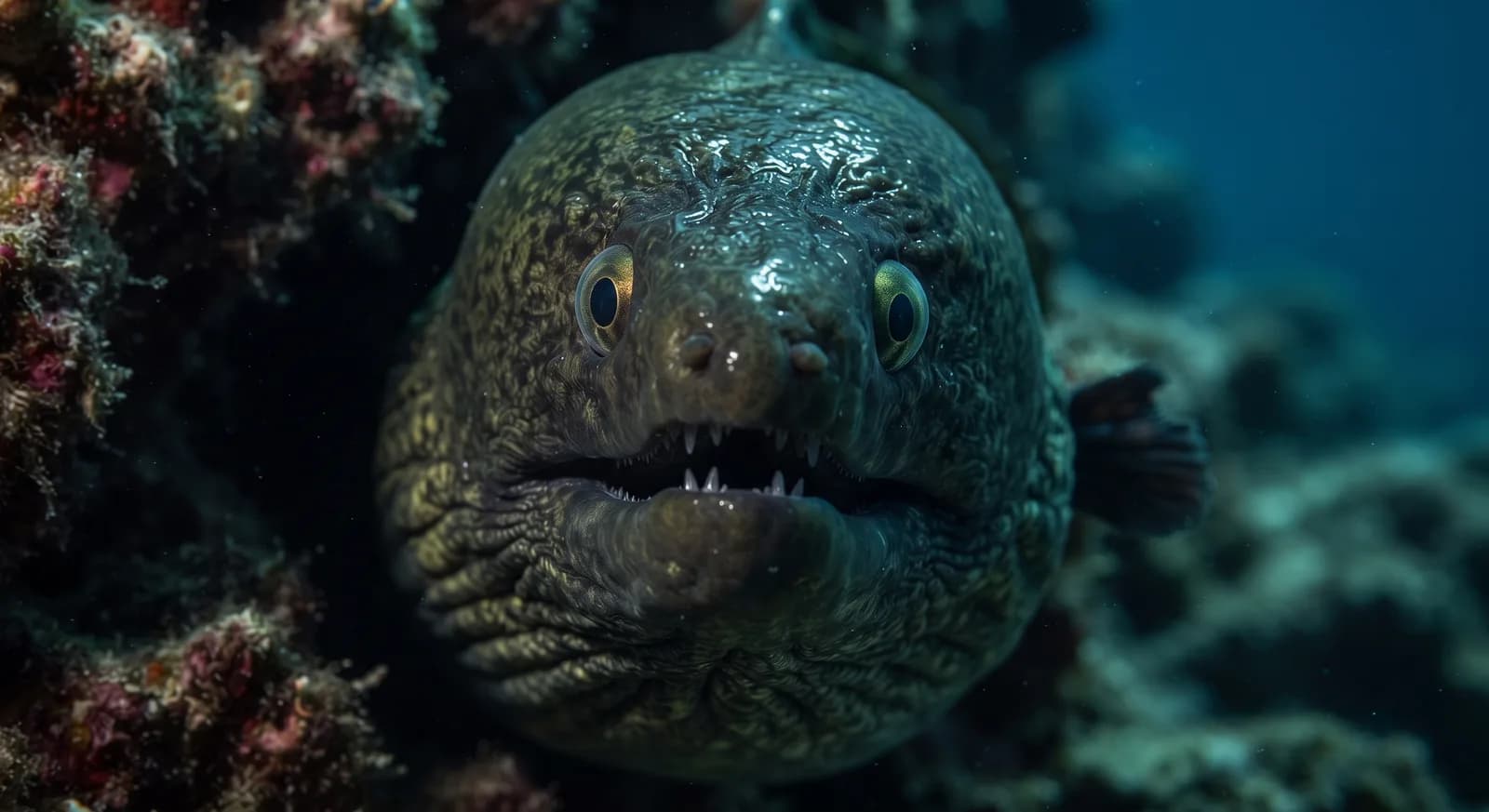
Moray Eel
Muraena helena
 Least Concern
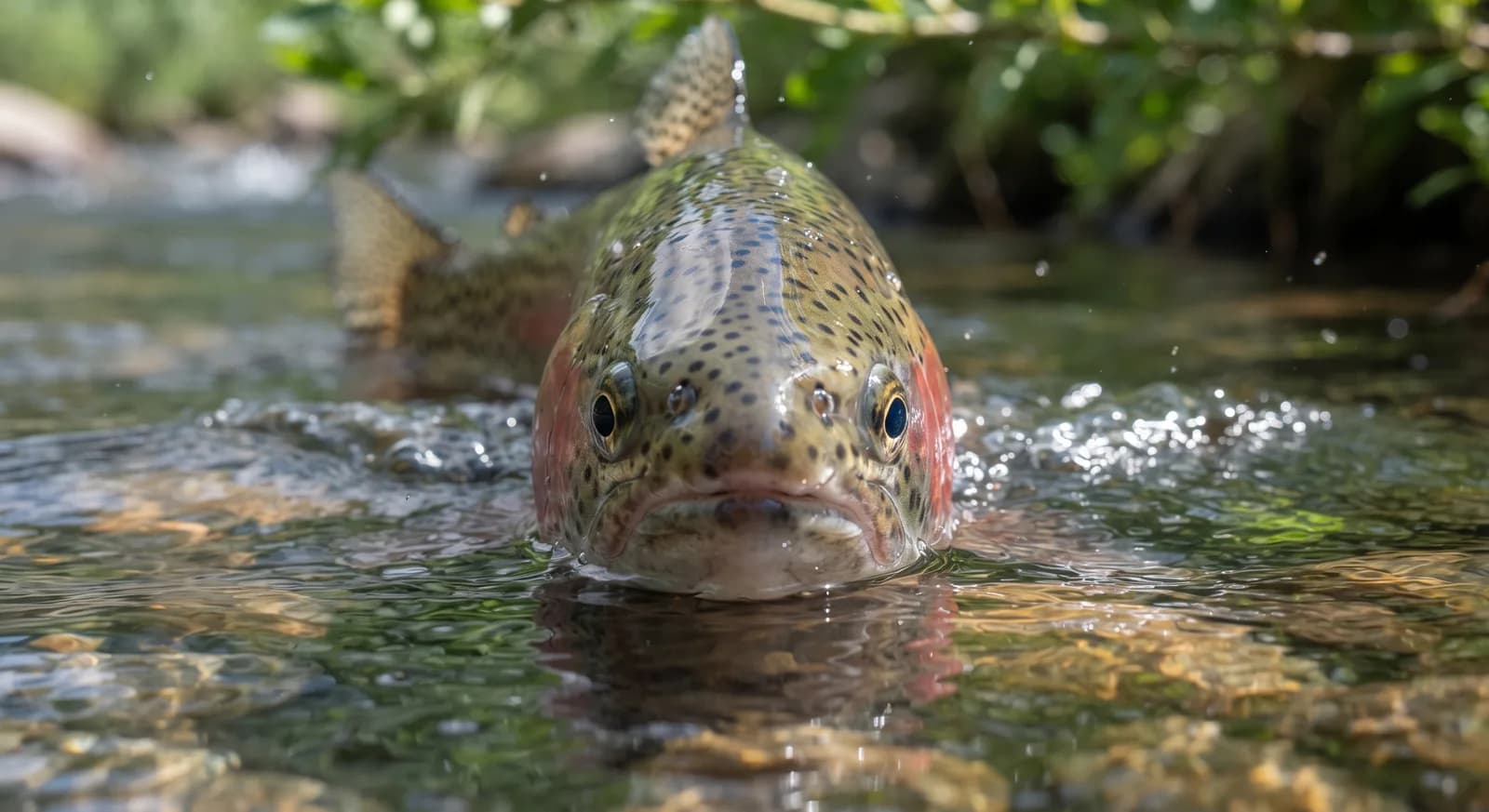
Rainbow Trout
Oncorhynchus mykiss
European Hake
Merluccius merluccius
Keep exploring
Based on what we already know about bull rout.
Comments
Share an experience, a fun fact or a tip for seeing the bull rout.
Be the first to comment.