One of the 6 tarantulas on WAnimals
Arachnids · Araneae · Theraphosidae
Goliath Birdeater Tarantula
Theraphosa blondi
It has not yet been assessed against the IUCN criteria. See full glossary
It is the heaviest tarantula in the world and the second largest spider by leg span, native to the rainforests of northern South America.
Weight
up to 175 g
Size
up to 30 cm
Lifespan
15 years
Diet
Carnivore
Feeds mainly on other animals.
Activity
Nocturnal
Active mainly at night.
Social structure
Solitary
Lives and hunts alone, joining others only to breed.
Sighting difficulty
Unknown
Fun facts
- It is the heaviest tarantula in the world, at up to 175 grams.
- Unlike most spiders, the female rarely eats the male after mating.
- When threatened it rubs its abdomen with its hind legs to loose highly irritating urticating hairs.
- defensaIt is one of the heaviest spiders in the world and, for all its intimidating size, its venom poses little danger to people; its main defence is the urticating hairs it flicks from its abdomen.
- It is the heaviest spider in the world: up to about 175 grams, with a leg span of almost 30 cm.
- Its English name, Goliath birdeater, comes from an 18th-century illustration by Maria Sibylla Merian showing a spider devouring a hummingbird. That happens only very rarely: its usual diet is invertebrates, earthworms, frogs and small rodents.
- It stridulates: when threatened it rubs the bristles on its legs together and produces a hiss audible several metres away.
- And it launches urticating hairs. With its hind legs it flicks a cloud of microscopic barbed bristles off its abdomen that lodge in skin and mucous membranes; in the eyes they can cause lasting damage, and this is its main defence.
- Its venom is weak for people and the bite is compared to a wasp sting, although the fangs, almost 2 cm long, cause a considerable mechanical wound.
- Females live up to 25 years; males far less, dying shortly after reaching maturity.
Life cycle & biology
- Skeleton type
- Invertebrate - chitin exoskeleton
- Habitat & environment
- Wet and swampy tropical forest of northern South America, in burrows of its own or taken over from others
- Birth weight
- Tiny on hatching from the egg
- Size at birth
- Tiny at hatching
- Sexual maturity
- Female: 3-6 years | Male: 3-4 years, after which he dies soon afterwards
- Gestation / incubation
- 6-8 weeks (10-14 weeks according to other sources) of egg development
- Litter / clutch size
- 100 to 200 eggs per clutch
- Lifespan in captivity
- A documented record of up to 20-25 years in captivity for females
Sources consulted: Kaieteur News; Arachnipedia Fandom Wiki; JungleDragon; Animalia.bio; Wikipedia (Goliath birdeater); Spider Farm UK; Grimoire Exotics; The Tarantula Collective
Where to find it
See its range on the interactive mapWhere to watch it
Parks and dive sites where this species has been documented.
Related species
Other species in the catalogue with the most in common with Goliath Birdeater Tarantula — same habitat, park, country, tags or family.
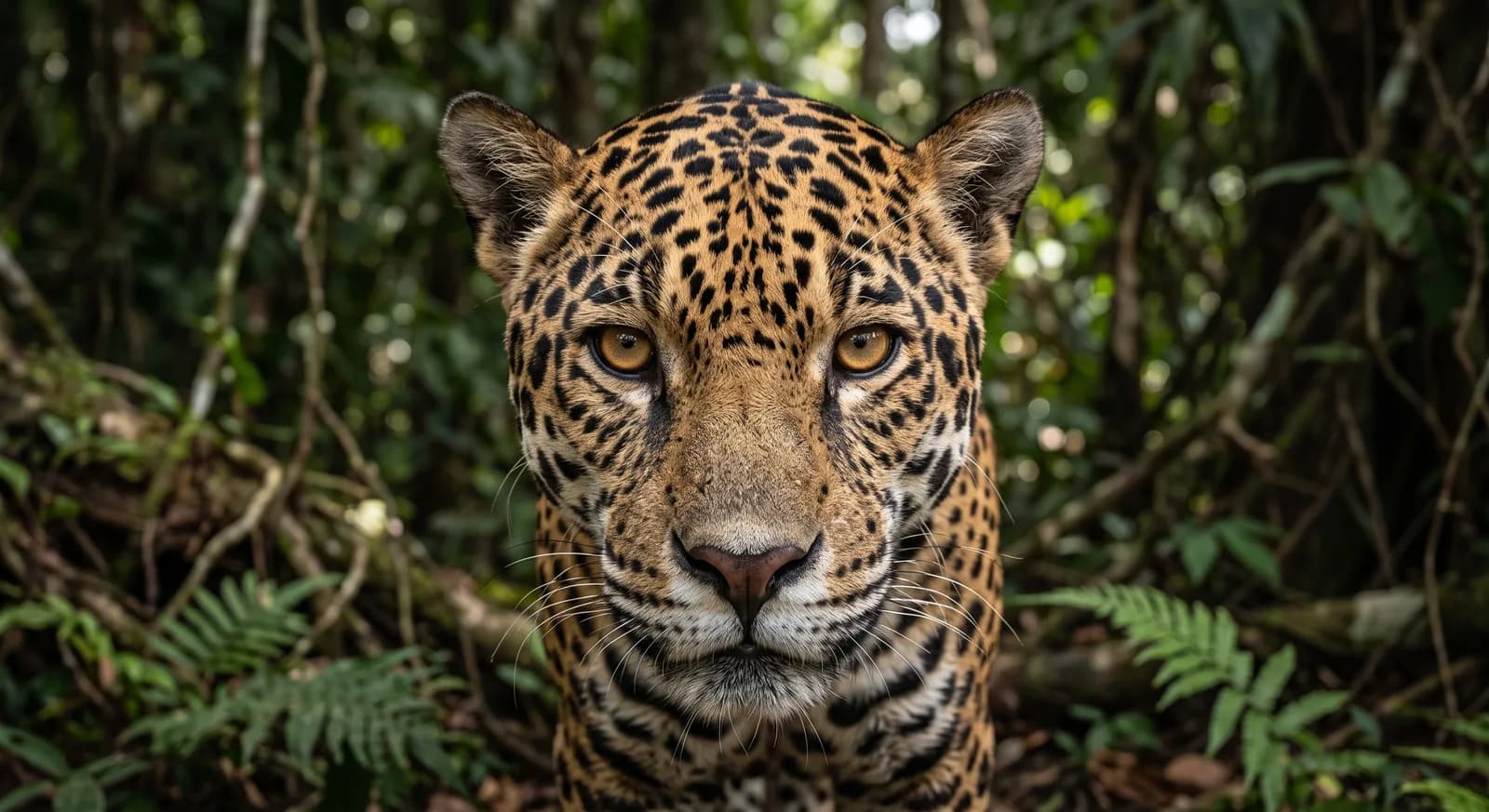 Near Threatened
Jaguar
Panthera onca
Water Opossum
Chironectes minimus
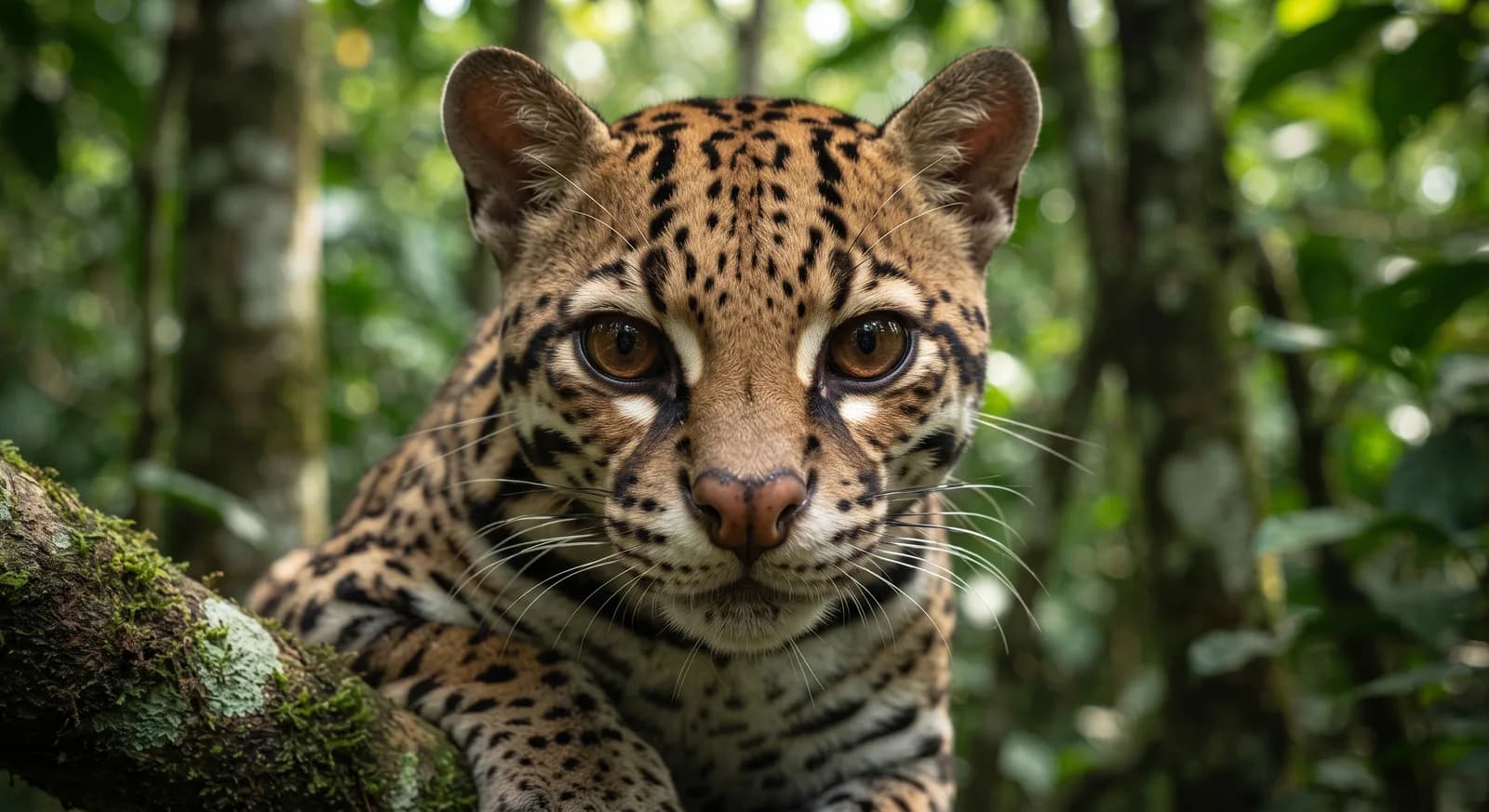 Least Concern
Ocelot
Leopardus pardalis
Dwarf Caiman
Paleosuchus palpebrosus
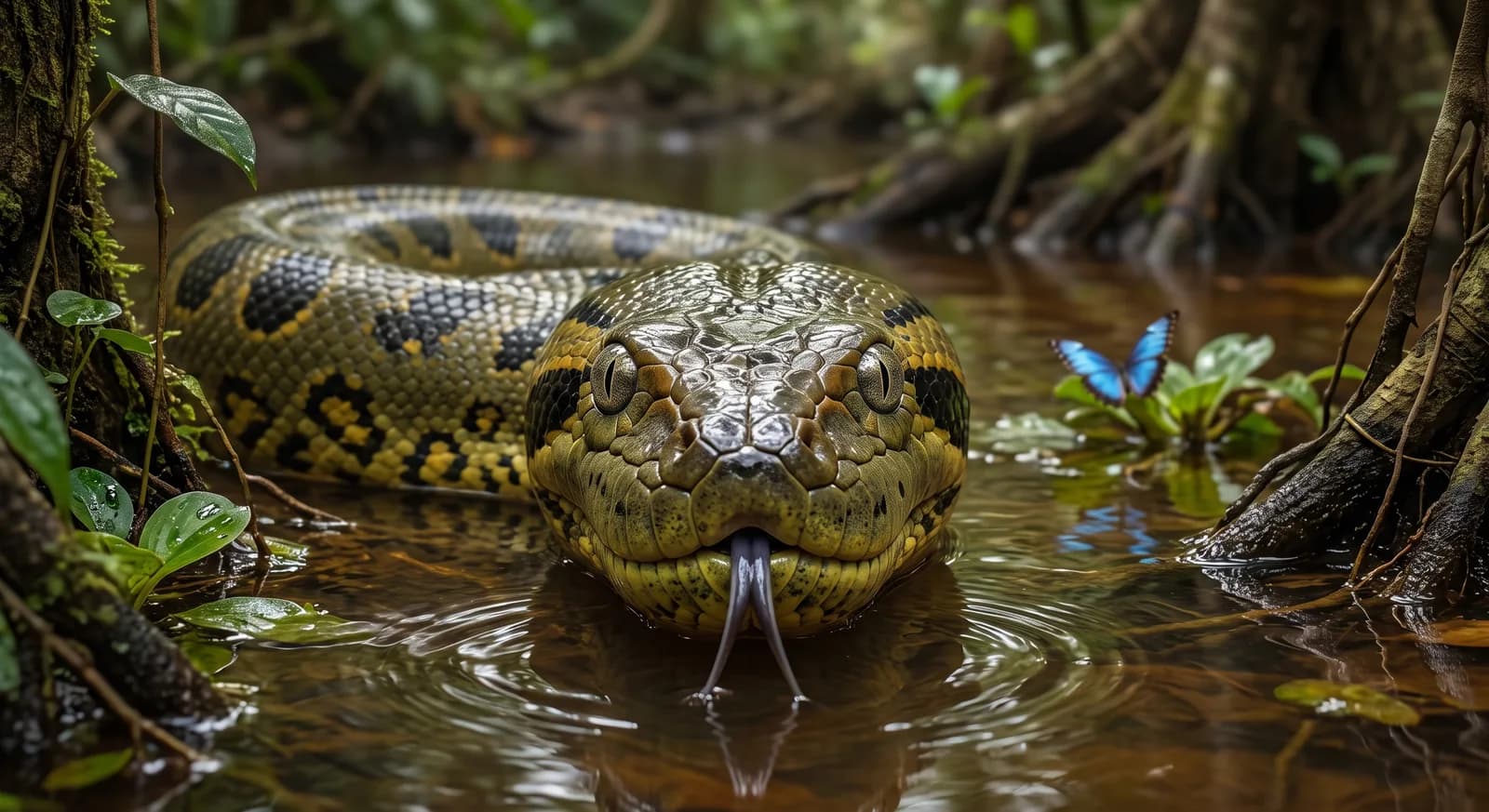 Least Concern
Green Anaconda
Eunectes murinus
Bearded Caecilia
Caecilia tentaculata
Keep exploring
Based on what we already know about goliath birdeater tarantula.
Comments
Share an experience, a fun fact or a tip for seeing the goliath birdeater tarantula.
Be the first to comment.