Afghanistan
Asia
Afghanistan is crossed diagonally by the Hindu Kush, a range that separates the basins of Central Asia from those of the Indian Ocean and that conditions its entire climate. To the northeast, the narrow Wakhan corridor runs in between the Pamir and the Karakoram as far as the Chinese border, with high plateaux above four thousand metres where Marco Polo argali and ibex graze and where snow leopards and wolves hunt. In the centre, the Hazarajat highlands hold Band-e-Amir, a chain of six deep blue lakes separated by natural travertine dams that grow of their own accord as the water deposits carbonate. The south and the west are desert, with the Sistan depression and its seasonal wetlands, a historic refuge for migratory birds travelling between Siberia and India.
The nature of Afghanistan
National animal: The snow leopard, the country's national animal
Did you know?
Despite decades of war, the Wakhan corridor holds one of the best-studied snow leopard populations in the region. The change came when Wakhi and Kyrgyz herders, who used to hunt or poison the cats for attacking their livestock, became rangers and set camera traps through their own valleys; the resulting surveys revealed a density far higher than expected.
Biodiversity profile
Climate
- •Continental arido y semiarido en tierras bajas
- •Alpino y de tundra en las cordilleras del Hindu Kush y Pamir (Corredor de Wakhan)
Main biomes
- •Desierto y semidesierto en el sur y suroeste
- •Estepa arida en zonas centrales
- •Bosque de coniferas en laderas orientales monzonicas
- •Alta montaña y glaciares en el Hindu Kush-Pamir (Wakhan)
- •Alta montaña del Hindú Kush
- •Altiplano de altura del Pamir
- •Lago de travertino
- •Estepa de montaña
- •Desierto de Sistán
- •Humedal estacional
- •Bosque de pistachos y enebros
Marine and coastal ecosystems
- •No aplica (pais sin litoral)
Flagship wildlife
- •Leopardo de las nieves (Corredor de Wakhan)
- •Oveja de Marco Polo (carnero argali)
- •Urial afgano
- •Perdiz nival afgana (endemica)
- •Argalí de Marco Polo
- •Markhor
- •Íbice siberiano
- •Oso pardo del Himalaya
- •Lobo gris
- •Grulla damisela
- •Águila real
- •Urial
- •Gato de Pallas
Notable endemic species
- •Mas de 4.000 especies de plantas vasculares registradas, con un numero significativo de endemismos, incluyendo el pino afgano y el pistachero silvestre
- •Perdiz nival afgana, endemica del pais, especie emblematica de alta montaña
Notable threatened species
- •Leopardo de las nieves (Vulnerable, poblacion estimada de 110-136 individuos en el Parque Nacional de Wakhan, aprox. 75% del rango nacional confirmado de la especie)
- •Poblacion historica de leopardo de las nieves estimada en declive de al menos 20% en dos generaciones segun informes de 2008-2009
Notable protected areas
- •Parque Nacional de Wakhan (mayor area protegida, corredor transfronterizo clave para el leopardo de las nieves)
- •Parque Nacional Band-e-Amir (primer parque nacional del pais, 2009, lagos de travertino unicos)
- •Parque Nacional de Band-e-Amir
- •Parque Nacional de Wajan
- •Humedales de Ab-i-Estada
- •Reserva de Ajar
- •Parque Nacional de Nuristán
- •Lagos de Hamún
Main conservation threats
- •Decadas de conflicto armado que han limitado severamente la capacidad de gestion y monitoreo de areas protegidas
- •Caza furtiva y conflicto con ganado
- •Declive de especies presa que afecta a los grandes carnivoros
- •Falta de reconocimiento oficial y gestion efectiva de multiples areas propuestas
Notable natural phenomena
- •El Corredor de Wakhan conecta ecologicamente el Pamir, el Hindu Kush y el Karakorum, siendo clave para la conectividad transfronteriza del leopardo de las nieves con Tayikistan, Pakistan y China
Conservation
Band-e-Amir was declared the country's first national park in 2009. The deforestation of the woods of Nuristan and the drying out of the Sistan wetlands through drought and dams have been the greatest ecological losses of recent decades.
Where and when to watch wildlife
Wakhan in summer for argali and ibex on the high pastures. Band-e-Amir between May and September. The southern wetlands in winter for migratory birds, depending on conditions that year.
El sistema de areas protegidas de Afganistan es relativamente joven y ha estado condicionado por decadas de conflicto, con capacidad de campo limitada y gestion desigual sobre el terreno.
Sources: Global Snow Leopard & Ecosystem Protection Program - Afghanistan | a-z-animals.com - Wildlife in Afghanistan | CBD - Afghanistan Fourth National Report | generisonline.com - Conservation Policies Afghanistan
Países similares
¿A dónde más podría interesarme viajar?
Misma región: Asia Central
Misma región: Asia Central
Misma región: Asia Central
Misma región: Asia Central
Especies documentadas en Afghanistan
90 species found
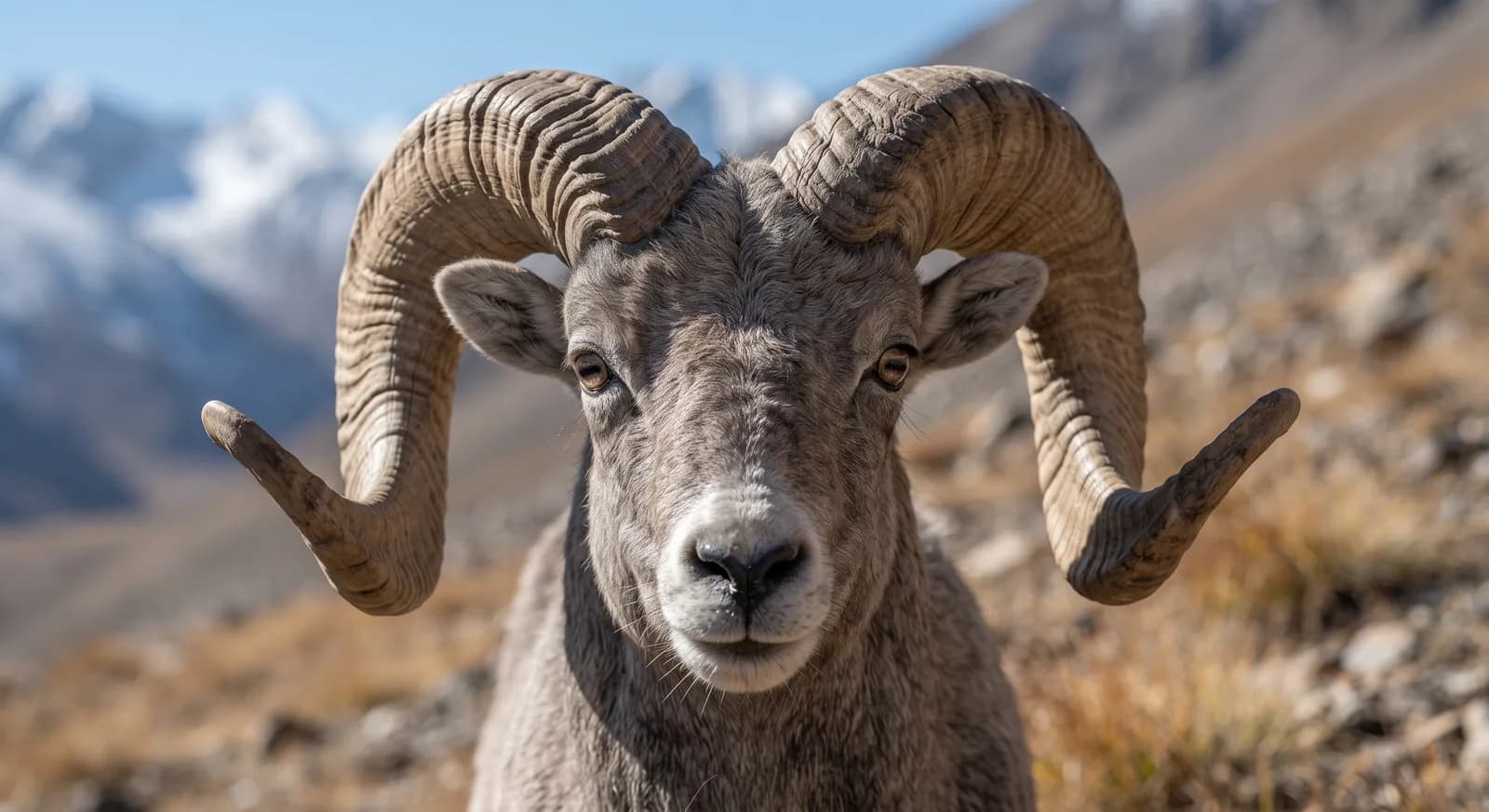 Near Threatened
Argali
Ovis ammon
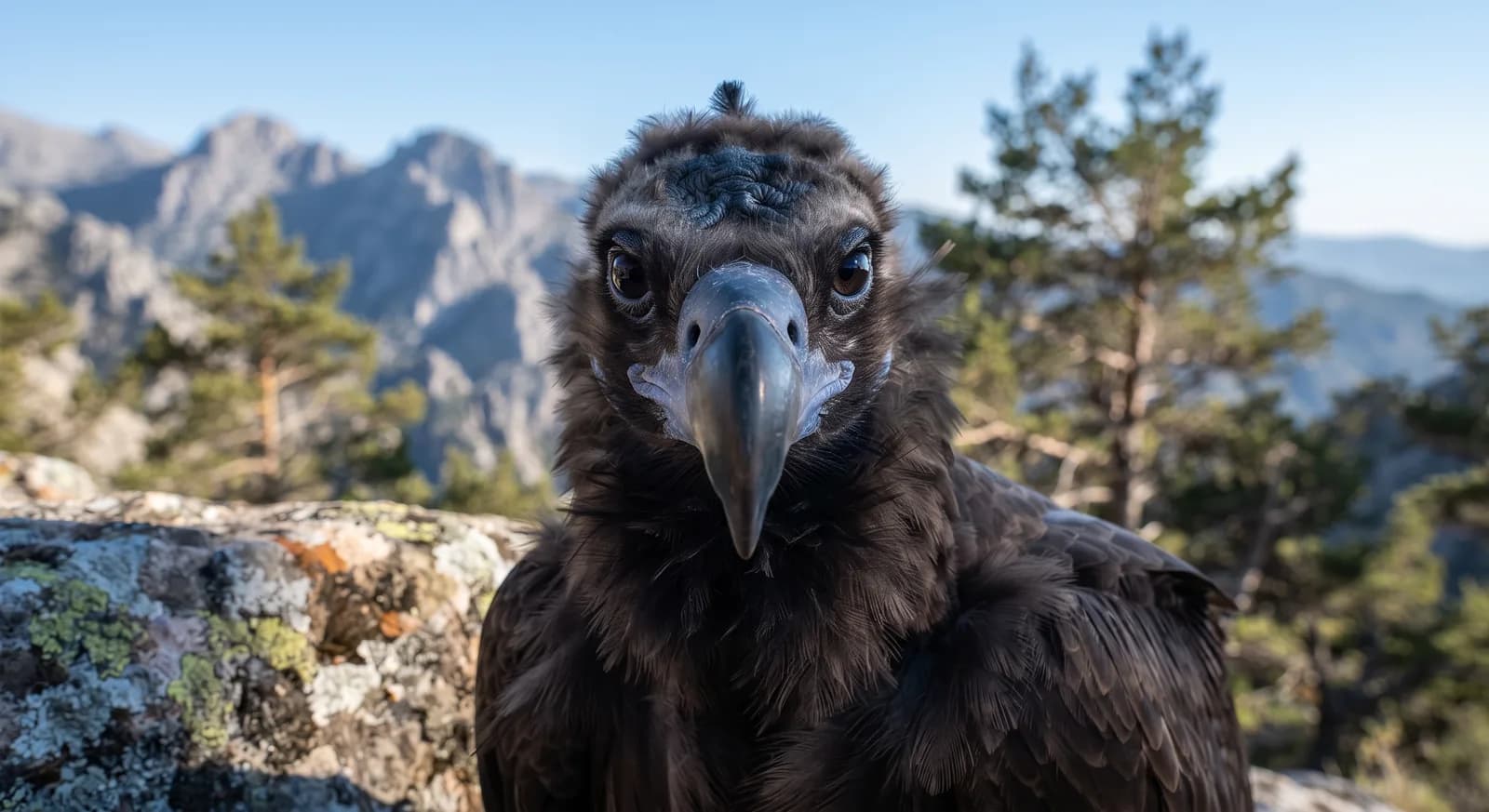 Near Threatened
Cinereous Vulture
Aegypius monachus
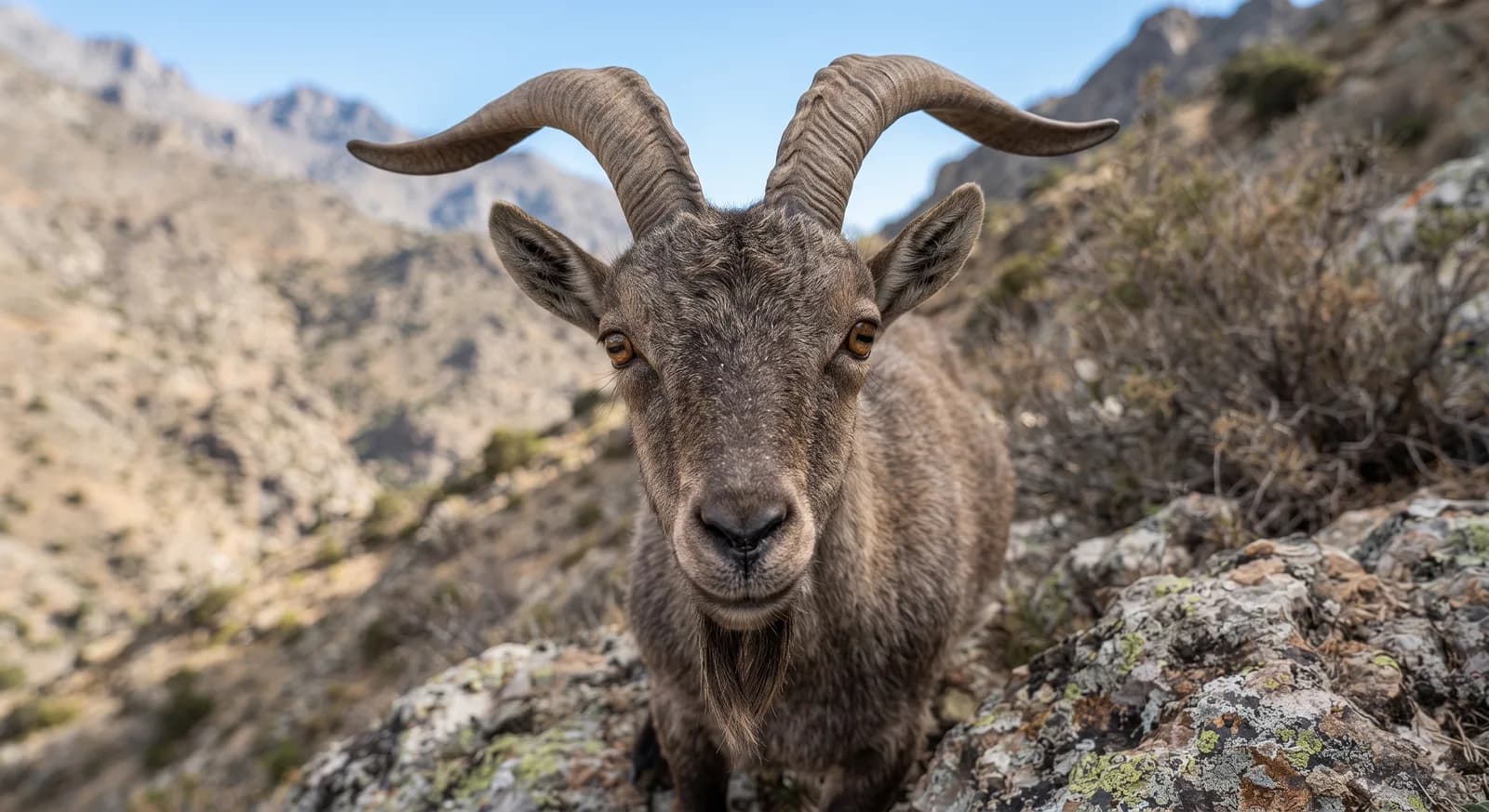 Near Threatened
Bezoar
Capra aegagrus
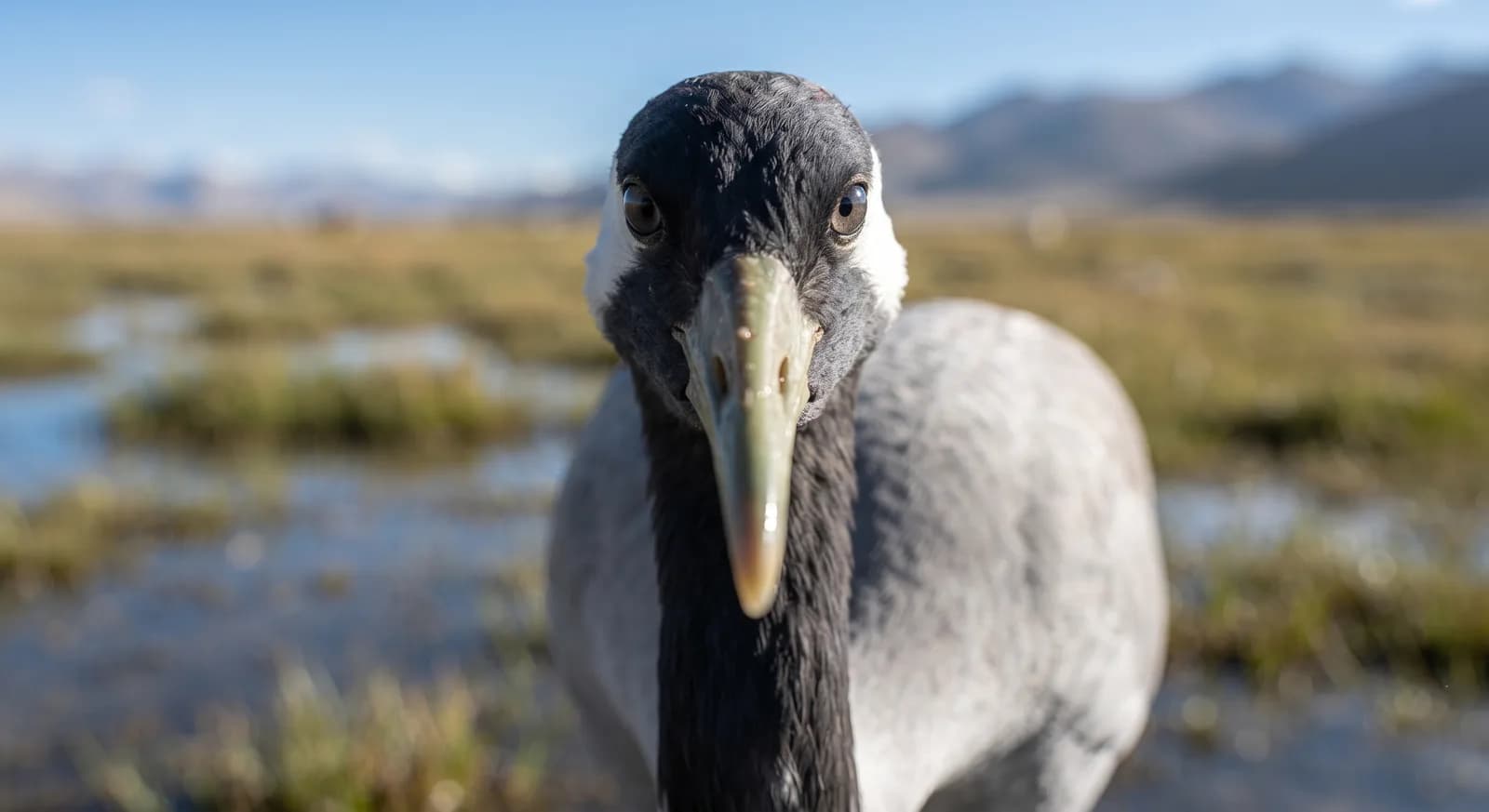 Near Threatened
Black-necked Crane
Grus nigricollis
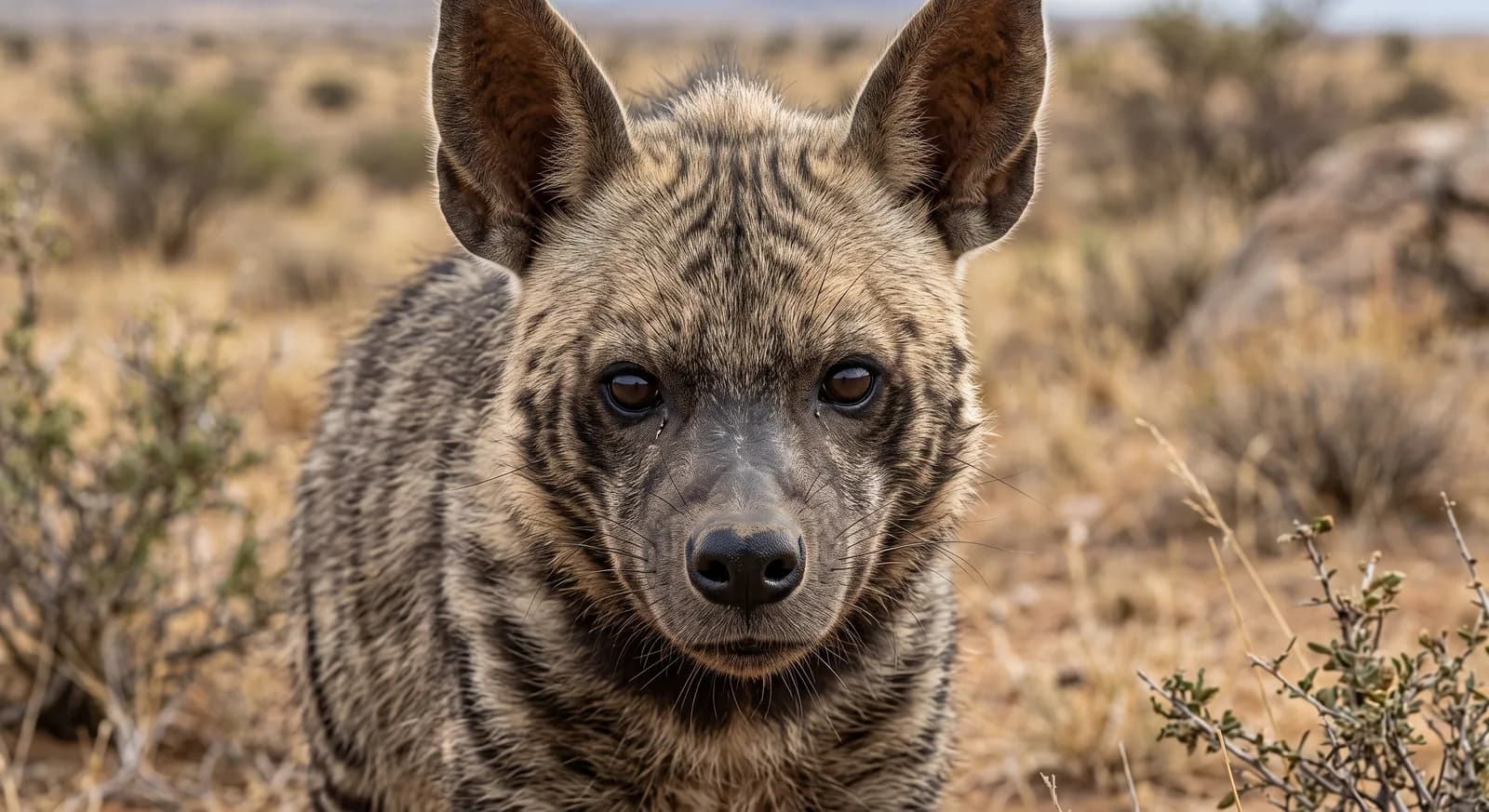 Near Threatened
Striped Hyaena
Hyaena hyaena
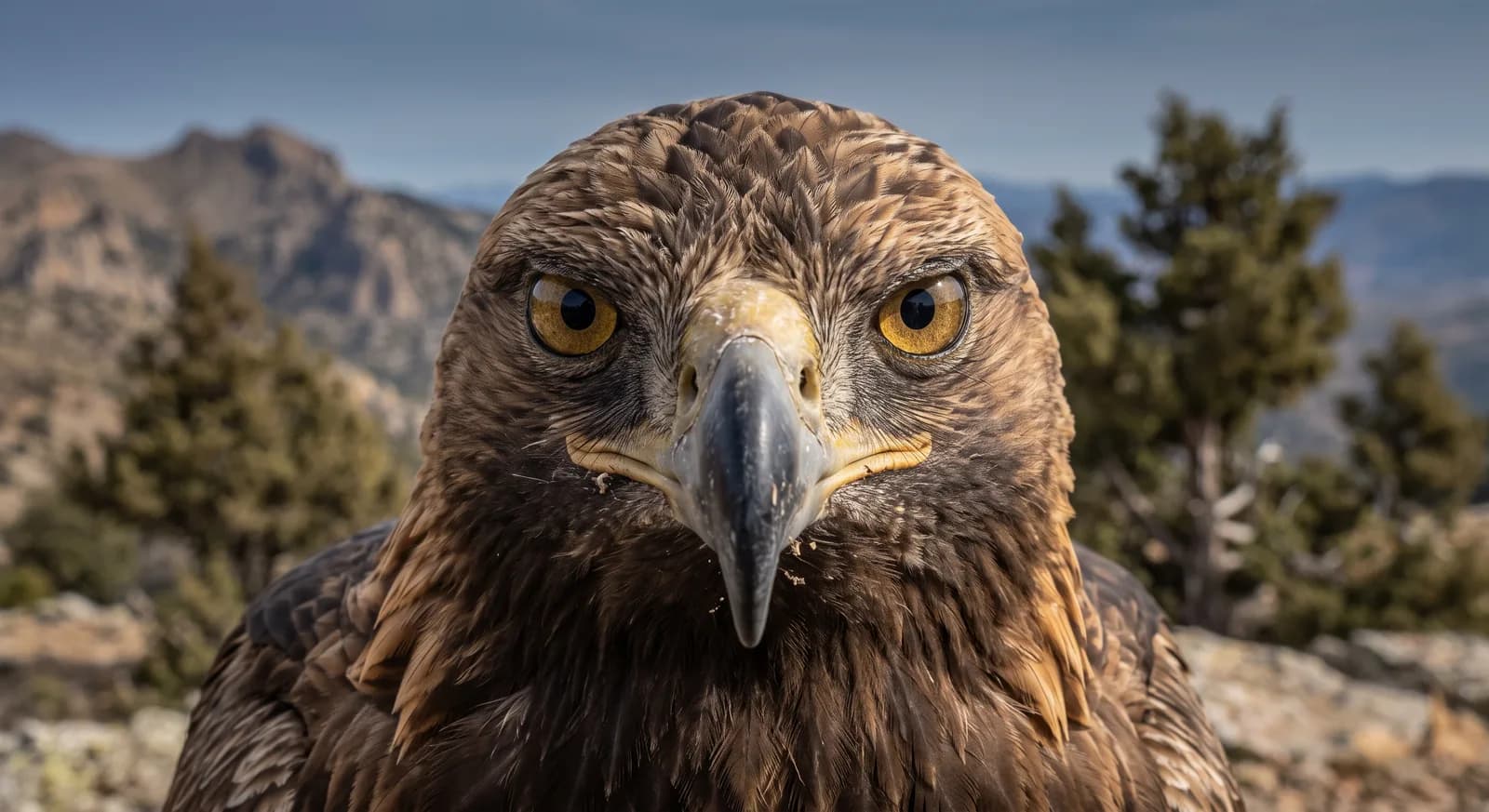 Least Concern
Golden Eagle
Aquila chrysaetos
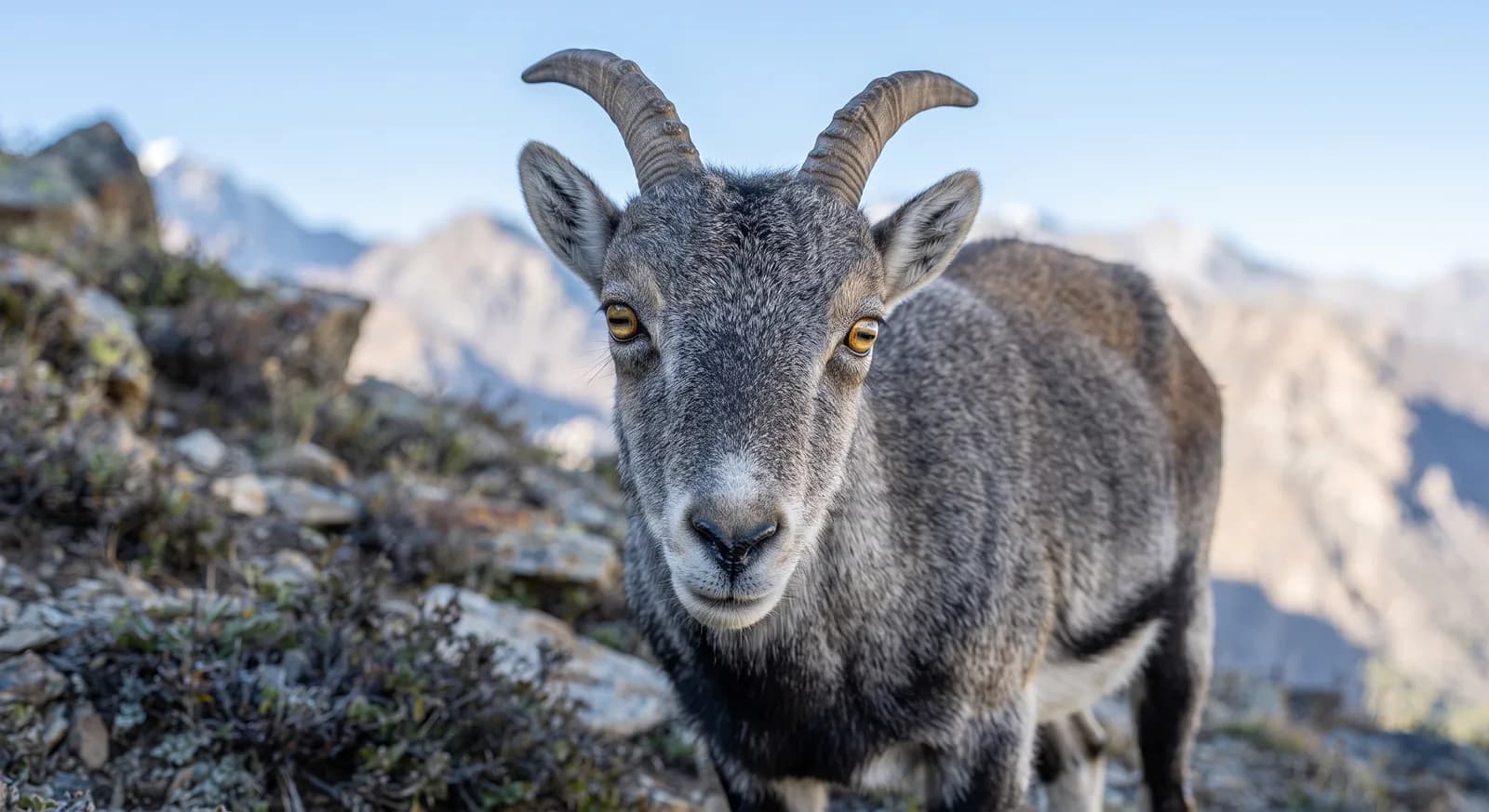 Least Concern
Blue Sheep
Pseudois nayaur
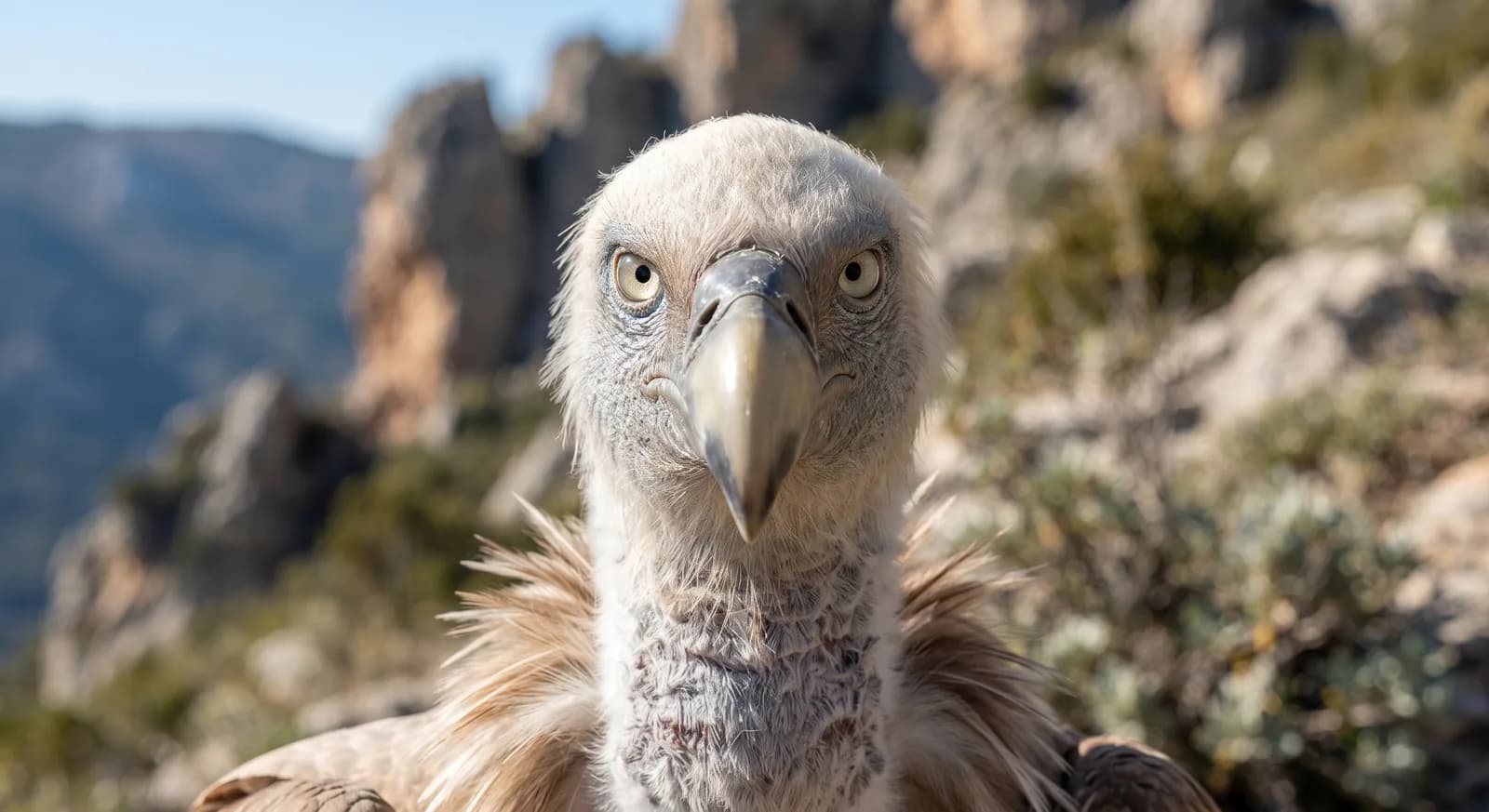 Least Concern
Griffon Vulture
Gyps fulvus
 Least Concern
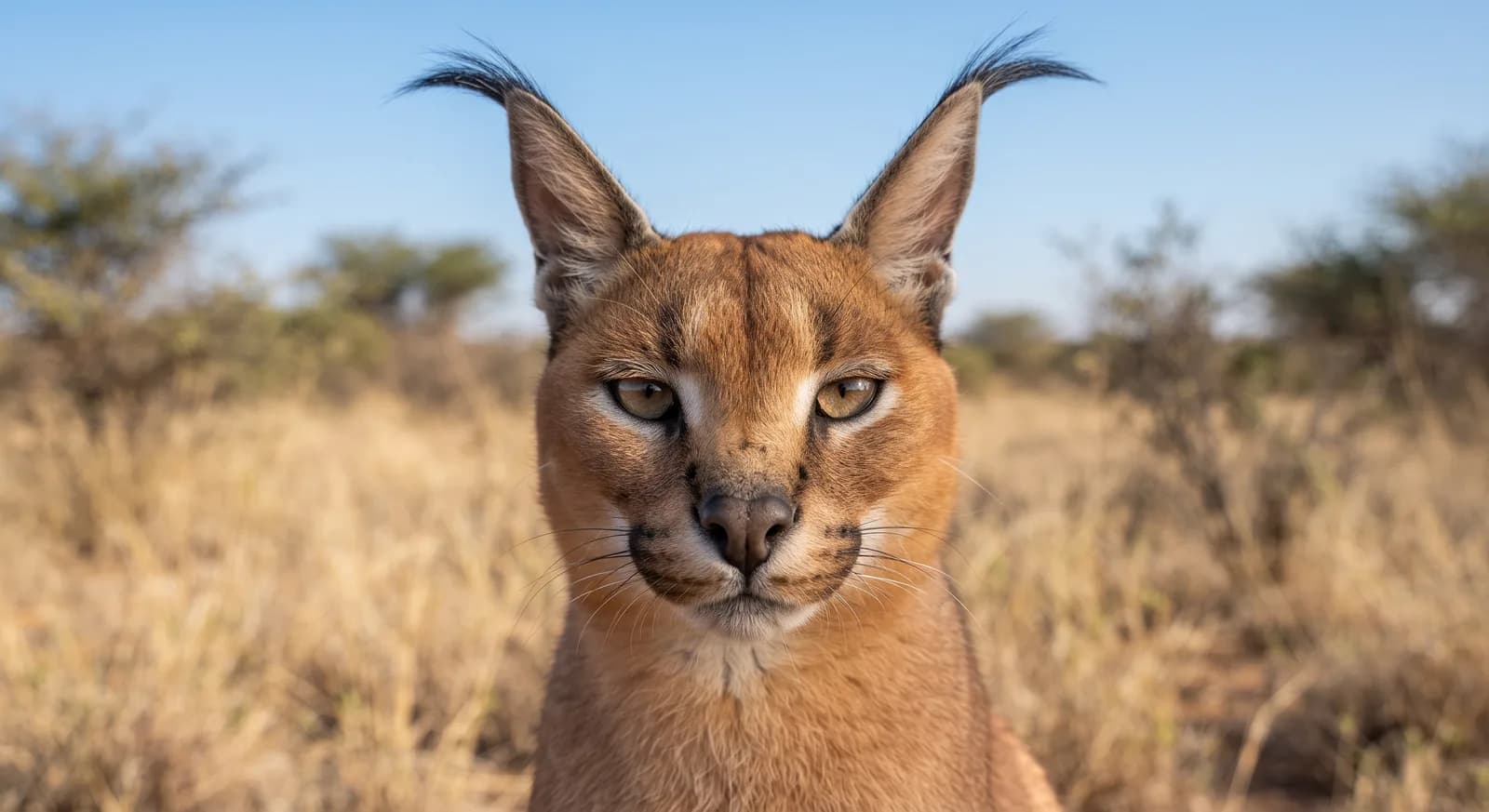
Caracal
Caracal caracal
 Least Concern
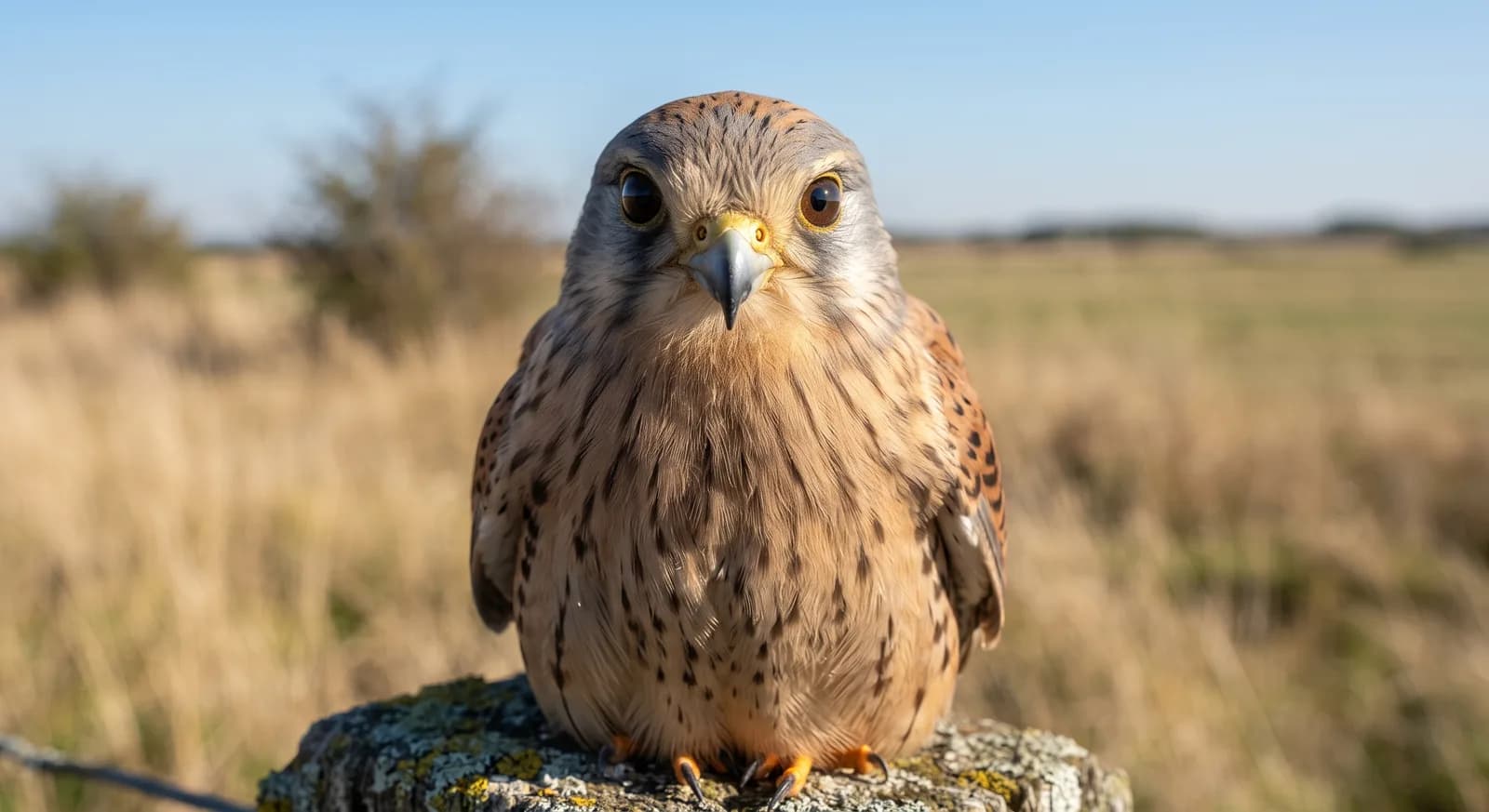
Common Kestrel
Falco tinnunculus
 Least Concern
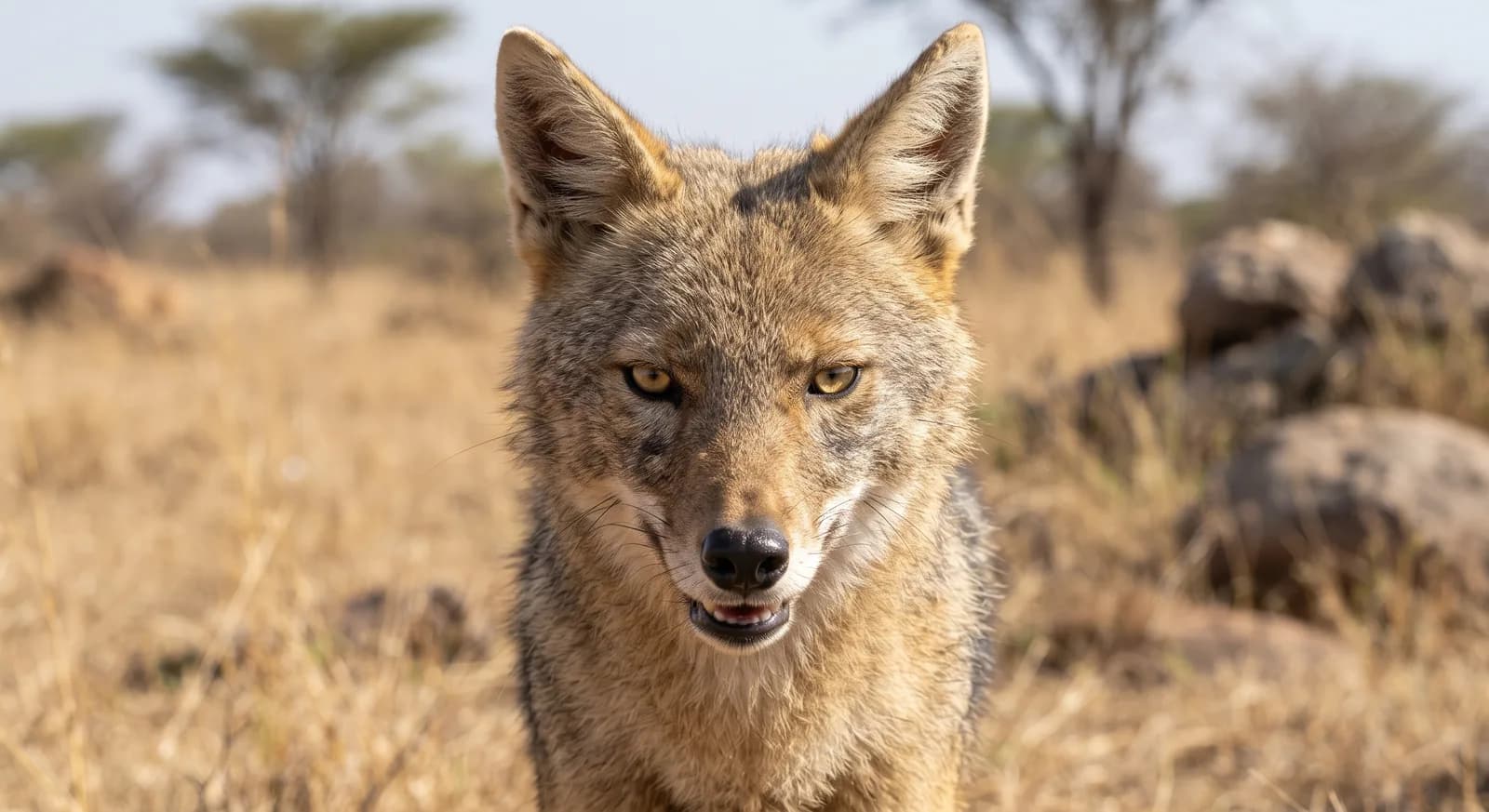
Golden Jackal
Canis aureus
 Least Concern
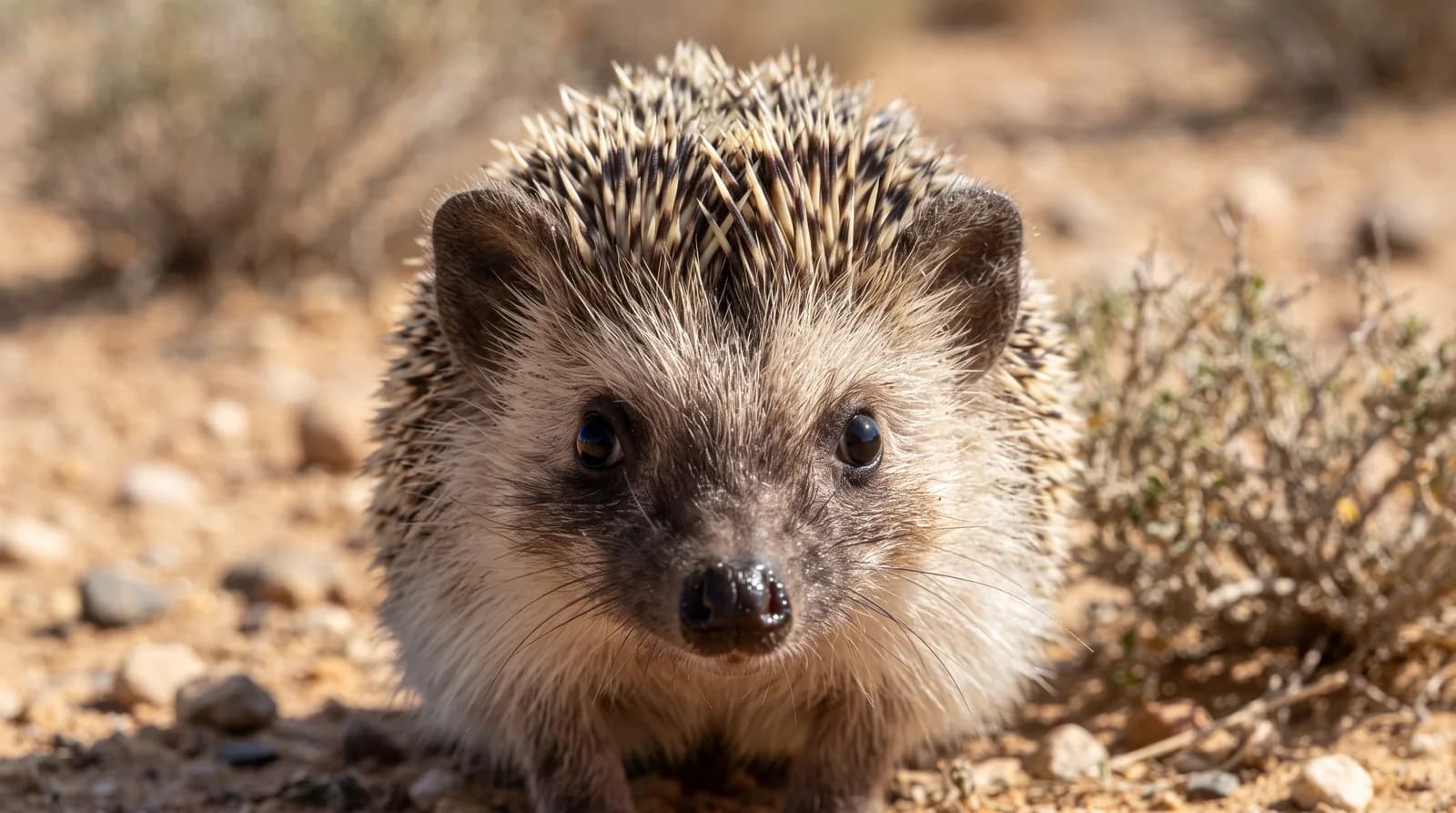
Desert Hedgehog
Paraechinus aethiopicus
Keep exploring
Based on what we already know about Afghanistan.