Palestine
Asia
The Palestinian territories combine the limestone hills of the West Bank, the depression of the Jordan valley and the Mediterranean coastal strip of Gaza. The central mountains, with holm oak woodland, farming terraces thousands of years old and ancient olive groves, form a cultural landscape that supports Mediterranean wildlife such as the fox, the honey badger, the golden jackal and a rich community of cliff-dwelling birds. To the east, the drop to the Jordan valley is abrupt and within a few kilometres the woodland gives way to steppe and to the Judaean Desert, with deep-cut wadis, springs such as those of Wadi Qelt, and hyraxes and mountain gazelles on the slopes. The whole territory lies beneath the Rift migratory corridor, so in spring and autumn great flows of storks, pelicans and raptors pass overhead. Wadi Gaza is the main coastal wetland.
The nature of Palestine
National animal: The Palestine sunbird, declared the national bird
Did you know?
The Palestinian national bird is the Palestine sunbird, a tiny bird with iridescent green and violet plumage that feeds on the nectar of flowers. It is one of the few Old World birds able to hold itself suspended in the air, beating its wings to sip, a behaviour normally associated with the American hummingbirds, to which it is not related at all.
Biodiversity profile
Climate
- •Mediterraneo (Csa) en las tierras altas centrales
- •Clima semitropical en la depresion del Mar Muerto (punto mas bajo del planeta)
- •Semiarido en zonas orientales
Main biomes
- •Bosque mediterraneo de maquis (encinas, pistacia) en tierras altas
- •Vegetacion irano-turanica y saharo-arabiga hacia el sur y el este
- •Zona costera mediterranea (Gaza)
- •Encinar mediterráneo
- •Terraza agrícola tradicional
- •Wadi y garganta desértica
- •Estepa de transición
- •Manantial permanente
- •Humedal costero
- •Corredor migratorio del Rift
Marine and coastal ecosystems
- •Costa mediterranea de la Franja de Gaza, con humedales costeros propuestos (Wadi Gaza)
Flagship wildlife
- •Ave sunbird de Palestina
- •Aves rapaces migratorias en las Areas Importantes para las Aves de Jerusalen y el desierto de Judea
- •Fauna tipica del gradiente Mediterraneo-Mar Muerto
- •Nectarina palestina
- •Gacela de montaña
- •Damán de las rocas
- •Chacal dorado
- •Zorro rojo
- •Tejón melero
- •Cigüeña blanca
- •Buitre leonado
- •Águila perdicera
- •Hiena rayada
Notable endemic species
- •54 especies de plantas endemicas exclusivas del territorio, entre mas de 2.000 especies vegetales registradas
- •Iris haynei (planta nacional), Origanum dayi y Anacamptis israelitica entre las especies endemicas destacadas
- •Tasa de endemismo floristico historico de la Palestina historica de aprox. 7%
Notable threatened species
- •Especies con distribucion muy restringida en las Areas de Importancia para Plantas identificadas (Ein Al-Fashkha, Jericho, Jerusalen este, desierto de Jerusalen)
- •Dato no disponible con precision agregada de especies animales amenazadas en fuentes verificadas consultadas
Notable protected areas
- •Areas Importantes para Plantas de Ein Al-Fashkha, Jericho, Jerusalen (este) y desierto de Jerusalen (aprox. 21.500 ha reconocidas como Areas Importantes para las Aves por BirdLife International)
- •Wadi Qelt
- •Reserva de Wadi Gaza
- •Terrazas de Battir
- •Wadi Al-Quf
- •Manantiales de Ein Fara
- •Colinas de Hebrón
Main conservation threats
- •Restricciones de acceso a recursos hidricos del rio Jordan que afectan la gestion de ecosistemas dependientes del agua
- •Fragmentacion del territorio que dificulta la planificacion de corredores de conservacion continuos
- •Presion urbana sobre las escasas areas naturales remanentes
Notable natural phenomena
- •El extremo gradiente altitudinal, desde el Monte Hermon (permafrost estacional, mas de 1.000 msnm) hasta el Mar Muerto (400 m bajo el nivel del mar), genera una notable diversidad de zonas climaticas en un territorio reducido
Conservation
The fragmentation of the territory by infrastructure and walls hampers the movement of the mountain gazelle and of other mammals. Battir is a World Heritage Site as a terraced farming landscape with irrigation systems of ancient origin.
Where and when to watch wildlife
Wadi Qelt year-round for hyraxes and cliff-dwelling birds. The central hills in March and April for the migration passage. Wadi Gaza in winter for waterbirds.
Sources: Palestine Institute for Biodiversity and Sustainability | CBD - State of Palestine Fifth National Report
Países similares
¿A dónde más podría interesarme viajar?
Misma región: Oriente Medio y Asia Occidental
Misma región: Oriente Medio y Asia Occidental
Misma región: Oriente Medio y Asia Occidental
Misma región: Oriente Medio y Asia Occidental
Especies documentadas en Palestine
141 species found
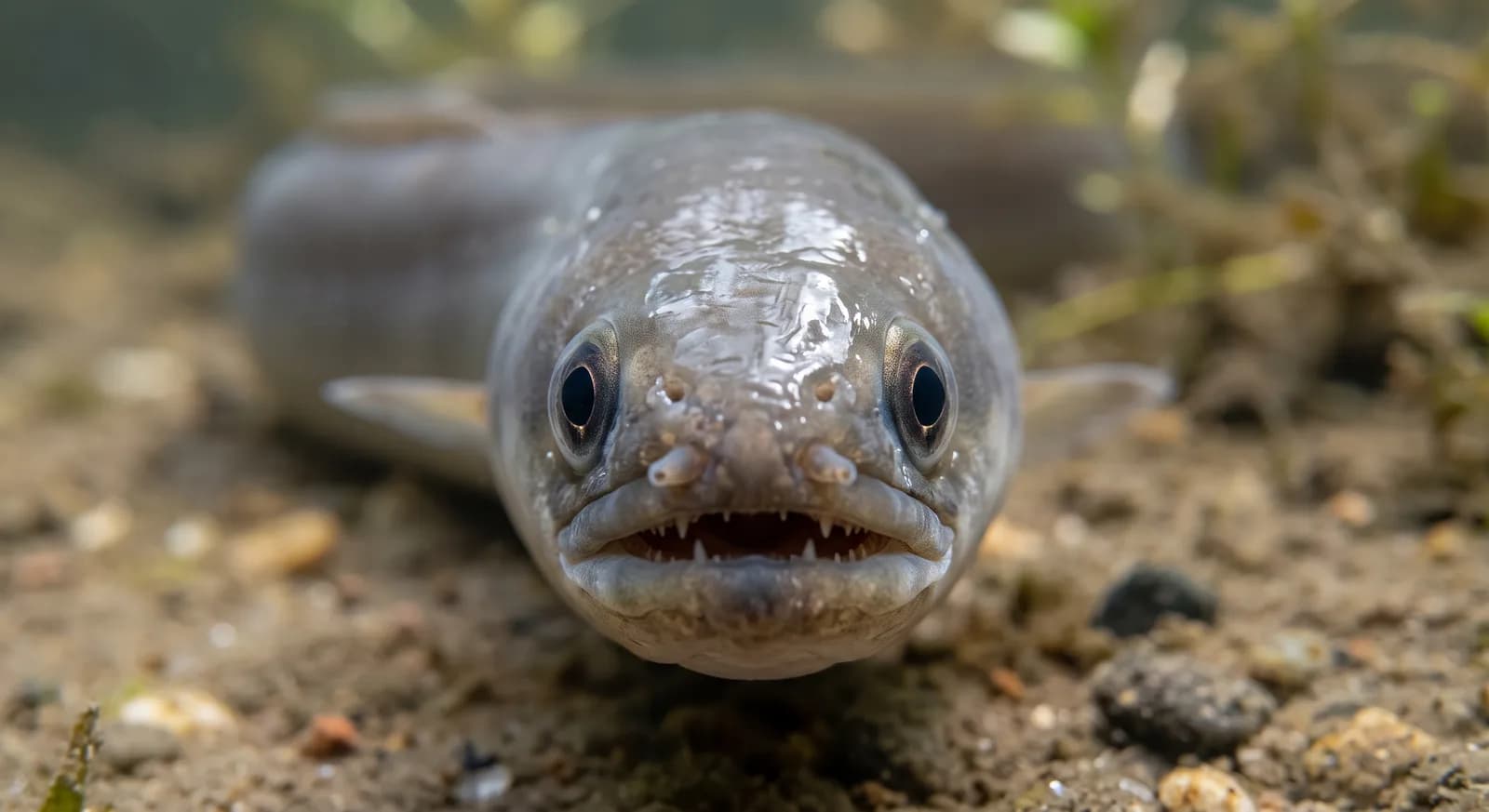 Critically Endangered
European Eel
Anguilla anguilla
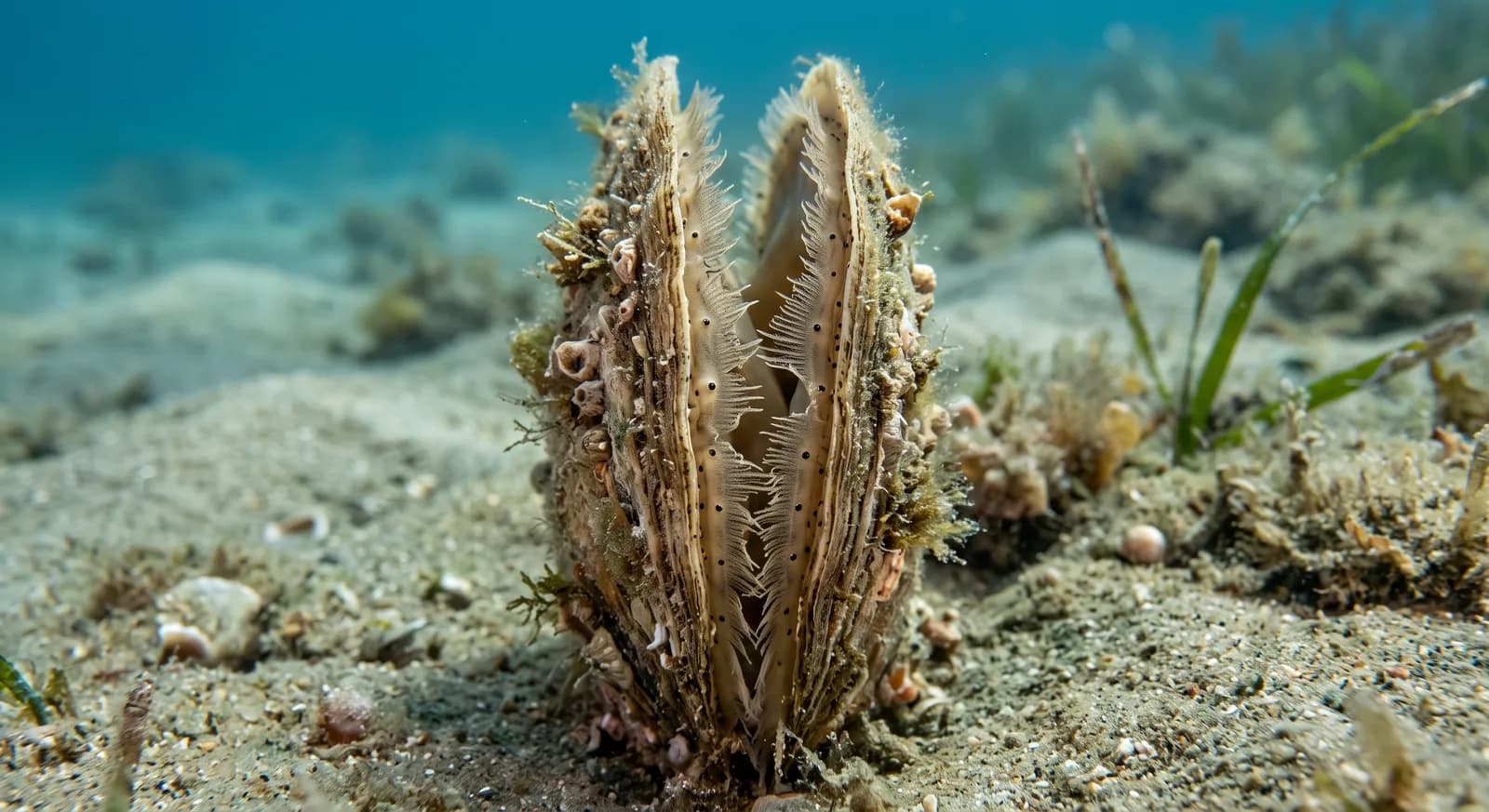 Critically Endangered
Fan Mussel
Pinna nobilis
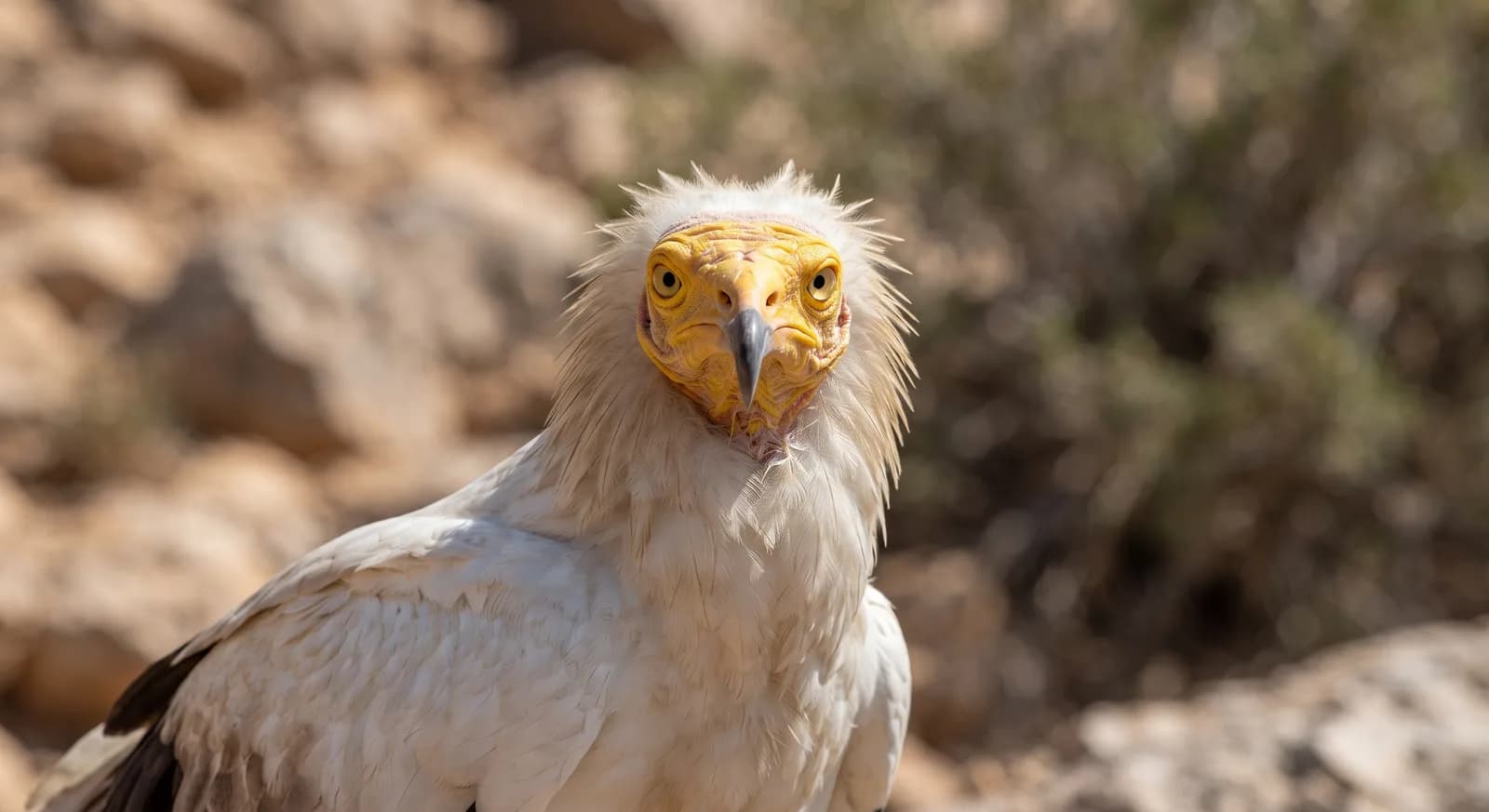 Endangered
Egyptian Vulture
Neophron percnopterus
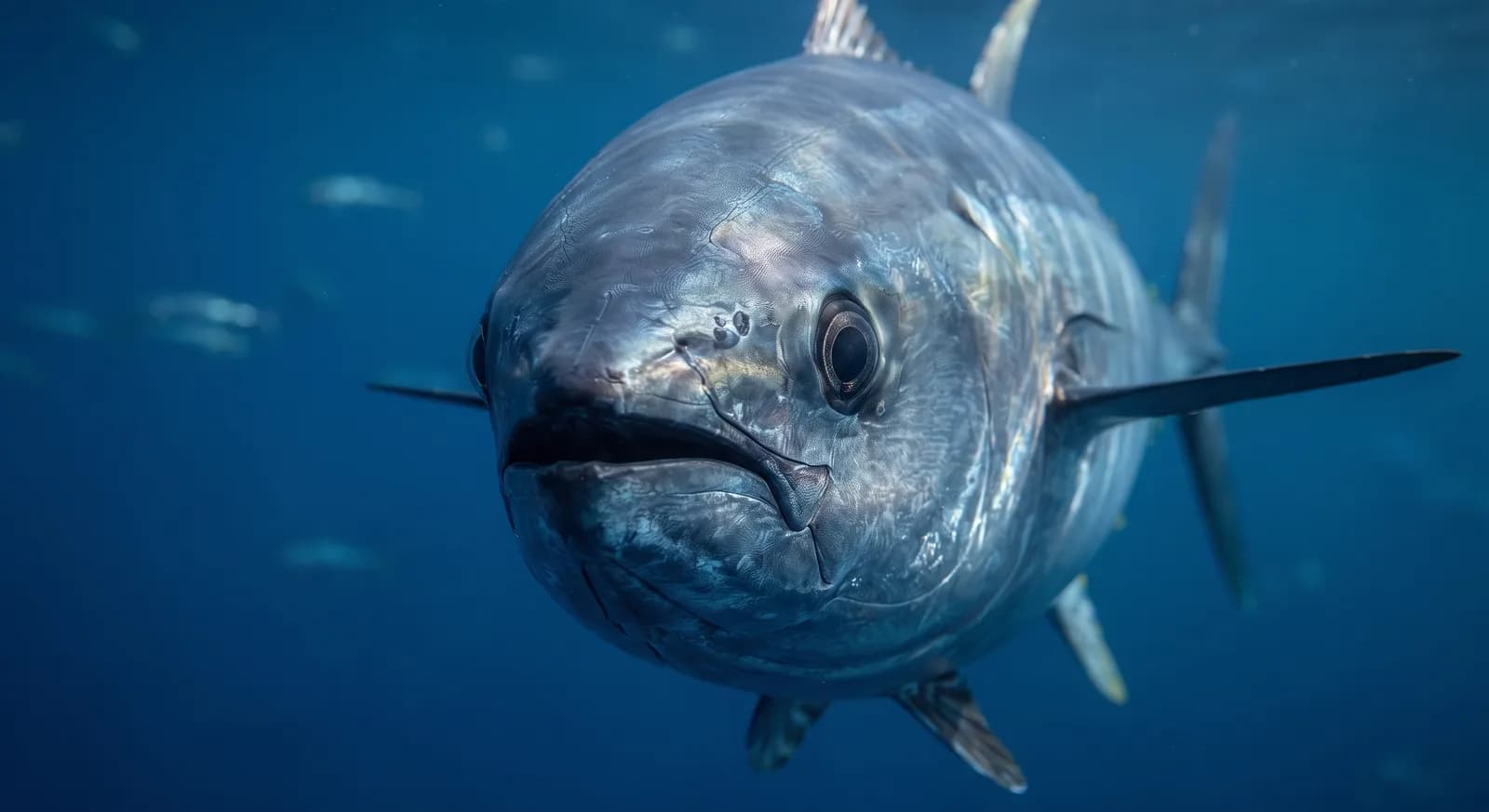 Endangered
Atlantic Bluefin Tuna
Thunnus thynnus
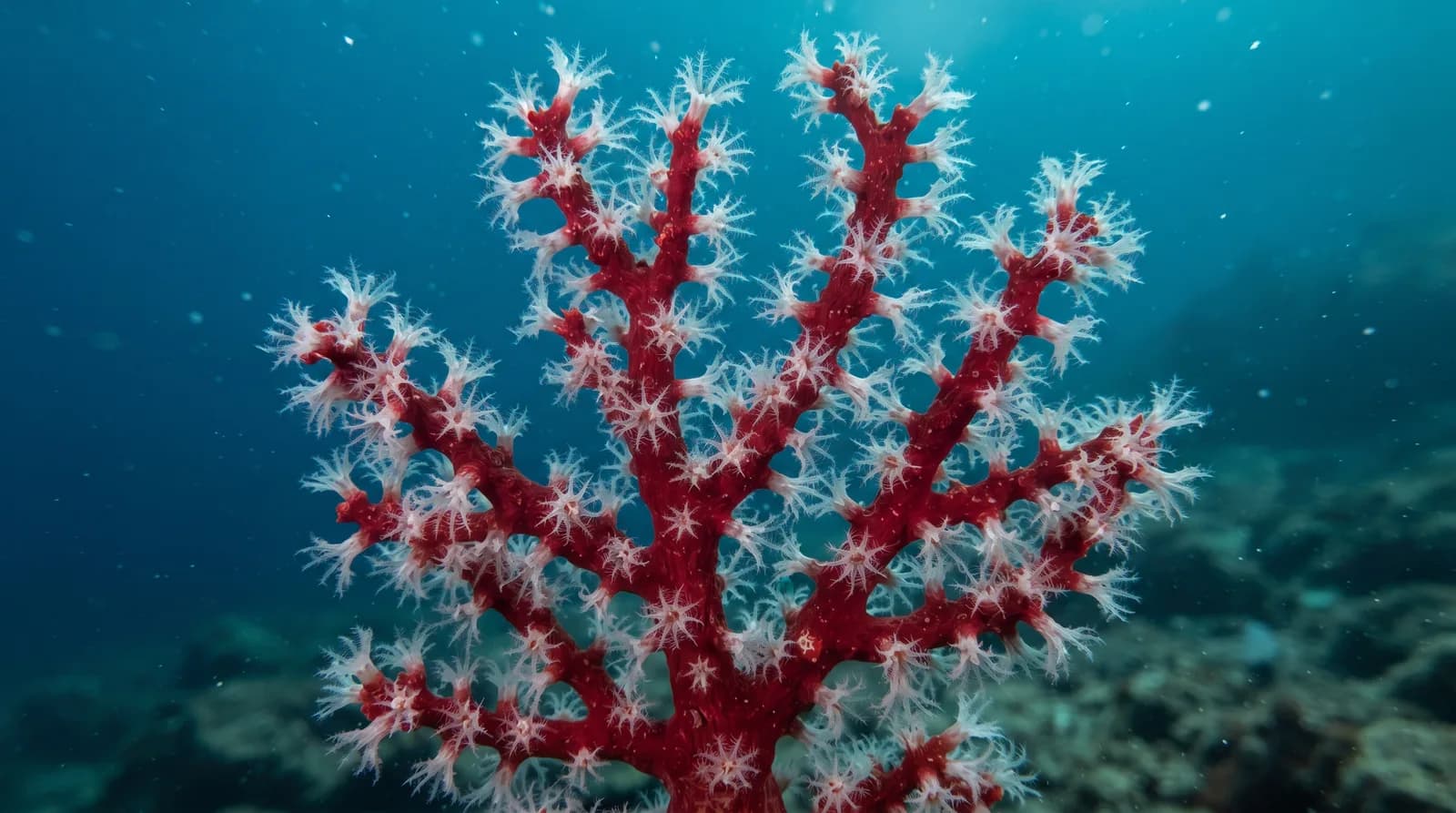 Endangered
Red Coral
Corallium rubrum
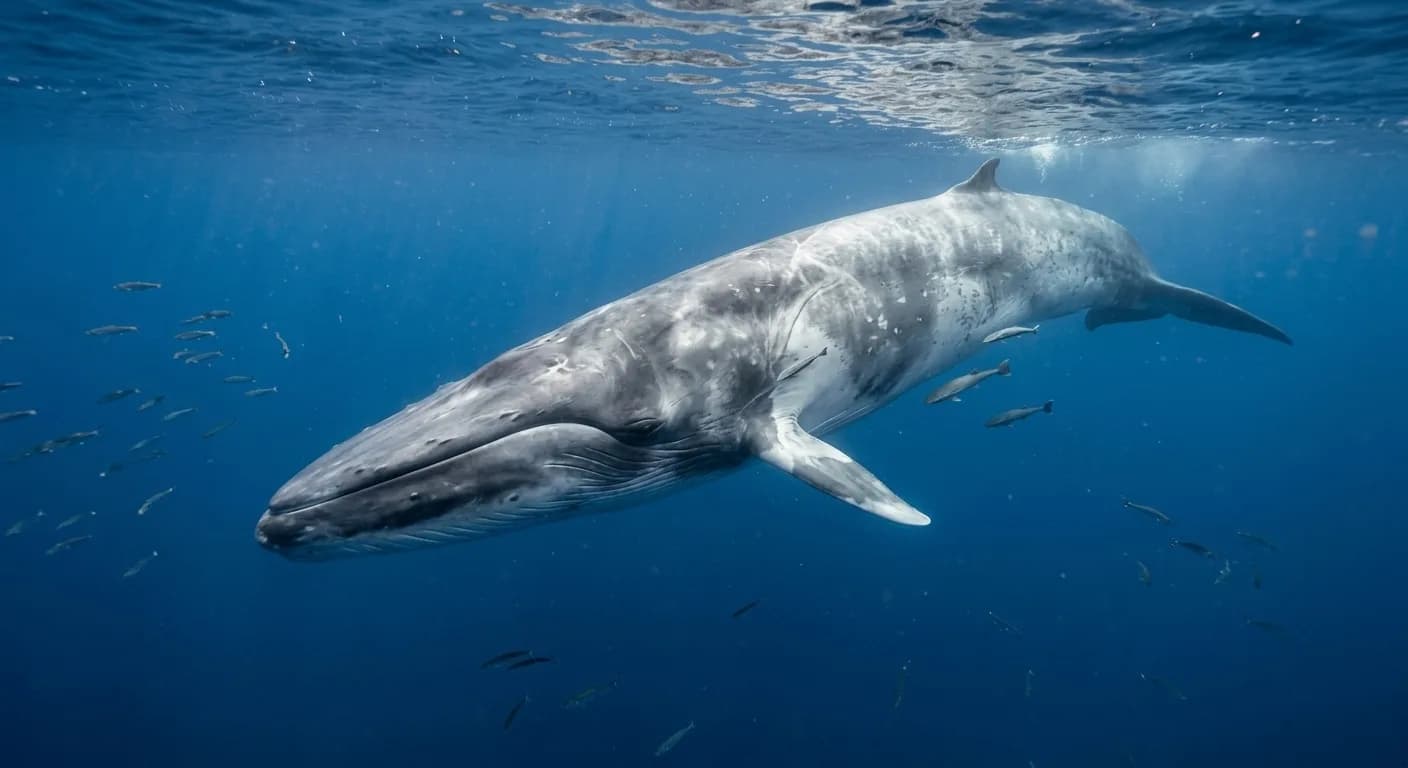 Endangered
Fin Whale
Balaenoptera physalus
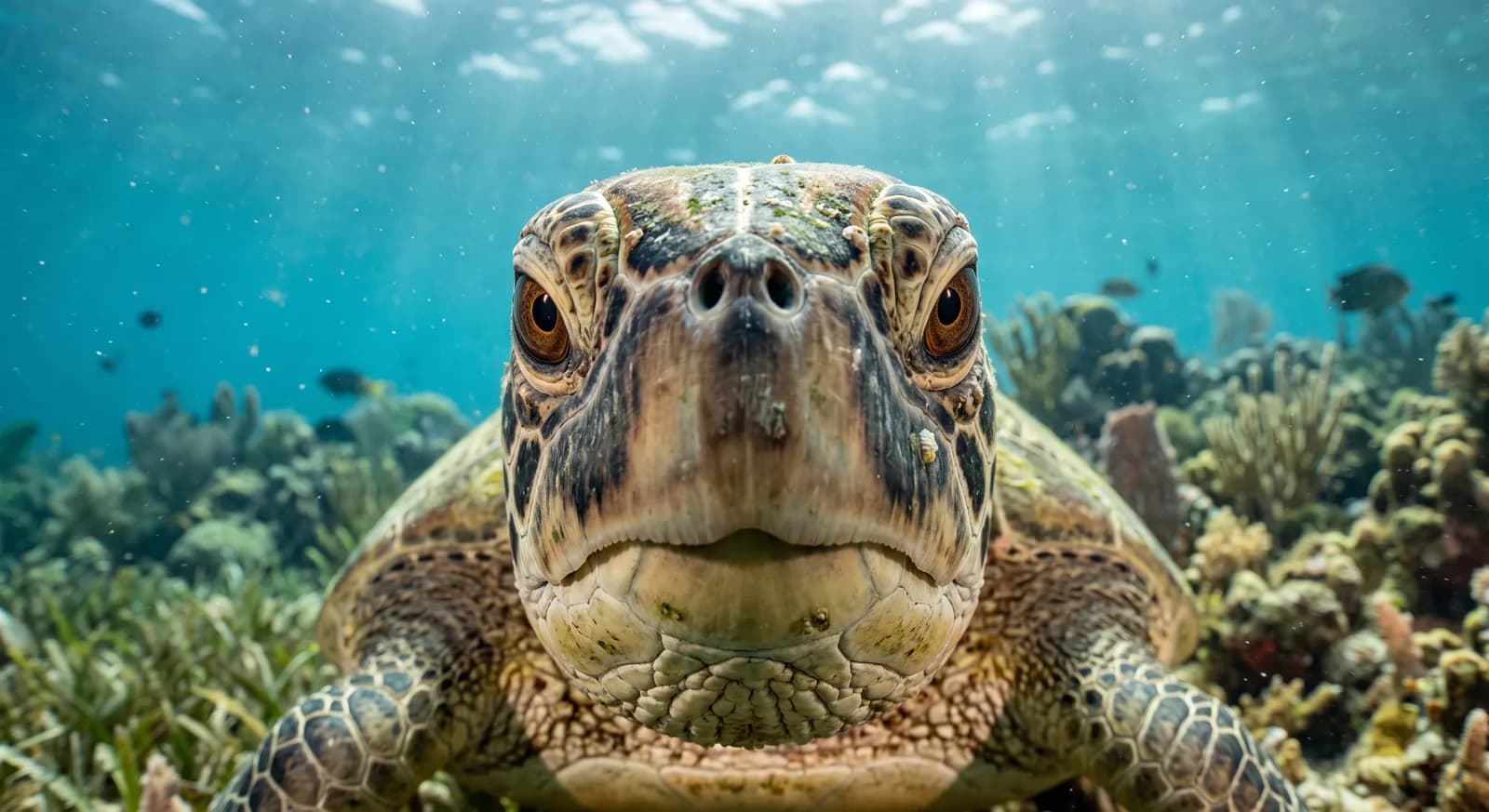 Endangered
Green Turtle
Chelonia mydas
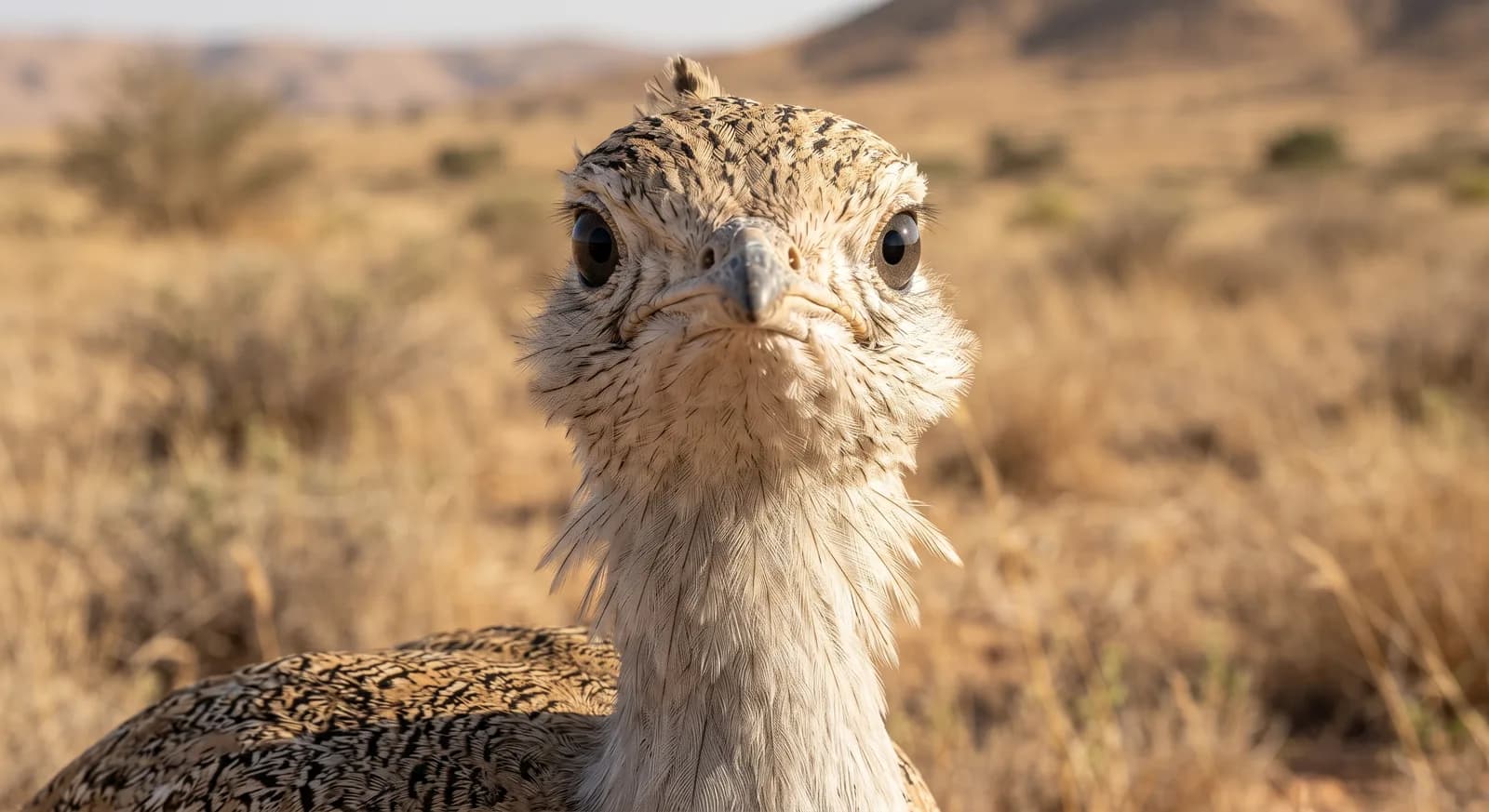 Vulnerable
Houbara Bustard
Chlamydotis undulata
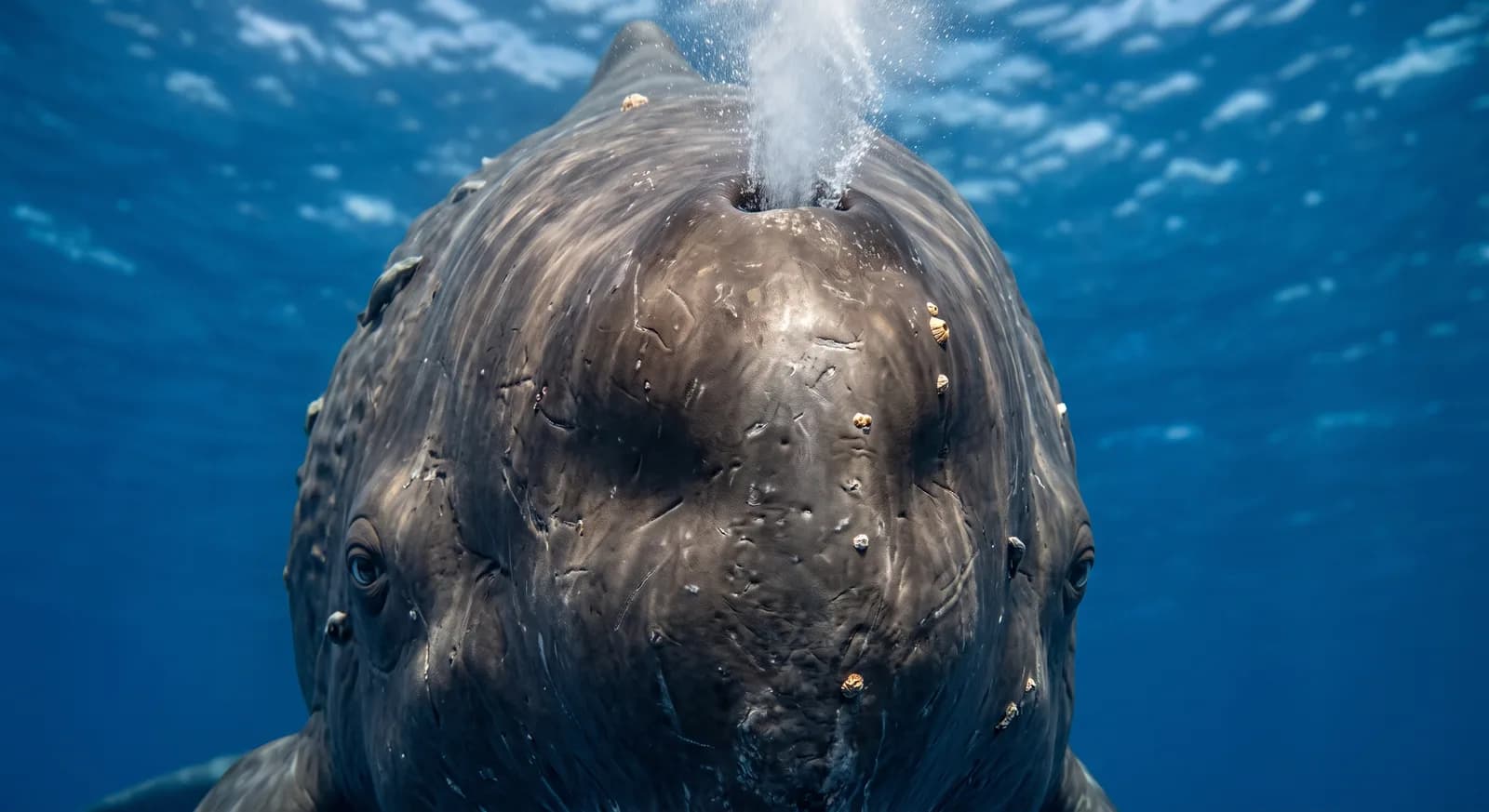 Vulnerable
Sperm Whale
Physeter macrocephalus
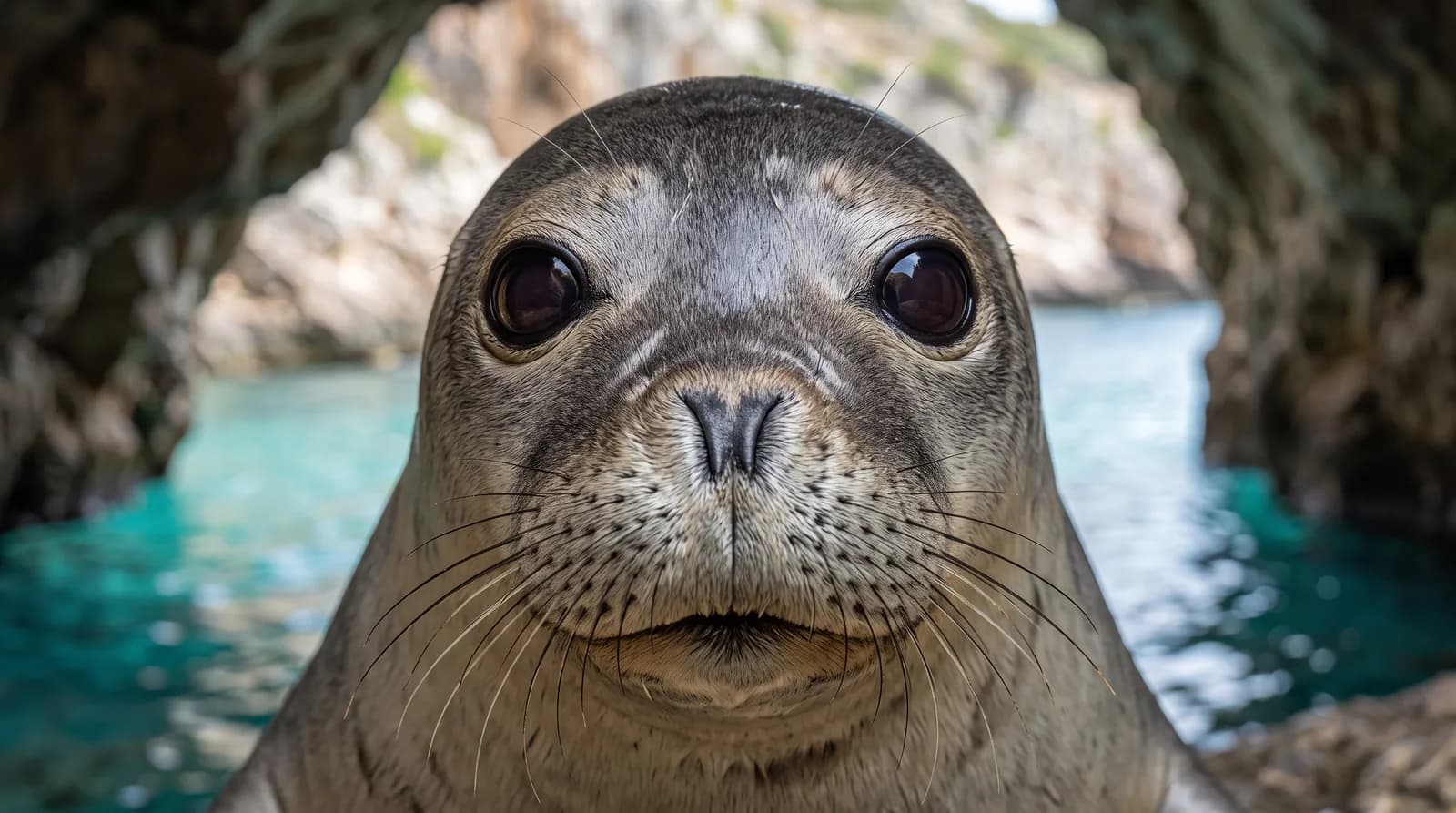 Vulnerable
Mediterranean Monk Seal
Monachus monachus
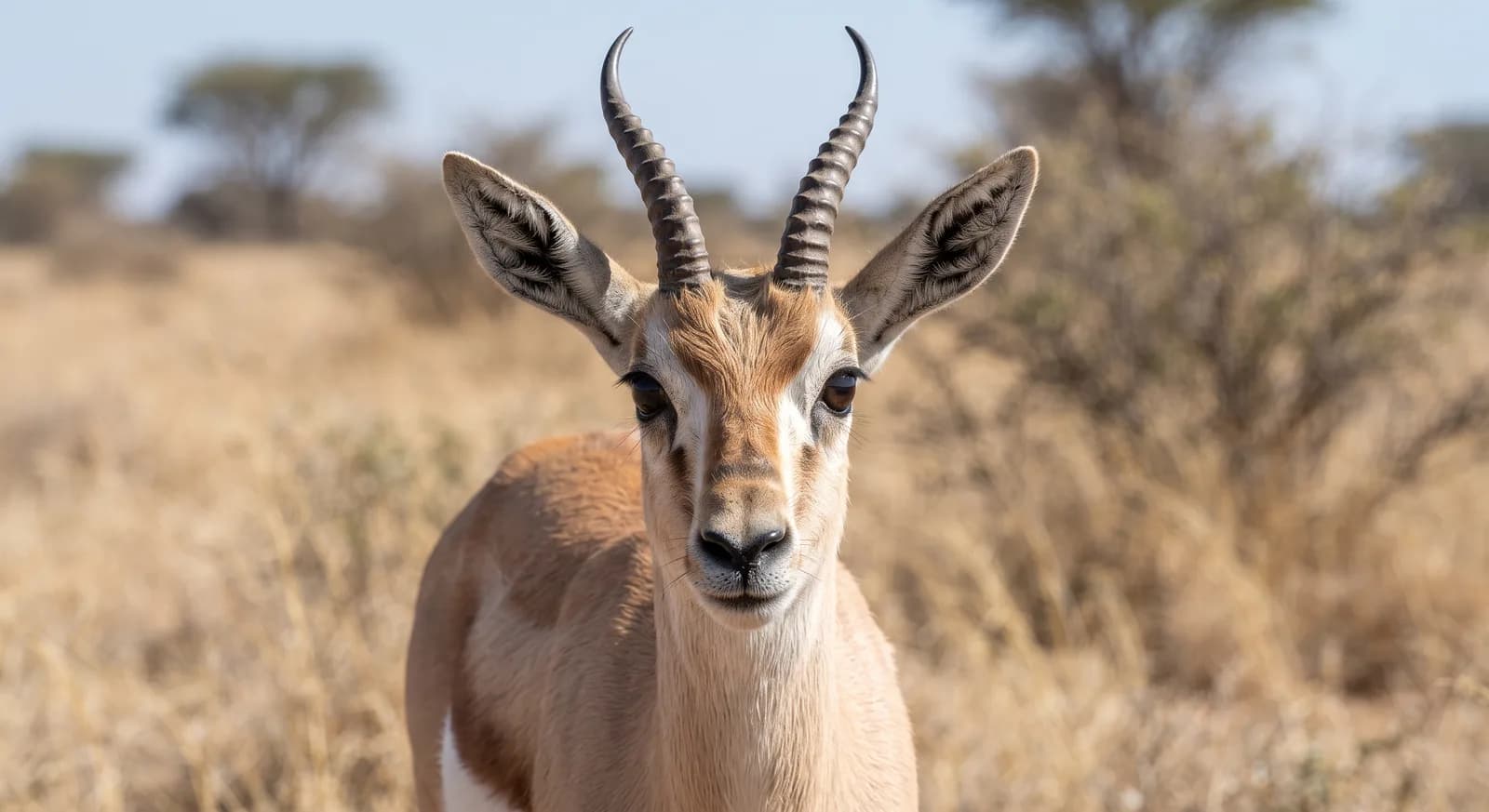 Vulnerable
Dorcas Gazelle
Gazella dorcas
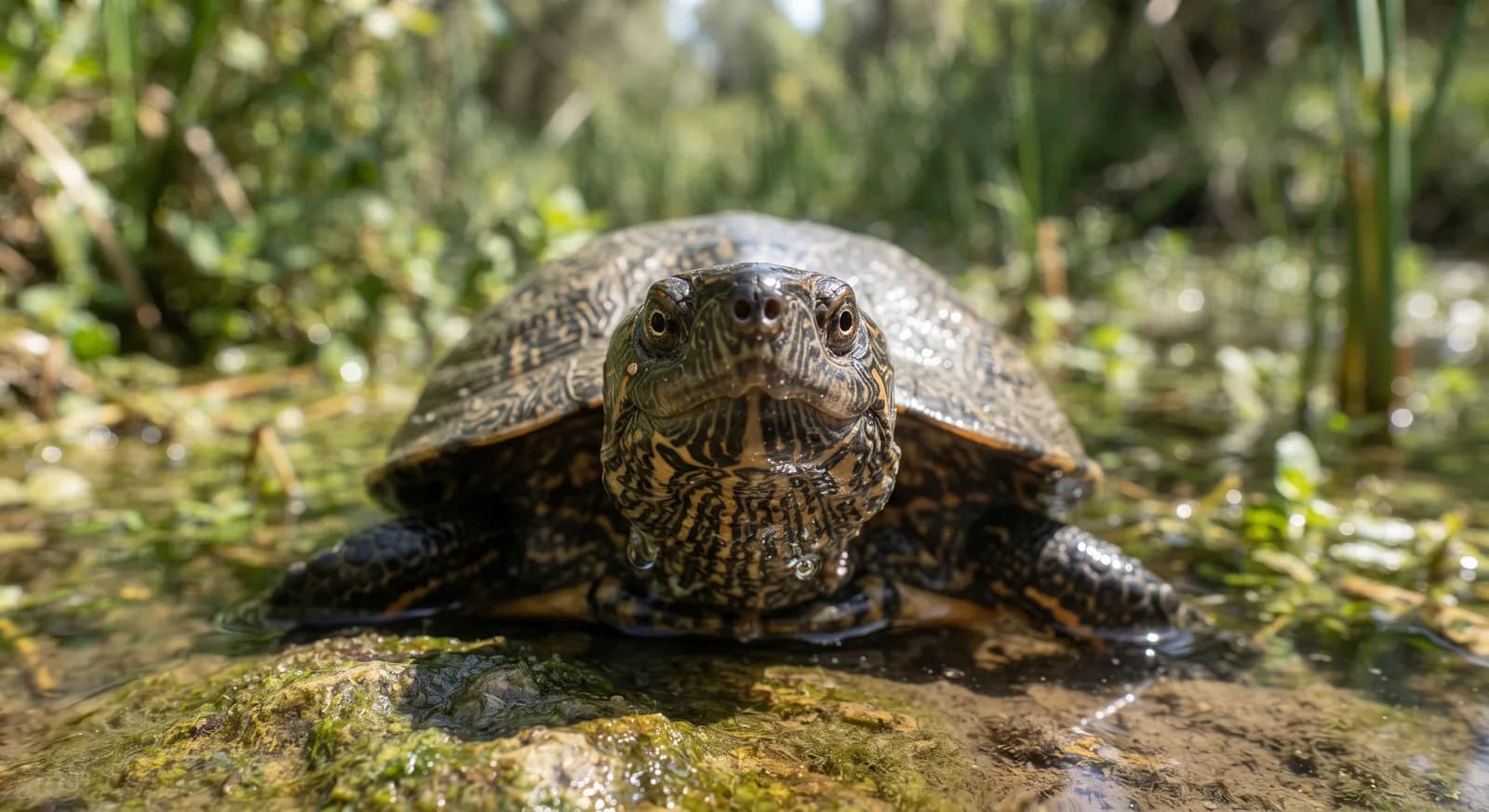 Vulnerable
Spanish Terrapin
Mauremys leprosa
Keep exploring
Based on what we already know about Palestine.